The Situation
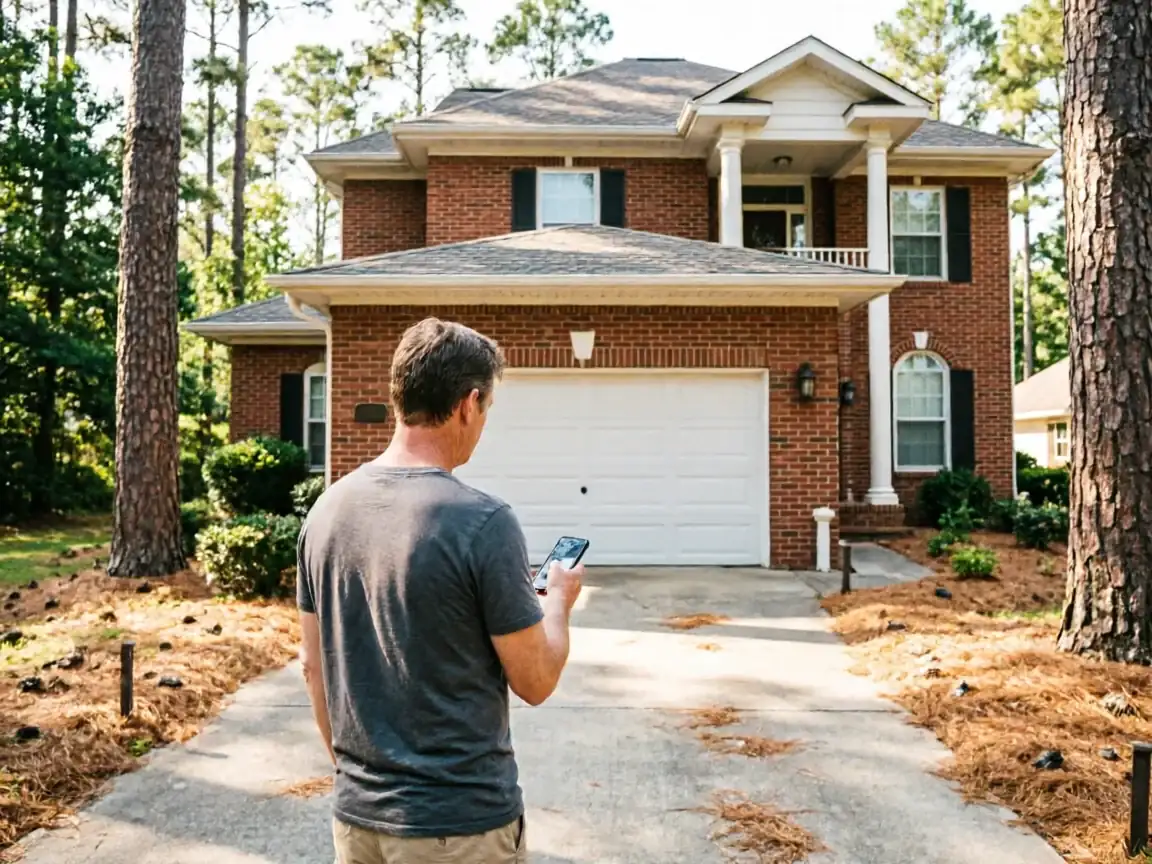
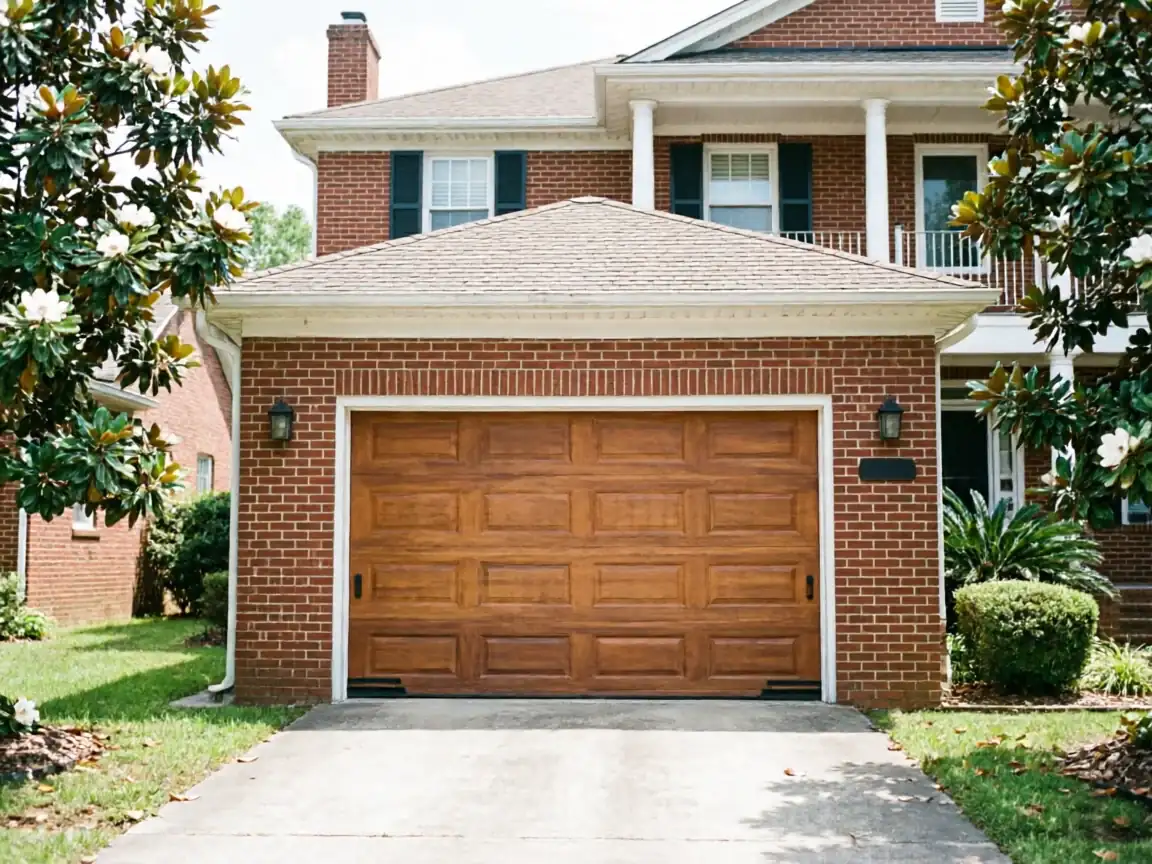
Most houses across the Newnan service area went up between 1964 and 2005, with the bulk of that stock dating to the 1980s and 90s. That matters more than people think. A door installed in 1986 was built to a different standard than one installed in 2005 - thinner steel, no foam core, single-layer panels that were normal for the time but do almost nothing against temperature swings.
Across the 12 named areas we work in, that 1980s-90s concentration means a lot of homes still running their original door, or a straight swap from decades back that never upgraded the insulation along with it. The service area sits in a cold-moderate climate band, which isn't brutal, but it's enough that an uninsulated steel panel in a garage attached to living space will transfer cold straight through the shared wall.
This isn't a crisis. It's just a mismatch between what the door was built to do and what the house now needs it to do, especially if anyone's finished the garage or runs it as a workspace. The fix isn't always replacement - sometimes it's knowing which parts of an old door are worth keeping and which ones are the reason the room never holds heat.
What to Check
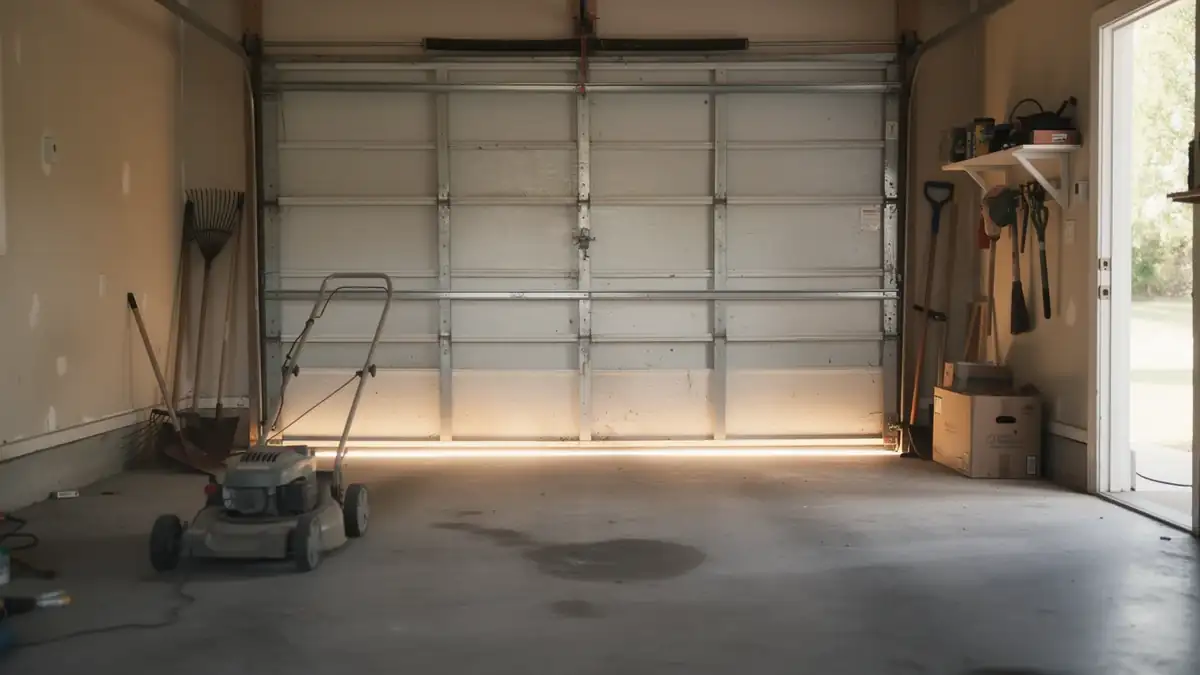
Start with the panel itself. If the door predates the 1990s insulation shift that most of this housing stock straddled, pop the access panel or look at the door's edge - a single sheet of steel with no visible foam or polystyrene backing means you're running an uninsulated door, full stop.
Next, check the weatherstrip at the bottom and sides. On a house built in the 1964-2005 range, that strip has usually been replaced once or twice already, or never. Cracked, flattened, or missing stripping lets cold air in regardless of what the panel is made of - in a cold-moderate climate, that gap matters more than people expect.
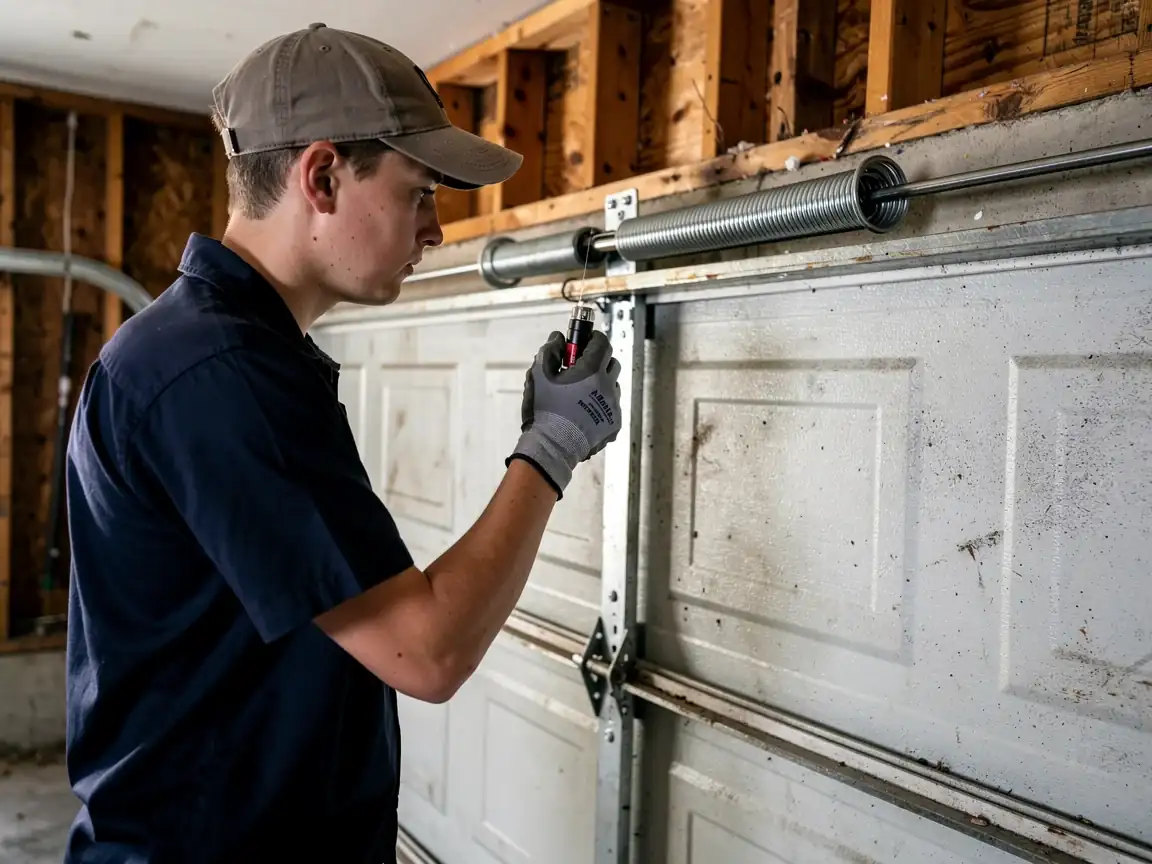
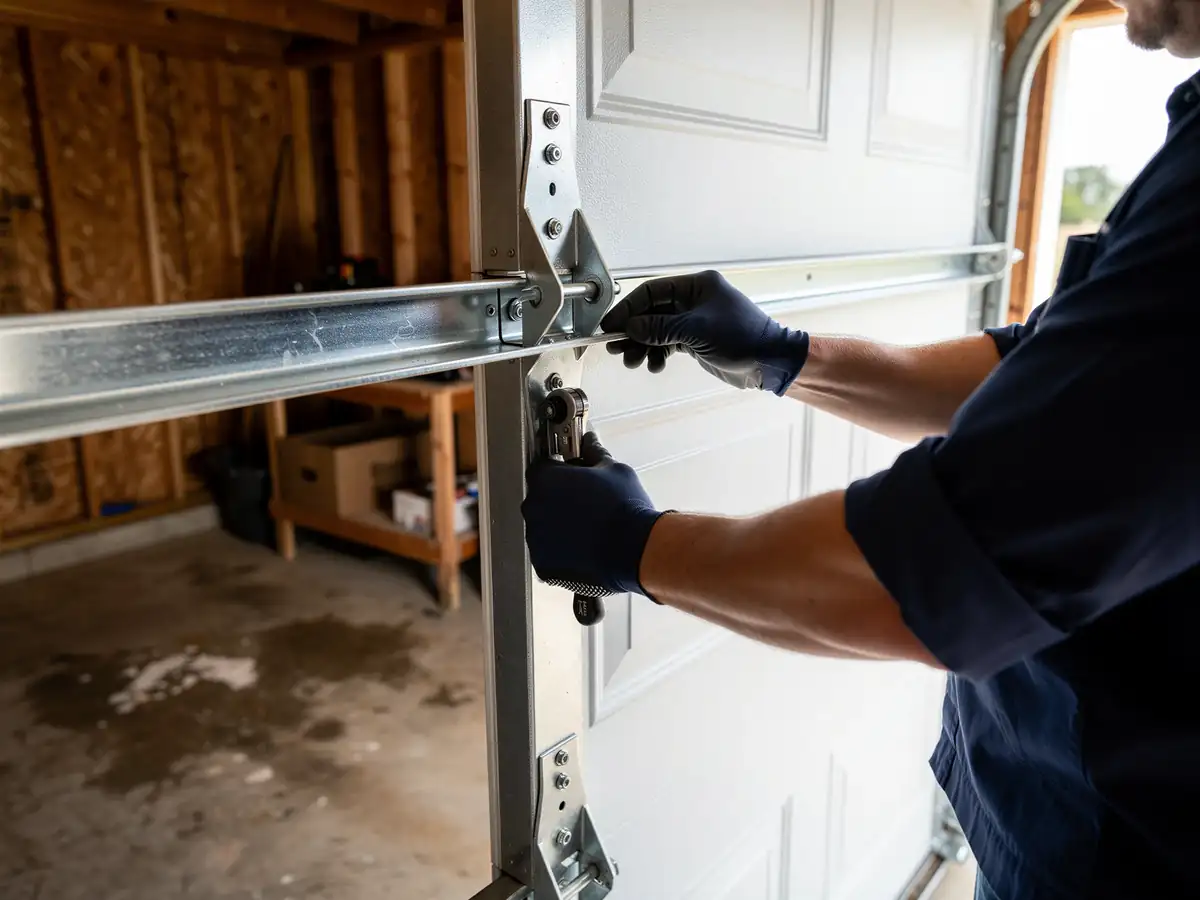
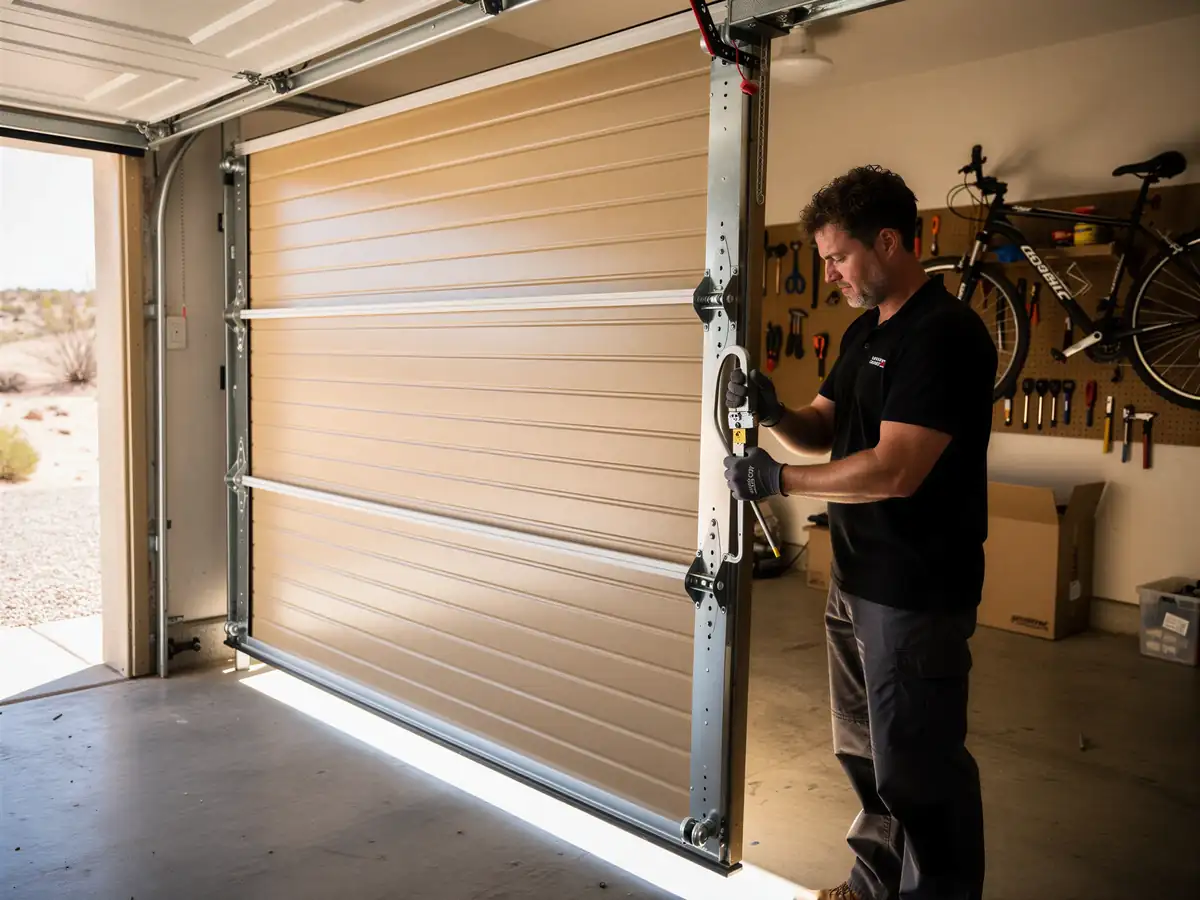
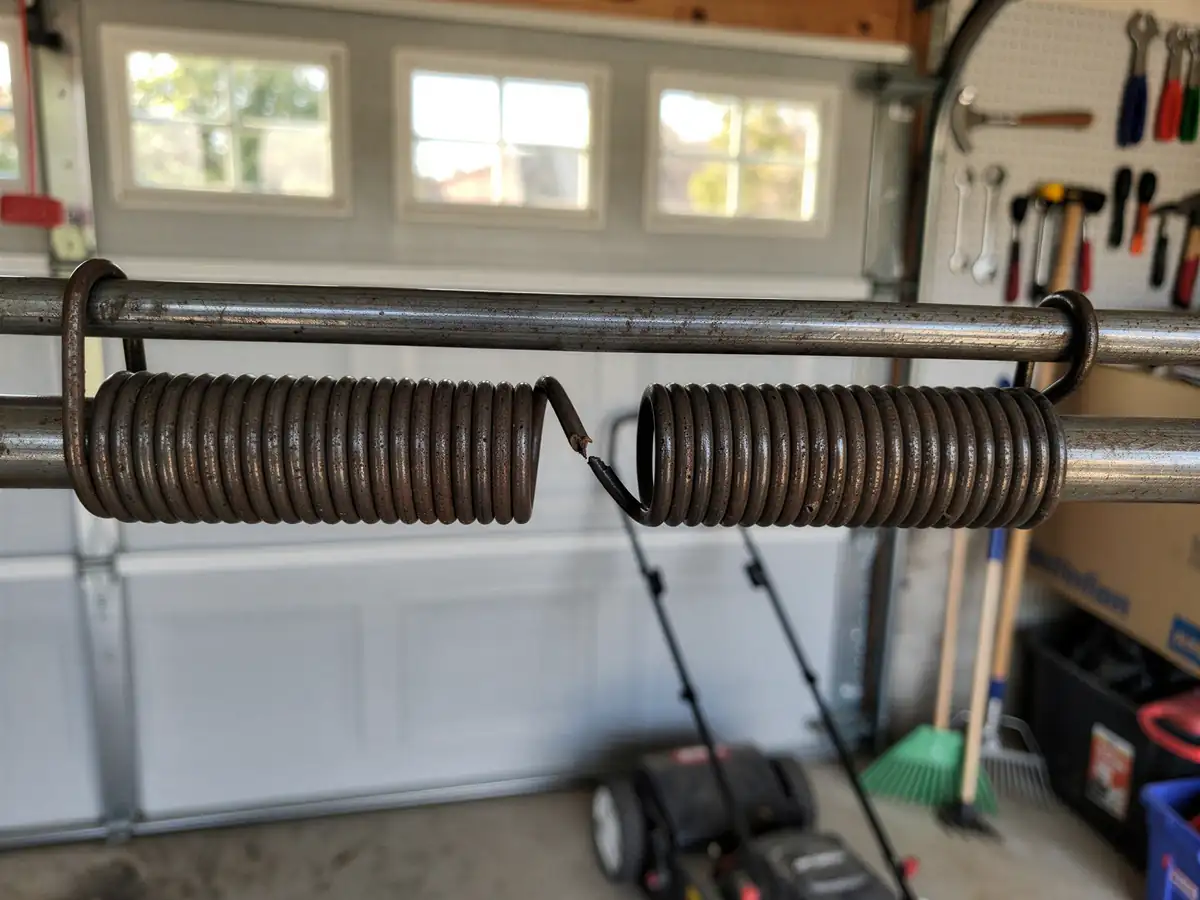
Look at the hardware, too. Original torsion springs and rollers on a door this old are sized for the door's original weight, not for a retrofit insulation kit someone bolted on later. Adding weight to old hardware without checking the spring rating is a common mistake and a real safety issue, not just a performance one.
Finally, check the garage-to-house shared wall. If that wall is uninsulated and the door is too, you're losing heat through two surfaces, not one, and no amount of door work fixes the wall.
What You Pay
We don't have a flat number to hand you here
Because what you pay depends entirely on what's actually wrong - a weatherstrip swap is a different job than replacing a 1980s panel with no foam core, and we're not going to quote a repair sight unseen.
What we can tell you is what drives the cost on a house like the ones common in this area
Panel material and insulation rating, whether the existing torsion hardware can be reused or needs resizing for a heavier insulated door, and whether the frame and track are square enough to take a new door without extra work. On an older build, that track-and-frame condition is often the real cost driver, not the door itself.
Given the median household income here runs around $71,597
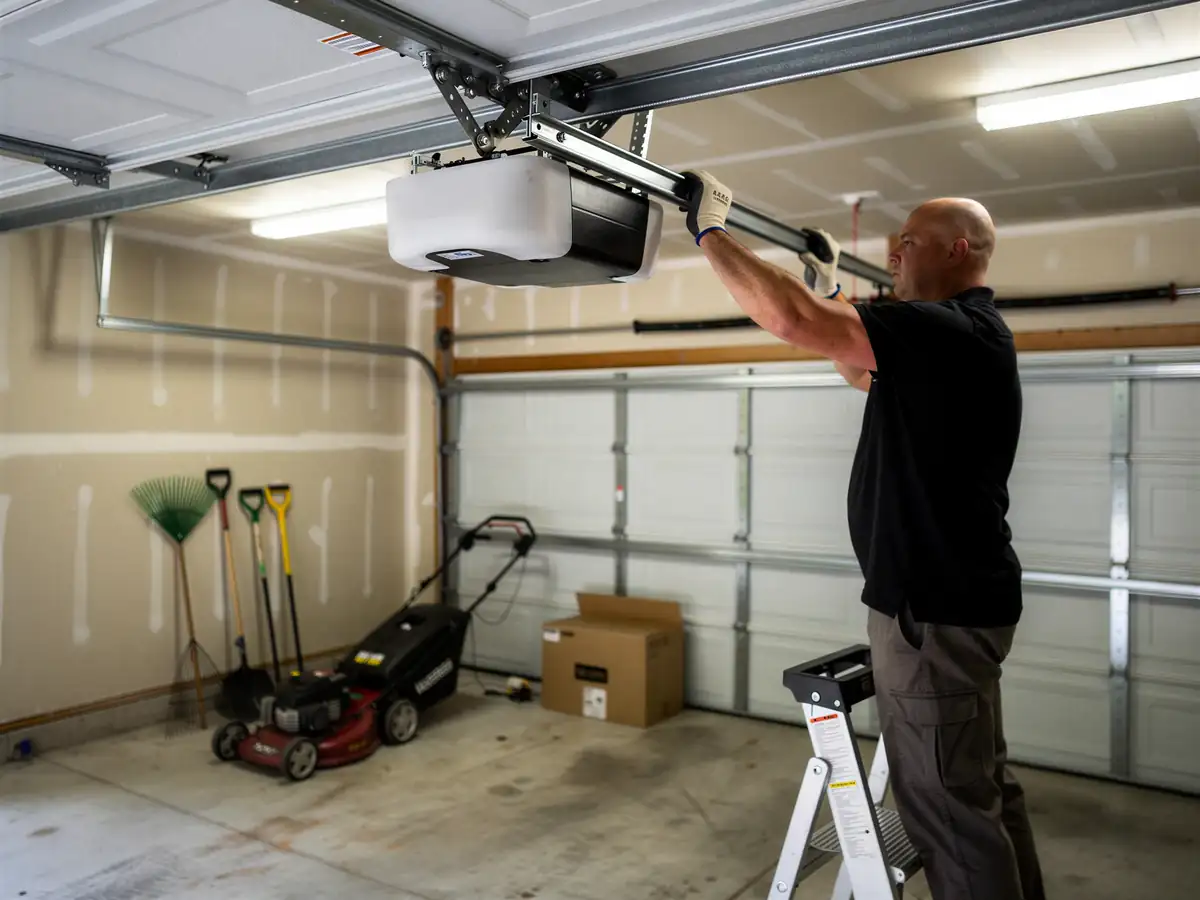
Most of the calls we get are homeowners weighing a repair against a full replacement - and honestly, on a door from the 1964-1990s stretch of this area's housing, replacement usually wins once you add up spring, opener, and insulation work piecemeal. We'll tell you straight if a repair isn't worth it instead of running up a bill on a door that's on its way out anyway.
How Local Conditions Play In
The cold-moderate band this area sits in isn't extreme, but it's steady enough that an uninsulated door costs you something every winter, not just on the worst nights. That's different from a hard-freeze climate where the damage is dramatic and obvious - here it's quieter, a slow drain on the attached garage's temperature that shows up as a cold wall, a chilly laundry room, or an opener motor working harder in the cold than it should.
Across the named areas we cover - from East Newnan a couple miles out to Senoia and Hogansville toward the edges of the service range - the housing age is consistent enough that this isn't a one-house problem. A door built when most of this stock went up, in the 1980s or 90s, was never spec'd for today's energy expectations, and the climate here, while not severe, is enough to make that gap noticeable on the utility bill.
If your house falls in that 1964-2005 build window, which covers the overwhelming majority of homes in this area, it's worth assuming the original door wasn't built with insulation in mind unless someone's already swapped it.