
This Area's Housing
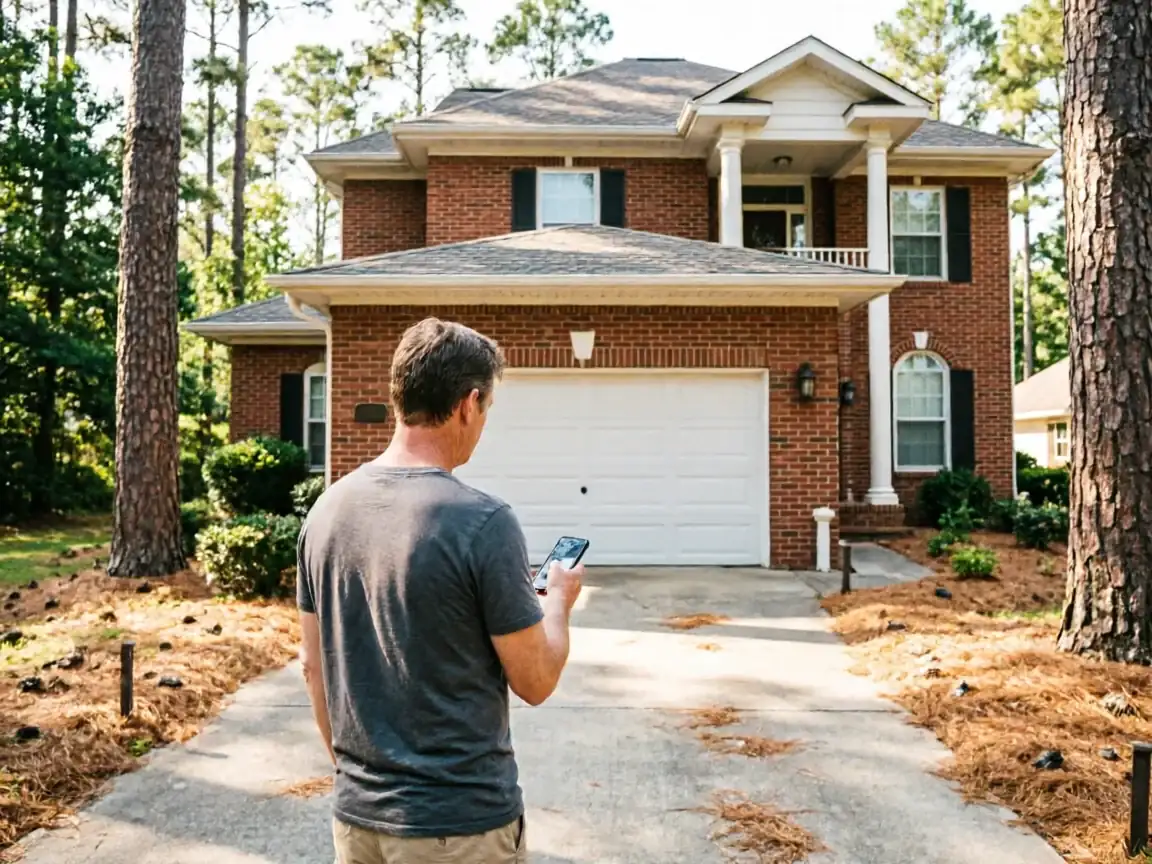
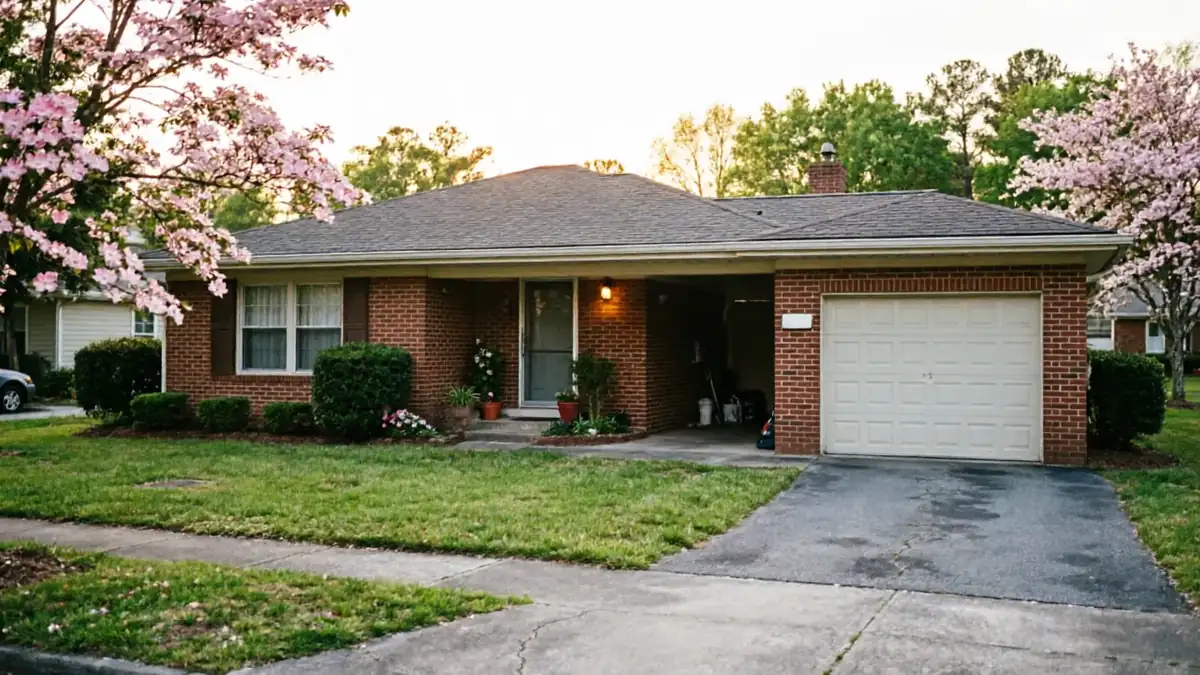
East Newnan's housing stock runs older than most of what we see across the rest of the service area. The median build year here is 1964, while the broader coverage area - 12 named communities built mostly in the 1980s and 90s - has a median year of 1994, three decades newer. That's not a small gap. A door installed in 1964 was built for different hardware, different spring tension standards, and often a narrower track width than anything made today. With only 201 households in this immediate area, it's a small, tight pocket of older construction sitting close to a much newer service footprint. If your opener or spring was installed when the house was built, it's likely original or close to it, and original 1960s-era hardware is not something most parts suppliers stock anymore. We're 2 miles out from our Newnan base, which makes East Newnan one of the closer calls we run, but closeness doesn't change what the door itself is working with. The age of the house tells us more about what's likely wrong than the mileage does.
Older vs Newer Streets
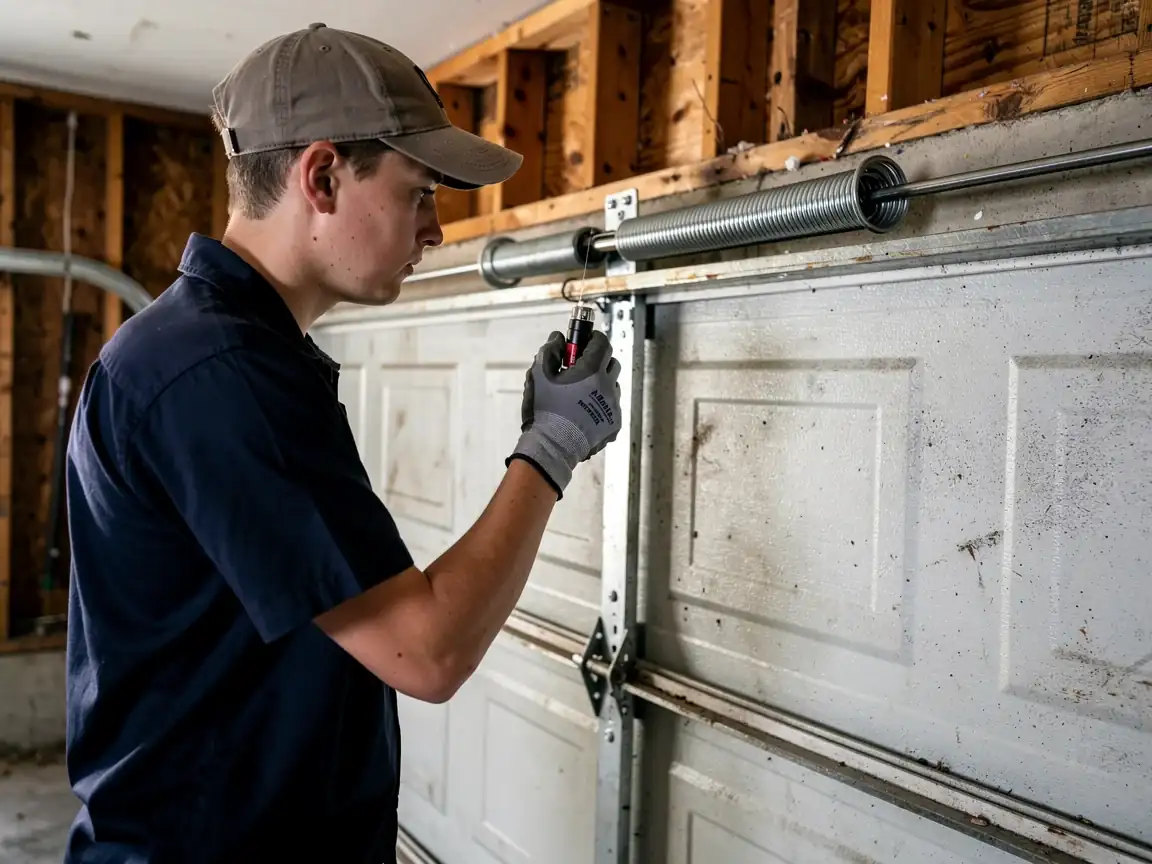
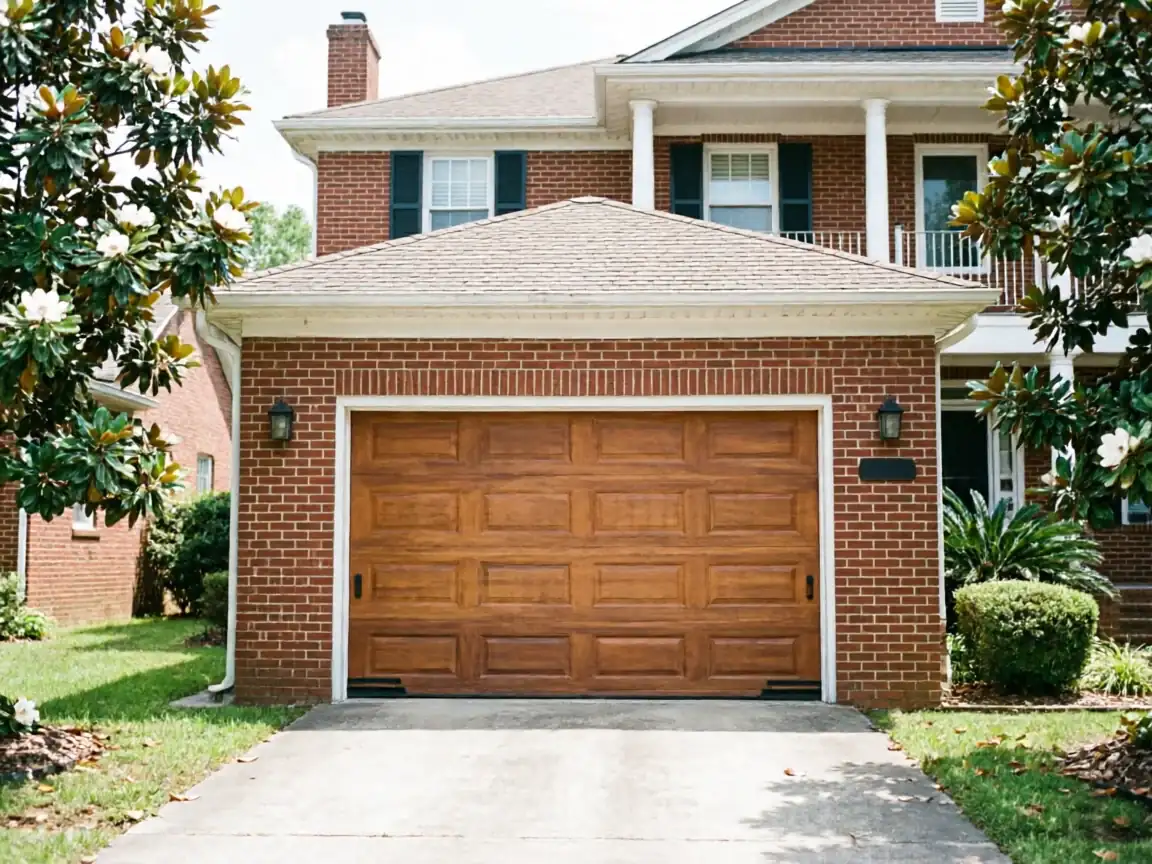
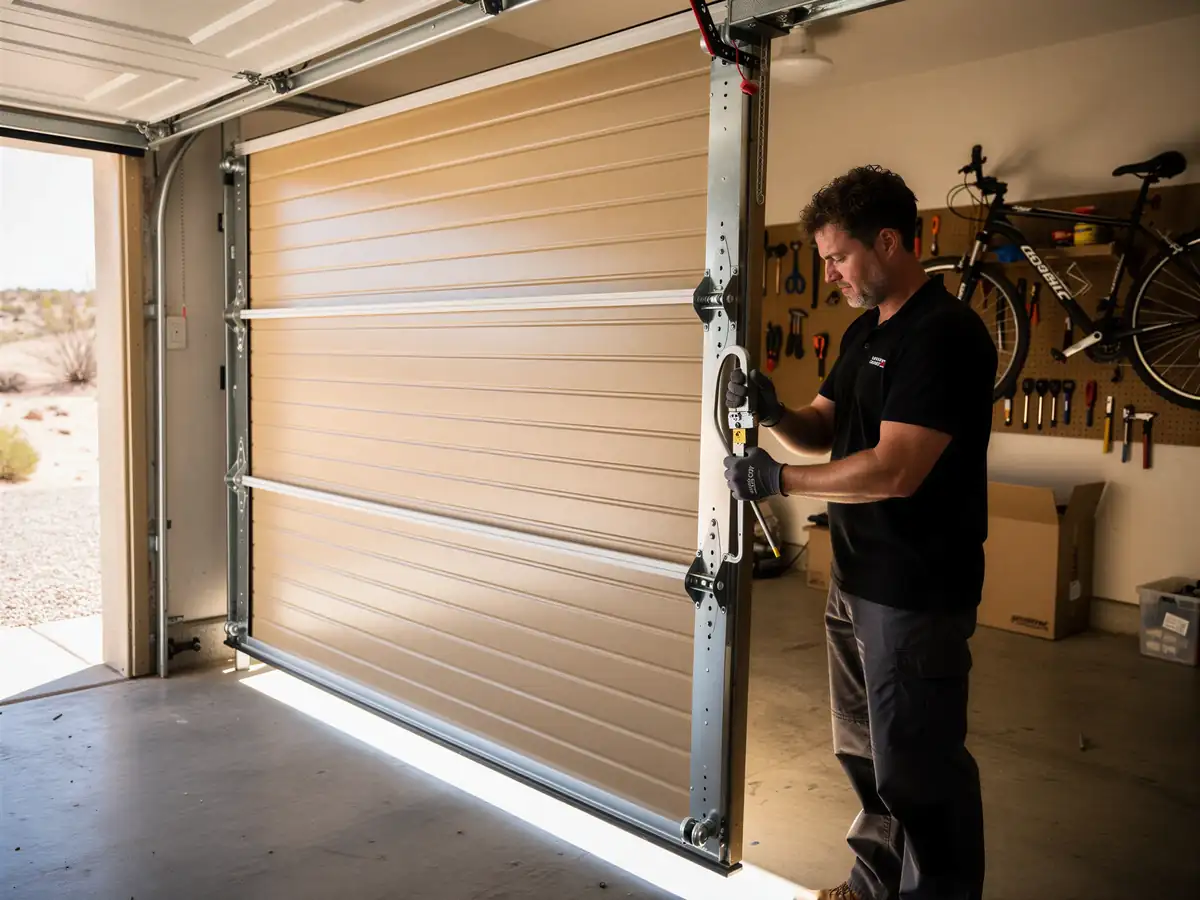
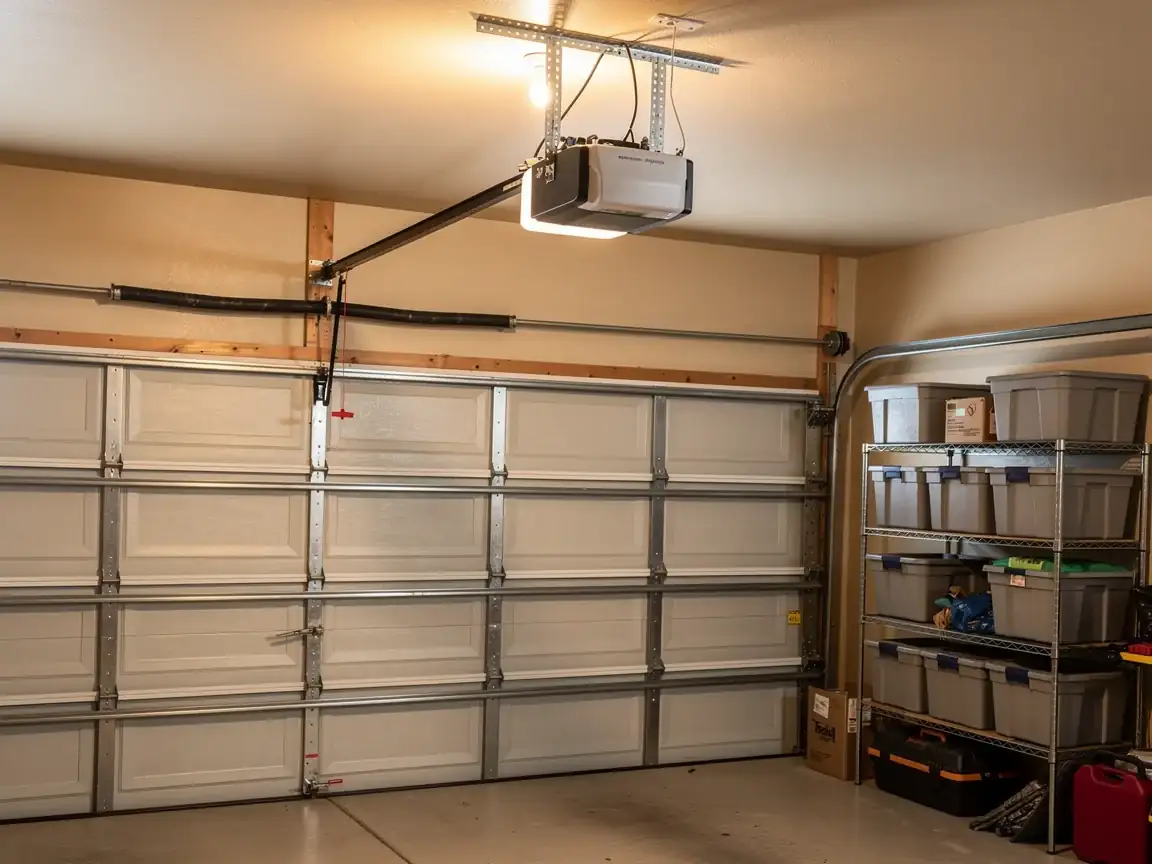
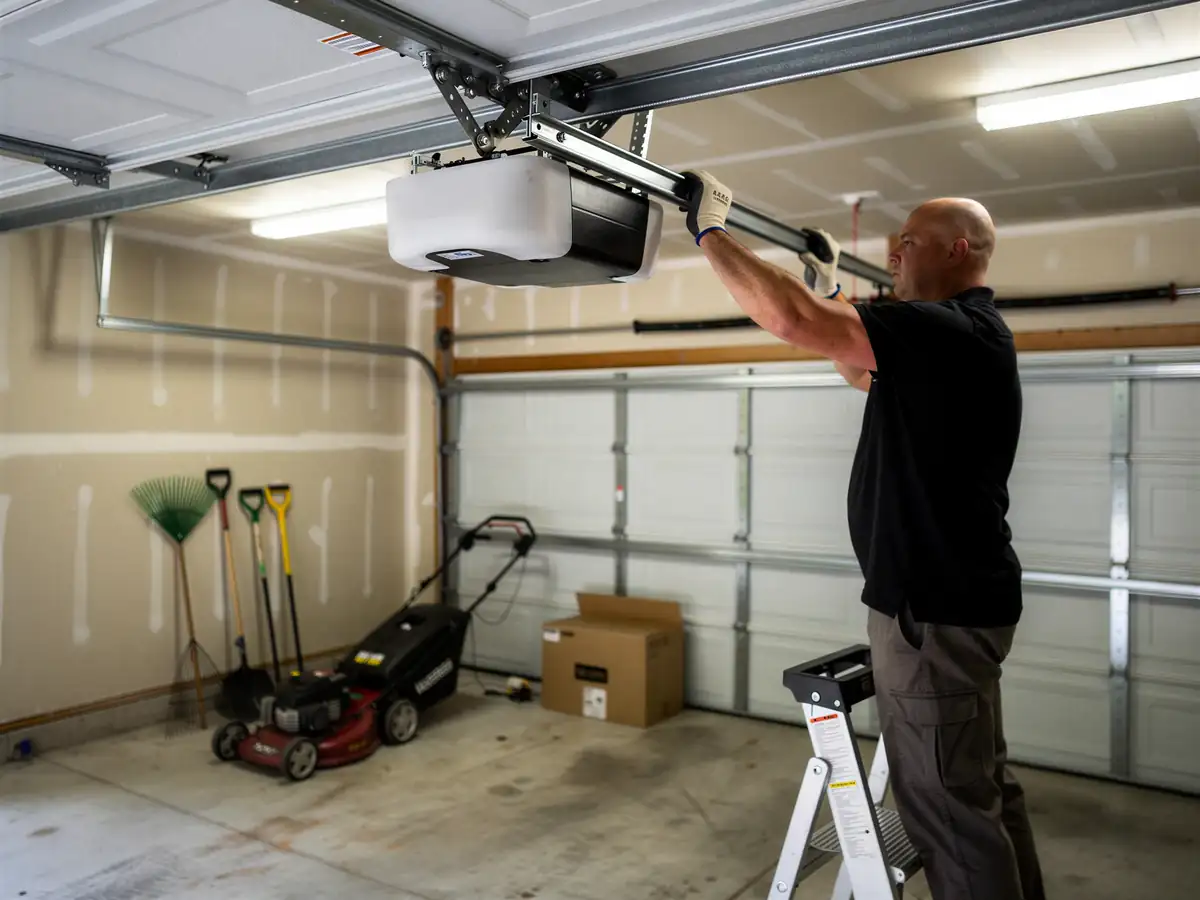
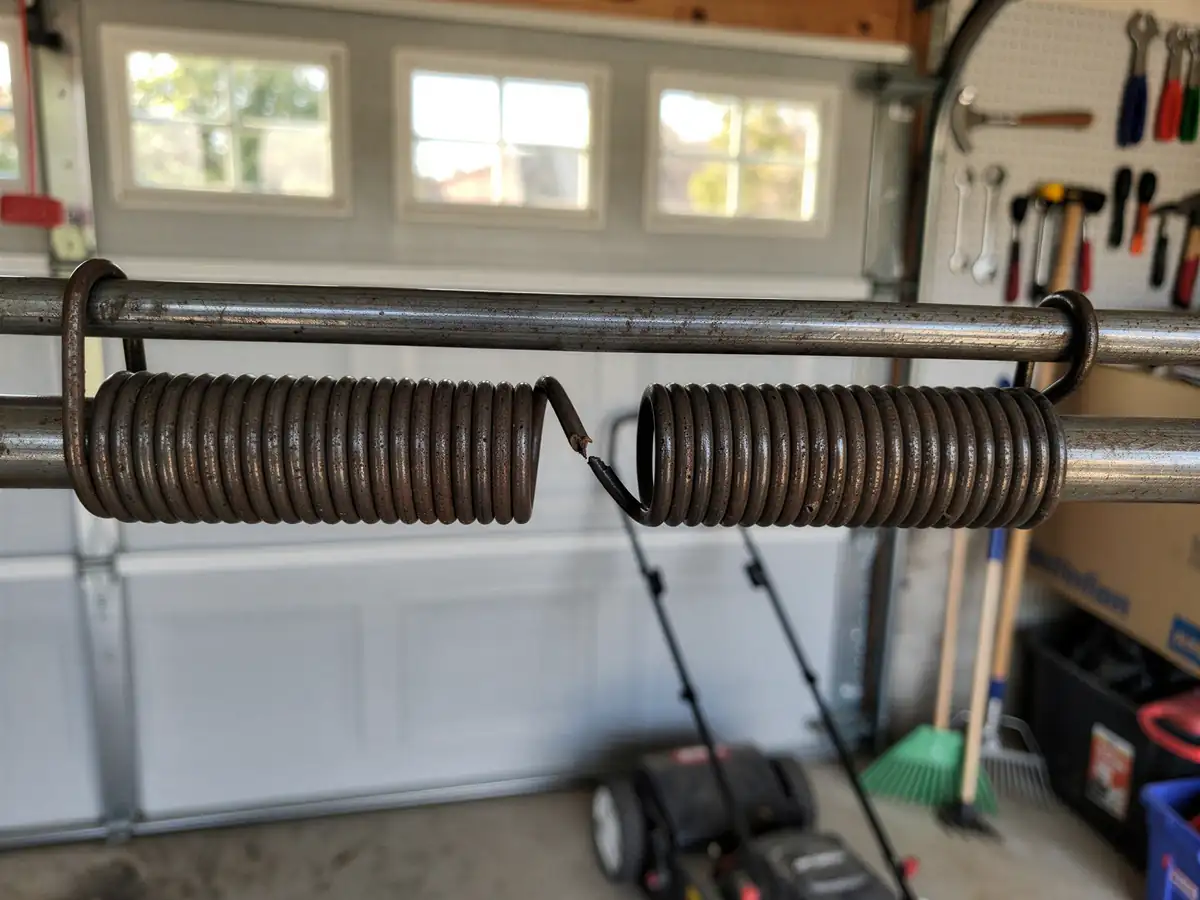
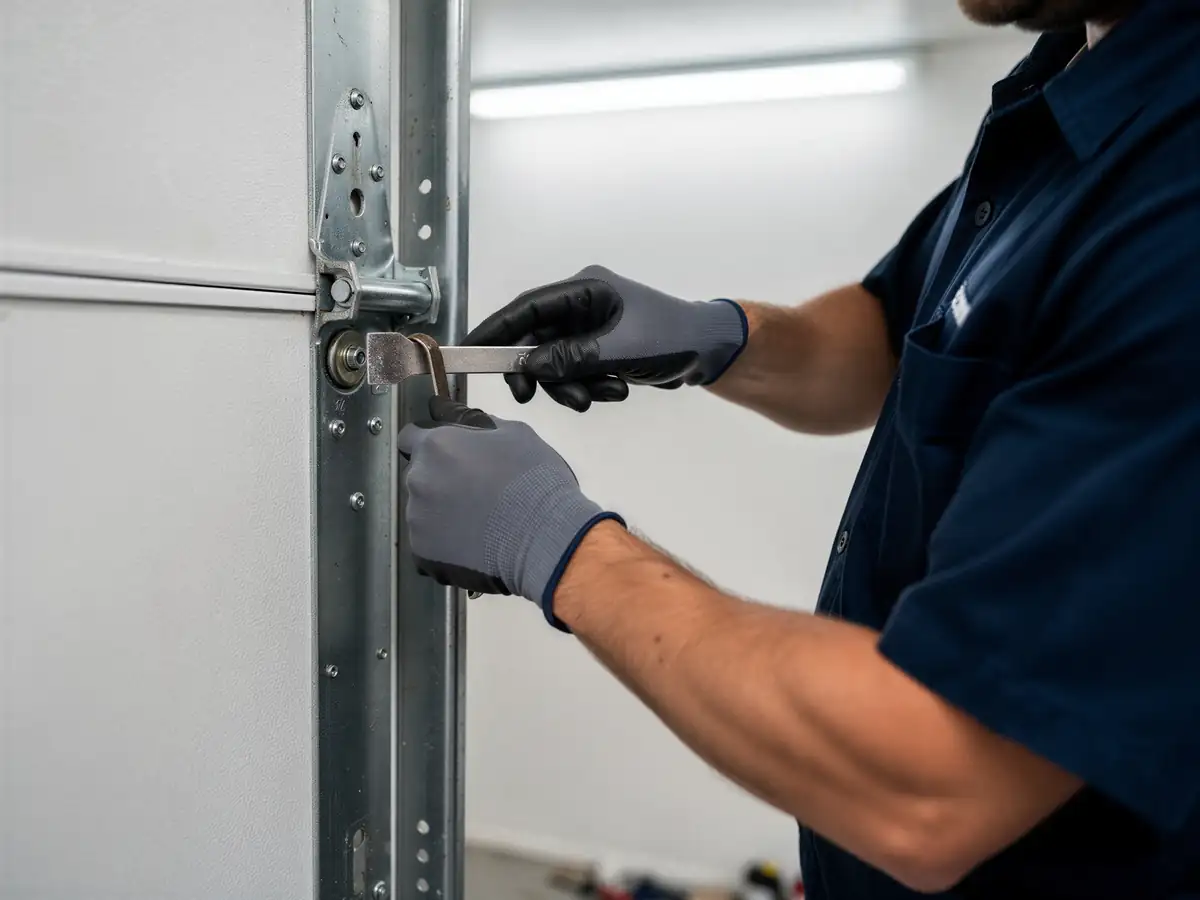
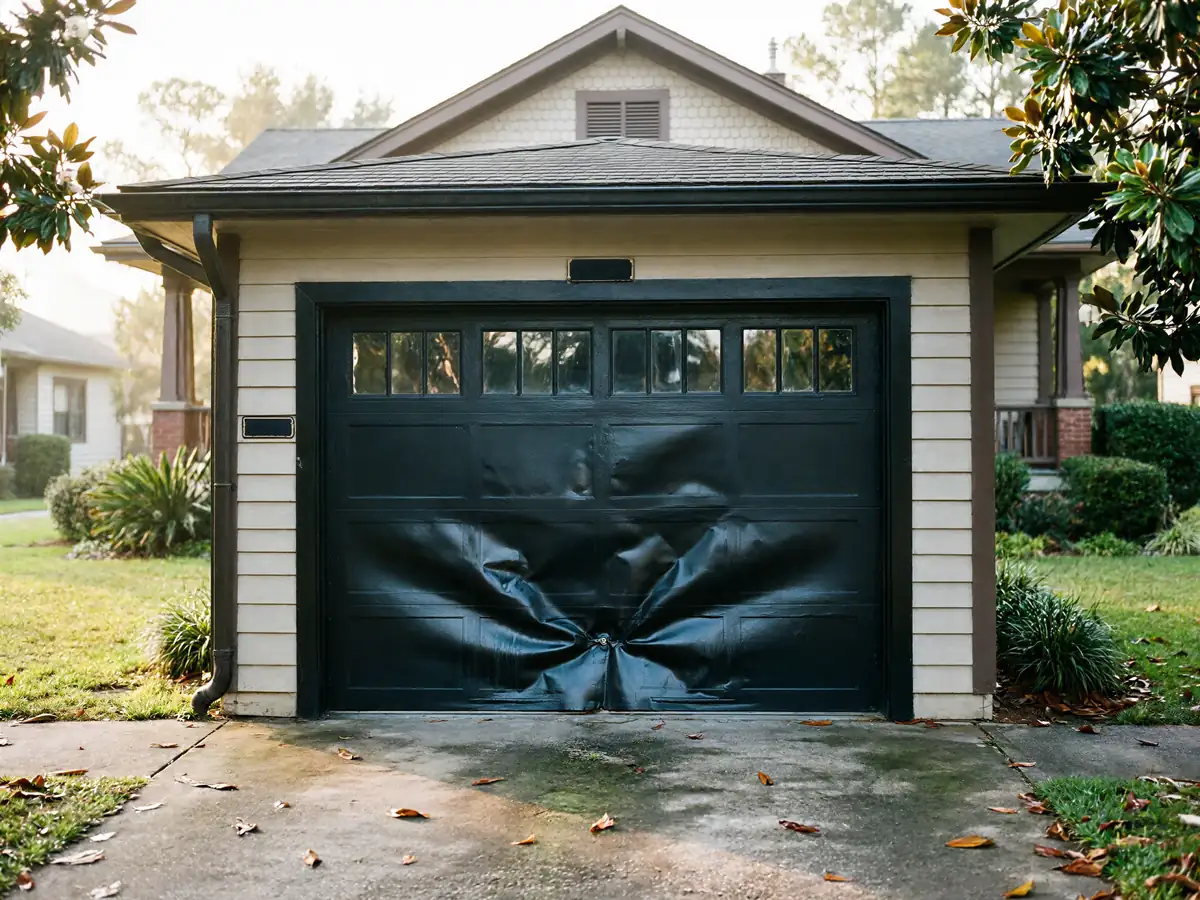
Walk a block in East Newnan and you'll see the difference between a 1960s build and anything put up after 1990. Older streets here tend to have single-car or narrow double garages with doors on side-mounted torsion springs or, in some cases, extension springs running along the horizontal track - a setup that was standard before center-mounted torsion bars became the norm. Newer construction, where it exists, follows the same patterns as the rest of the service area: wider double-door openings, center torsion springs, and openers with modern safety sensors built in from the factory. The practical difference is in failure mode. On an older street, we're usually looking at worn rollers, a stretched or frayed cable, or an extension spring that's reached the end of its life - component failures tied to age and cycle count. On a newer build the more common call is a sensor misalignment or an opener logic board issue. Knowing which kind of street a call comes from changes what we bring off the truck before we even open the door.
What the Housing Means for Your Door
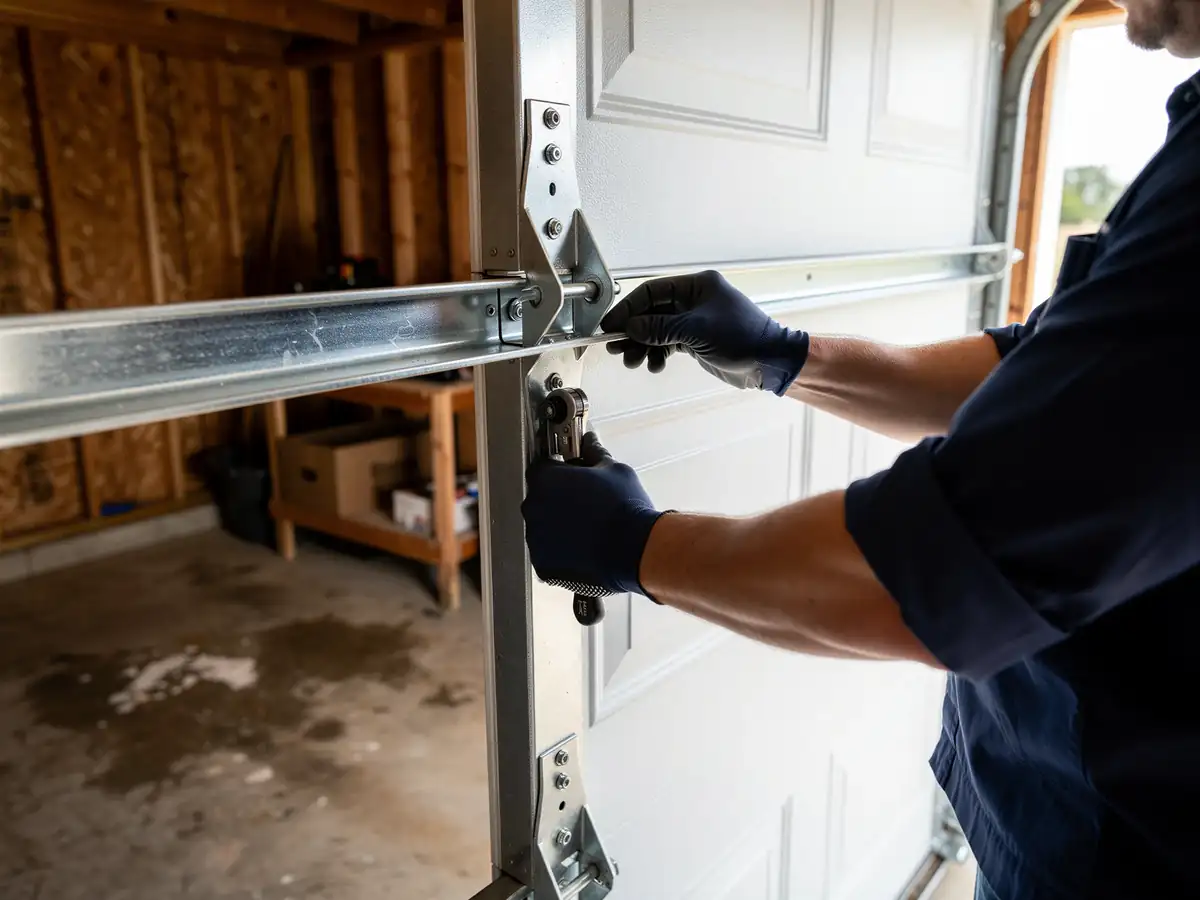
A house built in 1964 has had a garage door for roughly sixty years of cold-climate winters, and springs don't last that long - most torsion springs are rated for a fixed number of open-close cycles, and a door that age has usually been through several spring replacements already, sometimes with mismatched hardware from different eras. That's the honest limitation worth naming here: on some of these older setups, the track, the spring, and the opener weren't all installed at the same time, and matching new parts to old hardware isn't always a clean fit. Sometimes the right call is replacing the whole assembly rather than patching one more piece onto a system that's outlived its original design. With median household income in this area at $41,080, well under the broader area's $71,597, we try to be upfront early about whether a repair makes sense or whether you're better off putting that money toward a full replacement instead of chasing one old part after another.