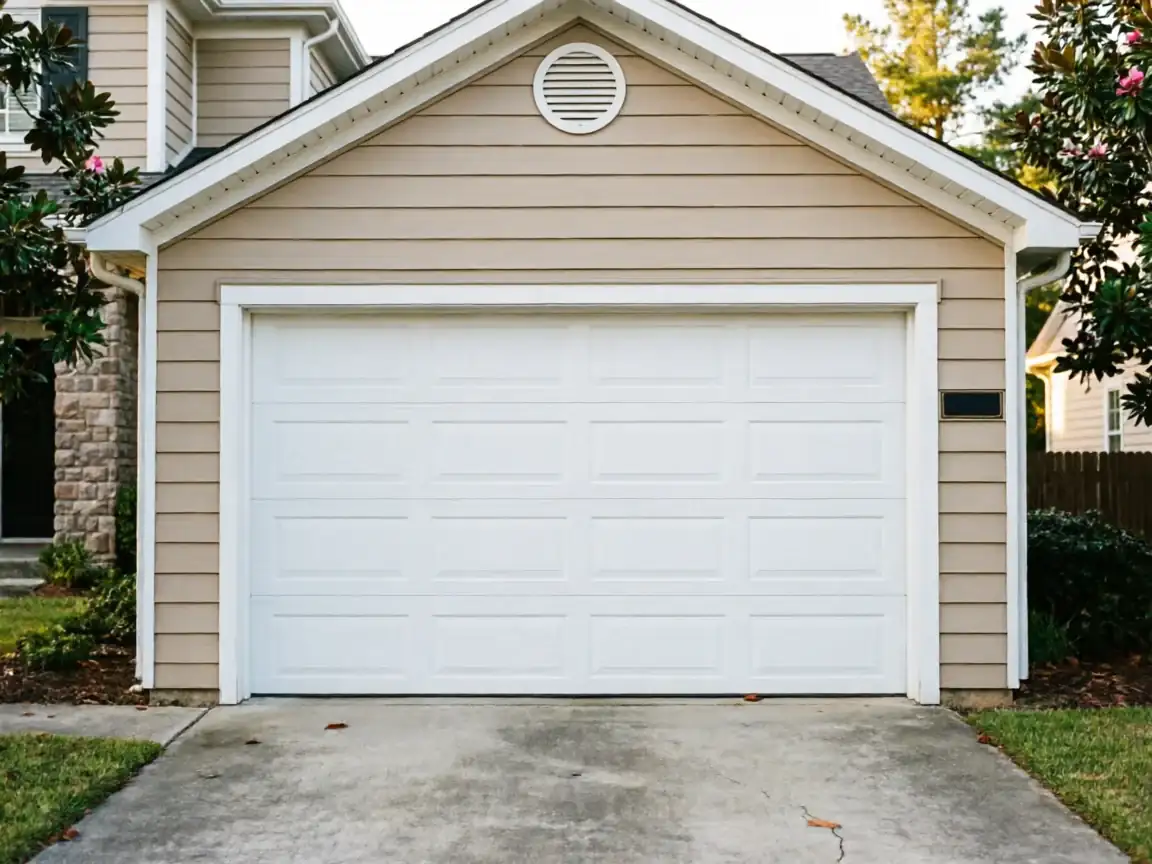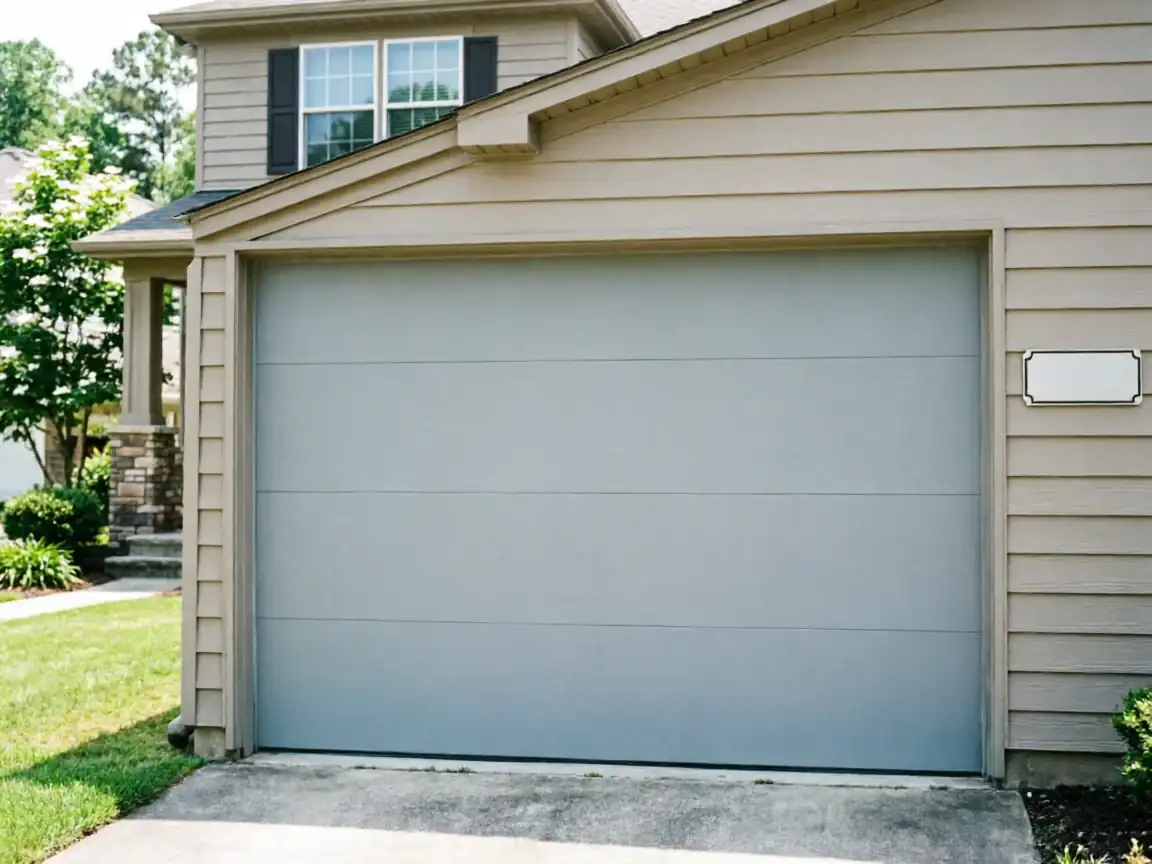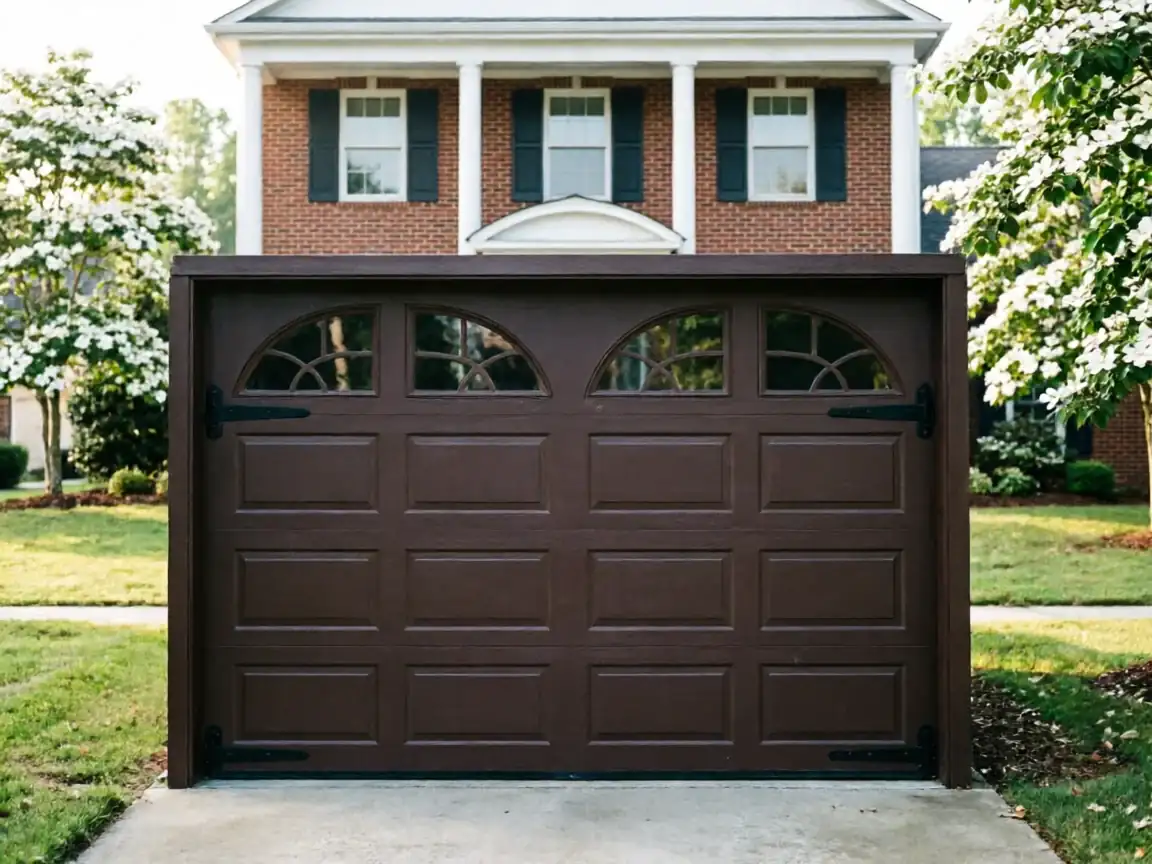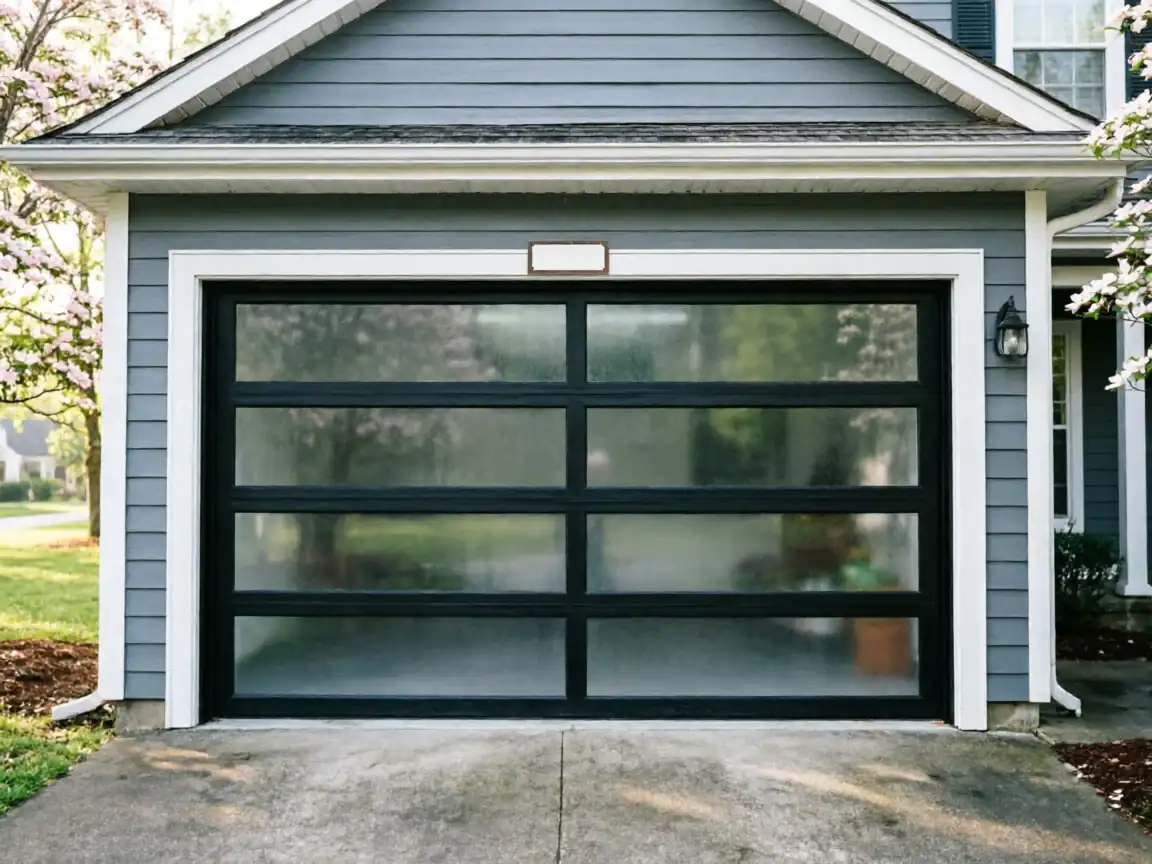
The Symptom
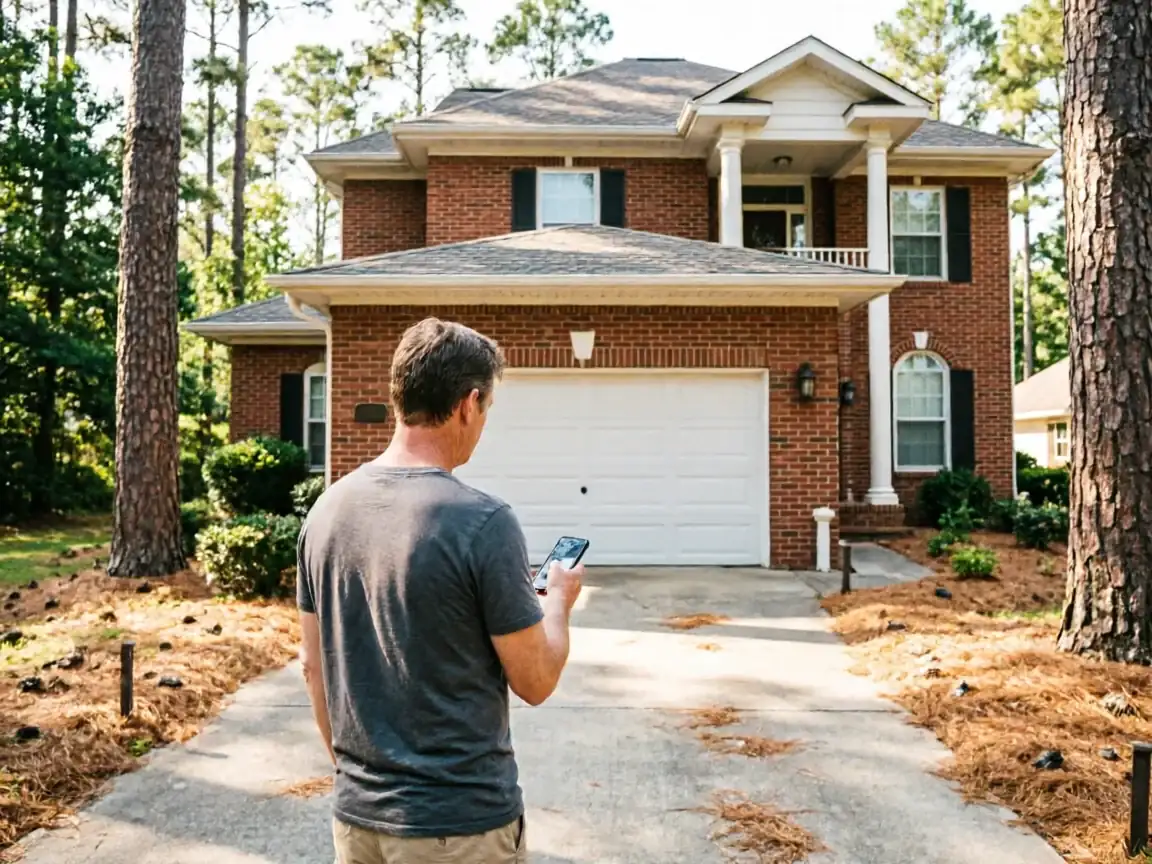
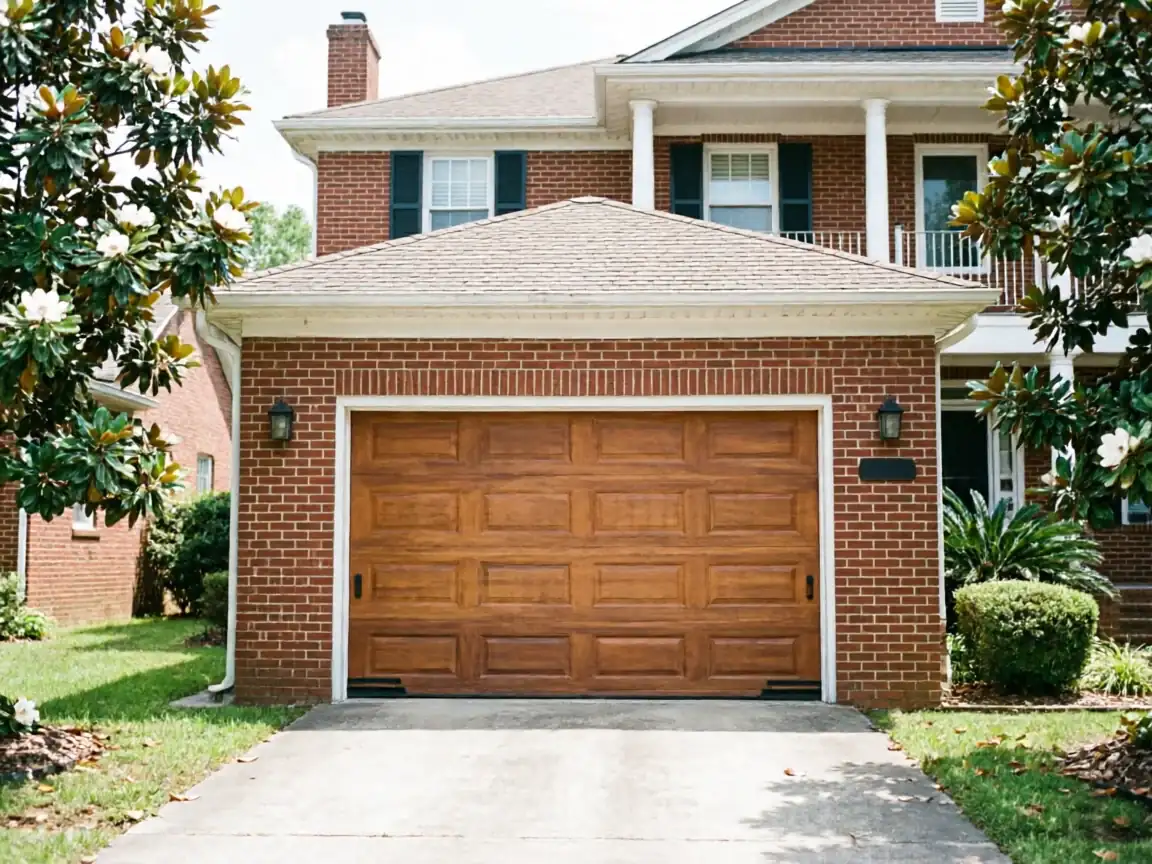
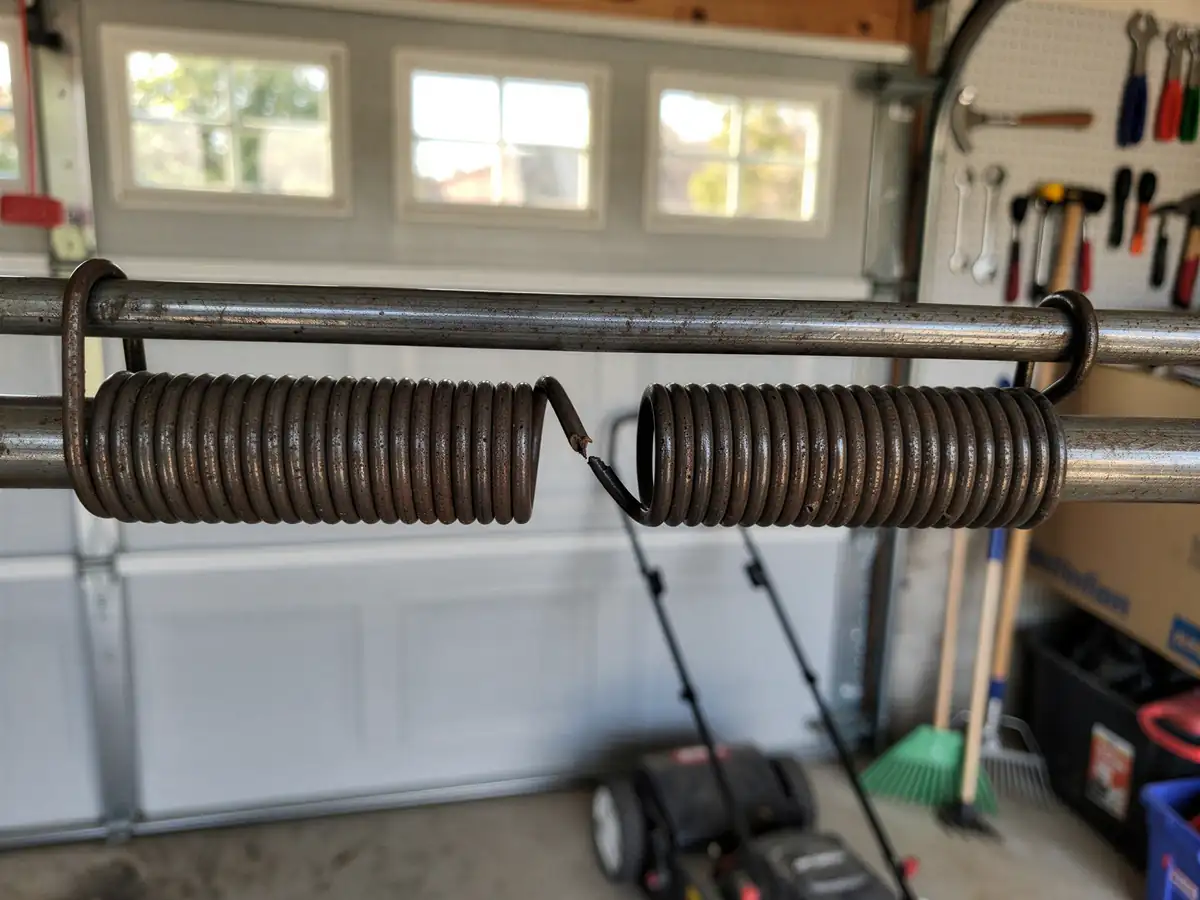
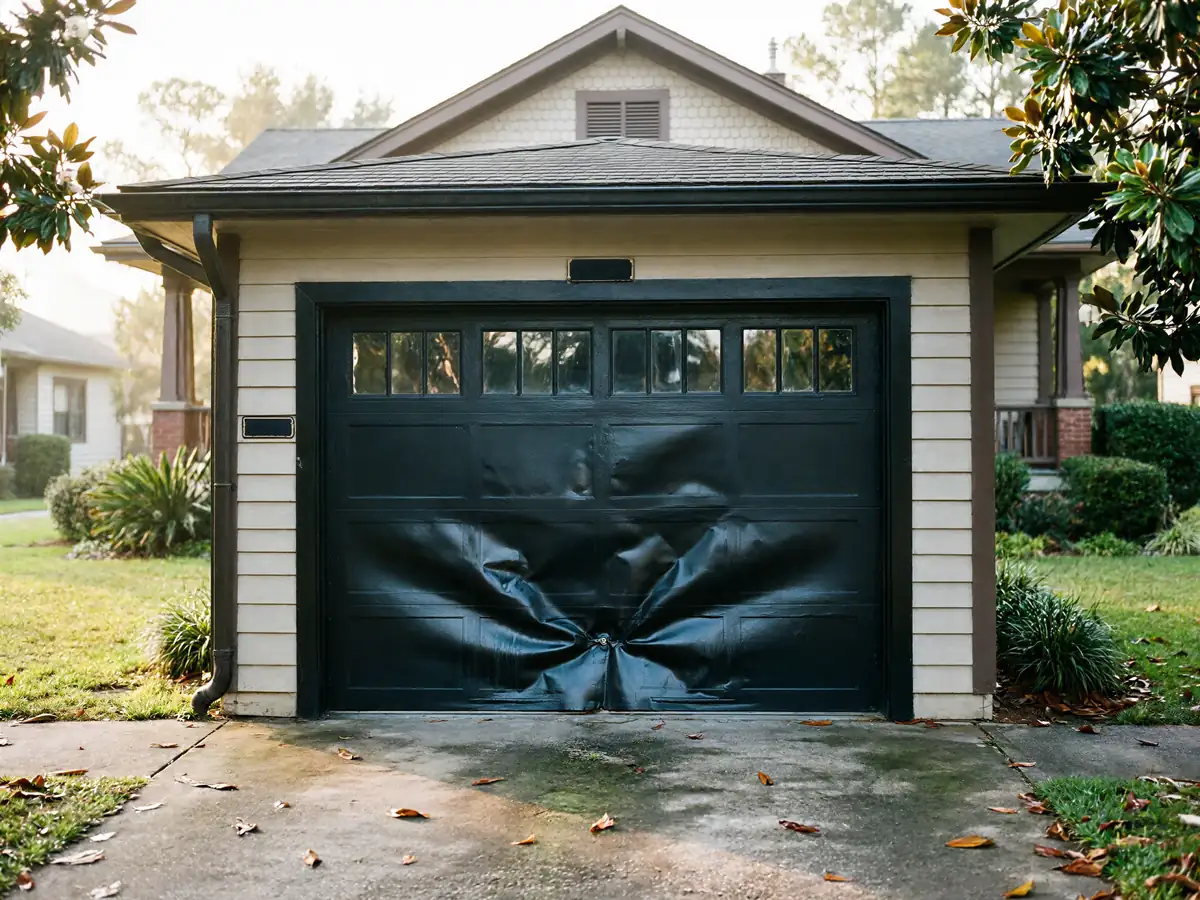
Most of the call isn't a door that won't open. It's a door that still runs but looks and performs like it's from another decade - because it is. A lot of Newnan's housing went up between 1964 and 2005, with the bulk of it dating to the 1980s and 90s across the twelve areas we work in. That means a huge share of doors on the road right now are original or close to it: single-layer steel, no insulation core, springs sized for a lighter door than code or comfort calls for today. Owners notice it as a door that's heavy to lift by hand, rattles going up, or lets a draft into the garage on a cold morning. Sometimes it's simpler - the track has bowed, the panels have dented past repair, or the opener is the kind with a manual-only reverse that no longer meets safety expectations. None of that is a single broken part. It's a door that's reached the end of what patching can do, and the fix is a new unit sized and insulated for how the house is actually used now.
What the Fix Involves
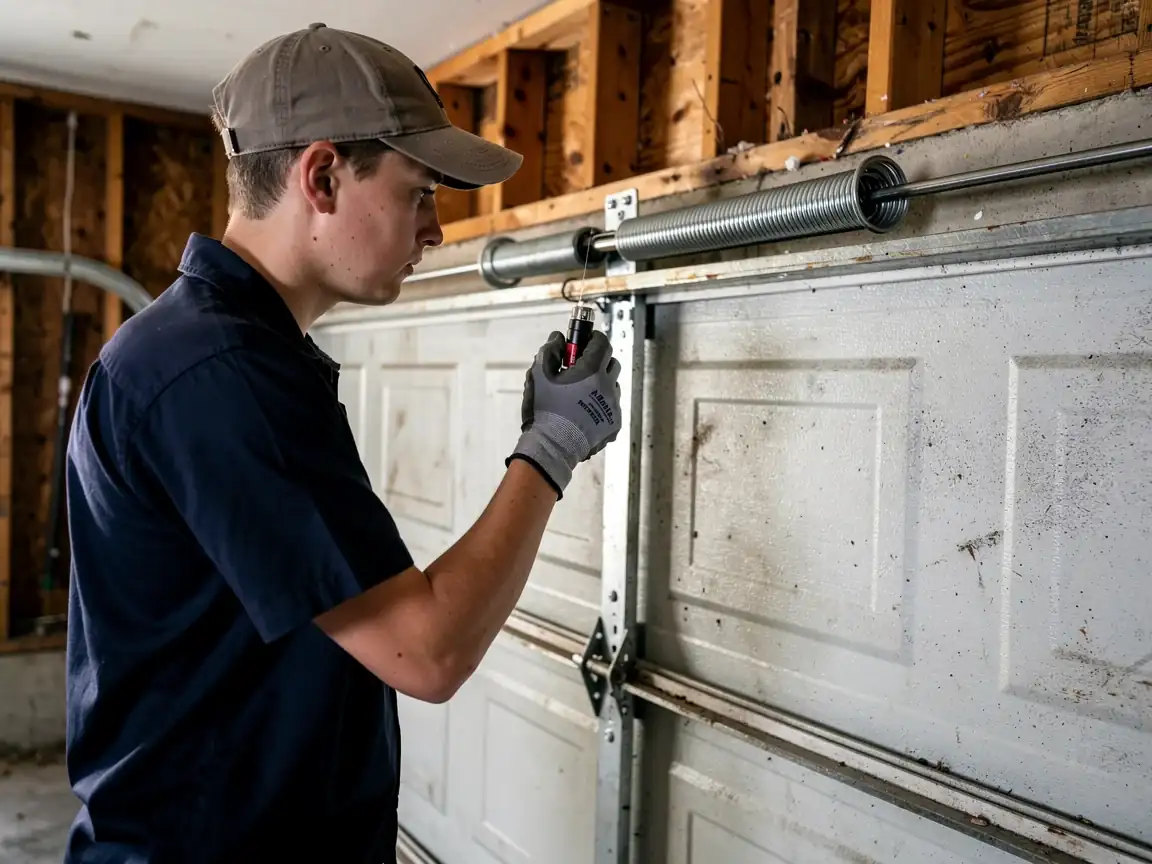
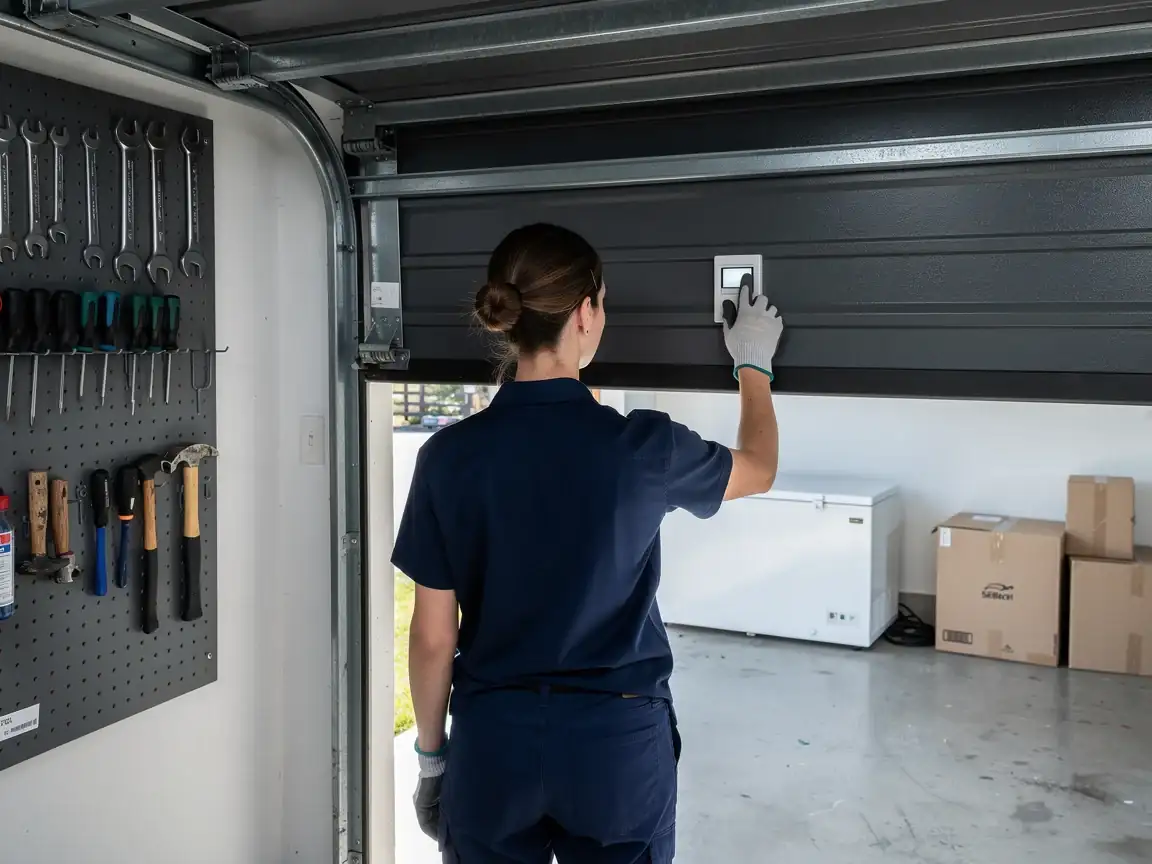
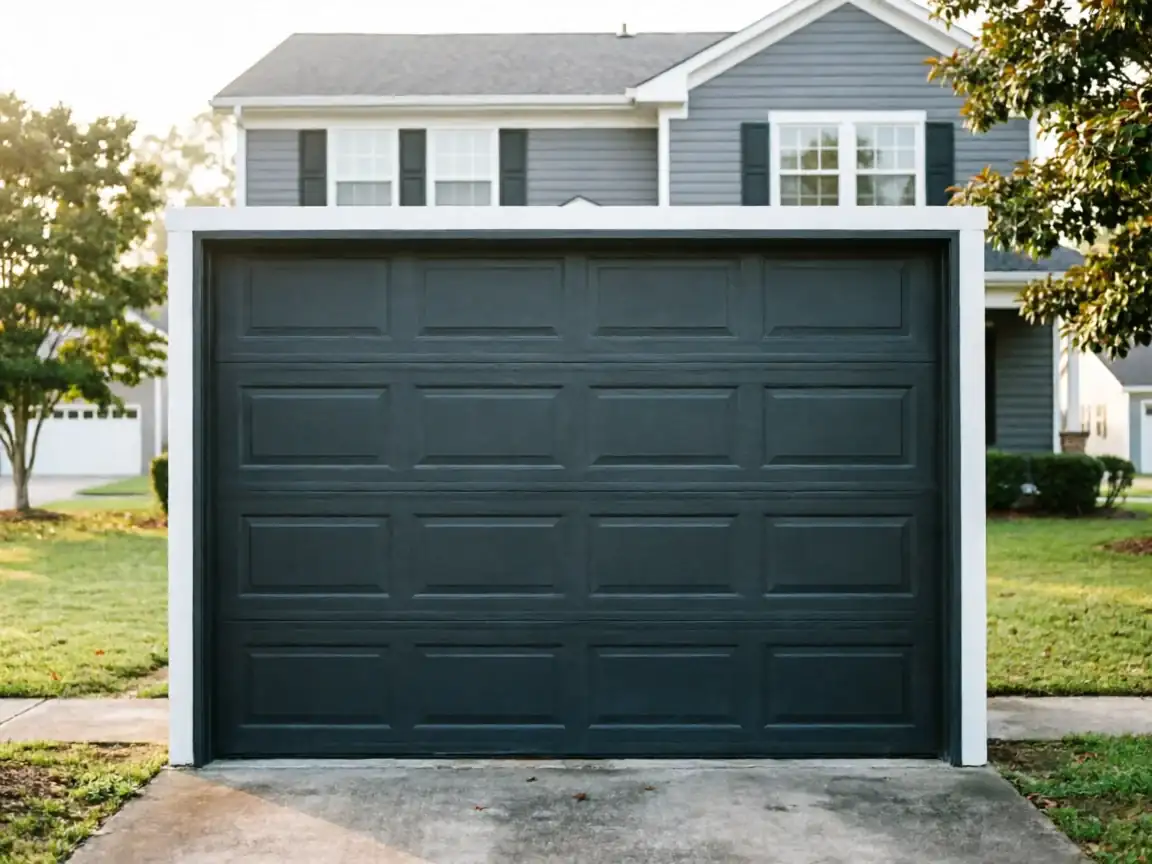
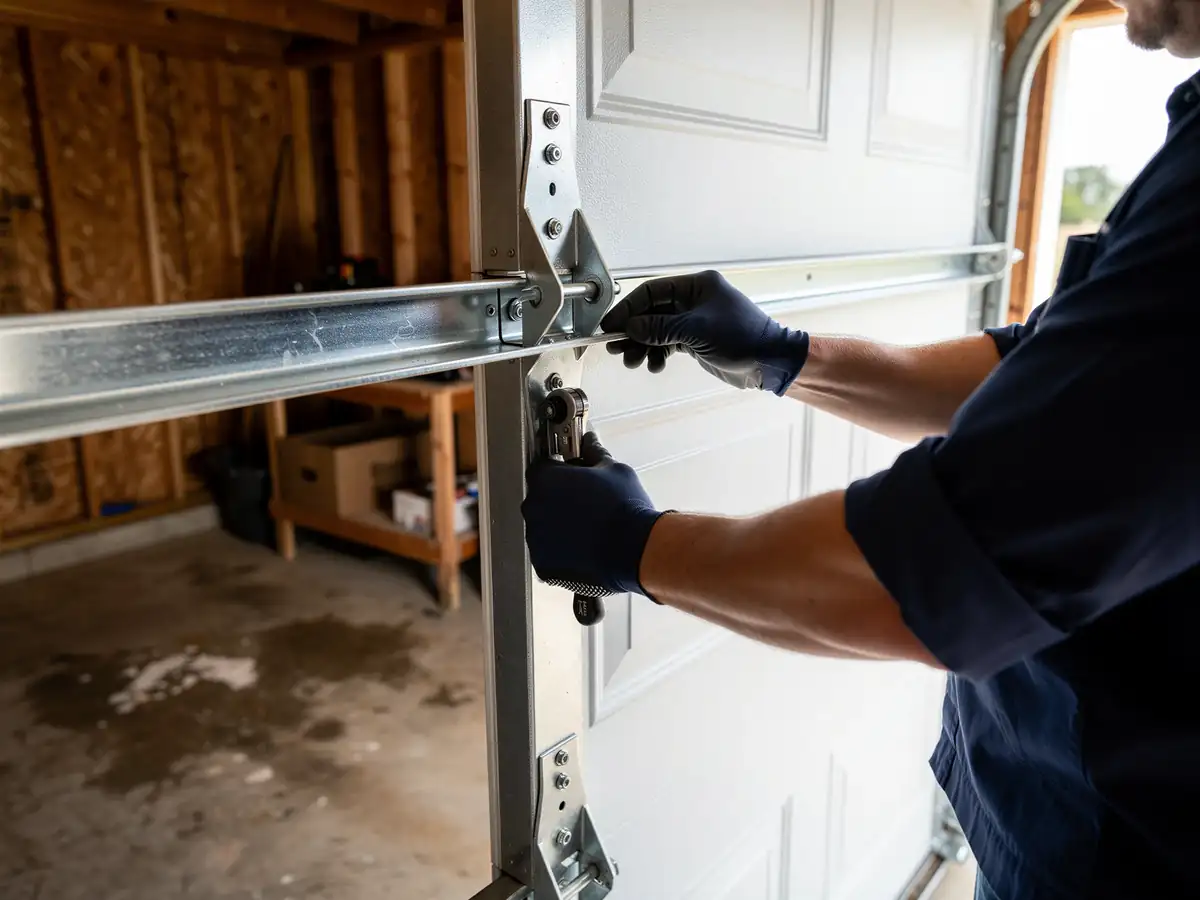
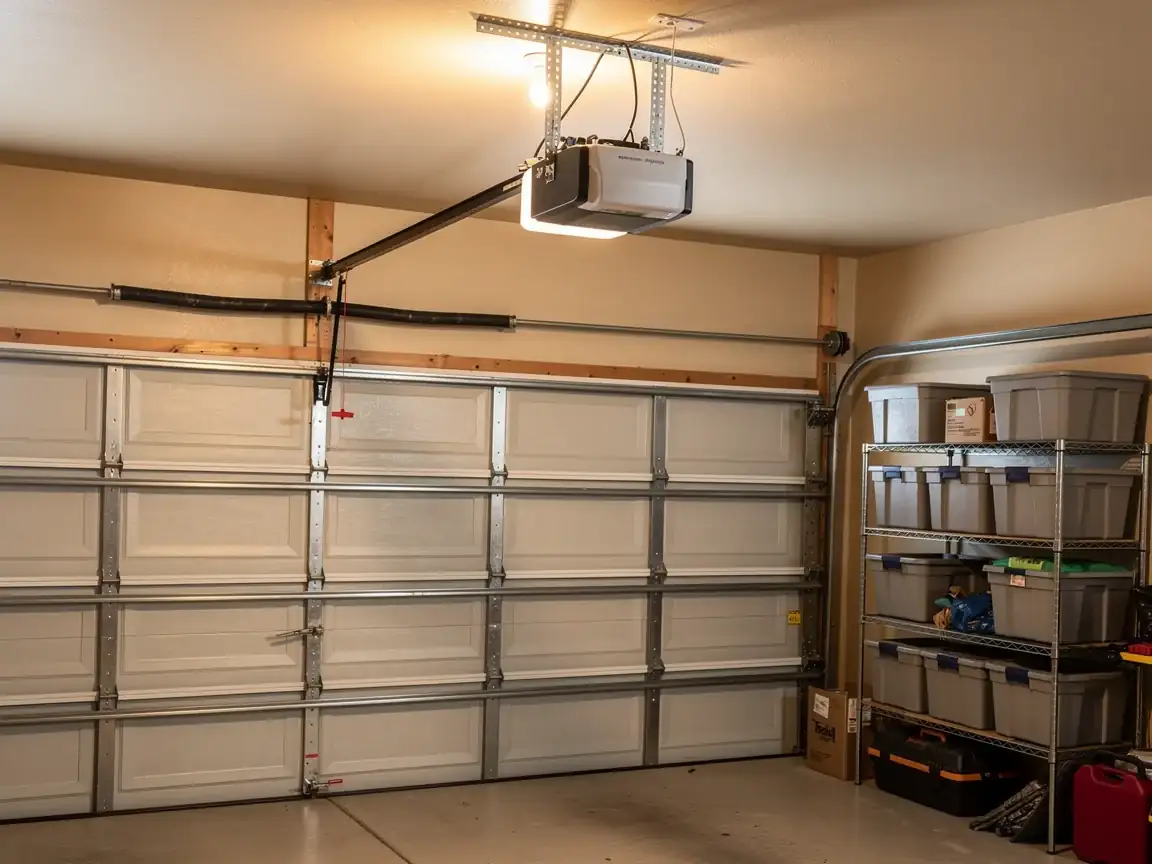
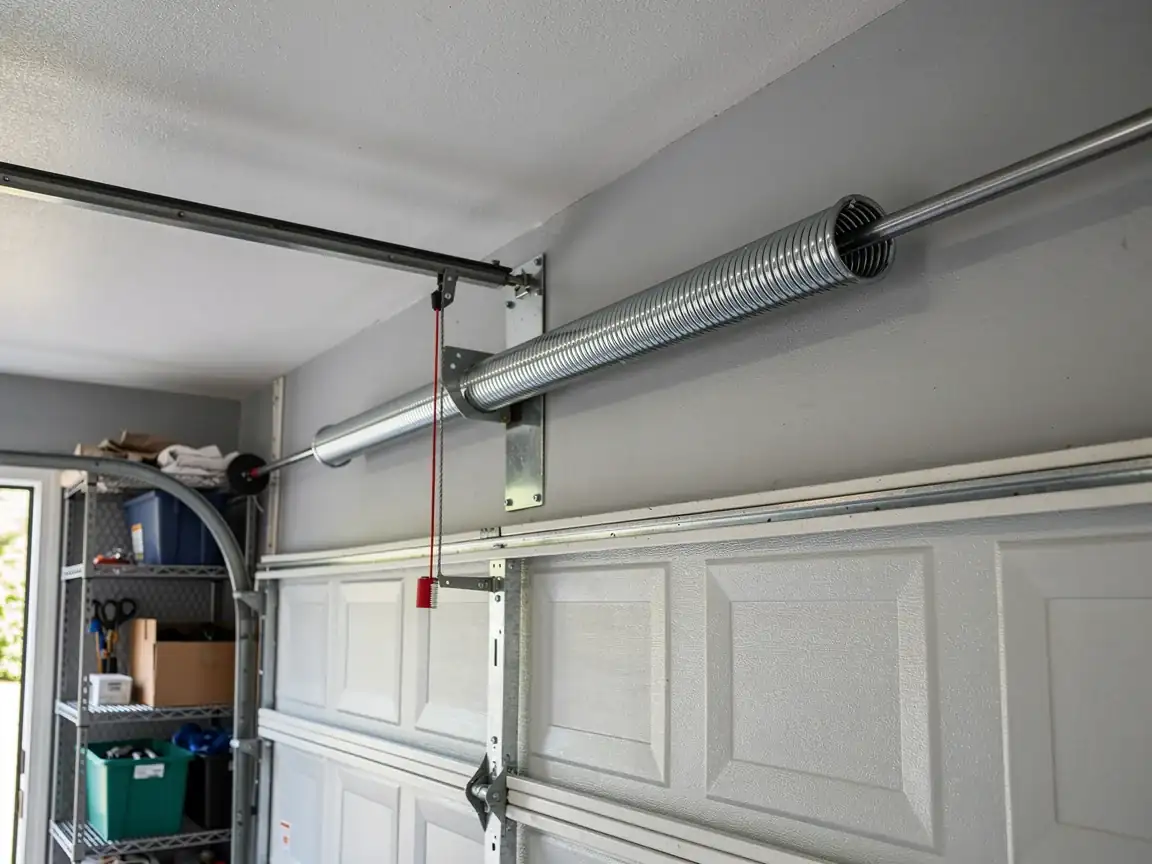
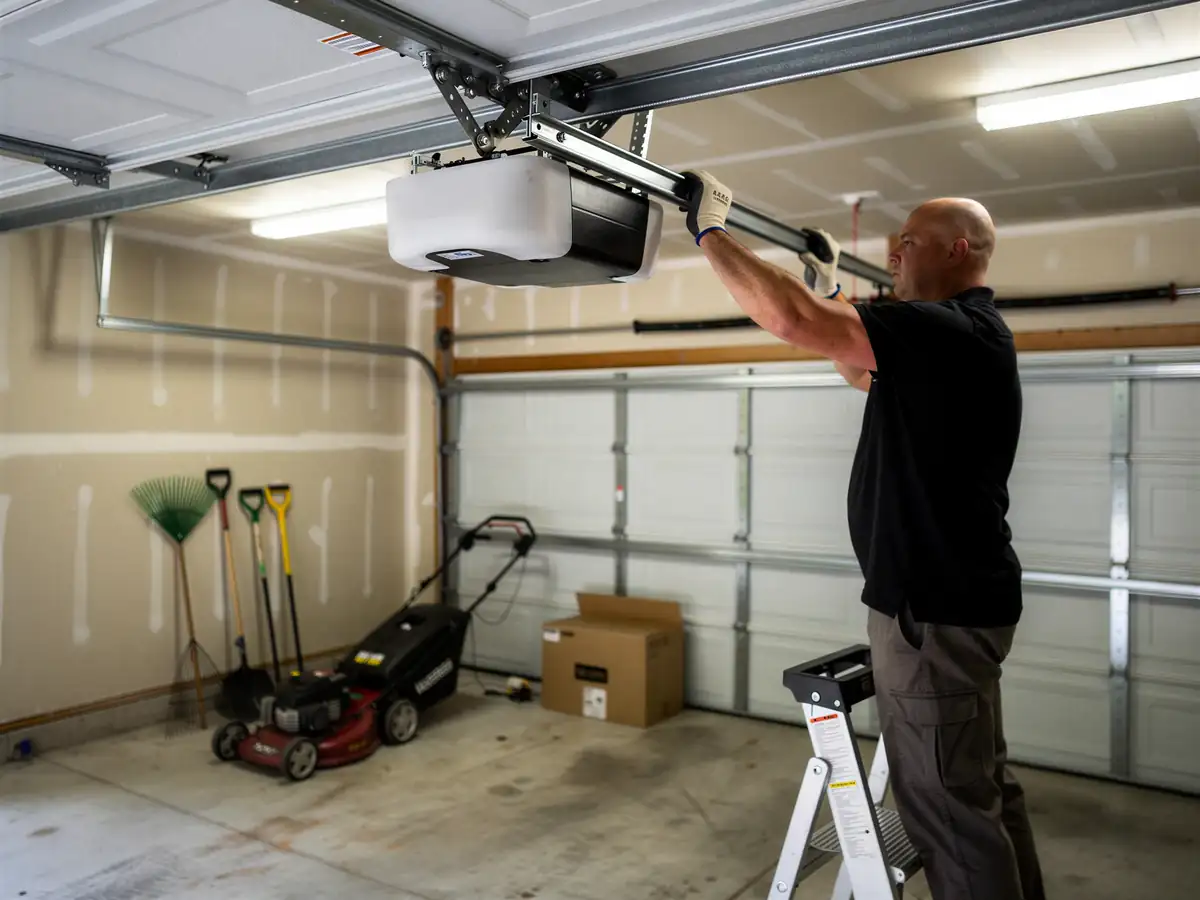
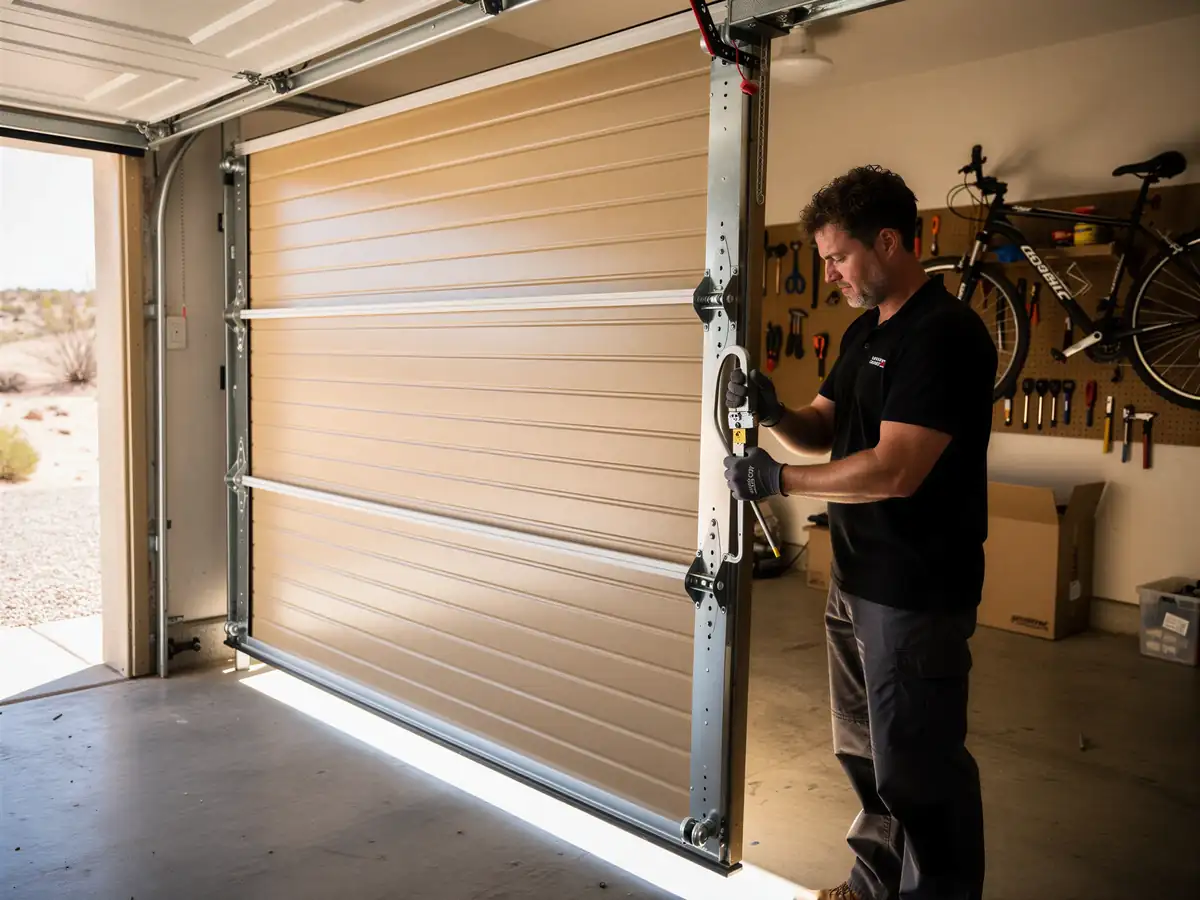
A proper install starts with measuring the opening and checking the framing - a lot of 1980s and 90s construction here used jamb widths and header heights that don't match current standard door sizes, so trim work is common, not rare. We size the torsion spring to the actual door weight, not a generic chart number, and that matters more with insulated doors, which run heavier than the old single-layer steel they're replacing. For the opener, we set the travel limits and force settings to the new door, not the old one's numbers. Given the cold-moderate climate here, insulation value is worth discussing up front: a two-inch polystyrene or polyurethane core door holds heat better through winter mornings than the uninsulated doors common on houses from this build era. We haul away the old door and hardware as part of the job. One limit worth naming: if the opening itself is out of square from decades of settling, that's extra carpentry time, and we'll quote it separately rather than bury it in the door price.
Can You Do This Yourself
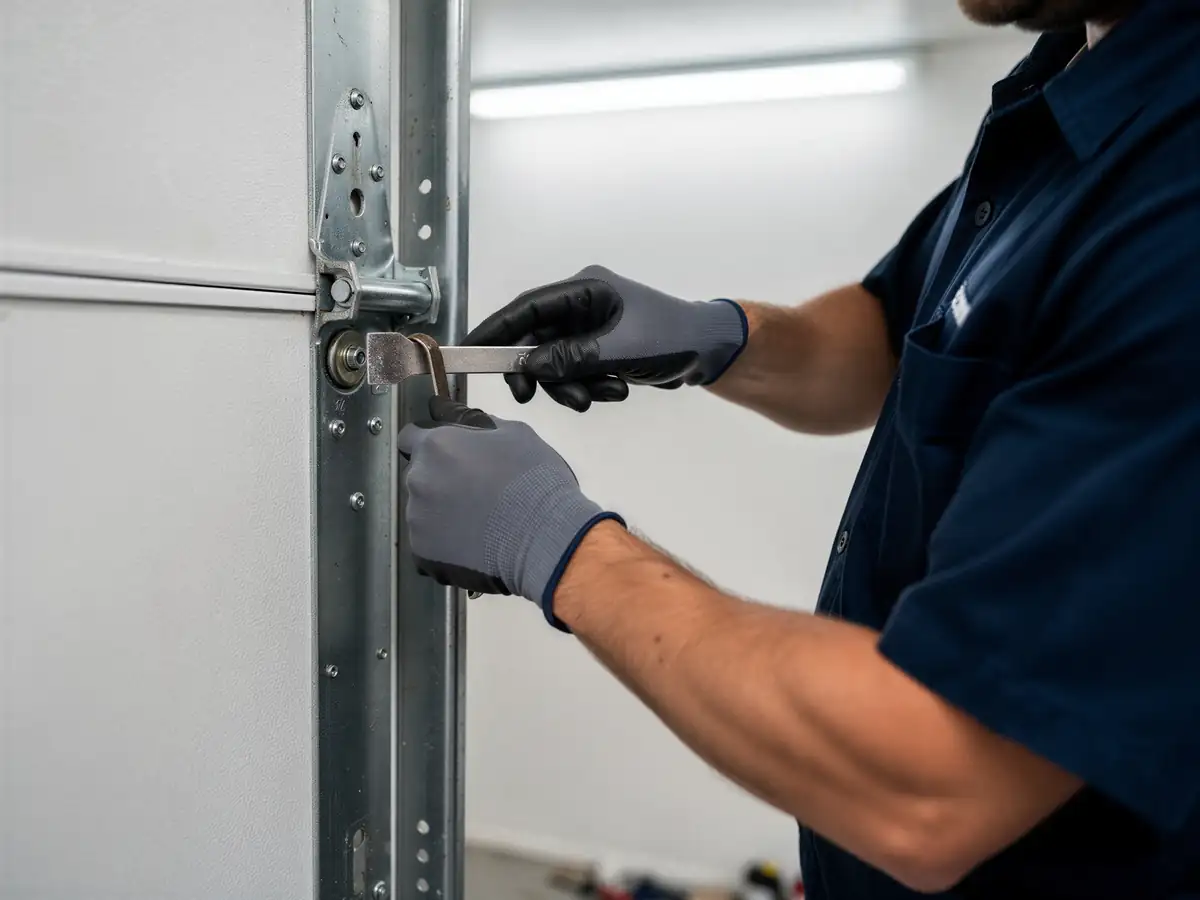
Hanging a single garage door panel is doable for someone handy. Installing a full door and spring system is a different job - torsion springs store enough force to cause serious injury if they're wound or released wrong, and that risk doesn't change based on experience level. Where we see DIY installs go wrong most often is spring sizing: a spring rated for the old lightweight door gets reused on a new heavier insulated door, and it fails early or won't lift the door at all. Opener force and limit settings are the other common miss - set wrong, the opener either doesn't trigger safety reverse or burns out the motor within a year. If you're set on doing the install yourself, at minimum have someone qualified set and check the spring tension and opener safety settings before you put the car in the garage. That's not us being cautious for no reason - it's the part of the job that actually hurts people when it's rushed.