This Area's Housing
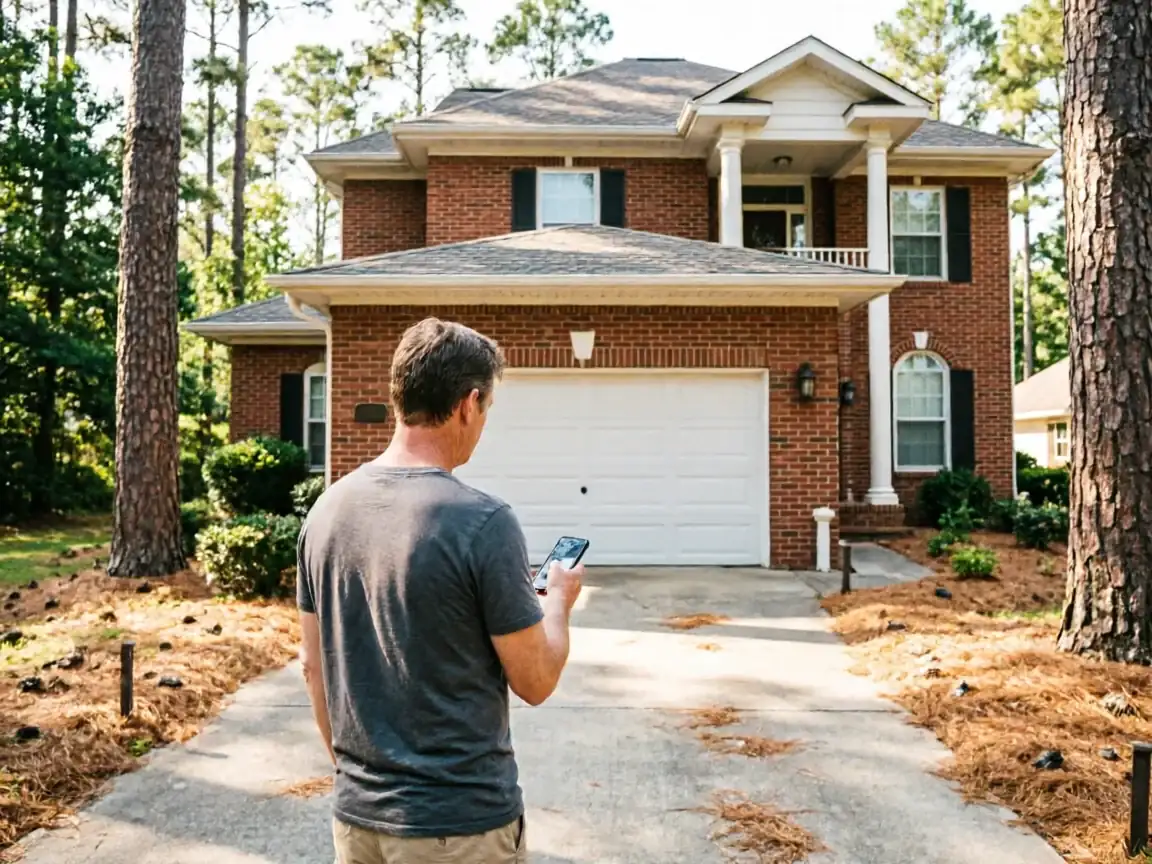
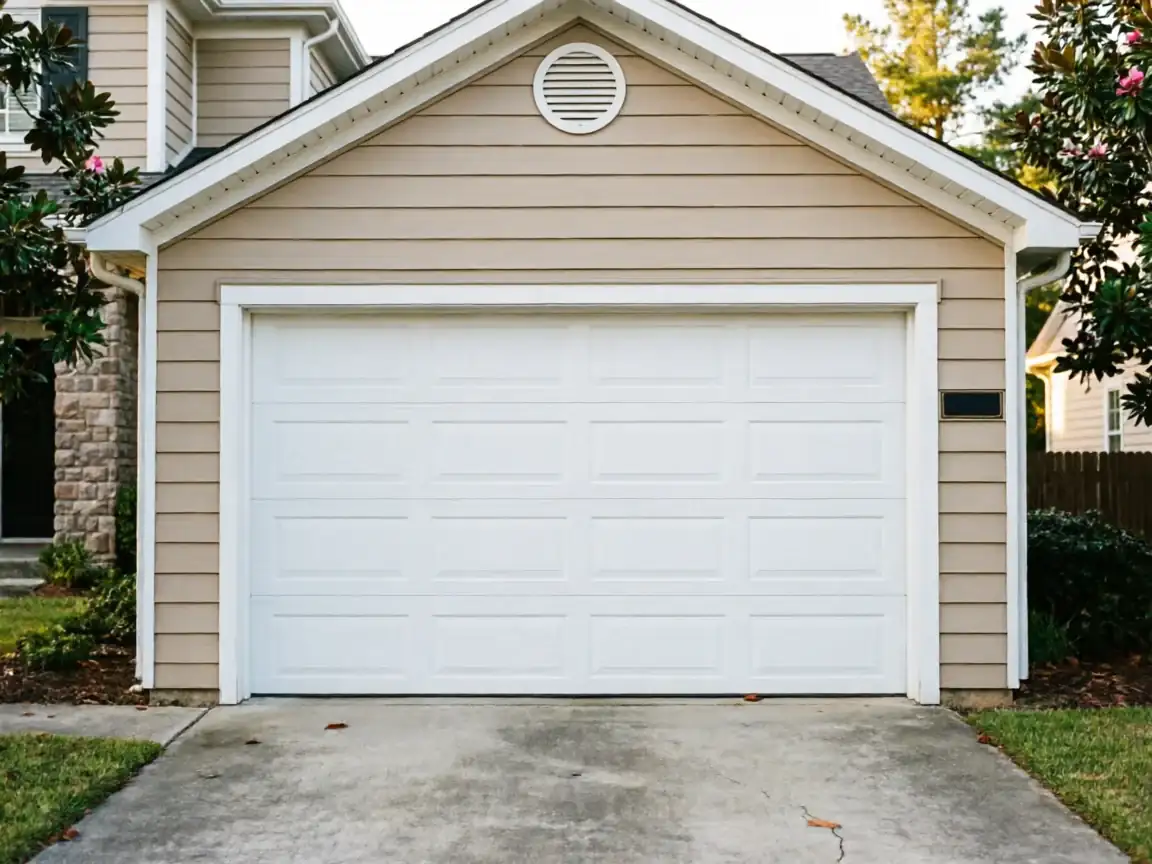
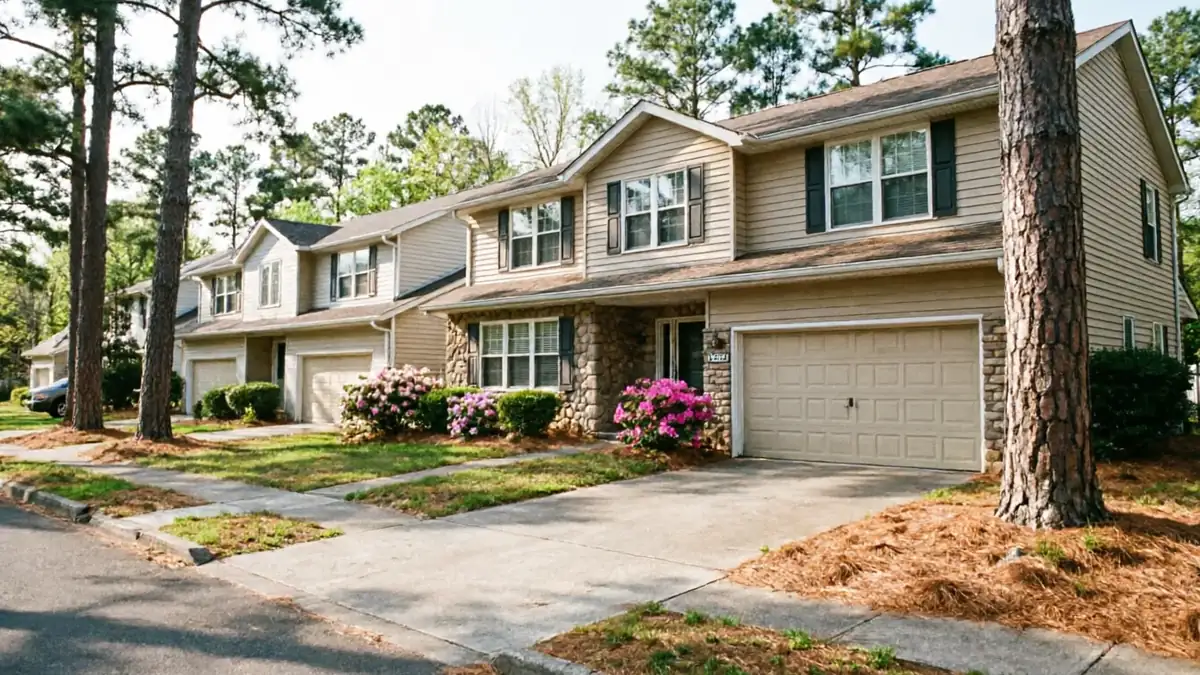
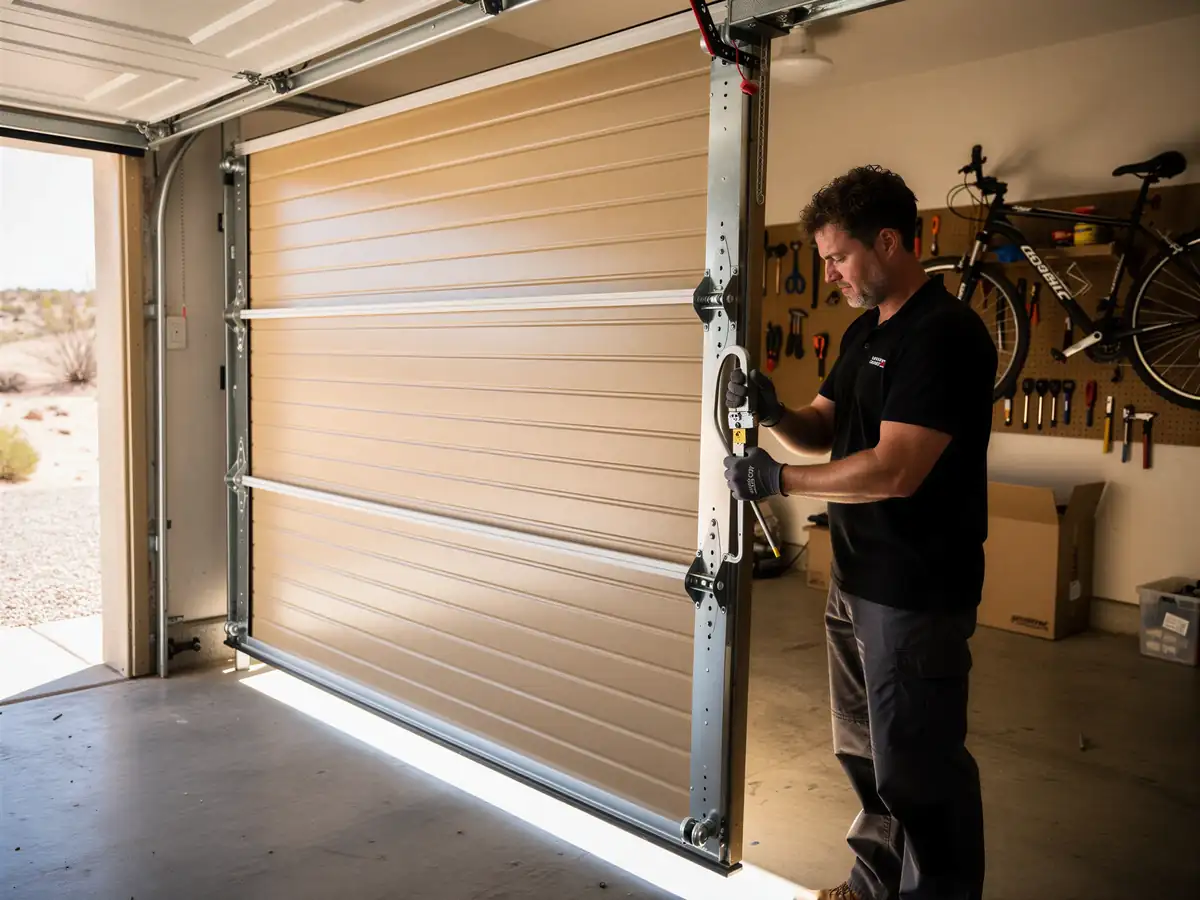
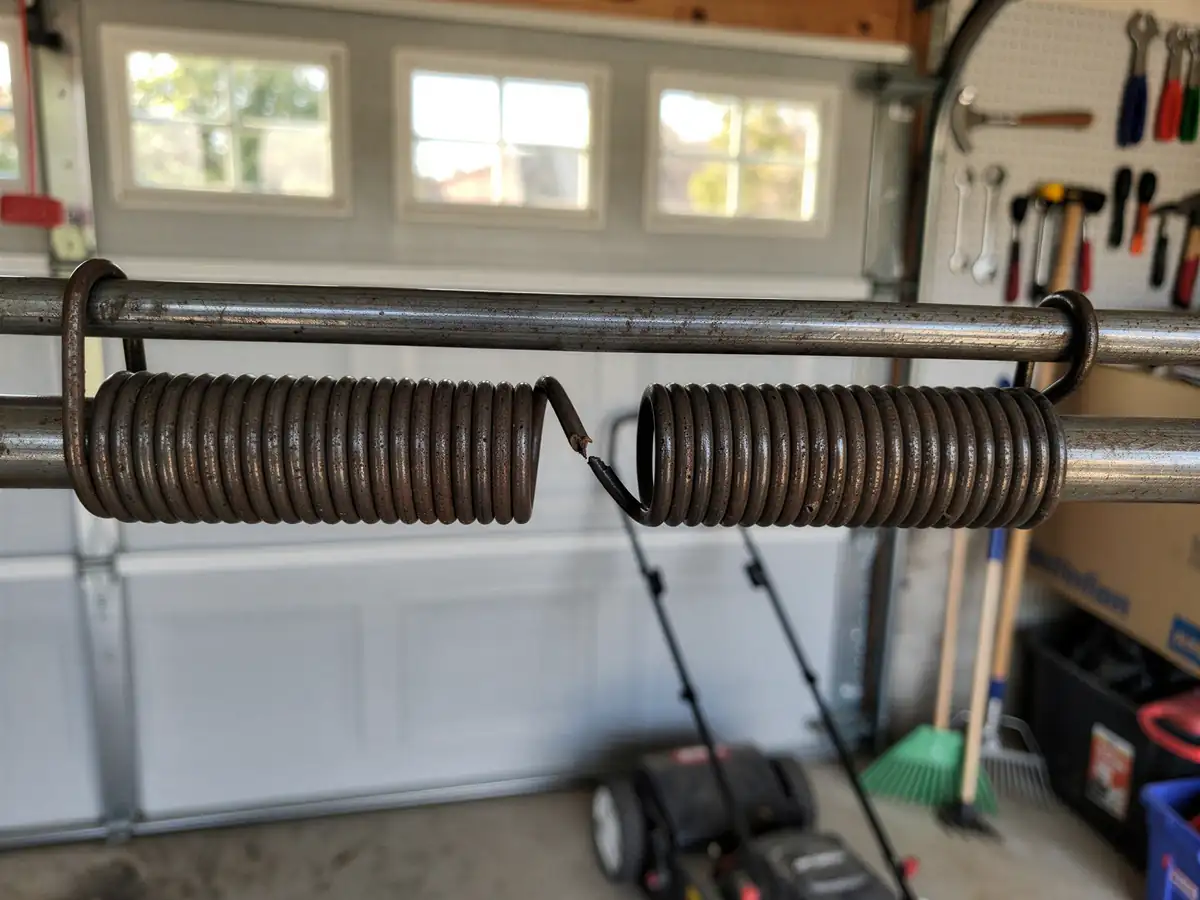
Palmetto sits about 12 miles from our shop in Newnan, and the houses out here tell a different story than the ones closer in. The median year built here is 1989, which puts most garages into the era of steel sectional doors on extension-spring hardware rather than the older one-piece slab doors you'd find on a pre-1970 street. With roughly 1,906 households in this part of the coverage area, it's a smaller pocket than some of the denser zones we run calls in, but it's a consistent one - late-80s and early-90s construction tends to use similar openers, similar track widths, and similar failure points, which makes diagnosing a call here faster once we know the build year. Median household income in this area runs around $54,745, which shapes the kind of repair-versus-replace conversation we have - a lot of these doors are worth fixing rather than swapping, since the panels and frames are usually still square even when the springs or rollers have worn out.
Older vs Newer Streets
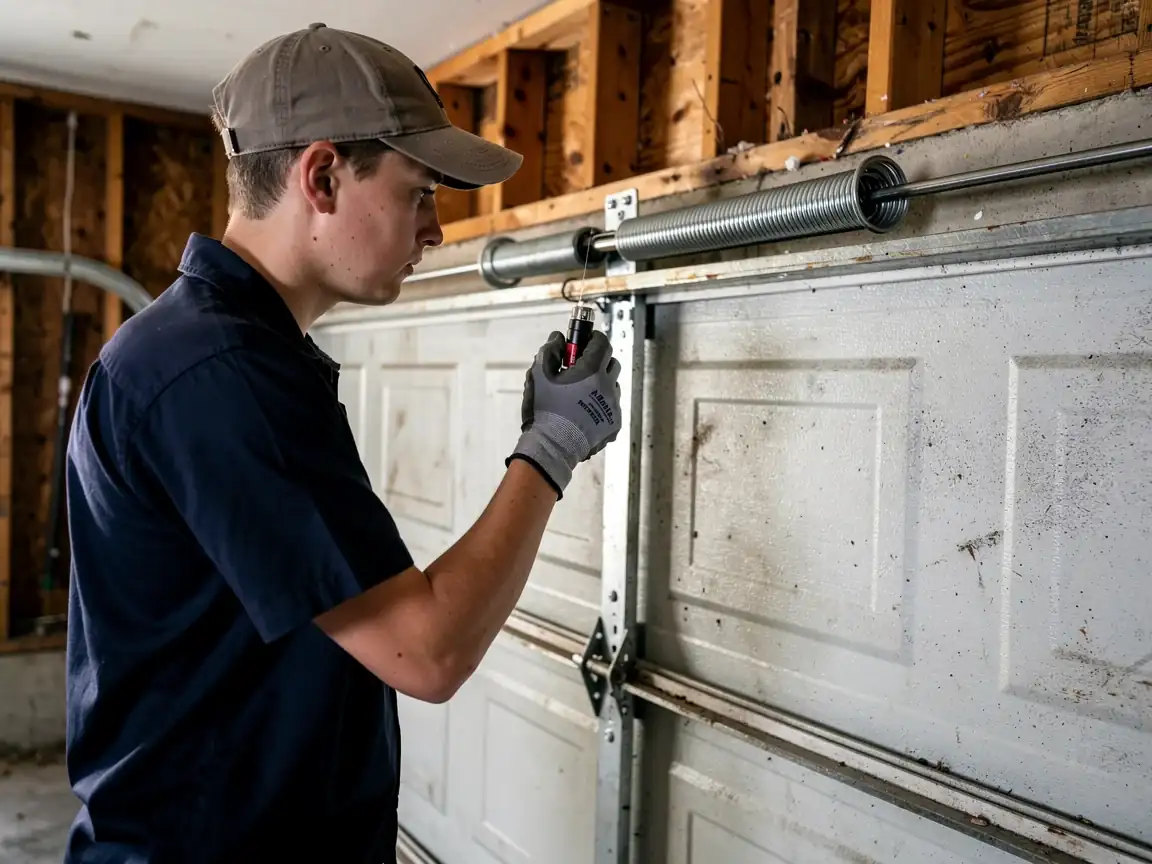
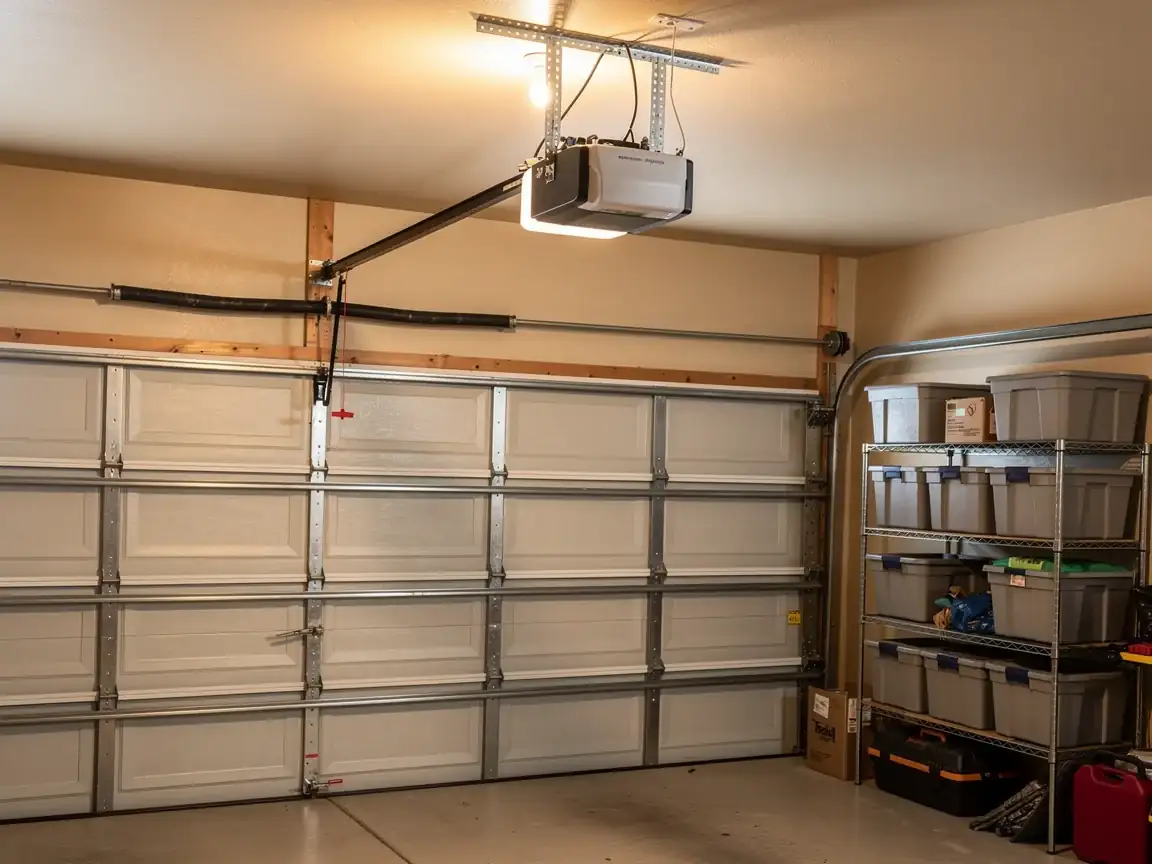
Not every street in this part of the service area was built the same year, even if 1989 is the midpoint. The older end of that range means some garages still have the galvanized extension springs and the two-bulb safety sensors that opener makers phased out by the late 90s - those sensors fail differently than modern photo-eyes, and they're a common reason a door won't close even though it looks fine going up. Newer construction toward the back half of that range starts showing torsion springs mounted on a center shaft, which is a different repair entirely - different cable routing, different drum sizing. When we get a call from this area, the first question is usually how old the house is, because that tells us more about what's wrong than the symptom does.
What the Housing Means for Your Door
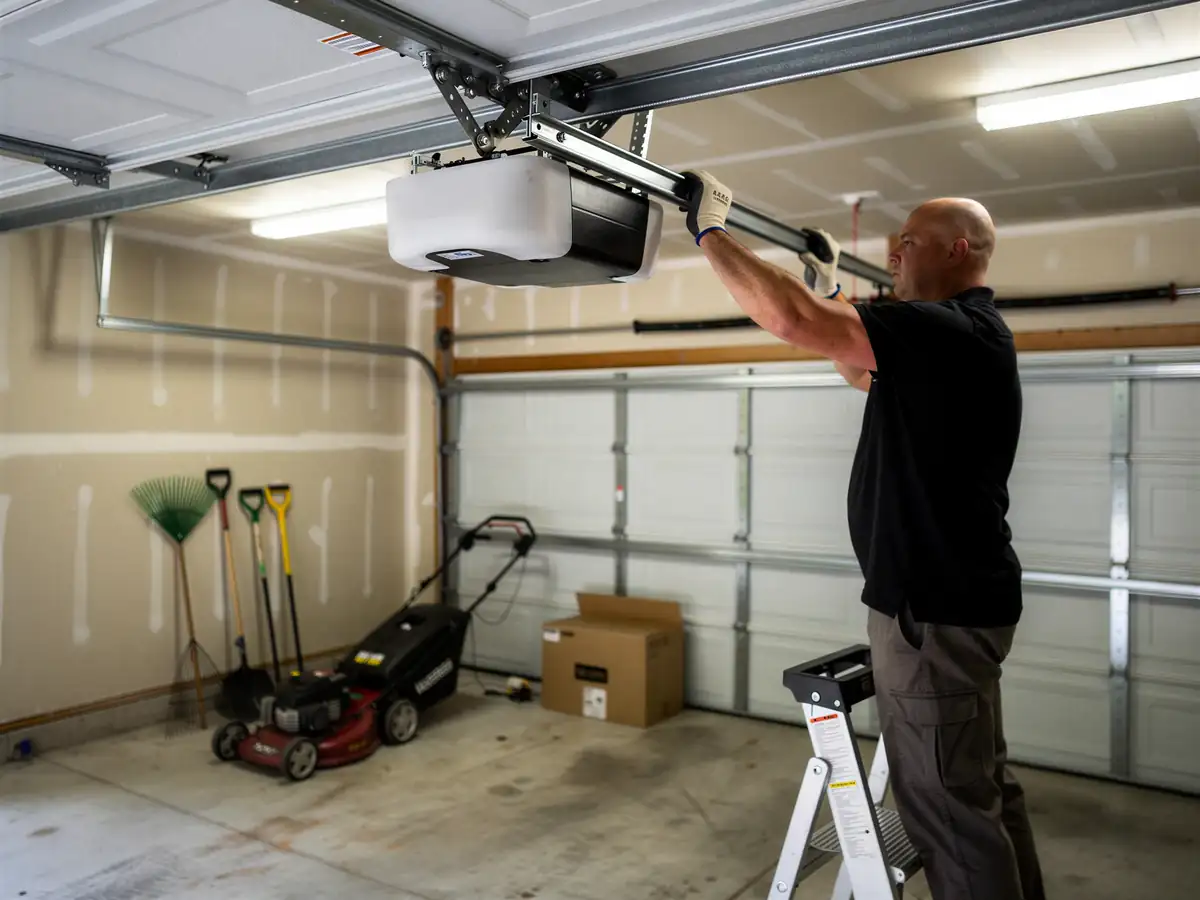
A door built around 1989 is old enough that its opener has likely been replaced at least once, but the track, hinges, and panel set are probably original. That combination - newer opener, original hardware - is where a lot of service calls in this area come from: a motor that's fine paired with rollers that have worn their channel wide, or a logic board that doesn't match the age of the spring system it's lifting. Our climate here runs cold-moderate, which doesn't crack panels the way a harsher freeze-thaw zone would, but it does mean grease hardens in winter on older extension springs, slowing the door and straining the opener gear. One honest limit: if a panel set from this era is cracked or dented beyond patching, we often can't match the exact profile anymore, and a full replacement ends up cheaper than hunting down a discontinued panel.