The Situation
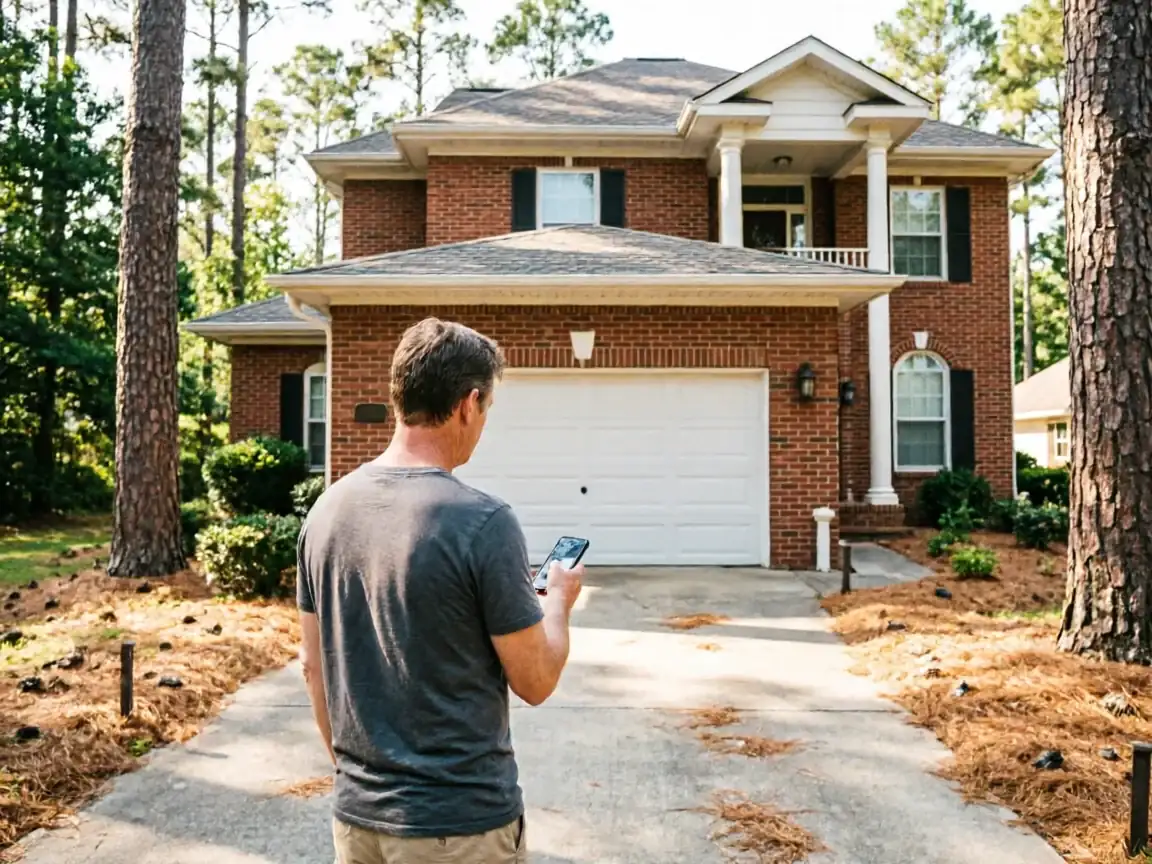
Most houses on this side of Newnan went up between 1964 and 2005, with the bulk of the stock dating to the 1980s and 90s across the twelve areas we work in. That matters for noise complaints because doors and openers from that era are aging out together, all around the same time, which is why we get a run of similar calls from the same subdivisions in a given month. A door that's been quiet for fifteen years and suddenly starts grinding isn't being dramatic - it's telling you a part has reached the end of its service life, and in houses built in this window, that's usually original hardware nobody has touched since the house was framed. A chirp on a cold morning is not the same problem as a bang when the door closes, and treating them the same way is how a fifteen-dollar roller job turns into a torsion spring replacement you didn't need to rush into.
The noise itself is diagnostic. Where it happens in the door's travel, what it sounds like, and whether it changes with temperature all point to a specific part. We'd rather talk you through what you're hearing than have you guess.
What to Check
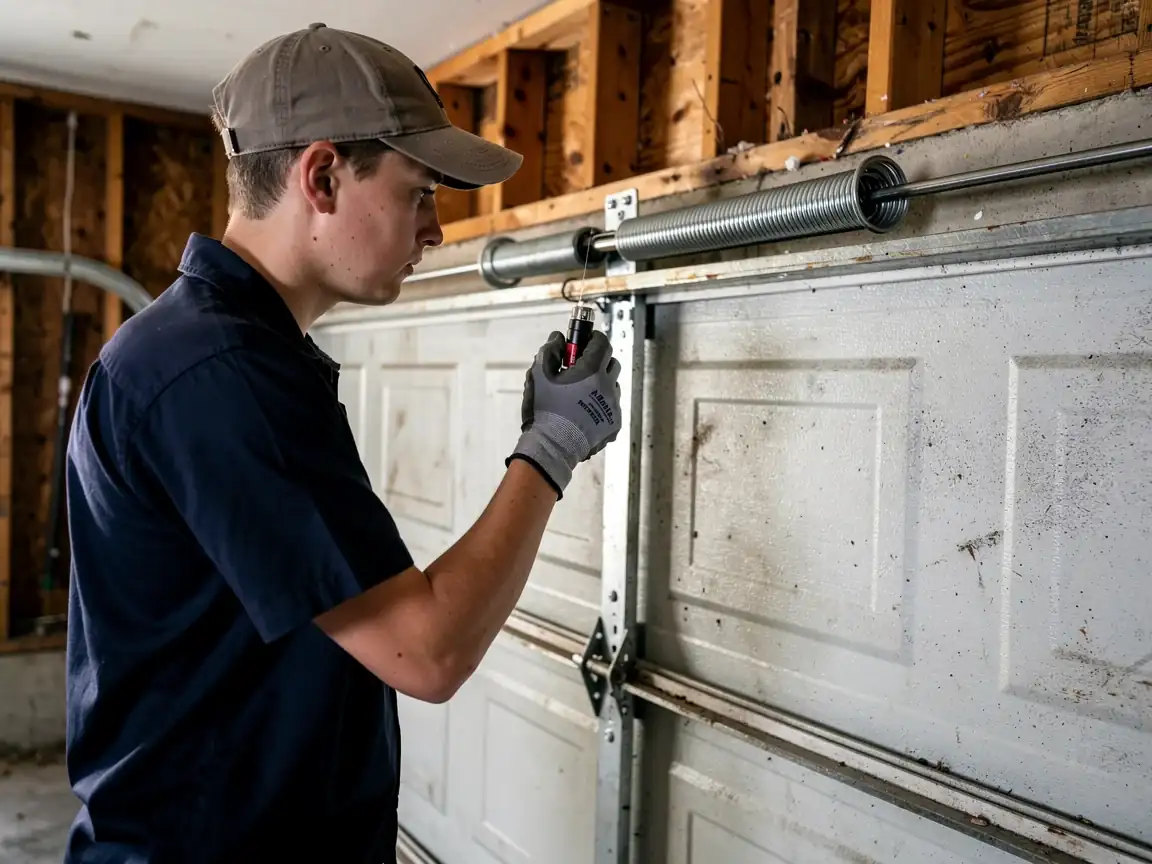
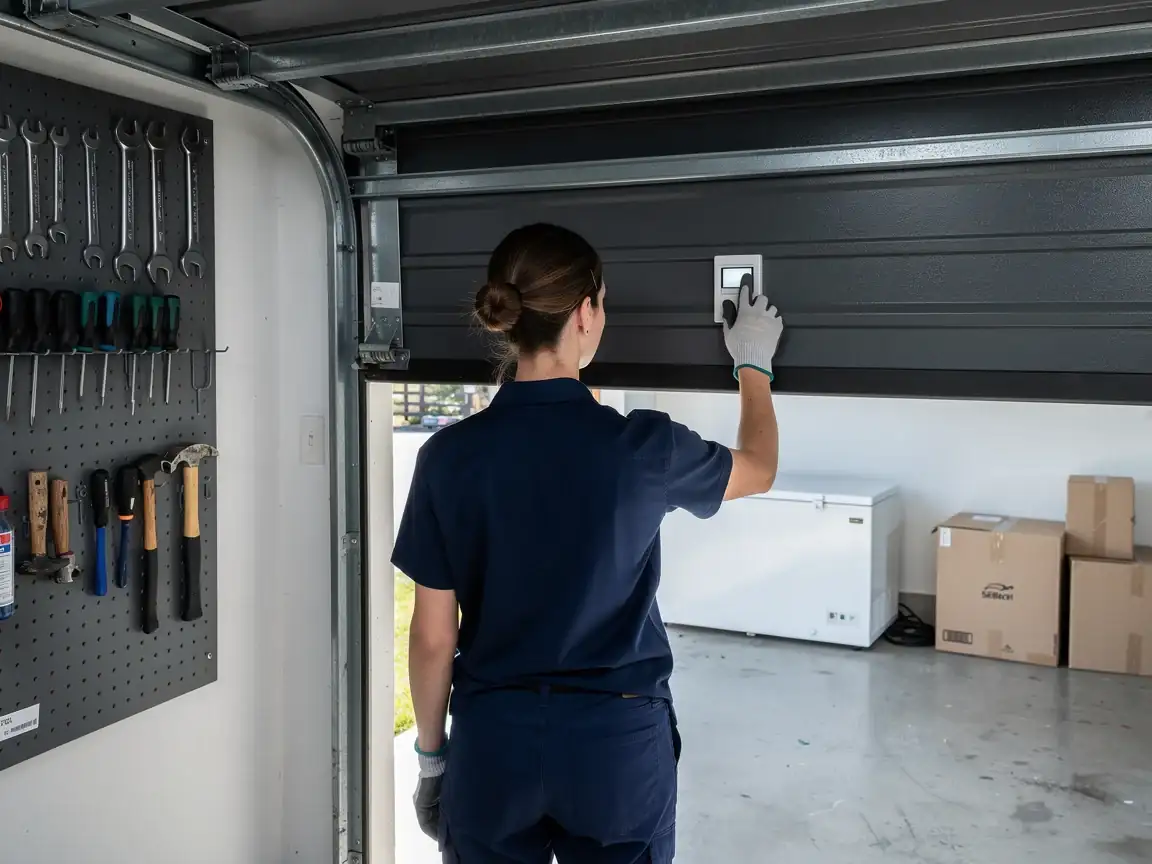
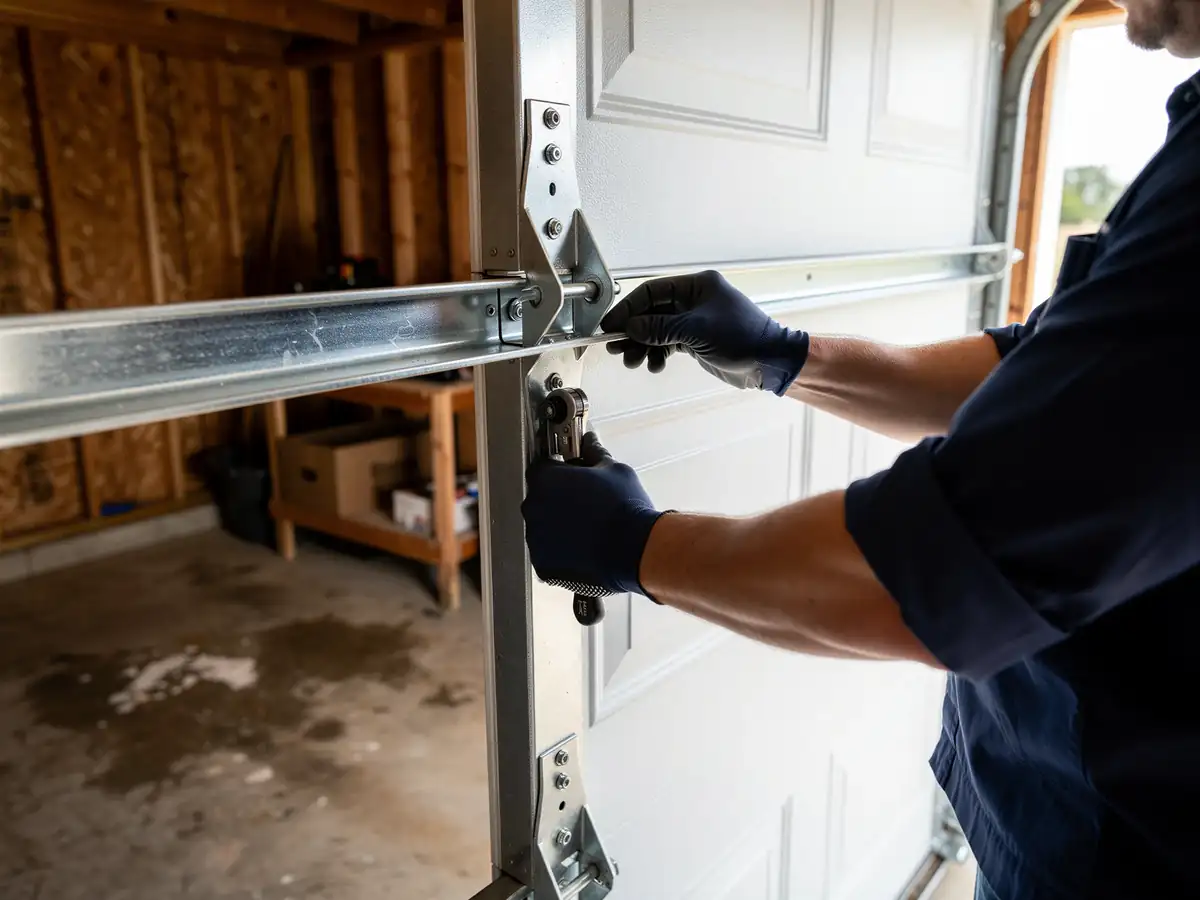
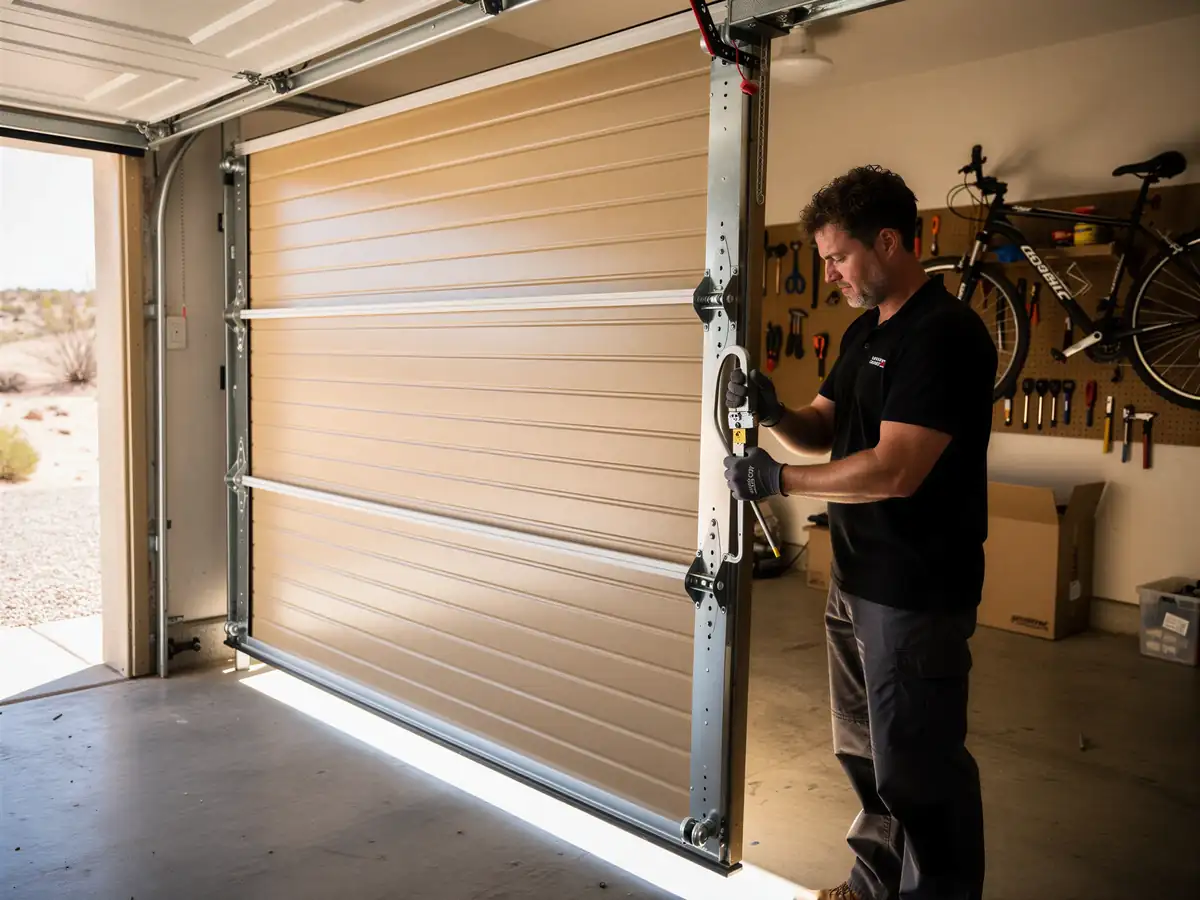
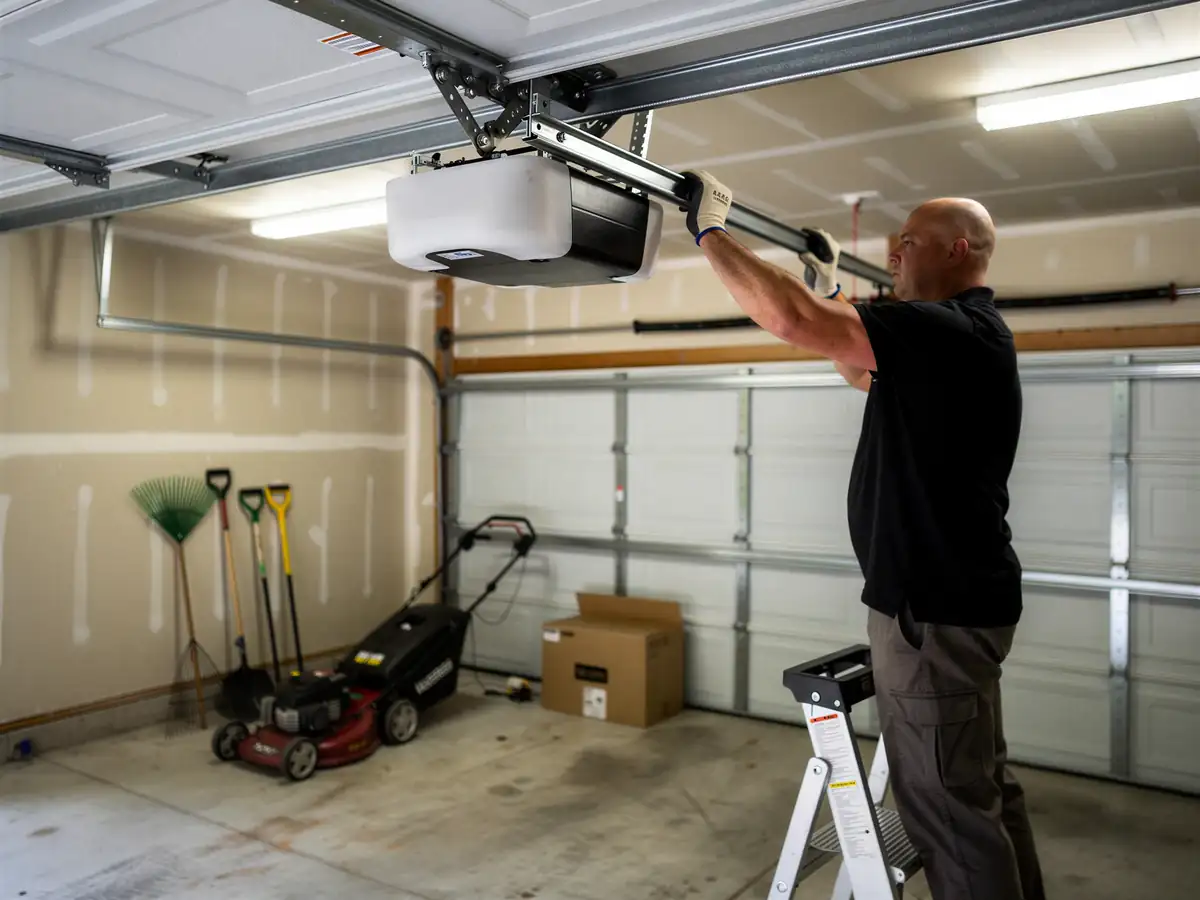
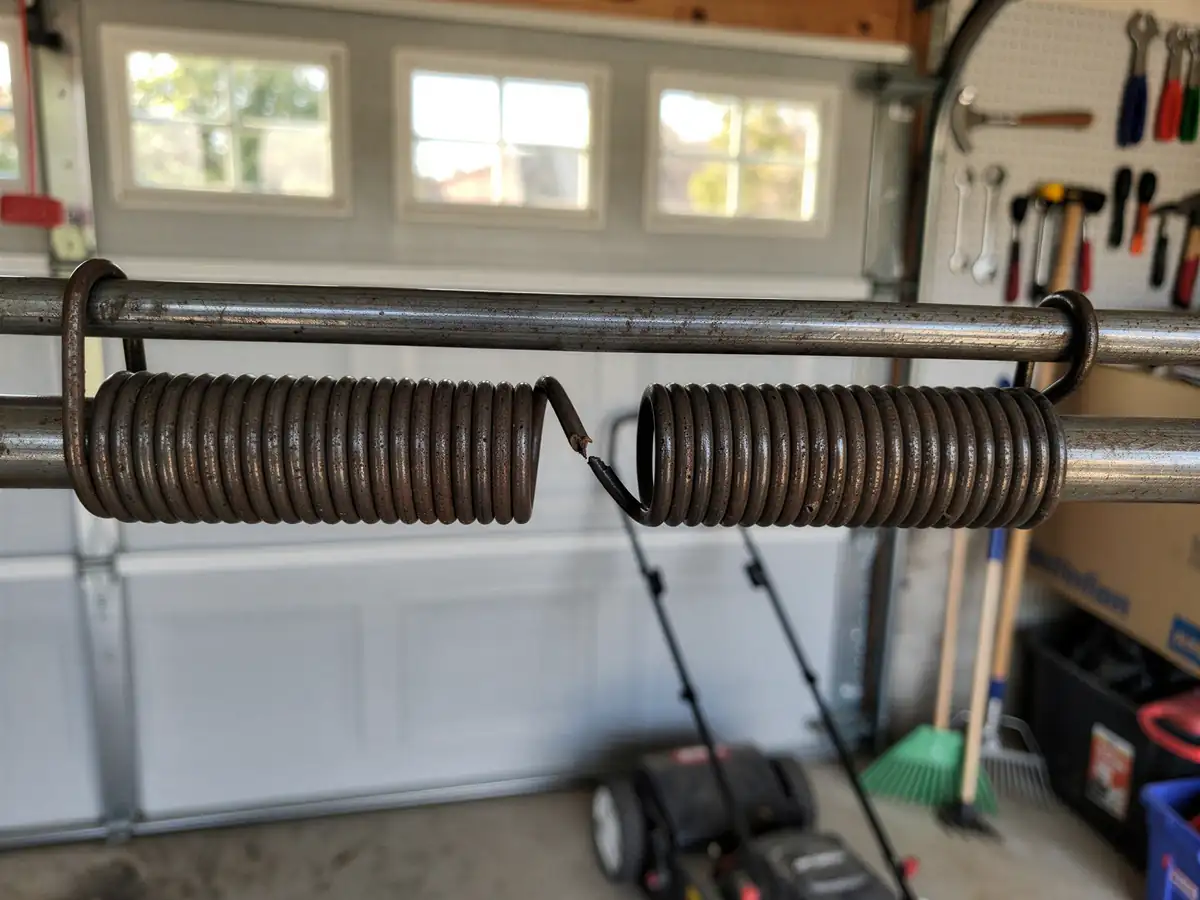
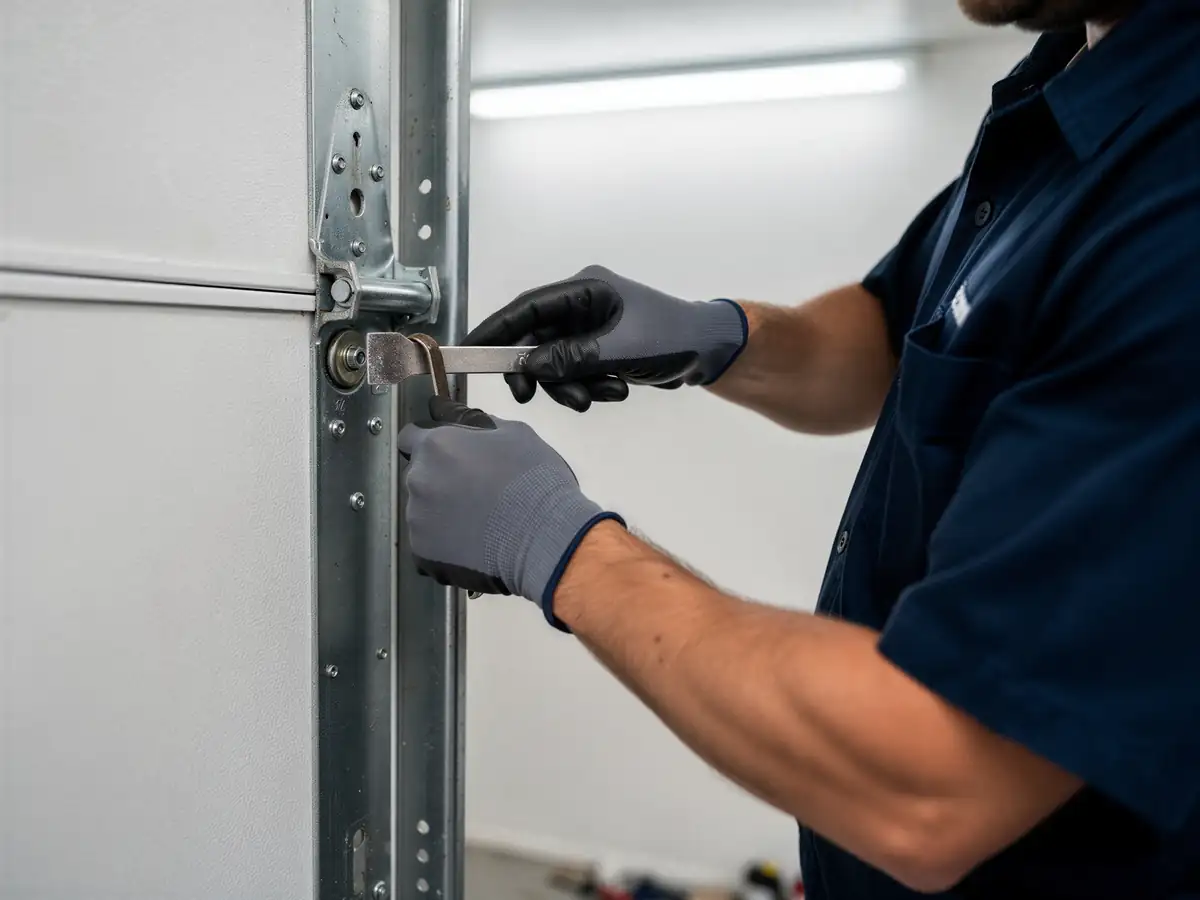
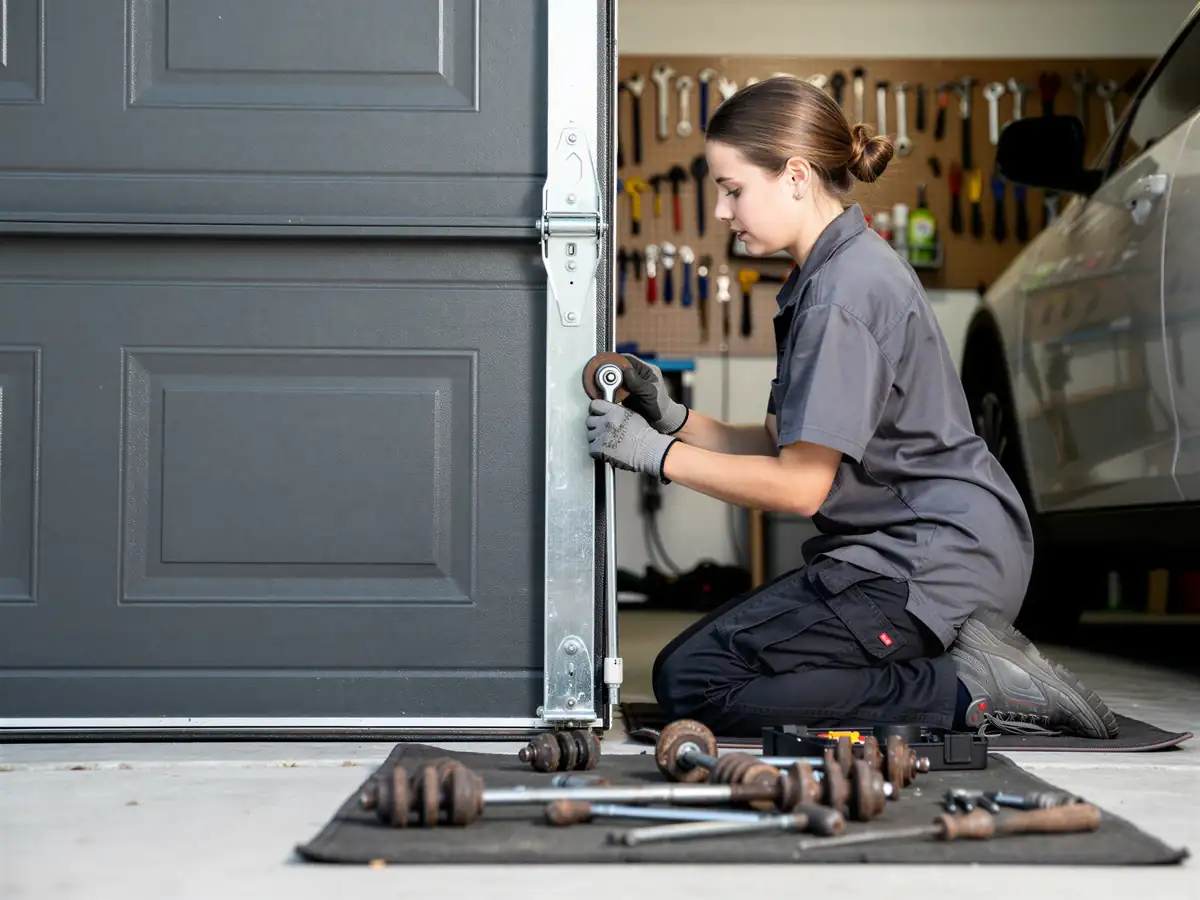
A rhythmic squeak that matches the door's travel, once per rotation of the rollers, usually means dry rollers or hinges - lubricate the roller stems and hinge pivots, not the track itself. A loud bang on open or close, especially on a door that's been in service since the 80s or 90s stock common across Newnan, often means a torsion spring is near the end of its cycle count; don't run the door again until someone's looked at it, because a spring failing under load can snap a cable too. A grinding or scraping sound as the door travels is almost always a track alignment issue - brackets loosen over decades, and a door built in the 1990s has had thirty-plus years to work its fasteners loose. A sharp pop on a cold start, more common with our cold-moderate winters, can be the opener gear set or a stiff spring that hasn't flexed yet in low temperature. If the noise only happens when the opener is running, not when you lift the door by hand, that points to the opener's gears or chain, not the door hardware itself. Isolate it: open and close the door by hand with the opener disconnected, and listen again.
How Local Conditions Play In
Newnan sits in a cold-moderate climate band, not the deep freeze further north and not the mild winters of the coast. That matters for noise because steel springs and metal tracks contract in cold and expand in heat, and a door that's dead silent in July can start popping or groaning on a 28-degree morning simply because the tolerances tightened up overnight. It's not usually a sign of a new problem - it's an old problem finally making itself heard. Houses in the 1964-2005 range, especially the 1980s-90s majority, were built before some of today's weatherstripping and hardware standards, so gaps and seals that have never been replaced let more cold air and noise transfer through than a newer install would. If your door only makes noise on cold mornings and goes quiet by afternoon, that's a strong clue the issue is thermal, not mechanical failure - worth checking the spring tension and track lubrication before anything's torn apart. We work across East Newnan, Turin, Grantville, Whitesburg, Luthersville, Tyrone, Palmetto, Senoia, Fairburn, Hogansville, Union City, Brooks, and the pattern holds across all of them.