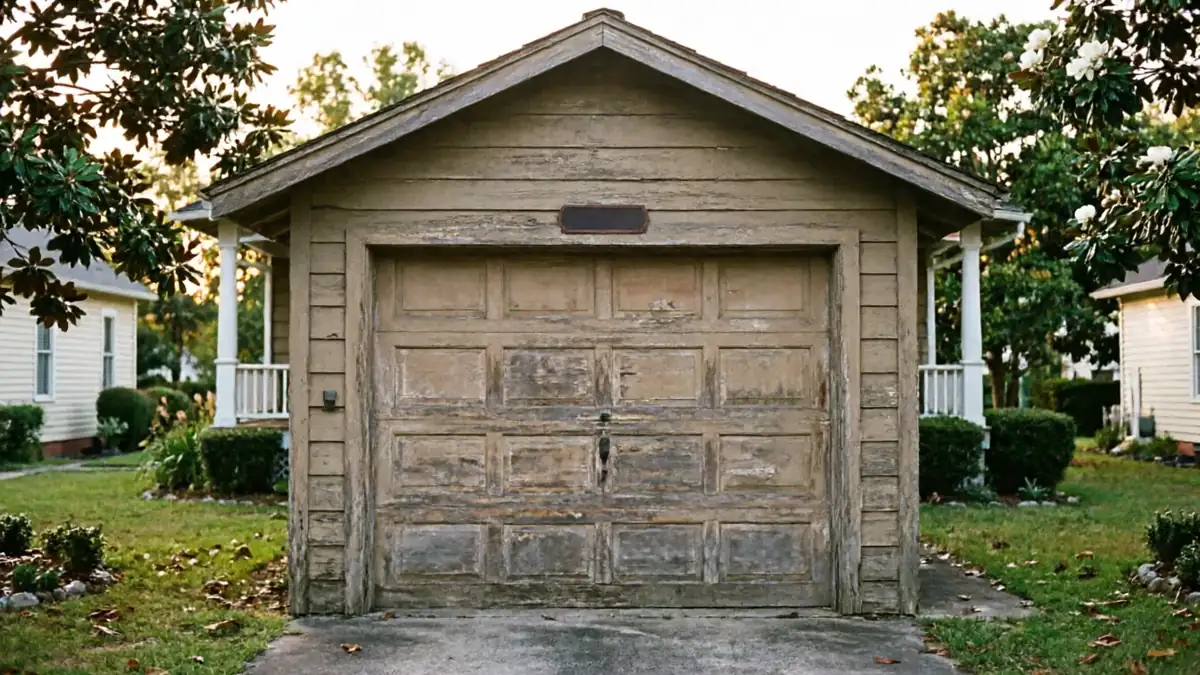
The Situation
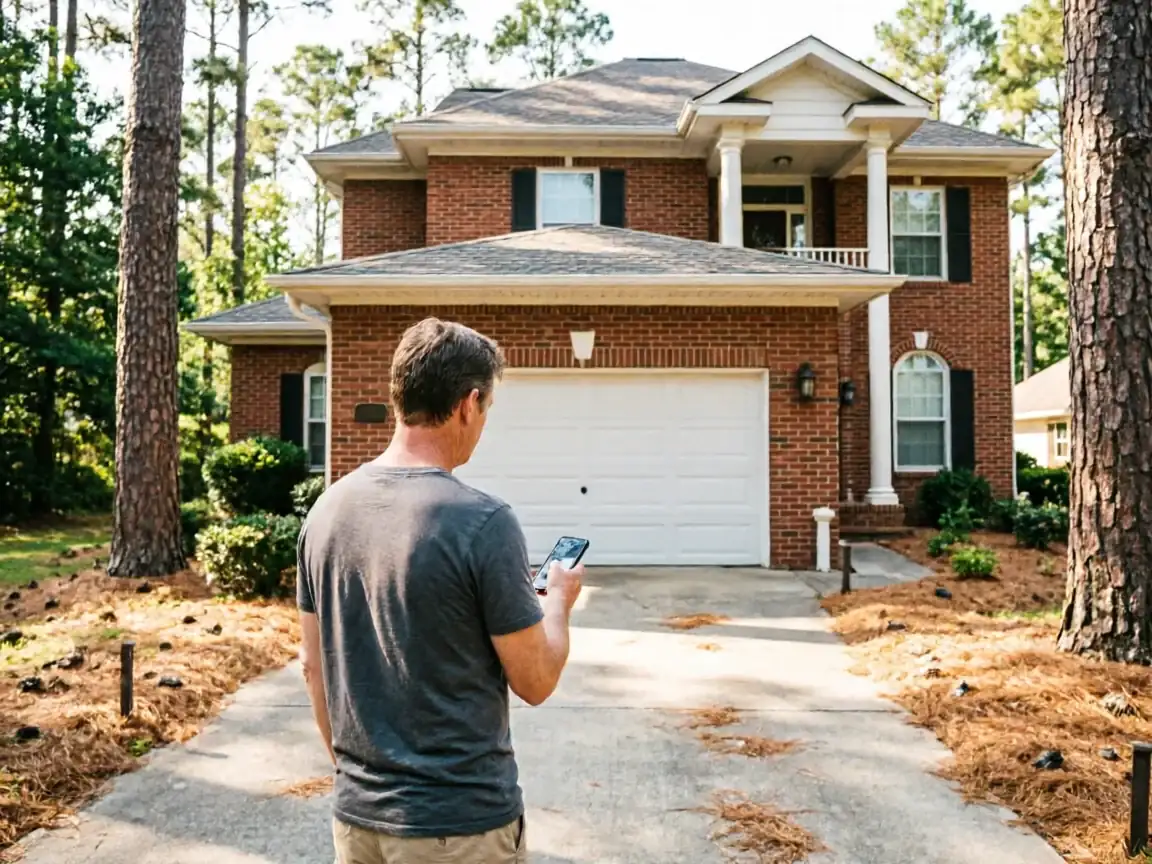
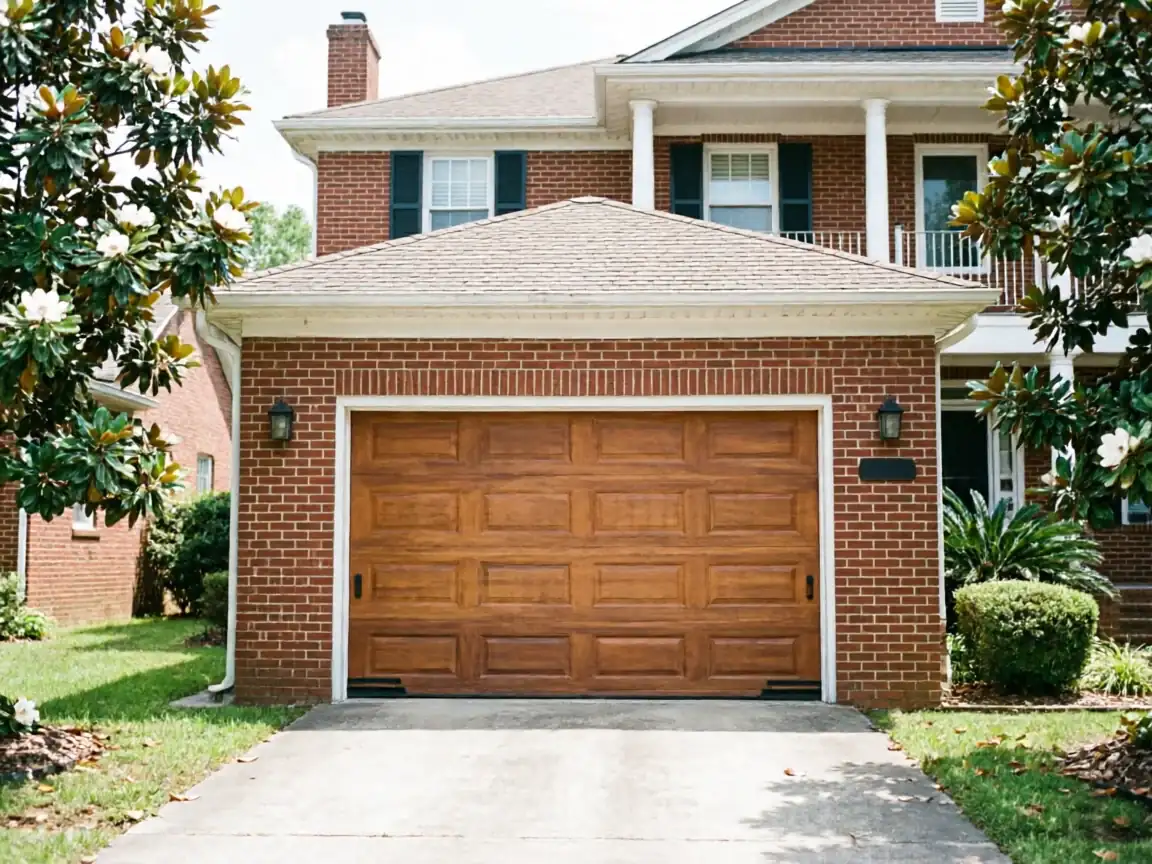
Most of the houses we work on in Newnan and the surrounding areas went up somewhere between 1964 and 2005, with the median build year sitting around 1994. That means a lot of doors on torsion springs and openers that are themselves twenty to thirty years old, installed when the house was new and never touched since. If you're the second or third owner, there's a decent chance nobody's ever replaced the spring, the cables, or the rollers on your door - they just ran until something broke or started making noise.
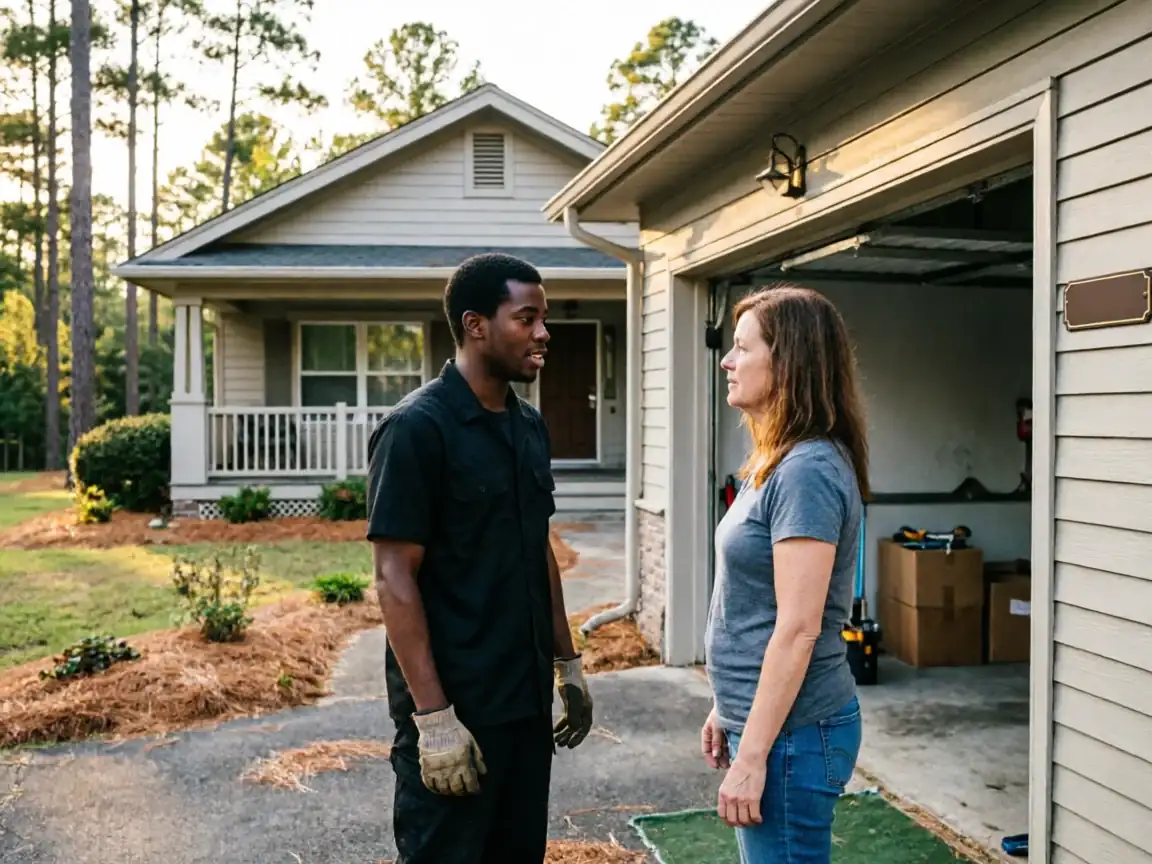
That's not a knock on the builders. Garage doors from the 80s and 90s were built with heavier steel and simpler mechanisms than what goes in today, and a lot of that original gear still works fine with basic upkeep. The question isn't whether the door is old - in this area, old is normal. The question is whether what's wrong with it is a ten-minute fix or a sign the whole unit is done.
What to Check
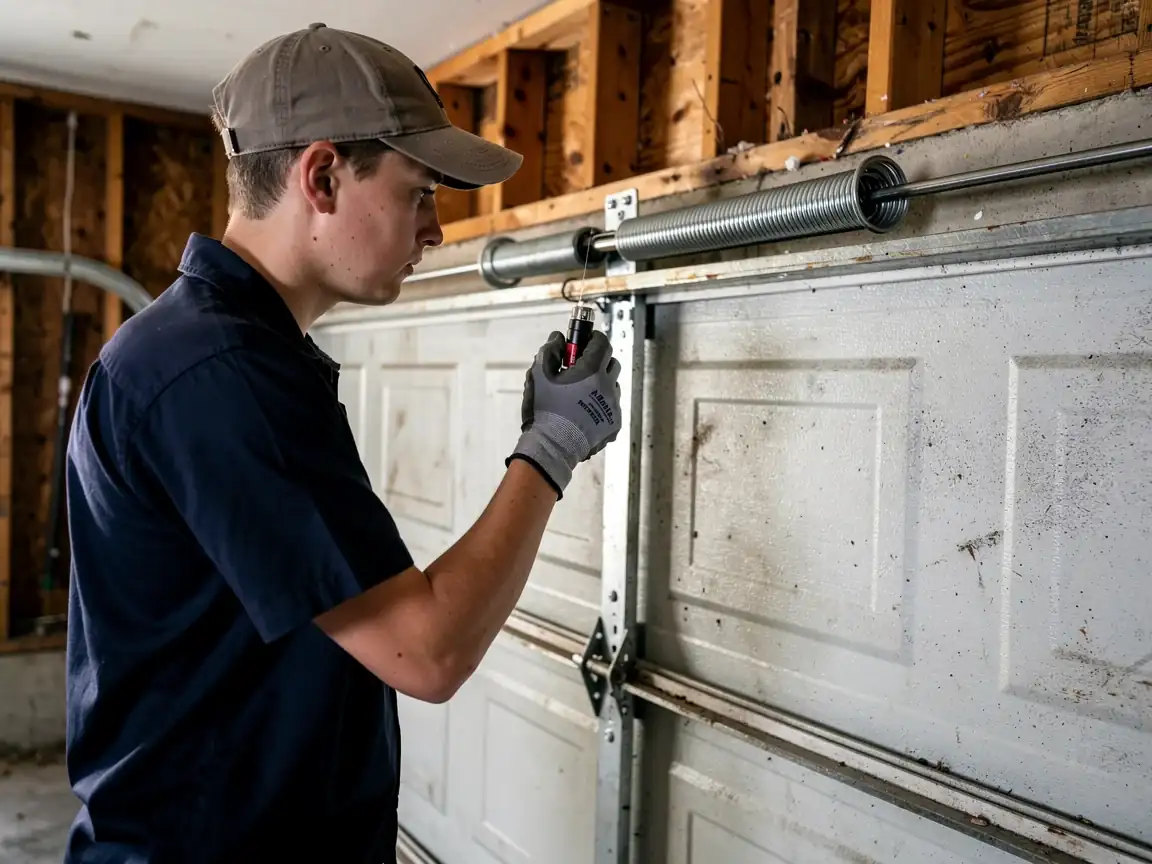
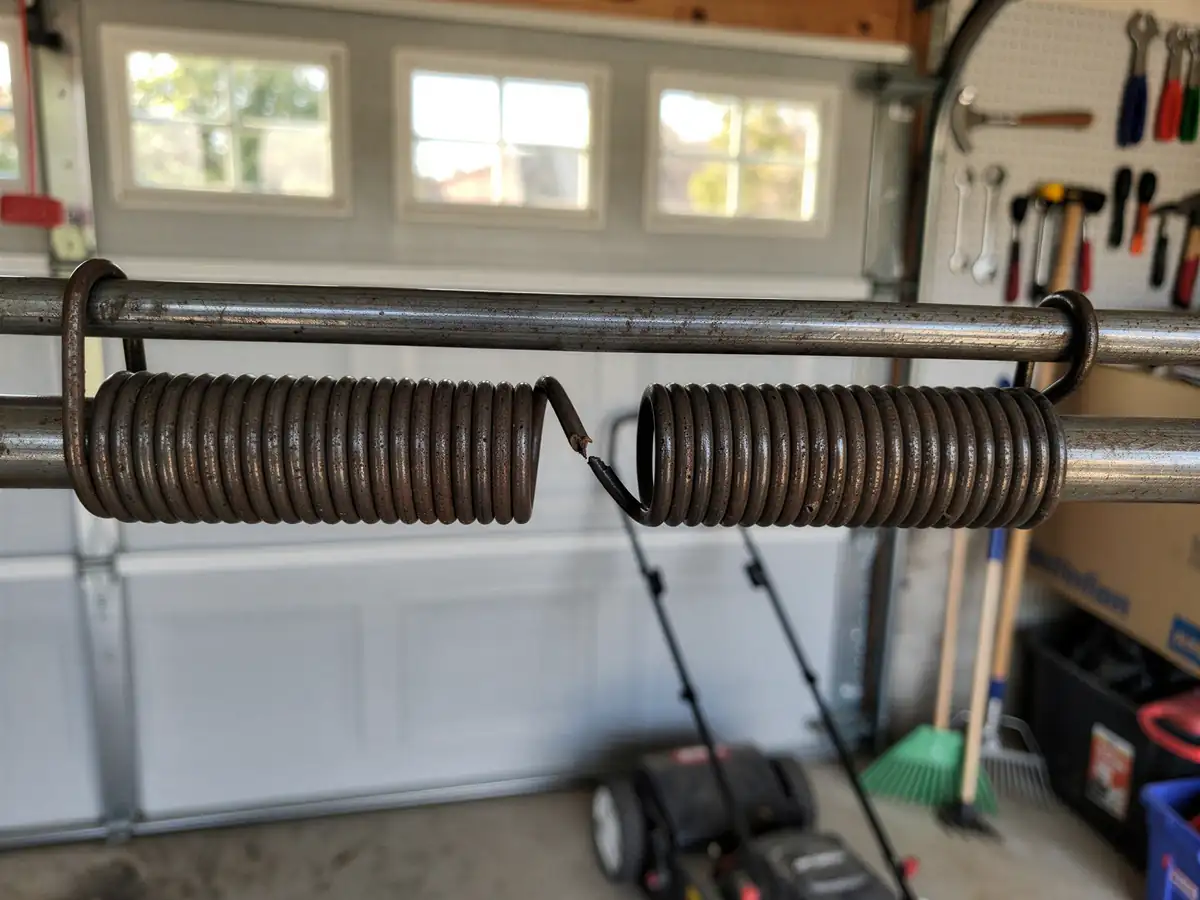
Start with the springs. If your door is from the original build era common across Newnan's 12 named residential areas - mostly 1980s and 90s construction - the torsion spring has likely been cycling for decades. A spring that's sagging, rusted through, or visibly stretched is worth replacing on its own; it doesn't mean the door itself is bad.
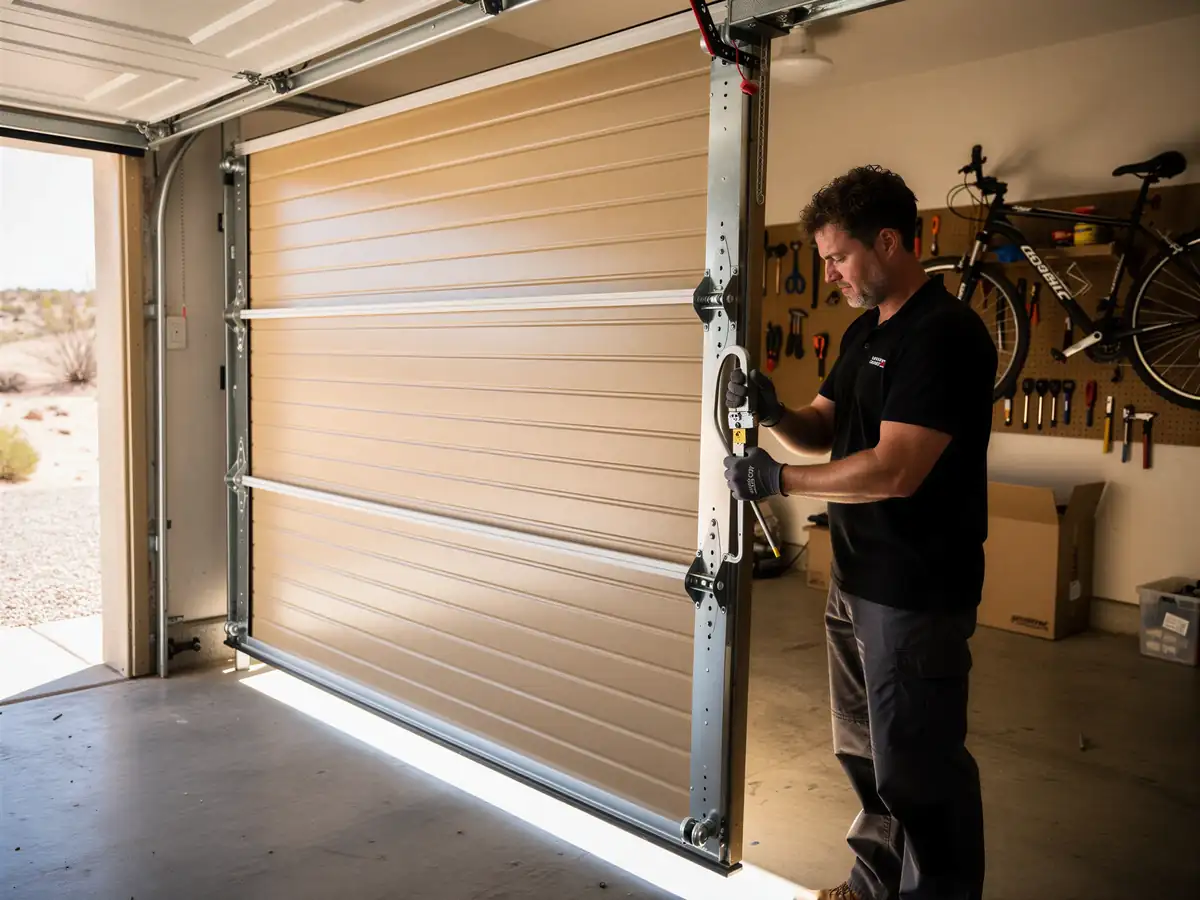
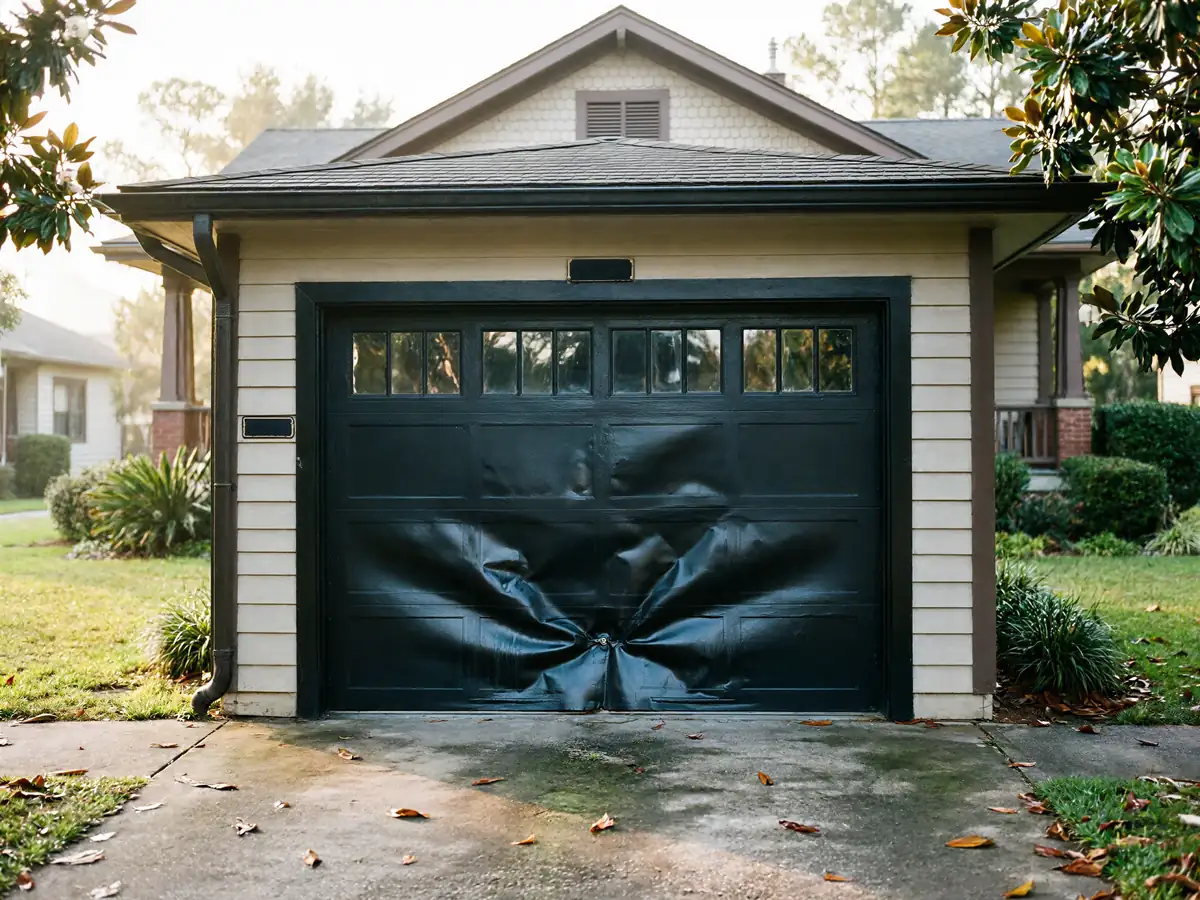
Next, look at the panels. Steel panels from this era dent and rust at the bottom first, especially where water sits against the slab. Surface rust is cosmetic. Rust that's eaten through the metal, or a panel that's buckled from an impact, is a different story - you're patching a door that'll keep failing in the same spot.
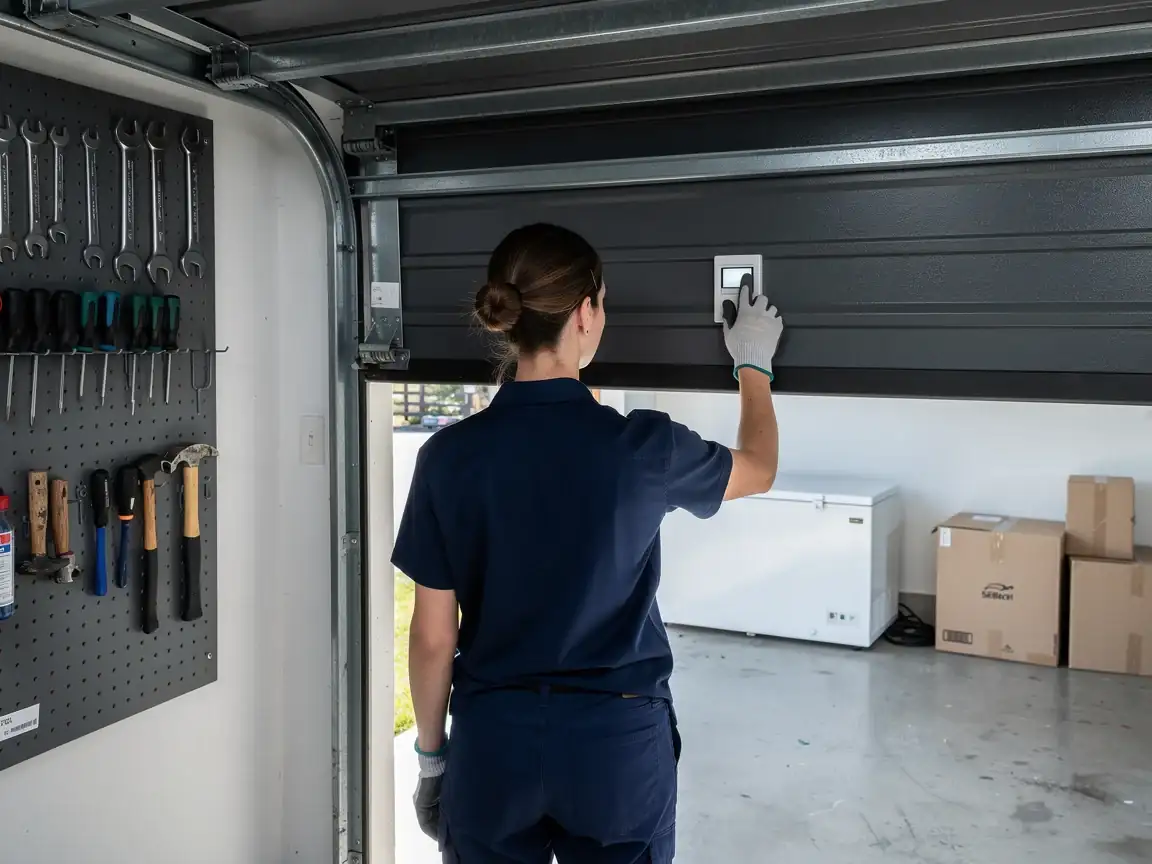
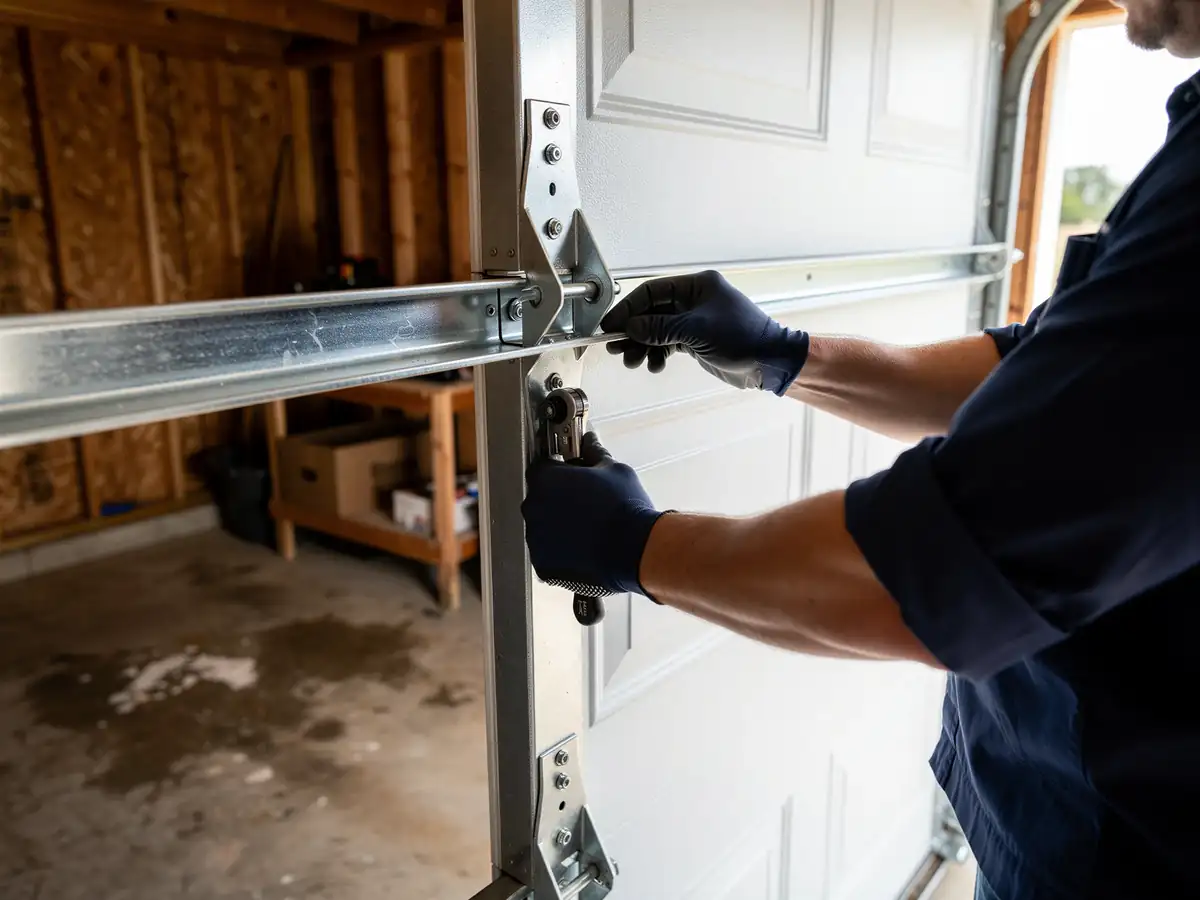
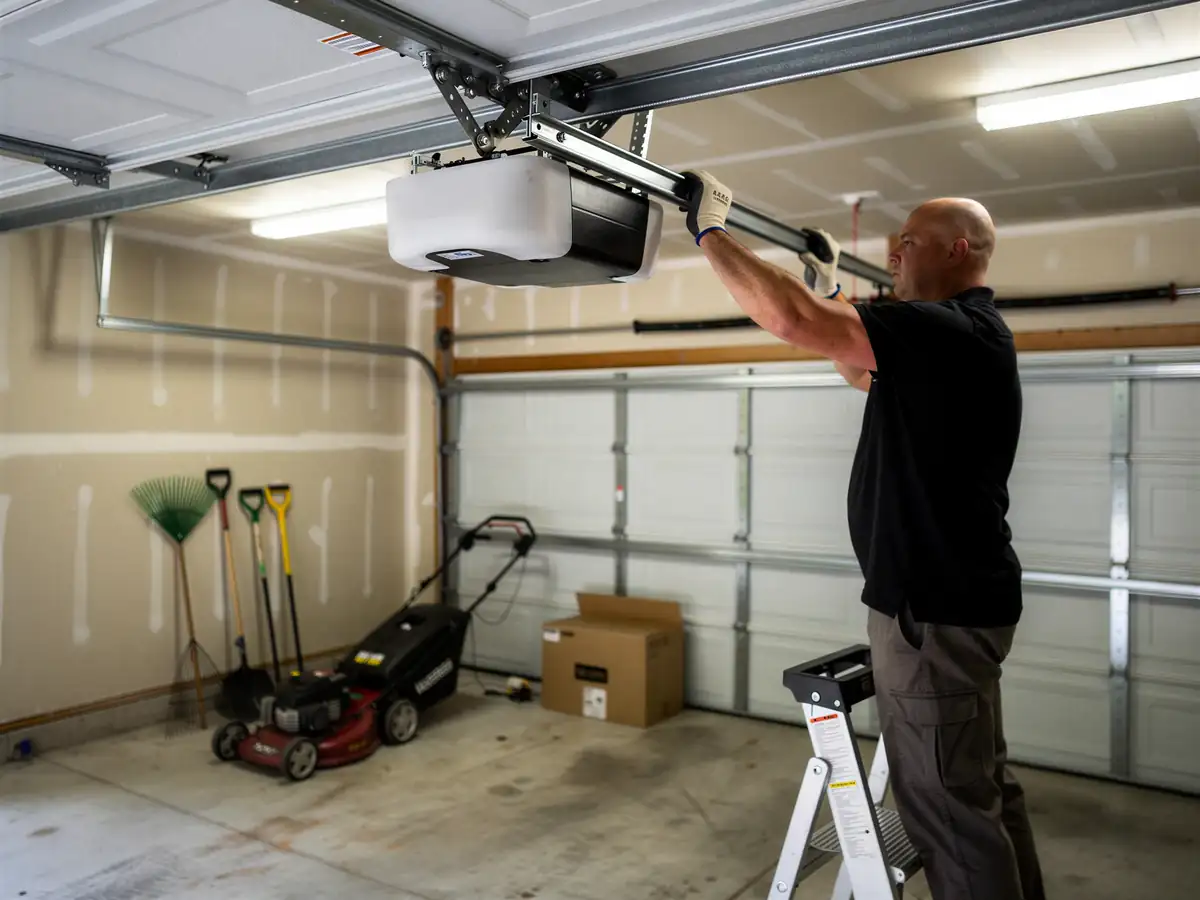
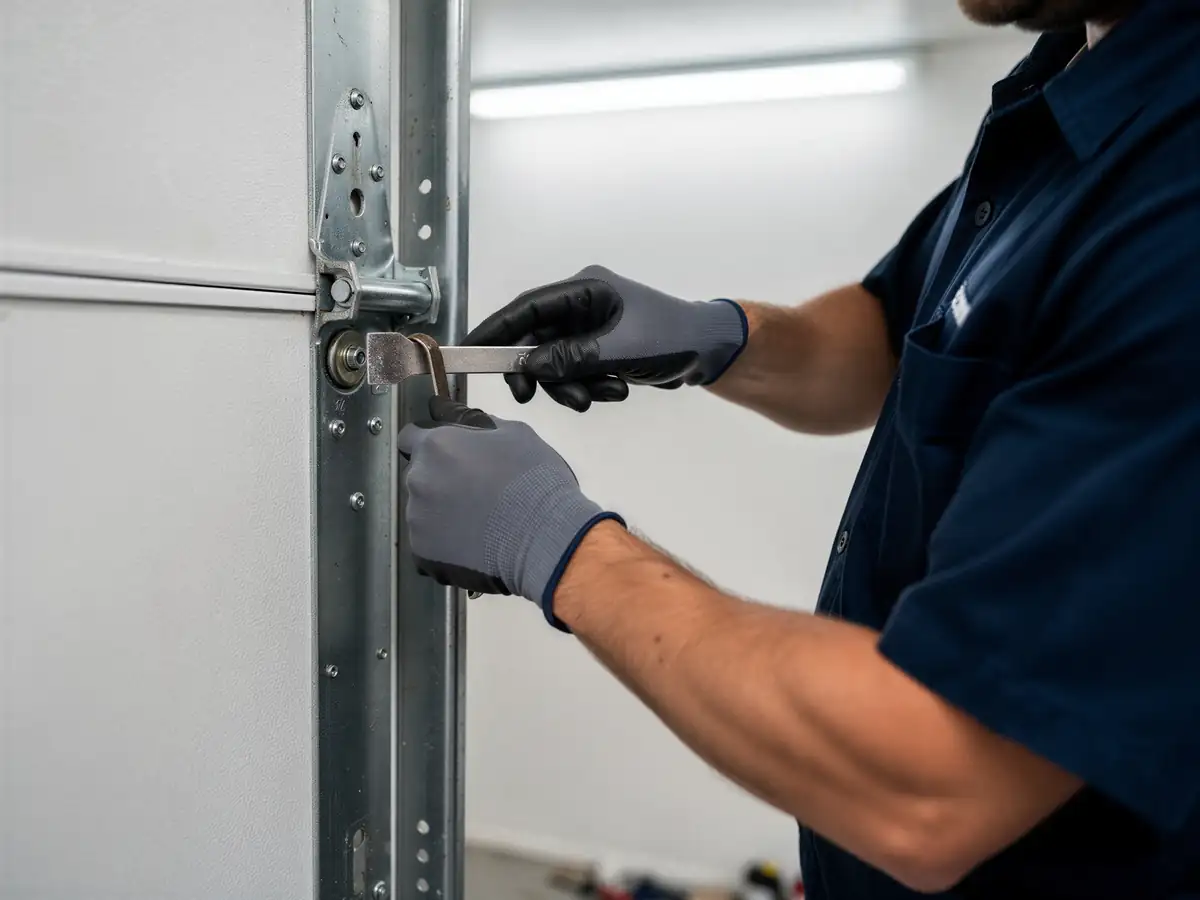
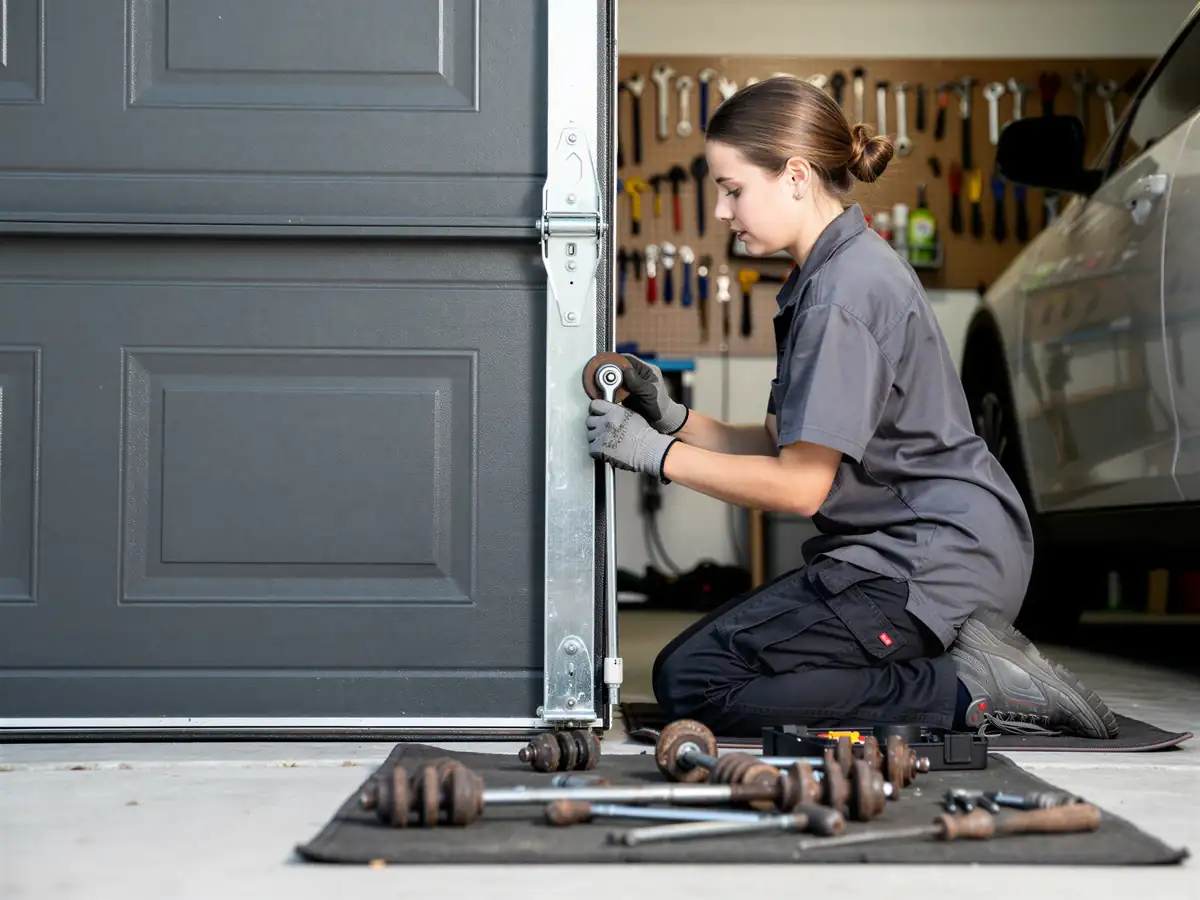
Check the track and rollers for play - a door that rattles or binds partway up often just needs rollers and alignment, not a replacement. And check the opener separately from the door. These are two different lifespans; an opener from the 90s dying doesn't mean the door panels underneath it are going with it.
How Local Conditions Play In
Newnan sits in a moderate cold climate band, not the extreme swings you'd get further north, but still enough seasonal temperature change to matter for a door that's never been serviced. Steel contracts in cold and expands in heat, and over twenty-plus years that cycle works on weld points, hinge screws, and worn roller bearings. It's part of why doors built in the 80s and 90s start showing play in the track even when nothing's visibly broken.
Humidity matters too. Bottom-panel rust is more common on doors facing north or shaded by trees, where moisture sits longer after rain. If your house is in one of the older sections built before 1994, that's worth a look even if the door seems to be working fine - rust starts from the inside of the panel seam before it shows on the face.