This Area's Housing
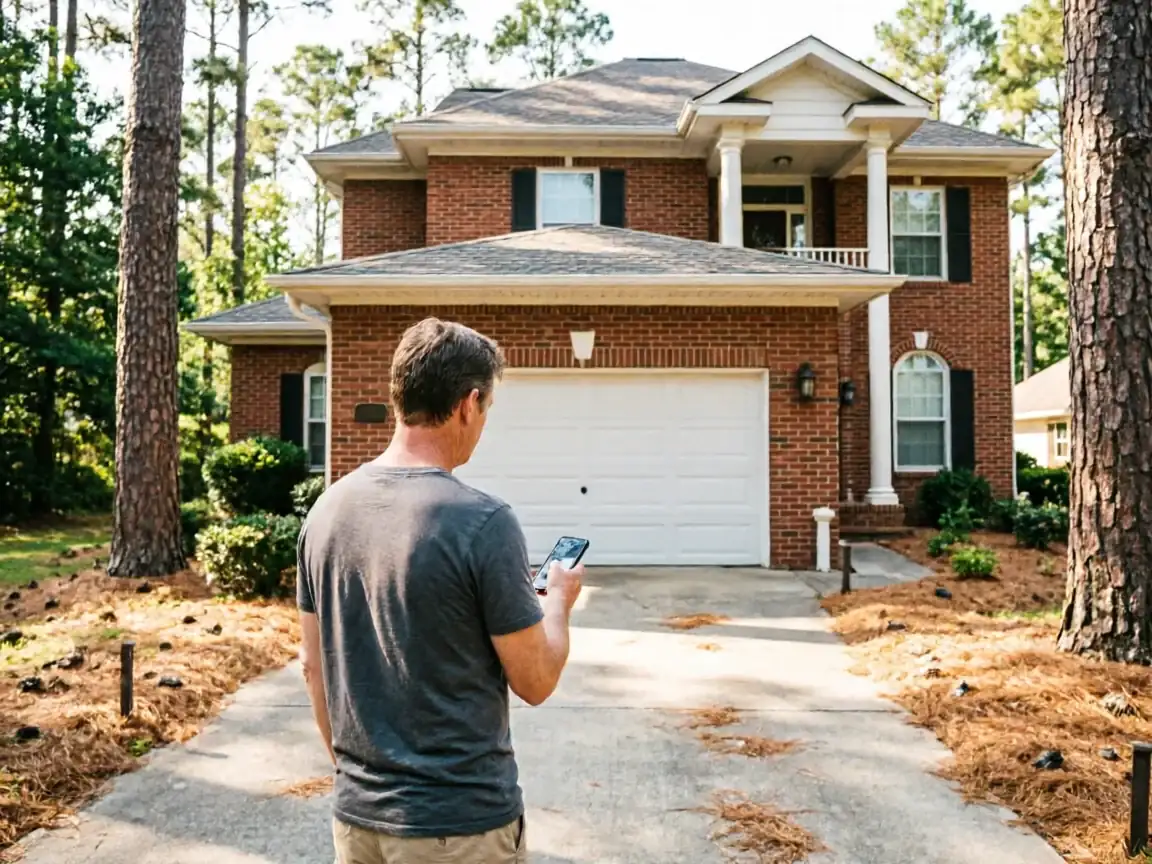
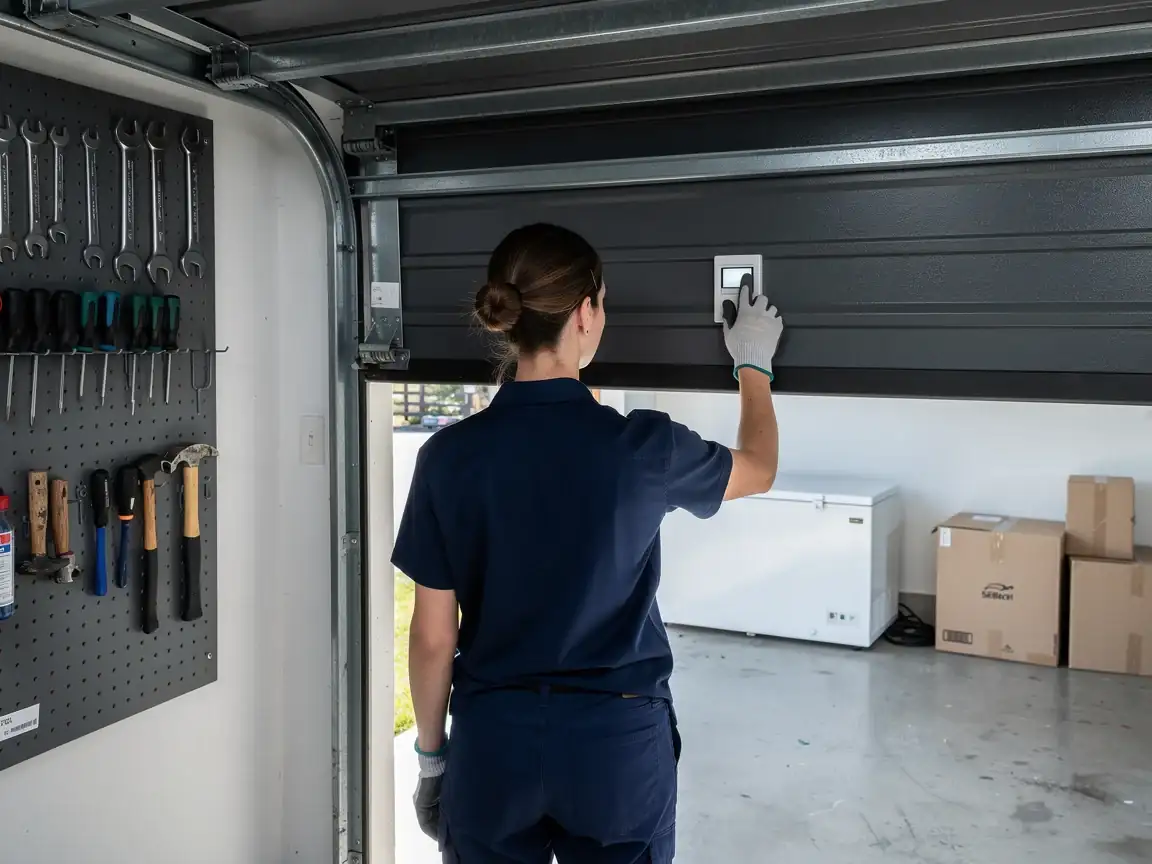
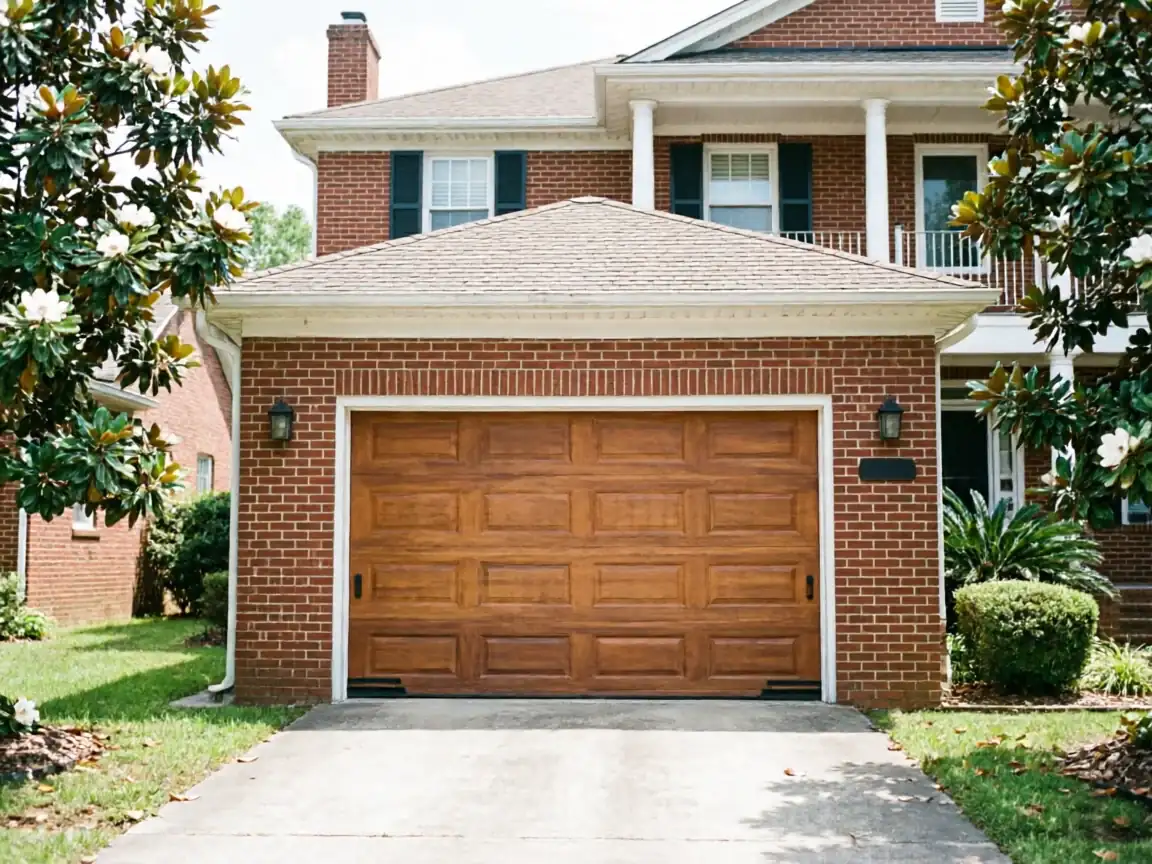
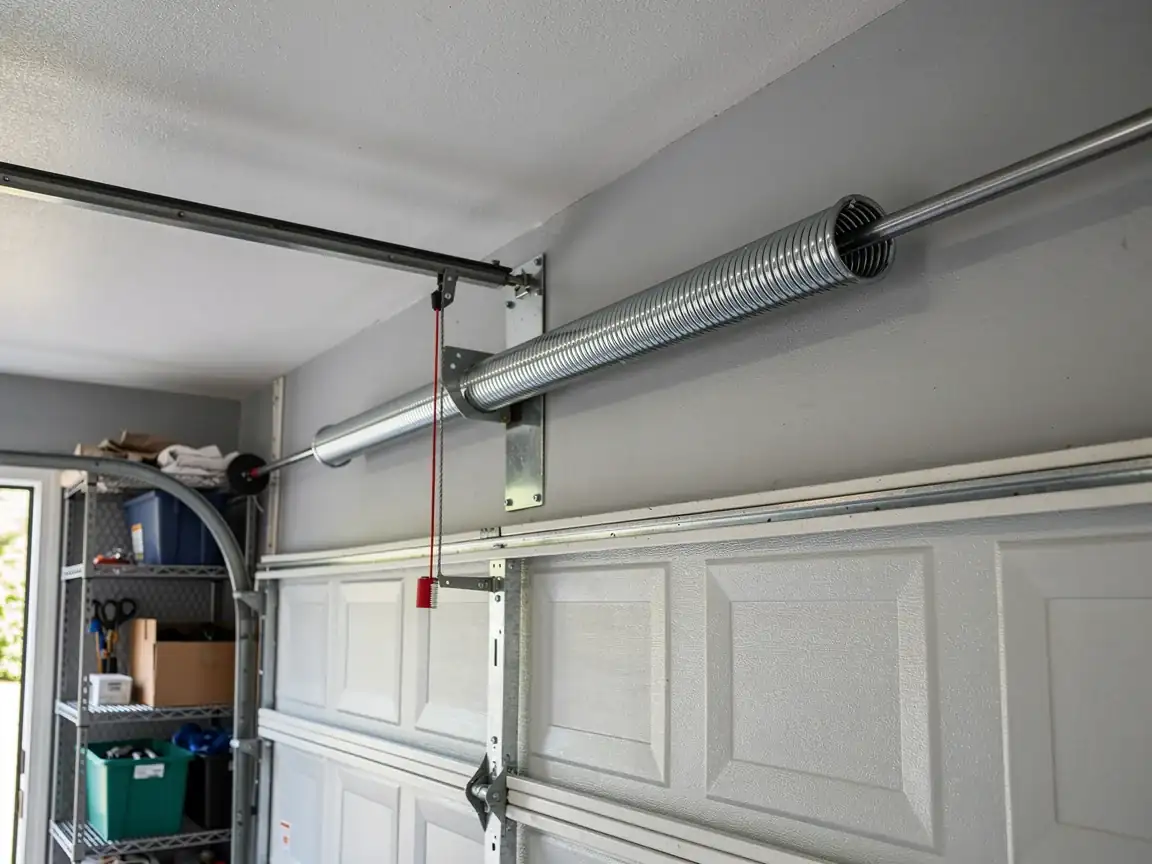
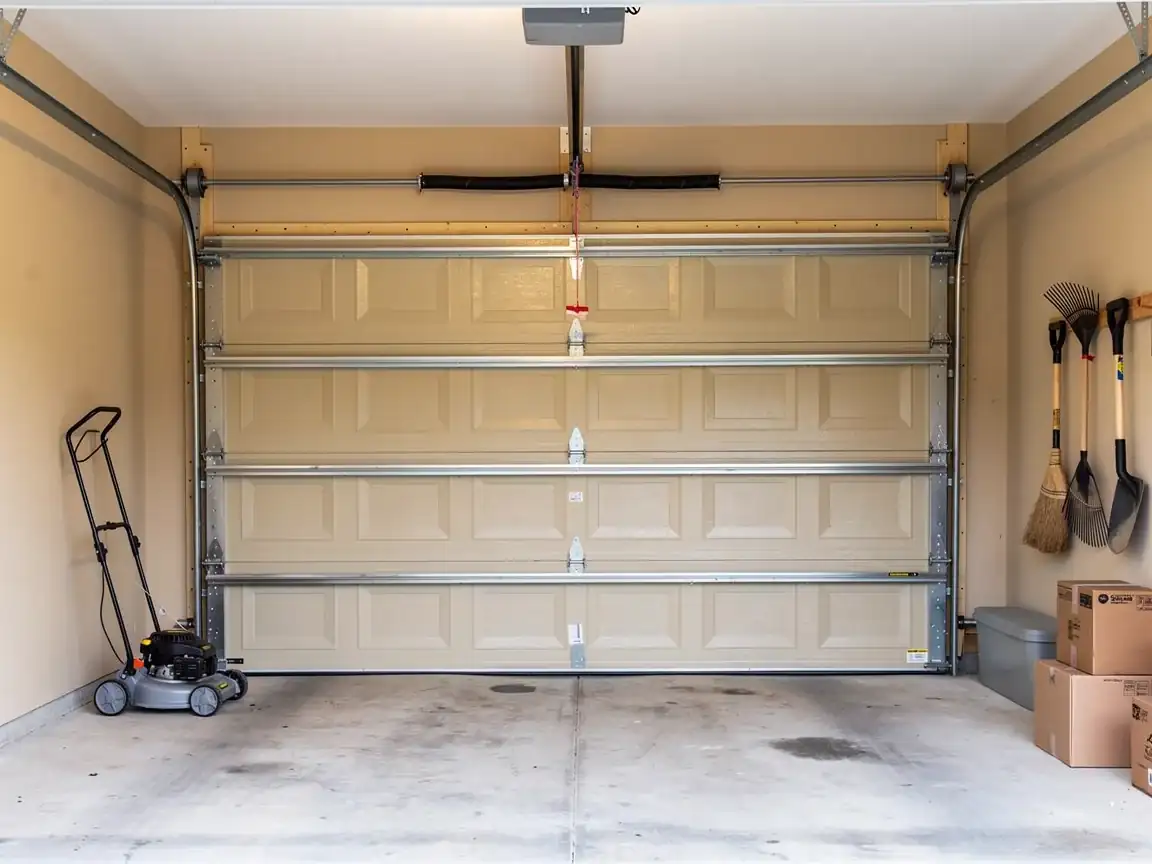
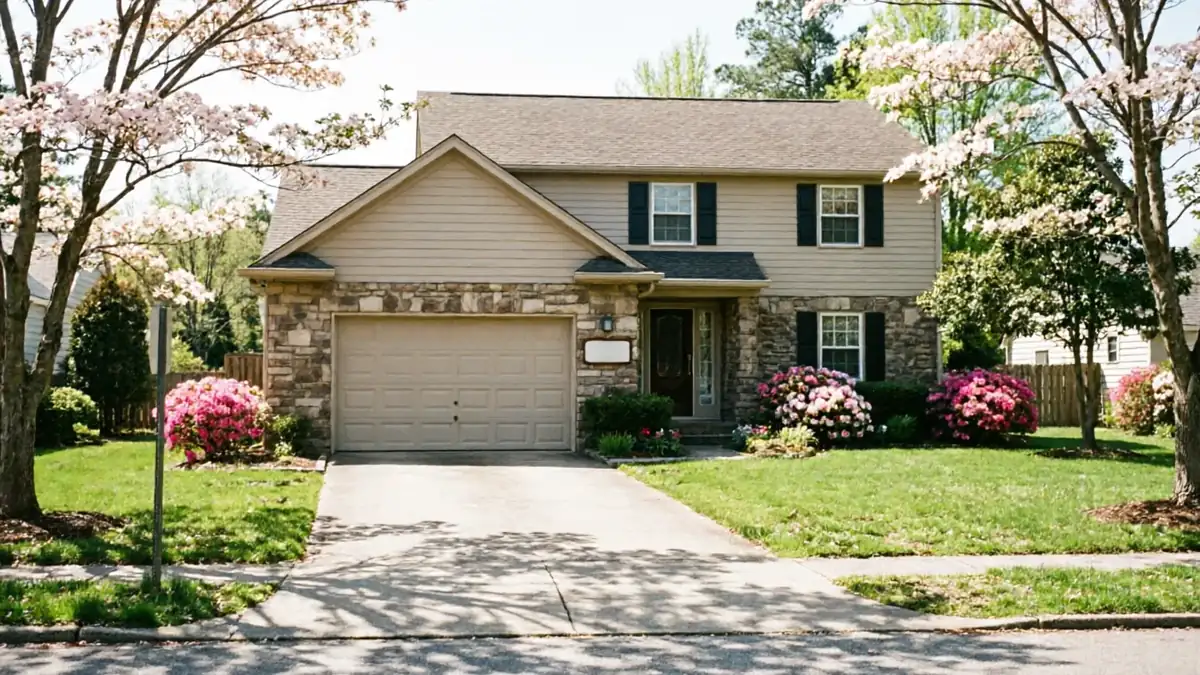
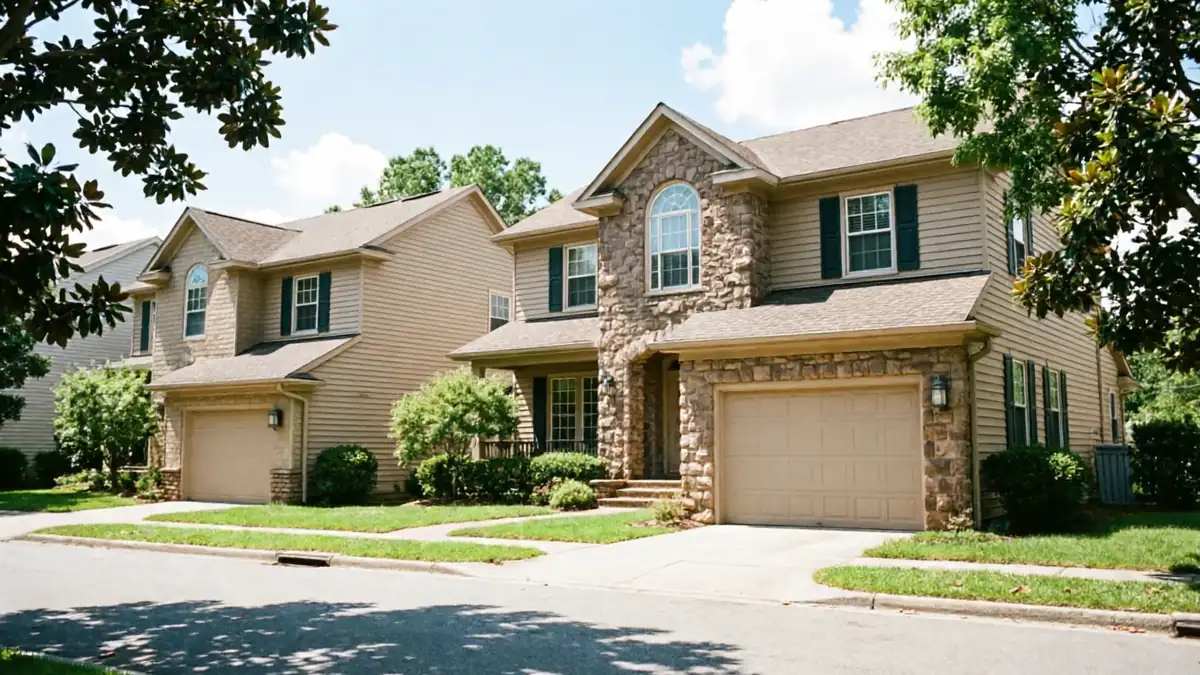
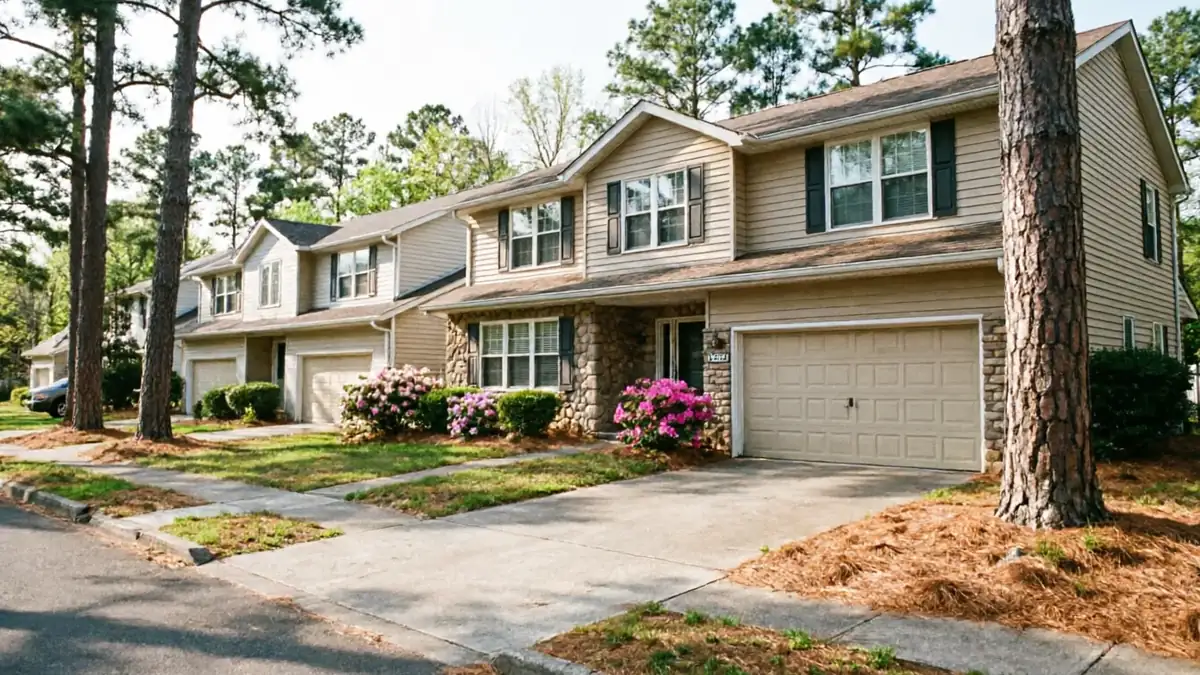
Union City sits about 19 miles from our Newnan shop, and the housing stock out here looks different from what we see closer to home. Across the wider service area, homes run from 1964 to 2005 with a median build year of 1994. Union City skews newer than that average - the typical house here went up around 2002. That matters because doors and openers installed in the early 2000s are a different animal from the 1980s stock we work on elsewhere. You're more likely to have a steel raised-panel door on a standard torsion spring setup, with a chain or belt-drive opener from that era rather than the older screw-drive units common in older subdivisions. With roughly 11,533 households in this area, we see a lot of these 2000s-era setups showing the same wear pattern at roughly the same time, since they were all built in the same stretch of years.
Older vs Newer Streets
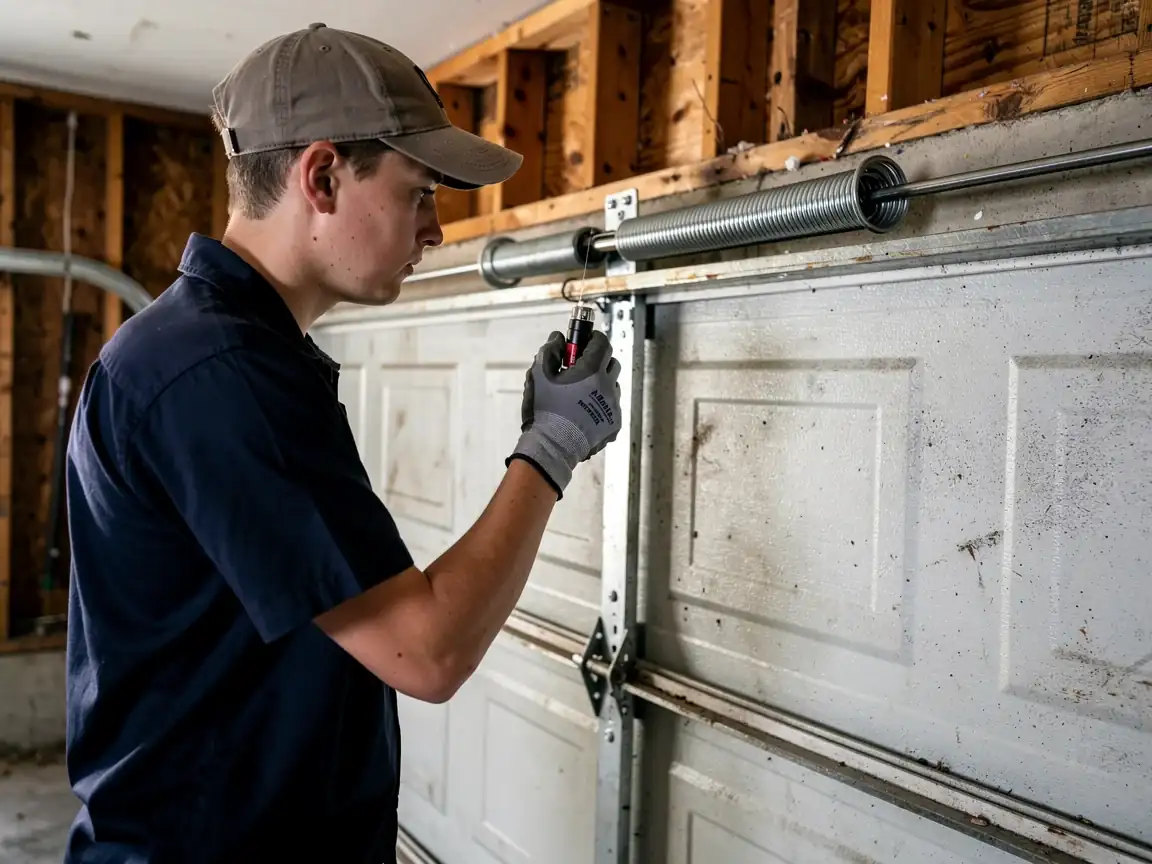
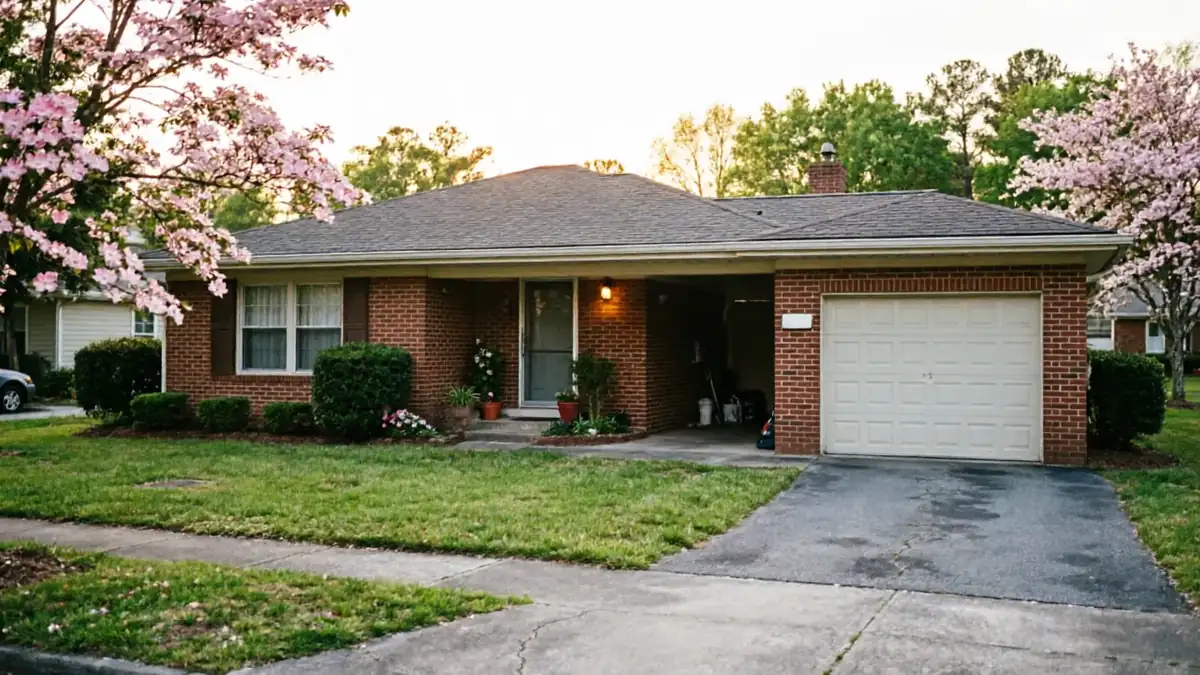
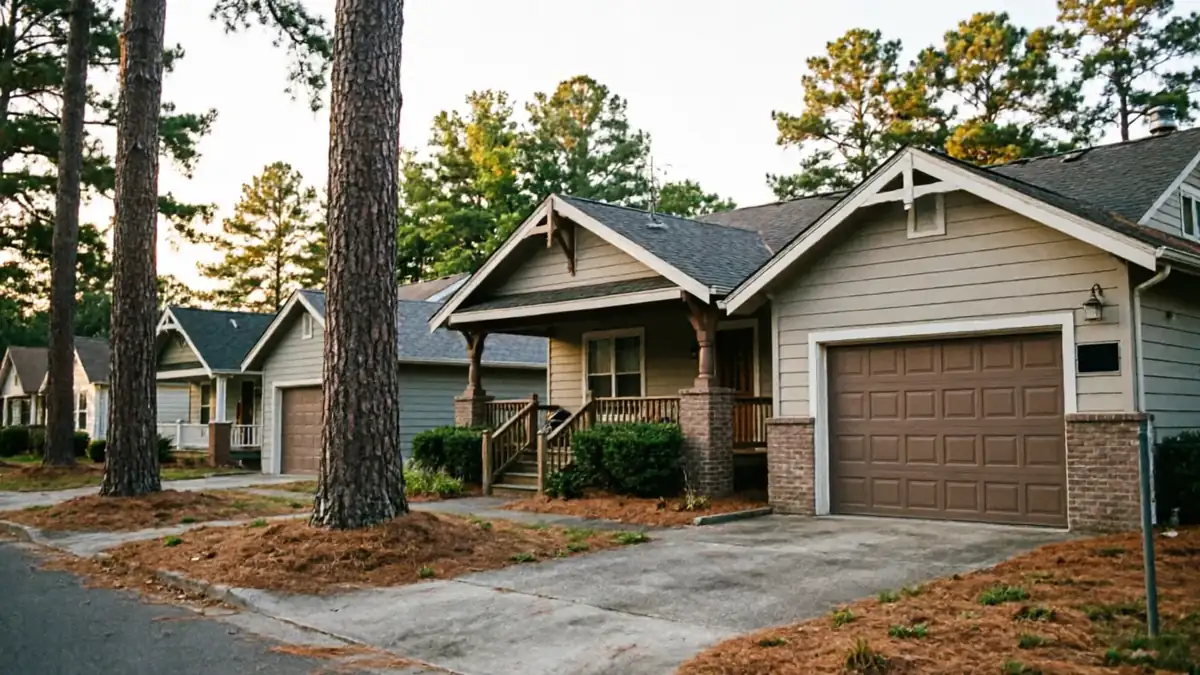
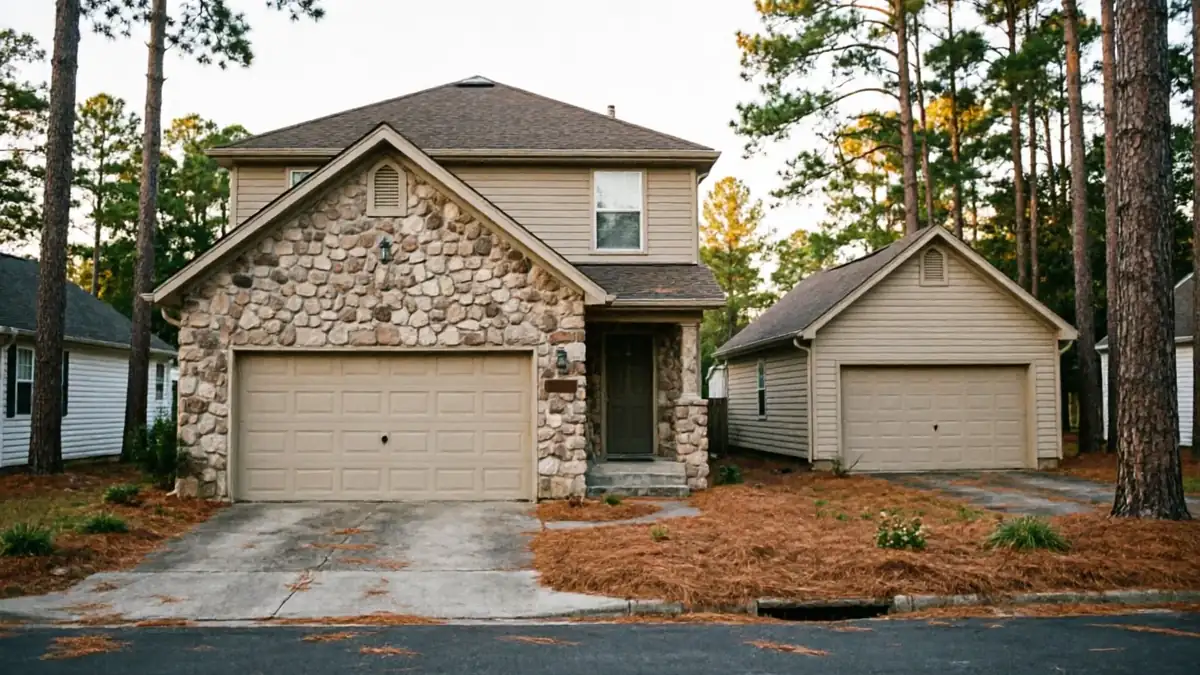
Not every street in Union City matches that 2002 median. Some pockets run older, closer to the 1980s-90s stock that makes up most of the wider 12-area service territory, and those houses tend to have the original torsion hardware still in place - springs that are 20-plus years old and openers with no safety-reversal sensors at all. The newer streets, built closer to the median year here, usually still have their first opener but are coming due for a spring replacement, since torsion springs are rated for a number of cycles rather than a number of years. If your house falls on the older end of the range, don't assume newer just because the neighborhood looks newer - check the install date on the opener motor housing, it's usually stamped there.
What the Housing Means for Your Door
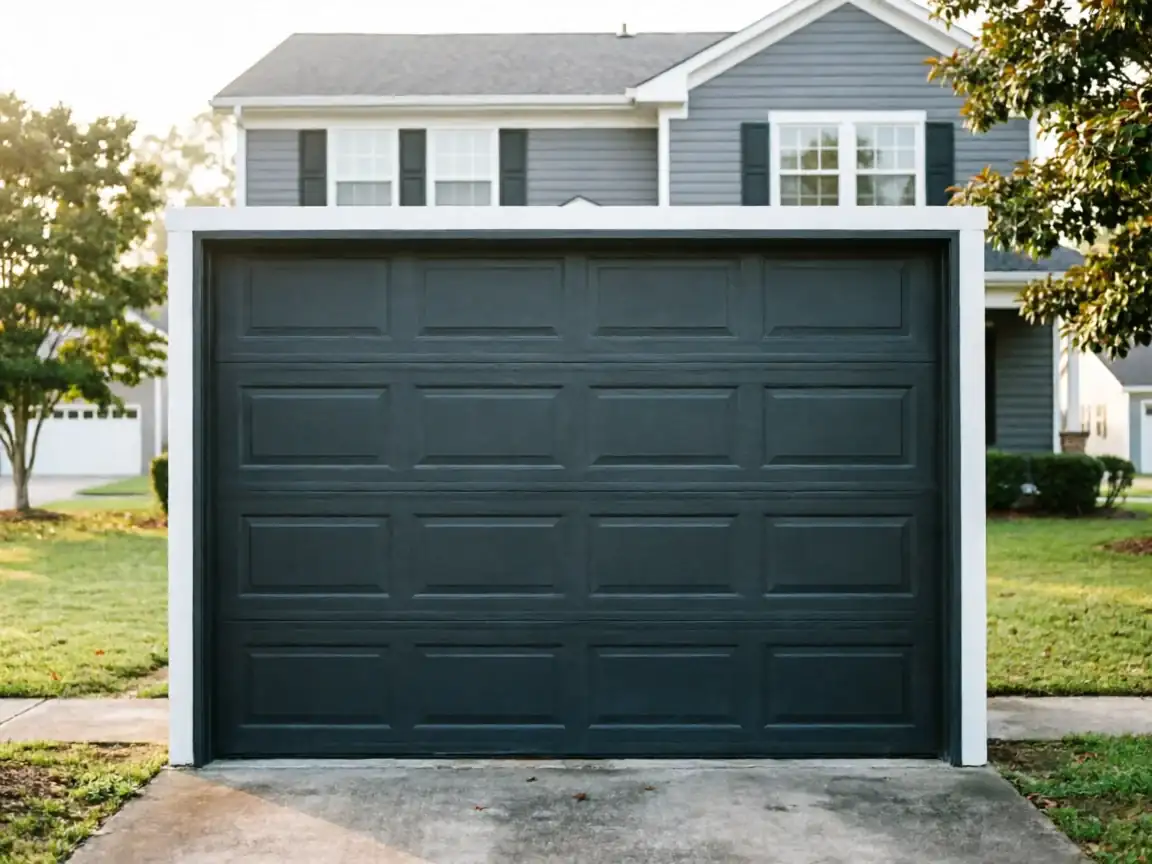
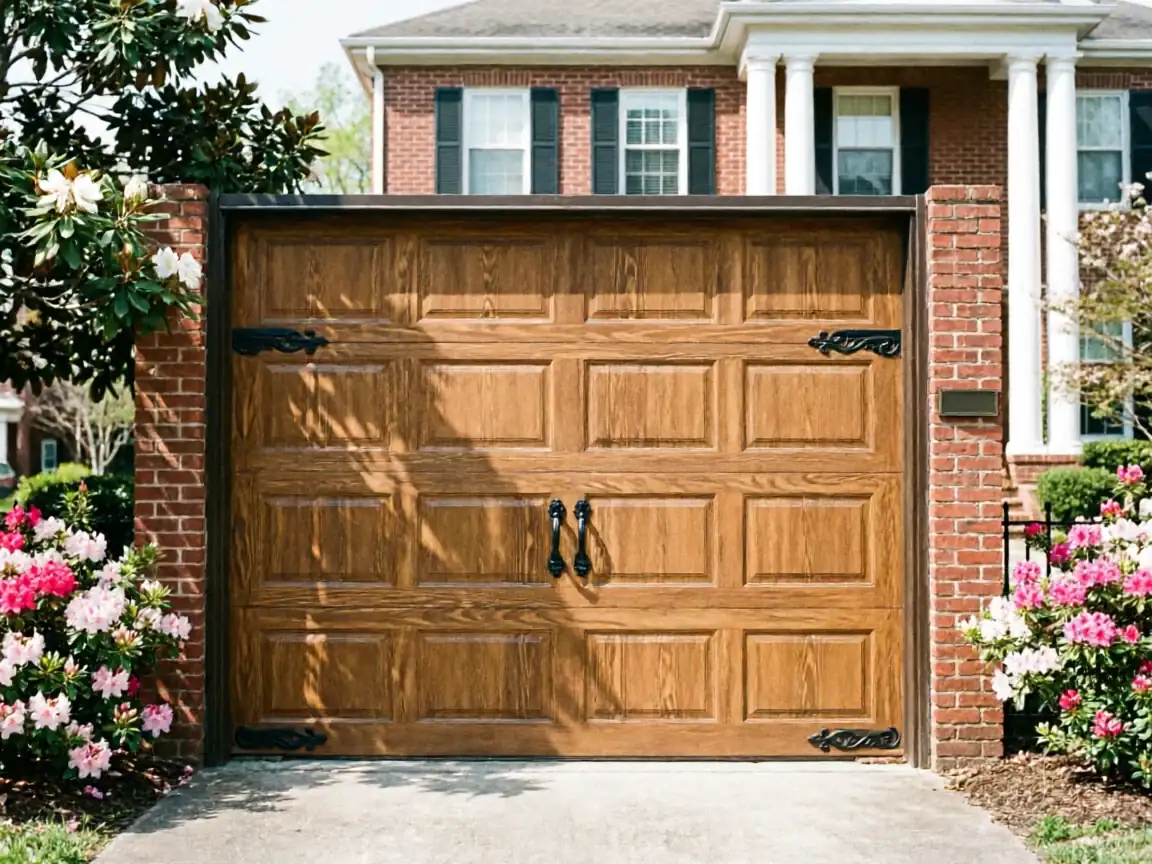
With a median household income of $47,635 in this area, we see a real mix of what people choose to spend on: full door replacement when a panel is bent beyond repair, versus spring and cable repair to keep a serviceable door running longer. Given that most homes here date to around 2002, the doors themselves are usually not the problem - it's the springs and openers that have hit their service life. A steel door from that era with no rust and intact panels is almost always worth repairing rather than replacing. We'd only recommend full replacement if the door is out of square, the track is bent beyond adjustment, or the panels are rusted through at the bottom - none of which is common yet in housing this age, but it does show up on the handful of older streets mixed into the area.