The Symptom
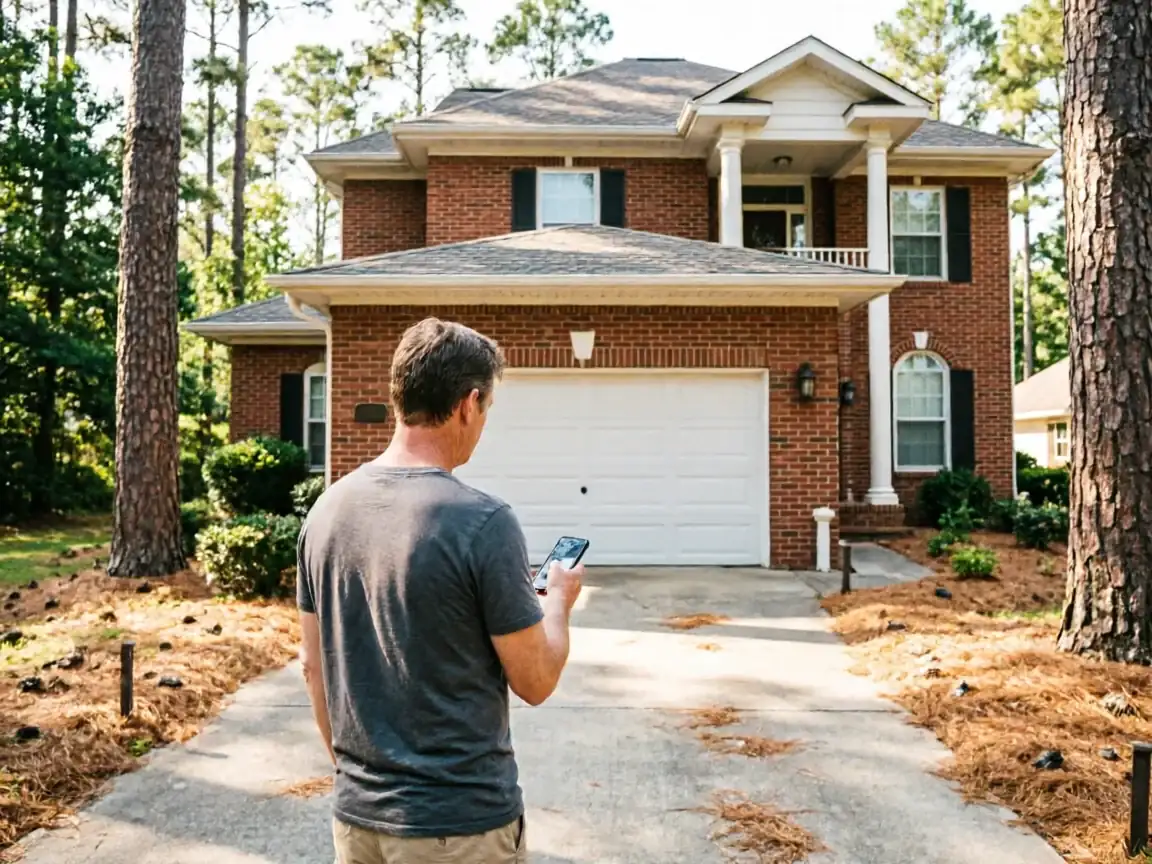
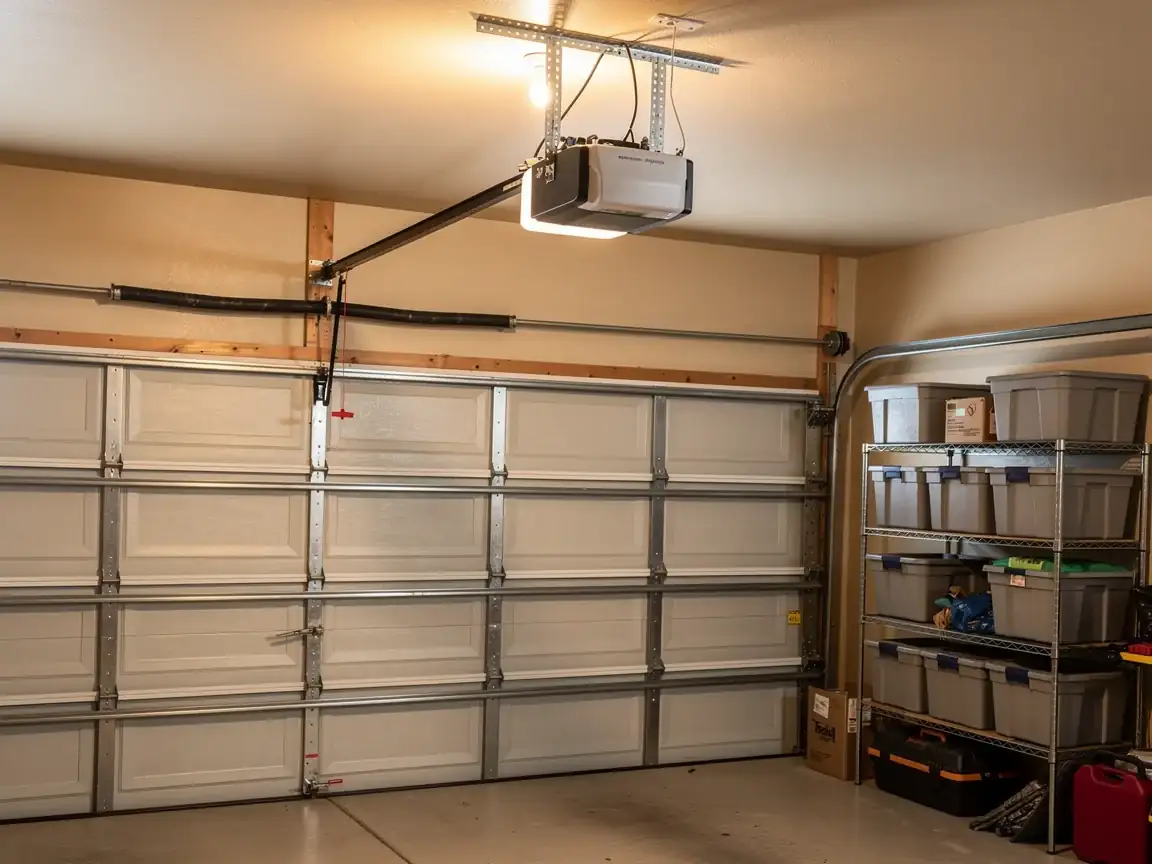
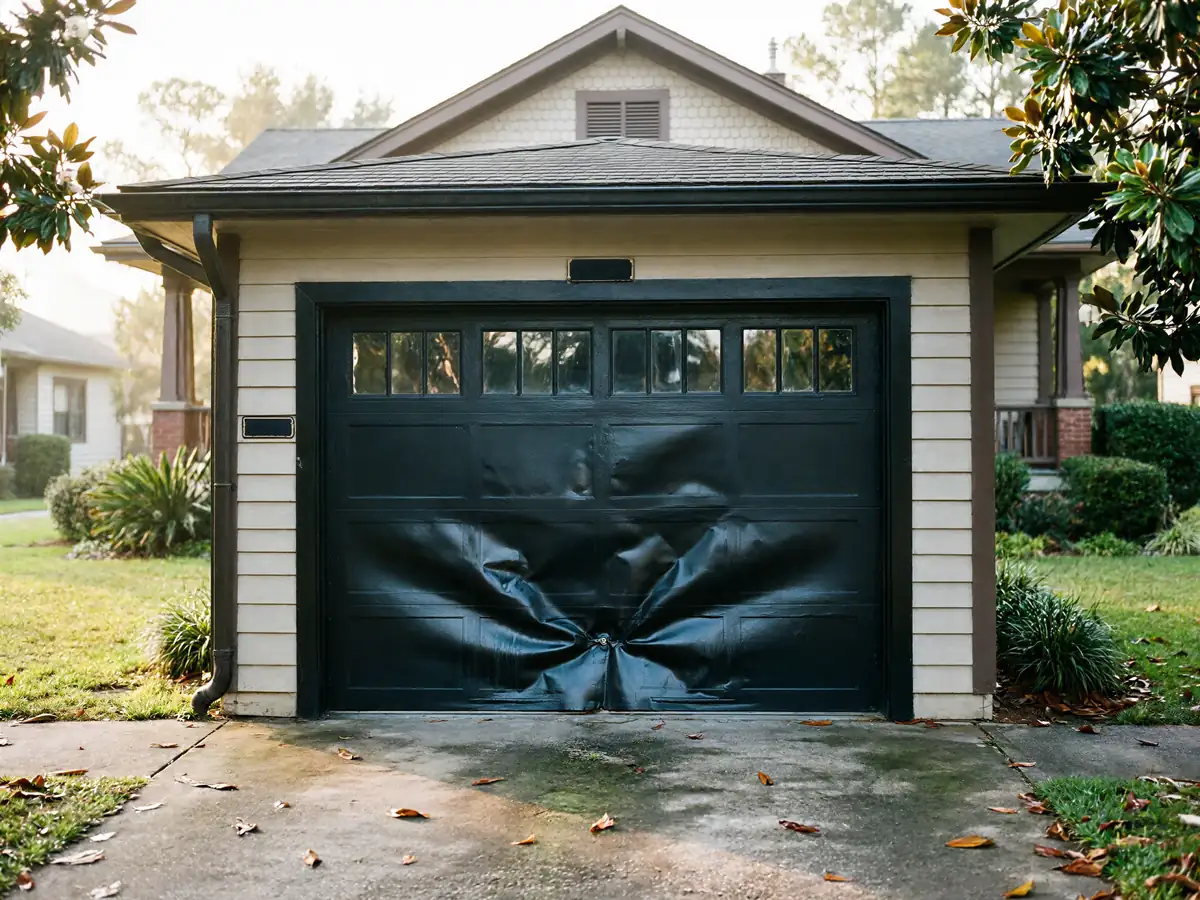
Your door hesitates before it opens, or it opens a few inches and stalls. Maybe it slams the last foot on the way down instead of settling. Maybe the opener motor hums and nothing moves. These are the calls we get most from Newnan driveways, and they almost always trace back to a torsion spring that's lost tension or an opener gear set that's worn through.
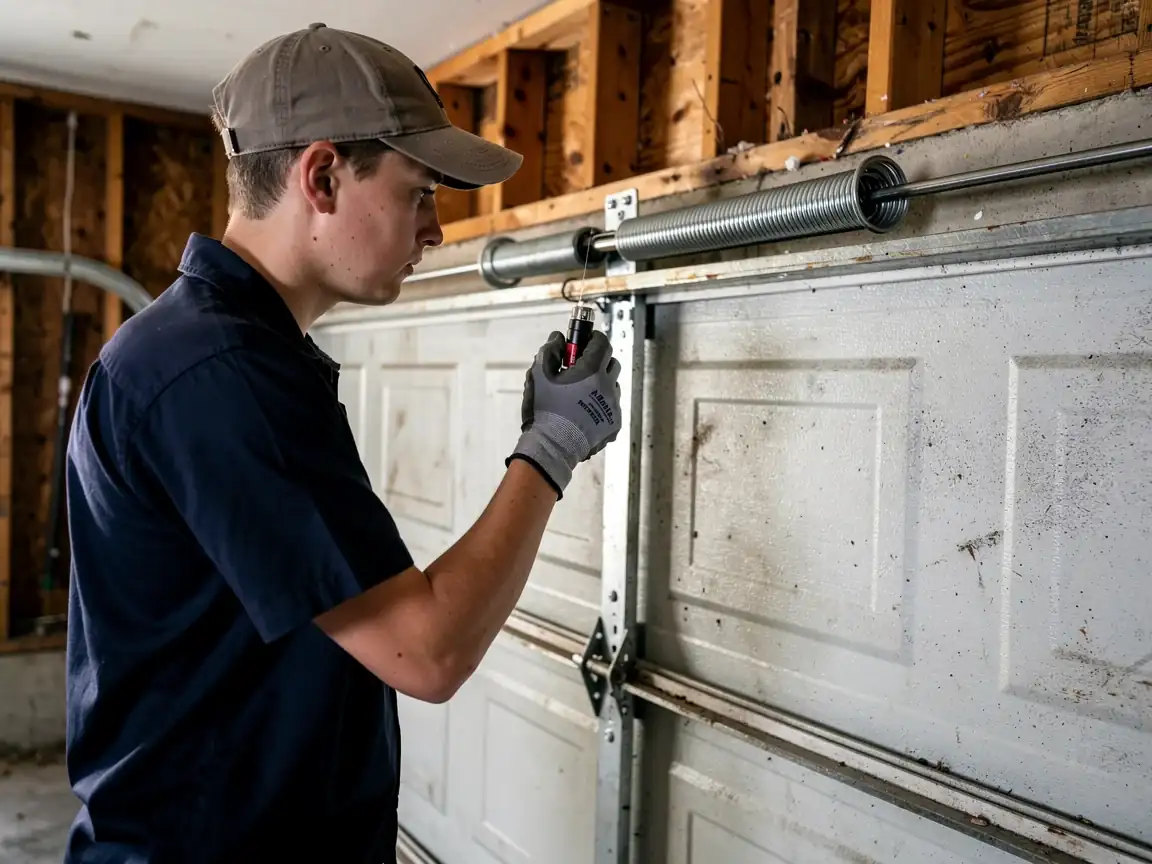
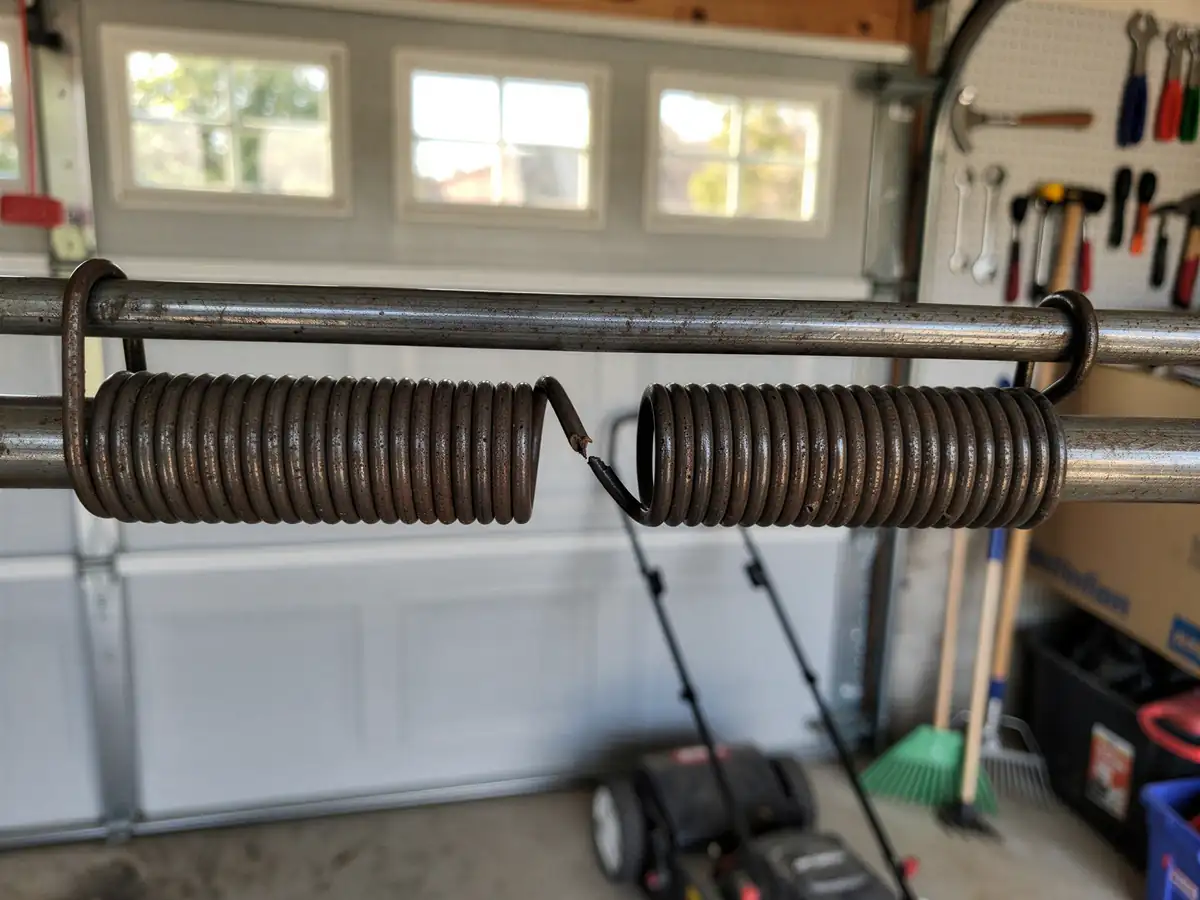
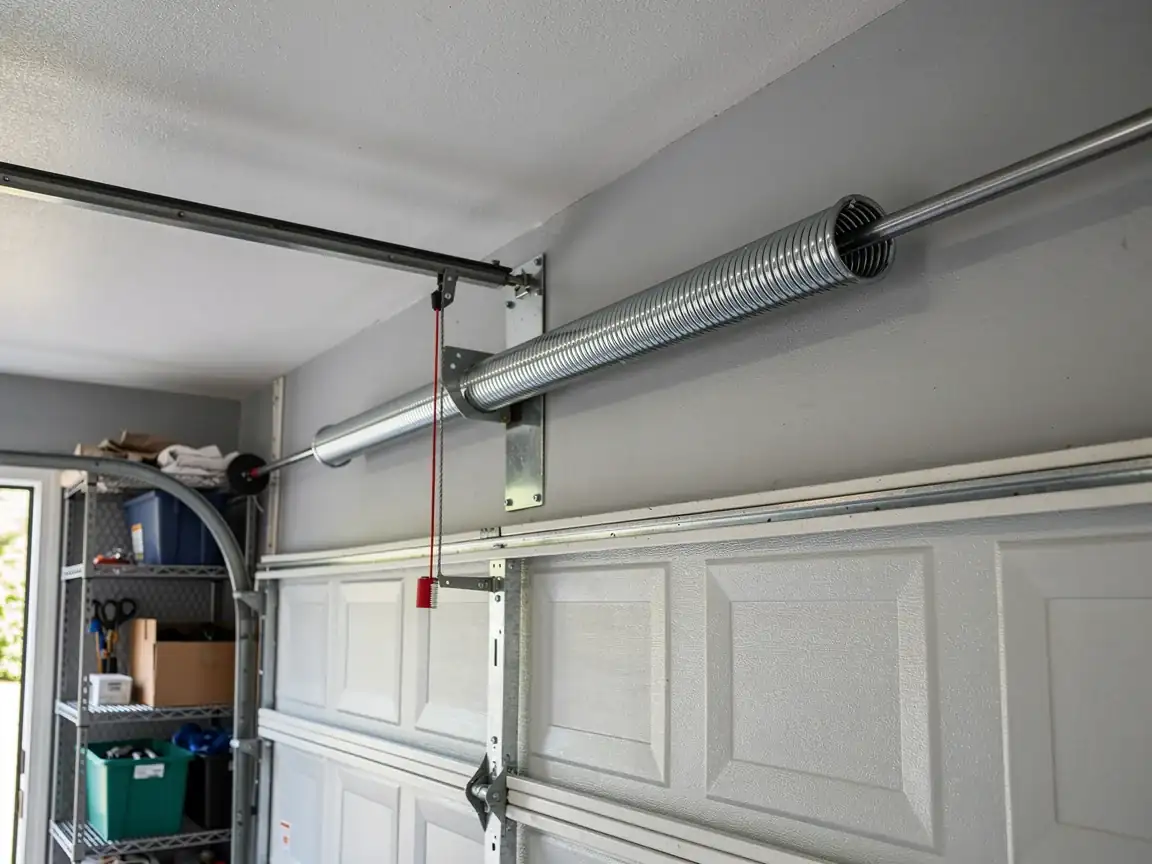
It rarely happens all at once. The door gets a little heavier to lift by hand each month, the opener strains a little longer before it catches, and then one cold morning the cable snaps or the motor gives out mid-cycle. If you're hearing a loud bang from the garage followed by a door that won't budge, that's a spring letting go - don't try to force it open by hand or with the opener until it's been looked at.
Across the 12 areas we work in around Newnan, most of the houses carry the original or first-replacement hardware from whenever the home was built, and a lot of that hardware is well past the point where it should've been swapped out.
What the Fix Involves
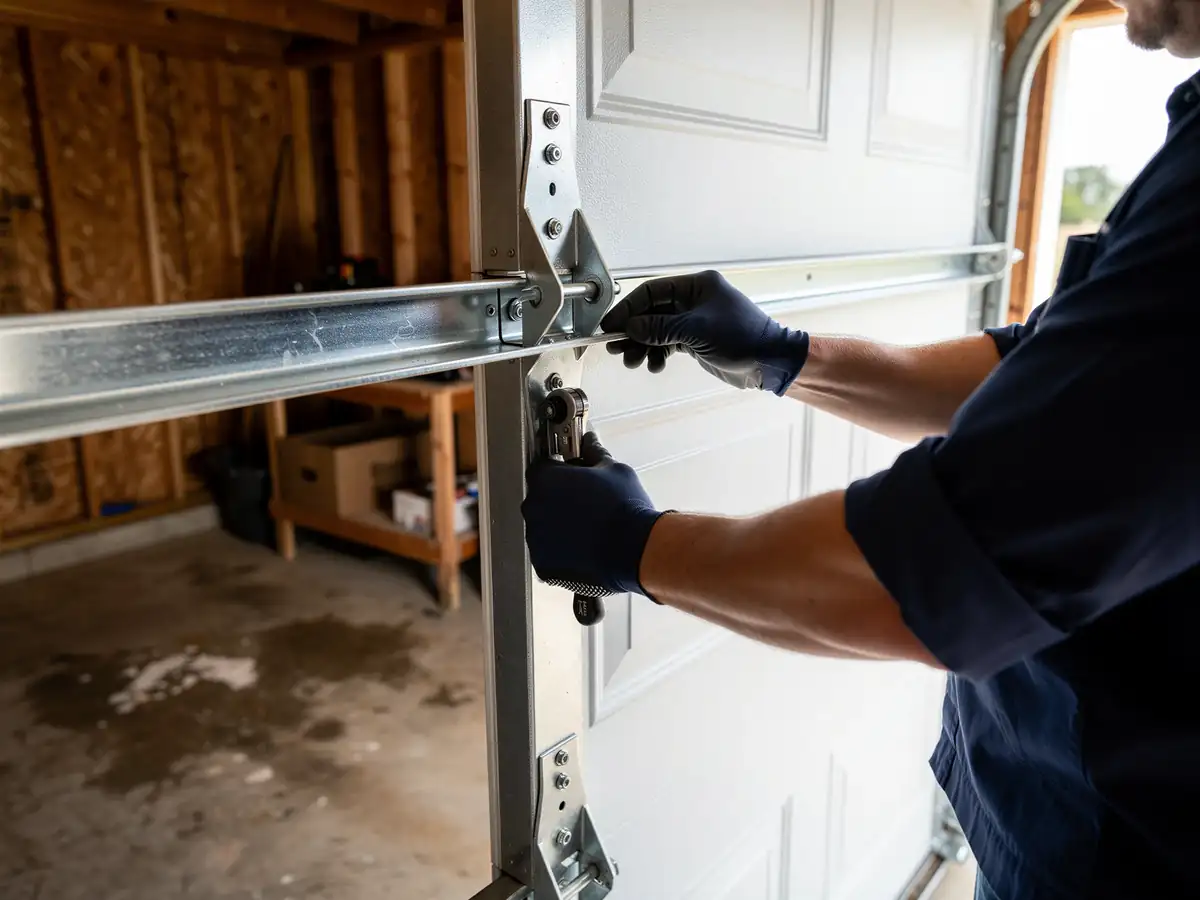
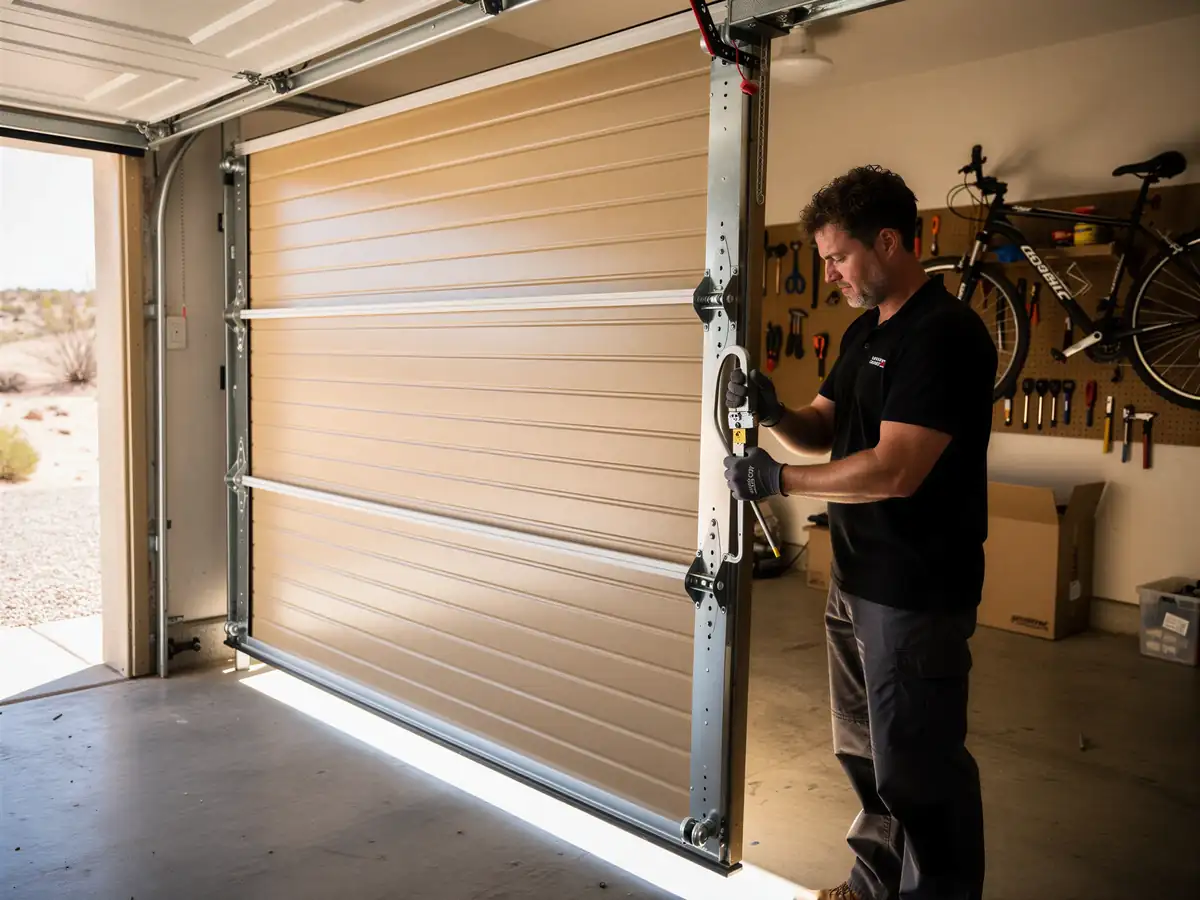
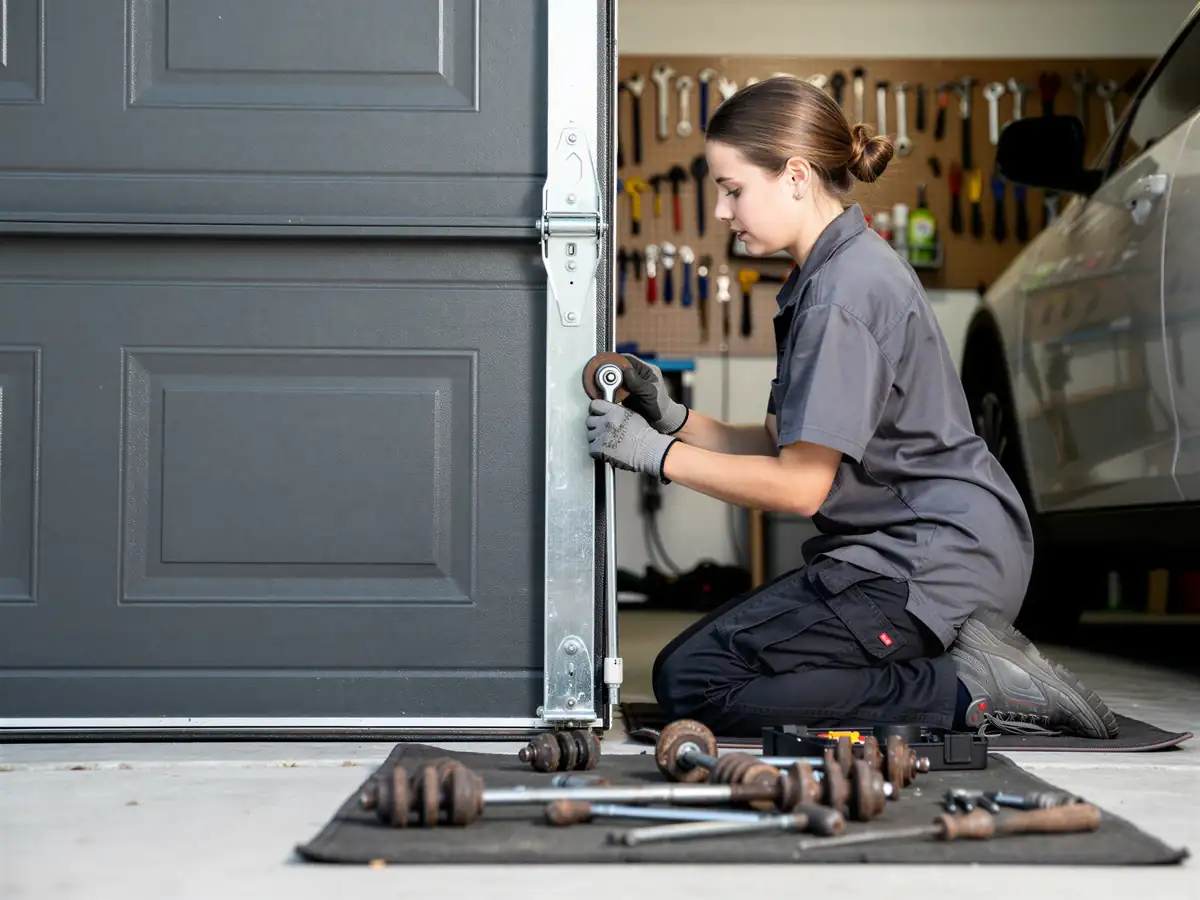
For a spring failure, the job is matching the door's weight to the right wire size and wind - not just bolting on whatever's on the truck. Doors from the 1980s and 90s often used lighter steel and different spring sizing than what's sold today, so we measure rather than guess. Both springs get replaced together even if only one broke, because the other is carrying the same age and the same fatigue.
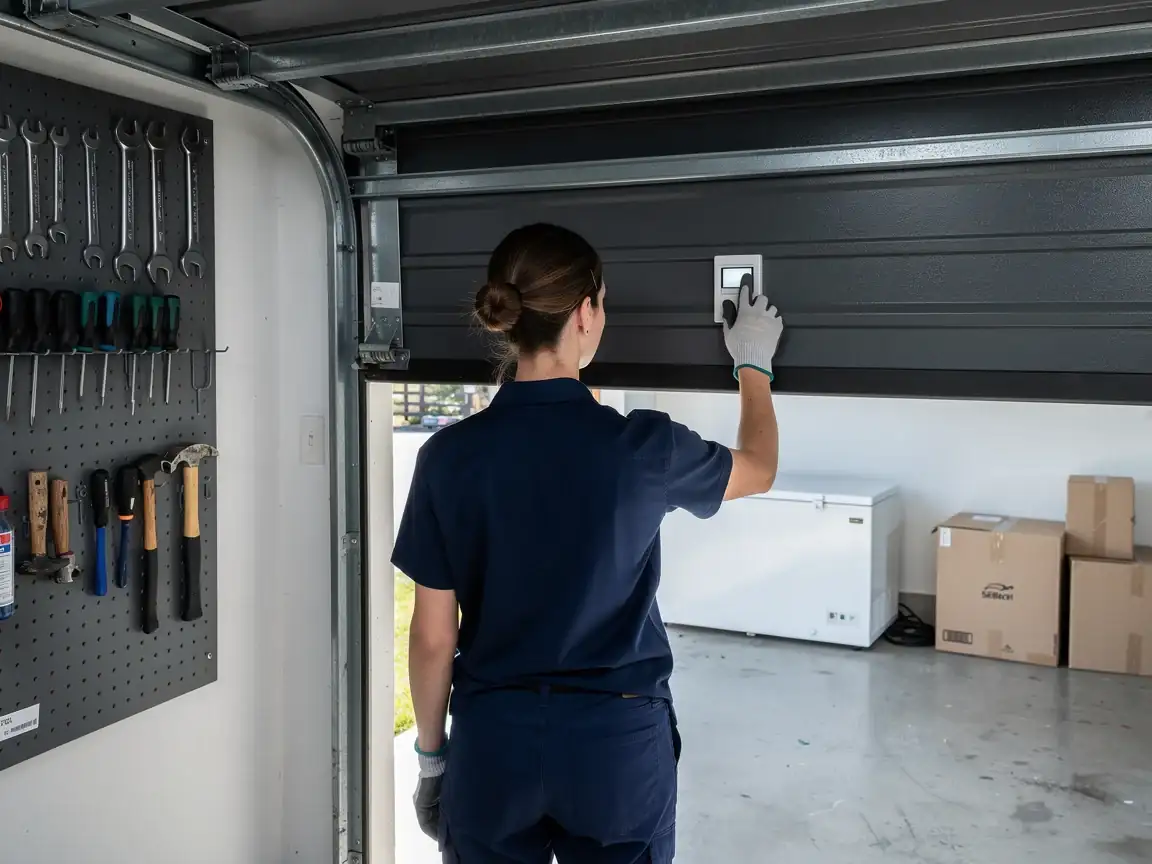
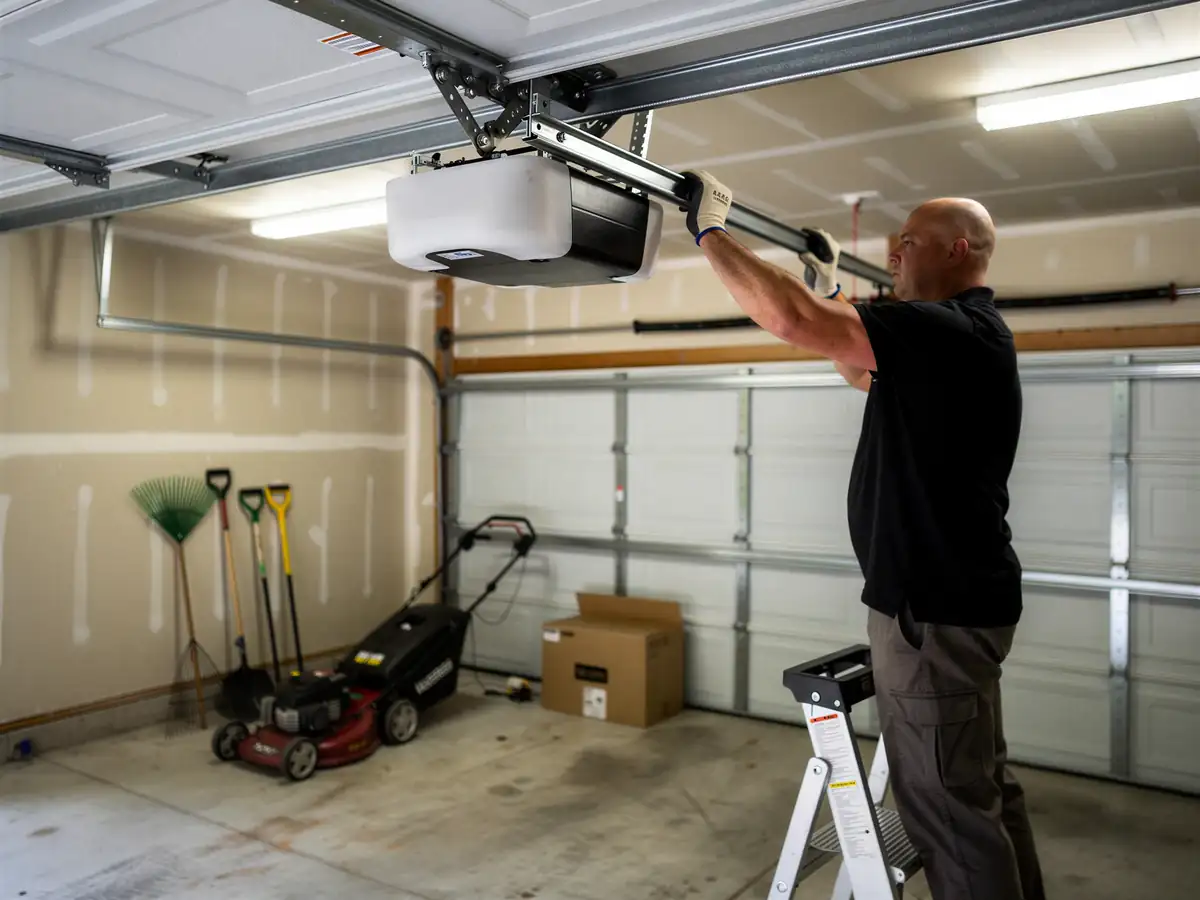
For an opener that's stalling or grinding, we're usually looking at a stripped gear, a worn drive belt or chain, or a logic board that's finally quit after two or three decades of daily cycles. If the opener is original to a house built in the 1980s or 90s, replacement parts for that specific model are often discontinued, which changes the math between repair and swap.
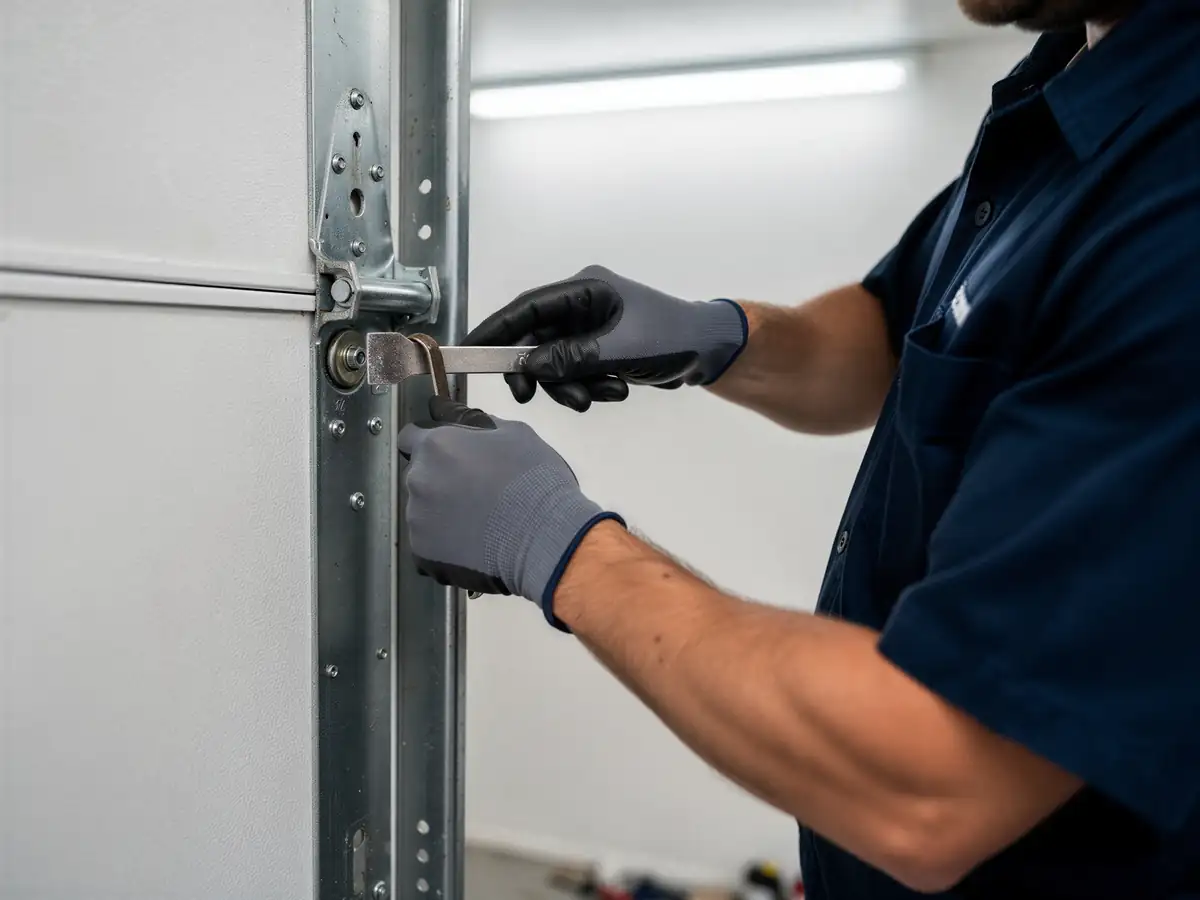
Either way, we check the track alignment, the rollers, and the cable condition at the same visit, since a spring or opener failure on an older door is rarely an isolated problem - it's usually the first part to fail in a system that's all aging at once.
Why It Happens Here
Newnan's housing stock runs 1964 to 2005
With the median built around 1994 and most of the service area's 12 neighborhoods filled in through the 1980s and 90s. That means a large share of garage doors and openers in town are now 20 to 45 years old - well past the service life of a torsion spring, which is rated in cycles, not years.
- 12 neighborhoods
- 45 years
The cold moderate climate here adds a second stress
Steel contracts in a cold snap, and a spring that's already near the end of its rated cycle count is more likely to fail on the first hard cold morning of the season rather than on a mild one. We see a real uptick in spring-failure calls right after a cold front moves through, concentrated in the older sections of the service area where the original hardware was never upgraded.
With 12,392 owner-occupied houses across the service area and a median household income of $71,597
A lot of these homes are owned long-term rather than flipped, which means the original door equipment often stays in place far longer than the manufacturer intended.
- 12,392 owner-occupied
- $71,597 median household income
Can You Do This Yourself
Some of this you can handle. Lubricating hinges and rollers, tightening loose bolts on the track brackets, and testing the auto-reverse safety feature are all fine to do yourself and worth doing a couple of times a year.
Springs are not a DIY repair. A torsion spring under tension can cause serious injury if it releases while you're working near it, and the winding bars and tension measurements needed to do it safely aren't something to learn on your own door. If a cable has snapped, leave the door down and call - don't try to lift it manually.
Opener electronics are a gray area. Swapping a remote battery or resetting the logic board's travel limits is reasonable for most owners. Replacing the motor, gear, or main circuit board is close enough to the same risk as spring work that we'd rather you call than guess.
One honest limitation: if your opener is original to a house built in the 1980s or earlier, we may not be able to source an exact replacement part, and the straightforward answer at that point is a new opener rather than a repair.