The Symptom
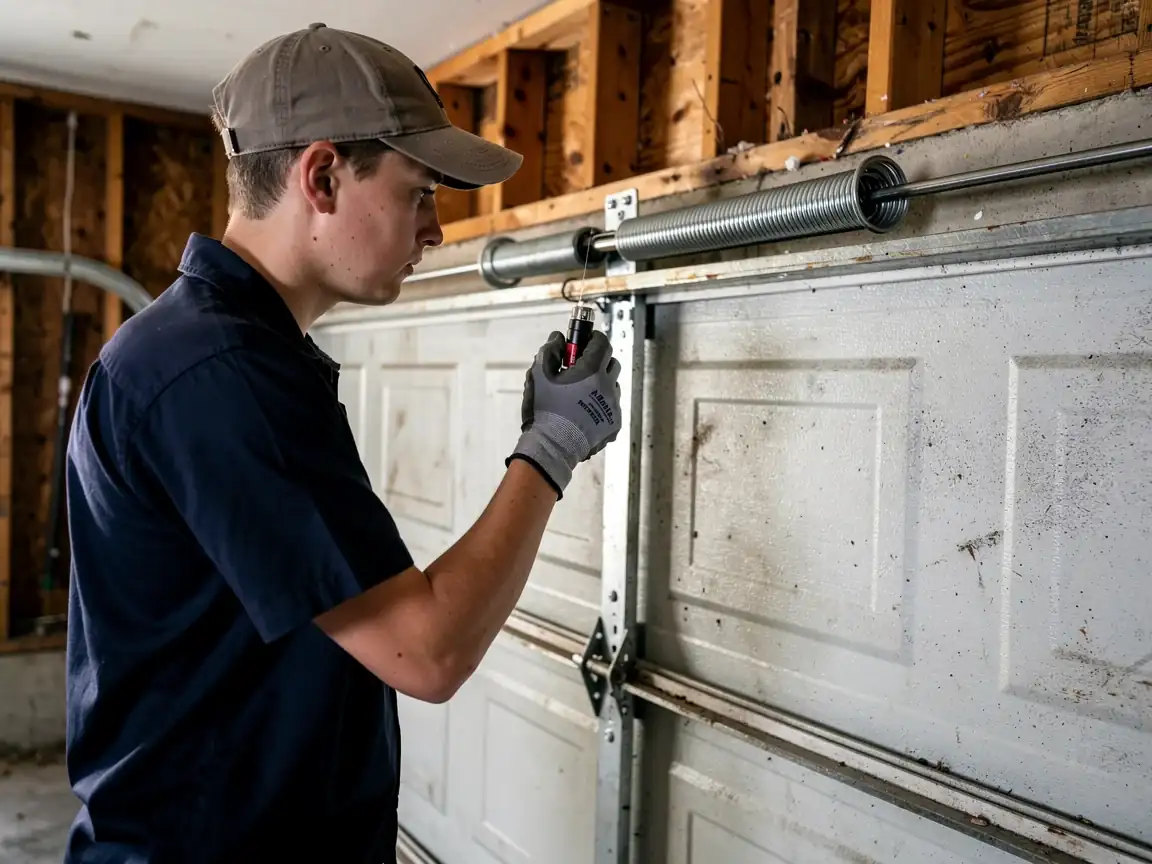
You hear it before you see it: a grinding or rattling noise as the door travels, worse at the top or bottom of the run. The door might jerk instead of gliding, hesitate on one side, or sag slightly in the track so it looks crooked when it's halfway open. Some owners notice the noise first thing on a cold morning and then less so once the door has run a few cycles. If you pull a roller off the track and look at it, you'll often see a wheel that's gone from round to flat on one side, or a nylon roller with a crack running through the hub where the stem meets the wheel. Steel rollers show it differently - rust bleeding out around the bearing, or a wobble you can feel by hand with the door up. None of this means the opener is failing. The opener is just doing its job against hardware that's fighting it the whole way. Left alone, worn rollers chew up the track edges, and a track that's been chewed on for a year or two is a different, pricier repair than a roller swap. Catching it at the grinding-noise stage is the cheap stage.
What the Fix Involves
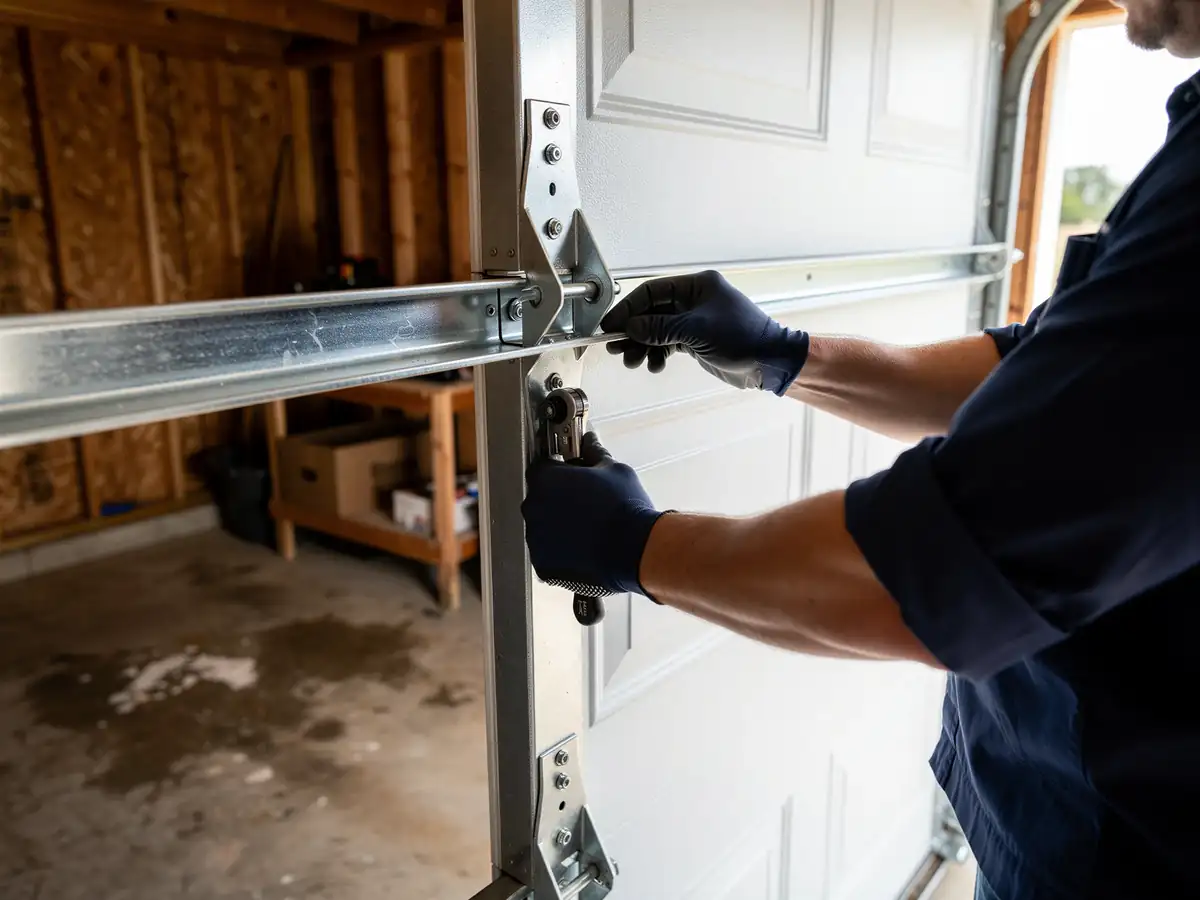
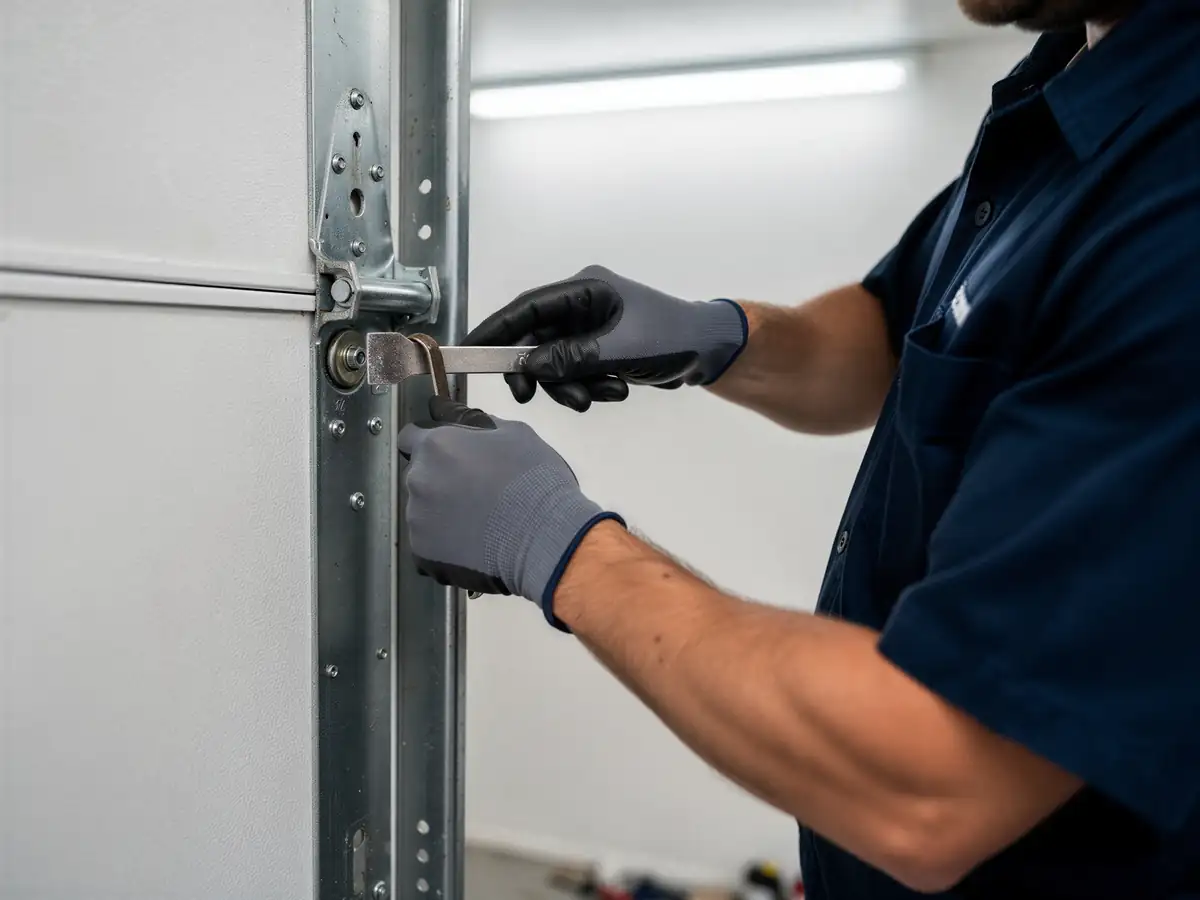
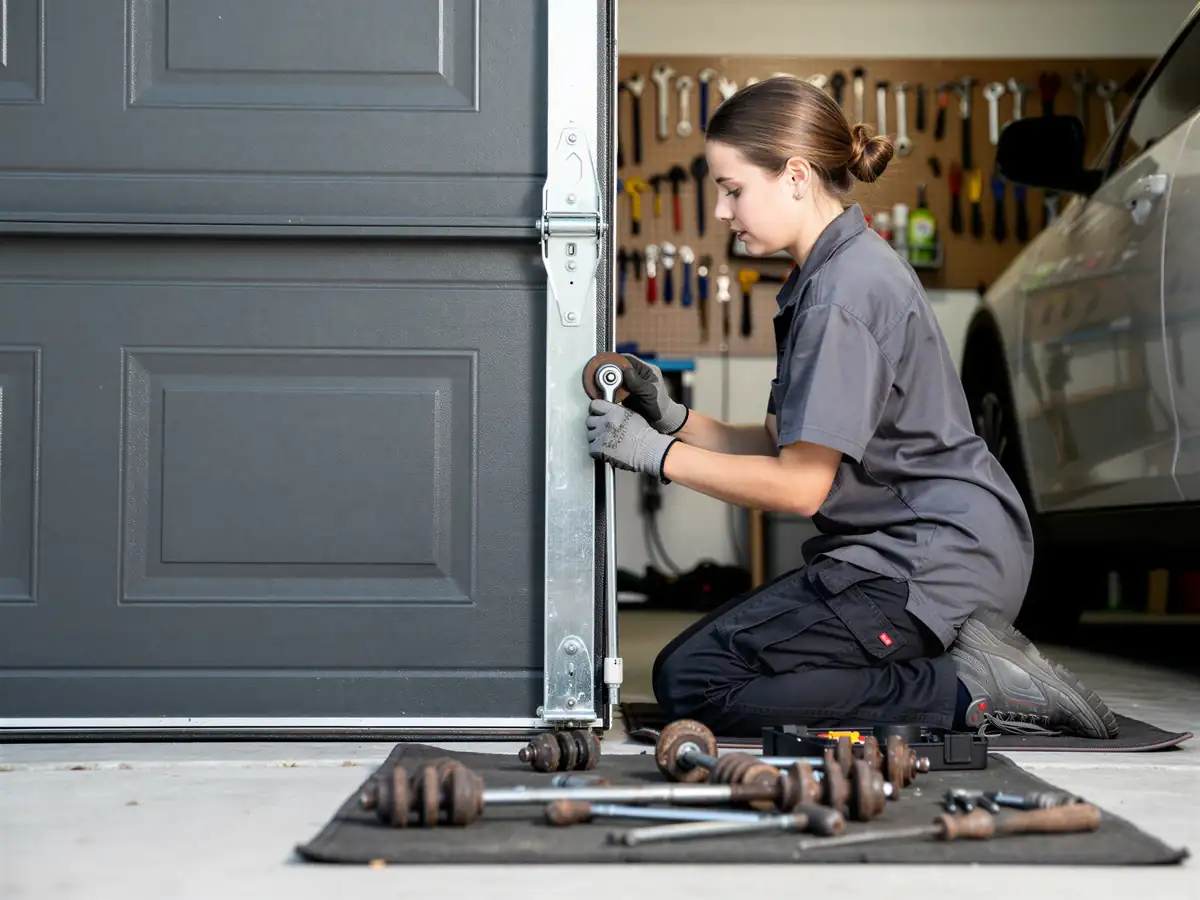
Roller replacement means pulling the old rollers out of their brackets one at a time - never all at once, since the door needs to stay supported in the track while you work - and setting new ones in. Most jobs call for sealed-bearing nylon rollers, which run quieter and don't need lubrication the way old steel rollers do. Stem length matters: a roller with the wrong stem throws the door off its original geometry, which shows up later as a new noise somewhere else. On older doors we'll check the rest of the hinge and bracket hardware while the rollers are out, since a cracked hinge next to a bad roller is a common pairing, not a coincidence. We also check track alignment at the same time. A straight track with a wrong roller still wears fast; a true, tight-fitting roller on a track that's bowed half an inch will fail just as quickly. This isn't a full door teardown - the springs and cables stay untouched on a straight roller job, and the door should run the same day. If the rollers have been bad long enough to damage the track itself, that's a separate repair we'll flag before doing anything else.
Can You Do This Yourself
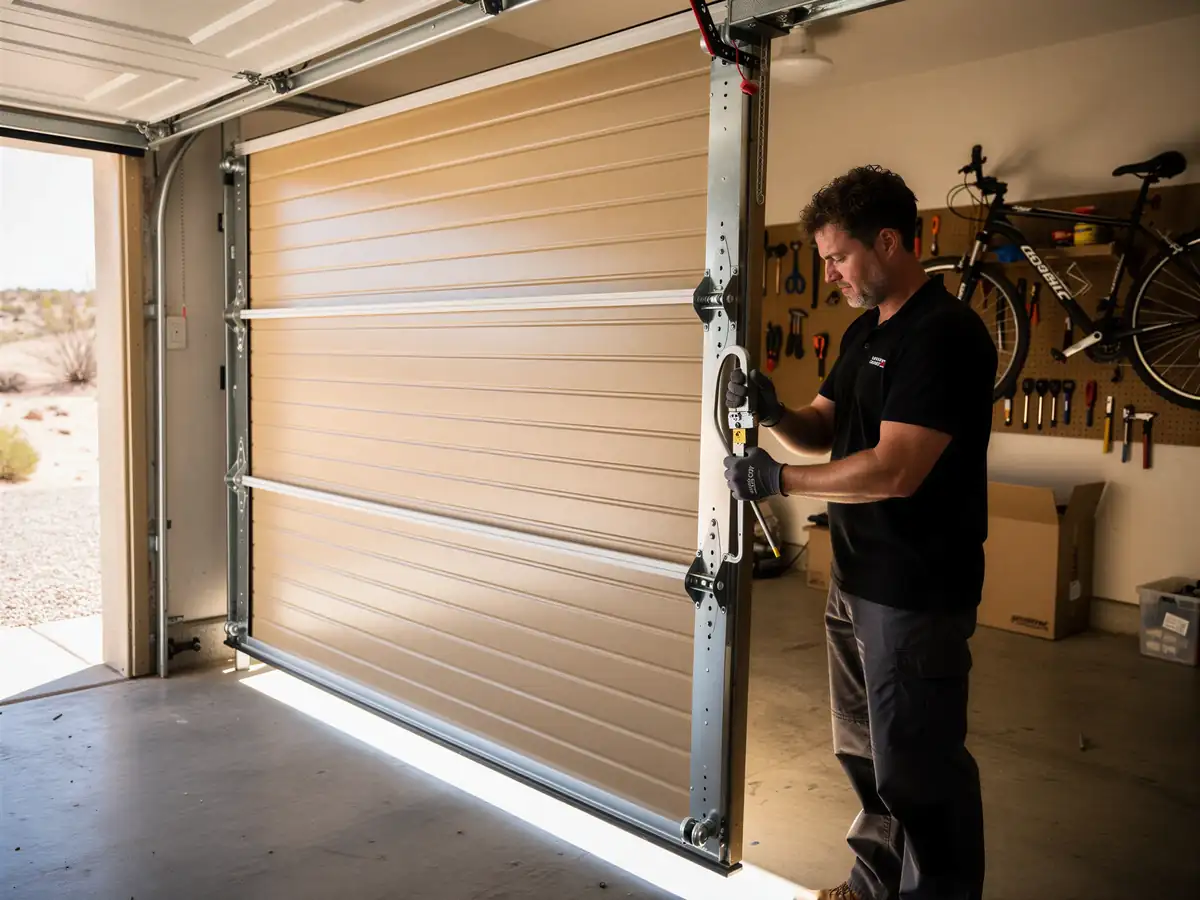
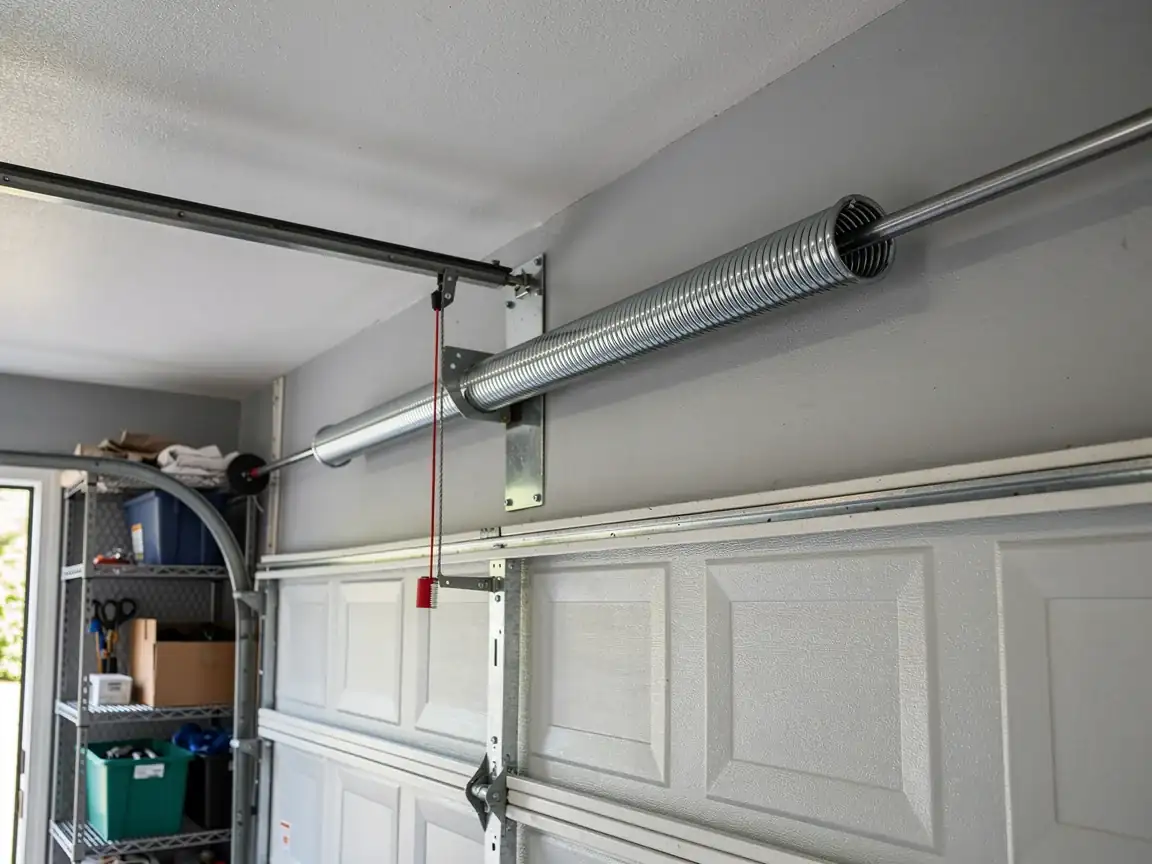
Lower rollers - the two near the bottom of the door, away from the spring system - are a reasonable DIY swap for someone comfortable with a wrench and a little patience. You're not touching anything under tension down there. The top rollers are a different story. They sit close to the cables and, on some doors, close to the bottom bracket where the cable anchors under spring load, and that's not a place to improvise. We won't pretend every roller job needs a truck - plenty of owners handle the bottom two just fine - but we'd rather tell you that honestly than oversell a simple swap. One real limitation: roller sizing isn't universal. Stem length and wheel diameter vary by door brand and vintage, and an ill-fitting roller from a hardware store rack can bind in the track in a way that's hard to diagnose later. If you're unsure which roller your door takes, or the job involves anything near the top bracket or the springs, that's where it's worth having someone look at it before you start pulling hardware apart.