The Symptom
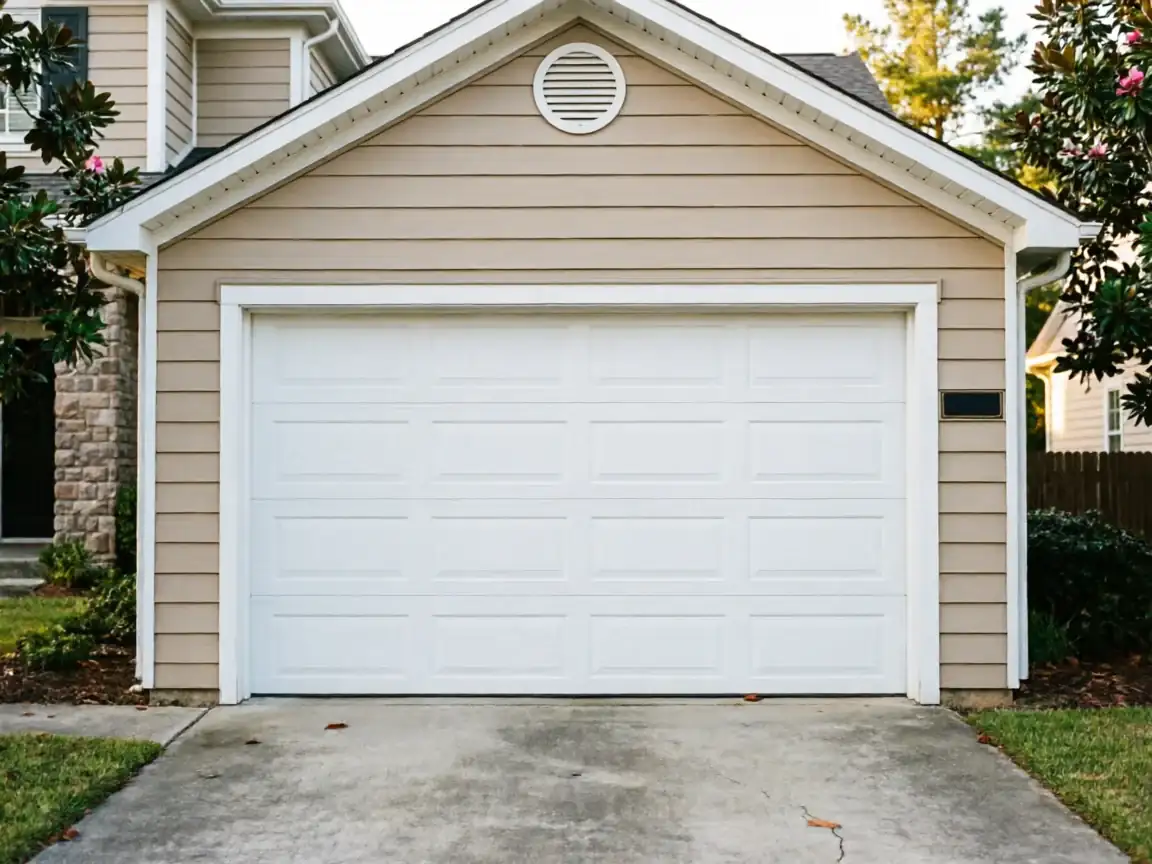
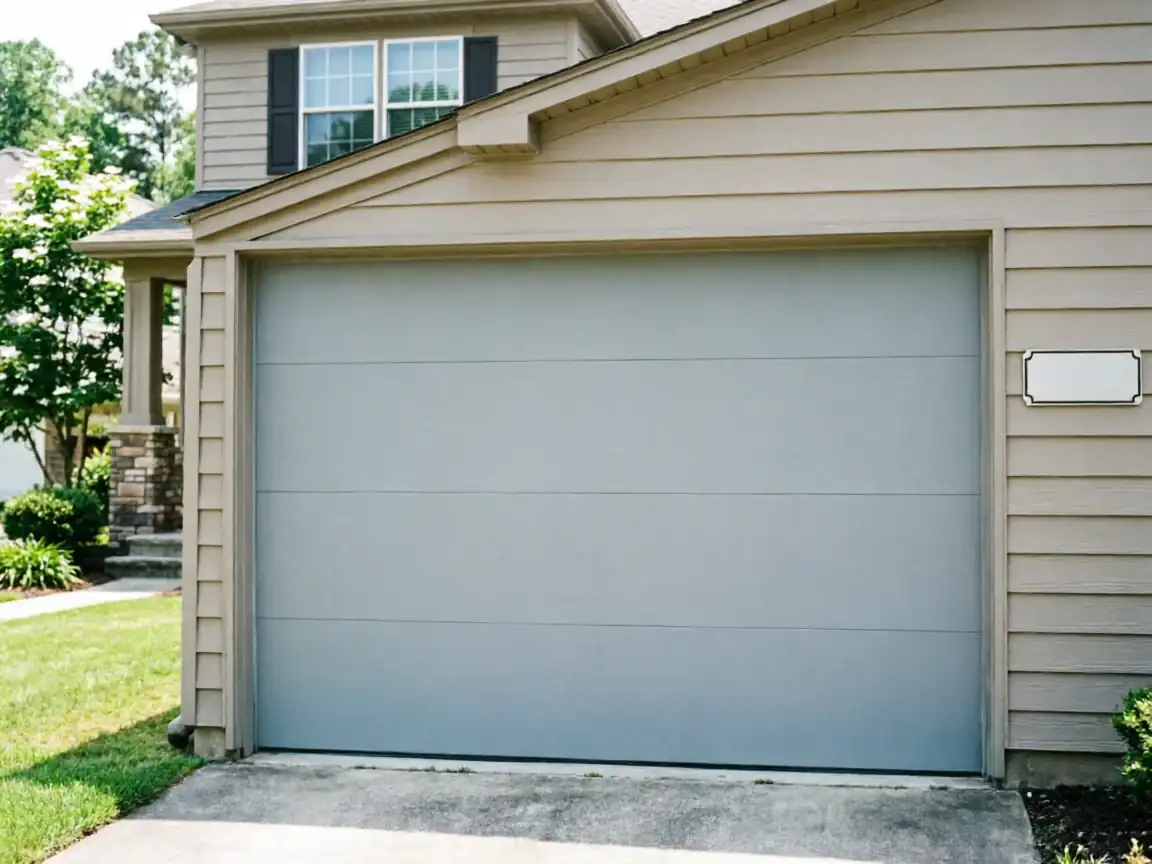
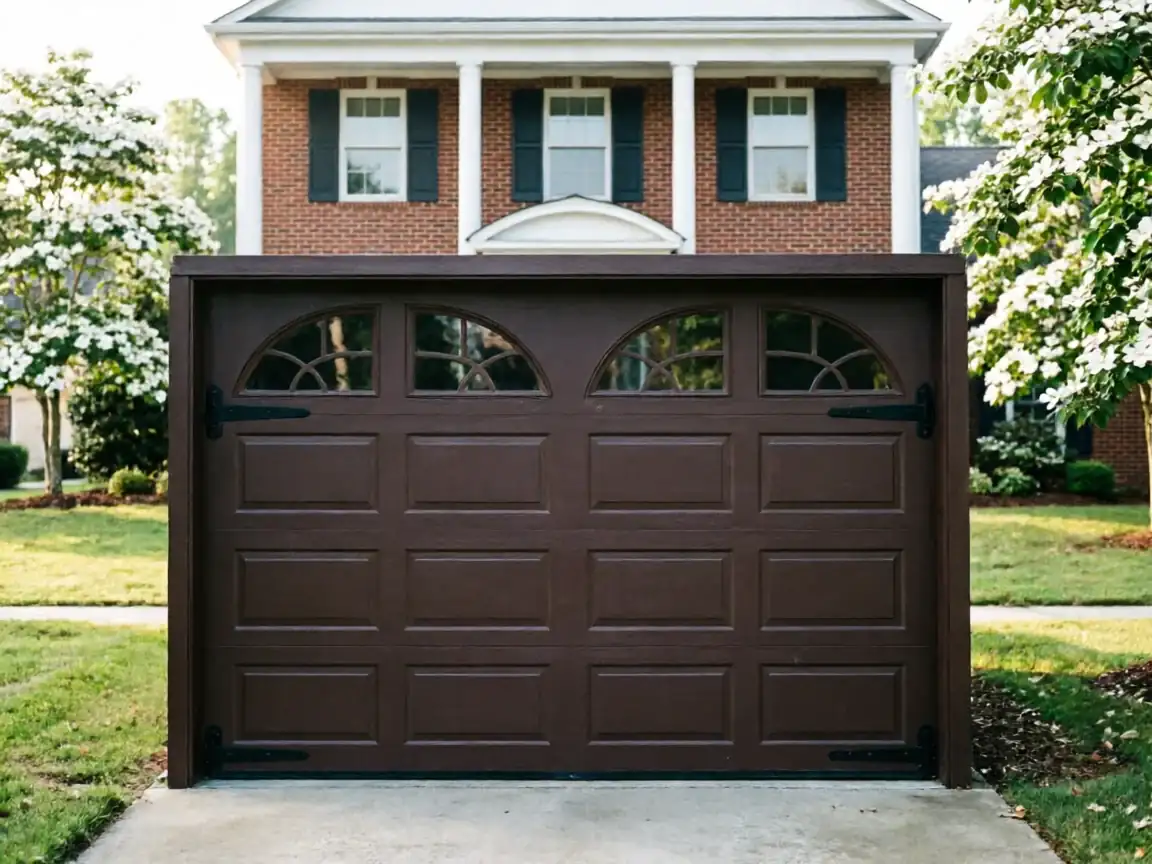
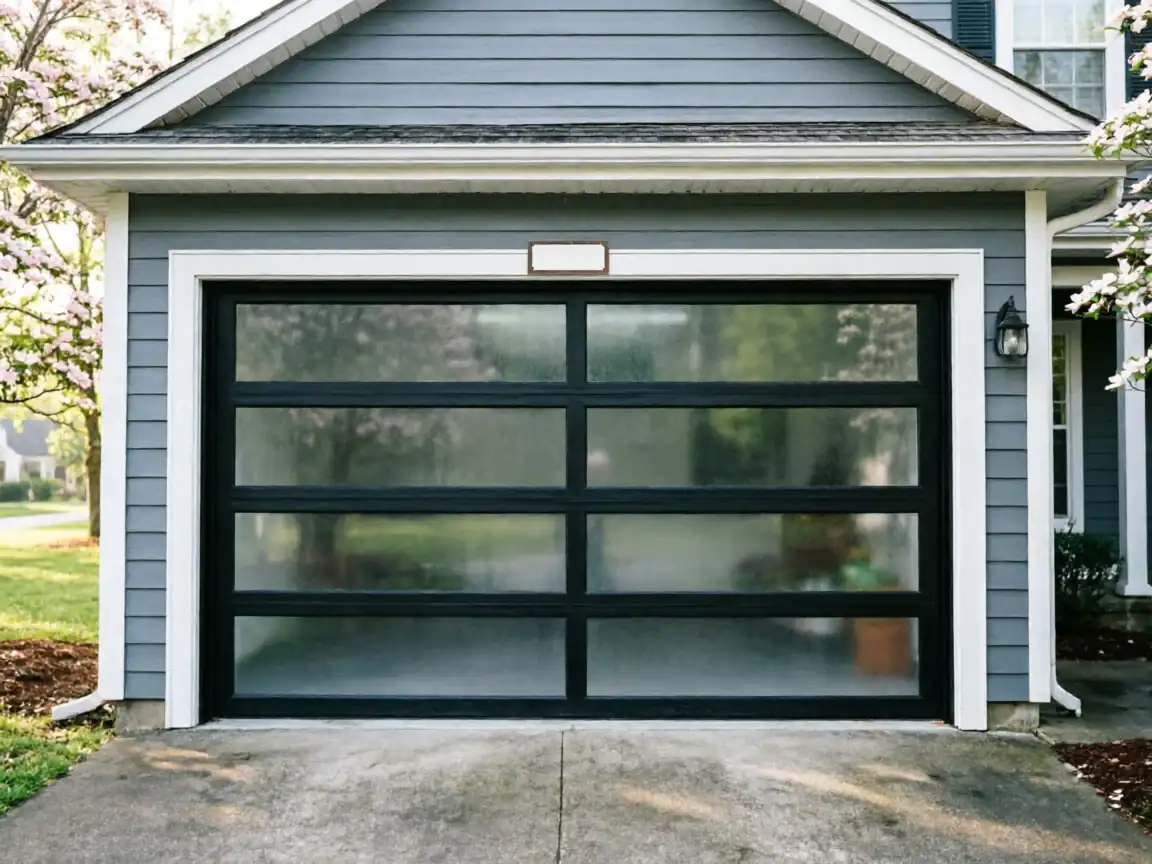
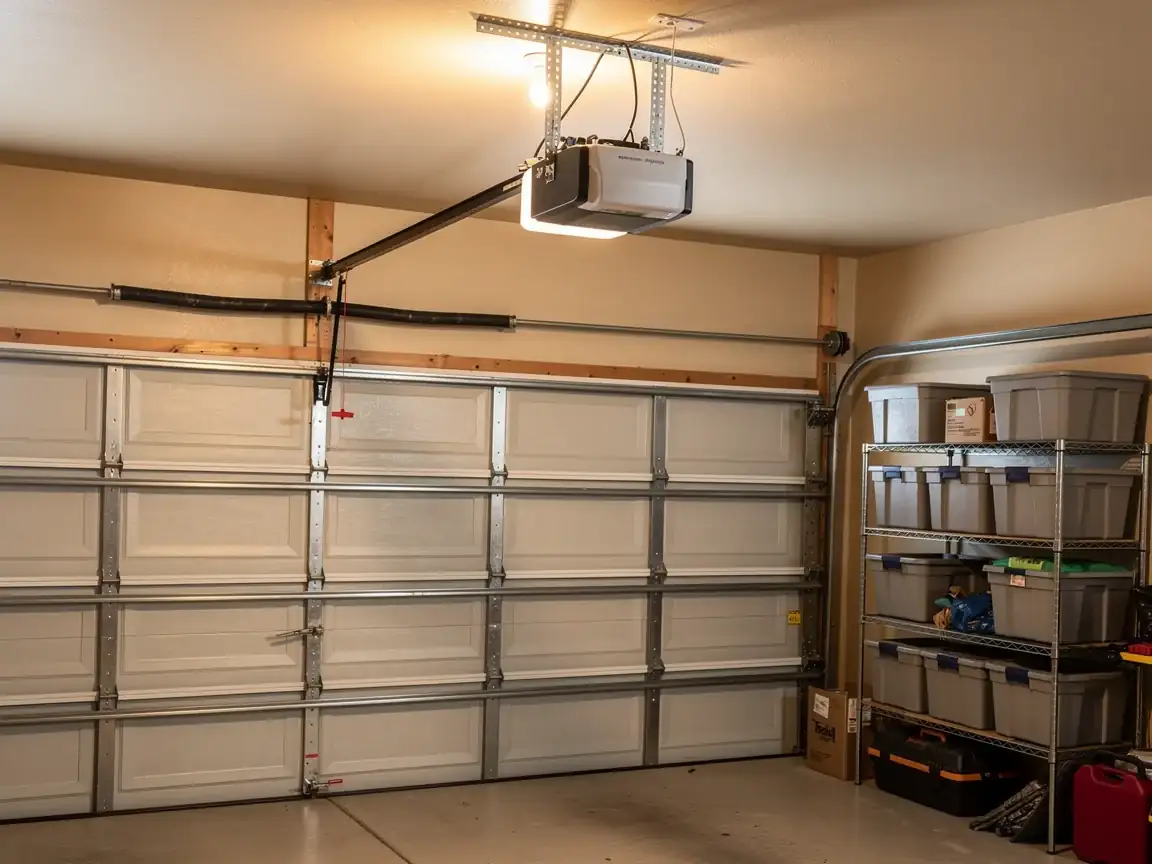
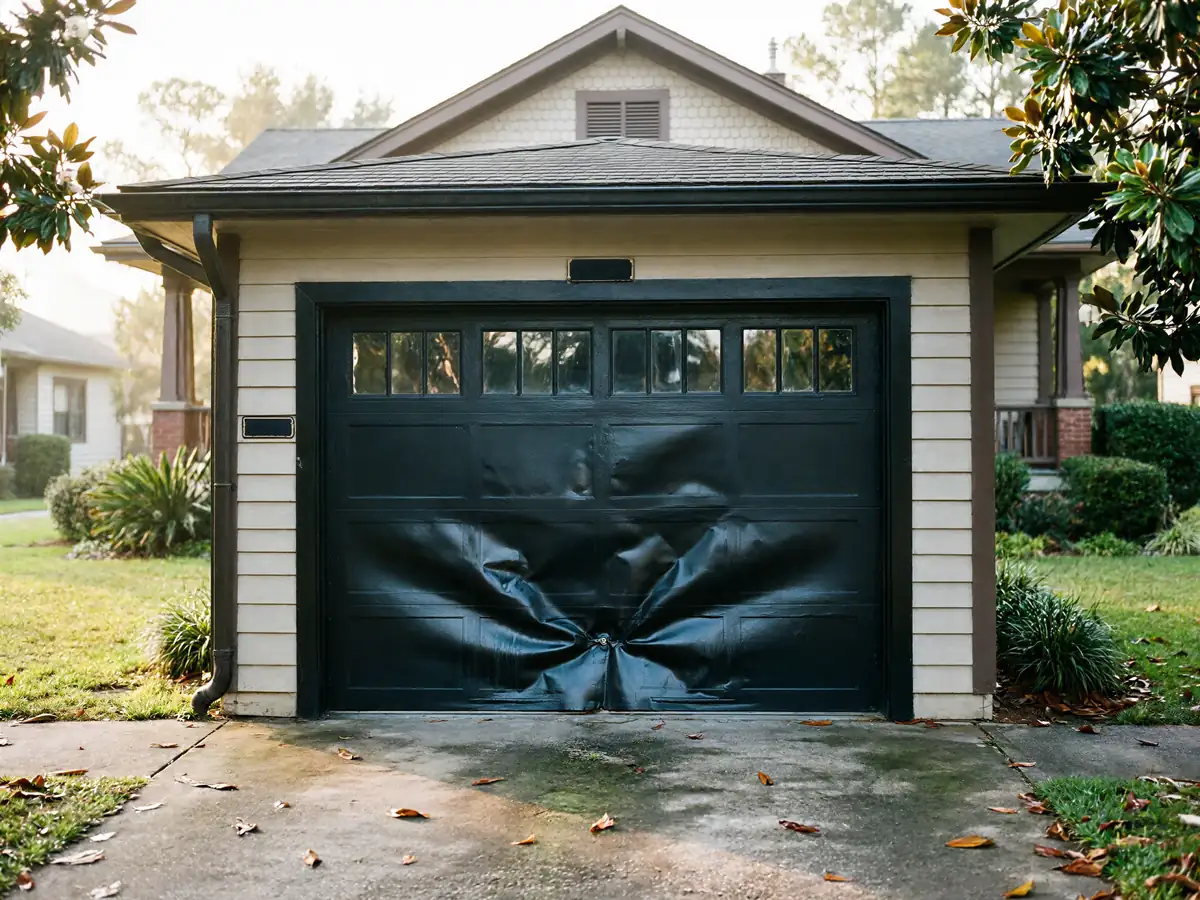
You see it before you hear it: a crease across the bottom panel where a mower or a bumper caught it, a rust bloom spreading along the seam, or a section that bows out when the door is down and springs back when it's up. Sometimes it's quieter - a panel that's gone soft and spongy where moisture worked its way into the steel skin over the years. On a sectional door, one bad panel doesn't mean the whole door is shot. Most doors in this area are built in sections precisely so one panel can be swapped without replacing the track, springs, or opener. The trouble is finding a panel that actually matches what's already hanging, especially once a door has been up for a couple of decades and the manufacturer has changed its profile or discontinued the color. That's the real work in this job - not swinging a wrench, but tracking down the right part.
What the Fix Involves
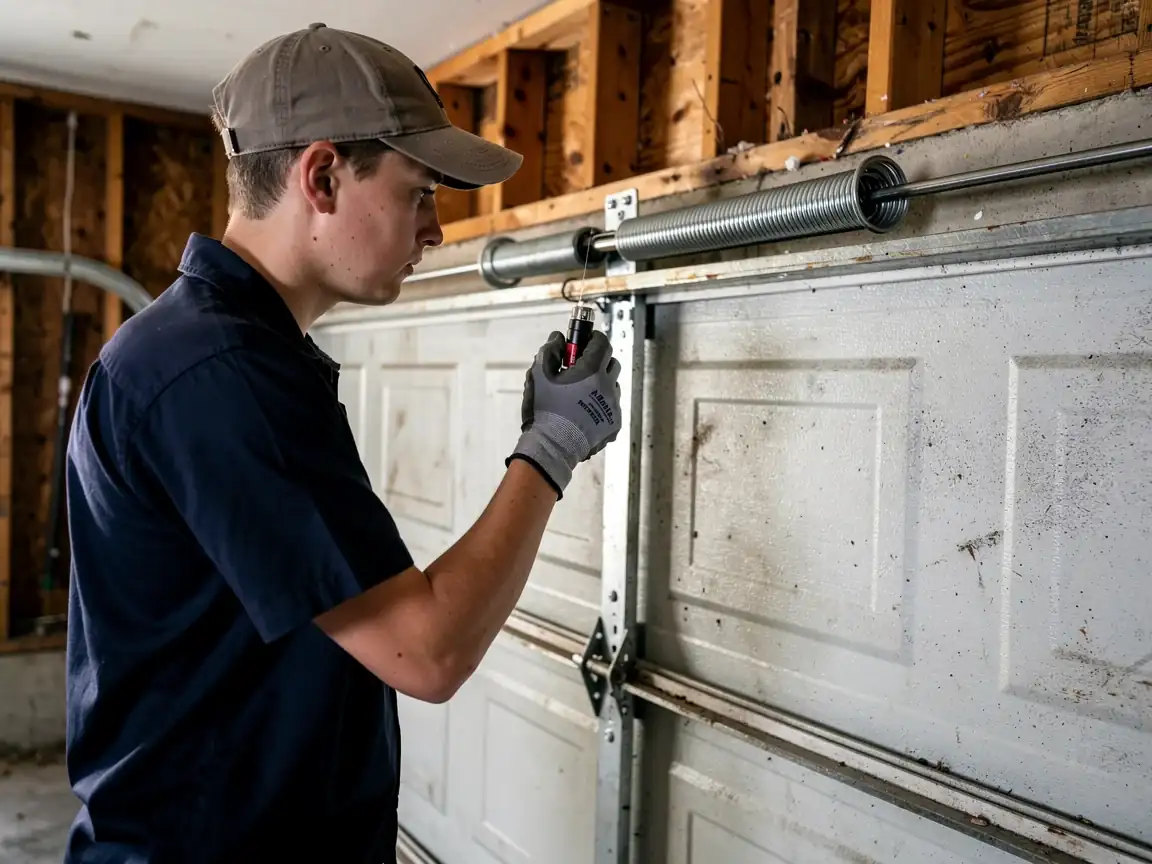
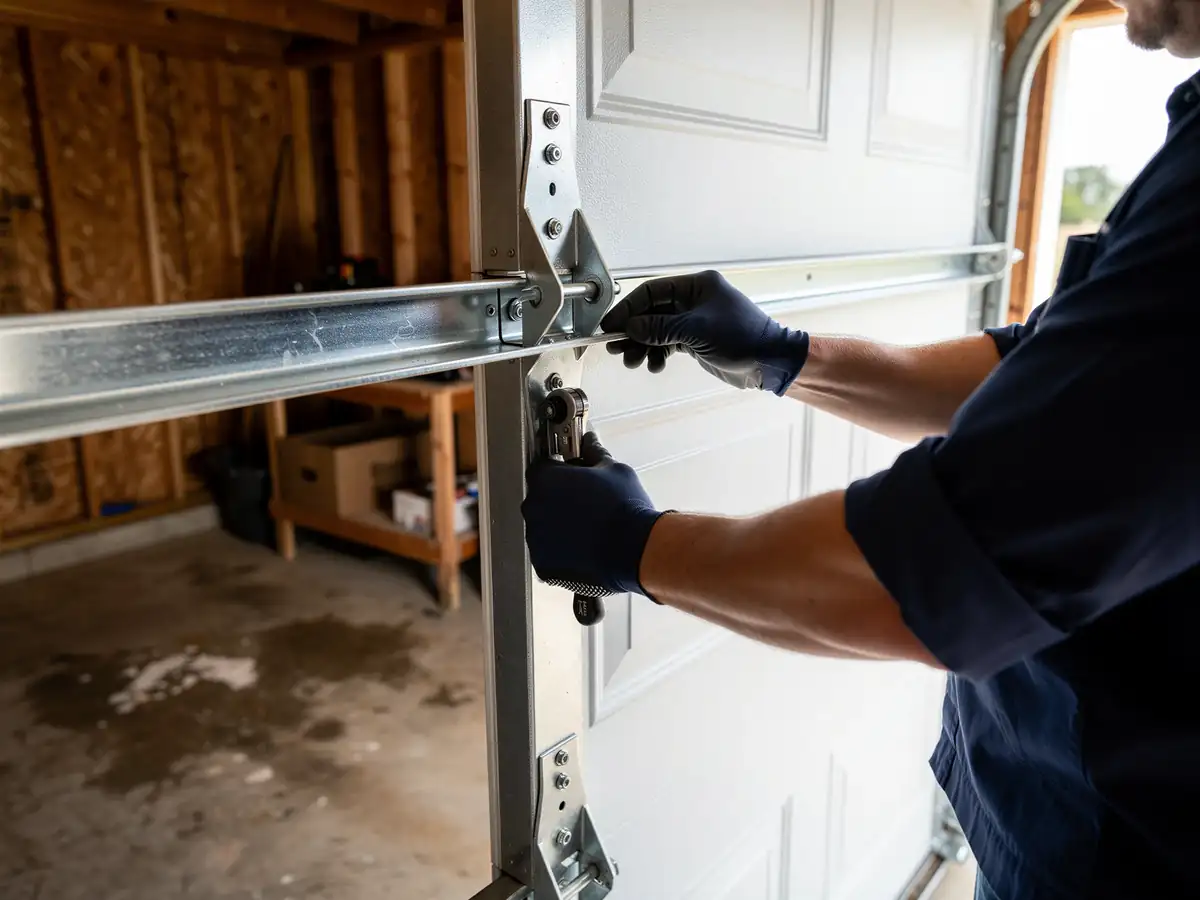
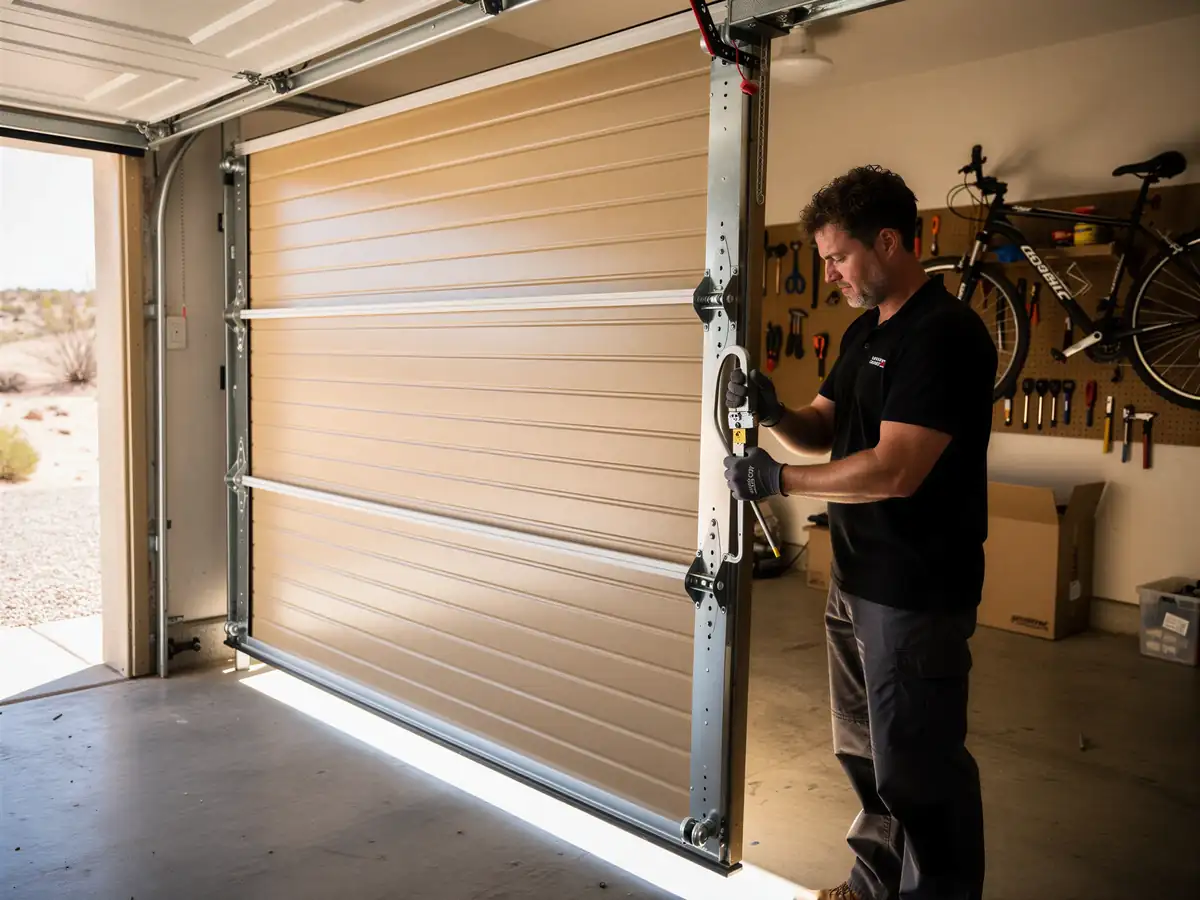
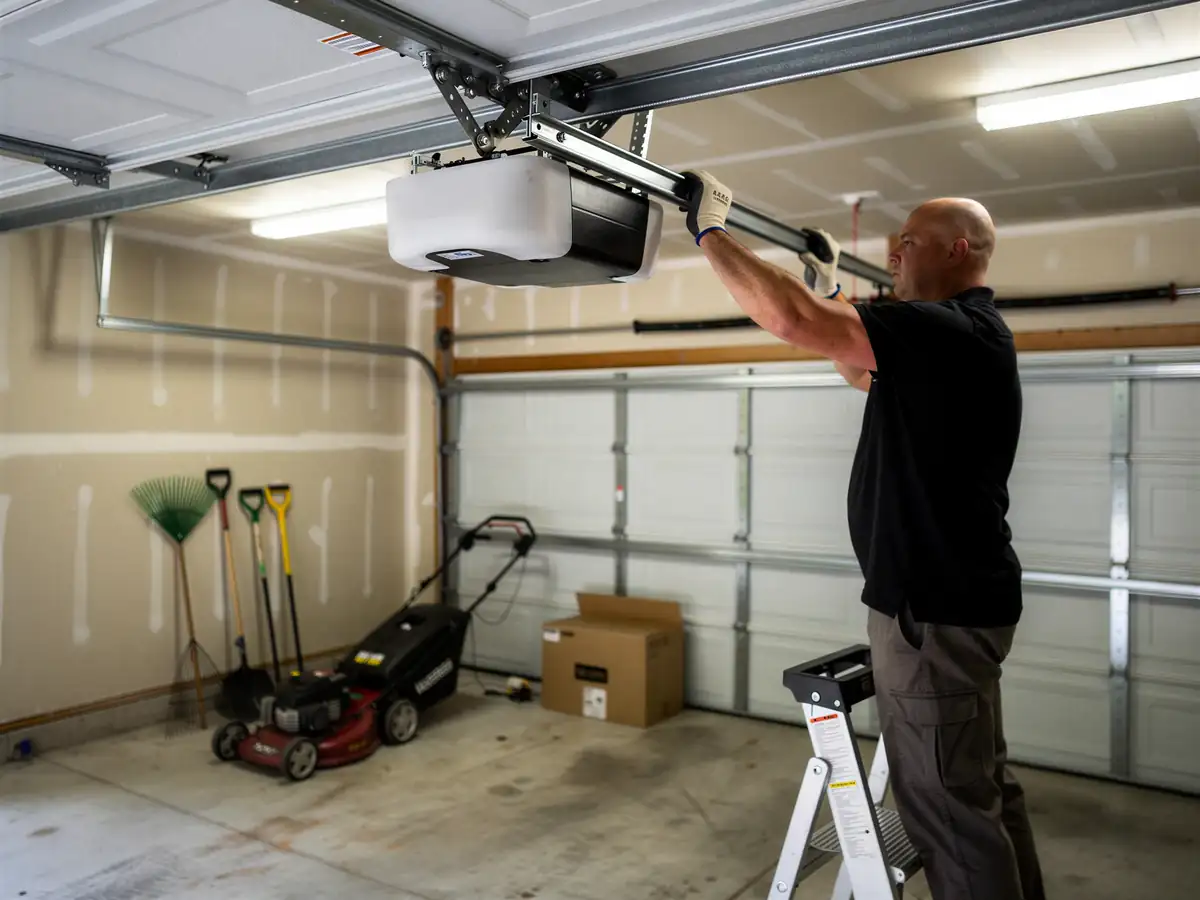
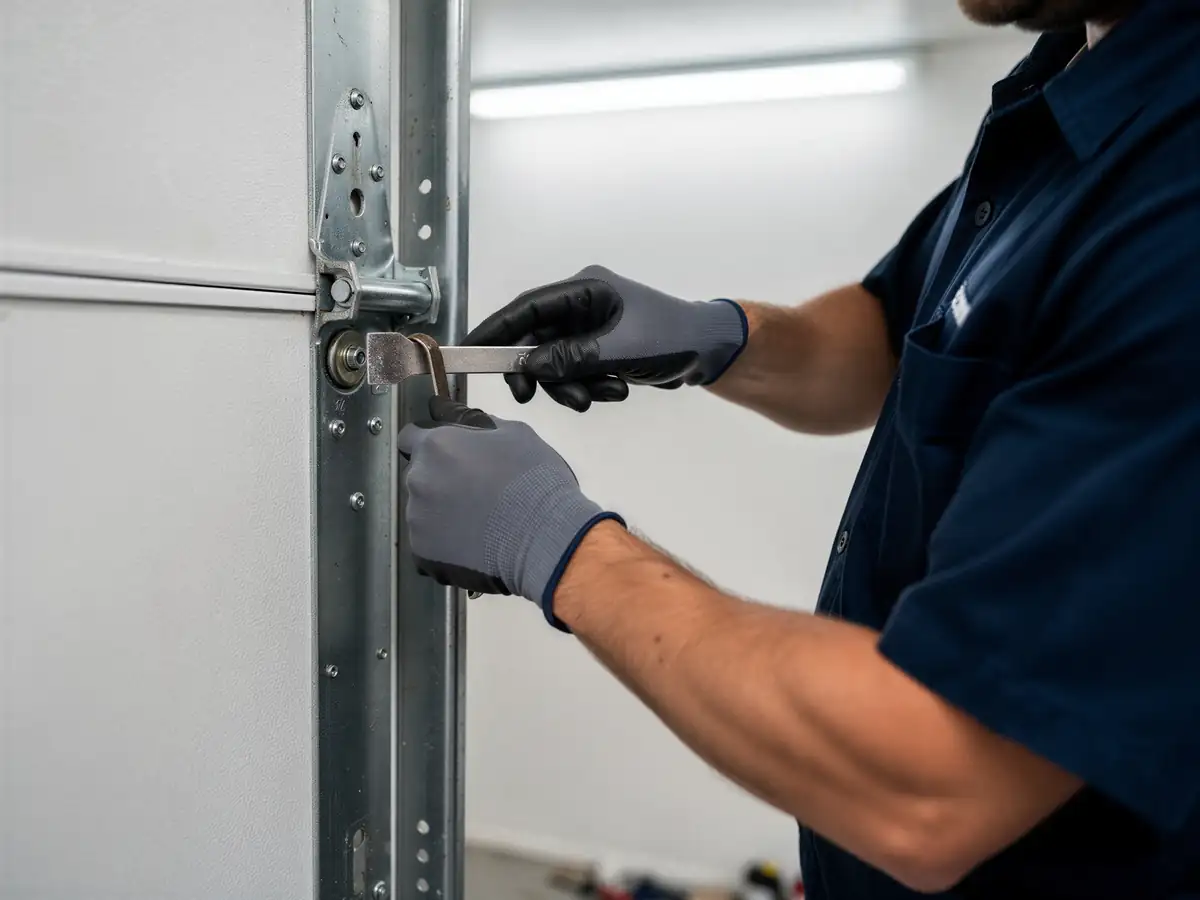
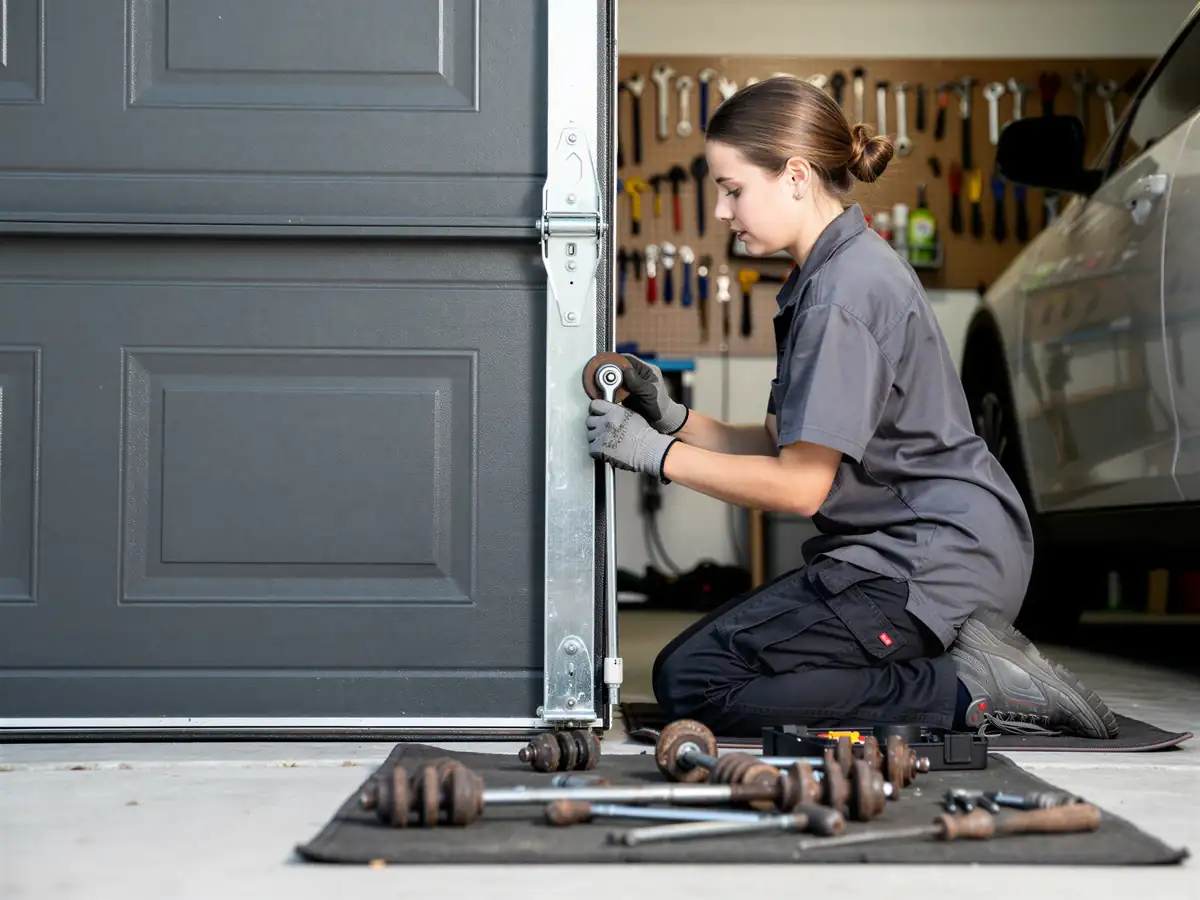
First step is identifying the door: manufacturer, model, panel height, and finish, usually off a sticker on the back of the door or stamped into the track bracket. From there it's a matter of ordering the matching panel section - sometimes a full-width replacement, sometimes just the damaged insert if the door uses a layered panel design. Once the part's in hand, the job is removing the end stiles and hinges from the damaged section, lifting it out without disturbing the cable drums or torsion spring tension, and setting the new panel in with fresh hardware. Rollers, hinges, and end caps often get replaced at the same time since they're already off and the labor's the same either way. After the new panel's hung, the door gets balanced and the track alignment checked - a panel swap can shift how the door rides if the old section had already started to warp. For doors where the exact panel isn't available anymore, the honest conversation is whether a full door replacement makes more sense than chasing a discontinued match.
Can You Do This Yourself
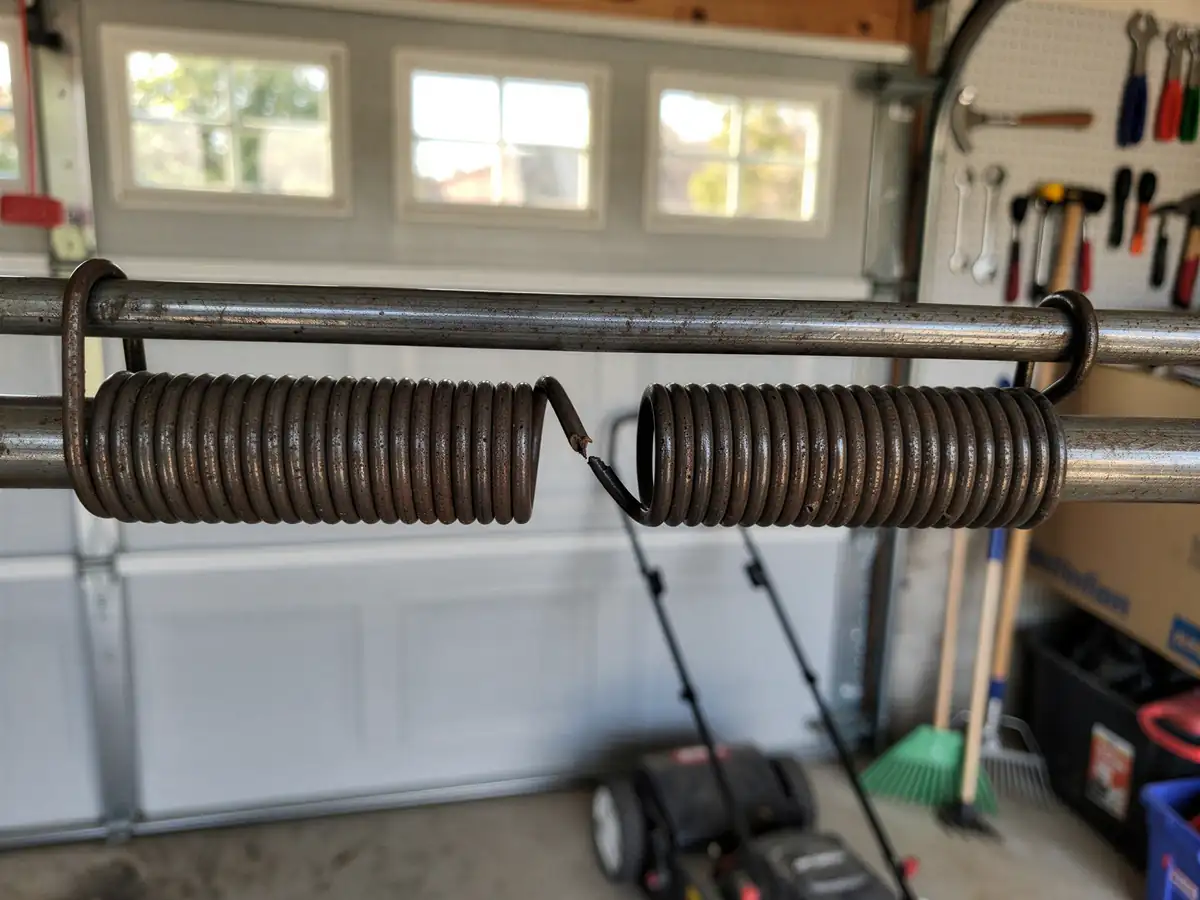
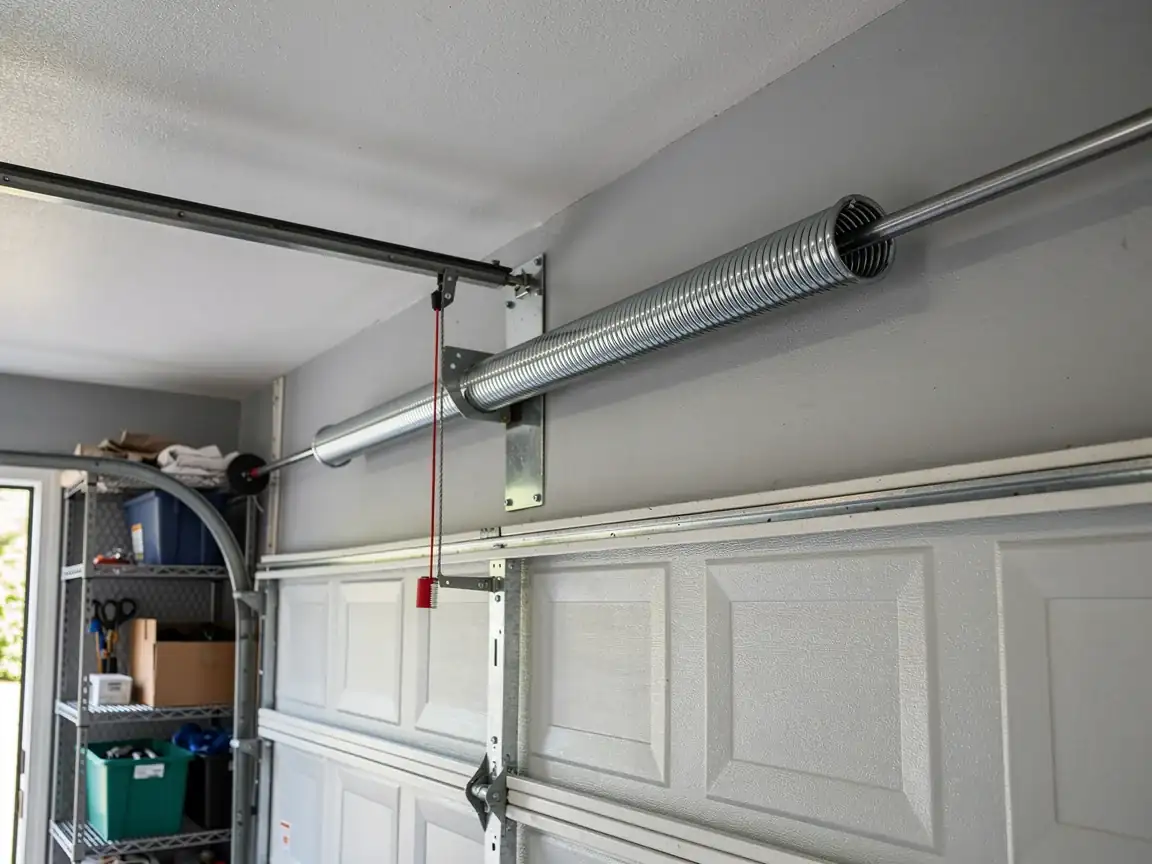
A single panel swap is within reach for someone comfortable with a drill and a level, provided the door uses a torsion spring system that stays untouched during the job - the panel hardware isn't under spring tension the way the cables and drums are. Where people get into trouble is sourcing the part: ordering the wrong panel height or a close-but-not-exact color is the most common mistake, and it's expensive to undo. The other risk is a door that looks like a panel problem but is actually a track or hinge problem - if the opening panel doesn't sit flush after it's hung, something else is off and chasing it yourself can turn into more labor than the part was worth. Given a median household income of $71,597 across this service area, most owners weigh a panel swap against a full door replacement before committing, especially on a door that's already near the end of its original run. If more than one panel is damaged or the door's original color is long discontinued, that's usually the point where replacement beats repair.