This Area's Housing
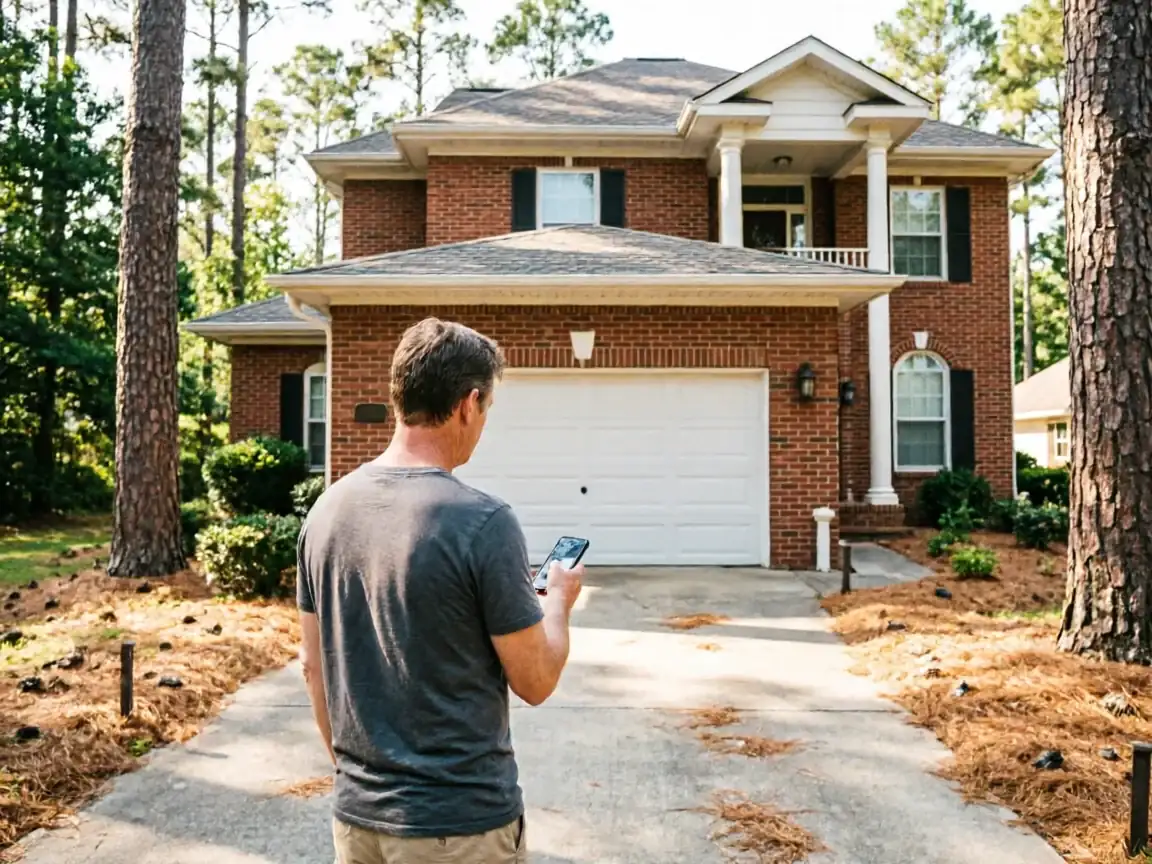
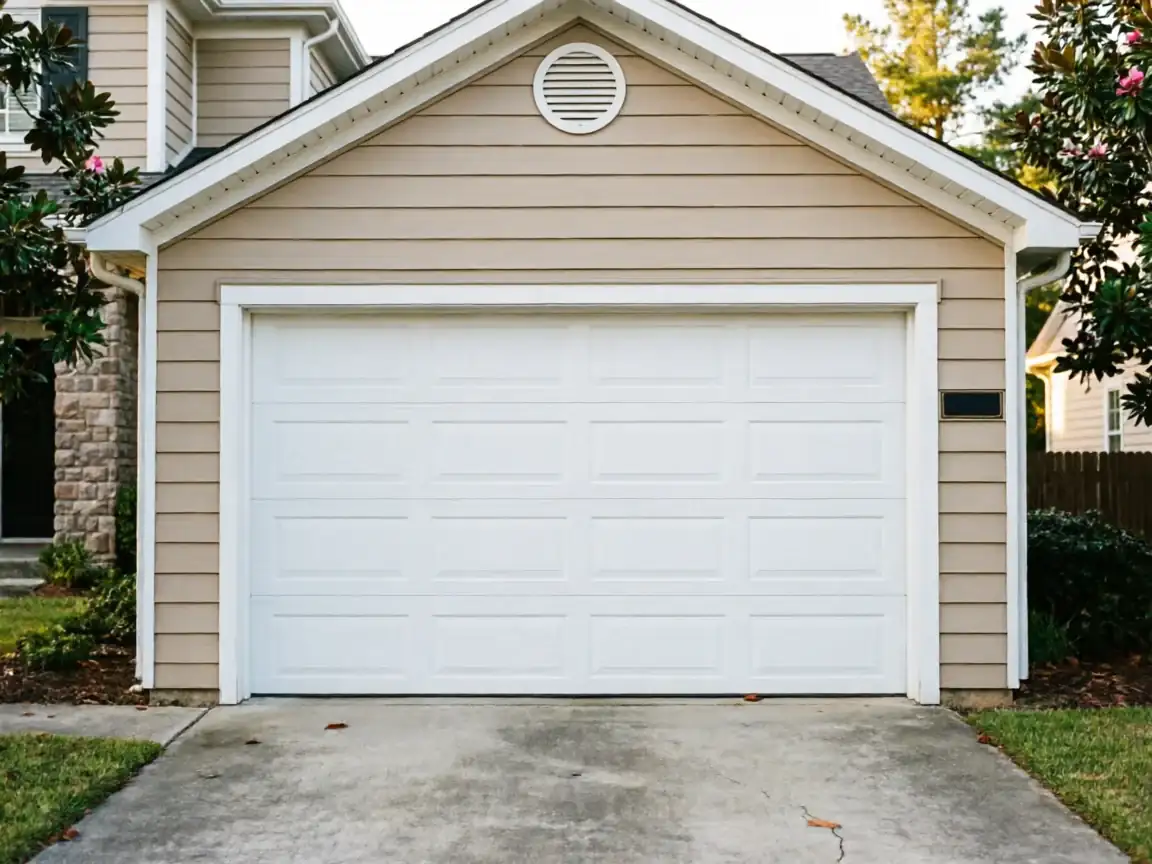
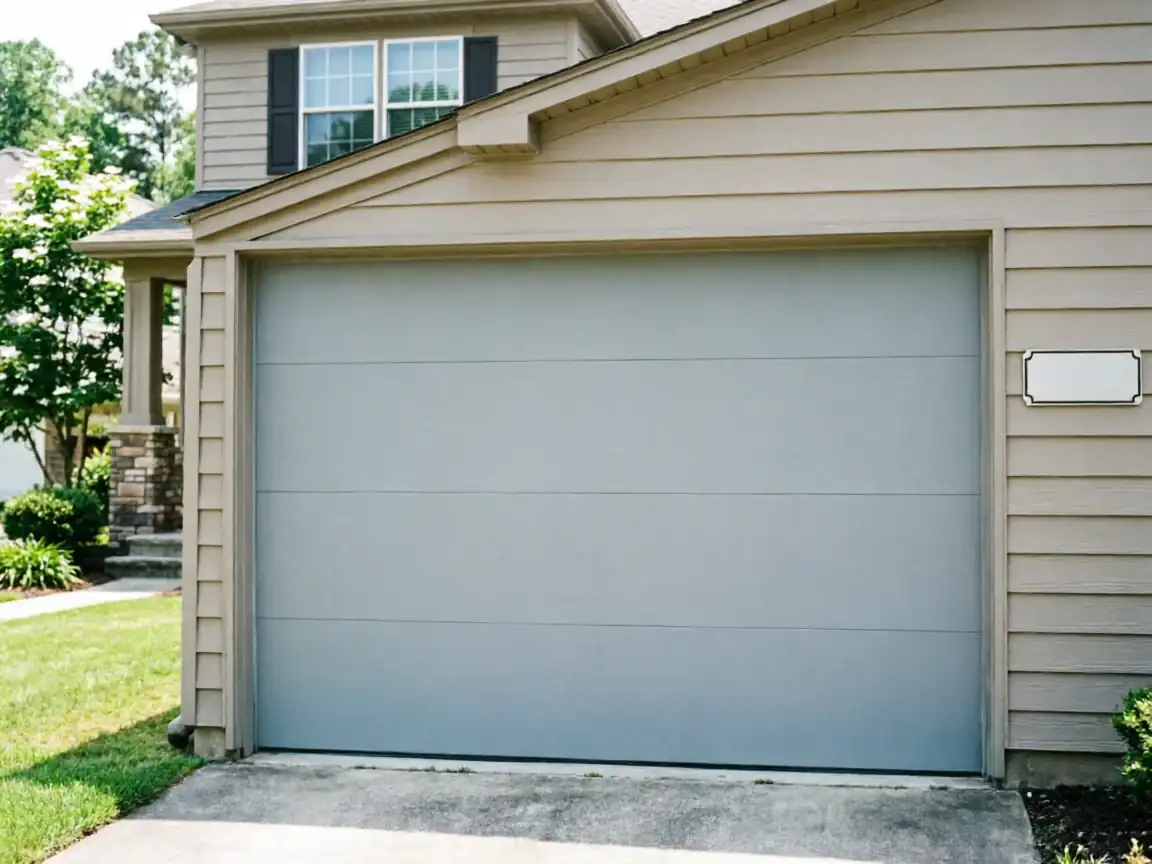
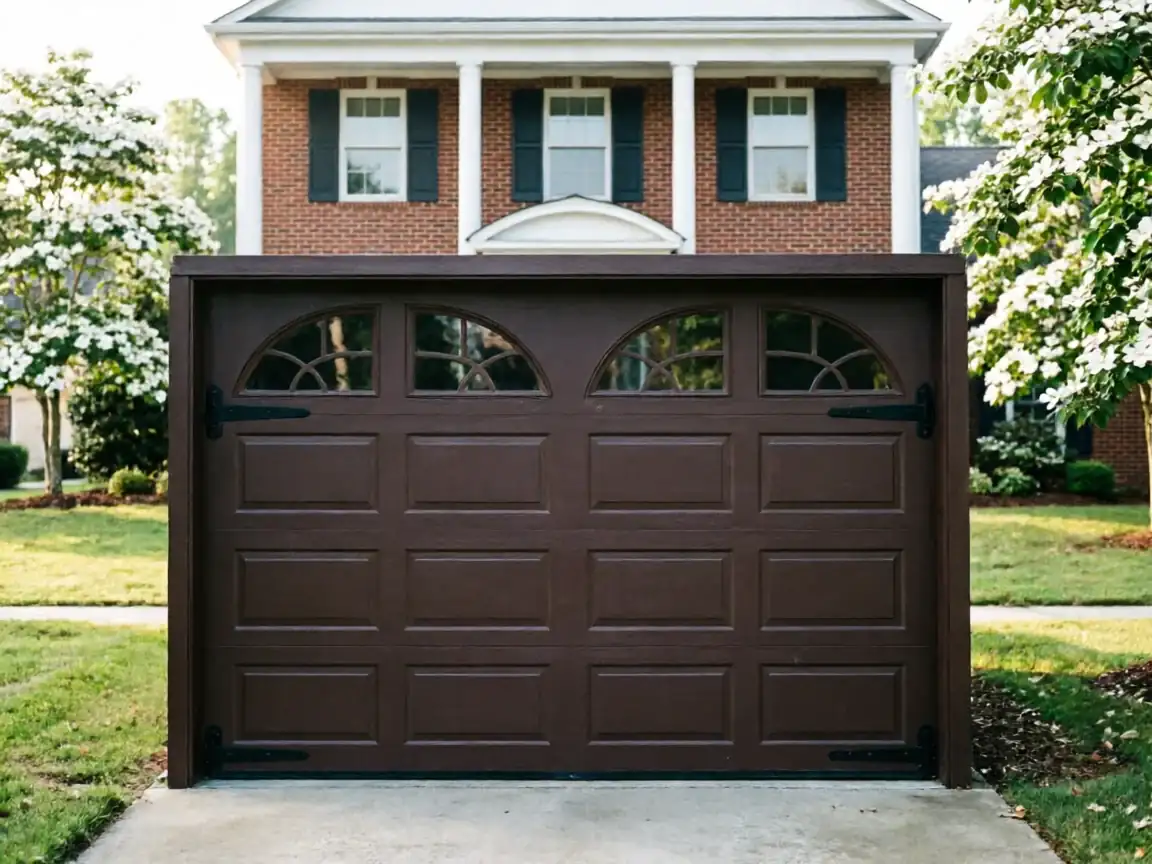
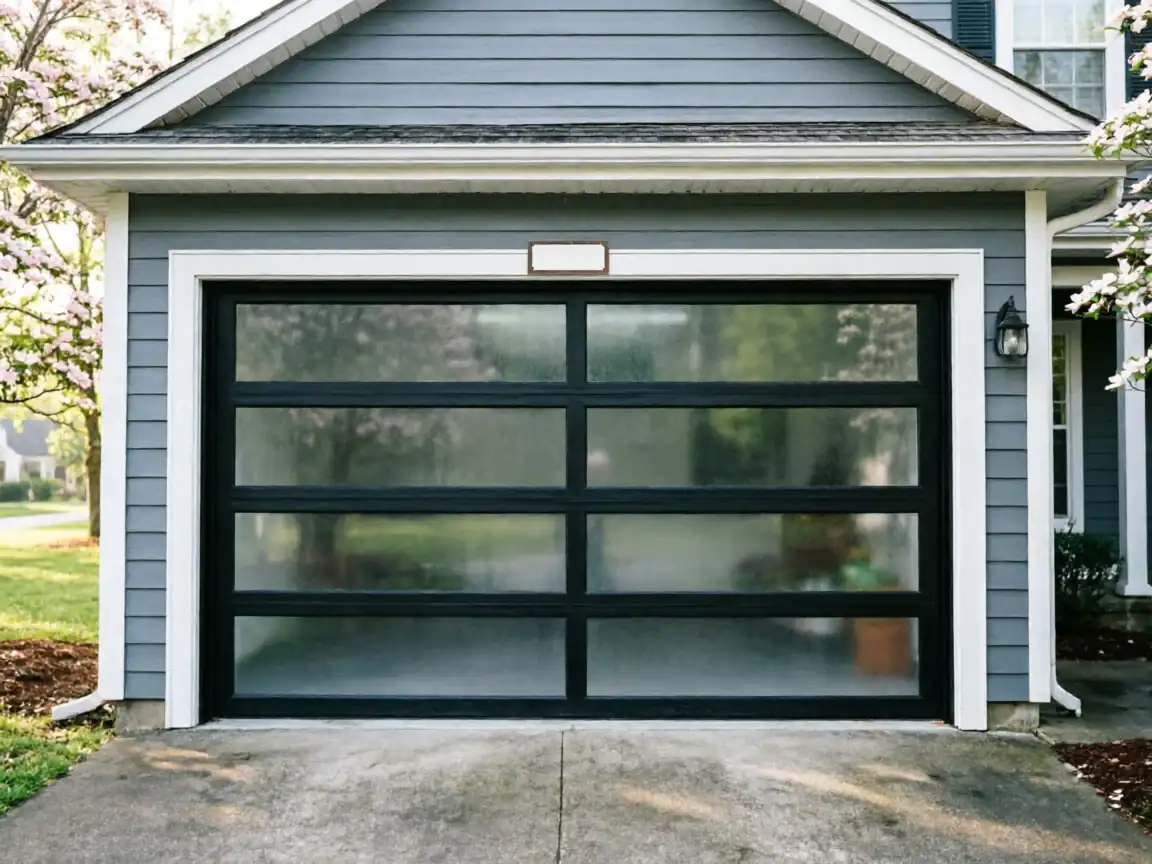
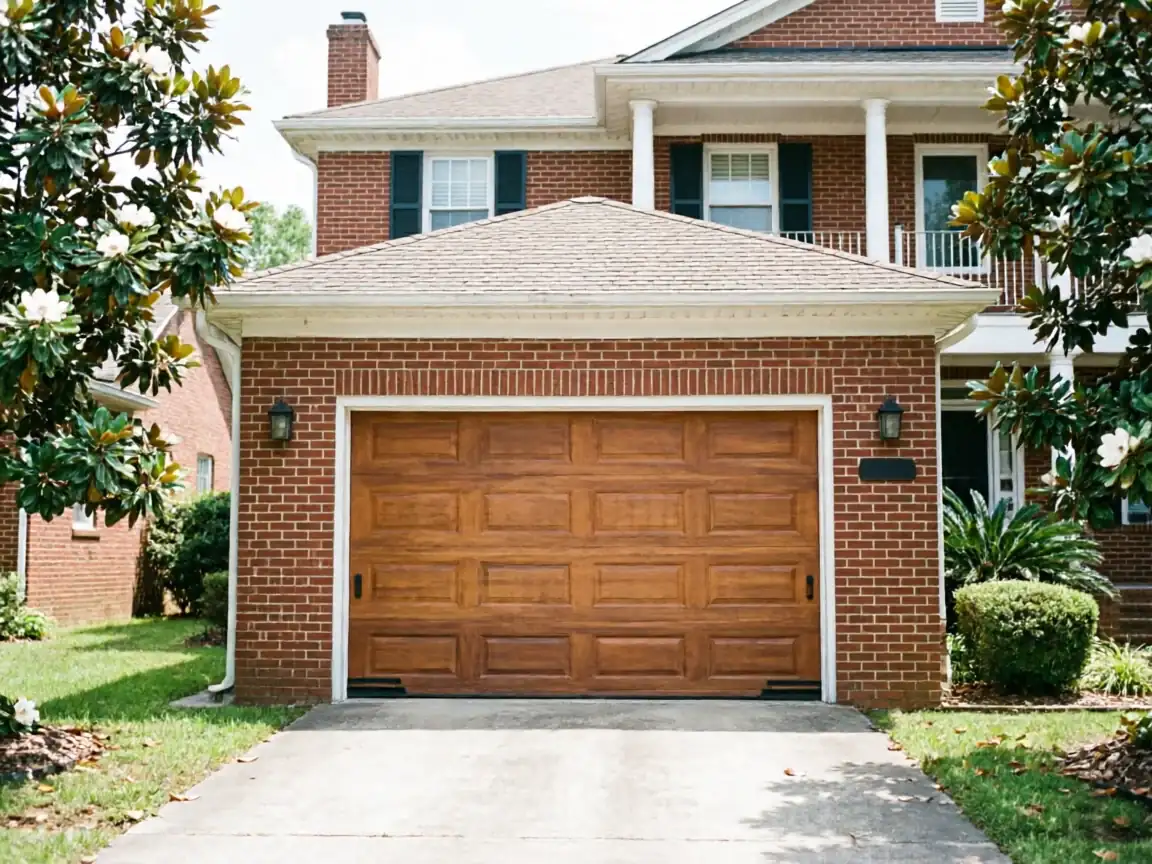
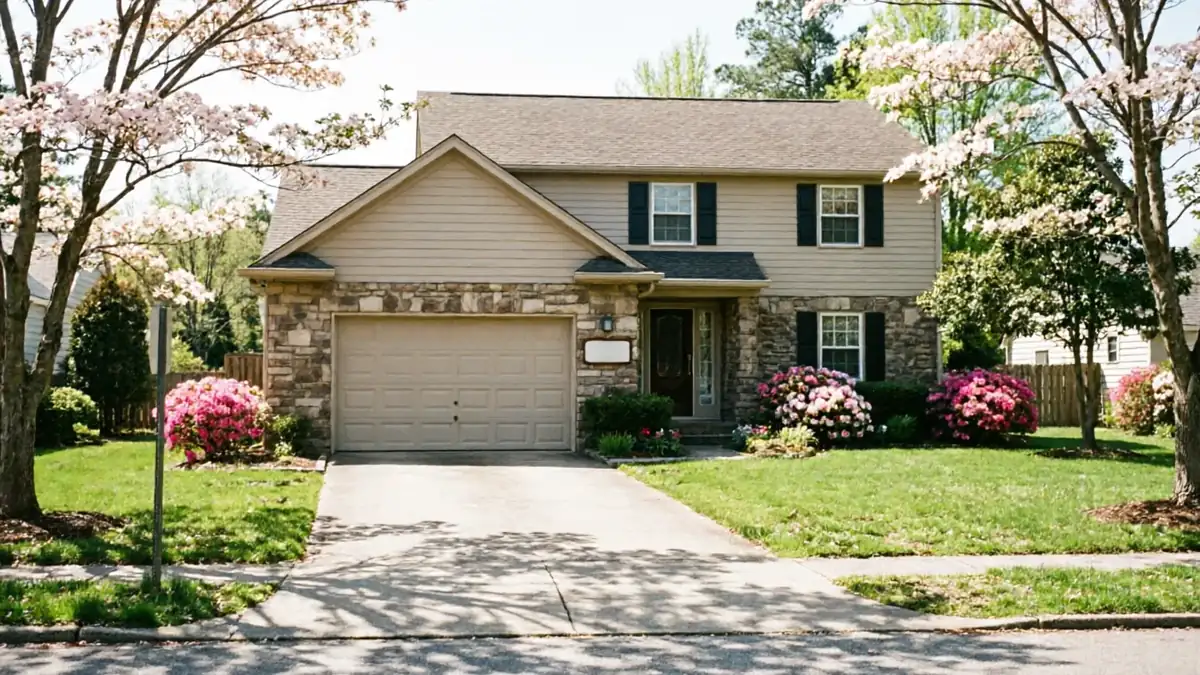
Grantville runs newer than a lot of what we see closer to Newnan. The median year built out here lands around 2000, which puts most of this area's garage doors inside the last twenty-five years instead of the fifty-plus you find on older streets closer to town. That matters for the kind of calls we get. Newer builds mostly carry steel sectional doors on extension or torsion systems that are still common parts - not the oddball one-piece doors or obsolete track hardware you find on a 1960s house. Across the broader service area, housing spans 1964 to 2005 with a median around 1994, so Grantville sits on the newer edge of that range. With roughly 1,154 households here and a median income near $74,583, this is a area of fairly recent single-family construction, which keeps most repairs to openers, springs, and rollers wearing out on schedule rather than hardware nobody makes anymore.
Older vs Newer Streets
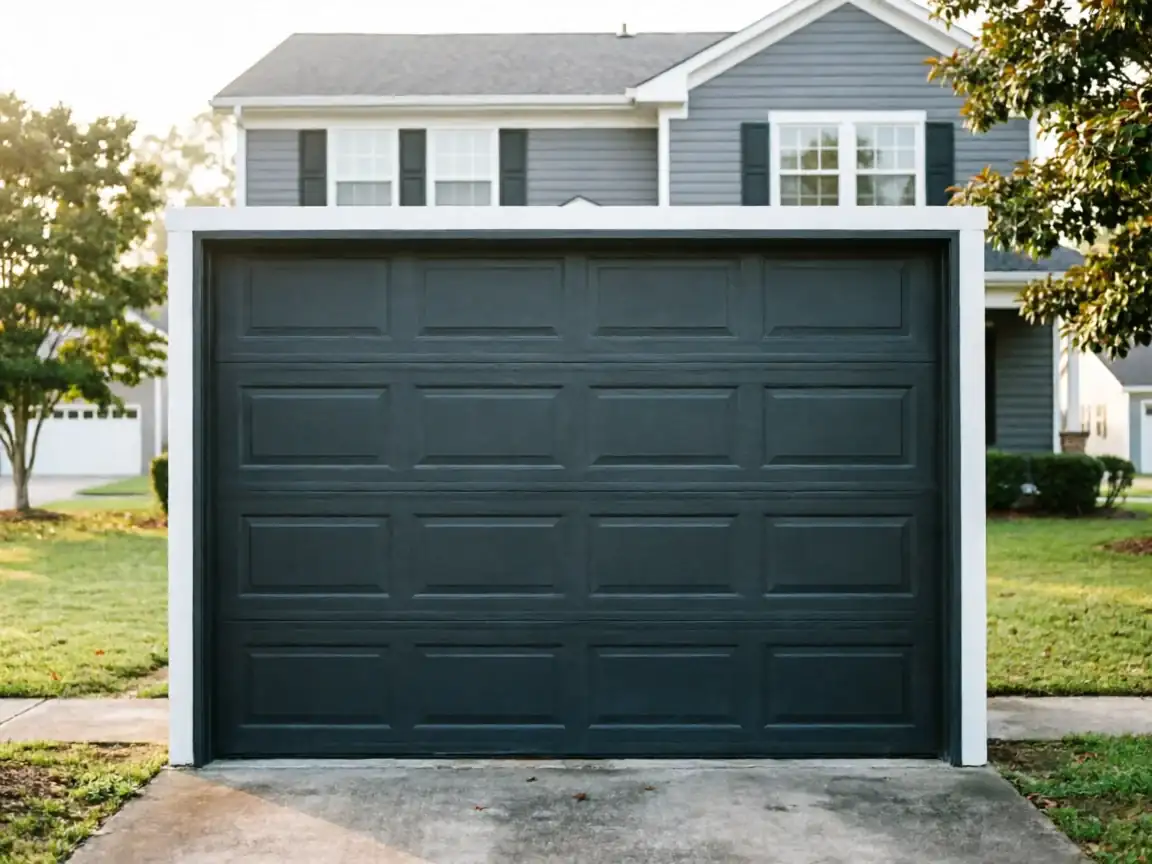
Even within a newer-built area like this, you'll find a stretch or two that predates the 2000 median - older sections tend to have the heavier, galvanized torsion springs and openers that are simpler to diagnose but due for replacement on age alone. The newer streets, built closer to code updates from the 2000s, usually have lighter steel doors, insulated panels, and openers with rolling-code safety sensors already built in. We treat these differently on a service call. A spring rated for a 1990s-era heavier wood-composite door isn't the same part as what's holding up a lighter insulated steel door put in during the mid-2000s. Knowing which decade a house was built in tells us which springs and openers to bring out before we even see the garage.
What the Housing Means for Your Door
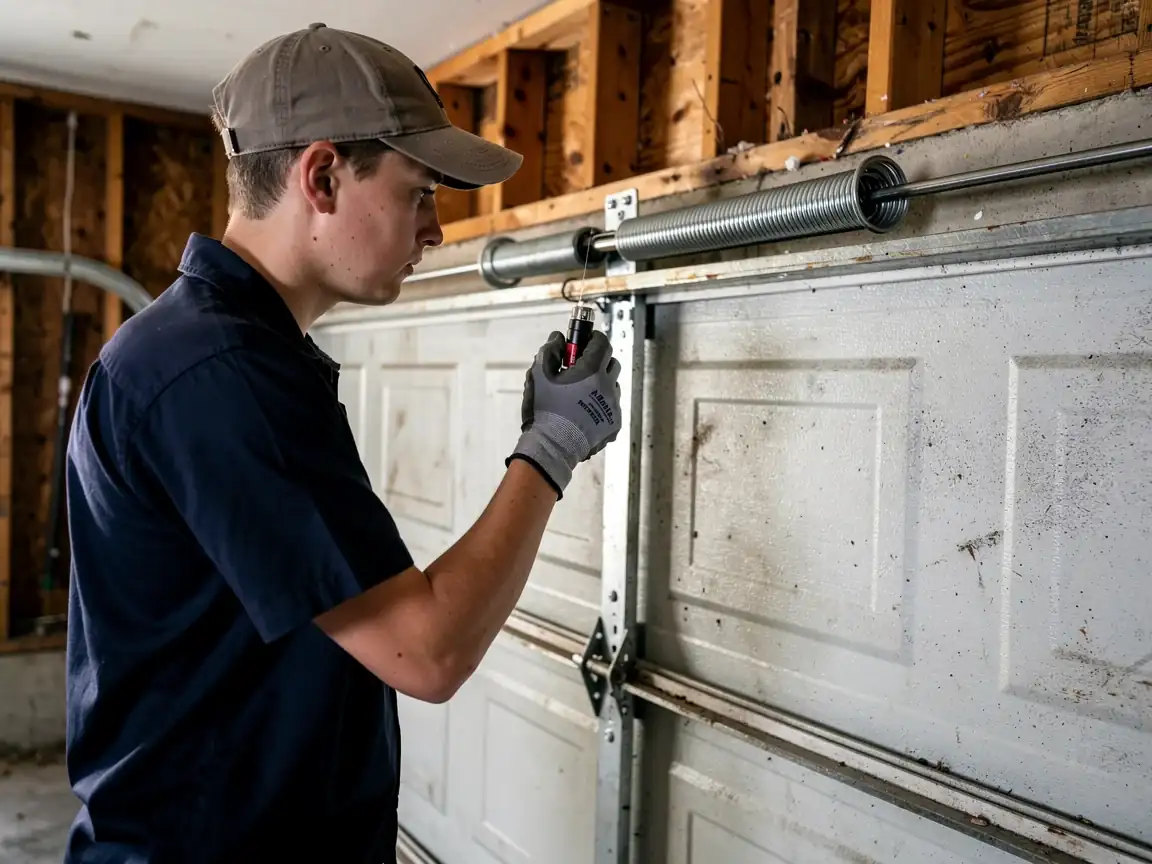
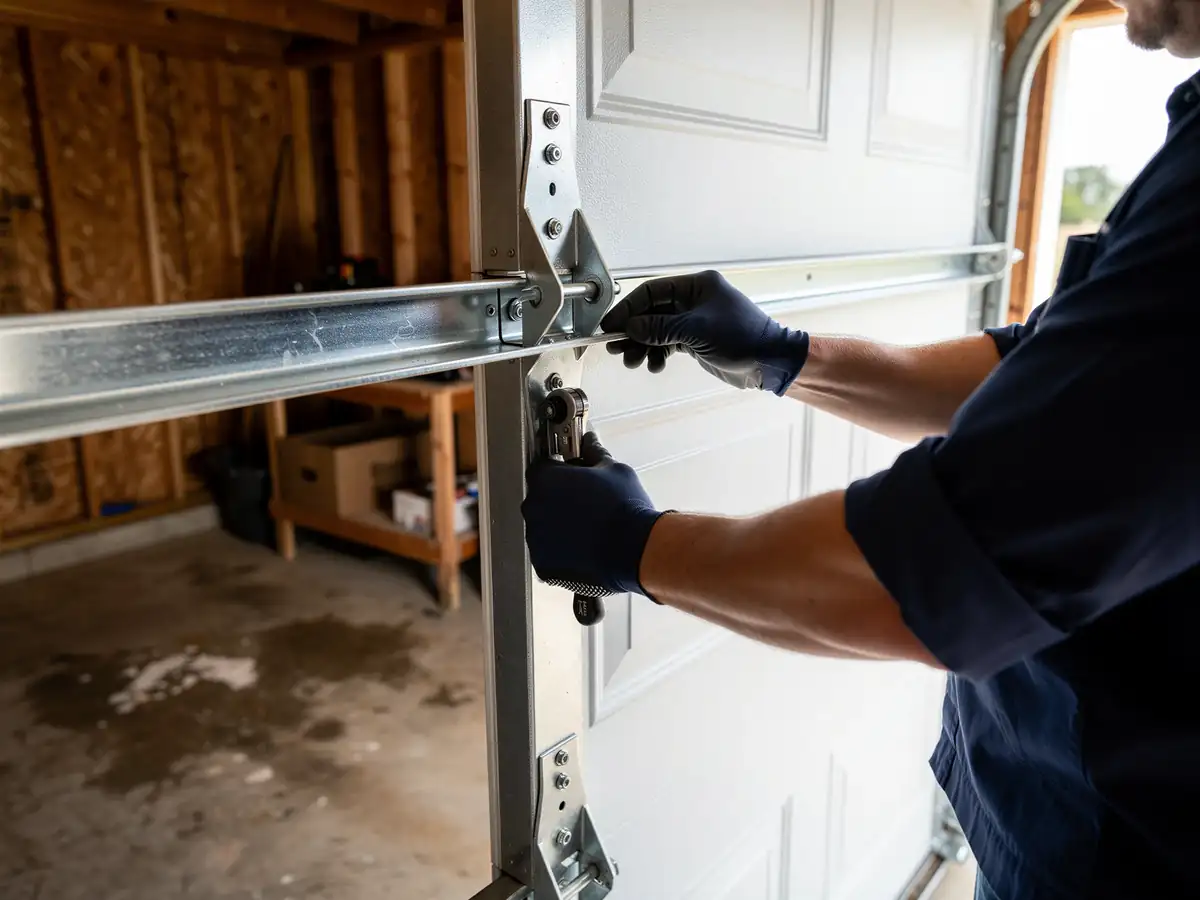
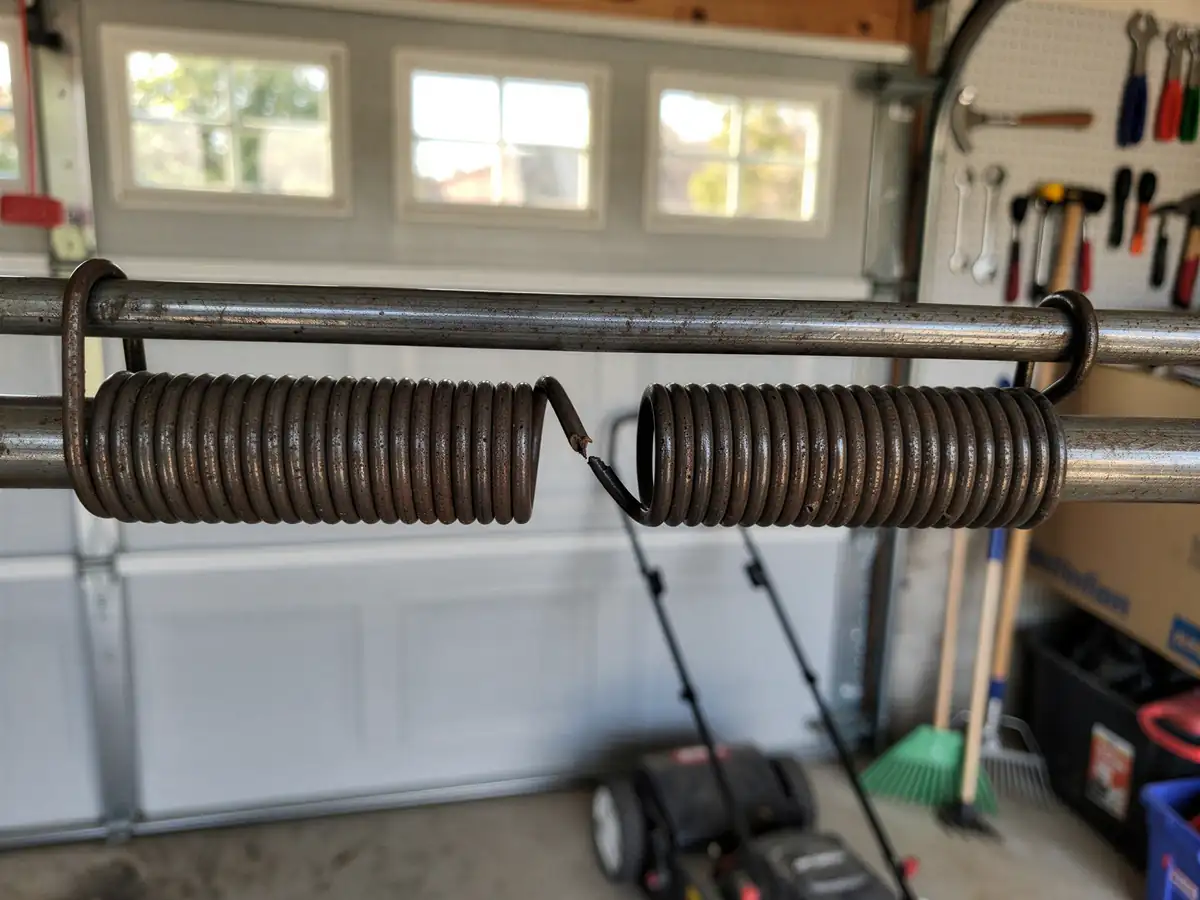
Because most doors in Grantville went in after 1994 and plenty closer to 2000 or later, the common failures we see are wear items, not relics. Torsion springs rated for 10,000 cycles start failing around 7-10 years of normal use, which lines up with what we're replacing on houses built right around the median year here. Openers from that era are also hitting the end of their working life - circuit boards and drive gears, not whole-unit replacements, in most cases. The one honest limitation: if a part is truly out of production, which happens more on the few older lots mixed into this area, we may need to quote a full door or opener replacement instead of a repair, and that can mean a short parts wait. For the newer majority of houses here, parts are current and repairs are usually straightforward.