The Situation
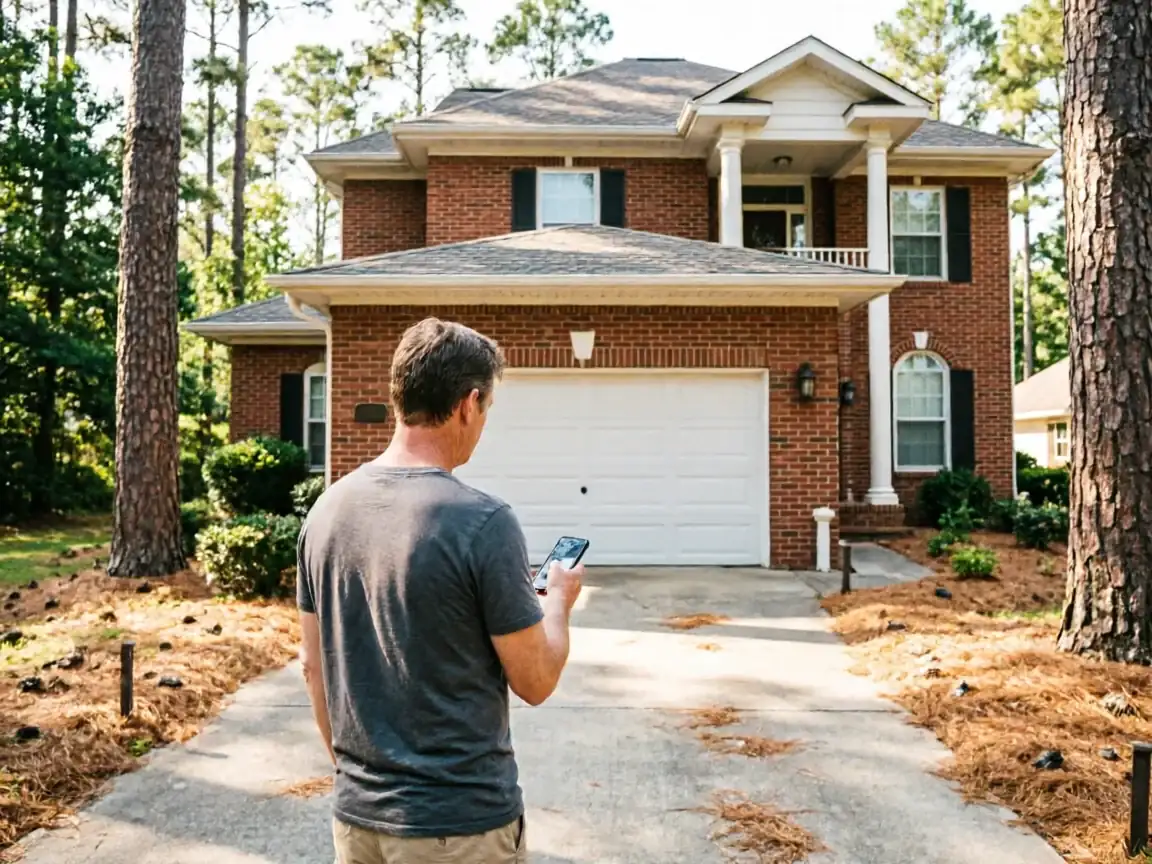
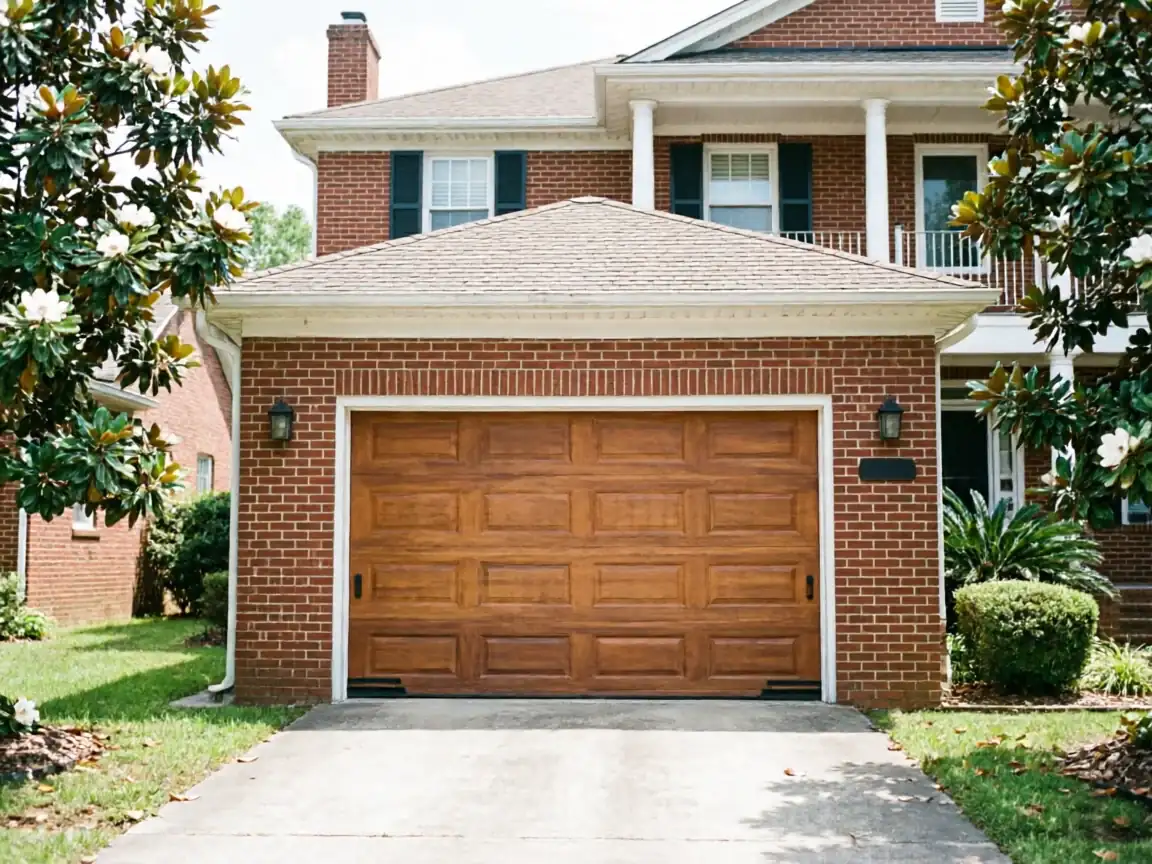
Cold doesn't break a torsion spring by itself, but it finishes off a spring that was already near the end of its cycle count. Steel contracts in low temperatures and gets less forgiving right when the door gets used the most on a frigid morning. In Newnan, most of the housing stock went up between 1964 and 2005, with the heaviest concentration from the 1980s and 90s across the twelve named areas in this service footprint. That means a lot of garages are hitting the 20-to-40-year mark on original hardware right about the time a cold snap comes through. The spring that's been fine for a decade can let go on the one morning it's 28 degrees out and the door gets opened before the metal has a chance to warm up. If you hear a bang from the garage on a cold morning and the door won't budge, that's almost always a spring, not the opener.
What to Check
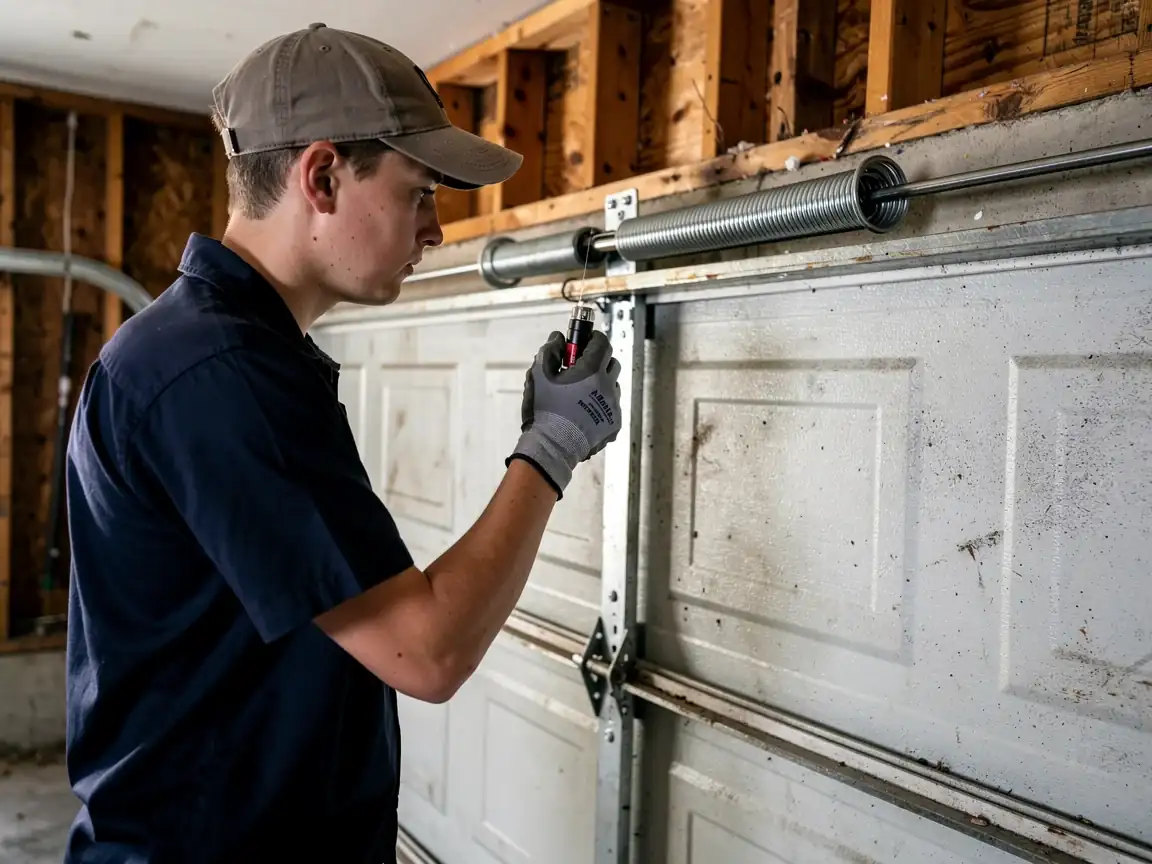
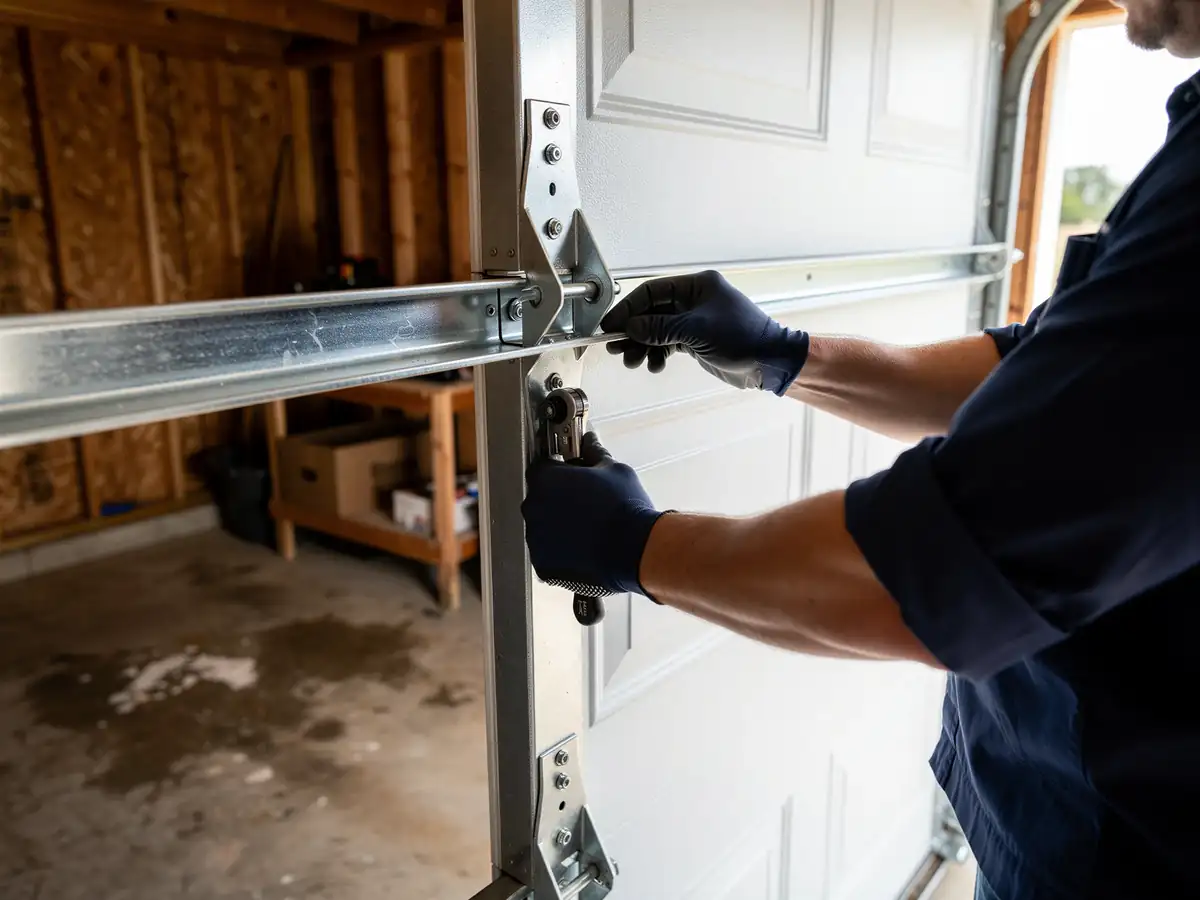
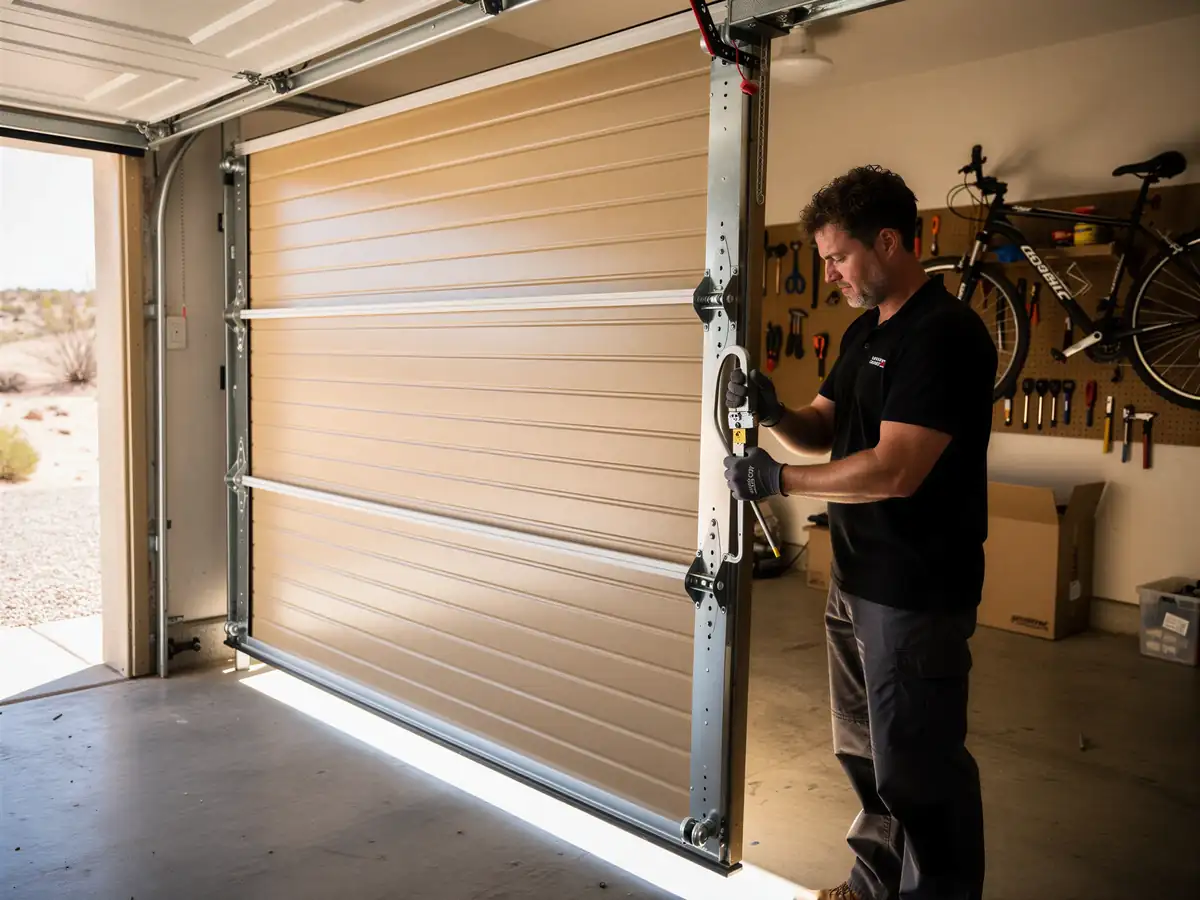
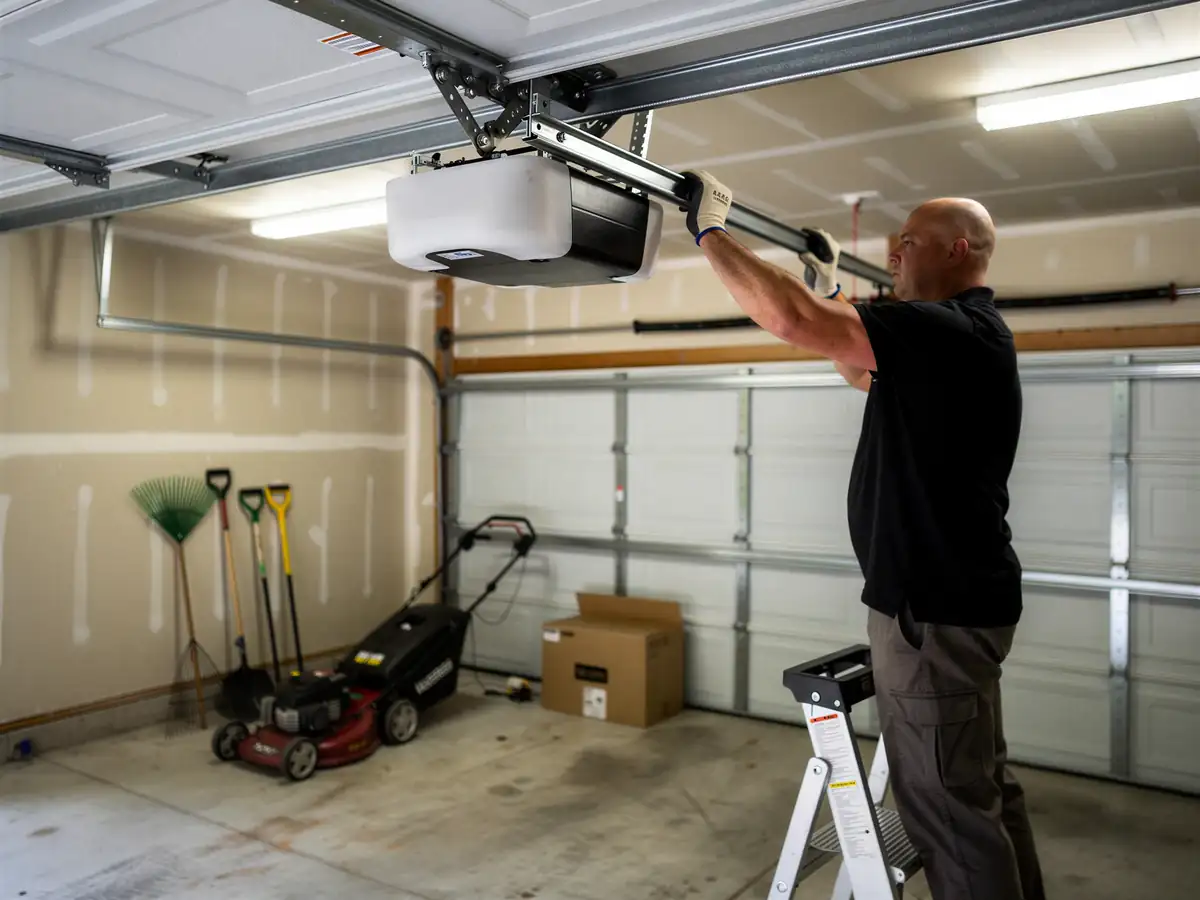
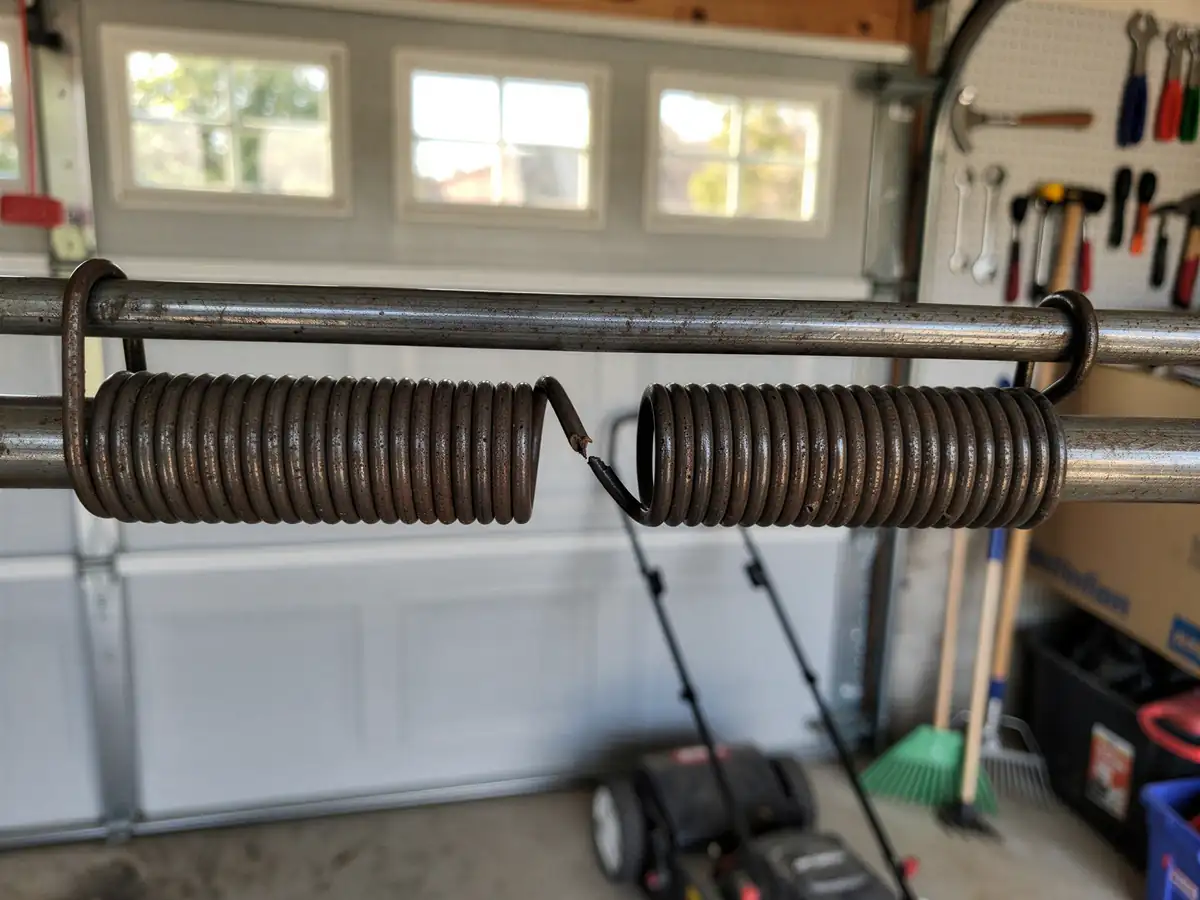
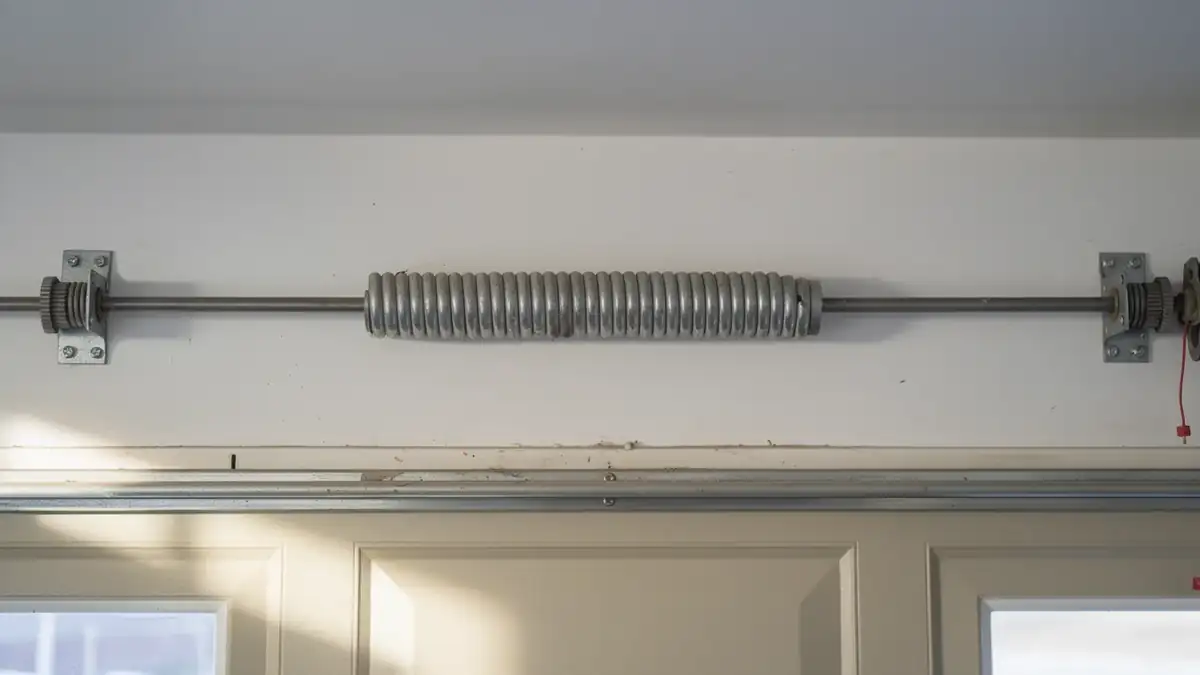
Before you call anyone, look at the spring itself - it sits above the door, usually one long spring on a single door or two on a double. A snapped spring shows a visible gap in the coil. If it's intact but the door is heavy to lift by hand with the opener disconnected, the spring is weak, not broken, and that's a different job. Check the cables on either side of the bottom bracket too - cold makes old cable fray faster, and a frayed cable under tension is not something to handle yourself. On the 1980s and 90s builds common around Newnan, a lot of these systems are still running original torsion hardware that's never been touched, so a weak spring and a stretched cable can show up around the same time. Don't force the opener to pull a jammed door - that burns out the motor on top of the spring problem.
How Local Conditions Play In
Newnan sits in a moderate cold climate band, not the kind of deep freeze that cracks concrete pads, but enough swing in temperature to matter for steel under tension. The failures cluster around the first hard cold mornings of the season, when a spring that's been losing tension all year finally gives out under a load it handled fine in August. Given that most of the area's garages were built between 1964 and 2005, with the bulk from the 1980s and 90s, a good share of homes are carrying original springs well past their rated cycle count going into winter. That's not a defect in the house - it's just math on an aging part meeting a cold morning.