How Long You Are Without the Door
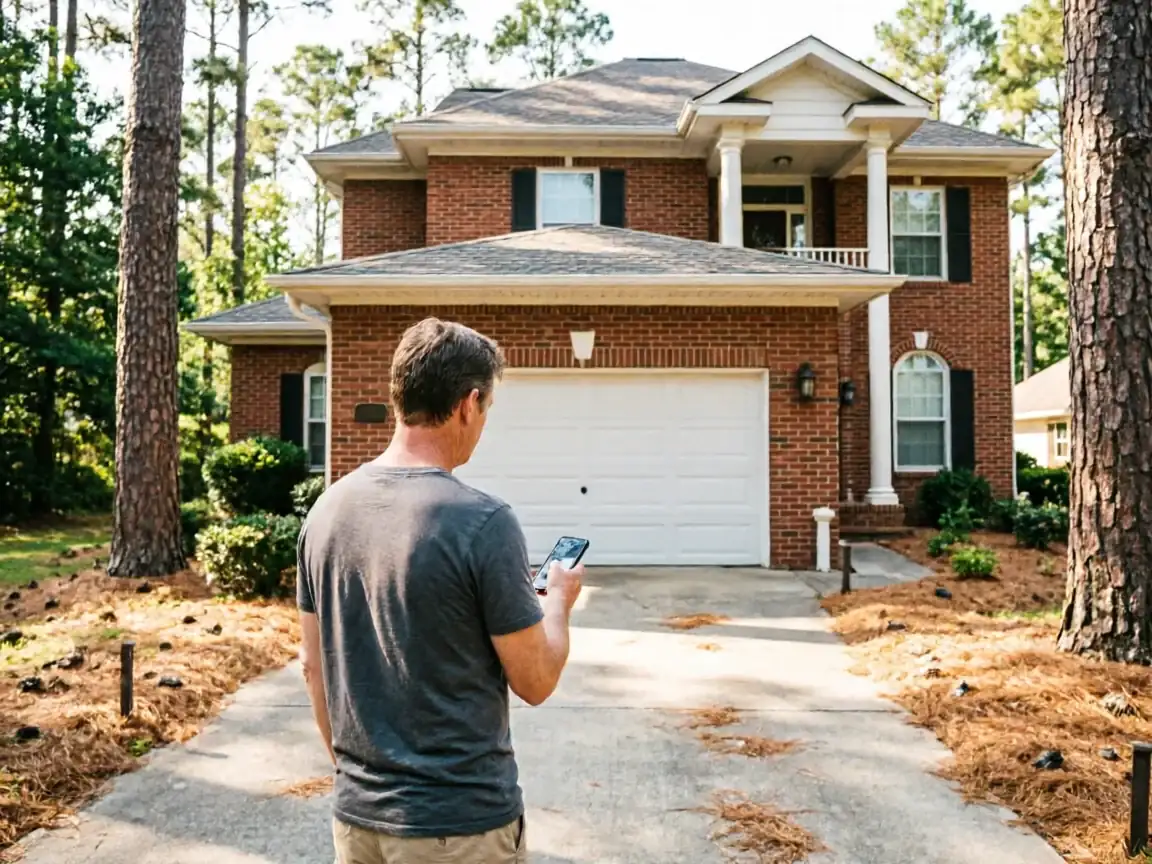
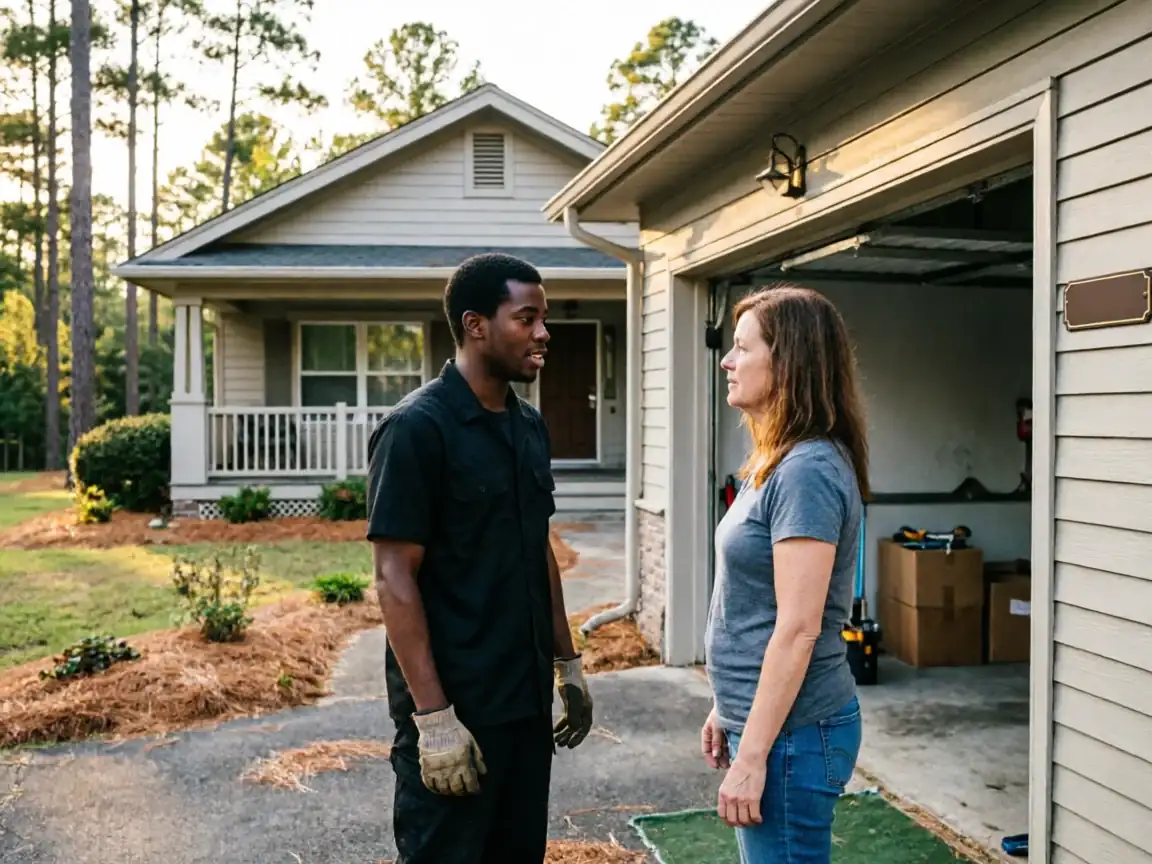
Senoia sits about 13 miles from our shop in Newnan, and that drive shapes how a service call here actually works. We don't keep a crew sitting in Senoia waiting on a call, so when your opener quits, we're scheduling the trip out, not walking over. That means we batch calls in this direction when we can and we tell you a realistic window instead of a number that sounds good on the phone. If your opener has failed in a way that traps the car inside or leaves the door open overnight, say so when you call - that changes where you land in the order of the day. Most opener failures aren't true emergencies even though they feel like one at 6 a.m.: the door itself usually still moves by hand once you pull the release cord, which buys you time until we can get out there. We'd rather tell you that upfront than have you sit by a window expecting a truck in twenty minutes. The honest version is that Senoia is a drive, not a next-door stop, and planning around that gets your door fixed right the first visit instead of twice.
Why It Happens Here
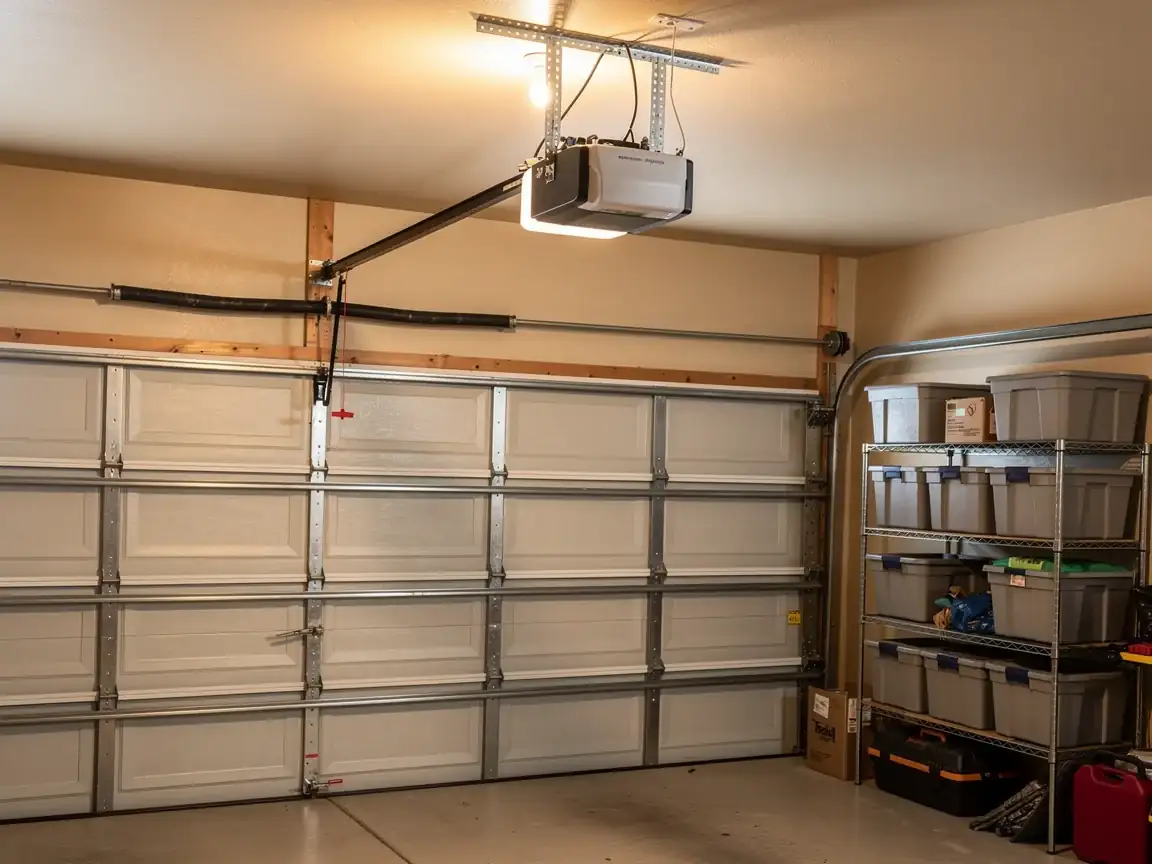
The median home in Senoia was built around 2005 - noticeably newer than the broader Newnan service area, where the typical house dates to 1994. That gap matters for openers. Houses from the early-to-mid 2000s came standard with chain or belt-drive openers on circuit boards, not the older mechanical relay units you still find on 1980s and 90s construction elsewhere in the area. So the failures we see out here skew electronic: a logic board that's finally aged out after fifteen-plus years, a safety sensor pair knocked out of alignment, or a remote that's lost its rolling code sync rather than a drive gear stripped from decades of wear. The service area's cold-moderate climate band still applies - temperature swings cause plastic gears and board solder joints to fatigue over time no matter the house's age. With roughly 1,921 households in Senoia and household income well above the wider area's median, we also see more higher-end opener models with smart features - Wi-Fi modules, battery backup - which fail differently than a bare-bones chain drive. Diagnosing those right means knowing which generation of opener we're walking into before we knock.
Can You Do This Yourself
Some of this you can handle
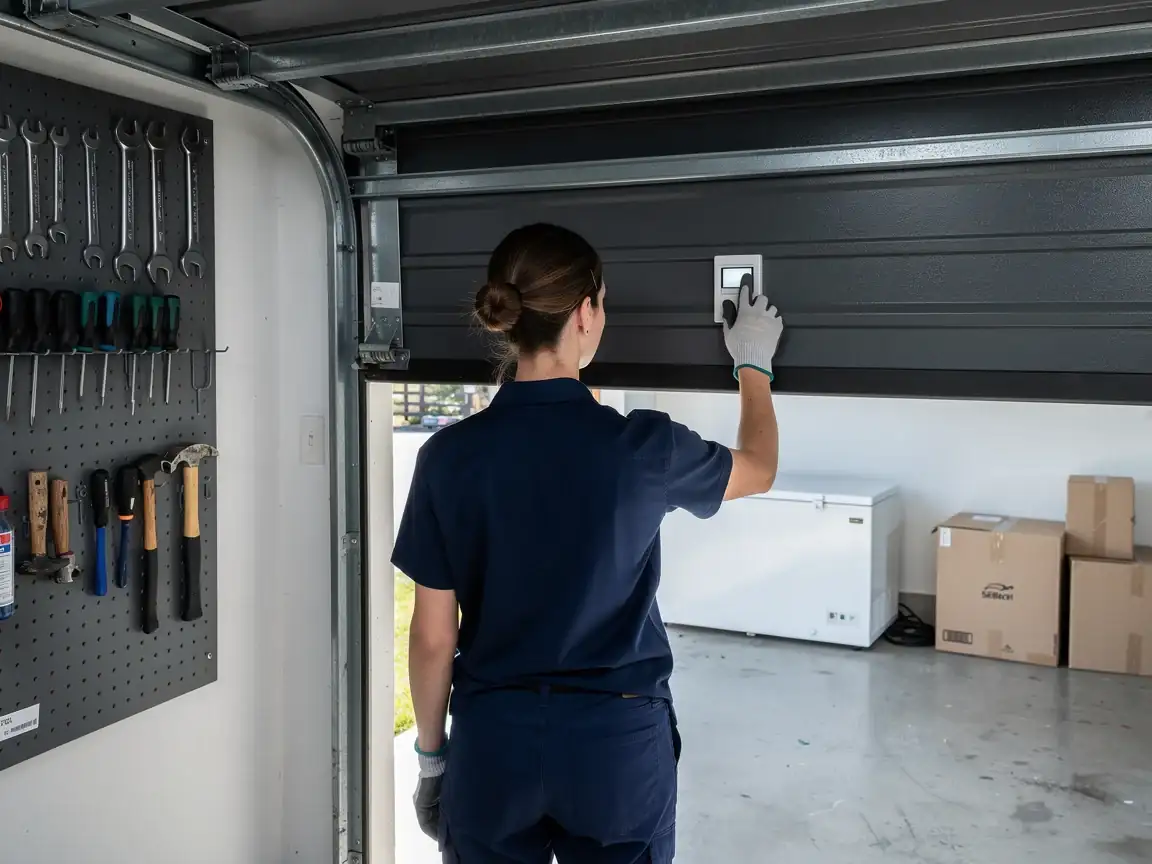
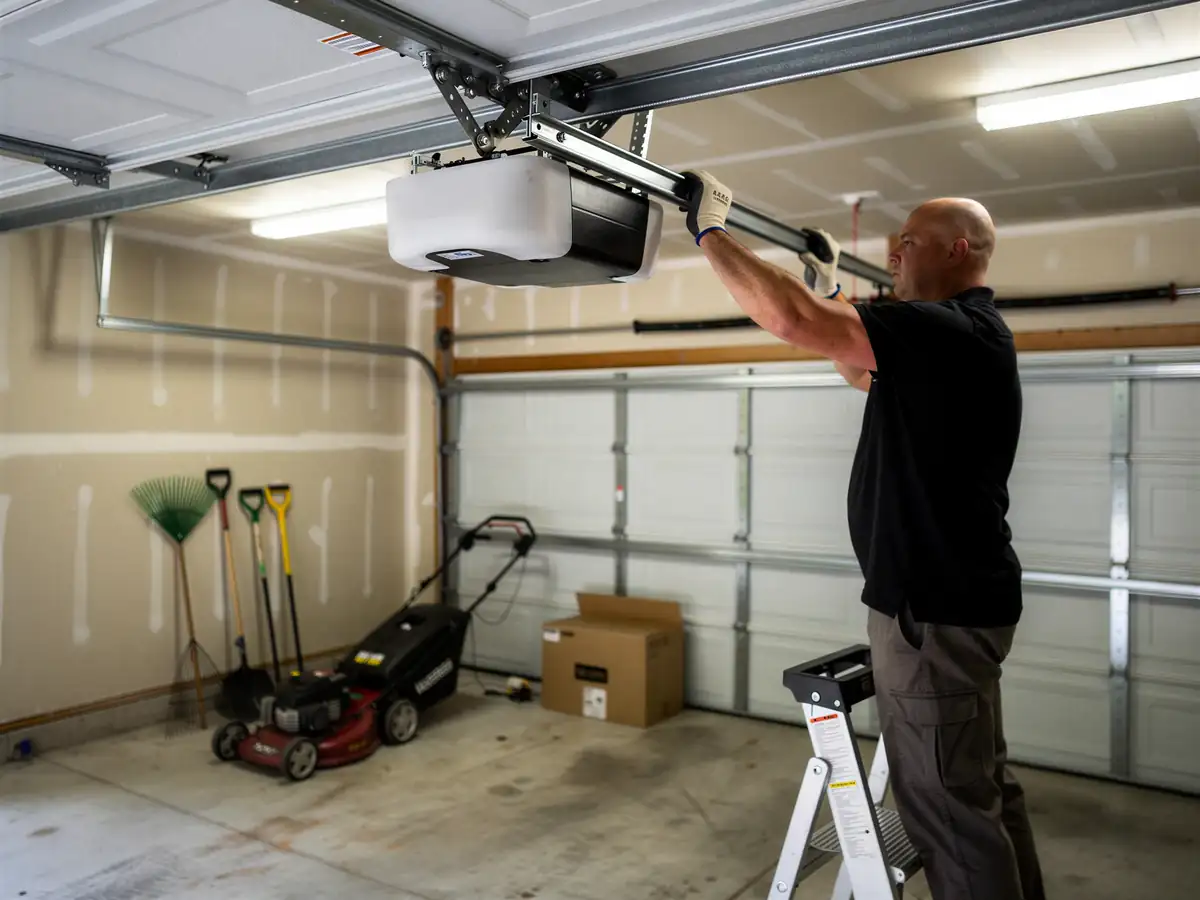
Reprogramming a remote, replacing a 9-volt backup battery, or realigning a photo-eye sensor that's gotten bumped are all things most owners can do with a ladder and ten minutes. If your opener runs but the lights blink and the door won't close, check the sensors first - it's the most common fix and costs nothing.
What you shouldn't touch is the logic board or anything involving the opener's motor unit wiring
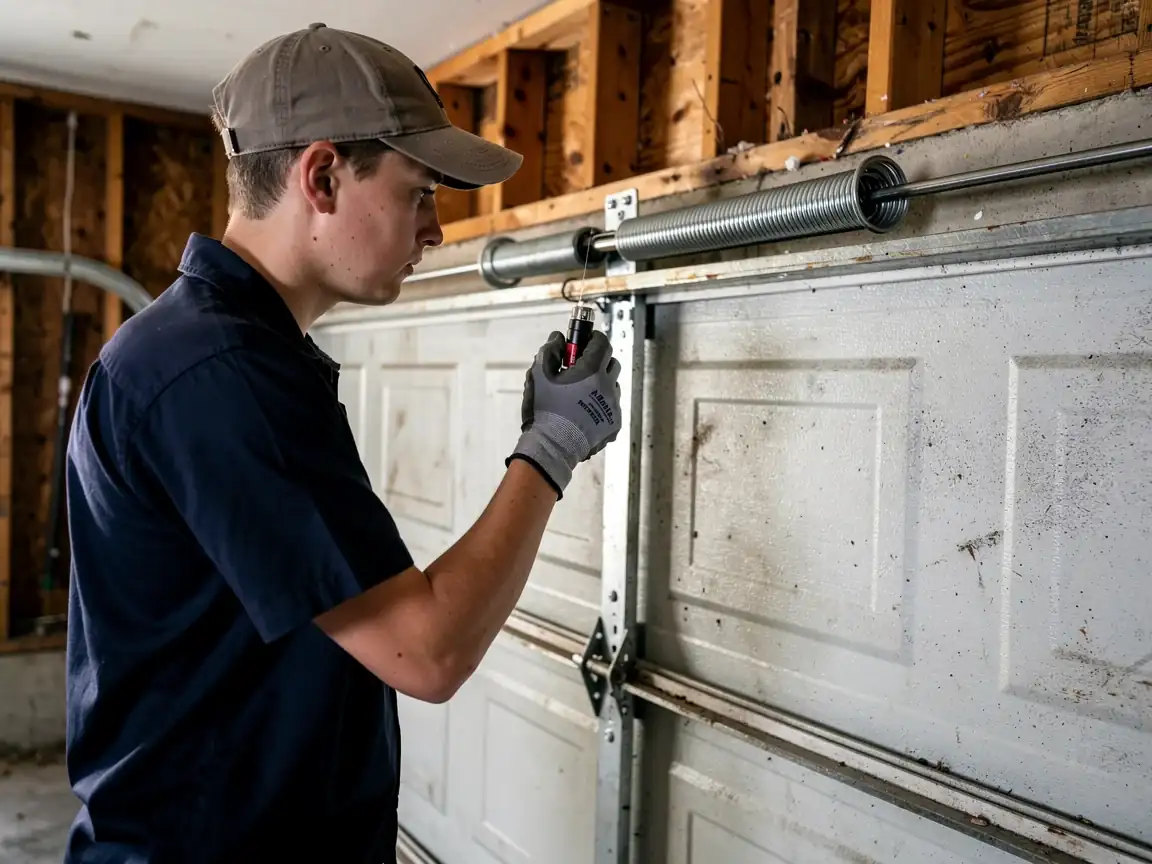
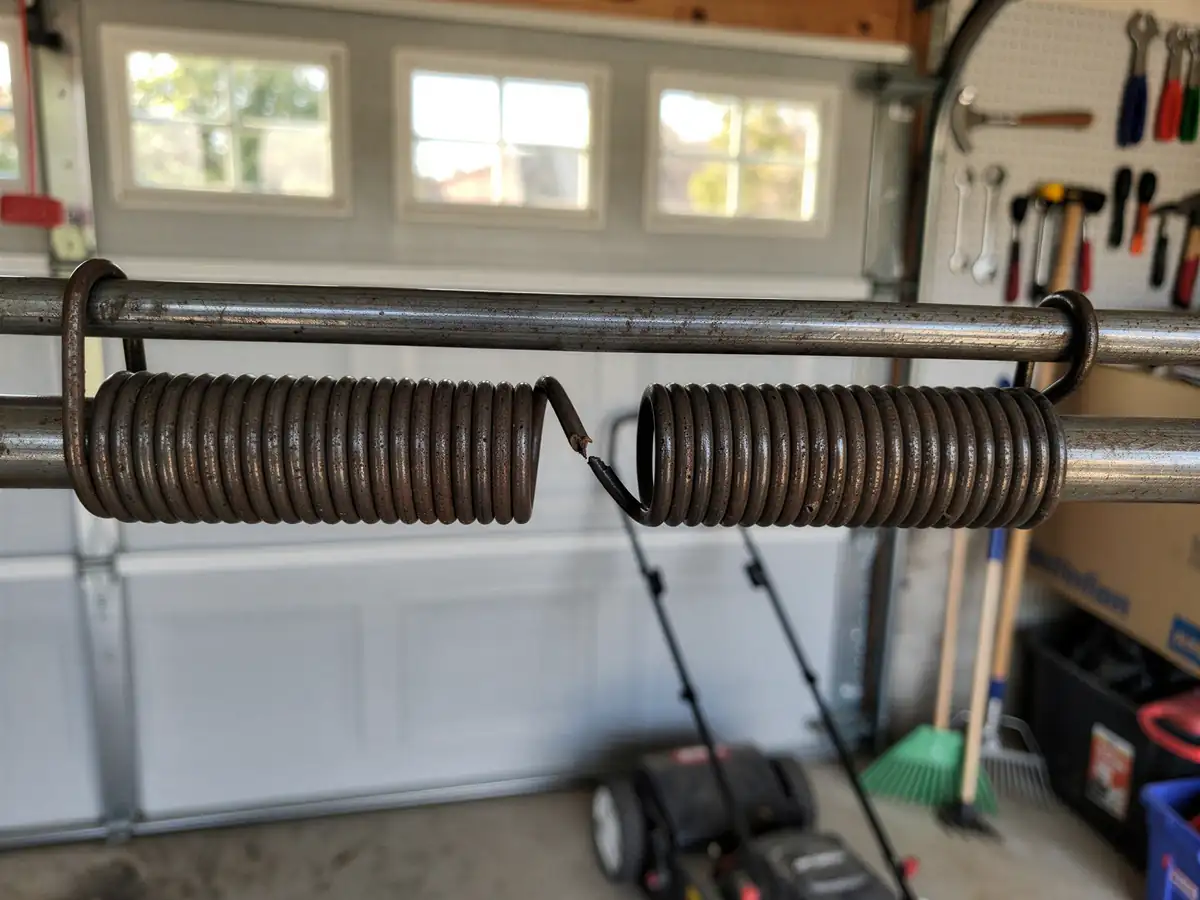
Especially on the newer Wi-Fi-enabled models common in Senoia's housing stock. Those boards aren't built to be field-repaired piece by piece, and opening one without the right diagnostic steps usually turns a $200 board swap into a full unit replacement. We also don't recommend DIY on anything tied to the torsion spring system near the opener - that's a separate, higher-risk job regardless of what's wrong with the opener itself.
One honest limitation
If your opener is more than twelve years old and the board's failed, parts for that specific model may no longer be made. At that point we're straight with you about replacement being the better call rather than chasing a part that doesn't exist anymore.
What Is on the Truck
Because the trip out is 13 miles each way, we stock the truck to cover a Senoia call in one visit rather than guessing and coming back. That means logic boards and circuit boards for the common belt and chain-drive opener brands installed in houses built in the early-to-mid 2000s, replacement photo-eye sensor pairs, drive belts and chains, and a range of remotes and keypads to match rolling-code systems rather than older fixed-code units.
We also carry battery backup units, since newer openers with that feature are more common in this part of the service area given the home values and build dates here. What we don't load every truck with are parts for openers more than twenty years old - those are rare enough in Senoia's newer housing that we check compatibility before the drive rather than carrying dead weight for a part we won't need.
The goal with the stock on the truck is simple: match it to what's actually installed out here, not to a generic parts list that assumes older mechanical openers you'd find elsewhere in the wider service area.
Booking a Visit
When you call about an opener in Senoia, tell us the opener's rough age if you know it and whether the door moves by hand when you pull the manual release - that one detail tells us a lot about whether this is a board issue or something mechanical, and it helps us load the right parts before the 13-mile drive out. Given the newer housing stock in Senoia, most calls here turn out to be board, sensor, or remote-sync issues rather than worn mechanical drive parts, and knowing that in advance means fewer trips. For more on what we handle in Senoia specifically, see our Senoia garage doors page. If you're outside Senoia proper and closer to Newnan itself, the general opener repair page for Newnan covers that side of the service area.