What Is on the Truck
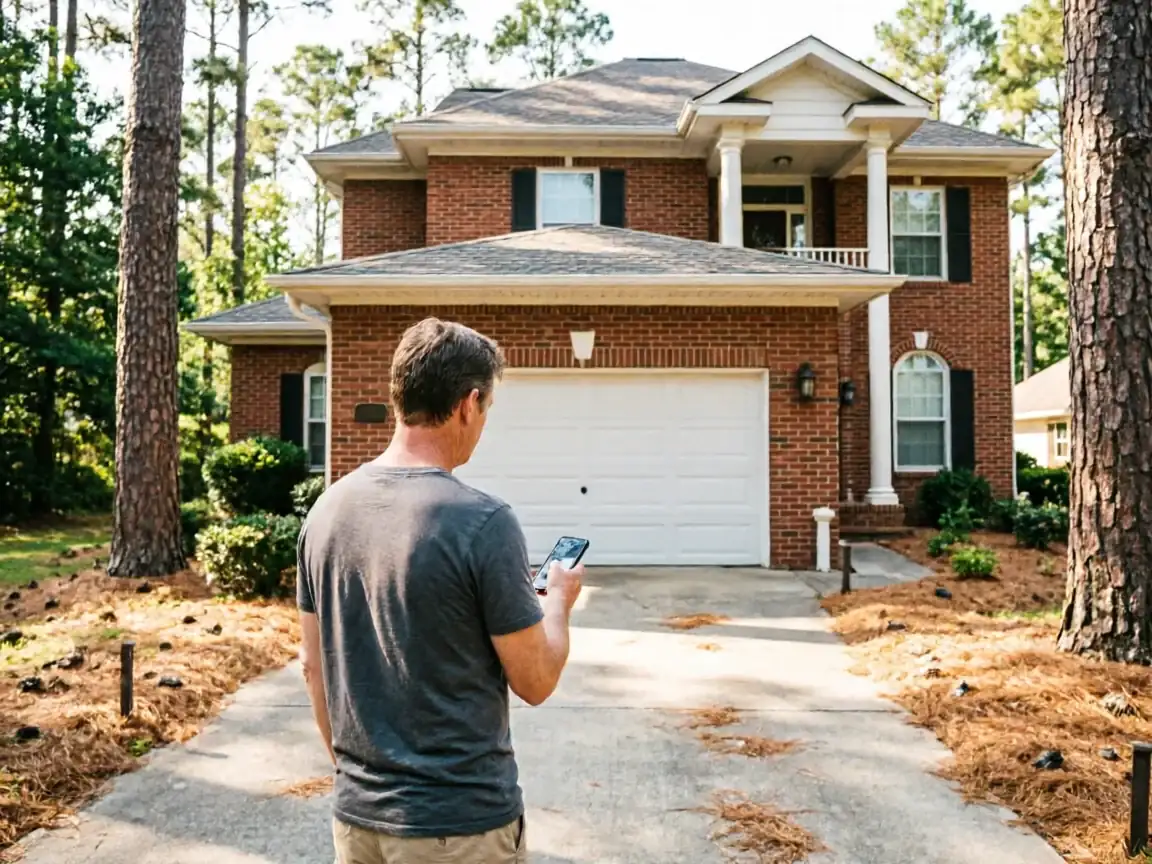
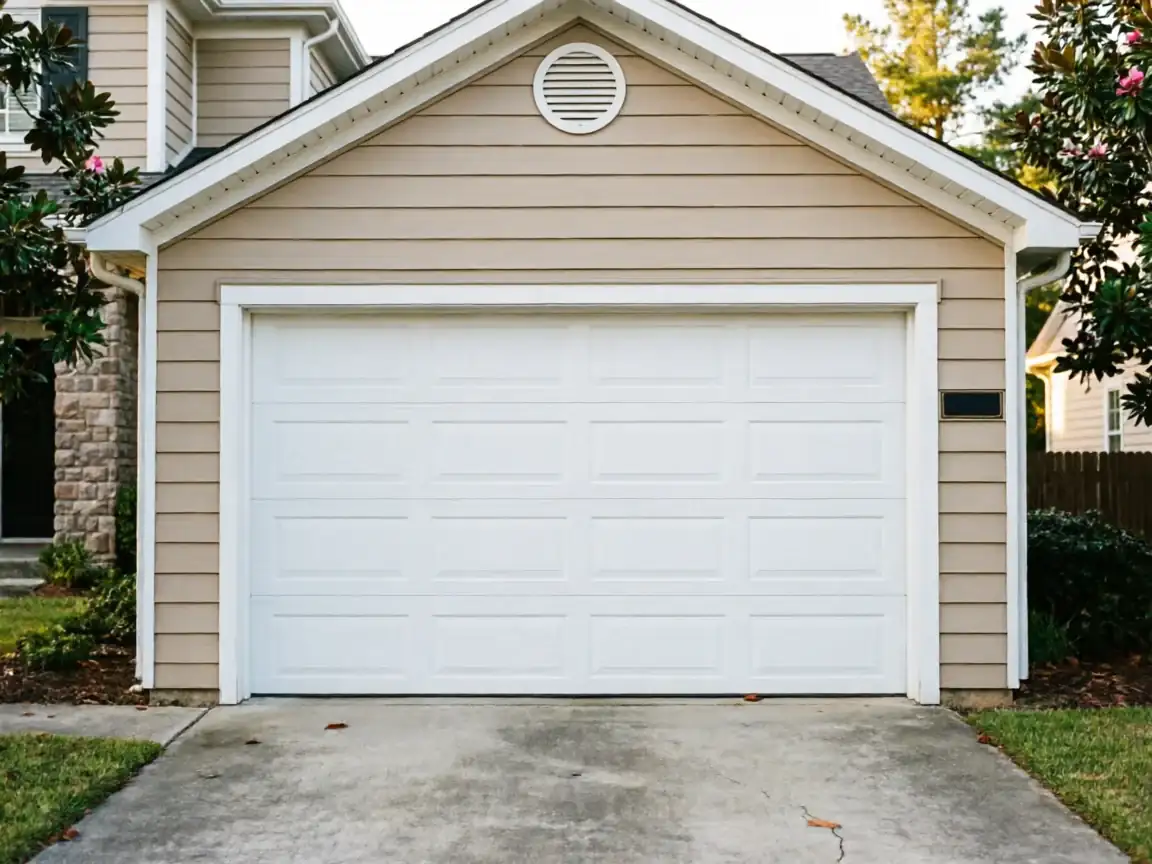
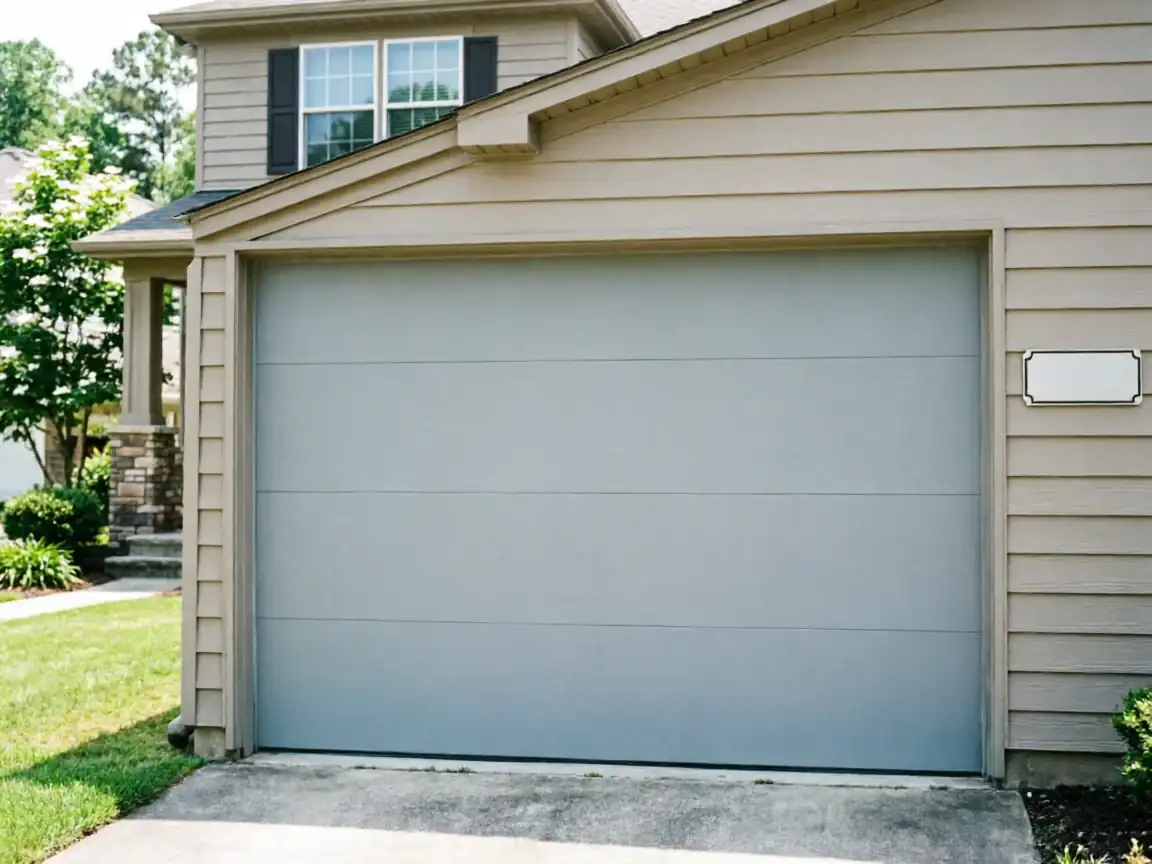
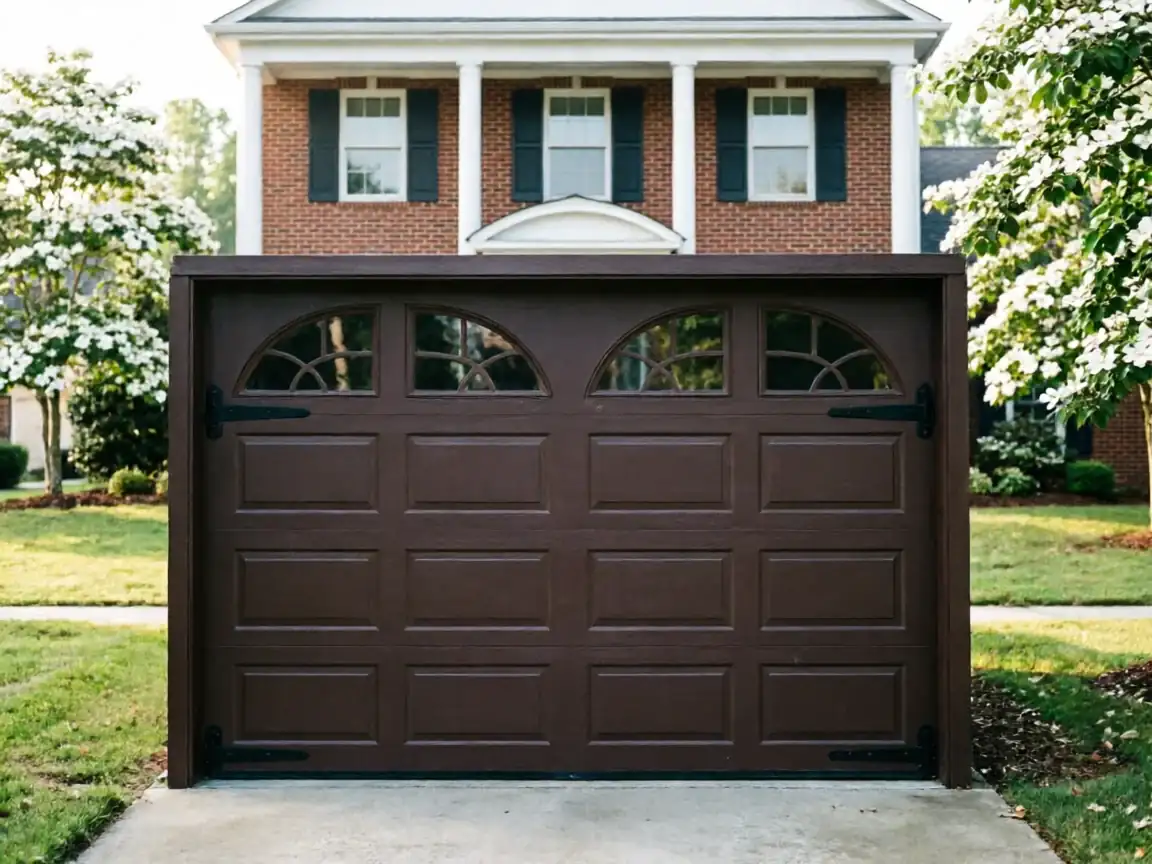
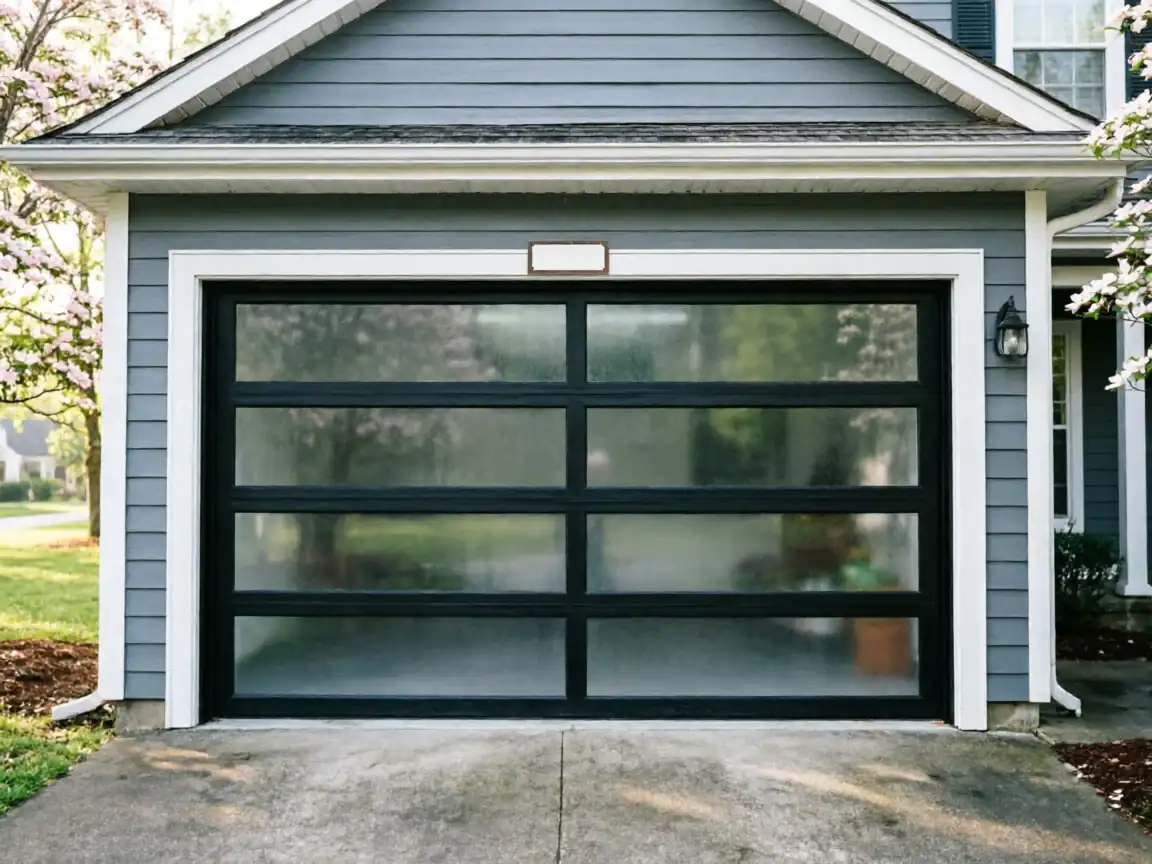
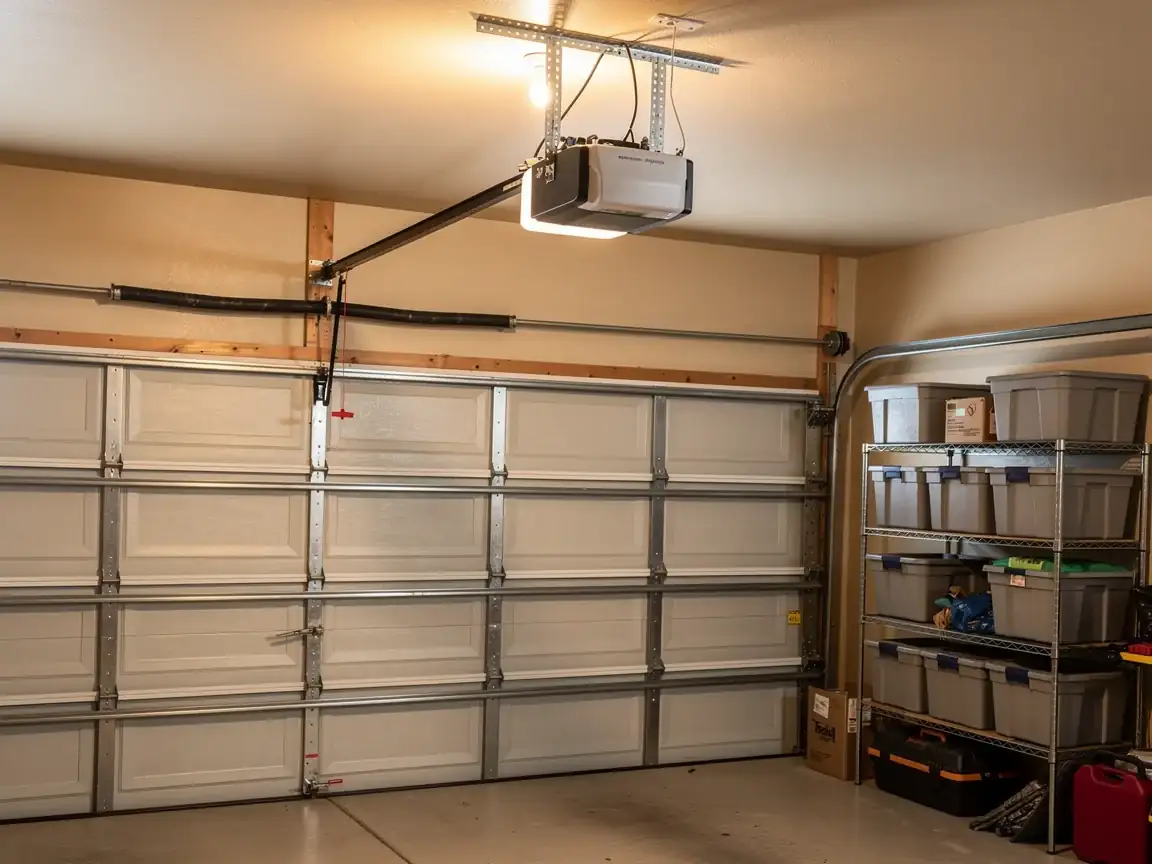
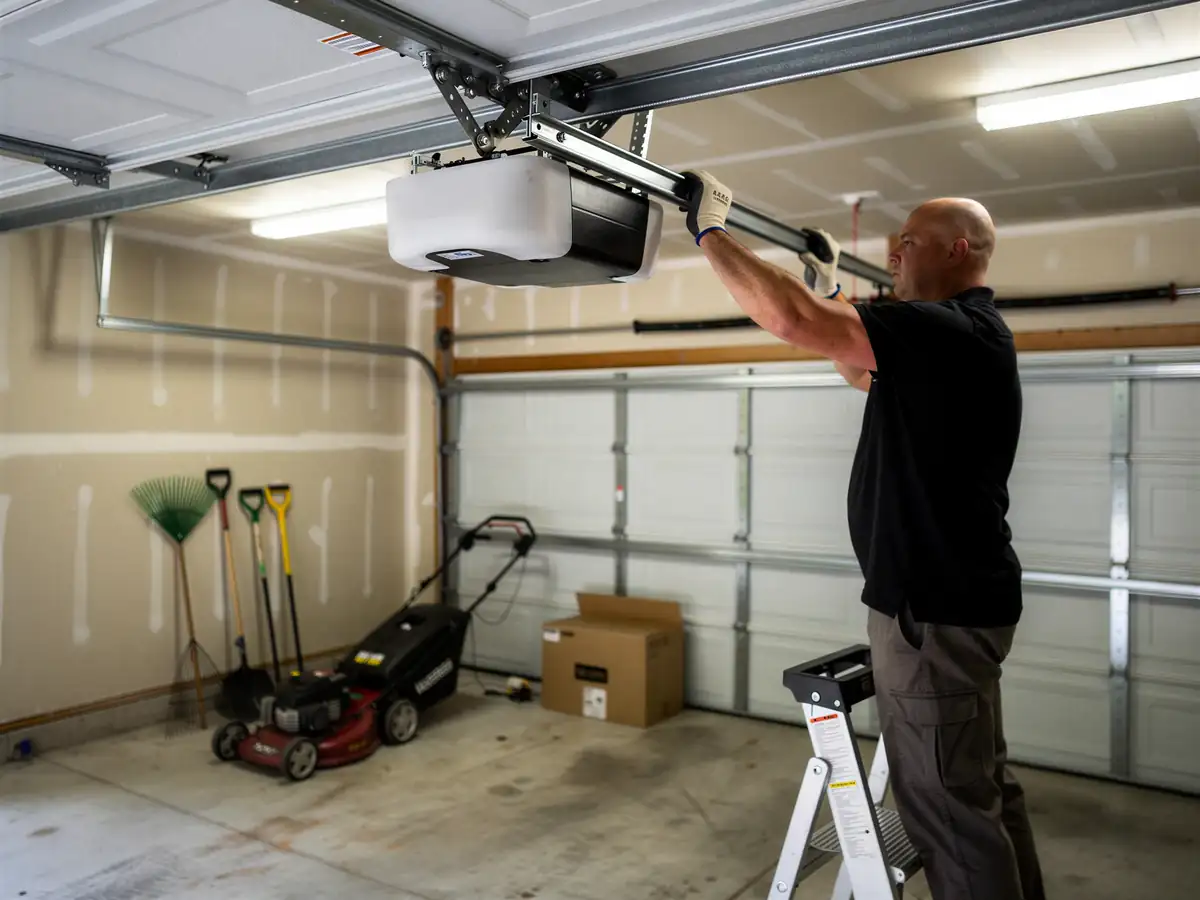
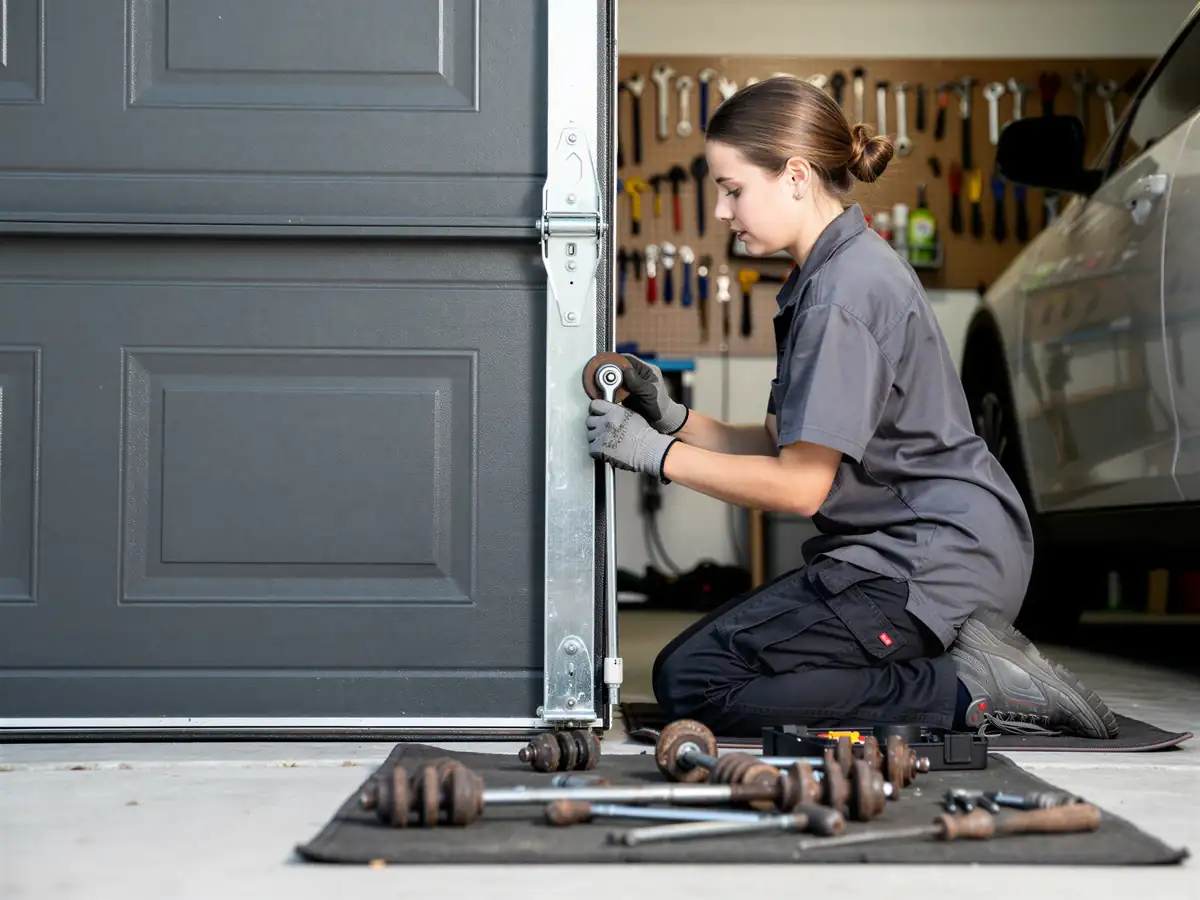
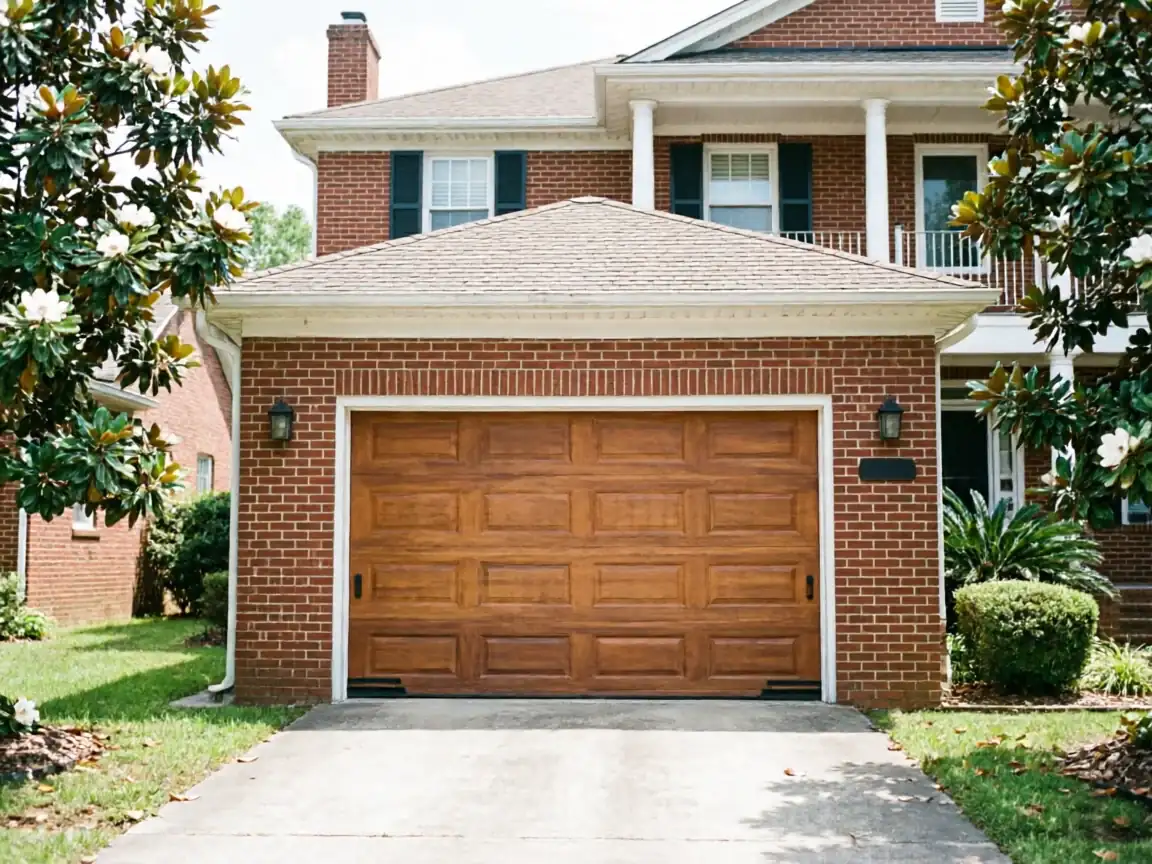
For Tyrone we load differently than we do for the older pockets of the service area. Houses here mostly date to around 2000, which puts them near the top end of the 1964-2005 range we work across this whole territory, and that means insulated steel doors on torsion springs sized for heavier panels, plus openers with circuit boards rather than the simple relay units you'd find on a house built in the 1970s. We carry logic boards, photo-eye sensors, and torsion springs rated for double-car insulated doors, because that's what a 2000-era build actually needs. We still bring the basics - rollers, cables, hinges - but the board and sensor stock is the part that matters most once we're on your truck heading out the 12 miles from Newnan.
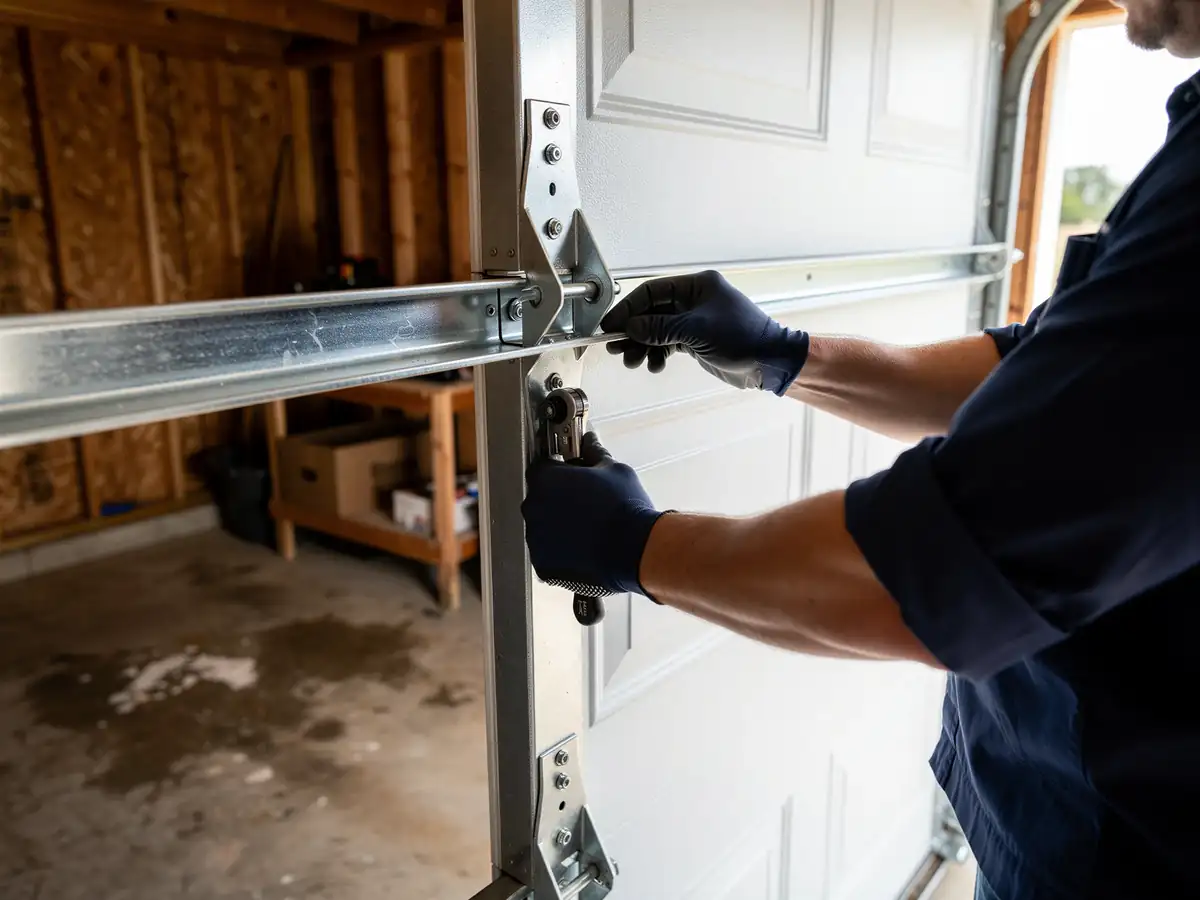
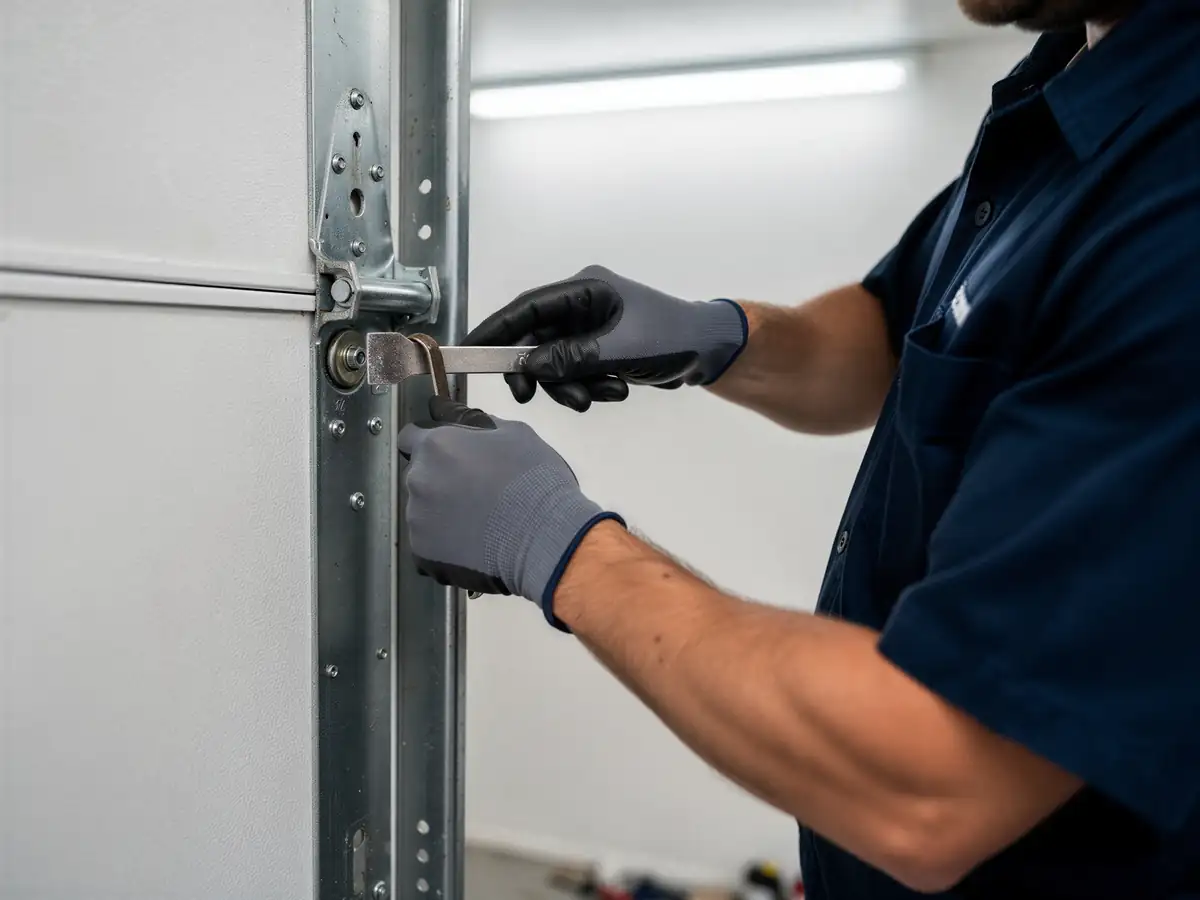
The second thing we load is weather-specific: this area sits in a cold-moderate climate band, so freeze-thaw cycling on the slab can shift a track's alignment over a winter even on a door that's barely 20 years old. That's a leveling job, not a parts swap, and it's common enough here that we keep shims and track hardware on hand without being asked.
What You Pay
We don't have a Tyrone-specific price sheet to quote you, and we're not going to invent one. What we can tell you is that the jobs we see on 2000-era doors skew toward opener boards and sensor alignment rather than the spring-replacement calls that dominate on the oldest housing in the service area - and a board swap is a different bill than a torsion spring job. Ask for a number when you call; we'll tell you straight once we know which part failed, not before.
Can You Do This Yourself
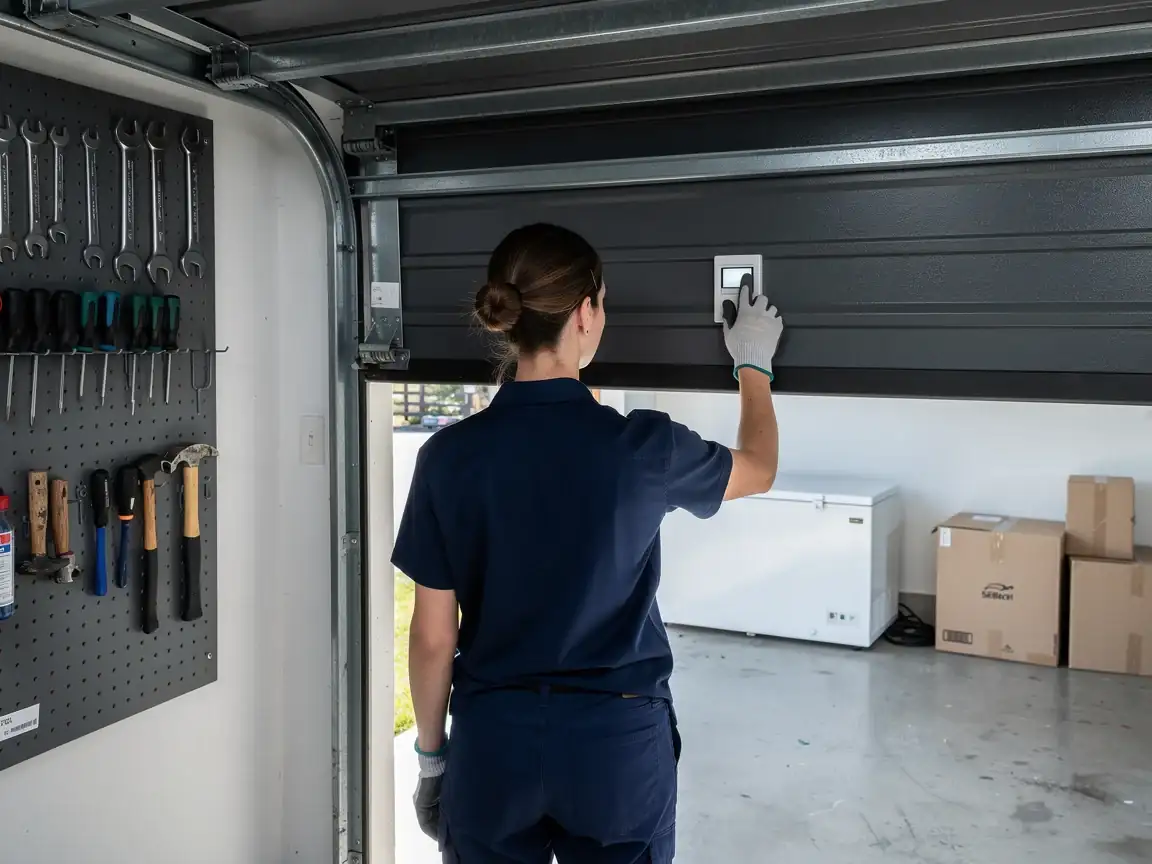
If your opener won't respond and the lights on the wall unit are blinking
That's usually a misaligned photo-eye sensor, and you can often fix that yourself: clean both lenses, check they're pointed at each other, and make sure nothing's blocking the beam. That's a five-minute job with no tools.
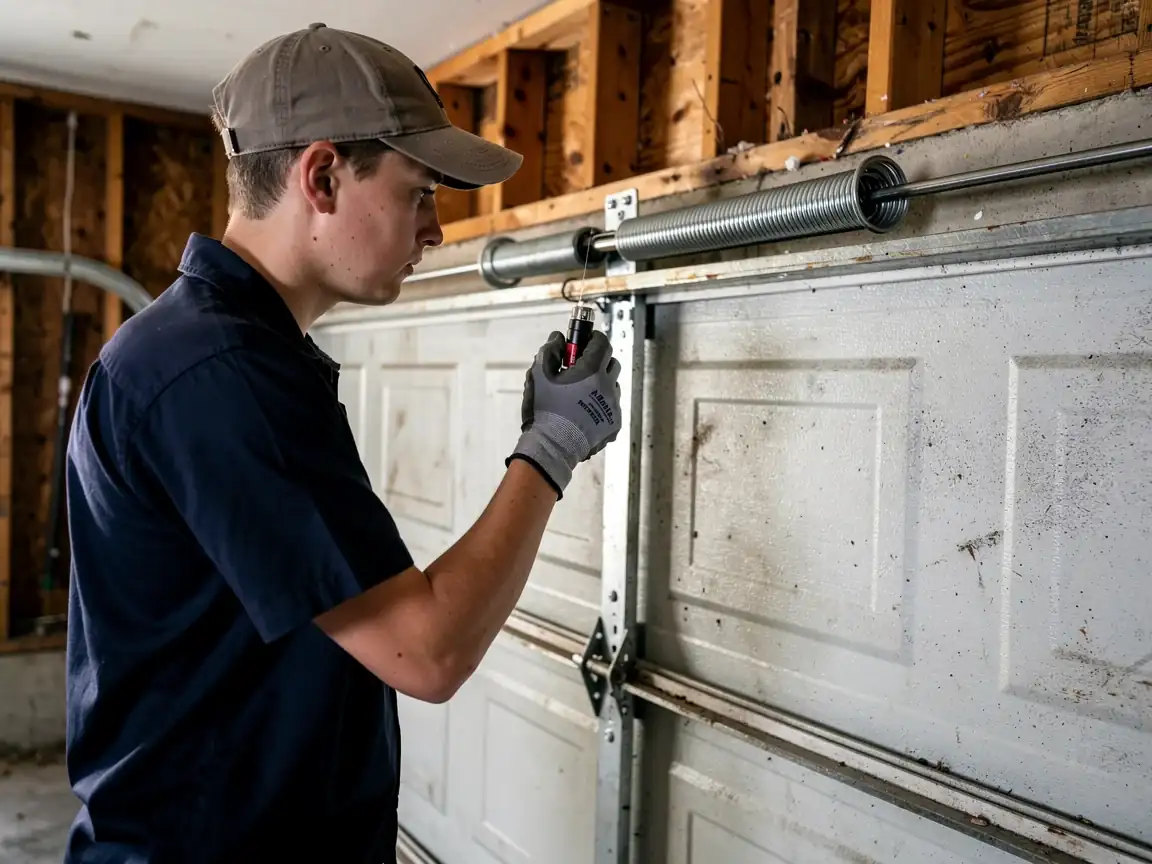
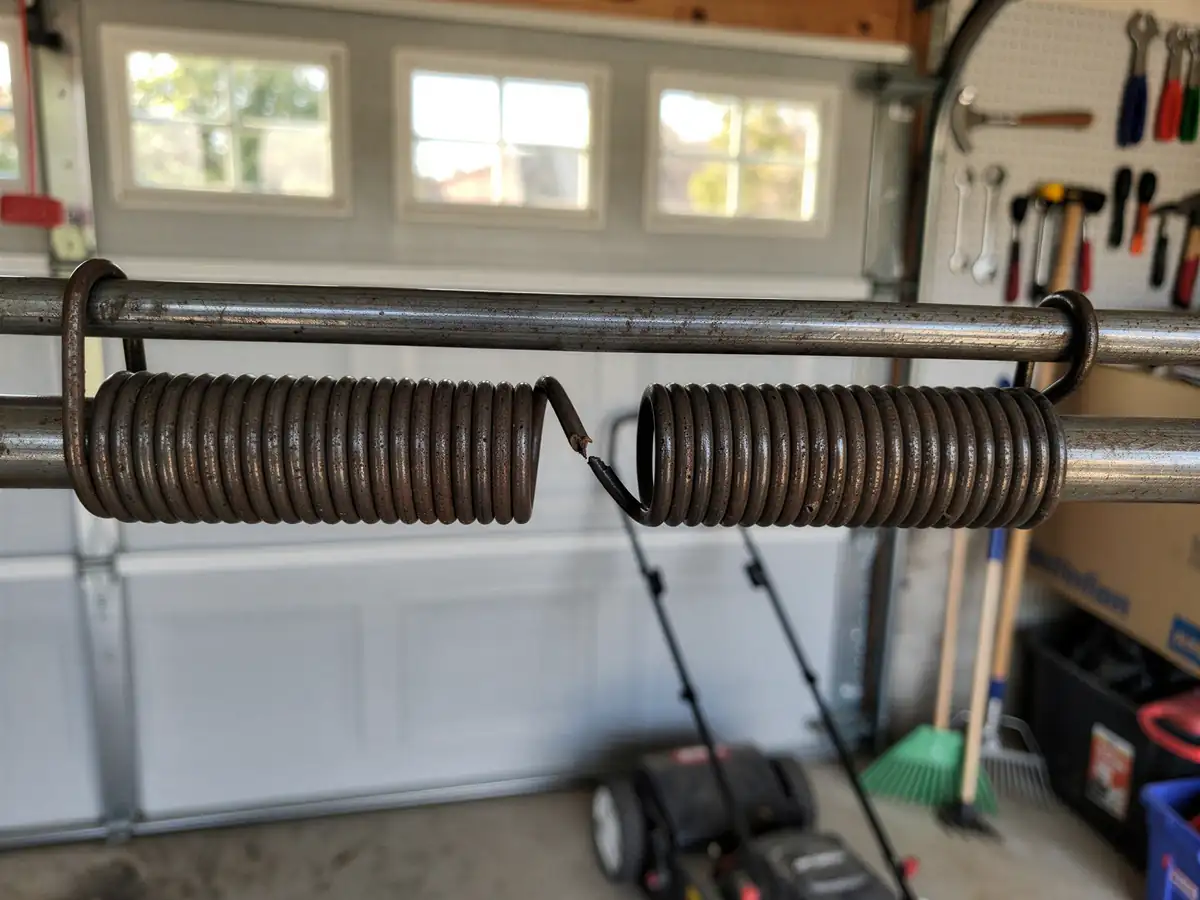
What you shouldn't touch is the torsion spring or anything on the shaft above the door
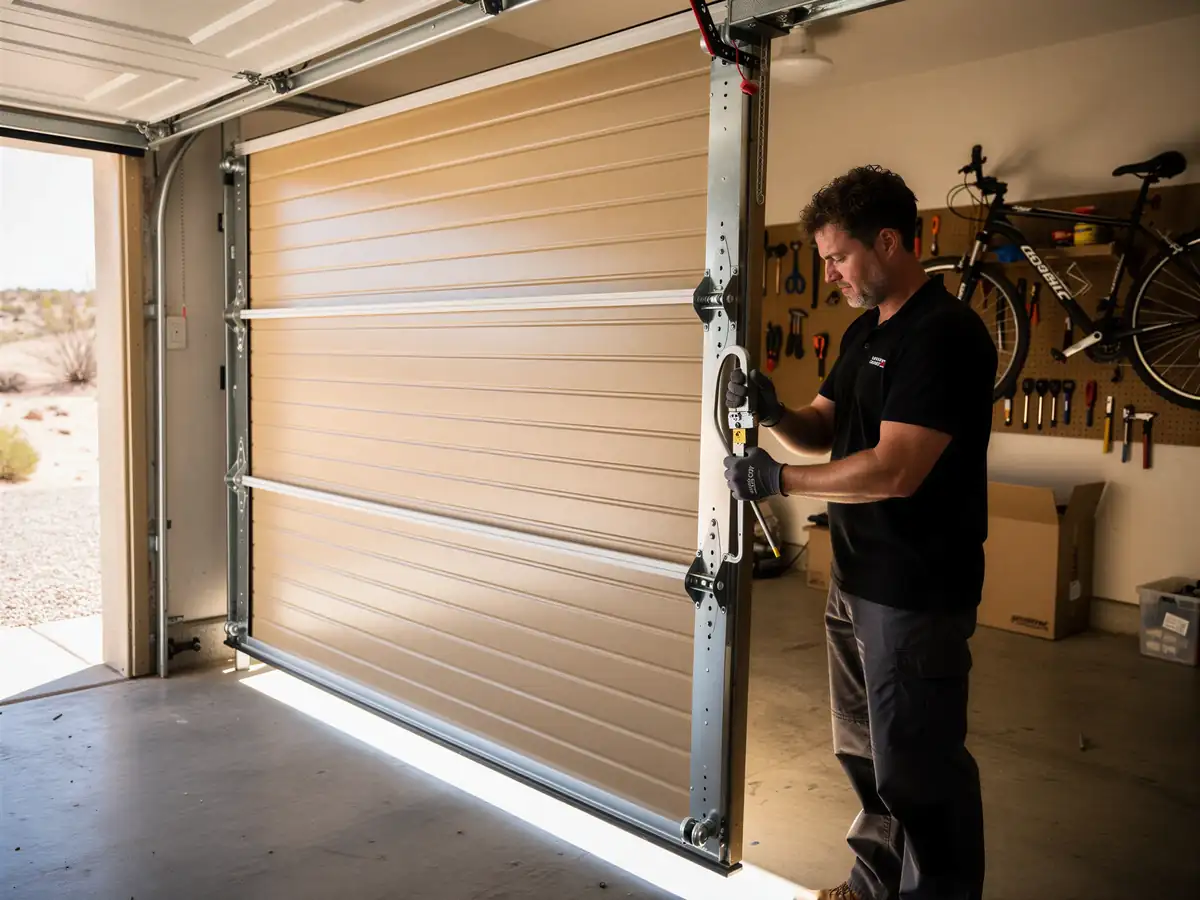
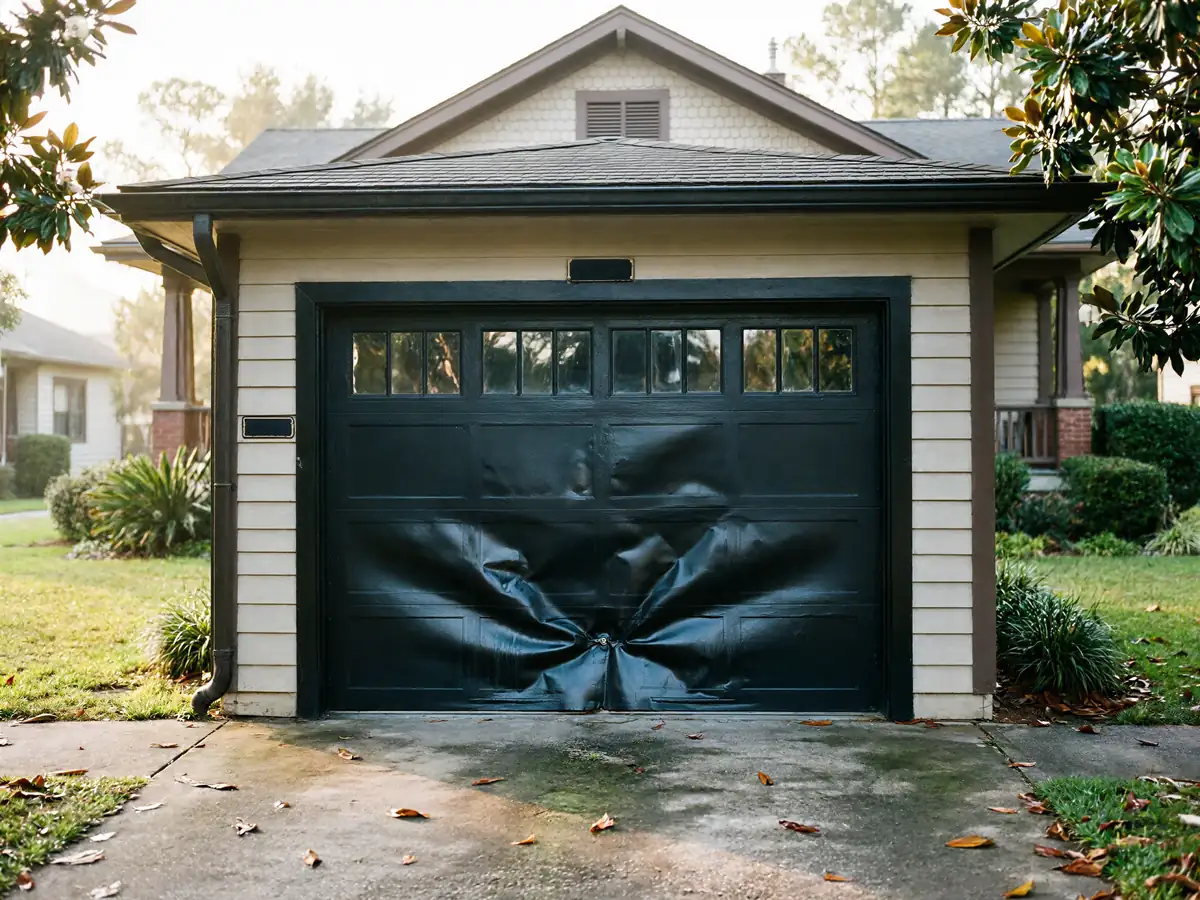
On a door built to 2000-era sizing, that spring is under real tension, and the hardware that holds it isn't something you want to learn on. If the door won't open smoothly, or it's heavy and dropping fast when the spring goes, that's a call, not a weekend project.
Why It Happens Here
The 2000-era houses in Tyrone came with openers that were already running circuit boards and safety sensors, since that's standard by the mid-90s. Twenty-plus years on, those boards are at the age where capacitors and relays start failing - not from bad weather, just from time. We see more board failures and sensor misalignment calls out here than we do pure spring-fatigue calls, which is the opposite of what we see on the pre-1980 housing closer to the center of the service area.
The cold-moderate climate band plays a smaller role here than it does on older slab foundations, but it's not nothing - a hard freeze-thaw stretch can still shift a track mount enough to throw off a sensor that was aligned fine in October.
How Long You Are Without the Door
We travel from Newnan to Tyrone, about 12 miles, so factor that into when you call versus when a truck is actually in your driveway. We don't have a posted response window for this area and won't pretend to one. Most board and sensor jobs are a single visit once we're there - we diagnose, swap the part, and test the safety reverse before we leave. A spring job on a heavier insulated double door takes longer on site than a sensor realignment does, simply because there's more to disassemble safely.