Why It Happens Here
Start with the money, because it decides more than most homeowners expect. Union City's median household income sits at $47,635, well under the $71,597 median across our wider service area. That gap matters the moment a spring breaks or an opener dies: a $600 repair is a bigger bite here than it is three towns over, and it changes which fix we recommend first.
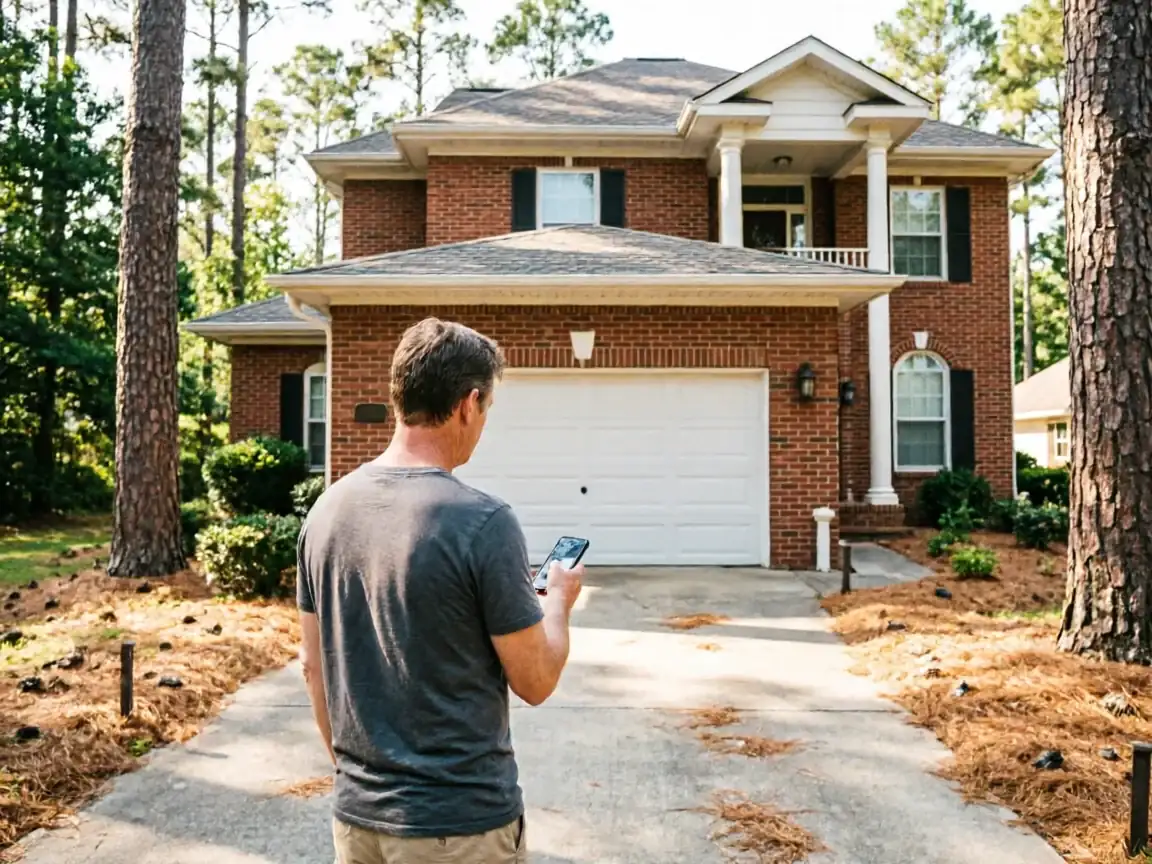
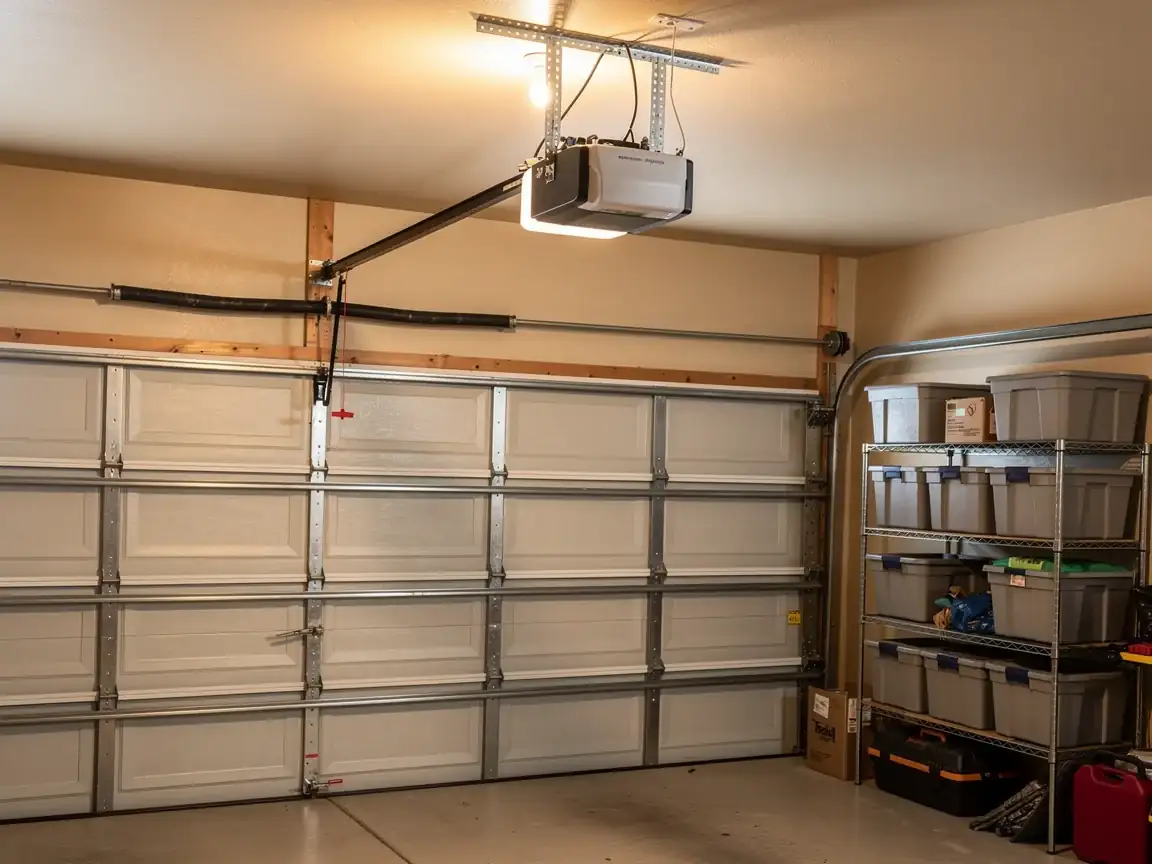
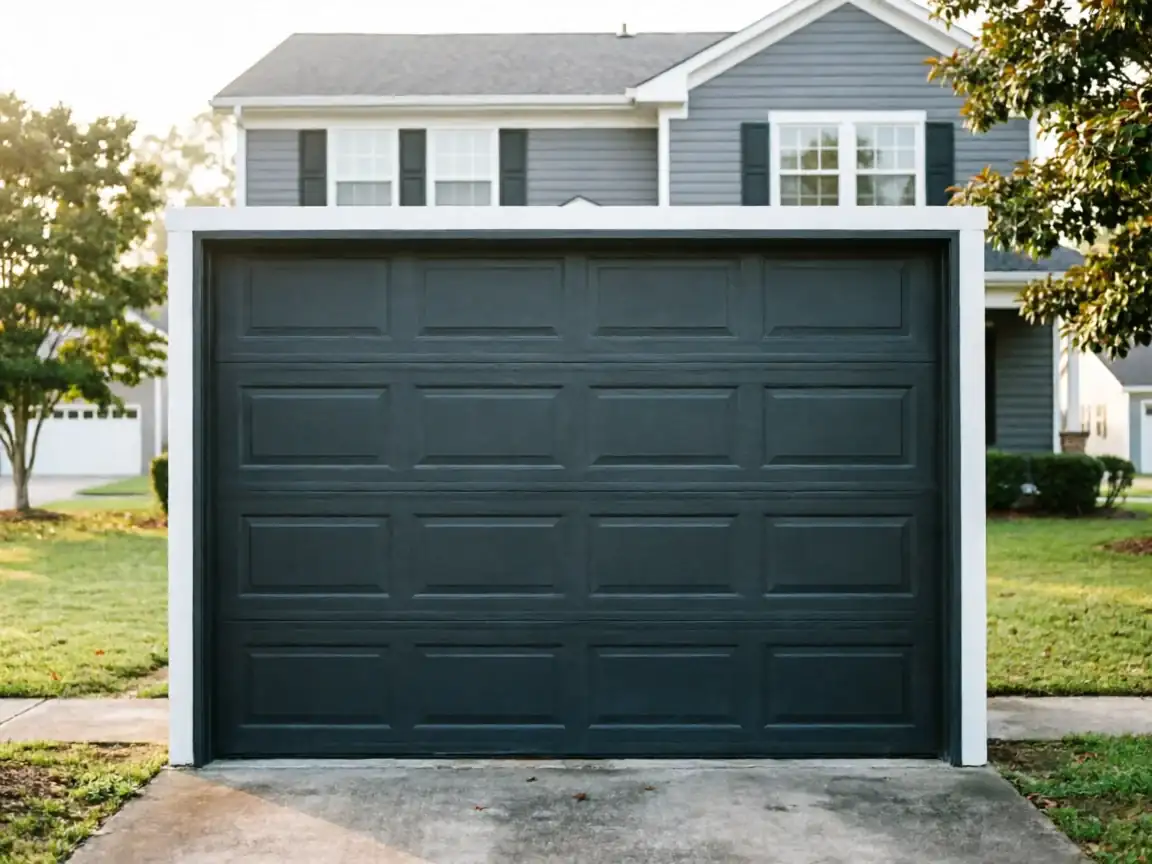
The houses themselves are a different story than most of what we see closer to Newnan. Across the service area, housing generally dates from 1964 to 2005 with a median year of 1994, and a lot of that stock is 1980s-90s construction. Union City's own homes run newer, built around a median year of 2002. That means fewer of the old one-piece doors and worn-out extension springs we find on older torsion hardware, and more newer steel sectional doors with factory openers that are starting to hit the age where circuit boards, safety sensors, and drive gears wear out rather than the door itself.
Our climate band is cold-moderate, which still puts a steel door through a real temperature swing year to year. On newer doors that mostly shows up as panel seam stress and weatherstrip wear rather than the spring failures you see on 30-year-old torsion setups.
Booking a Visit
We run out of Newnan, and Union City is the far edge of our coverage, nineteen miles out. That distance doesn't change what we can fix, but it's worth knowing upfront since we don't keep a branch or a drop point in town. If you need a visit, the fastest path is the Union City page linked below, which routes straight to booking for this address range.
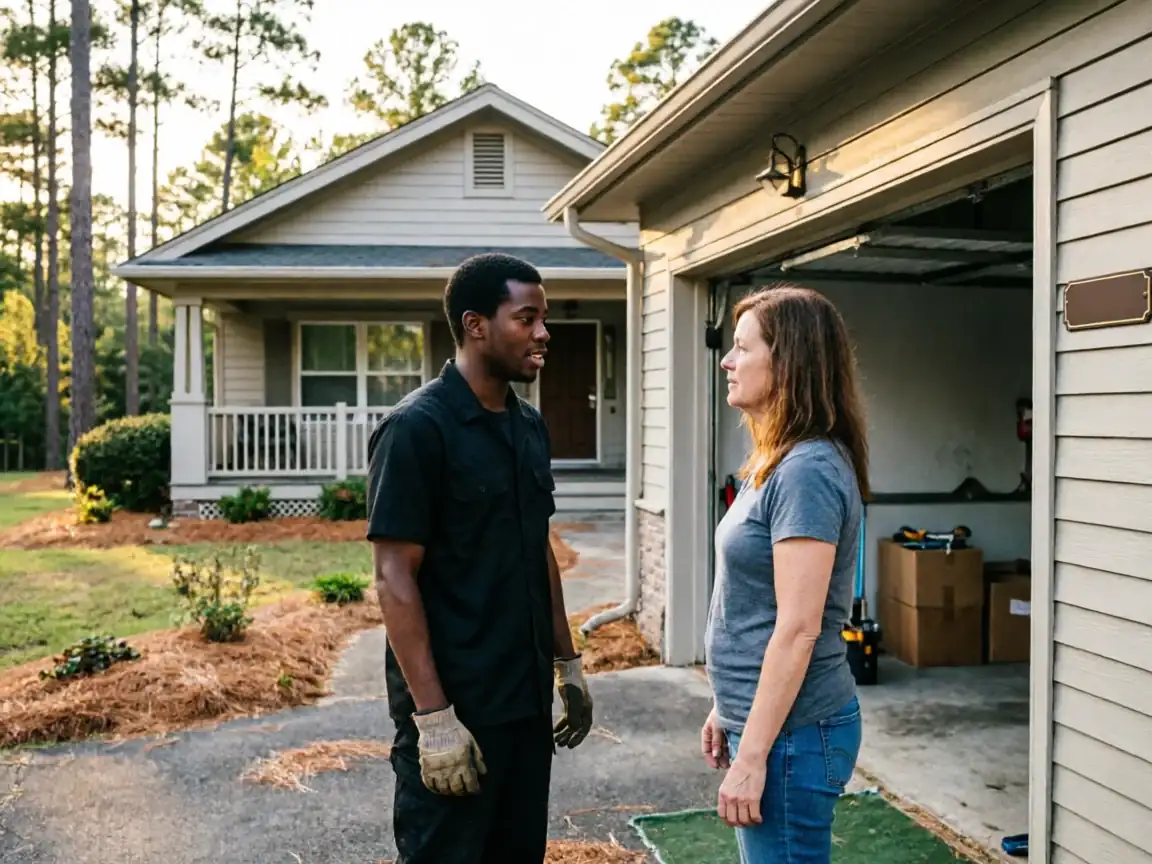
We ask a few questions before we load the truck: age of the door if you know it, whether it's a single or double, and whether the opener is original or already a replacement. On homes built after 2000, we also ask whether the opener has a battery backup, since that's common on newer installs and changes which part we pull first. None of this is a guess - it's how we decide what rides on the truck so the first trip is the only trip.
How Long You Are Without the Door
Because every job here starts with a drive from Newnan
We're upfront that we don't promise a same-day window for Union City the way we might for addresses closer in. The honest answer is that travel time is part of the wait, and we'd rather tell you that now than after you've rearranged your afternoon.
Once we're on-site, most single-door repairs
A broken spring, a bad sensor, a stripped opener gear - run in the same range you'd expect anywhere: an hour or two once we're actually working. What stretches the timeline isn't the repair, it's parts. A standard torsion spring or a common safety sensor we carry. A specific circuit board for a less common opener brand, or a panel that has to be special-ordered to match an existing door, can take longer, and that's the one limitation worth saying plainly: we don't stock every opener board for every brand, and a mismatched panel order isn't something we can rush.
What Is on the Truck
For the newer stock that makes up most of Union City - doors and openers installed from the early 2000s on - the truck carries the parts that actually fail on that generation of hardware: safety sensor pairs, drive gears and sprockets for chain and belt openers, standard torsion springs sized for a typical sectional door, and weatherstrip and seal kits sized for steel panel doors.
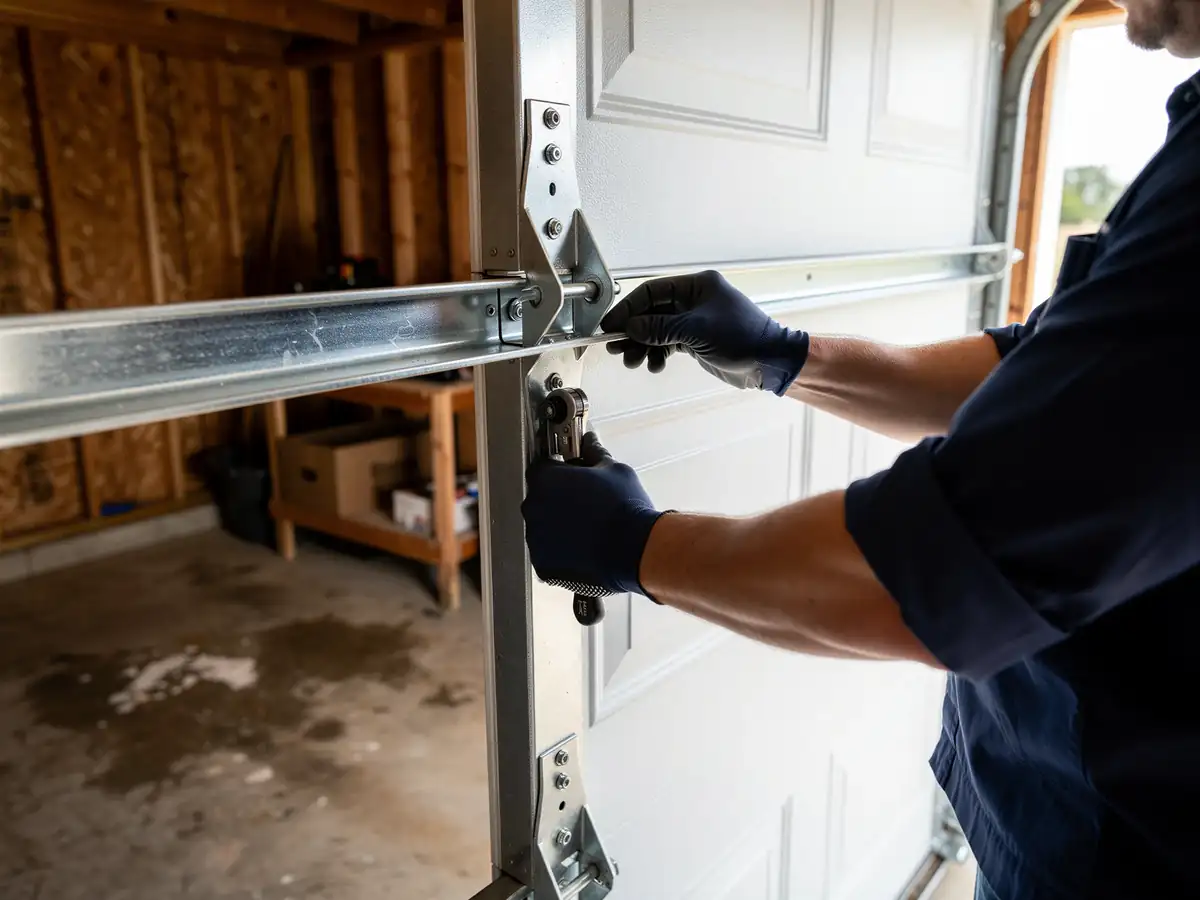
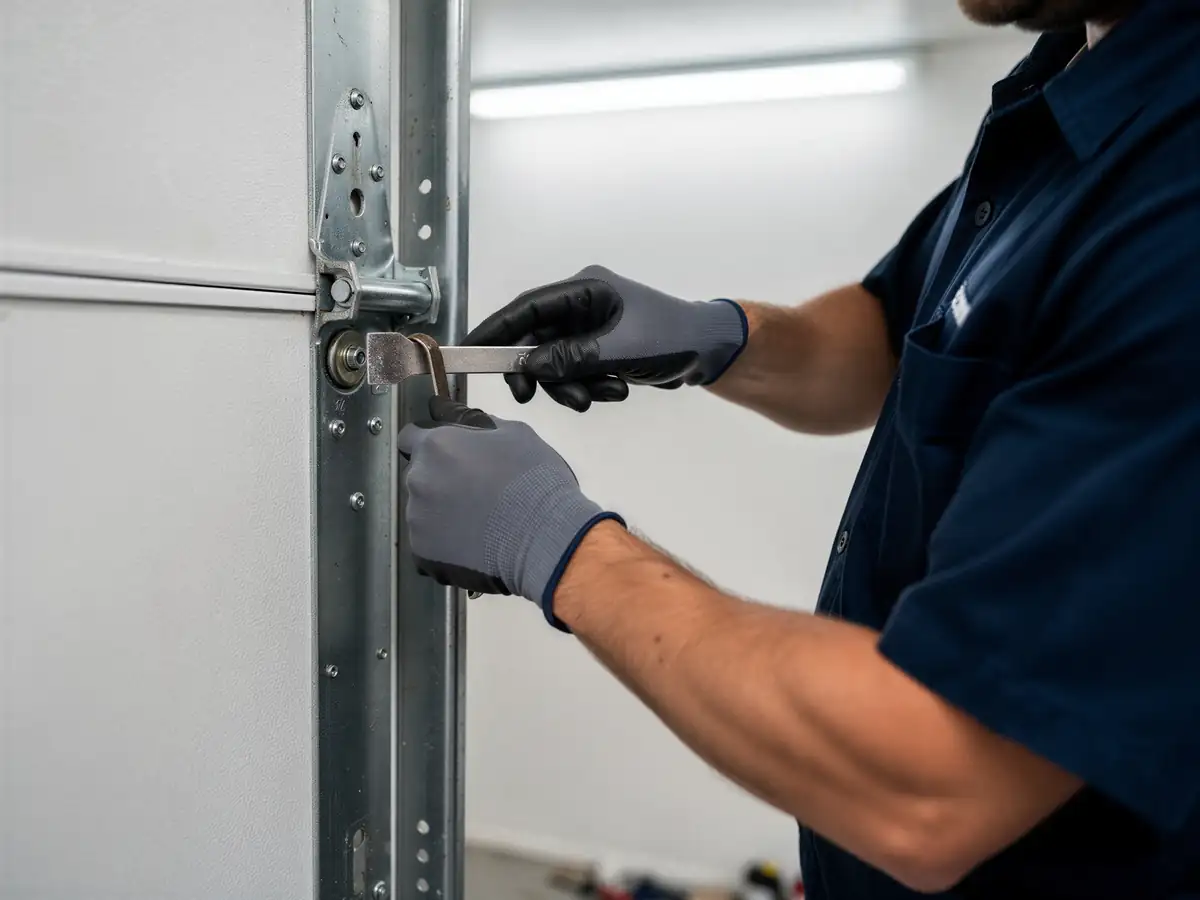
We also carry the basics that apply no matter the house's age: rollers, hinges, cables, and the hardware to reset track alignment after a door's been knocked off its rails. What we don't load as standard stock is anything proprietary to a single opener manufacturer's newest smart-home model, or a panel style that isn't common on homes in this build era - those get ordered once we've confirmed exactly what's on your door, which is part of why the first visit often includes a diagnosis before a second trip with the part.
What the Fix Involves
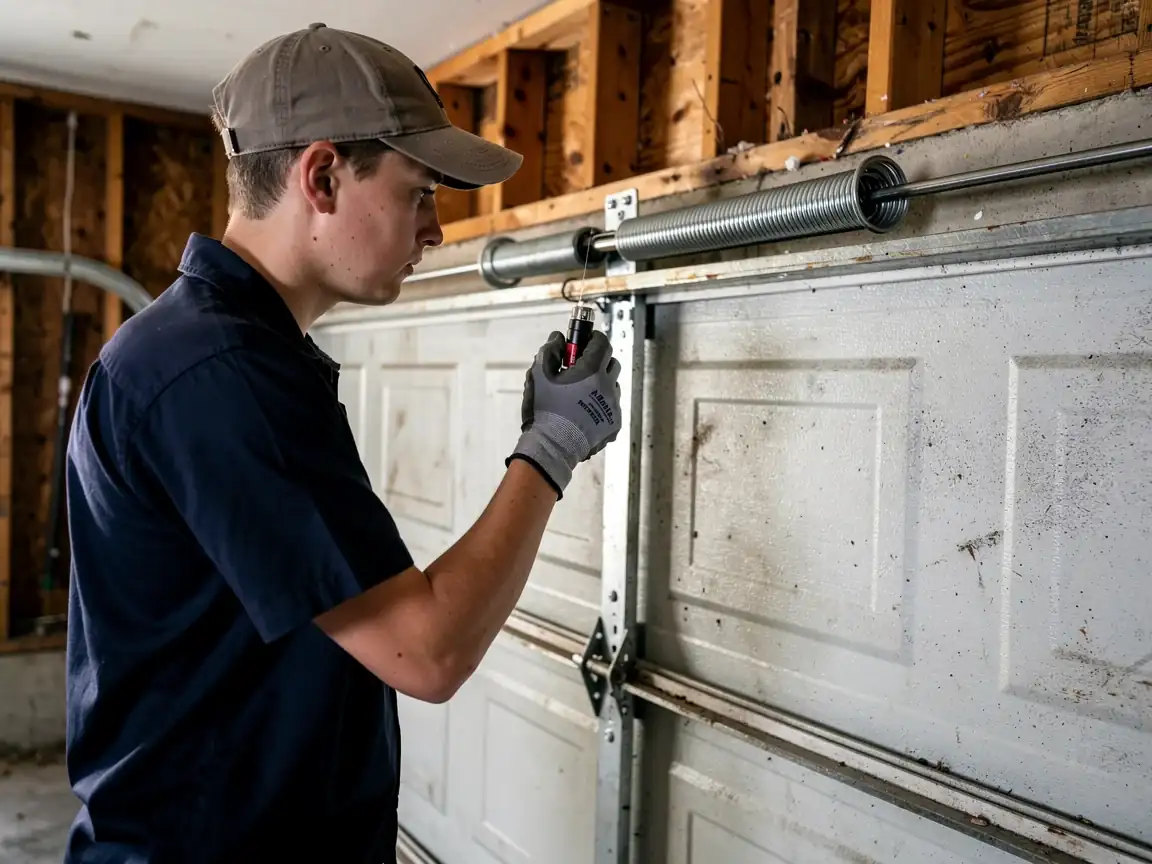
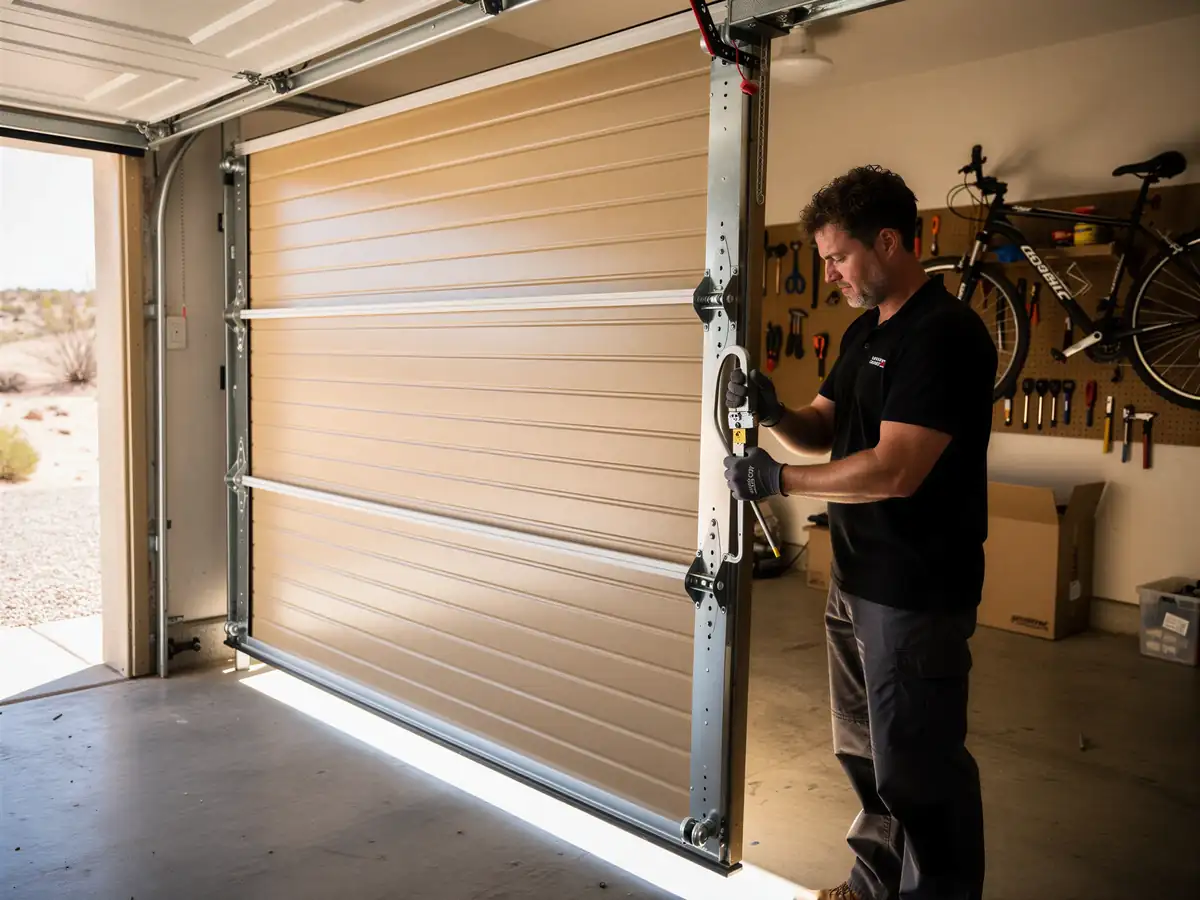
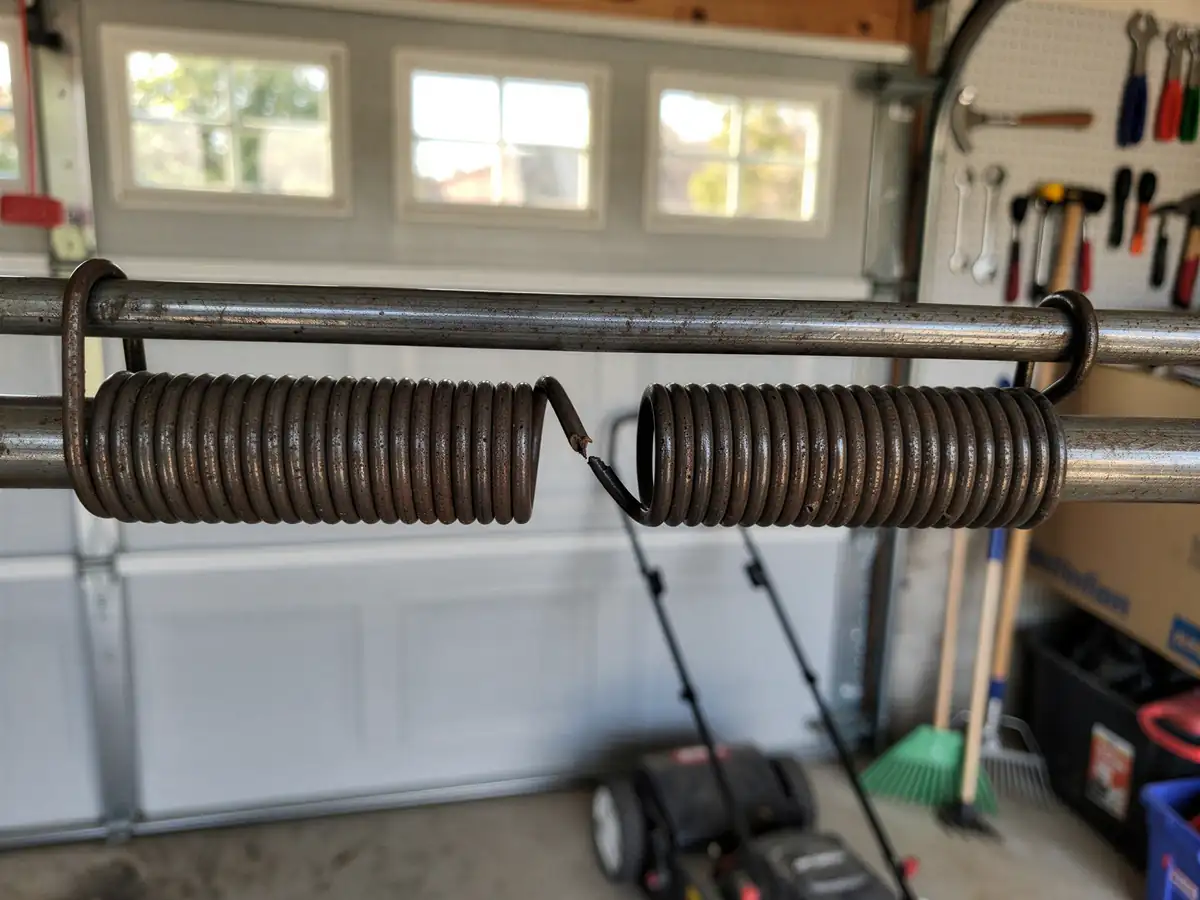
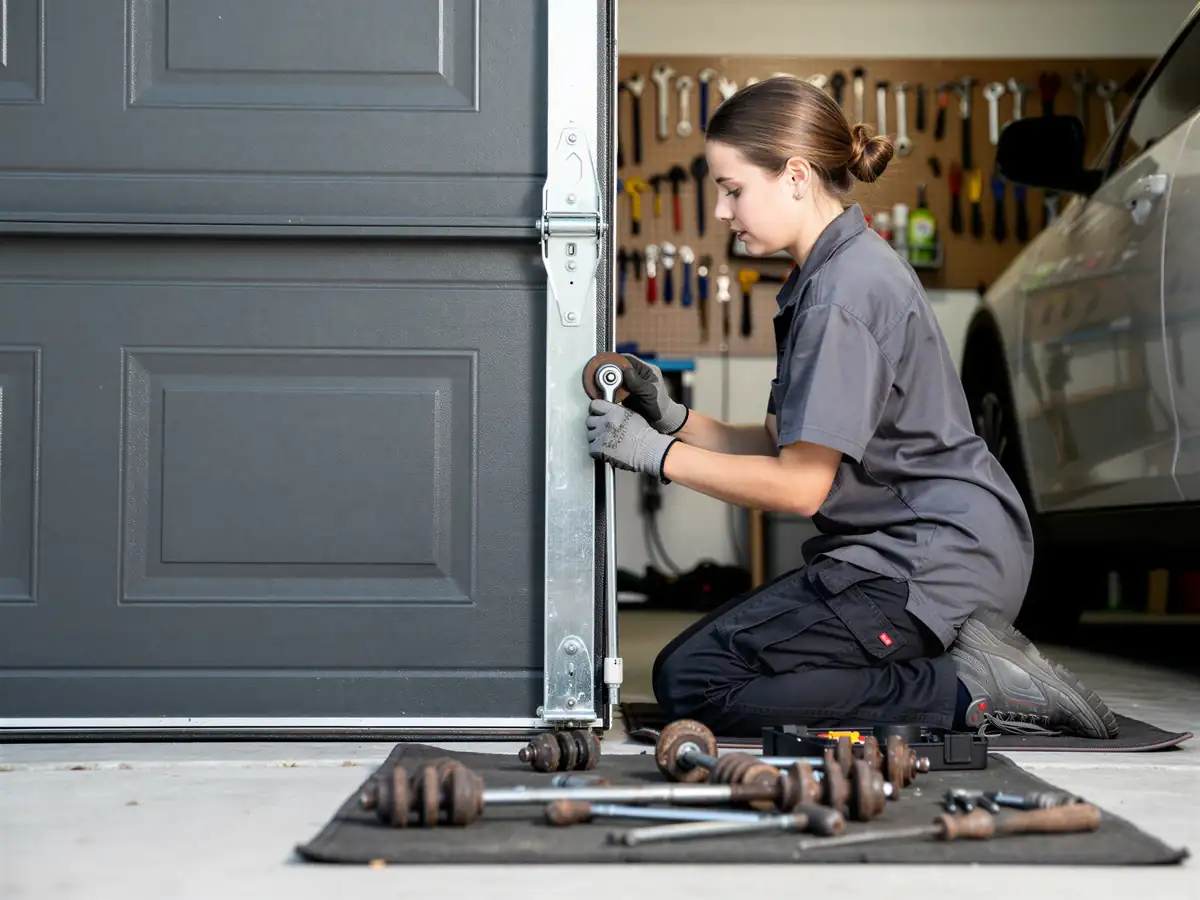
A broken spring on a standard sectional door is a same-visit job: we remove the old spring, size and install a matching replacement, and balance the door so the opener isn't doing extra work against gravity. That balance step matters more on newer doors, since a lot of them run lighter-gauge steel than older stock, and an unbalanced door burns out opener gears faster.
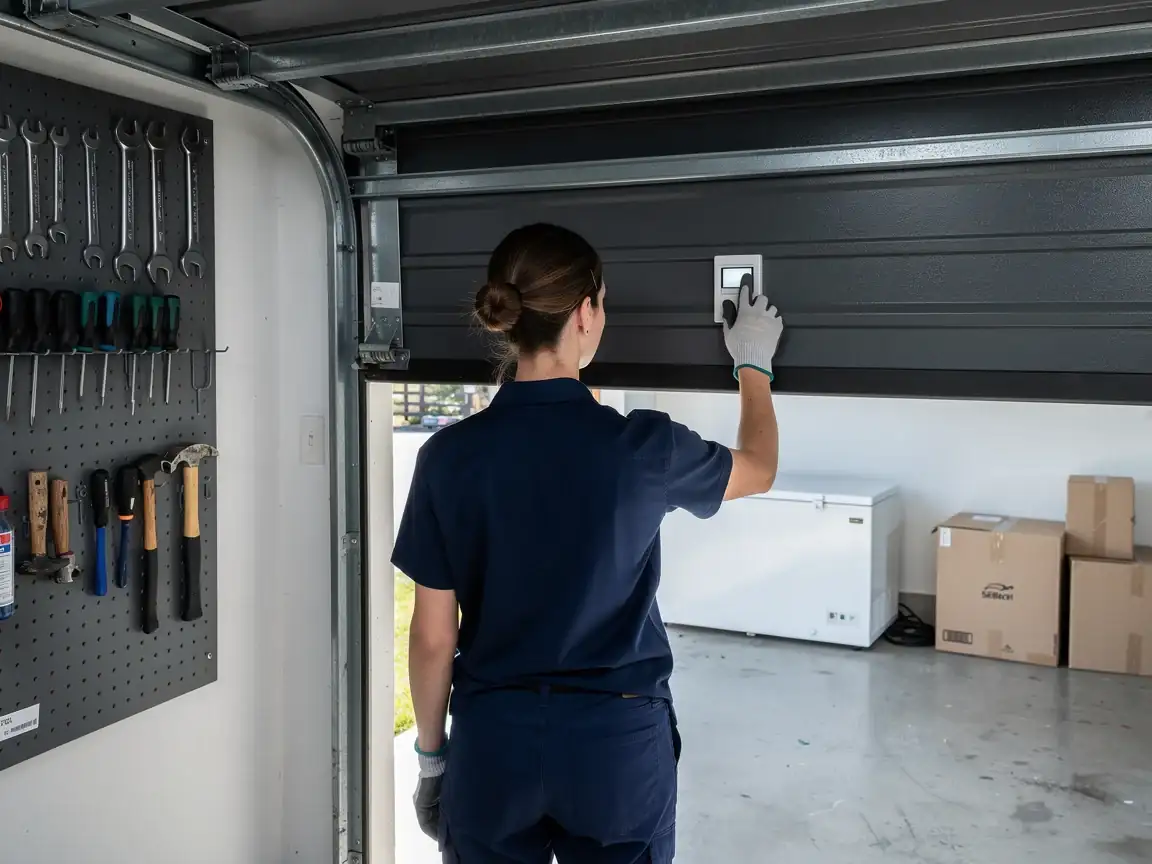
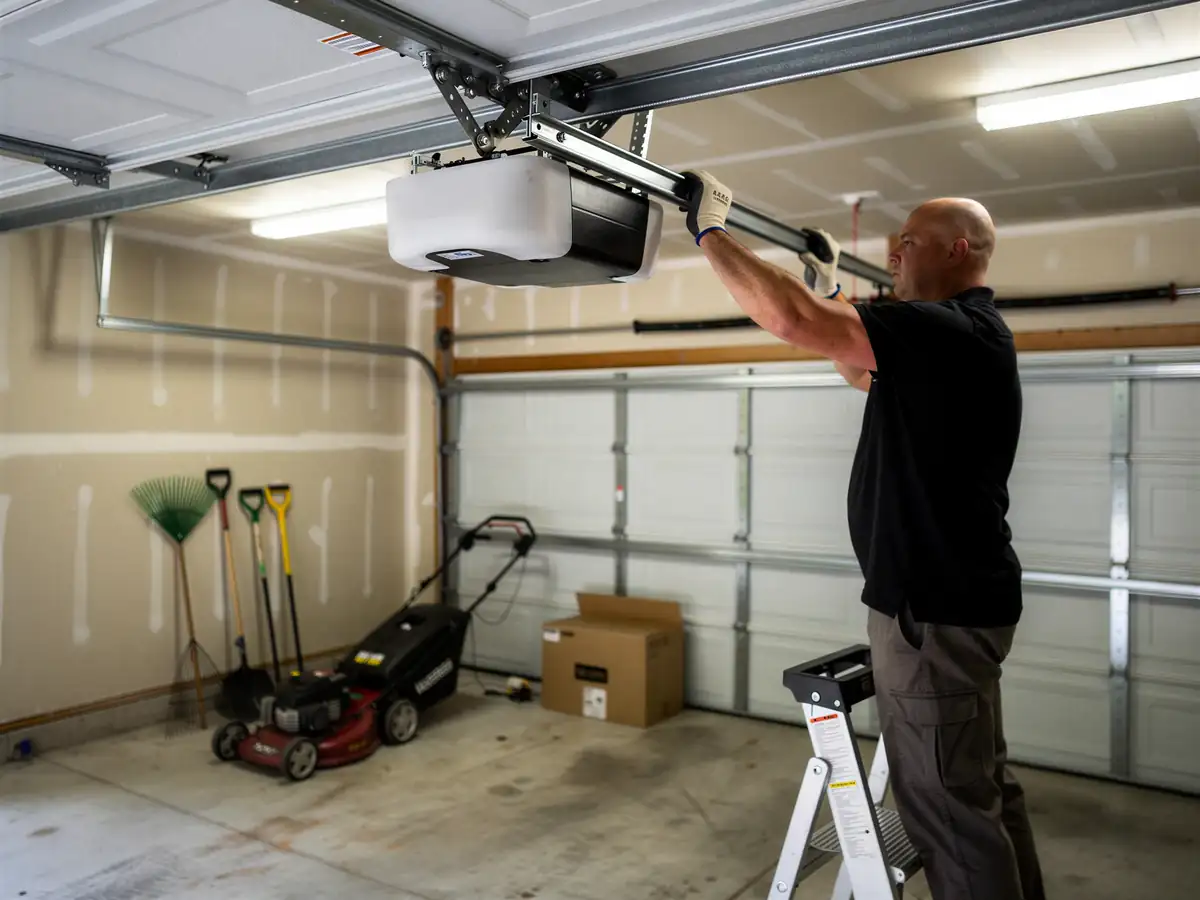
Opener issues on homes built after 2000 are usually a sensor, a logic board, or a worn drive component rather than the motor itself - these openers are generally newer than what we see on 1990s stock, so full motor replacement is less common here. When a repair and a full door replacement both make sense on paper, we lay out both costs honestly rather than defaulting to the bigger job, especially given the income gap noted above - a repair that buys five more years is often the right call, not a compromise.