Why It Happens Here
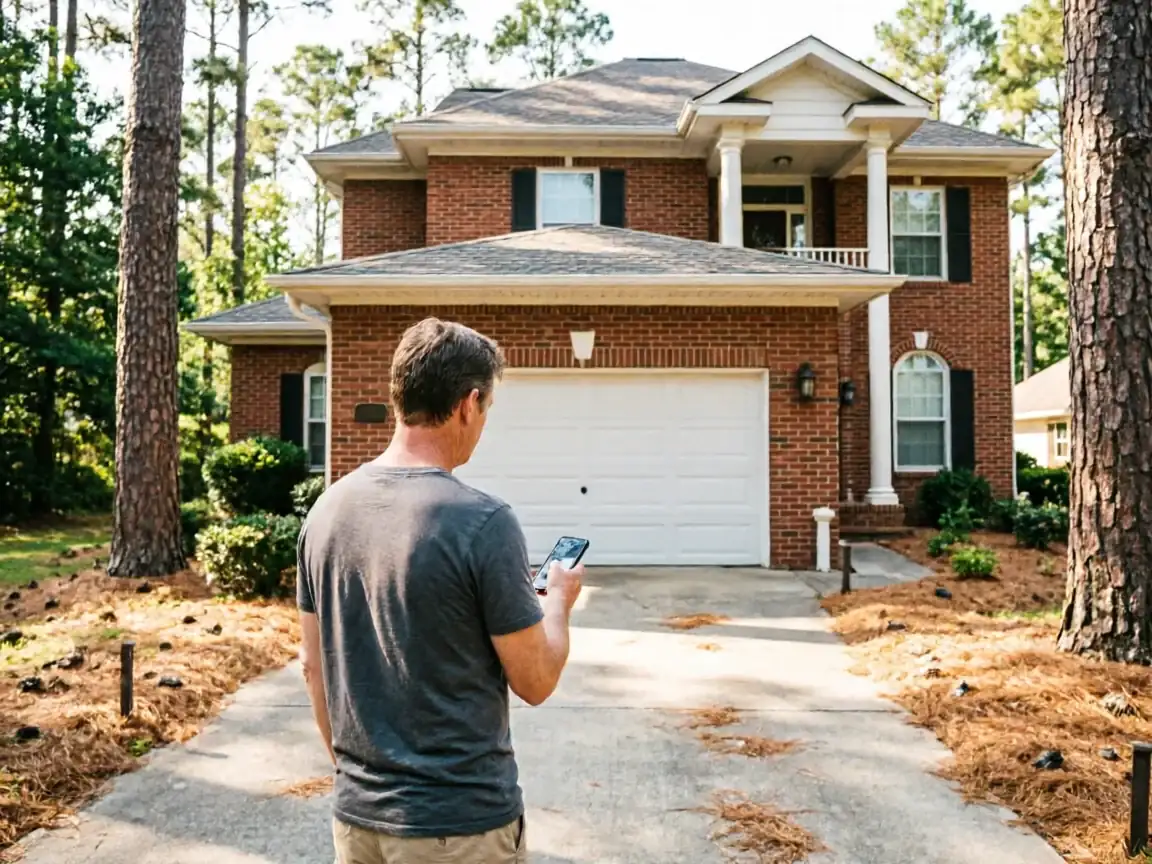
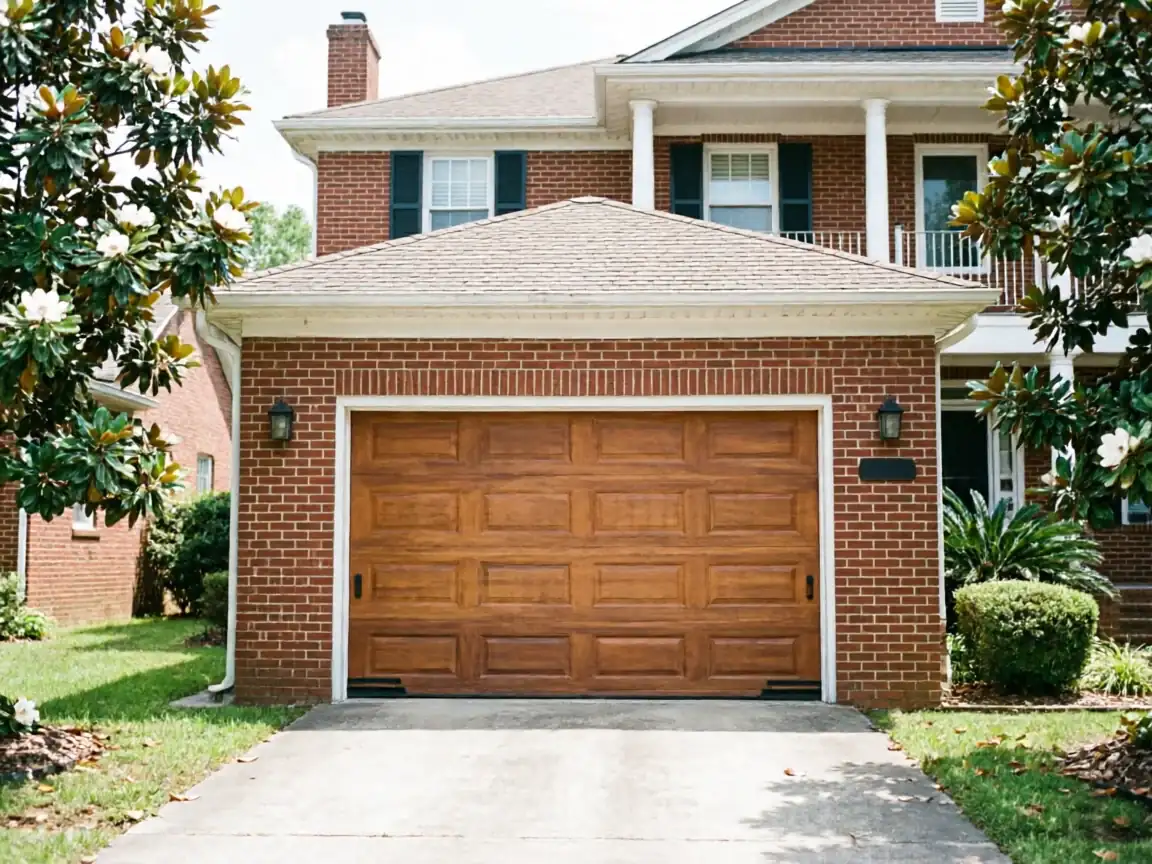
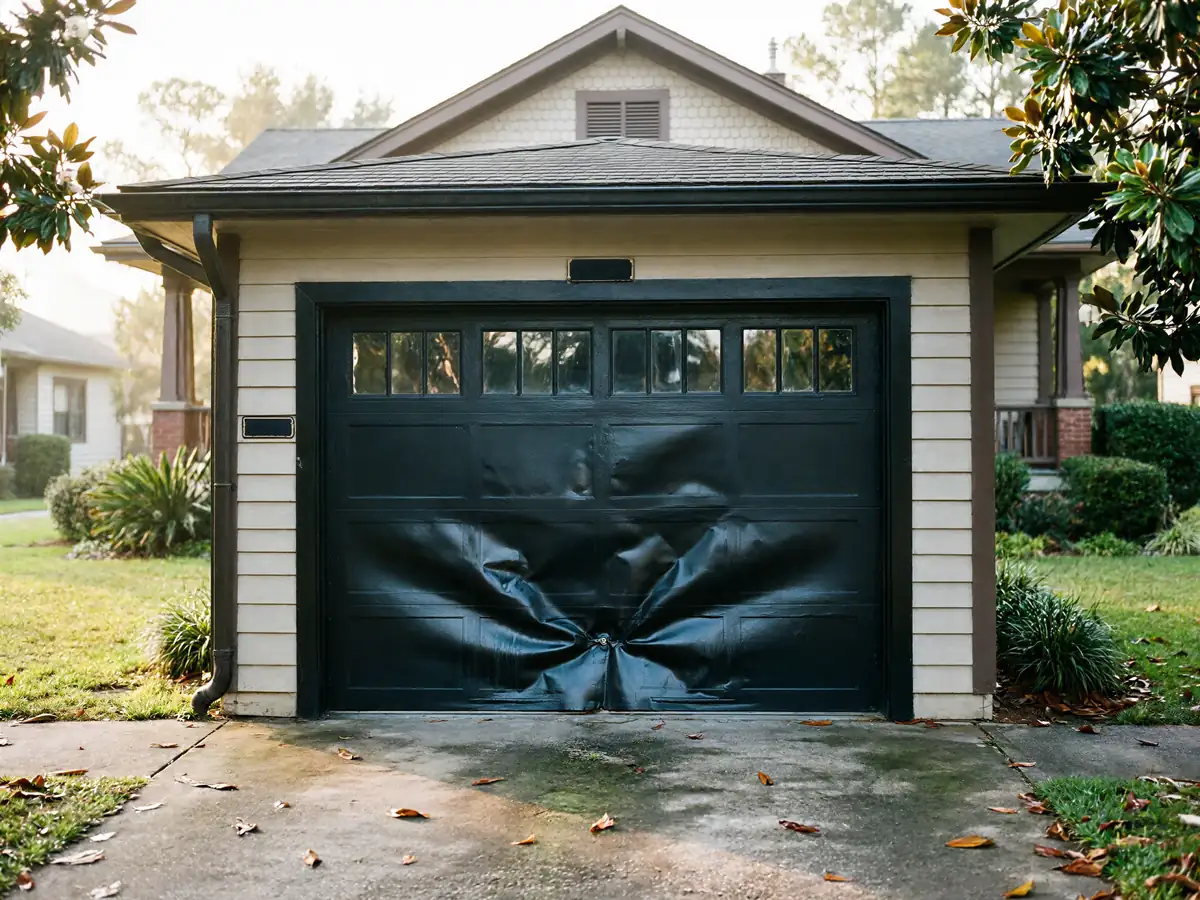
Union City's housing stock centers on a median build year of 2002, which tells you exactly what kind of roller is riding in most of these tracks. Builders in that stretch favored steel rollers with plastic stems - cheap to install, fine for the first decade, and then the stem starts to crack right where it meets the wheel. You hear it before you see it: a rhythmic clunk every few feet as the door travels, worse in the cold months when the plastic gets brittle. The region sits in a cold-moderate climate band, and that seasonal temperature swing is part of what finishes off a stem that's already fatigued. With roughly 11,533 households in this part of the service area, a lot of doors hit that same age-related failure point around the same years, which is why we see the pattern repeat house after house rather than as one-off bad luck. It's not a defect specific to any builder - it's just what a plastic-stem roller does once it's put in twenty-plus years of daily cycles. The fix is straightforward, but ignoring the clunk long enough lets the worn roller chew up the track edge, which turns a roller job into a track job.
Booking a Visit
We run this job out of Newnan, about 19 miles from Union City, so we schedule roller work here as a routine visit rather than a same-day emergency stop - plan for a booked appointment, not a walk-up call. When you call, tell us whether the door is still moving (just loud or rough) or whether it's jammed, since that changes what we bring. Median household income in this part of the service area runs near $47,635, and most roller jobs land well within what a household budgets for a maintenance repair rather than a full door replacement, so this is usually the cheaper problem to have. We'll ask the age of the door and whether it's ever had rollers swapped before - on a 2002-era door, if nobody's touched the rollers yet, that's a useful data point for diagnosing wear across the whole track, not just the noisy section.
What Is on the Truck
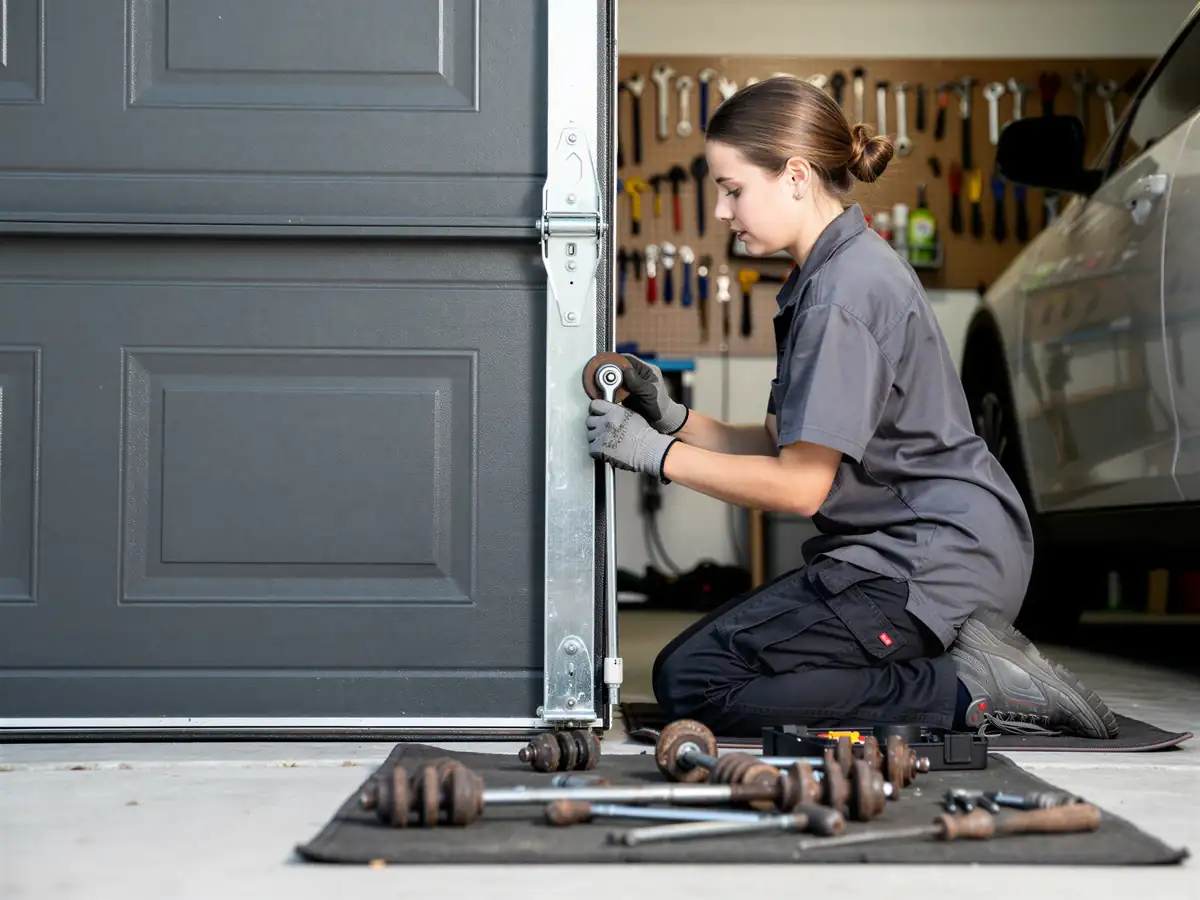
For a service area built mostly in the 1980s through 2000s, we stock nylon rollers with sealed ball bearings as the standard swap-in for the steel-and-plastic originals - quieter, and they don't crack the way the builder-grade stems do over time. We carry them in the common stem lengths and bracket widths that match doors from this build era, along with replacement roller brackets for when the original bracket has worn its mounting holes oval from years of a loose roller pulling sideways. We also bring track-straightening tools, since a cracked roller running for months usually leaves a dent or a kink where it's been scraping, and swapping the roller alone won't fix that. What we don't carry on every truck is every obscure bracket style - if your door used a non-standard setup, see the limitation above.
What the Fix Involves
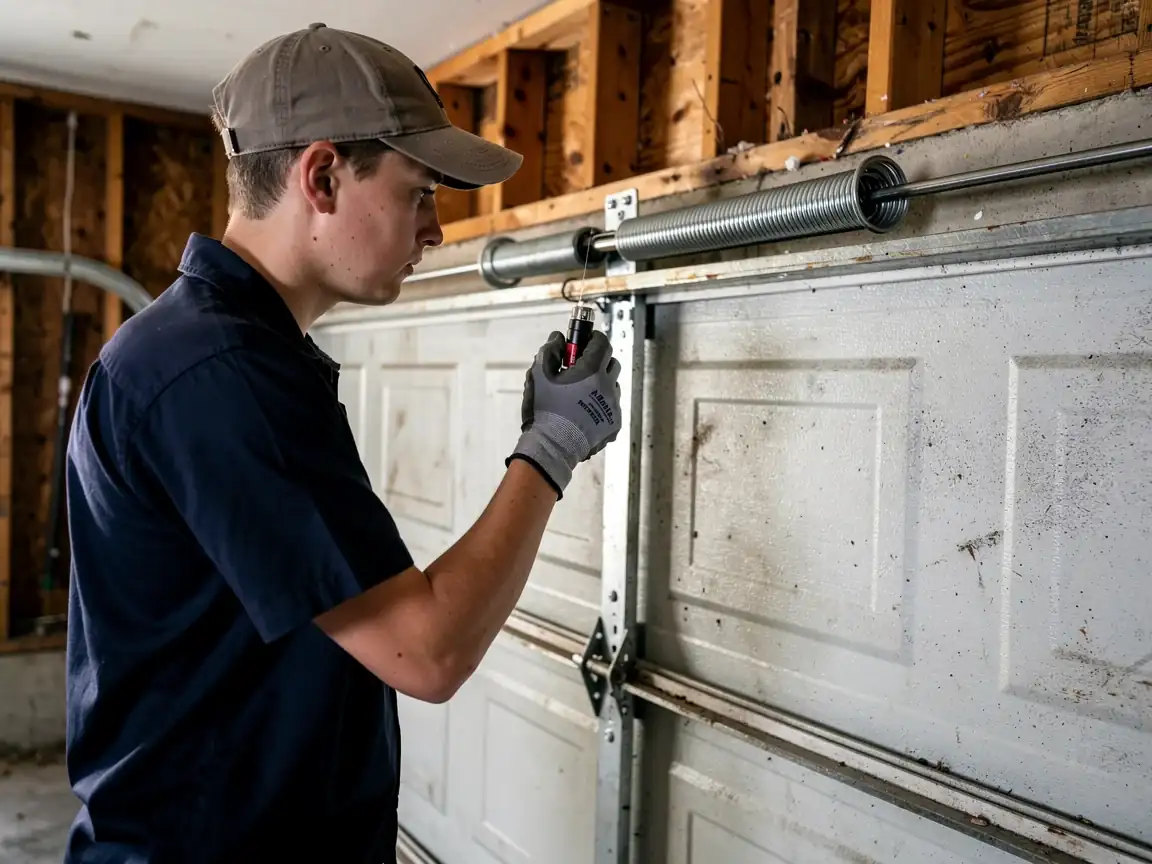
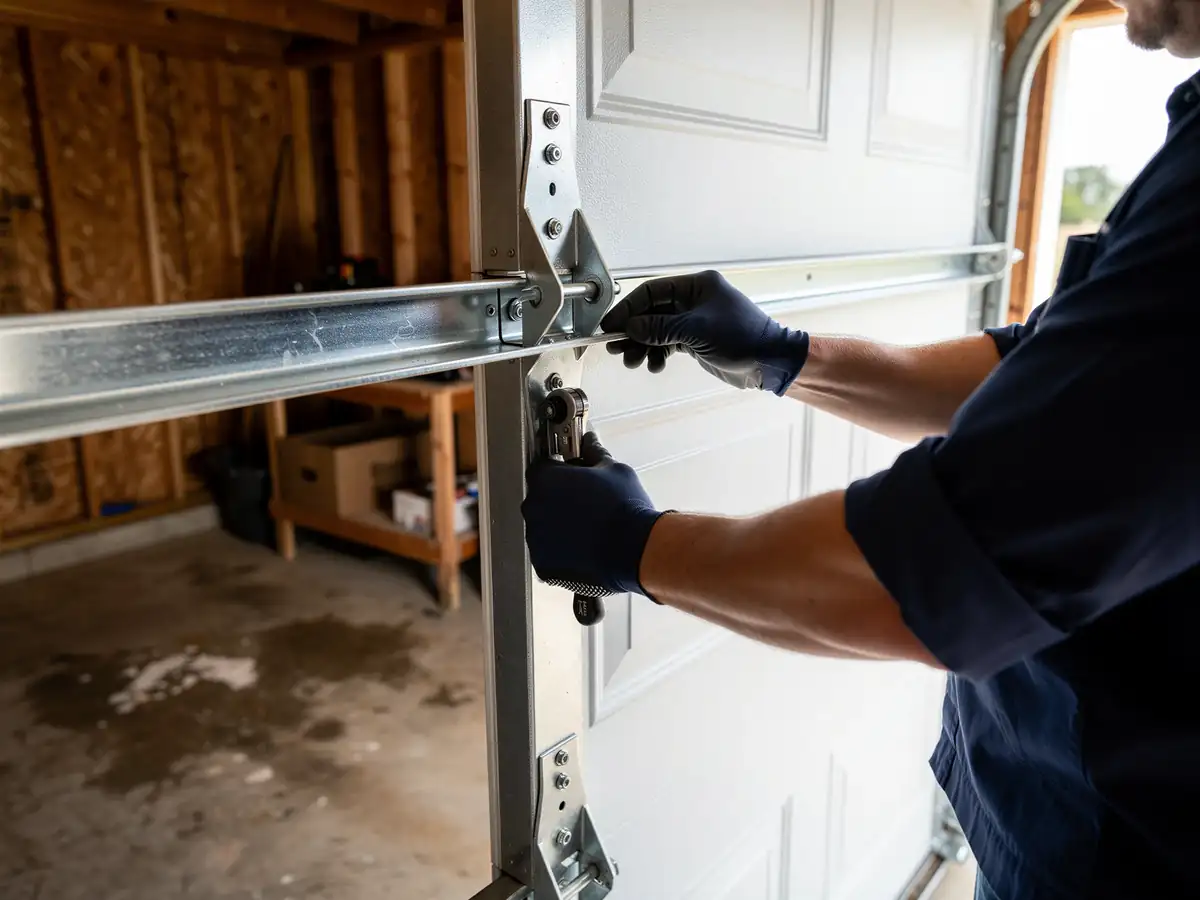
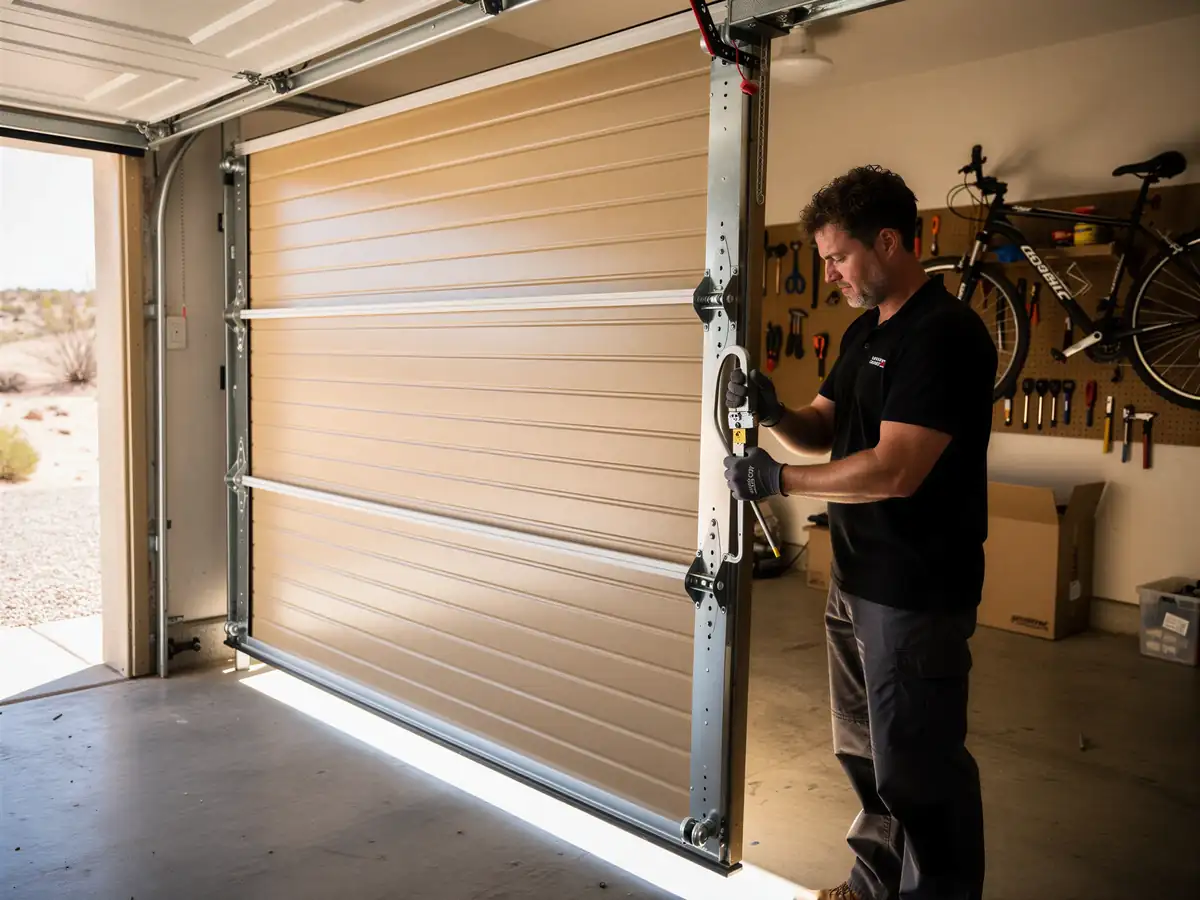
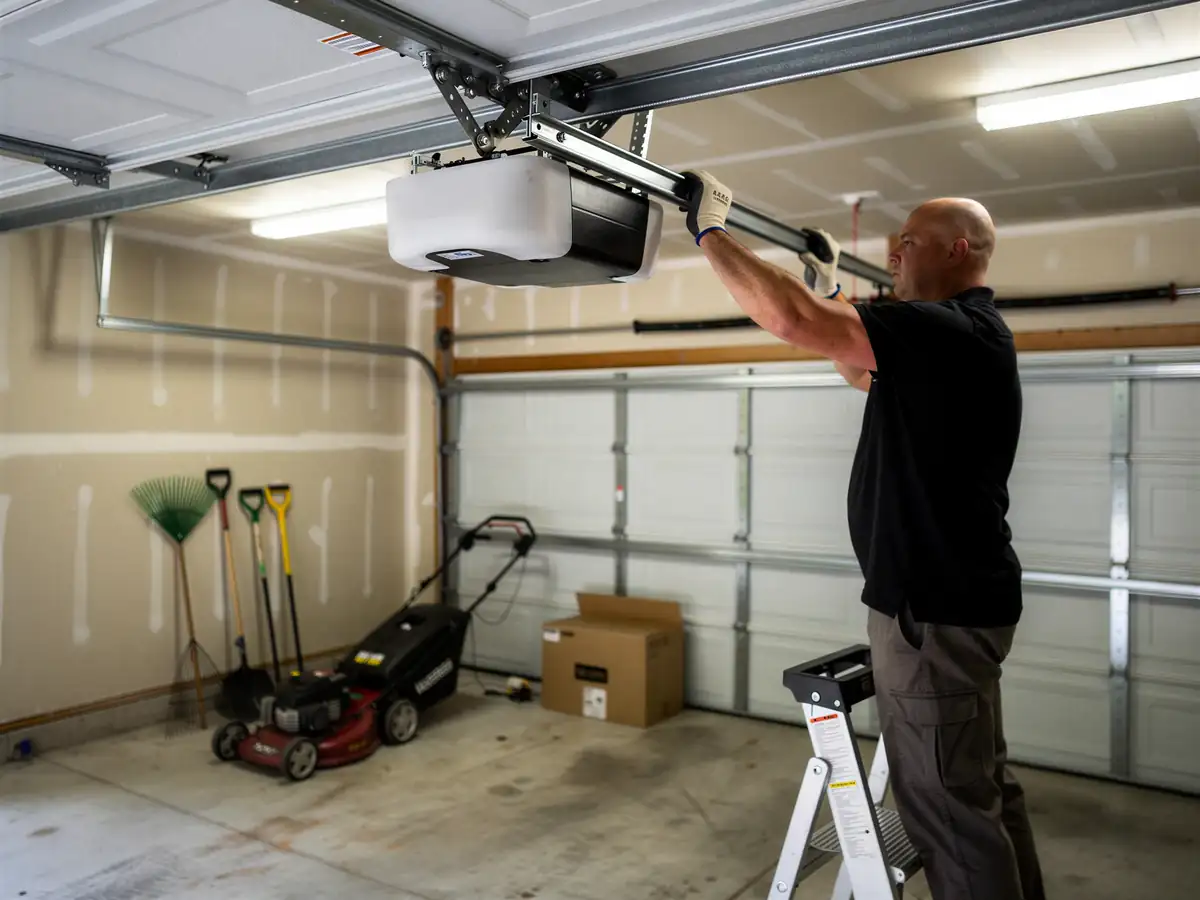
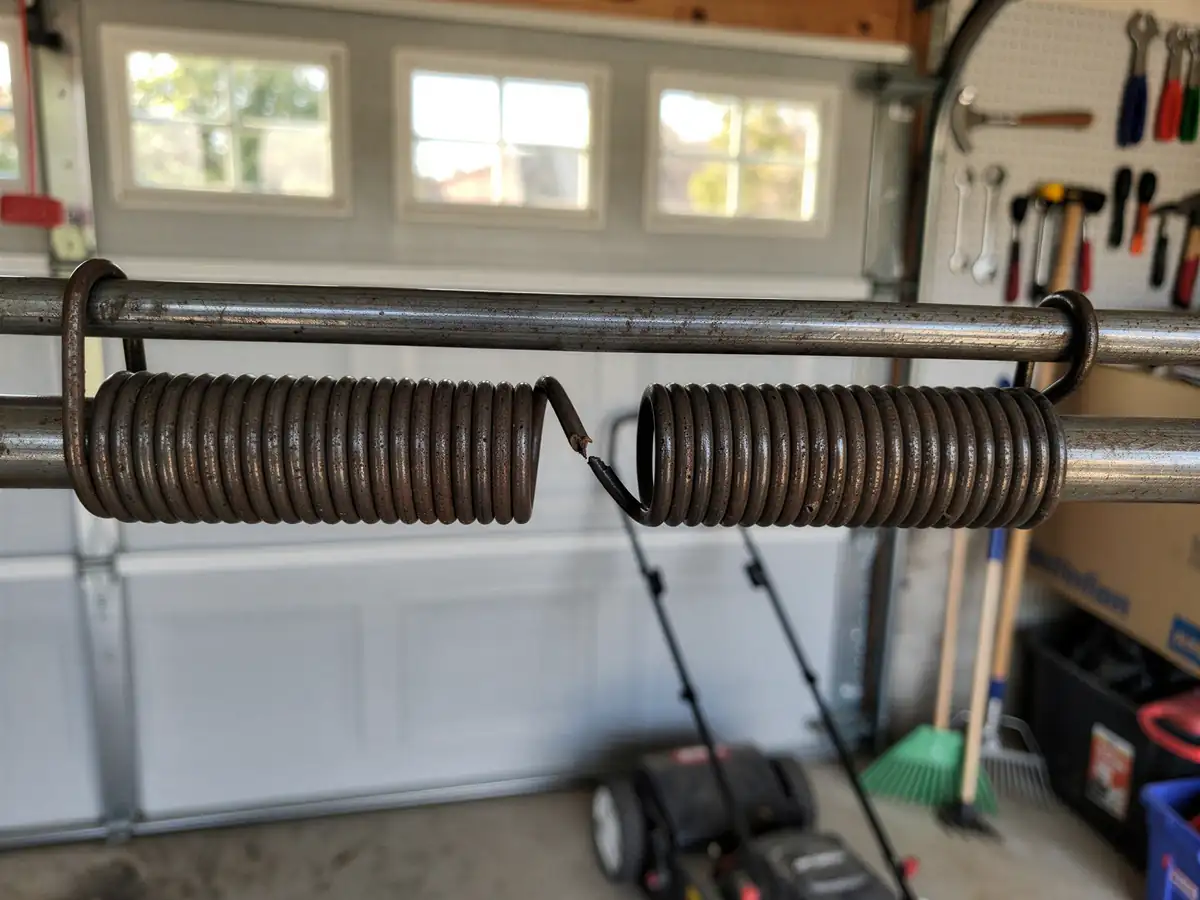
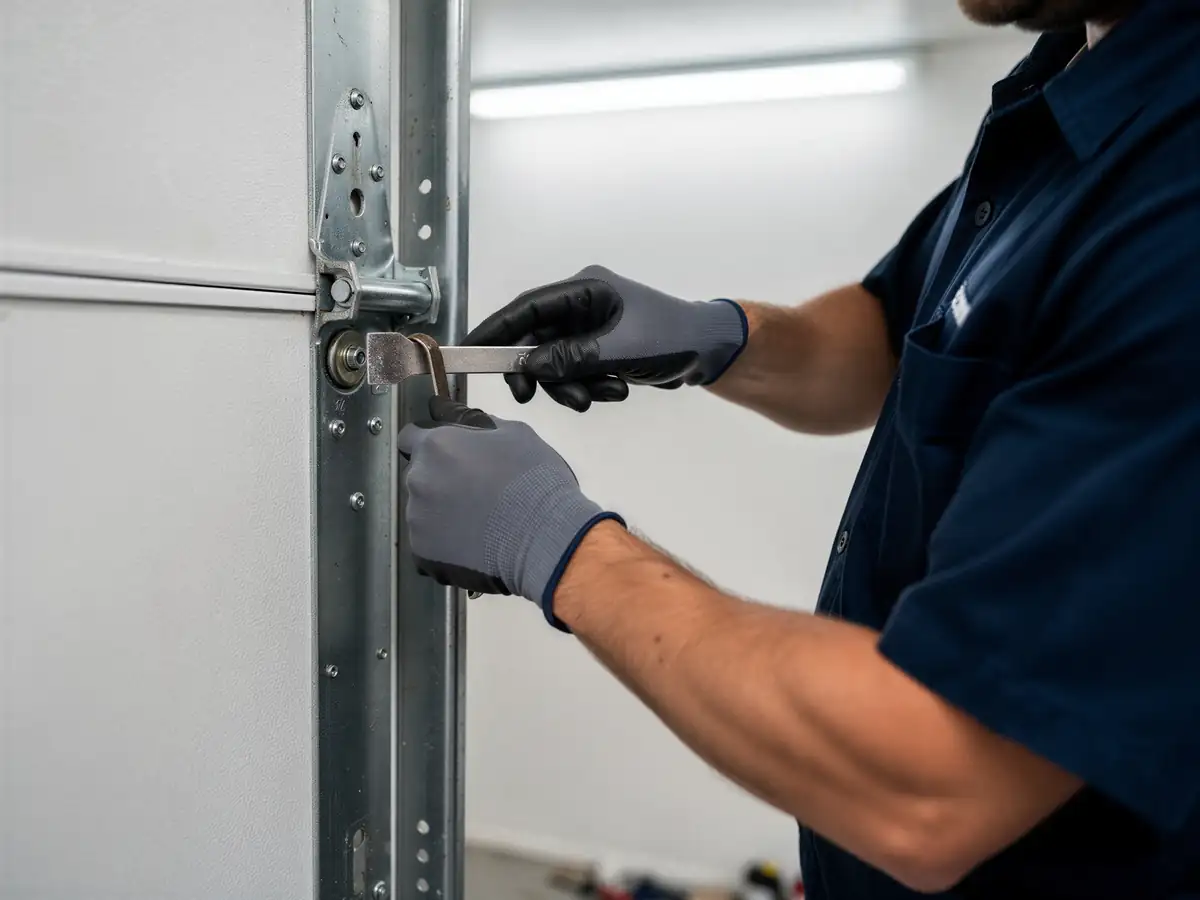
We take the door down to one panel at a time, pull the old roller out of the bracket, inspect the stem for the telltale crack line, and set the new nylon roller in place before moving to the next panel. While we're in there we check the track alignment on both sides, since a worn roller running off-true for a while almost always leaves a slight bow or a rough spot that needs working out with the track still mounted. We also check the cables and the spring while the door's apart, not because every roller job needs spring work, but because a door that's been rattling on bad rollers for months puts extra strain on everything else and it's worth a look before we close the job out. If the door is old enough and far enough gone that rollers alone won't quiet it down, we'll say so rather than keep swapping parts on a door that's better off replaced.