Can You Do This Yourself
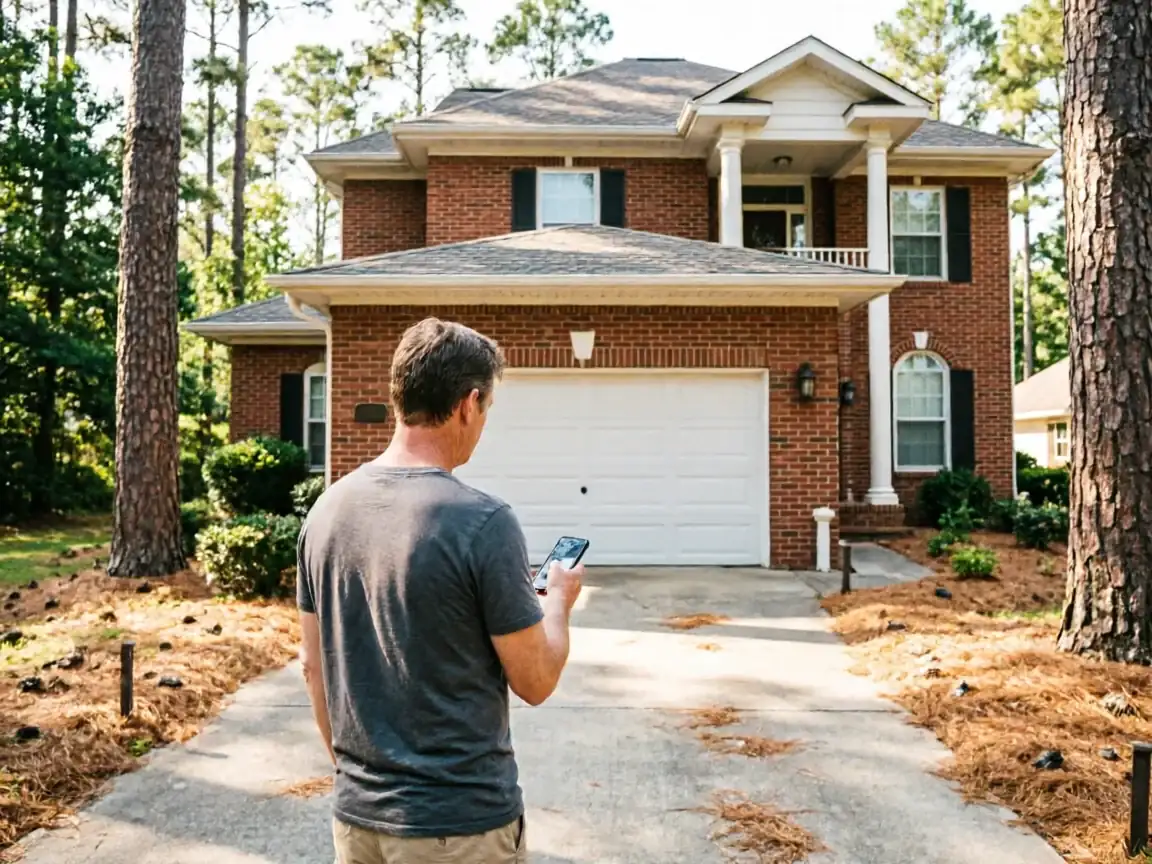
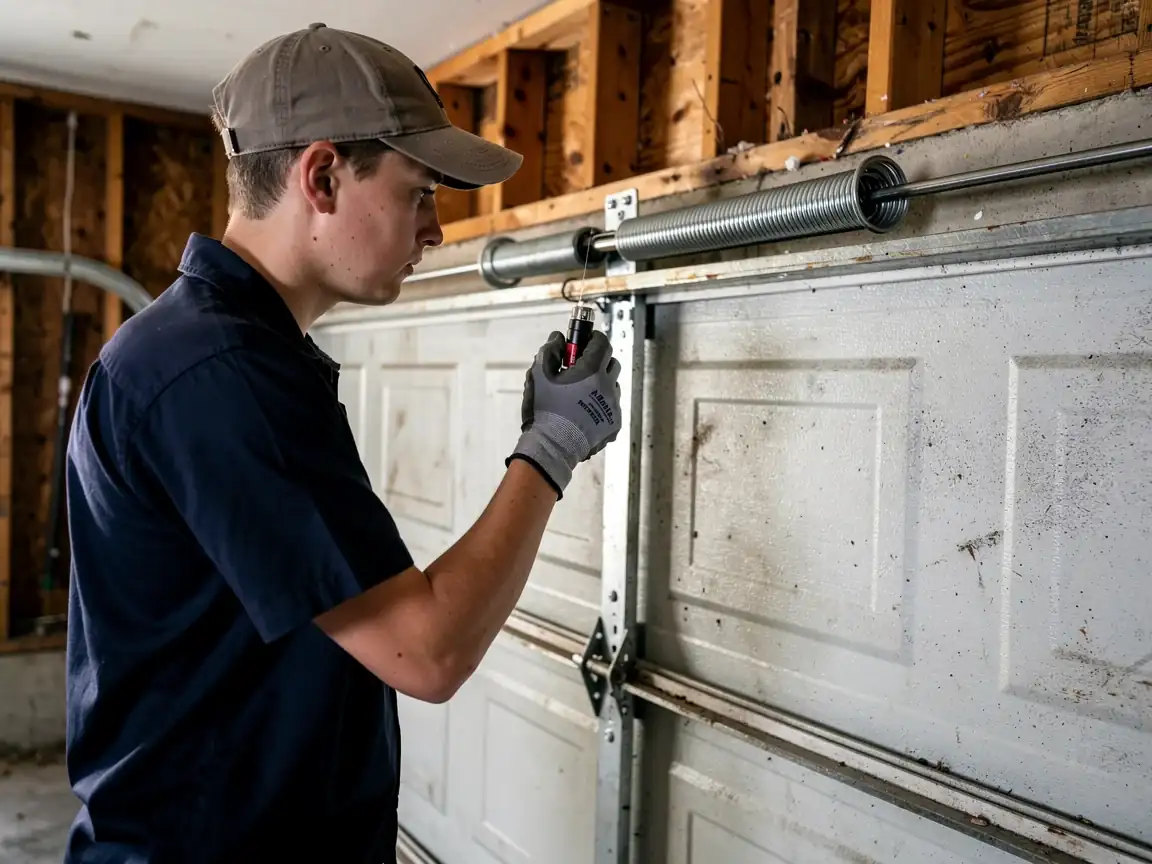
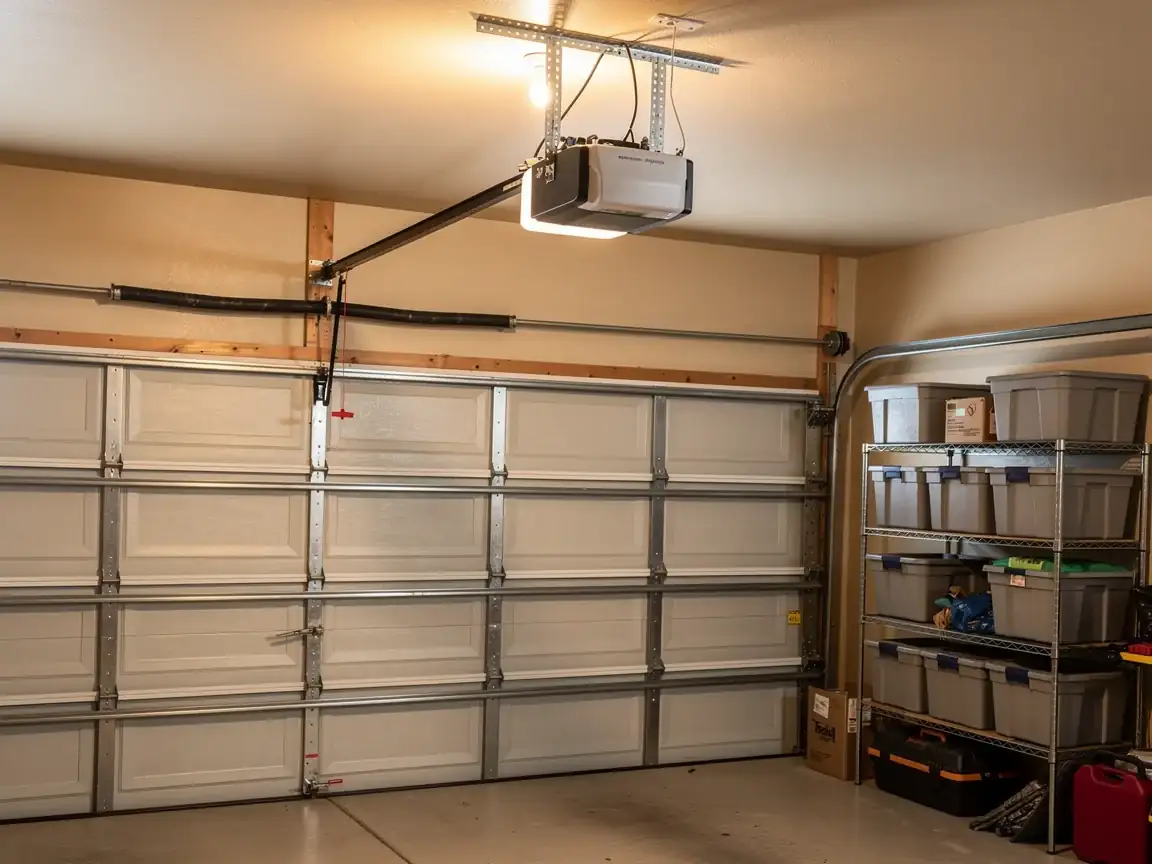
A lot of the doors in Hogansville went up around 1974, which puts them well ahead of the newer construction you'll find closer to Newnan, where the area's housing runs 1964 to 2005 with a median closer to 1994. That matters because a door from the mid-70s was very likely built with extension springs mounted along the horizontal tracks, not the torsion bar setup that became standard later. Extension springs without a containment cable can whip loose under tension, and that's not a safe DIY repair. You can handle some things yourself: tightening loose hinges, lubricating rollers, clearing a track of debris, or replacing a worn weatherstrip along the bottom. What you shouldn't touch is anything under spring tension, a bent track that's pulling off its brackets, or an opener that's grinding instead of running smooth. If the door is original to a 1970s build and nobody's touched the hardware since, assume it's past the point where a YouTube fix is worth the risk.
Booking a Visit
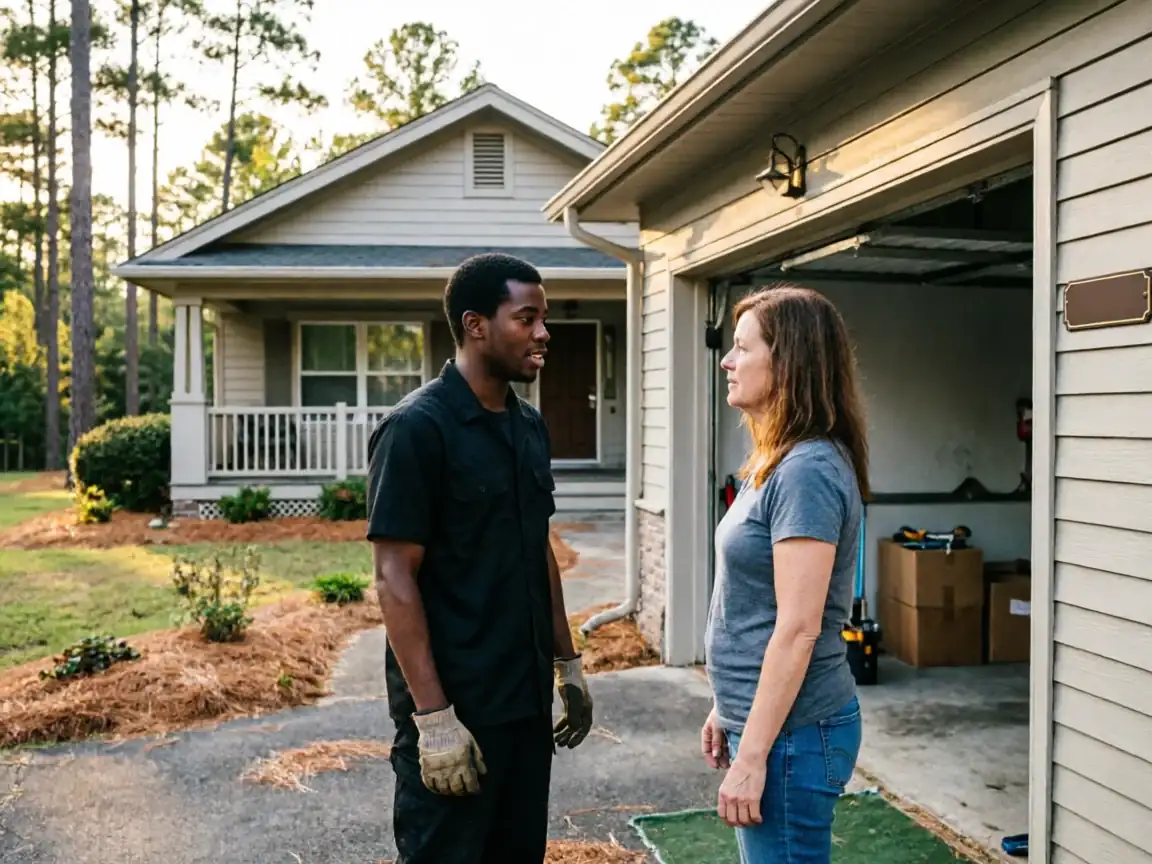
We work out of Newnan, and Hogansville sits about 16 miles out. That's a real drive, not a quick trip around the corner, so we ask for a decent description of the problem when you call - is the door stuck halfway, did you hear a bang, is the opener running but the door not moving. That lets us bring the right spring size or opener part on the truck instead of making a second trip. We don't keep a branch in Hogansville, so we're not able to quote a same-hour response the way we might for a job minutes from our shop. What we can do is schedule around your day and come prepared for what a house built in that era typically needs.
The Symptom
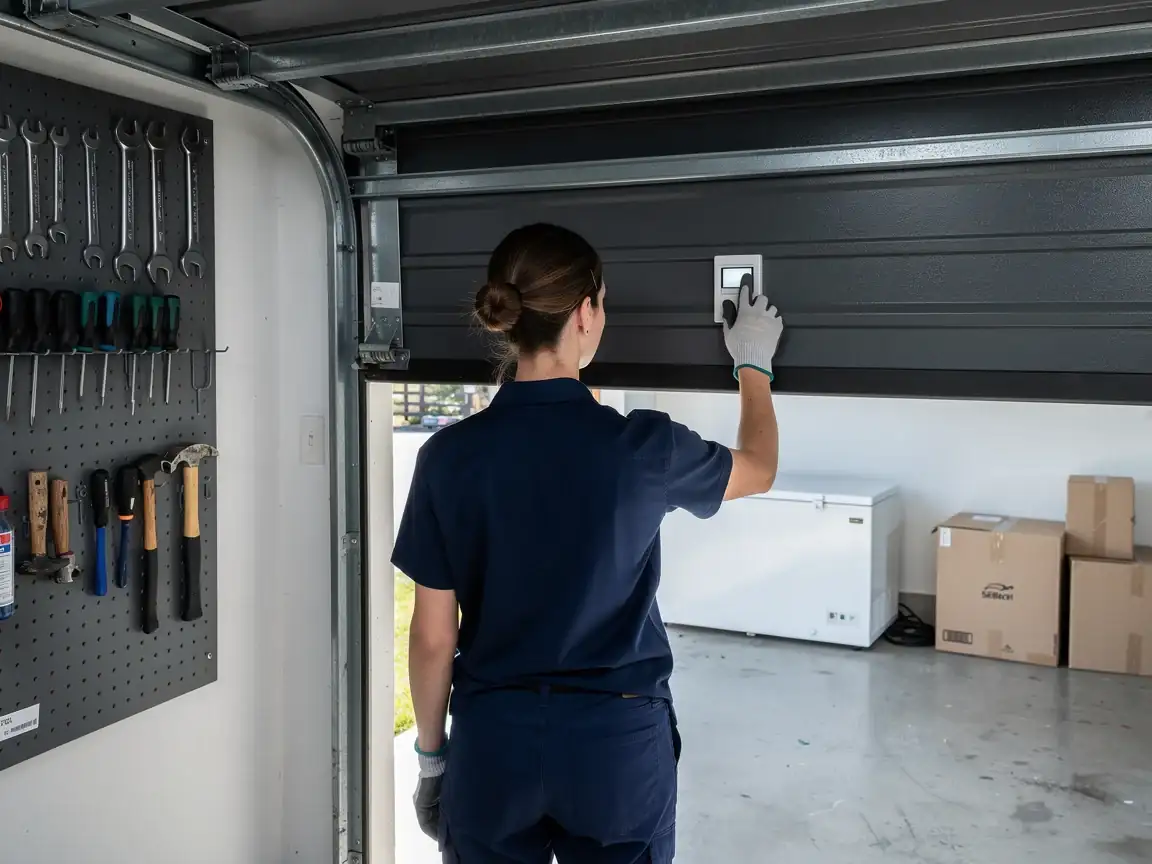
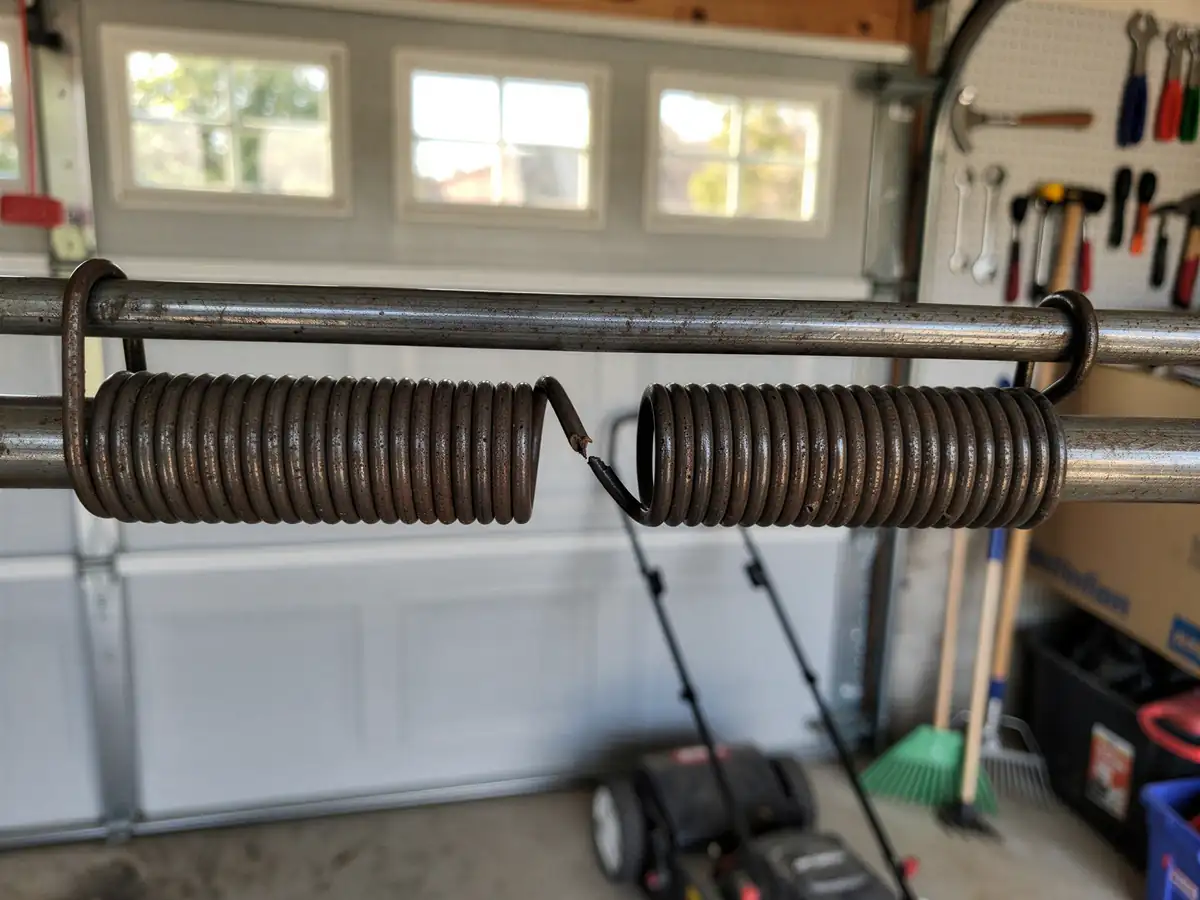
If your door stops a foot or two off the ground and the opener motor keeps running without moving it, that's almost always a broken or stretched spring, not an opener problem - replacing the opener won't fix it. If the door slams down fast instead of lowering steady, same cause: the spring isn't holding its share of the weight anymore. A door that only moves when you physically push while the opener tries to help is being carried by one spring instead of two, and the second one is usually close behind. Grinding or clicking from the track area as the door passes a certain point points to a bent section or a roller that's worn through its bearing, both common on hardware that predates newer nylon rollers.
What the Fix Involves
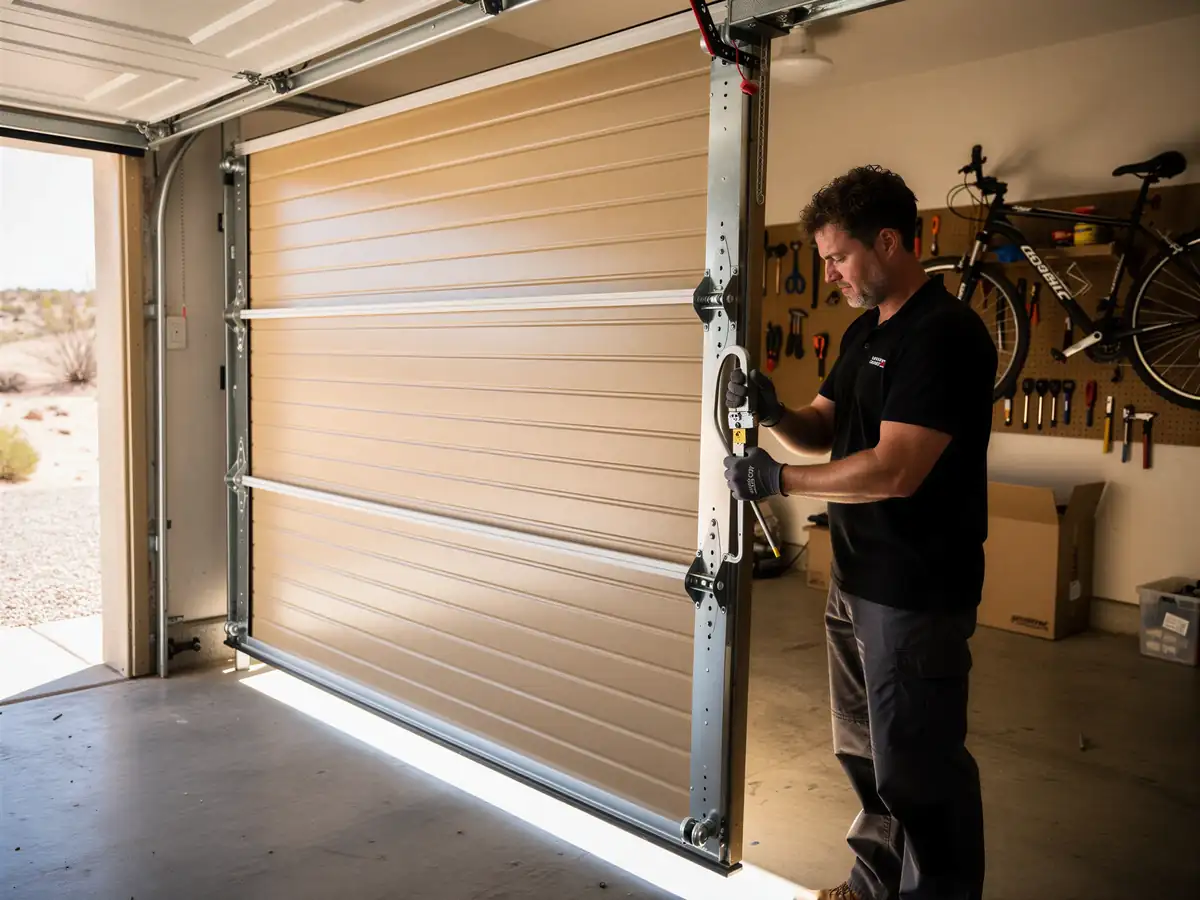
For a spring failure on an older extension-spring setup, we replace both springs as a pair even if only one broke, since the other is carrying the same age and the same fatigue. We also check for a safety cable through each spring, since a lot of original 1970s installs didn't come with one and it's a cheap add that keeps a broken spring from becoming a projectile. If the track is bent, we straighten or replace the damaged section rather than the whole run, where the metal allows it. One honest limit: if the door itself is warped or the panels are rusted through at the bottom, we'll tell you that a repair is throwing money at a door that's at the end of its life, and replacement is the better call. We'd rather say that upfront than sell you a spring job on a door that needs to come out in a year anyway.