Can You Do This Yourself
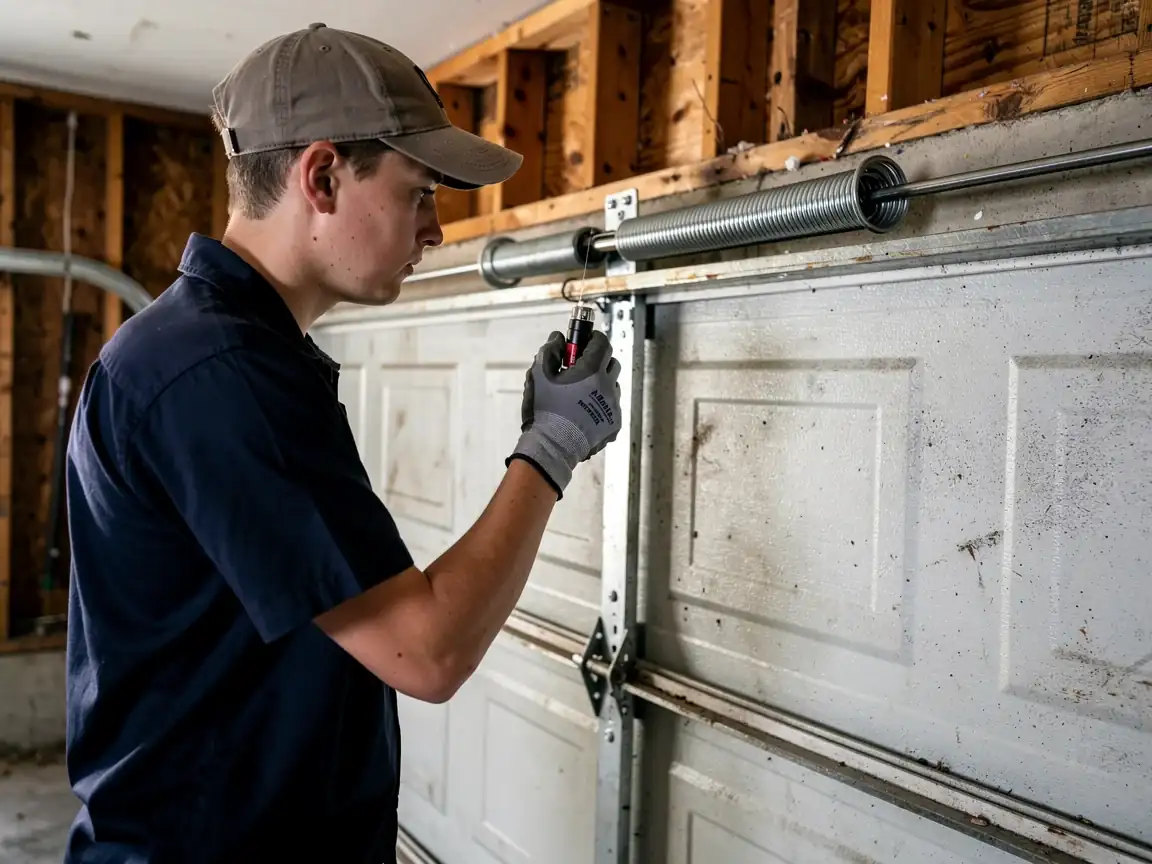
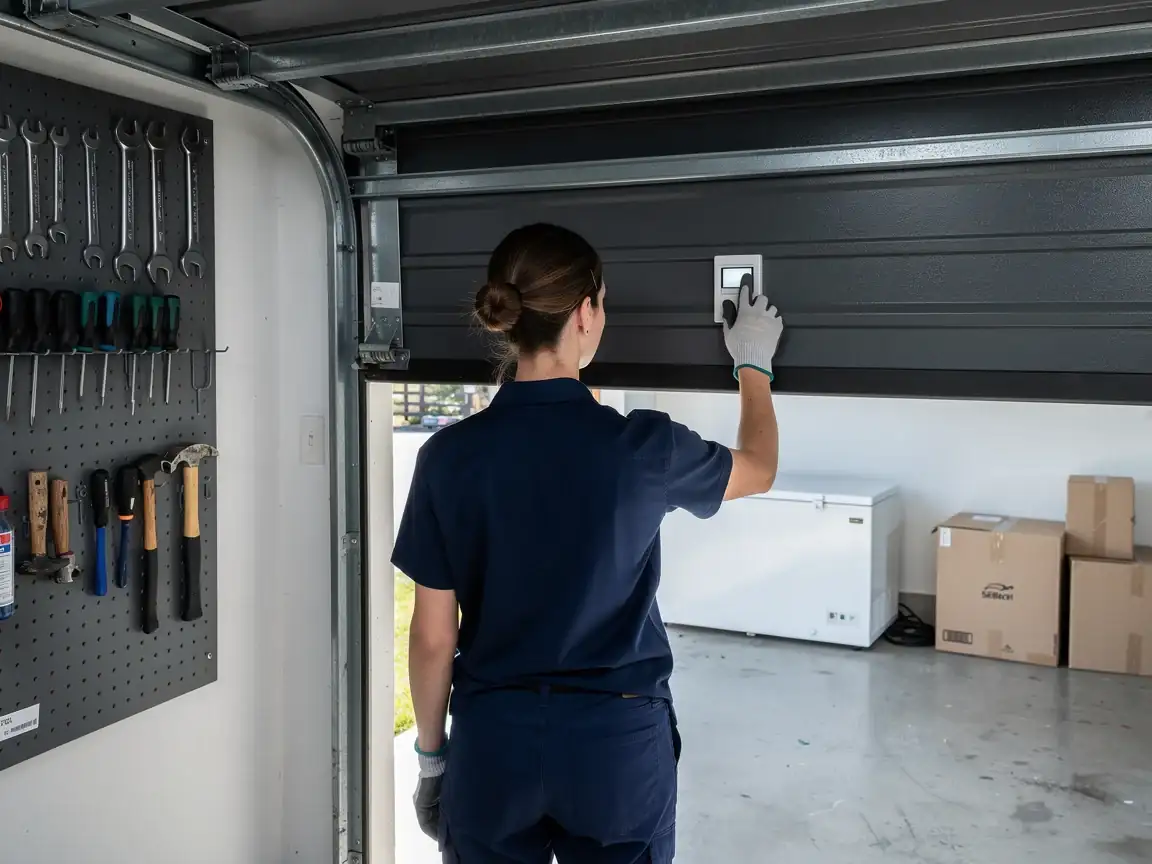
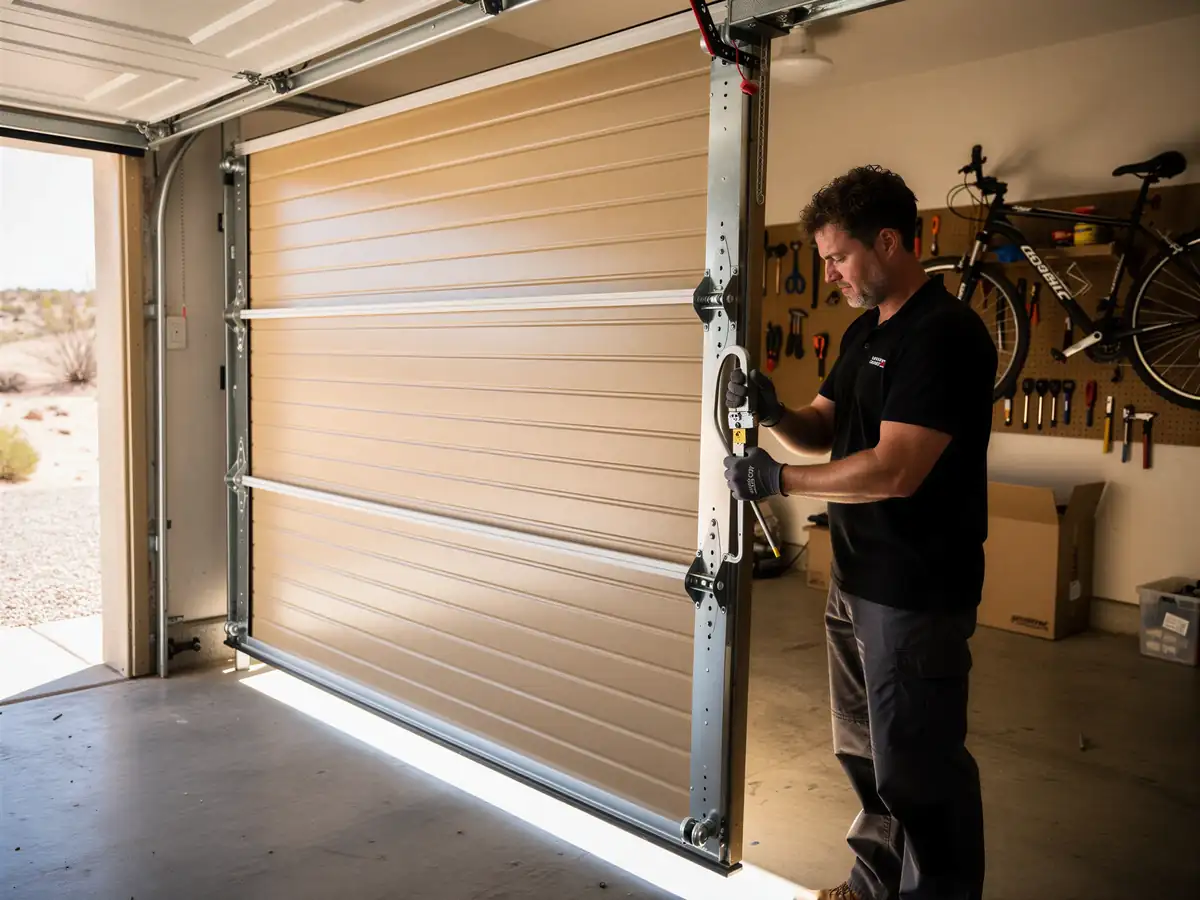
A torsion spring holds enough stored energy to break a wrist or worse, and that doesn't change because the door is forty-some years old. Houses in Hogansville cluster around a 1974 median build year, which means a lot of these doors still carry their second or third spring, not the original, and whoever swapped it last may not have matched the wire gauge to the door weight. That's not something to eyeball. If you're comfortable disconnecting the opener and lifting the door by hand to check balance, that's useful information to have before we arrive, but the actual spring swap means winding bars, a correctly sized torsion spring, and knowing the door won't slam down on your hands halfway through. We're honest about this one: there's no safe DIY shortcut here, and any guide telling you otherwise is skipping the part where people lose fingers.
Booking a Visit
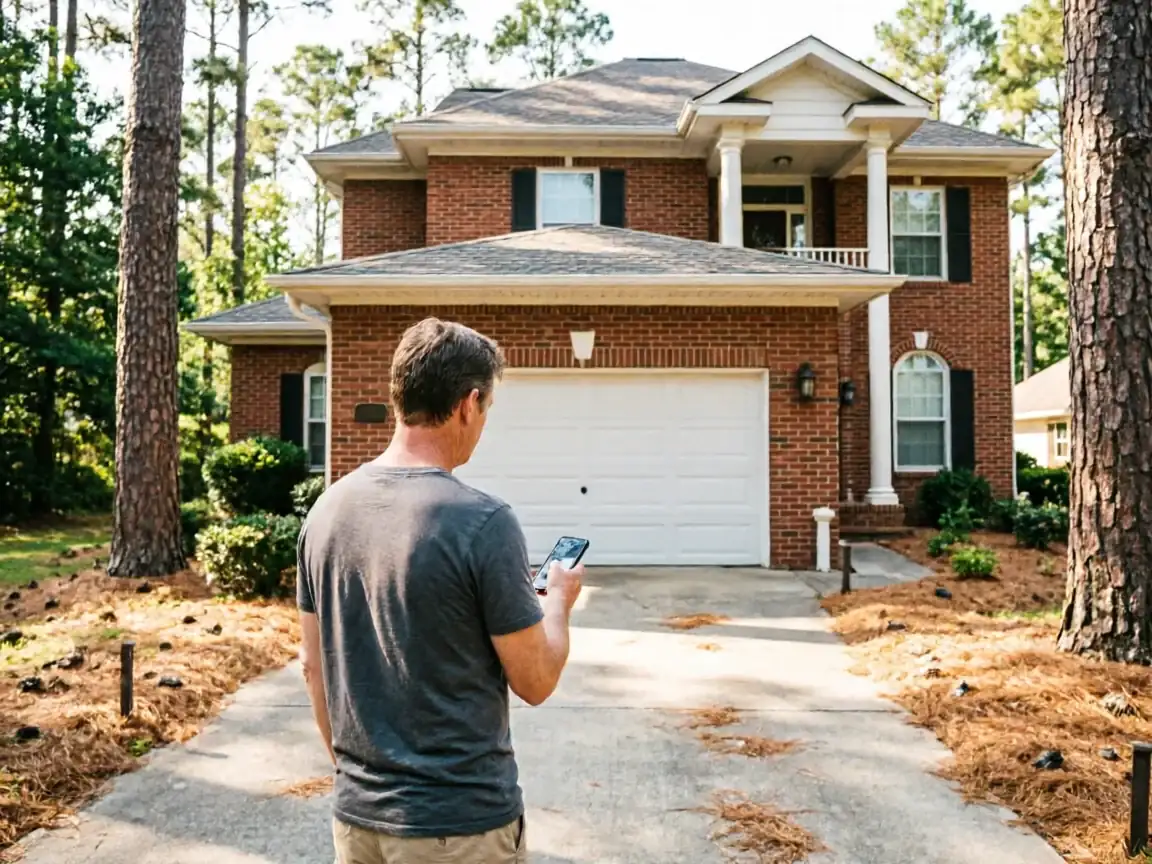
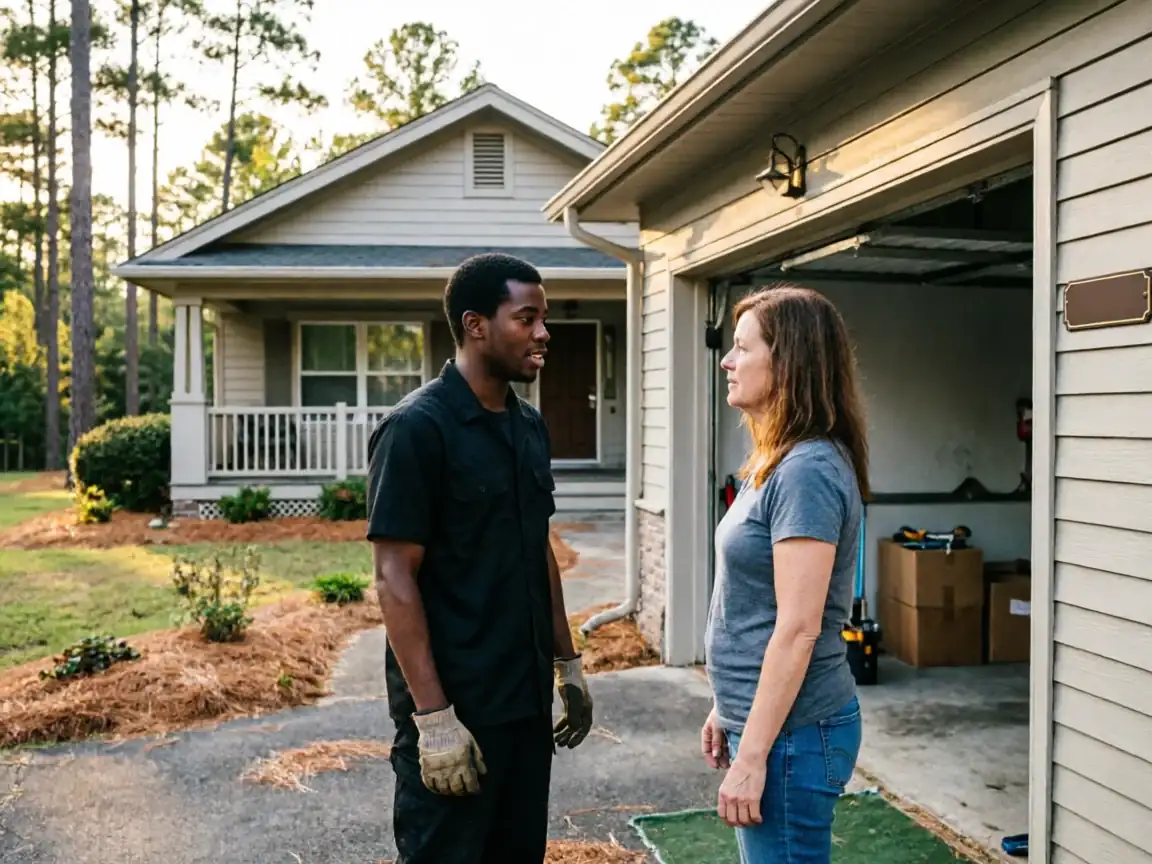
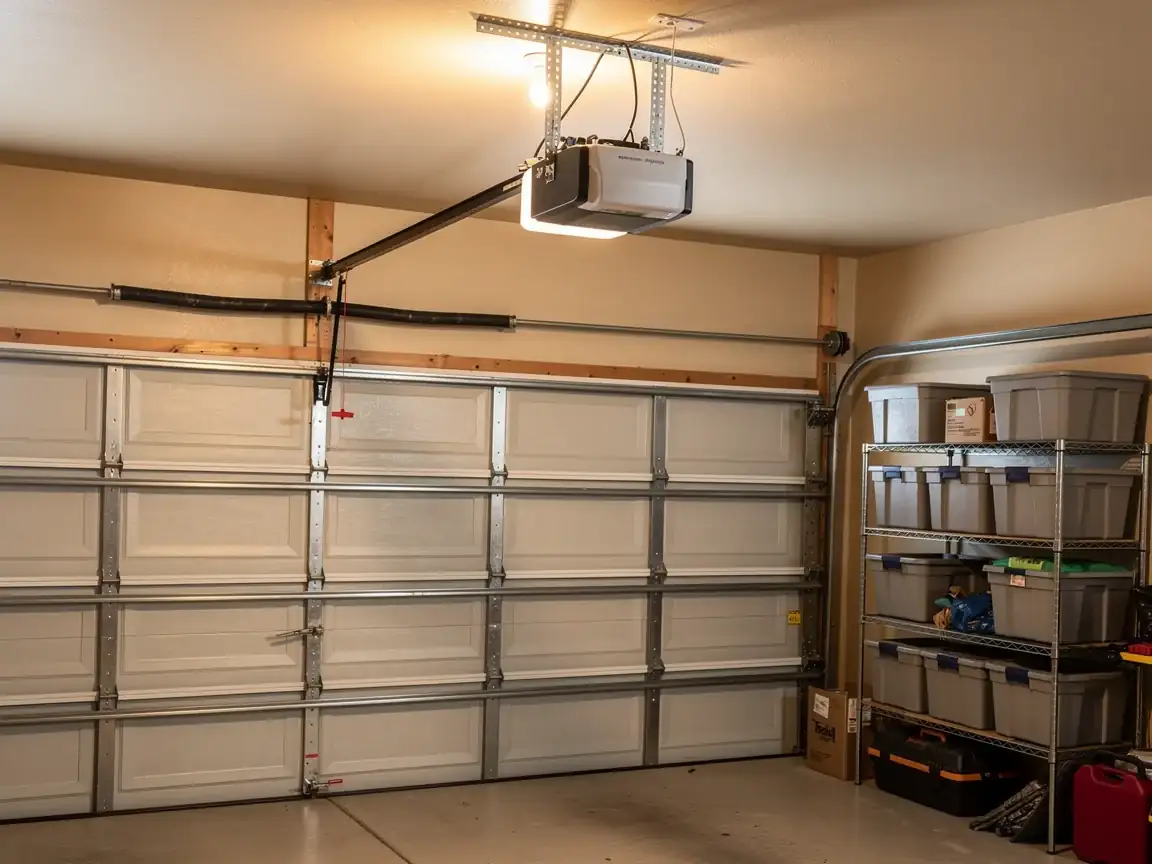
We're based in Newnan, about 16 miles out, so a Hogansville visit isn't a walk-across-town call for us. We work it into the route rather than promising a same-hour arrival we can't back up from that distance. When you call, tell us whether the door is a single 7x9 or a 16-foot double, and whether it's got one spring or two mounted on the header bar above the door. That tells us what to load on the truck before we leave Newnan instead of guessing and making a second trip. We don't keep a branch or stock point in Hogansville, so the spring we bring is the spring we're installing that day.
The Symptom
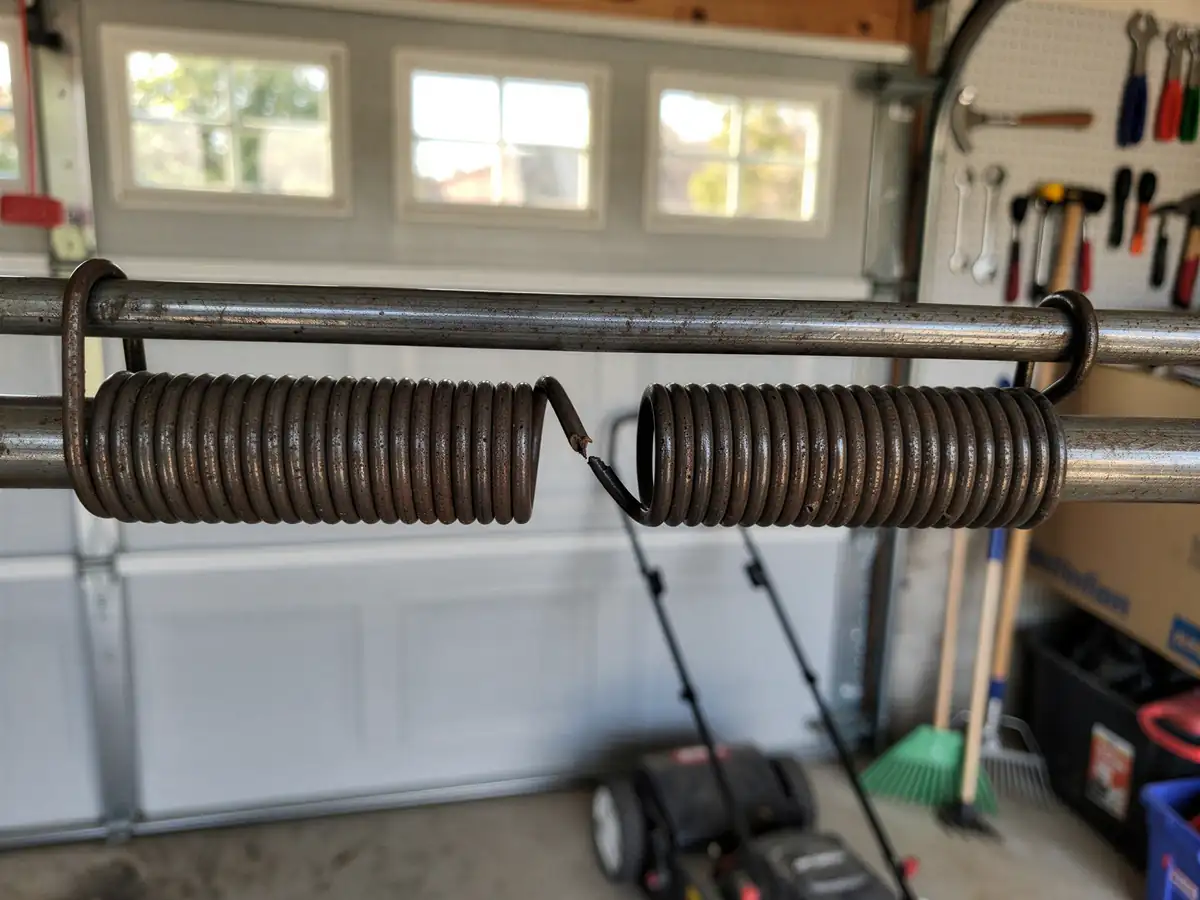
The usual tell is a door that won't lift past a foot or two, or that the opener strains and reverses itself partway up. On a steel sectional door from the 1970s-80s stock common here, that's almost always a broken torsion spring rather than a motor problem - the opener isn't weak, it's trying to lift the full weight of the door with no spring assist at all. You might also hear a loud bang from the garage right before it happens; that's the spring letting go, not the door itself failing. A door that drifts down on its own when you stop it halfway is a slightly different symptom - uneven spring tension rather than a full break - but it points to the same part.
What the Fix Involves
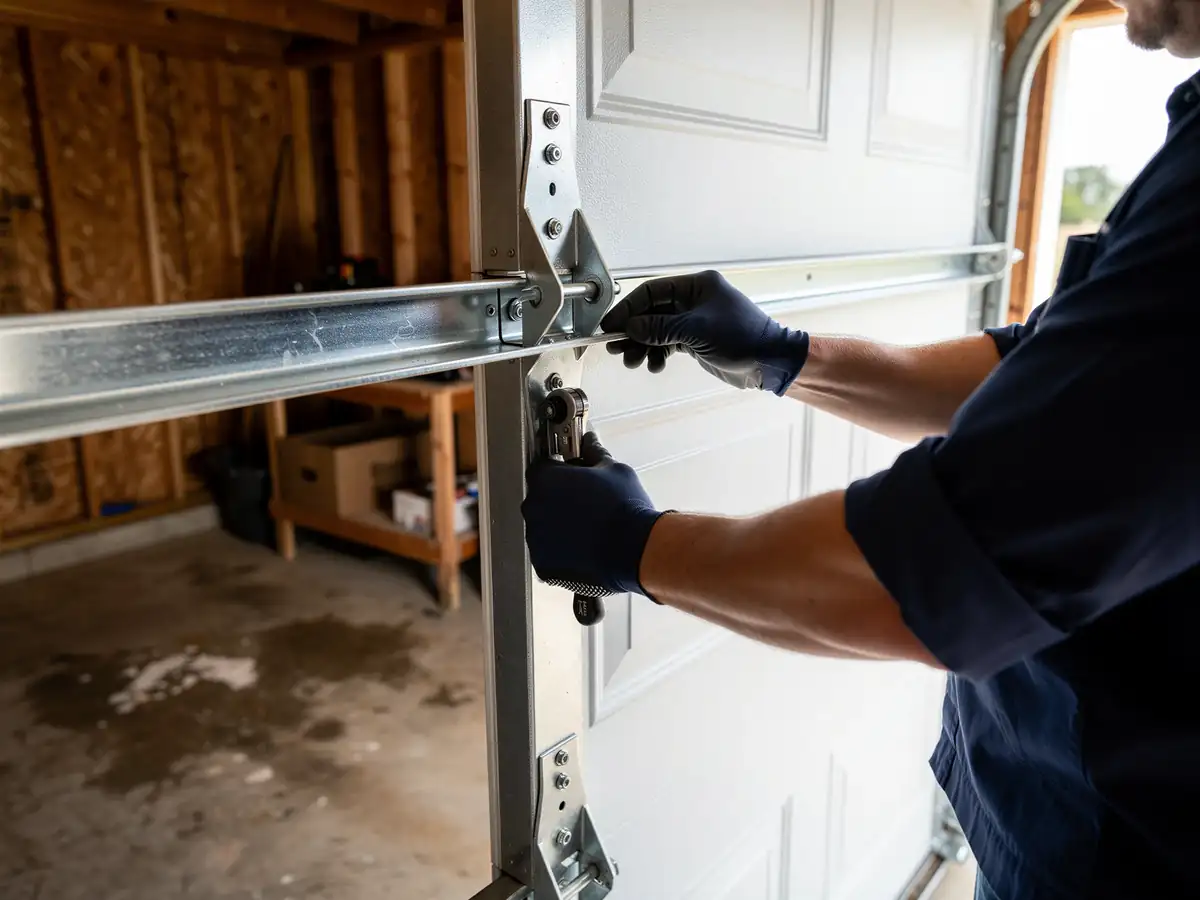
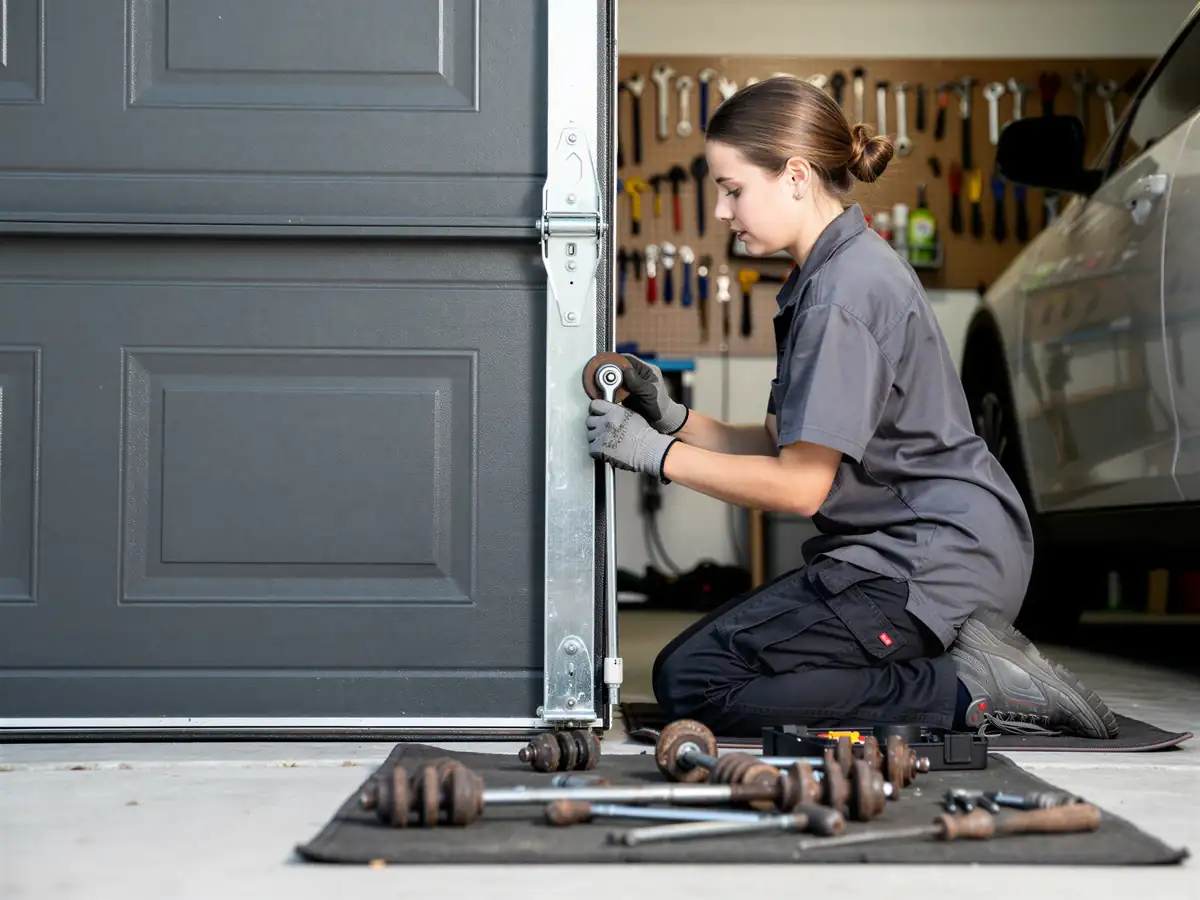
We measure the door's weight and the shaft size to match a torsion spring to the actual door, not just swap in whatever's closest, because a mismatched spring either won't lift the door fully or will wear out again within a year or two. On double doors we replace springs in pairs even if only one broke, since the second one is usually close behind it on the same cycle count. We also check the cable drums and end bearings while the spring's off the shaft, since those are the parts that take secondary damage when a spring lets go under load. Climate here runs cold-moderate, not the kind of heat or humidity extremes that bake rubber seals apart fast, so most of what we find failing is straight mechanical wear rather than weather damage.