Can You Do This Yourself
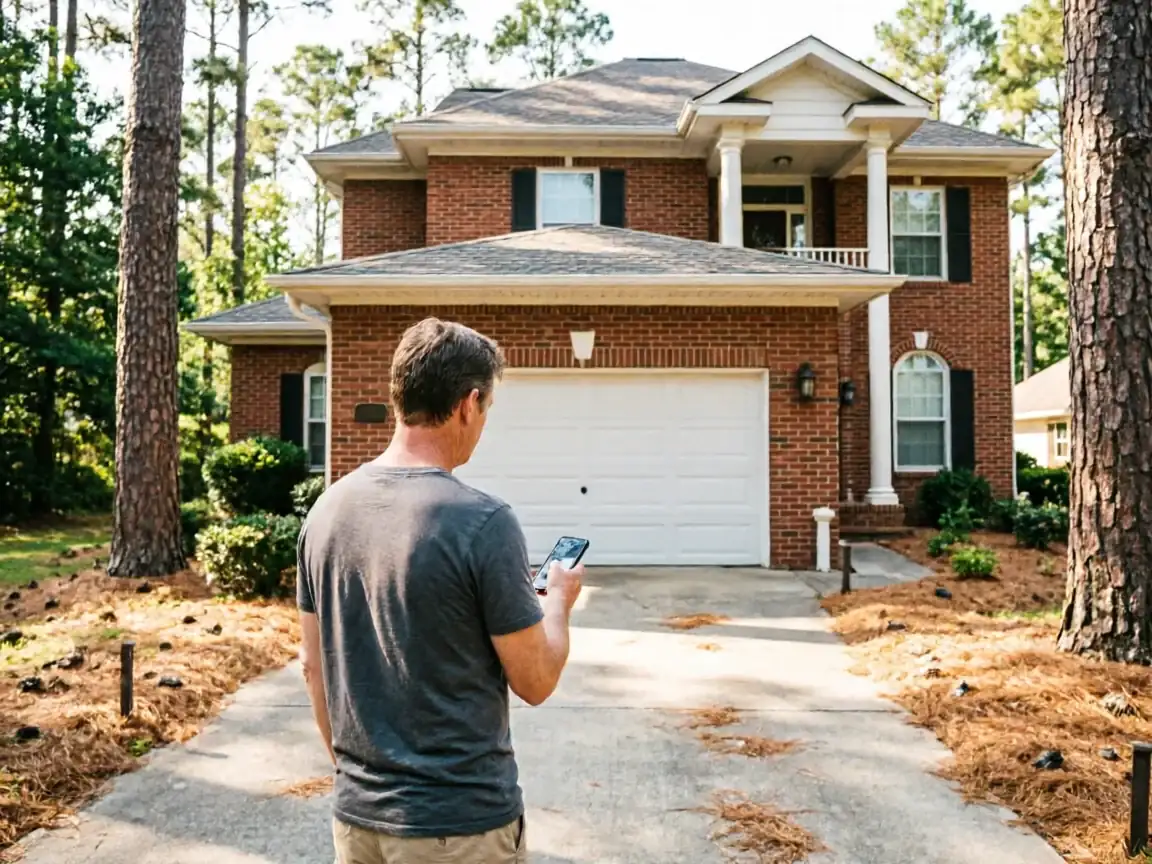
Hogansville is a small town - roughly 1,290 households, nowhere near the size of the bigger subdivisions closer to Newnan. That matters for installation work because a town this size doesn't have a steady churn of new-build garage doors to work from. What you've got instead is a run of older houses, many going back to the early 1970s, with openings, tracks, and framing that don't always match what comes in a big-box door kit off the shelf.
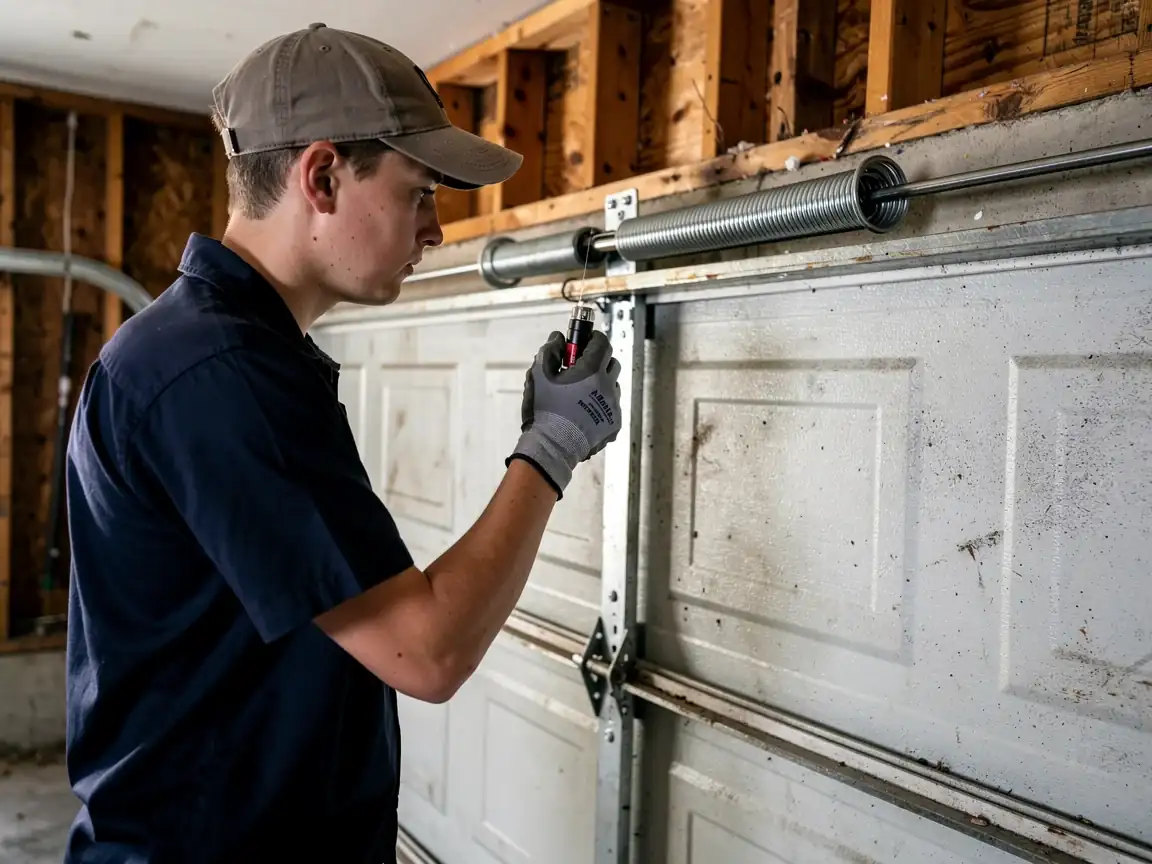
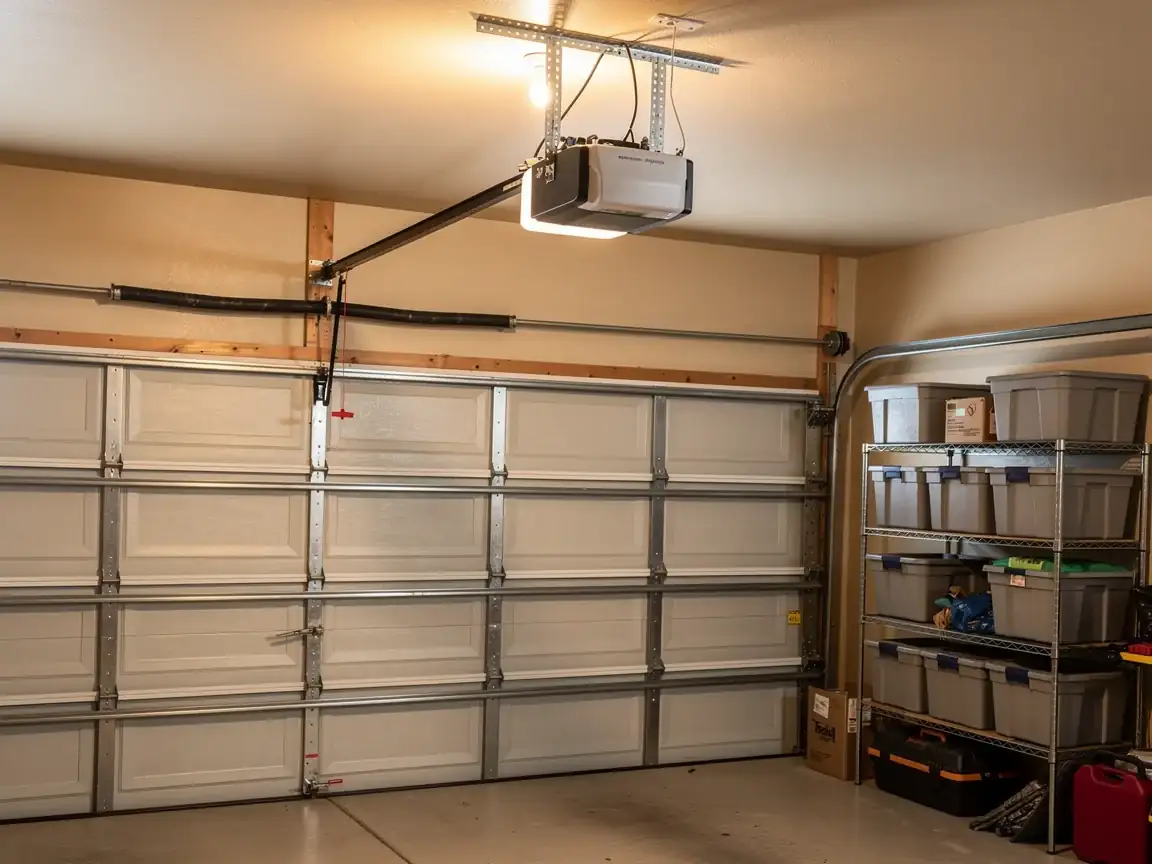
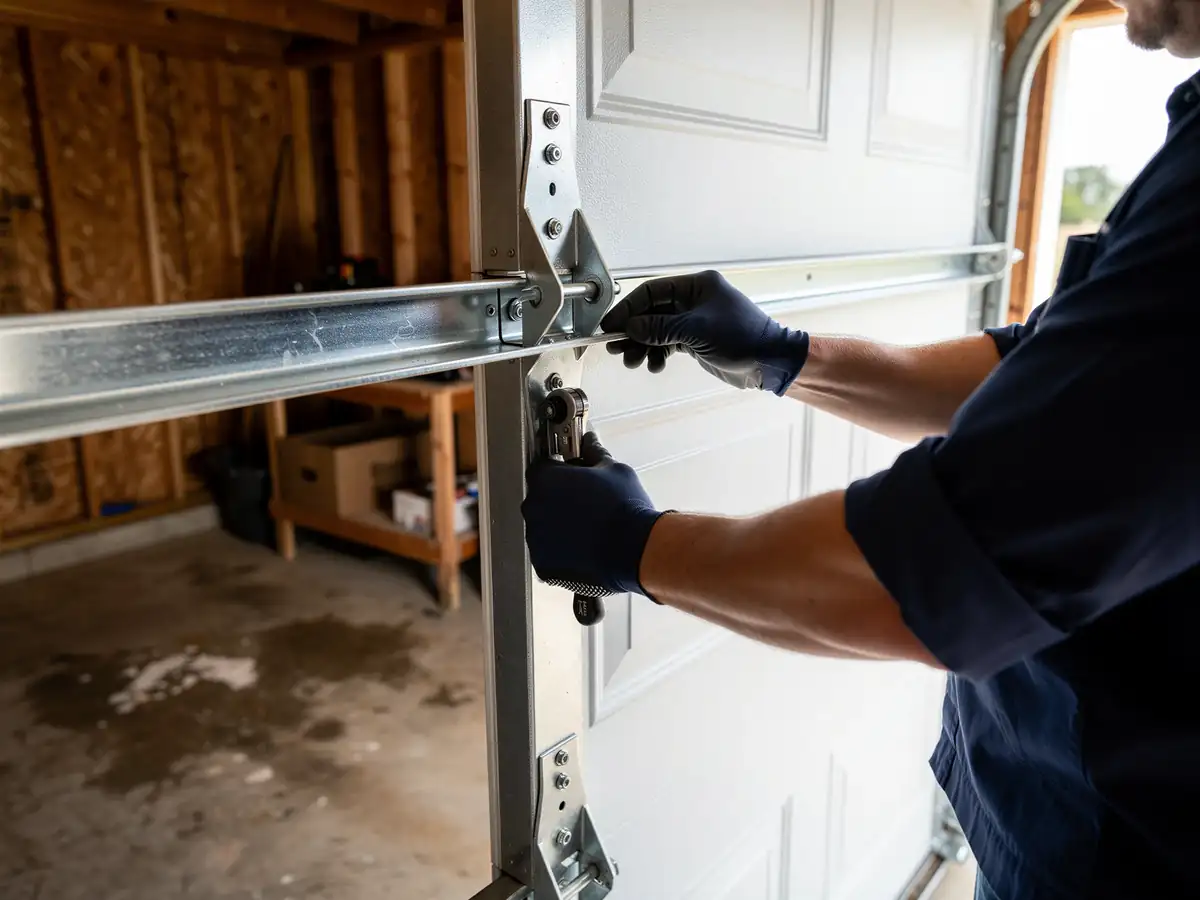
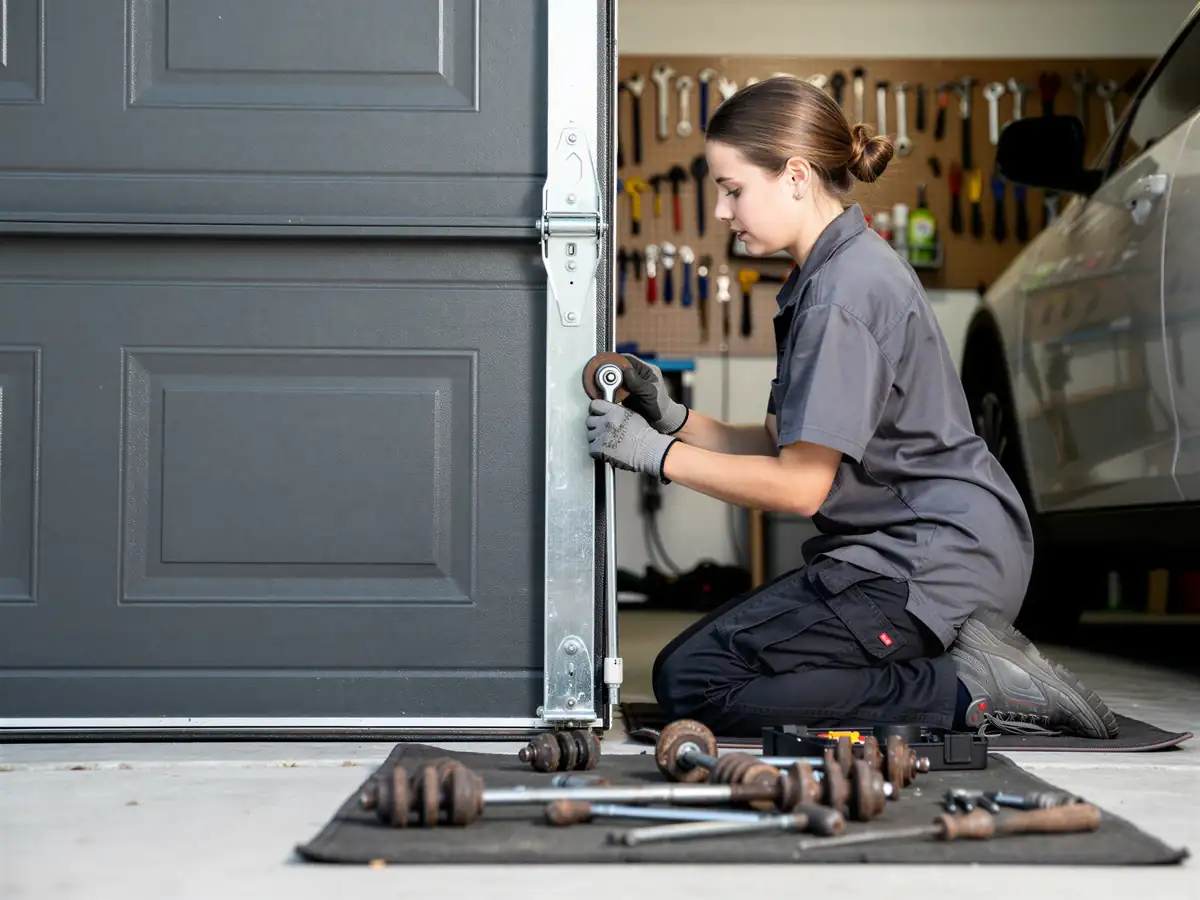
Could a handy homeowner hang a new door? Some of the lighter single-panel jobs, maybe. But a full install means setting new track plumb against framing that's had fifty years to settle, matching spring tension to the actual door weight, and getting the opener bracket anchored into a header that may not be square anymore. Get the spring wrong and you've got a door that slams down or won't stay up - and torsion springs under tension have hurt people. If you're set on doing it yourself, at least have someone experienced check the spring sizing and track alignment before you close it up.
We're straightforward about this: if it's a straightforward panel swap on hardware that's still true, that's a smaller job than a full replacement, and we'll tell you that instead of selling you more than you need.
Booking a Visit
We run out of Newnan, about 16 miles from Hogansville, so a visit here gets scheduled rather than dropped in on same-day. When you call, tell us the rough age of the house if you know it - anything built before the mid-1970s around here tends to have narrower openings and older spring systems, and that changes what we bring on the truck.
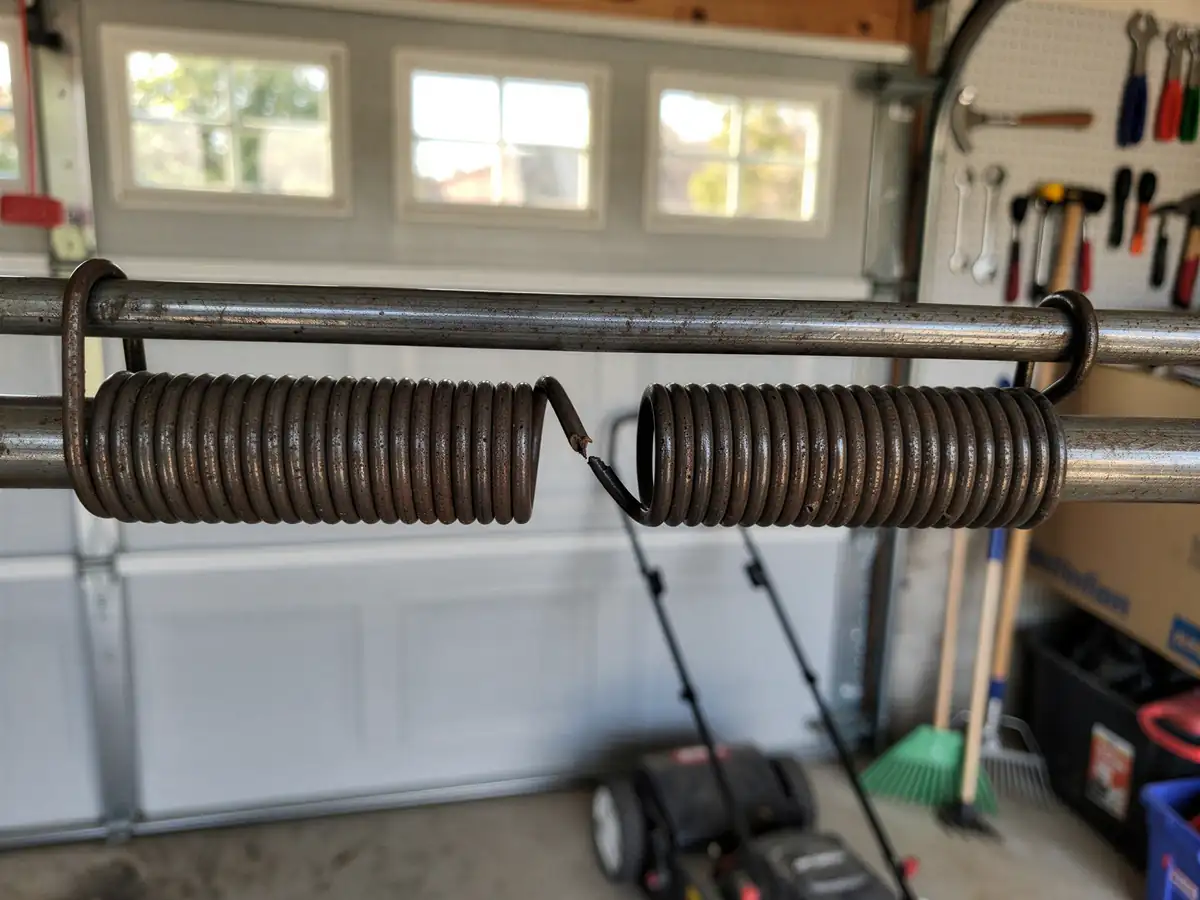
We'll ask for the door's width and height, whether it's single or double, and whether the opener is original or already replaced. If you can get a photo of the current track and spring setup, that saves a trip for measuring alone. Because we're coming from Newnan rather than working out of a local yard, we try to size the job accurately on the phone first so the visit covers the actual work, not a second look.
What Can Go Wrong
The median house in Hogansville was built around 1974
Which is two decades older than the typical build year across the wider service area. That gap shows up directly in garage doors: a lot of these houses still carry their original single-layer steel or wood doors, hung on side-mounted torsion hardware that newer doors don't use anymore. Parts for that hardware are getting harder to source, which is one reason replacement often makes more sense than trying to keep patching an original door.
The area also sits in a cold-moderate climate band
So doors here deal with real freeze-thaw cycling through winter. On an older door, that means swollen wood panels, rusted hinges, and tracks that have pulled slightly out of alignment from decades of expansion and contraction. None of that is dramatic on its own, but it adds up to a door that's heavier to lift than it was new, which puts more strain on a spring that was sized for a lighter, newer door.
The Symptom
The complaint we hear most from houses this age is a door that's gotten noticeably harder to lift by hand, or an opener that strains and groans partway up. That's usually the spring losing tension relative to a door that's gained weight from moisture, warping, or just age - not something you fix by adjusting the opener's force setting, which only masks it.
Another common one: a double door that racks slightly to one side as it closes, binding in the track. On houses built in the 1970s, that's often the original track, slightly bowed after fifty years, rather than anything wrong with the opener itself.
What the Fix Involves
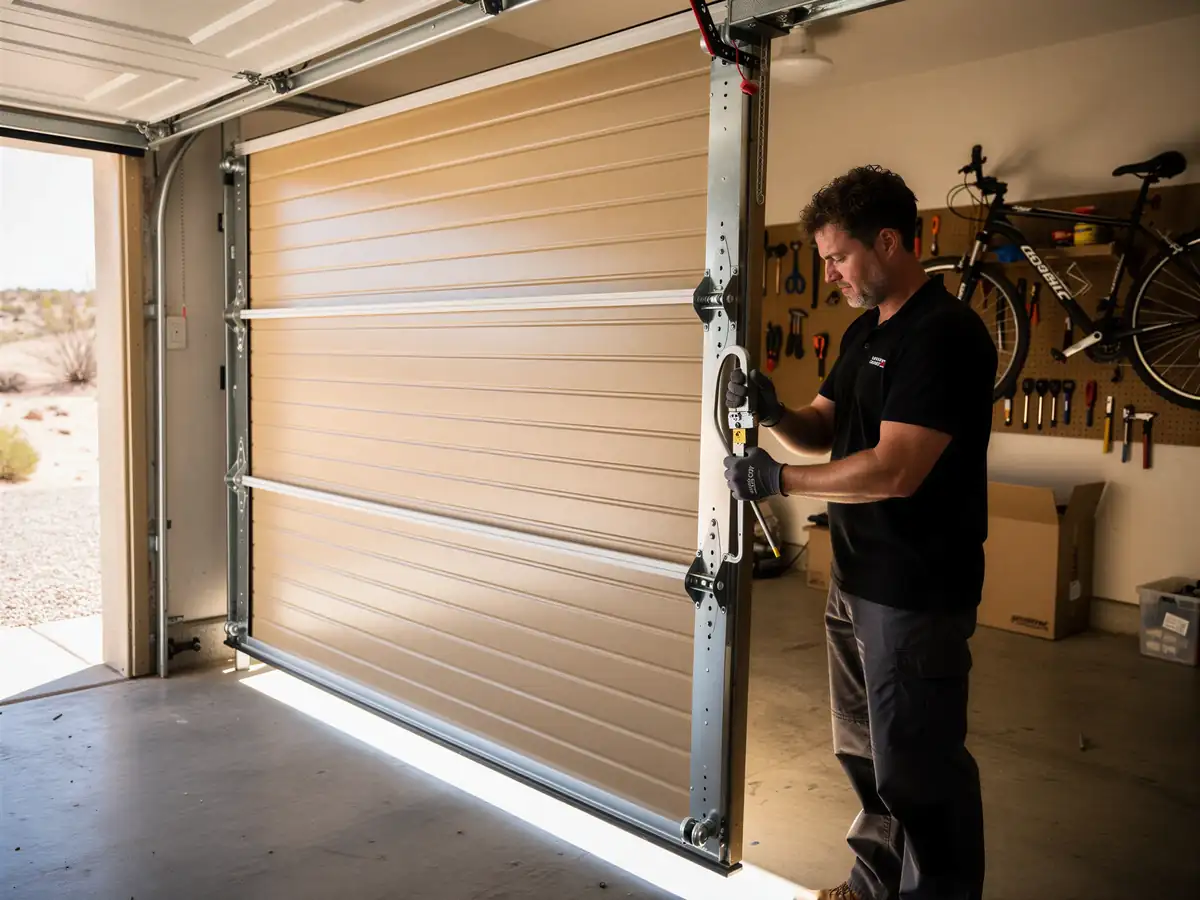
A new installation on a house this age usually starts with pulling the old track entirely rather than reusing it - fifty-year-old track rarely sits true enough to trust with a new door's spring tension. We measure the actual opening, since older framing in this area isn't always to a modern standard width, and order a door sized to fit rather than forcing a stock size.
Spring sizing gets calculated for the new door's actual weight, not guessed from the old one, and we set new hardware rather than mixing it with decades-old brackets. If the opener is also original, we'll flag that separately - an old opener on a new heavier door is a mismatch that shows up fast as strain and noise. One limit worth naming: if the framing itself has shifted or rotted, that's carpentry beyond the door install, and we'll say so rather than bolt a new door to a bad opening.