Can You Do This Yourself
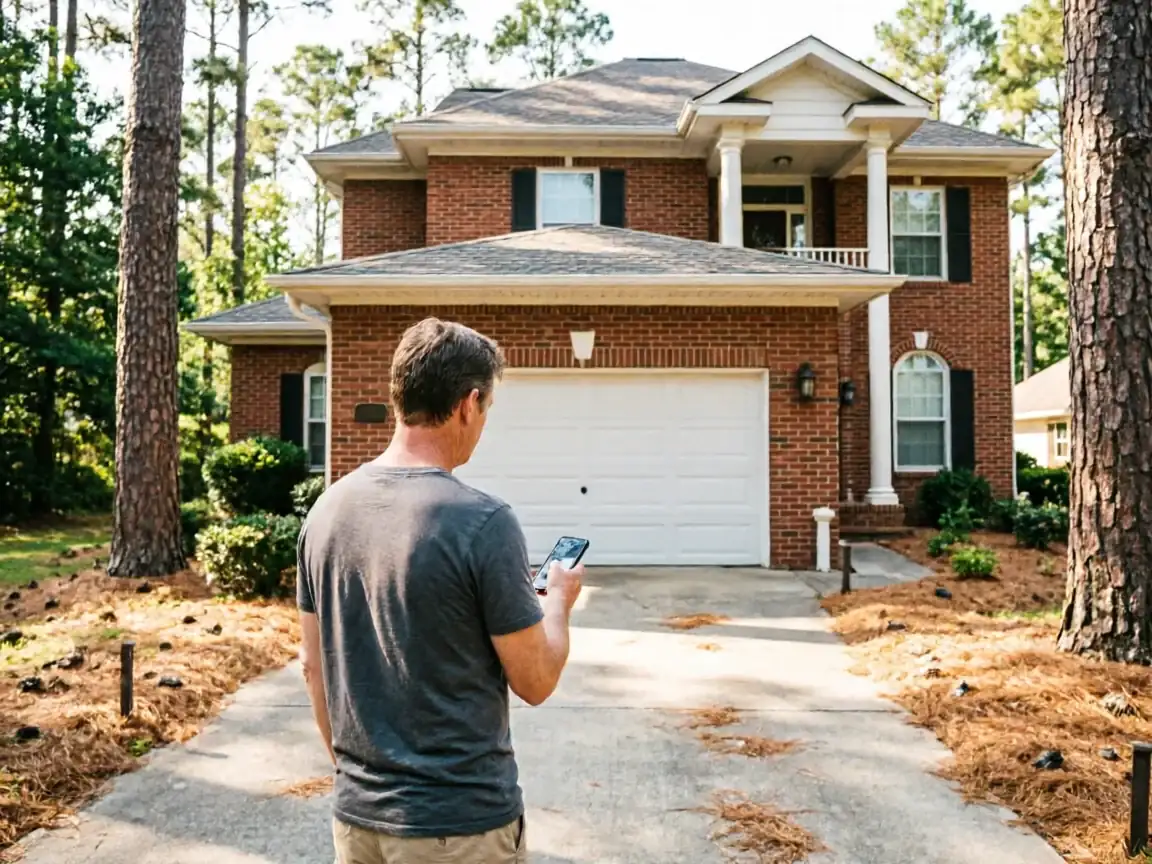
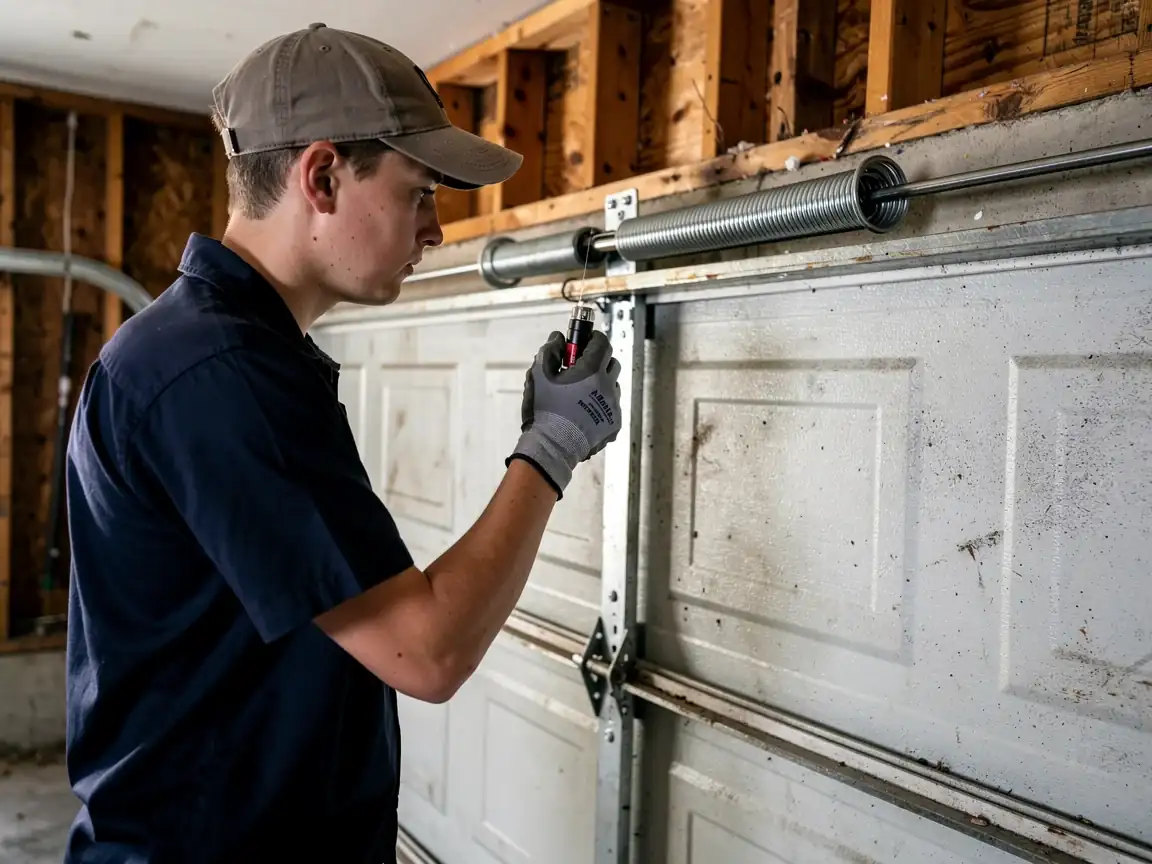
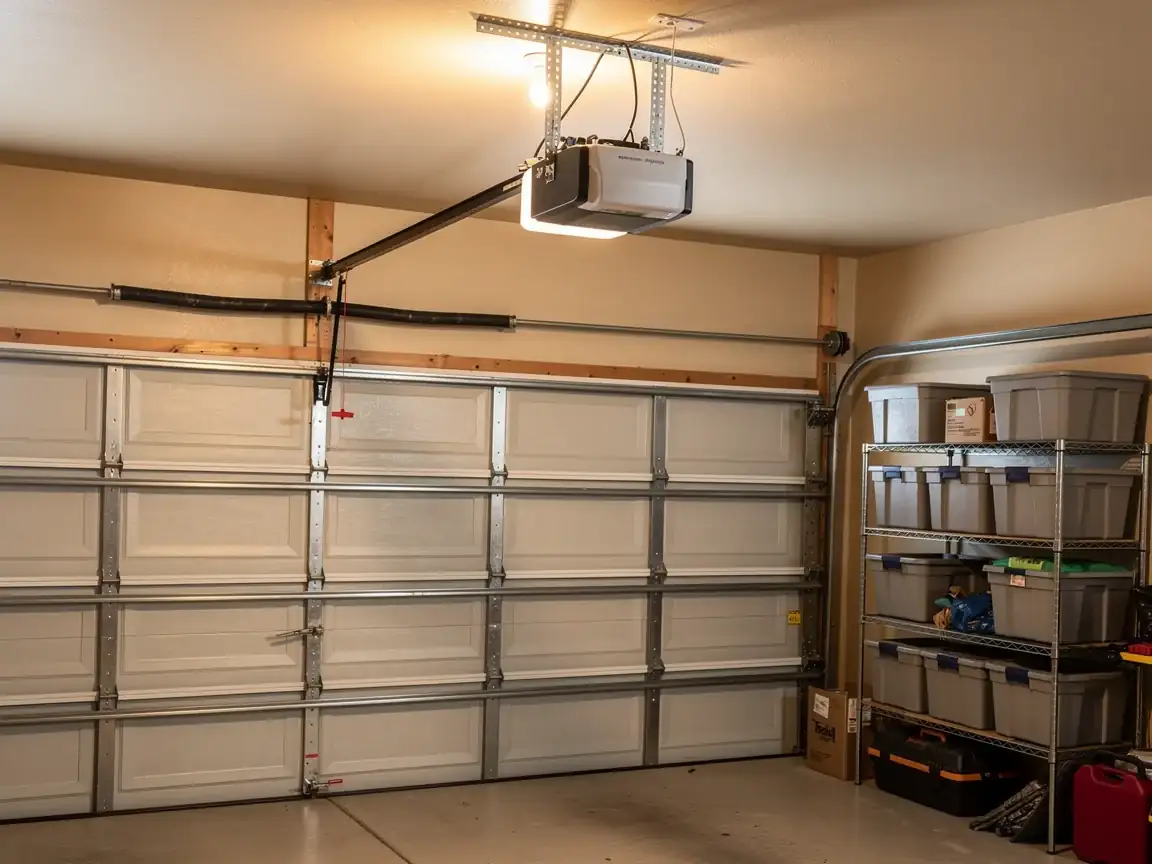
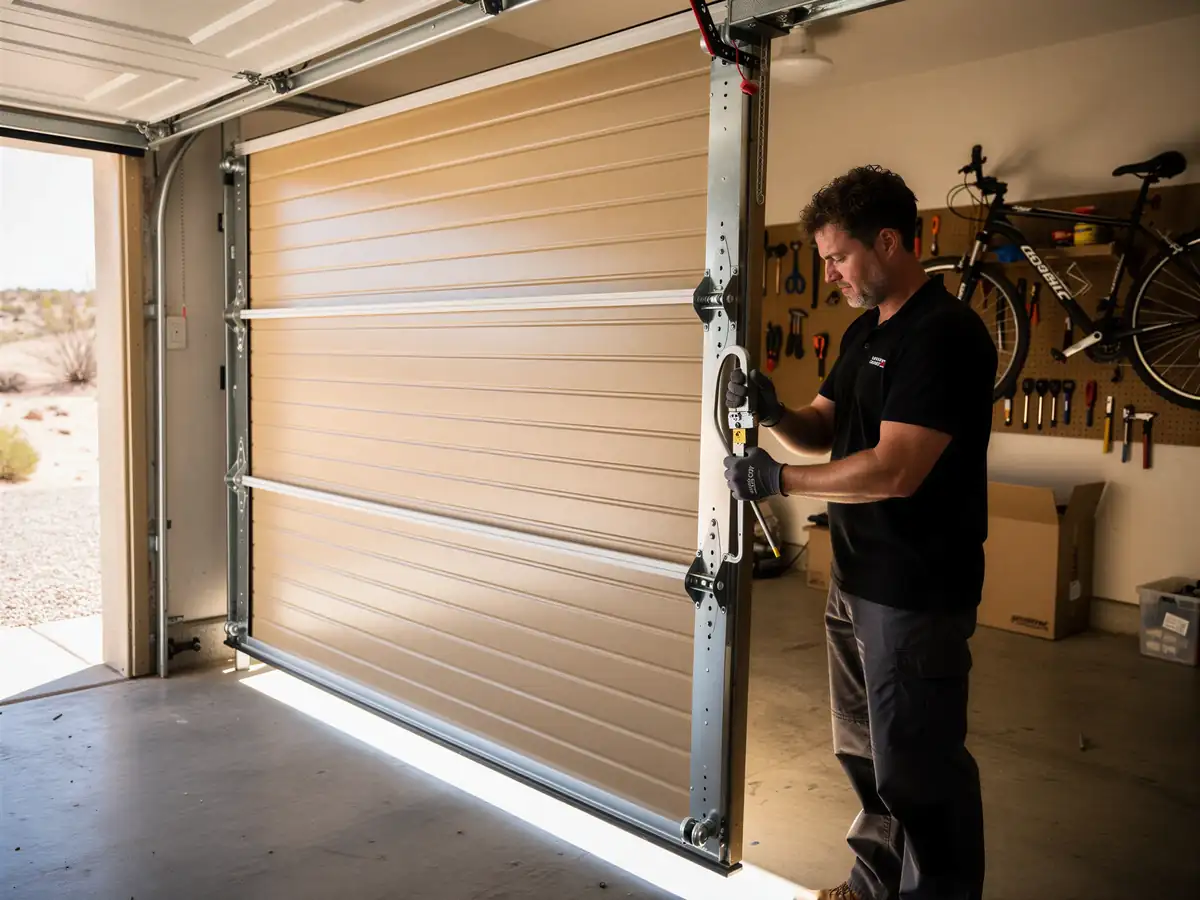
A chain-drive opener that's stopped lifting, or one that reverses before the door touches the floor, is often a safety sensor out of alignment or a worn limit switch - both things you can check yourself with a flashlight and ten minutes. Hogansville's median home dates to 1974, twenty years older than the typical build year across the rest of the service area, and a lot of these houses have had at least one replacement opener installed since, sometimes wired into the original 1970s header bracket. That mismatch is where DIY gets risky: swapping a logic board is fine, but if the mounting bracket itself has fatigued wood or rusted lag bolts behind it, tightening a bracket you can't see properly is how openers pull loose from the ceiling. If your door moves freely by hand but the opener won't engage, that's a motor or board issue you can usually diagnose yourself. If the door itself is heavy, binding, or off its track, stop and call - that's a structural problem, not an opener problem.
Booking a Visit
We run out of Newnan, about 16 miles from Hogansville, so we don't keep a standing crew in town and we're not going to pretend otherwise. When you call, tell us the opener brand if you can read it off the motor housing, and whether the door moves by hand without fighting you - that tells us whether we're bringing opener parts or spring tools. Because of the drive, we batch Hogansville calls where we can rather than promising a same-hour window; if timing matters, say so when you book and we'll tell you honestly what's realistic that day. We don't maintain a local parts stock in Hogansville itself, so for openers the household has to be an older unit, we may need a day to source the specific logic board or gear kit rather than carrying every model on the truck.
The Symptom
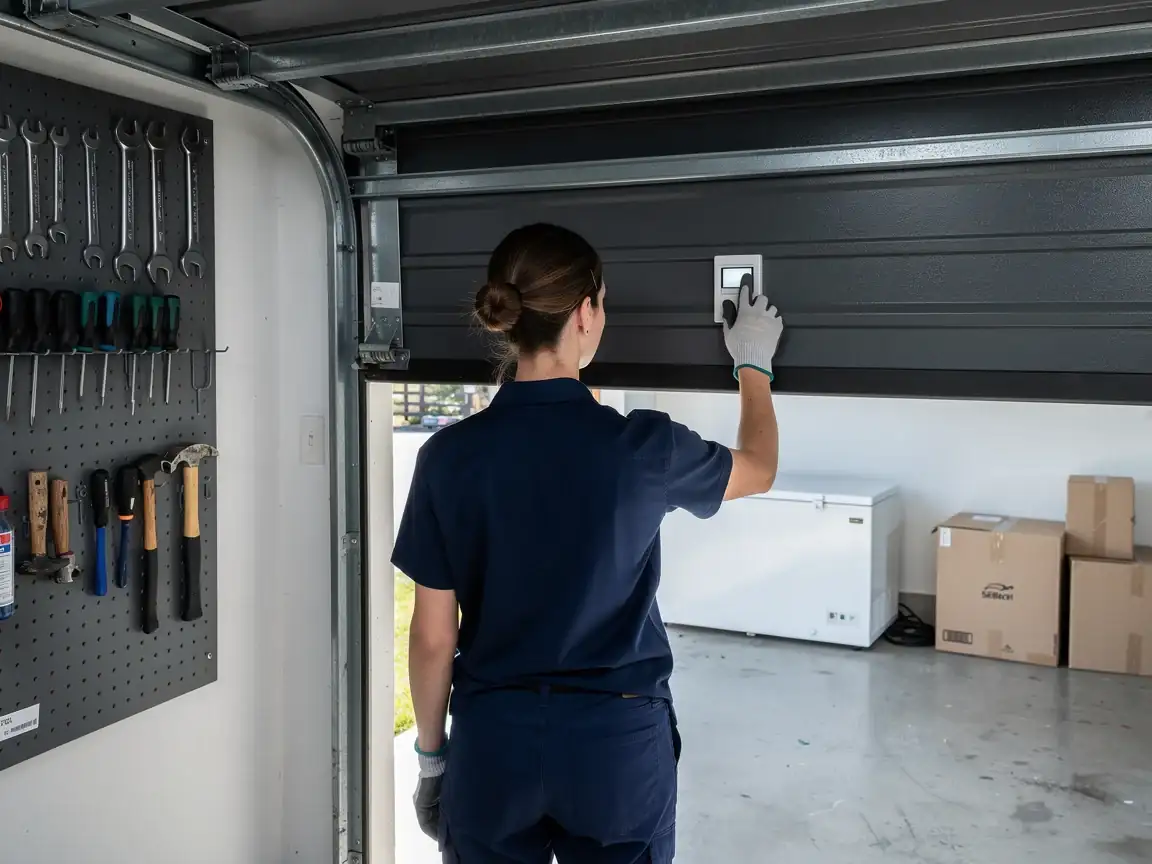
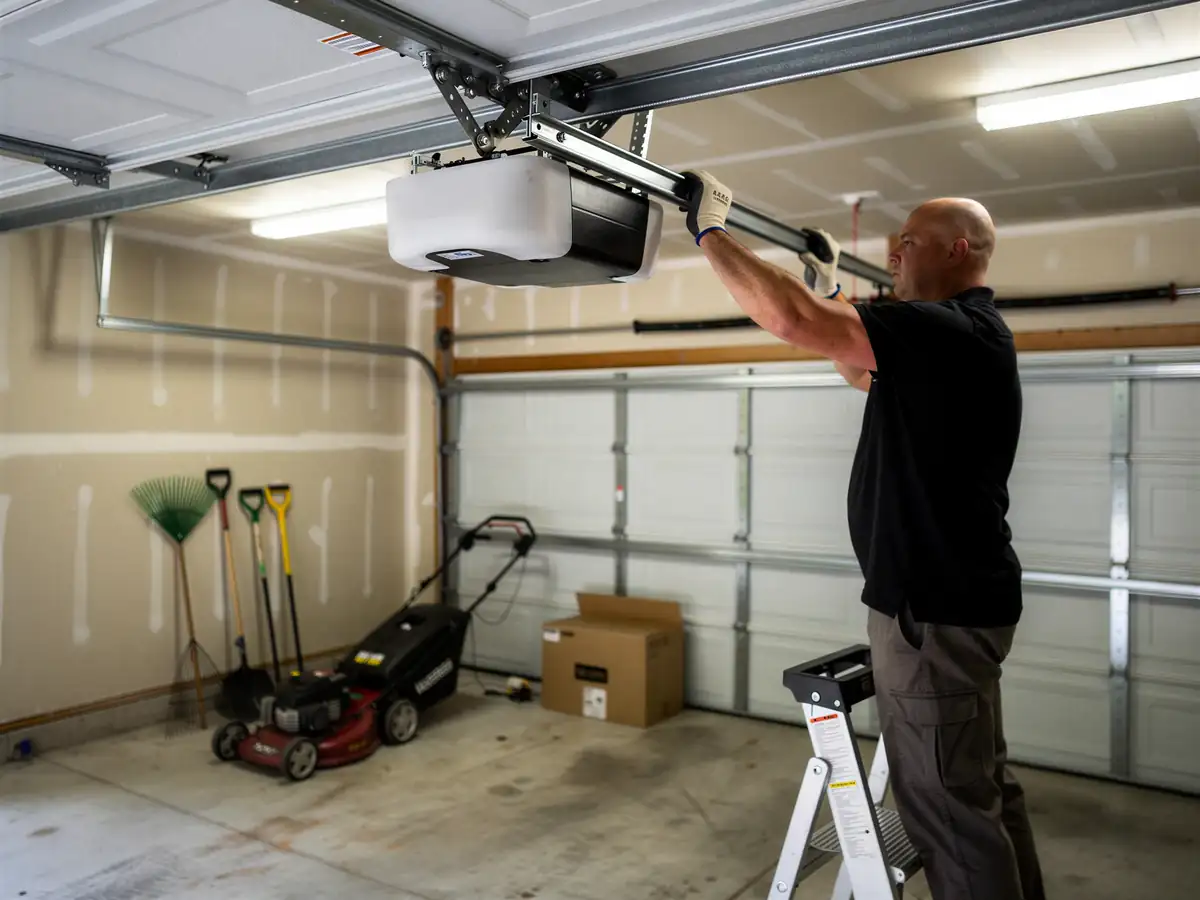
The call we get most from this area is the opener that runs - you can hear the motor - but the door doesn't move, or it moves a few inches and stops. That's almost always a stripped drive gear inside the motor housing, a cheap plastic part that wears out faster than the motor itself and is a known failure point on openers now a decade or more old, which fits the age of hardware common in a town built mostly in the 1970s. The other frequent one: the door reverses immediately on close, every time, which usually traces back to a sensor eye that's drifted out of alignment rather than anything wrong with the opener's brain.
What the Fix Involves
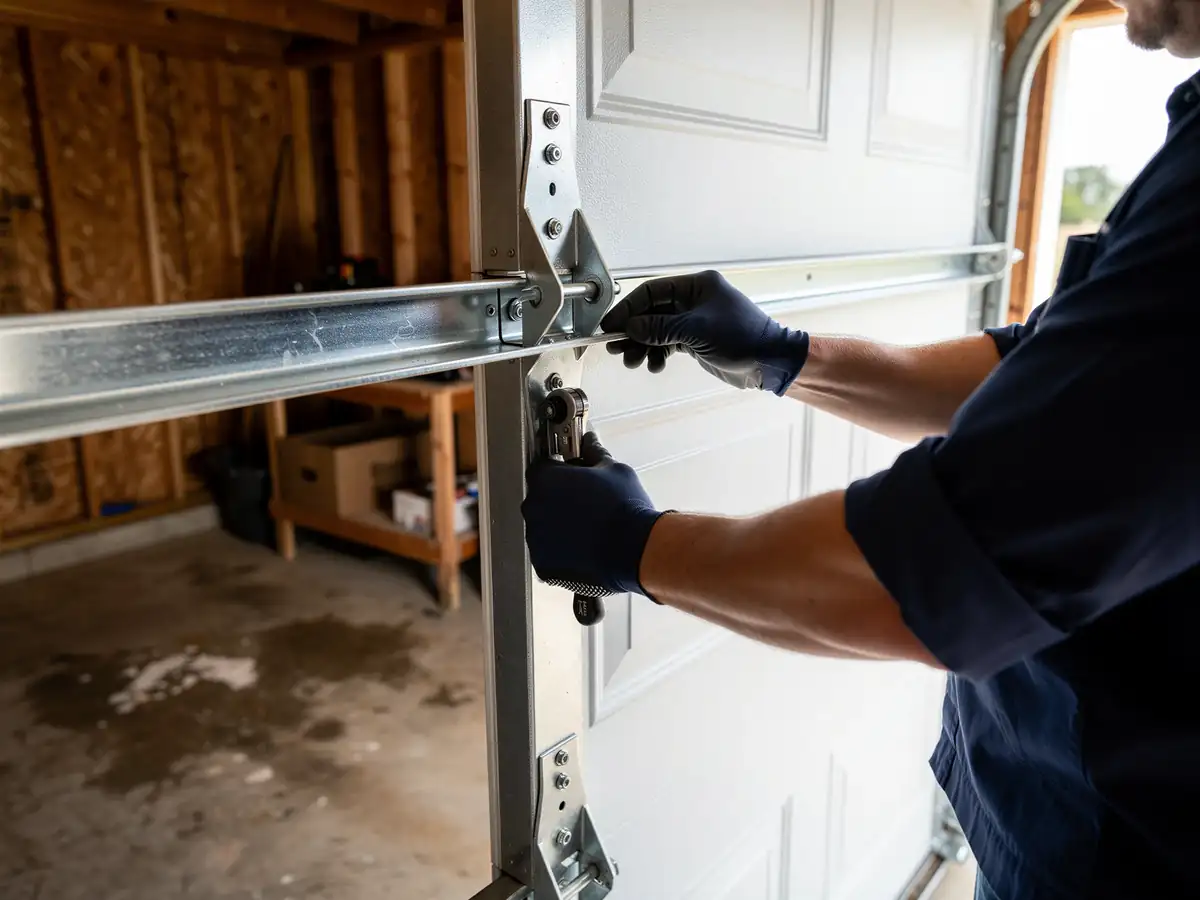
For the stripped-gear complaint, the fix is a gear-and-sprocket kit matched to your motor's model number - we open the housing, confirm the gear is the issue and not the capacitor, and swap it. For sensor misalignment, it's usually a five-minute bracket adjustment and a wipe of the lens, no parts needed. Where the opener itself is original or near-original equipment and the logic board has failed, we'll tell you plainly: on a unit that old, a full replacement often costs less over time than chasing parts for a discontinued model, and we'd rather say that upfront than bill you for a repair that won't hold. We don't install every opener brand on the market, so if yours is an uncommon model, ask when you book and we'll tell you straight whether we can source parts for it.