Can You Do This Yourself
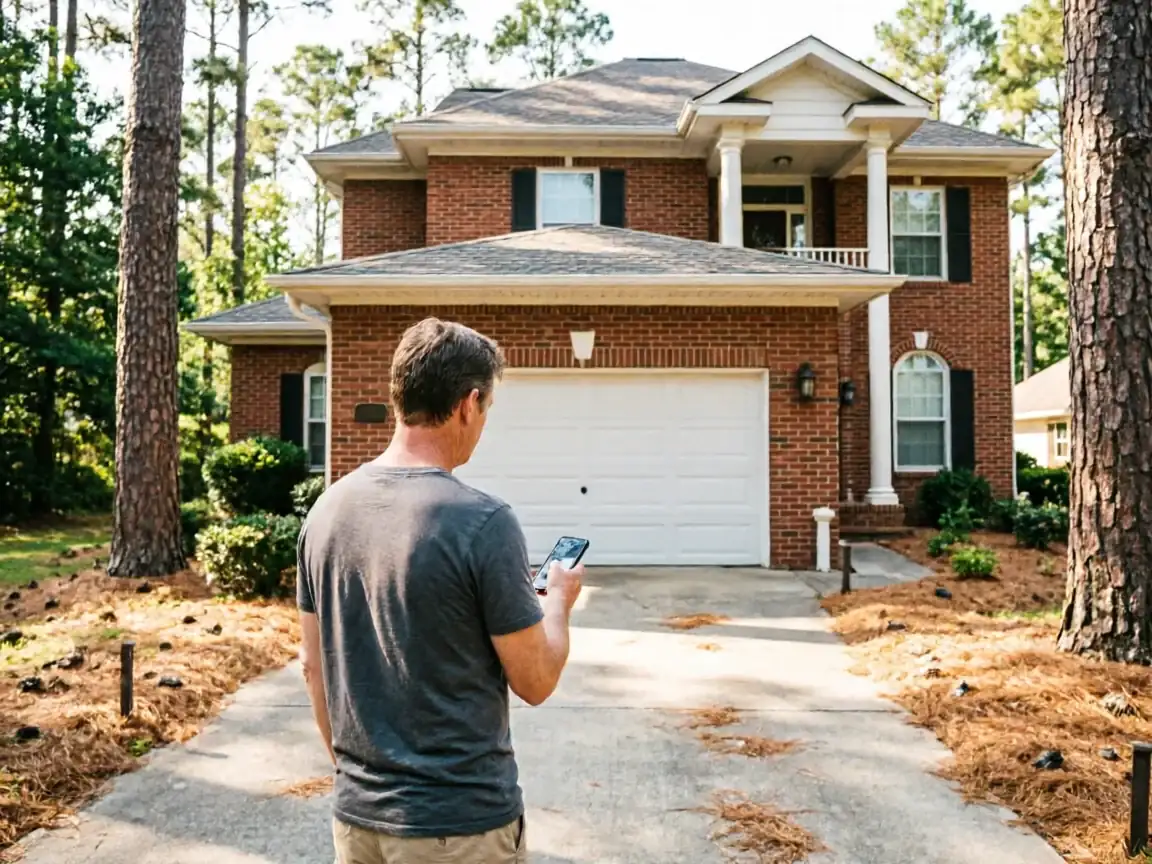
The drive from Newnan out to Hogansville runs about sixteen miles, which matters more than it sounds like it should. It means a tech isn't swinging by on a whim between other stops - a visit here gets scheduled as its own trip, usually with the right parts already loaded based on what you describe over the phone. That changes what's worth trying yourself first.
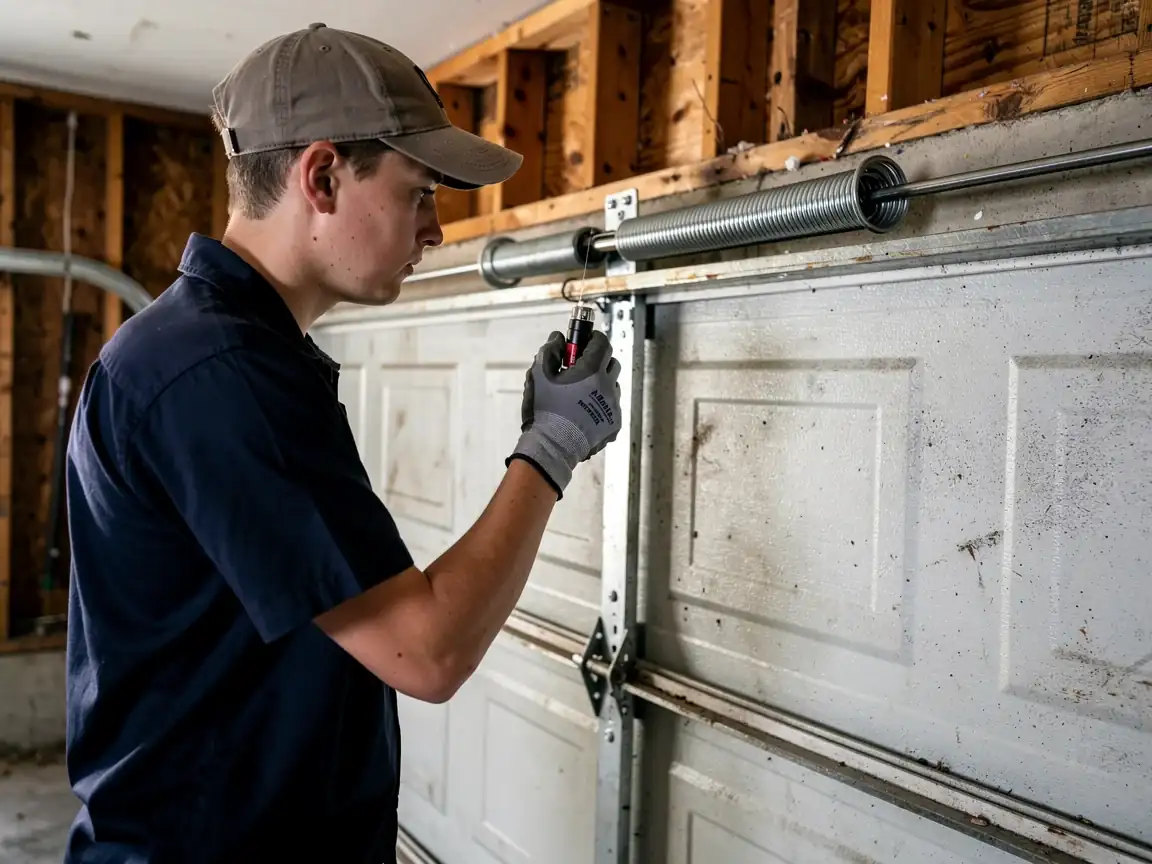
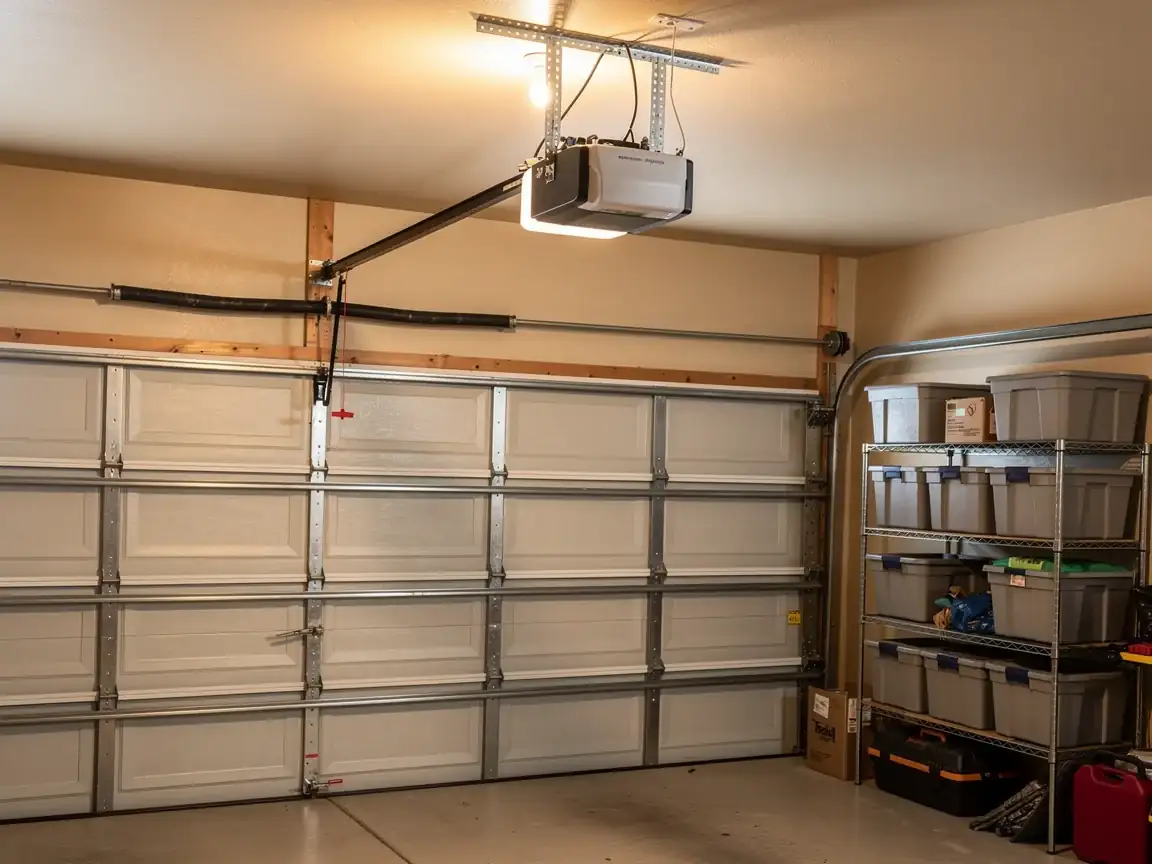
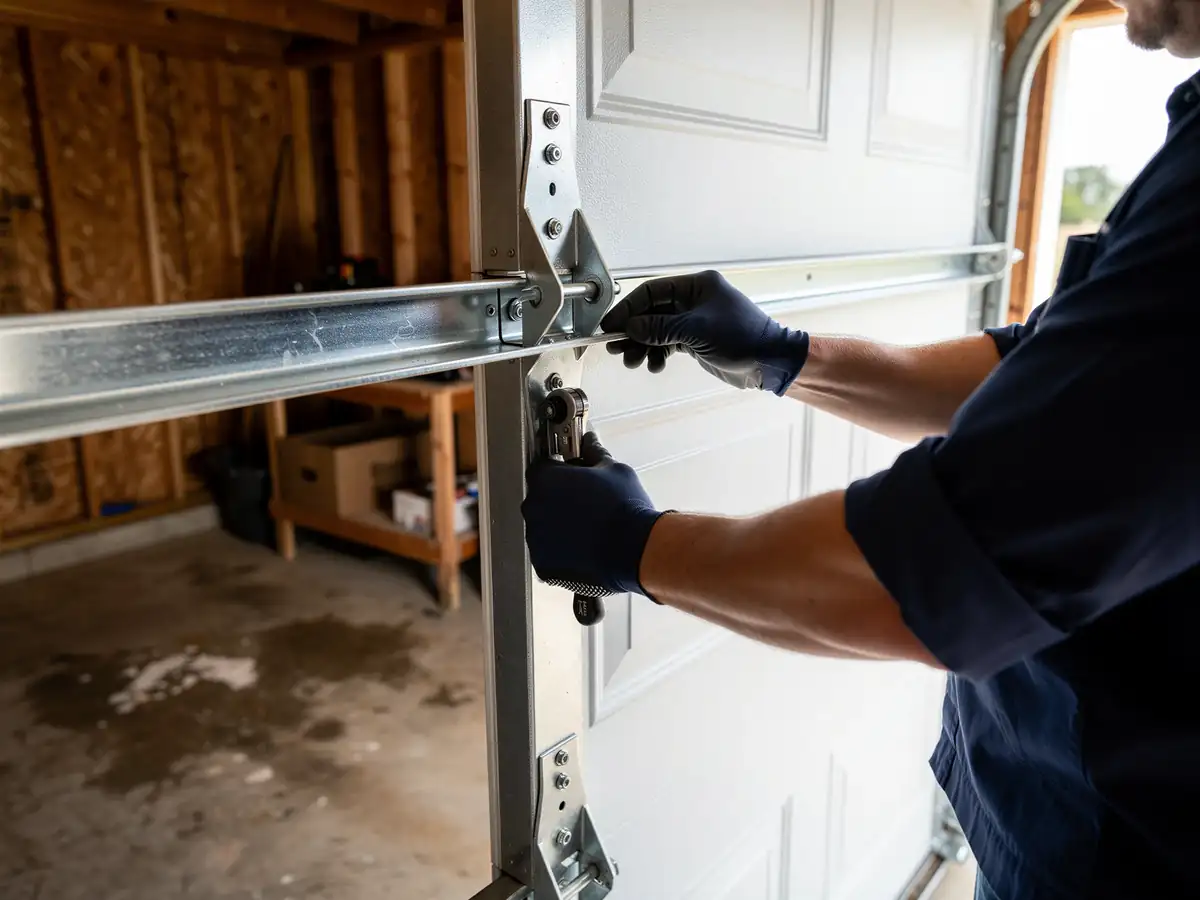
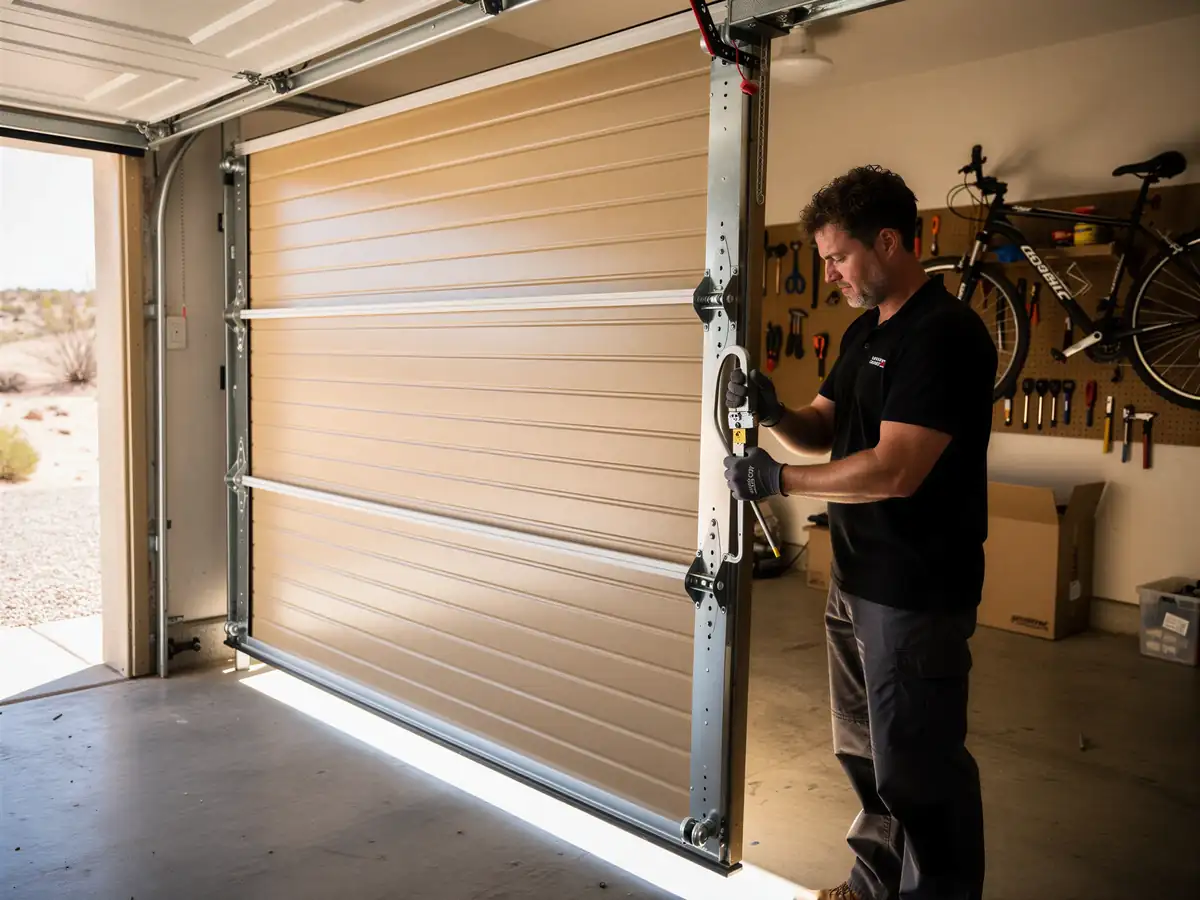
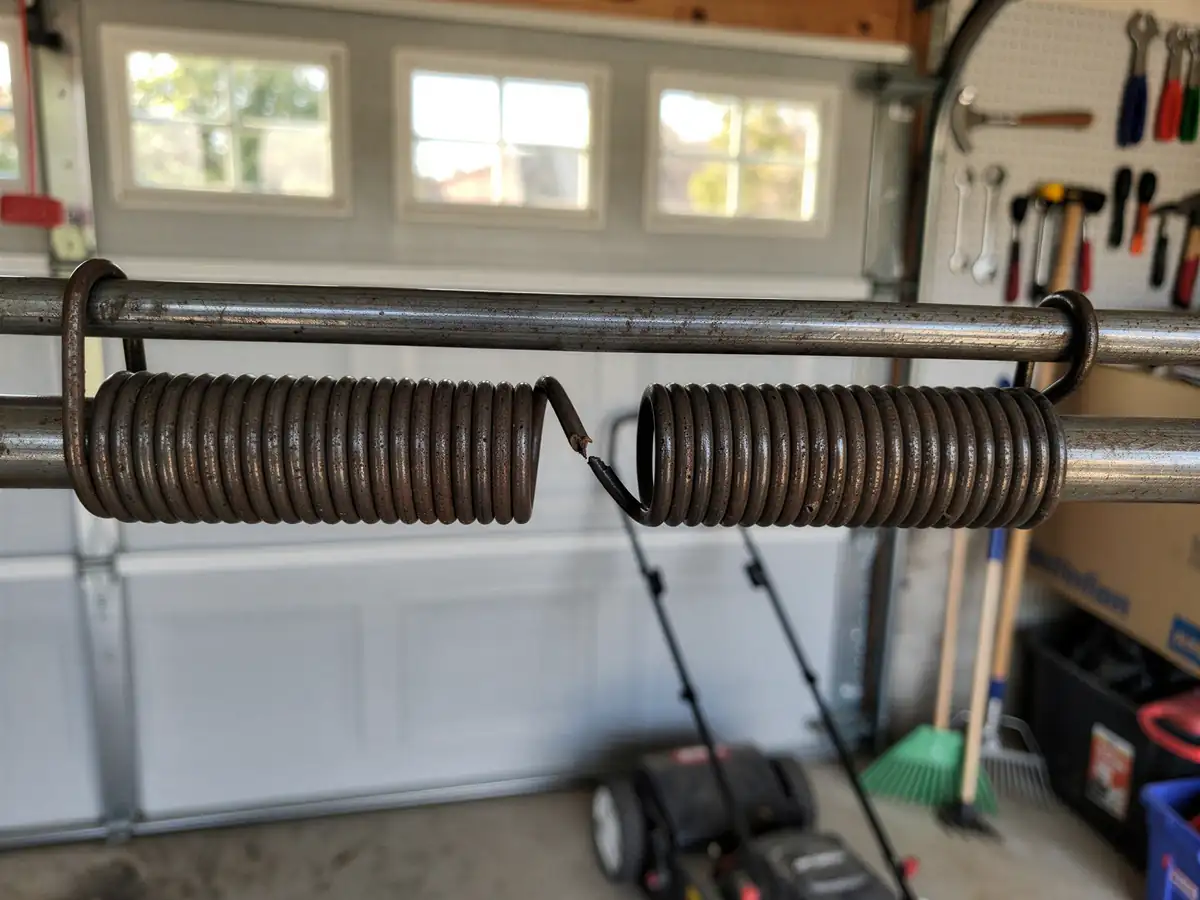
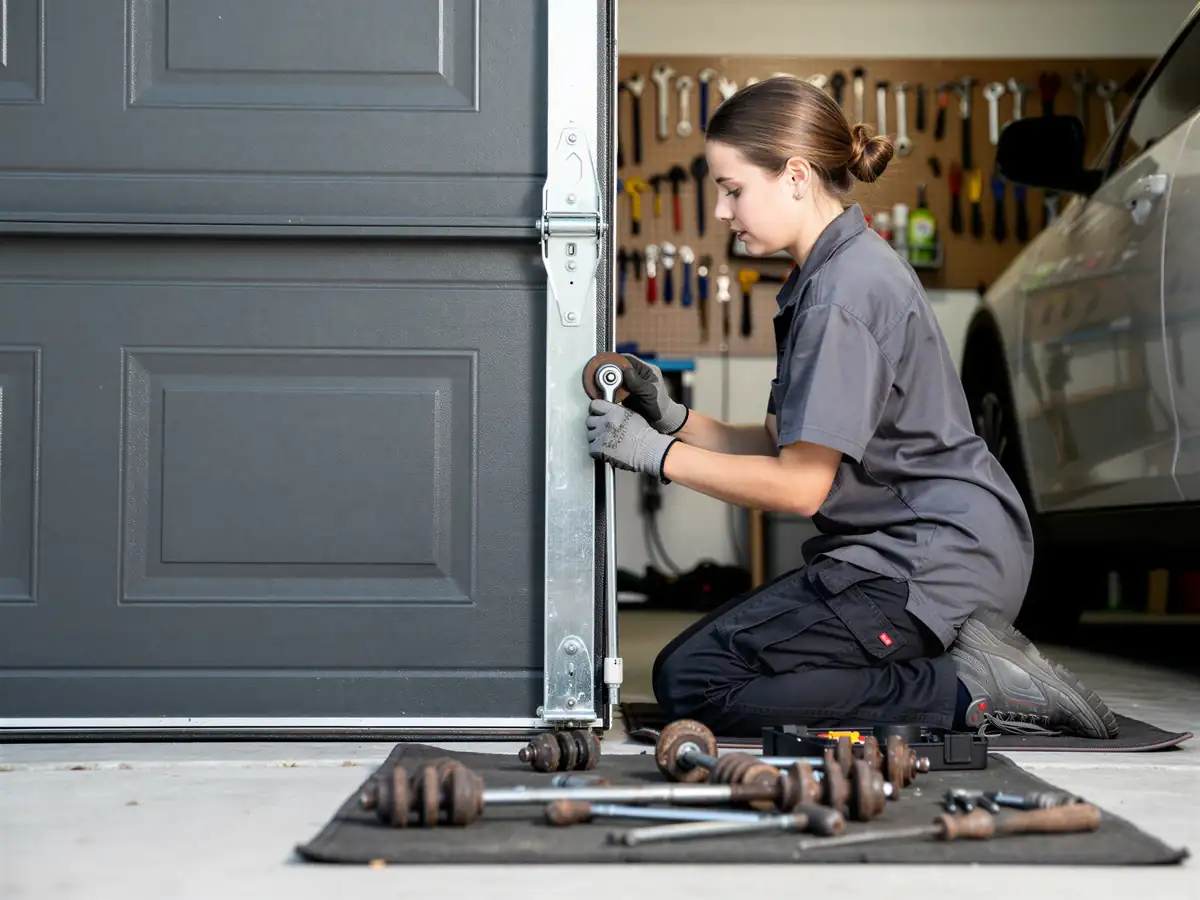
If your door is just noisy or slow, a little white lithium grease on the rollers and hinges, and a check that the tracks aren't bent, can buy you time before you need anyone to drive out. What you shouldn't touch: torsion springs, the cables under tension, or anything behind the bottom brackets. Houses in this part of Hogansville tend to date to the early 1970s, and a spring or cable sized for that era's door can store a lot of force. We've had calls that started as a homeowner trying to free a stuck spring and ended with a trip to the ER instead of a repair bill. If the door won't move, or moves unevenly, that's a call, not a weekend project.
Booking a Visit
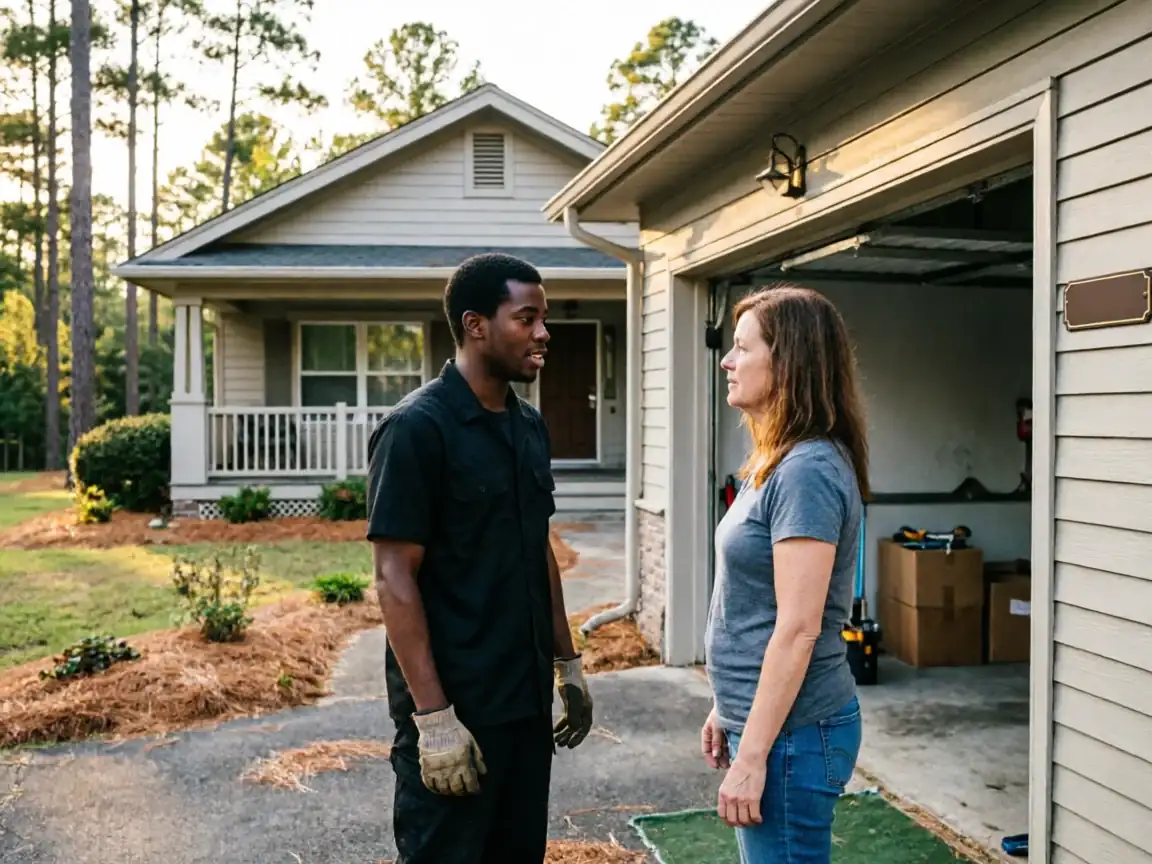
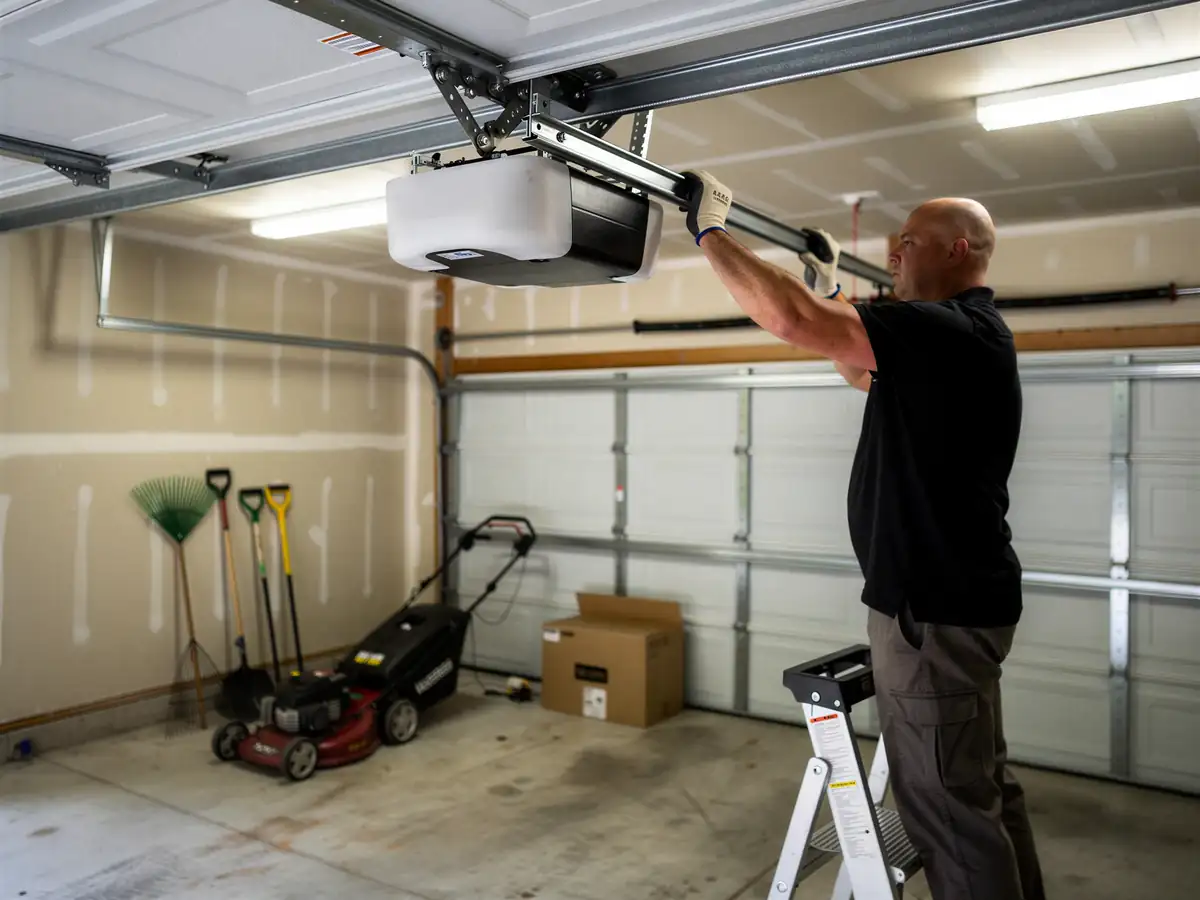
Because the company works out of Newnan, a Hogansville job gets booked as a dedicated run rather than an add-on to something closer in. When you call, be ready to say roughly how old the house is and what the door is doing - that lets the tech bring the right spring size, the right roller type, and a sense of whether the opener is original equipment or already a replacement. For a house built around 1974, there's a decent chance you're on at least a second-generation opener already, which changes what's in the truck.
There's no local branch or drop-in counter here - every visit starts with a phone call and a scheduled window. That's worth knowing upfront so you're not expecting same-hour service the way you might from a company with a yard down the street. One visit is usually enough to diagnose and fix a standard spring, cable, or opener issue; if the job turns out to need a part that isn't common anymore, that gets flagged before a second trip, not sprung on you after.
What Can Go Wrong
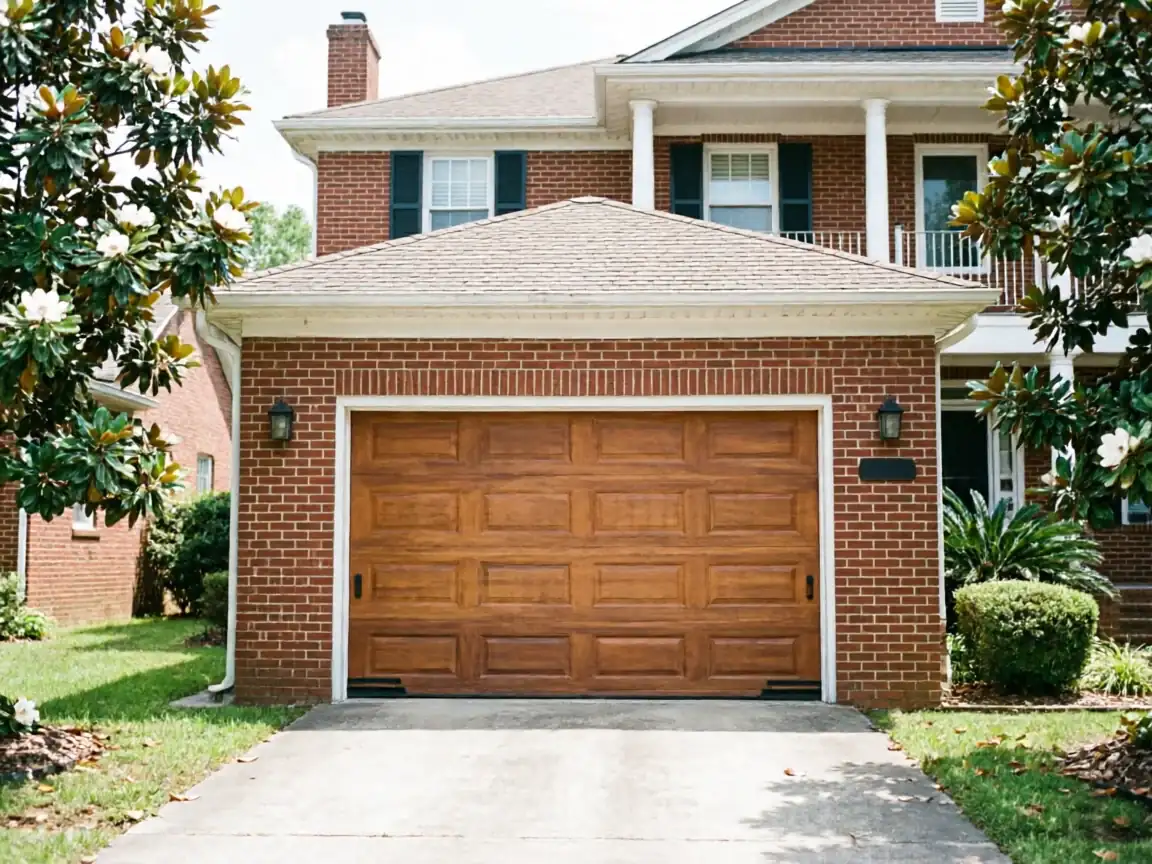
Hogansville's housing mostly went up around 1974
Well ahead of the service area's overall median year of 1994. That two-decade gap matters for garage doors specifically. A door and track system installed in the mid-70s was likely replaced once already in the 90s or 2000s, which means what's on the house now could be original 1970s hardware, a 90s retrofit, or a mismatched combination of both - bracket spacing and spring sizing from one era paired with a track from another.
The climate here runs cold-moderate
Which doesn't bring the extreme swings some regions get, but it's enough that steel contracts in winter and expands in summer. On an older torsion system, that cycling works loose fasteners and dries out lubrication faster than on a newer sealed-bearing setup. Add in a smaller, lower-income housing stock - Hogansville's median household income sits at $54,453, well under the broader area's $71,597 - and you get more doors running past the point where replacement would've been the cheaper call, because repair always looks cheaper up front.
The Symptom
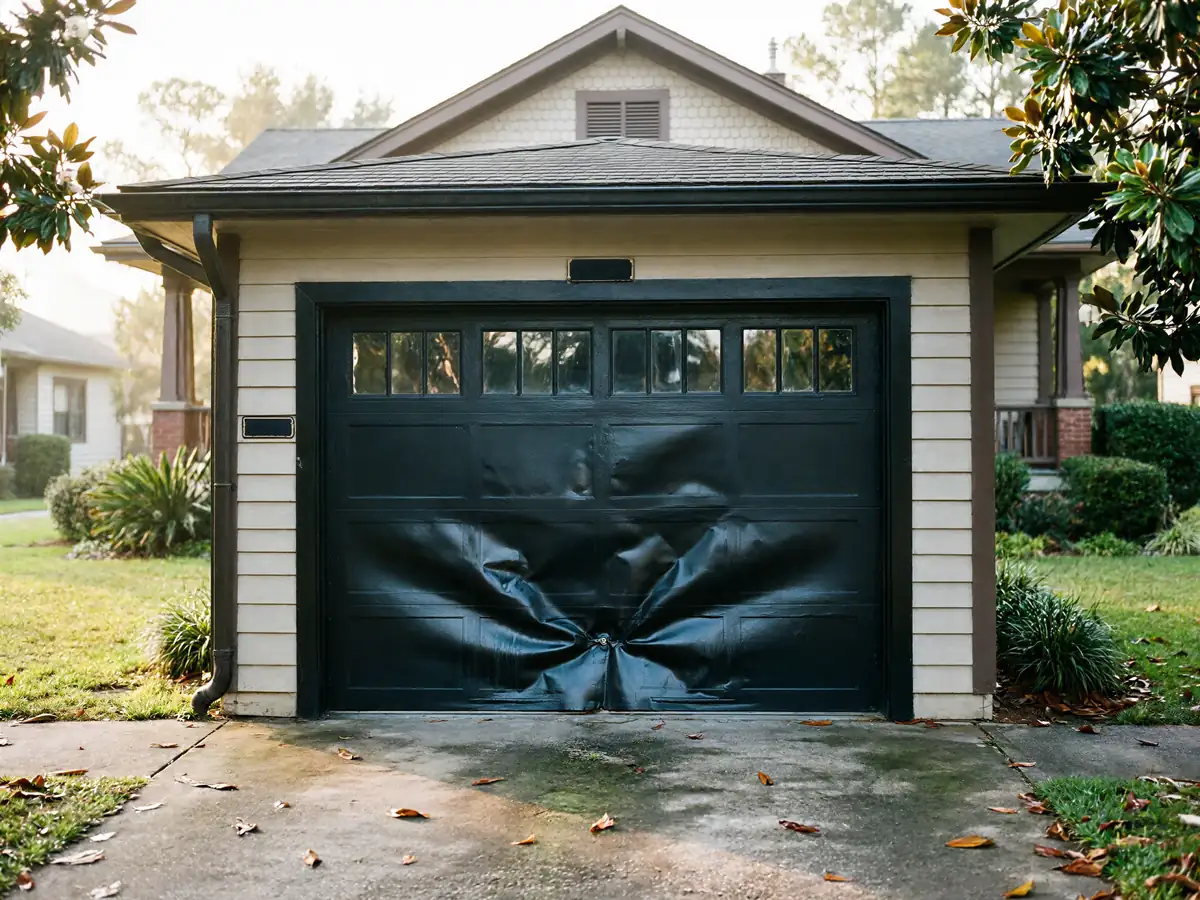
The complaint we hear most from this part of Hogansville is a door that binds partway up, then jerks the rest of the way, or one that opens crooked with one side dragging behind the other. On a house from this era, that's almost always the torsion spring losing tension unevenly, or a cable starting to fray on one side while the other still looks fine. Because the door looks like it's working - it does eventually open - people put off the call longer than they should.
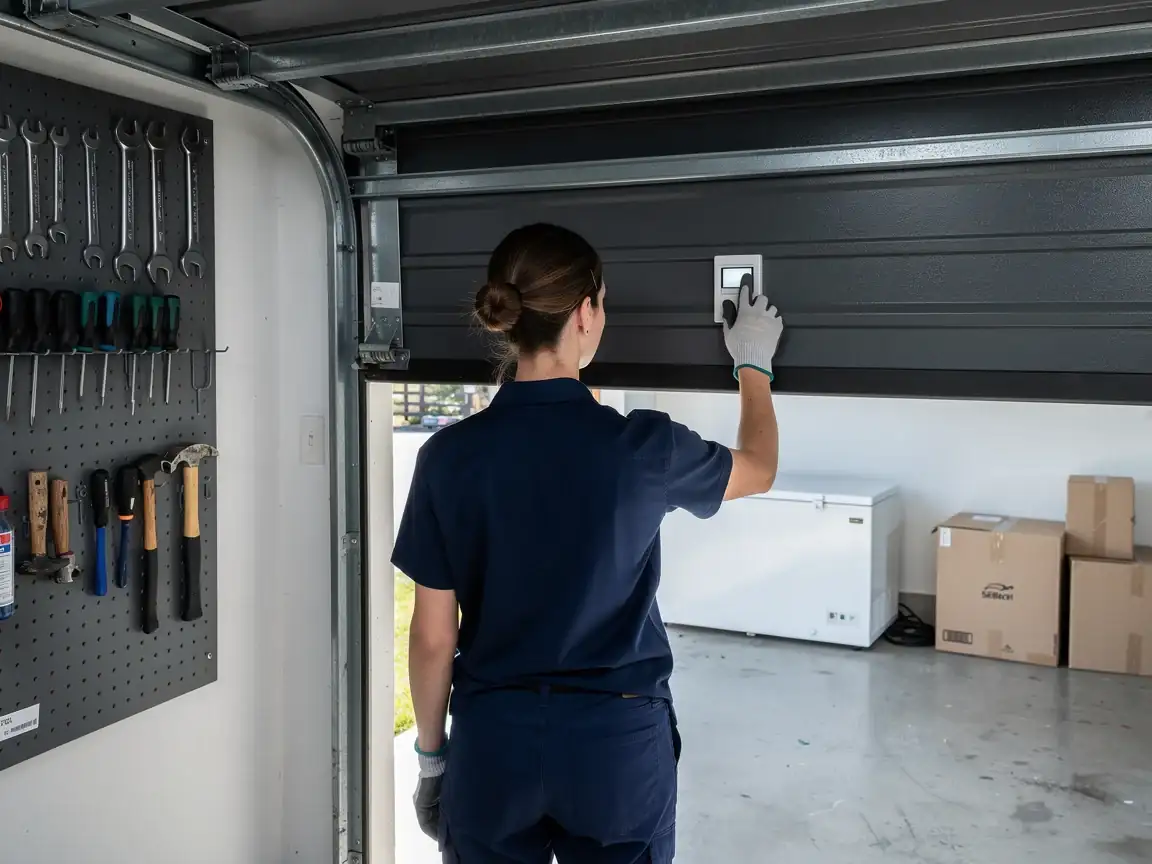
A second common one: the opener runs, you hear the motor, but the door barely moves or doesn't move at all. That's usually the opener trying to do a spring's job because the spring's already given up most of its lift. Running the opener like that for weeks burns out the motor on top of the spring problem, turning a $200ish repair into two repairs.
What the Fix Involves
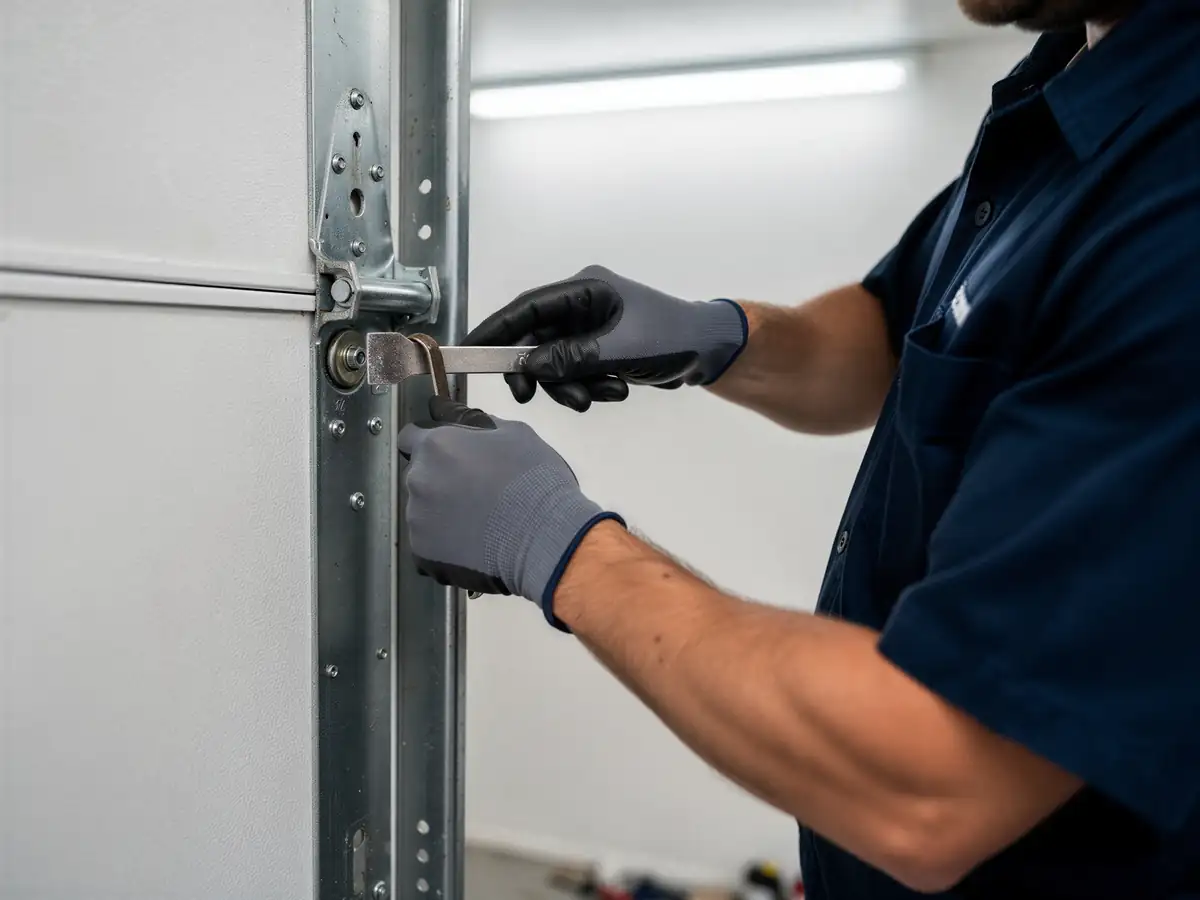
For a door of this vintage, the fix usually starts with matching spring wire size and wind direction to what's actually on the door, not just what's standard today - manufacturers changed torsion spring specs more than once since the 1970s, and a wrong-size spring will wear the opener and track faster than no spring at all. If cables are original, both get replaced together even if only one looks frayed, since the other is on the same clock.
Here's the honest limitation: if the track, drums, or brackets are an older size that's stopped being made, we may need to order the part rather than carry it on the truck, and that can push a same-visit fix to a second trip. On a handful of jobs the smarter move is replacing the whole door system rather than chasing parts for a 50-year-old track - we'll tell you straight if that's where your door is, instead of patching it for another year.