Why It Happens Here
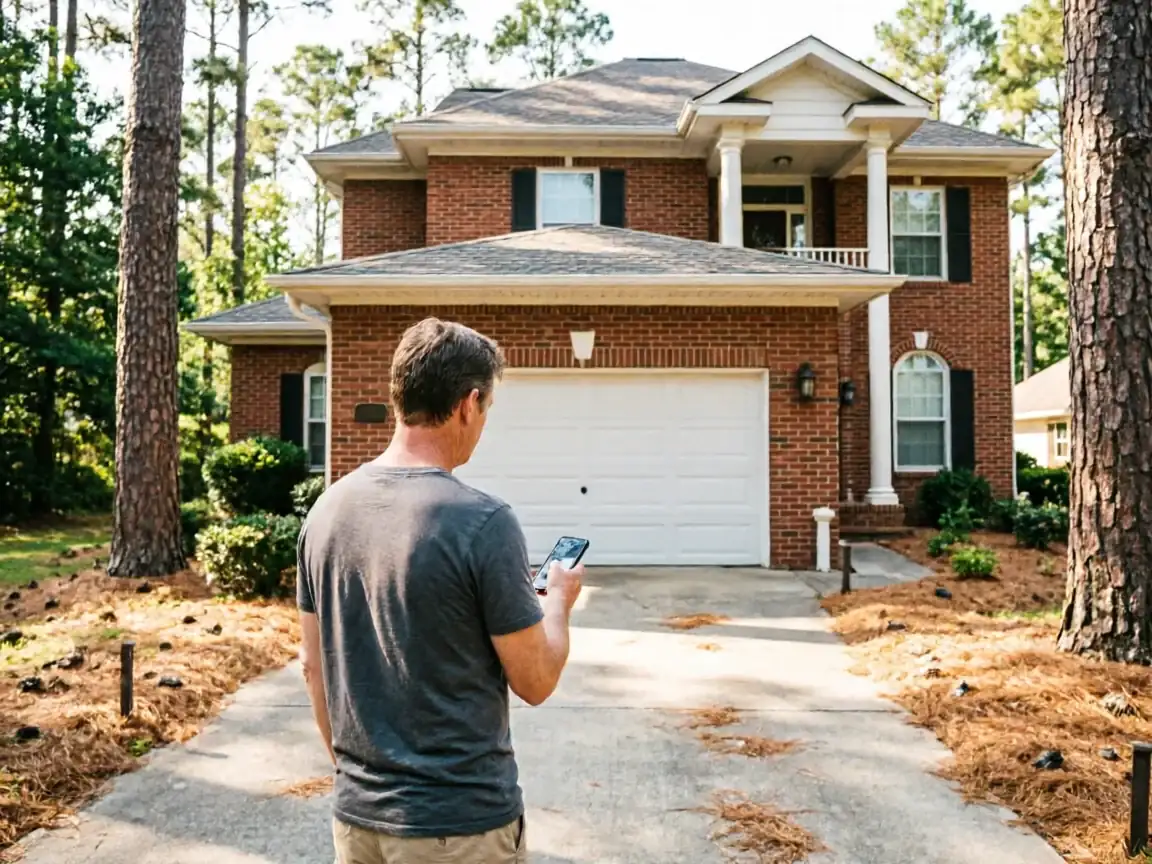
Palmetto's median household income runs $54,745, well under the $71,597 median across the wider Newnan service area. That number matters more than it sounds like it should, because it sets where the repair-or-replace line actually falls. A $450 torsion spring job makes sense on a house with room in the budget for it. On a fixed income, the same job can tip a homeowner toward asking us to just replace the whole opener assembly while we're there, rather than nursing along a 1989-era door piece by piece.
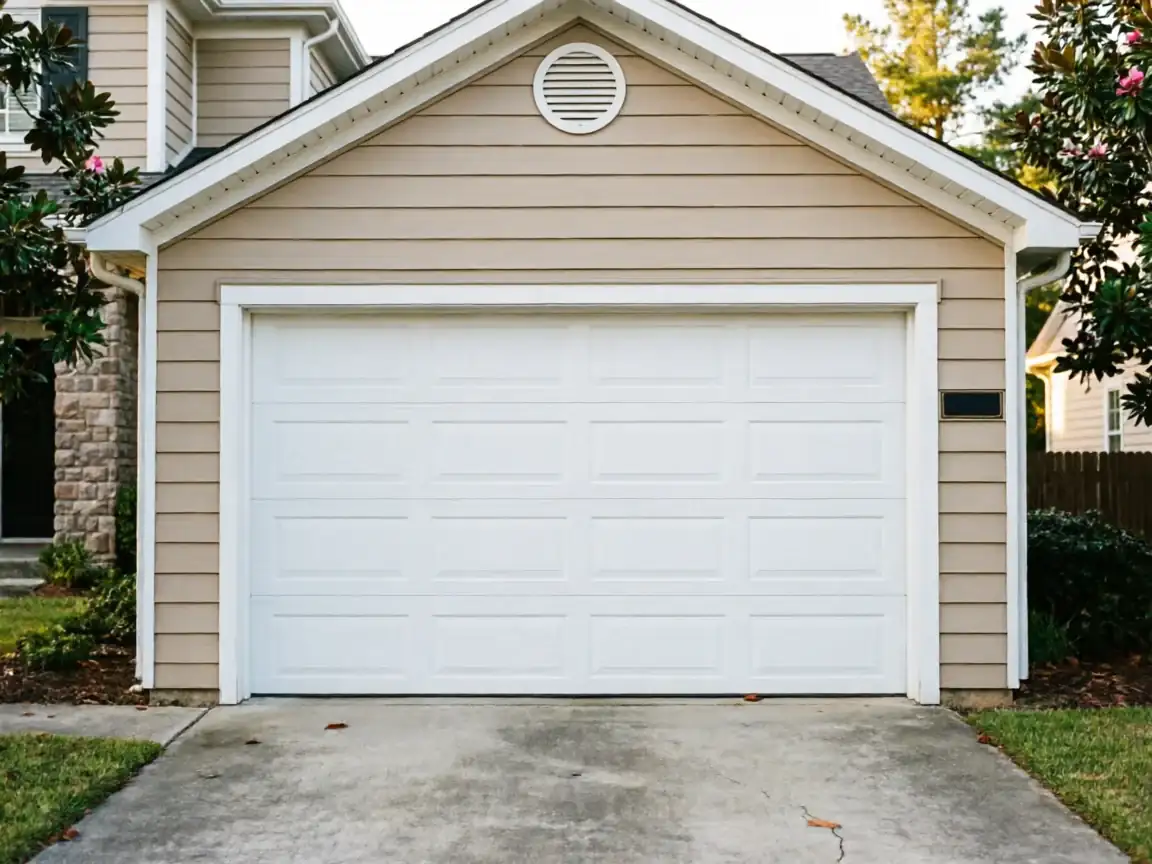
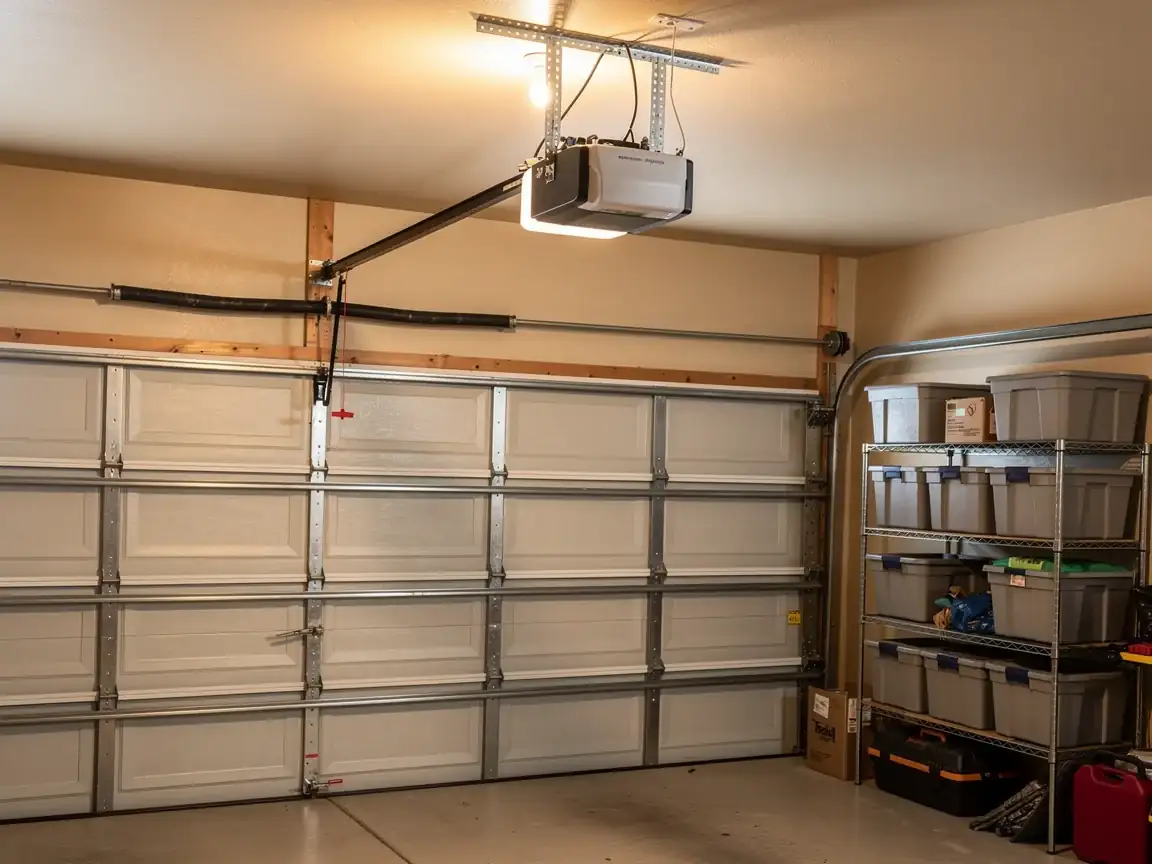
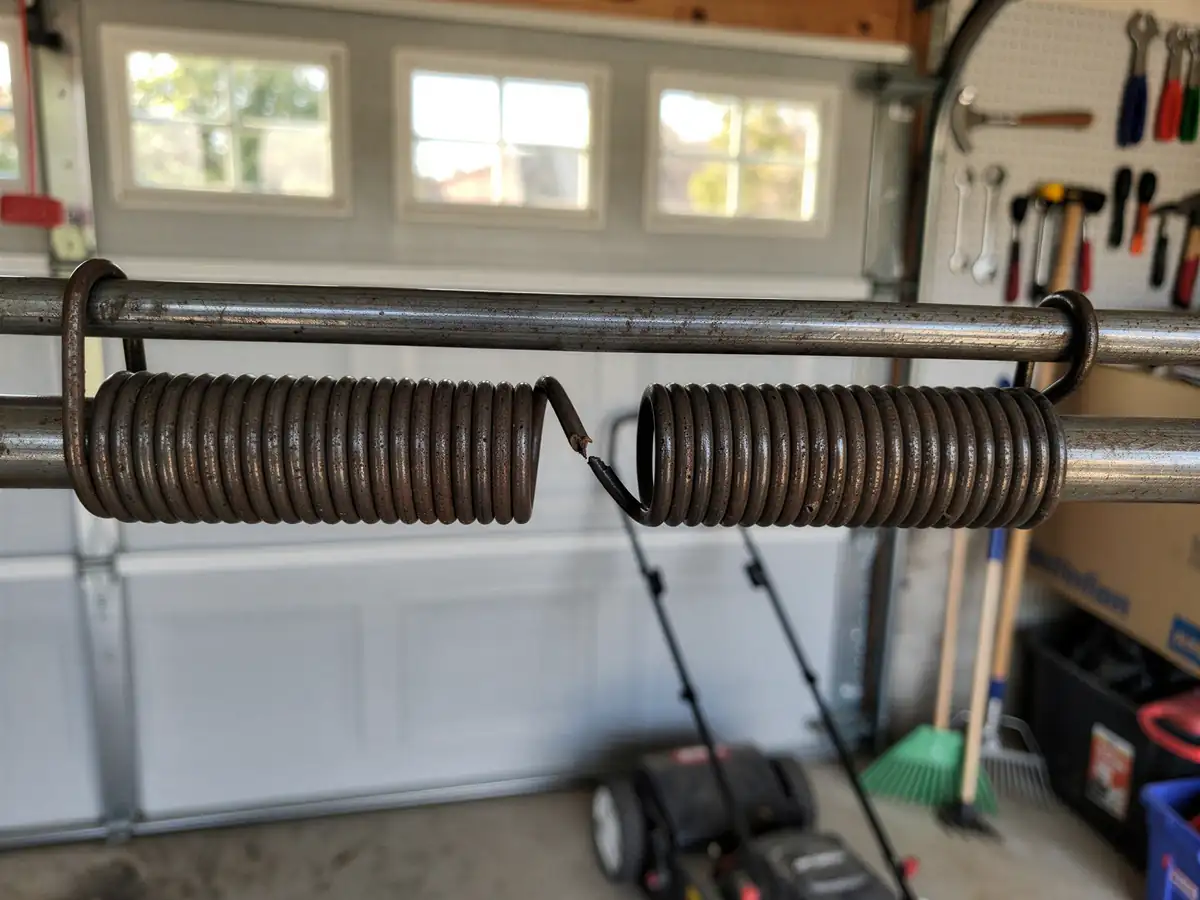
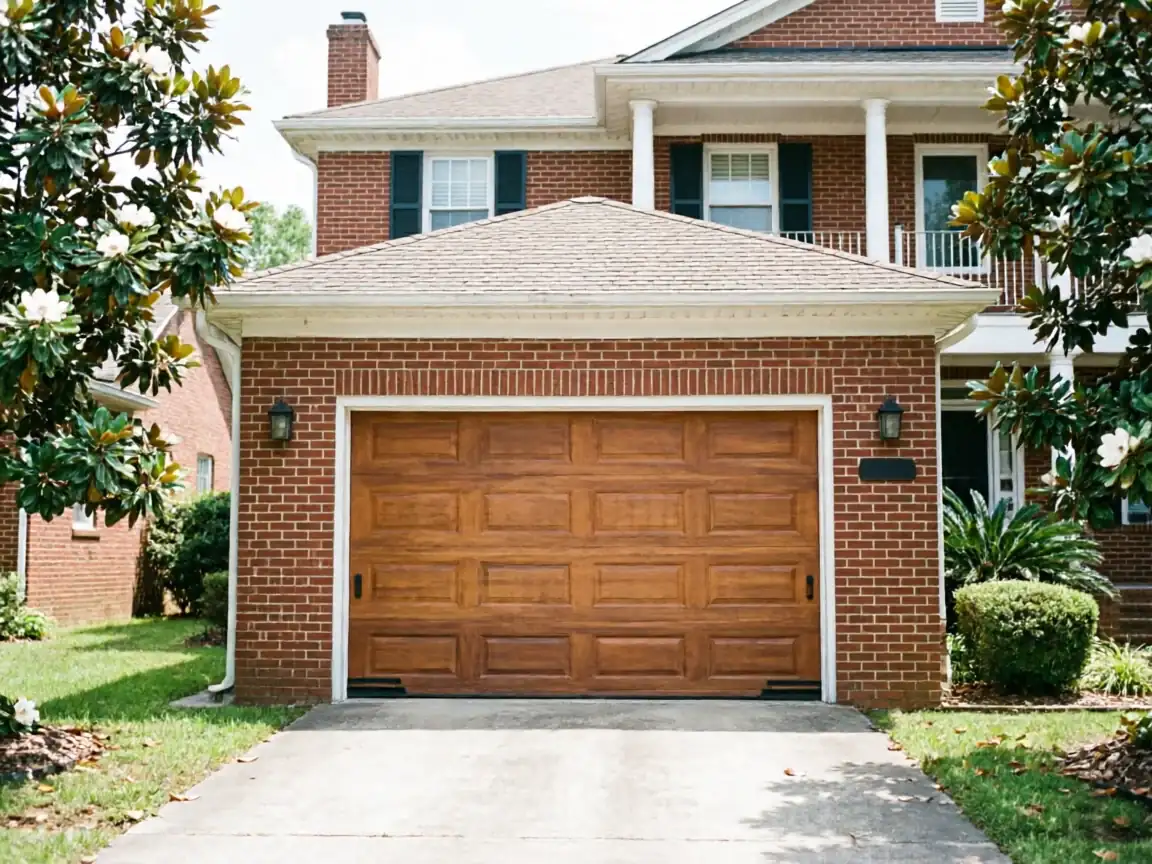
And 1989 is the number that explains the hardware. Houses here were mostly built in the 1980s and 90s, right in the middle of the broader 1964-2005 range you'll see across the area's 12 named communities. That means a lot of Palmetto garage doors are original steel sectional units on extension-spring setups, not the torsion systems builders switched to later. Extension springs wear differently, and the safety cables that are supposed to catch a broken one are the first thing we check on these.
The climate here is cold-moderate, which doesn't mean brutal winters, but it does mean enough freeze-thaw swing through the year to stiffen grease in old rollers and make steel springs more brittle than they'd be in a warmer band. Combine 30-plus-year-old hardware with that cycling and spring failure is the single most common call we get from this part of the service area.
How Long You Are Without the Door
We run this out of Newnan, 12 miles up the road from Palmetto. That's not a same-town dispatch, so if you're picturing a truck pulling up in twenty minutes, adjust that expectation - the drive itself is part of the timeline, same as it would be for any job this far out.
What actually determines how long you're stuck with a door that won't open isn't the distance, though. It's the part. A broken spring or a snapped cable, we generally carry on the truck and the door is working again the same visit. A dead opener board or a bent track on an older 1980s door is a different story - if the part isn't common stock, that can mean a return trip once it's in hand.
Here's the honest limit: we don't keep a branch or inventory sitting in Palmetto, so anything unusual on an original-build door from this era may take longer than a same-day fix. We'll tell you straight when that's the case rather than quote you a time we can't hit.
What the Fix Involves
On a typical 1989-vintage Palmetto door, the fix starts with figuring out whether you've got extension springs or torsion
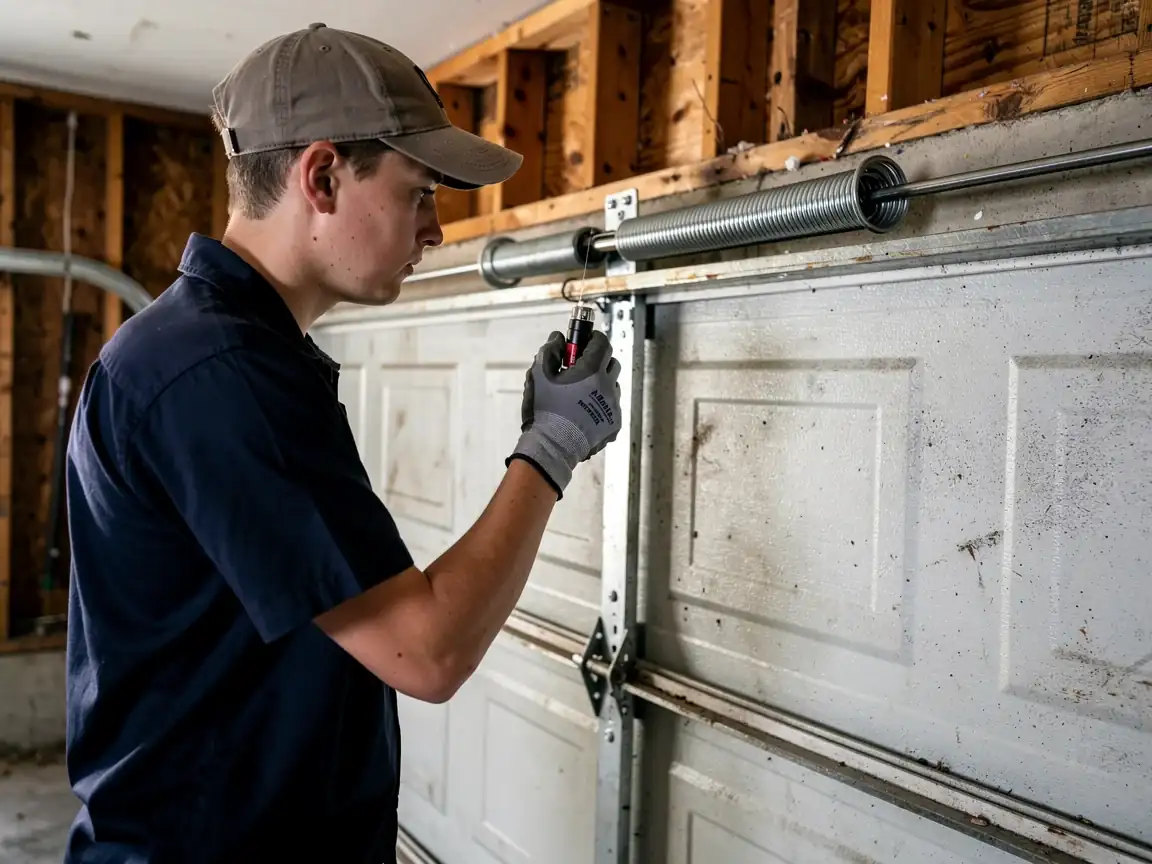
A lot of houses from this build era were fitted with extension springs mounted along the horizontal tracks, which is a different repair than the torsion bar setup over the door you'd find on newer construction. Extension spring work means checking the safety cables are still routed and intact, since those are what stop a broken spring from becoming a projectile.
After the spring, we're looking at rollers and hinges
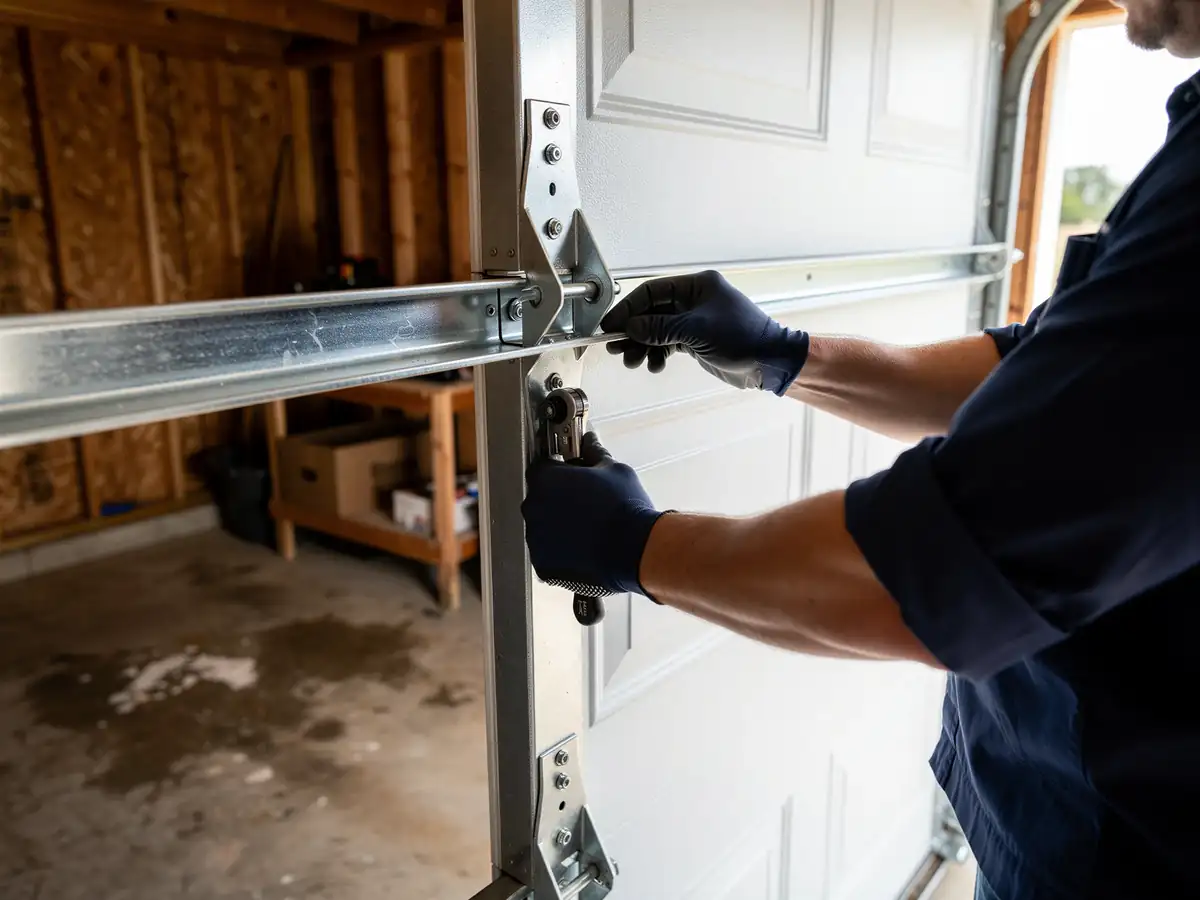
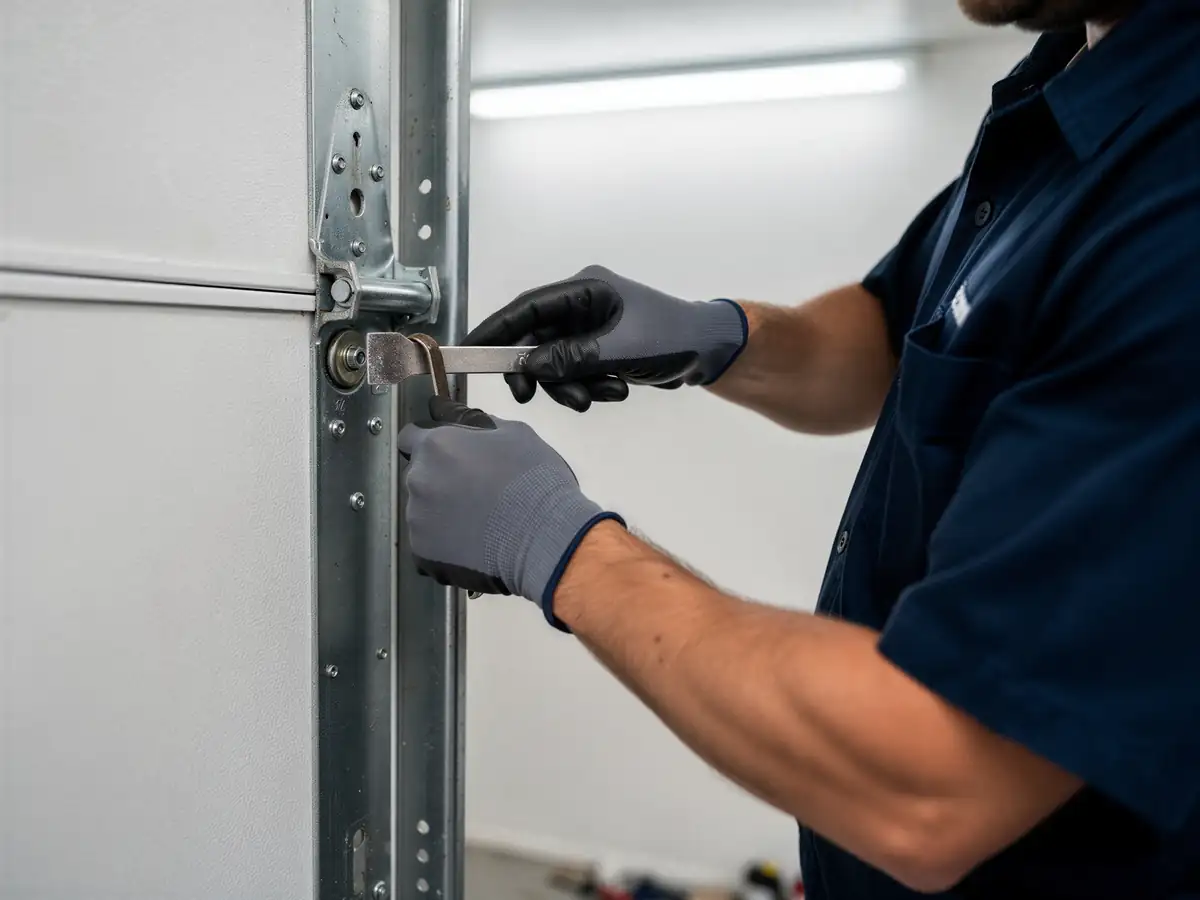
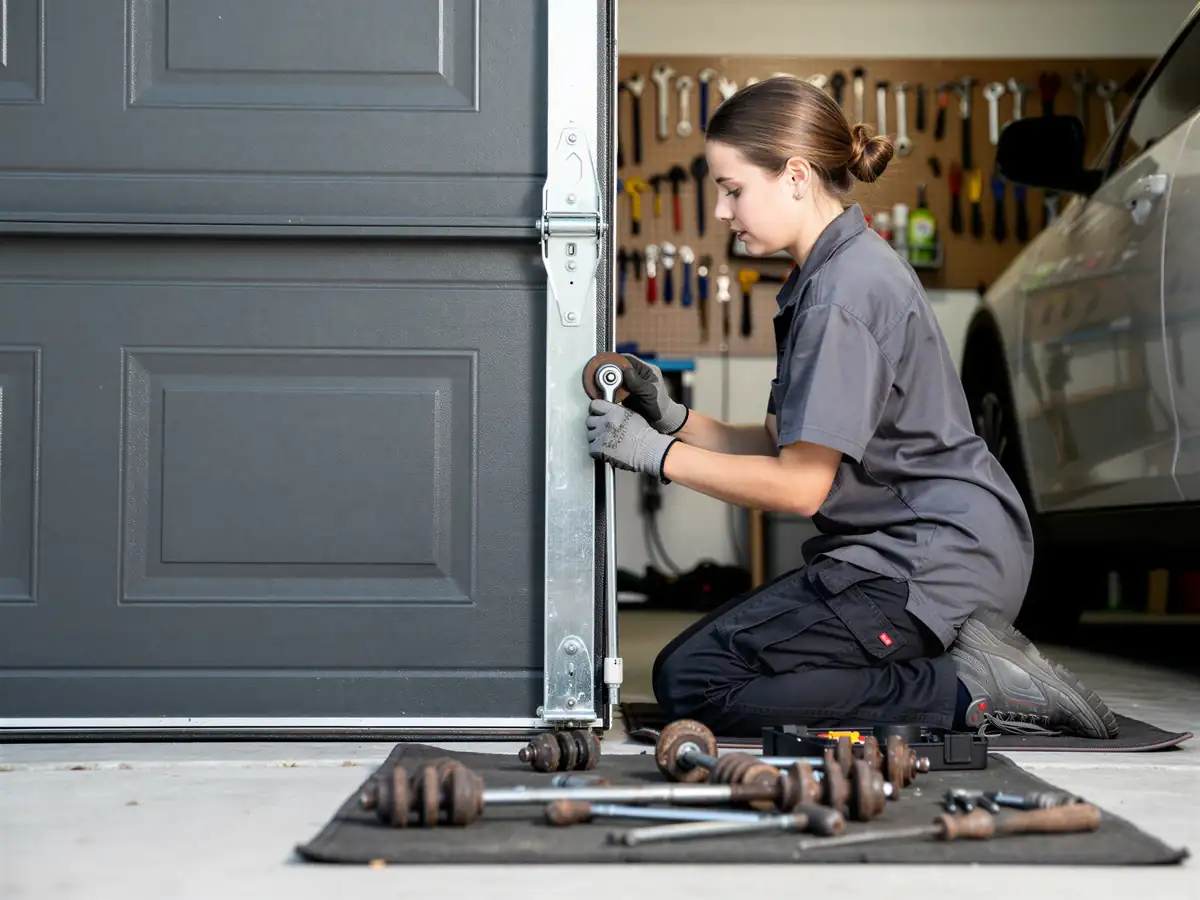
Steel rollers on a 30-plus-year-old door are usually worn oval by now, which shows up as a door that rattles or binds partway through its travel. Swapping those out along with a spring is often the same visit, and it's the kind of combined work that keeps a repair bill from Palmetto homes reasonable given the $54,745 median income here.
If the opener itself is original to the house, we'll say so plainly
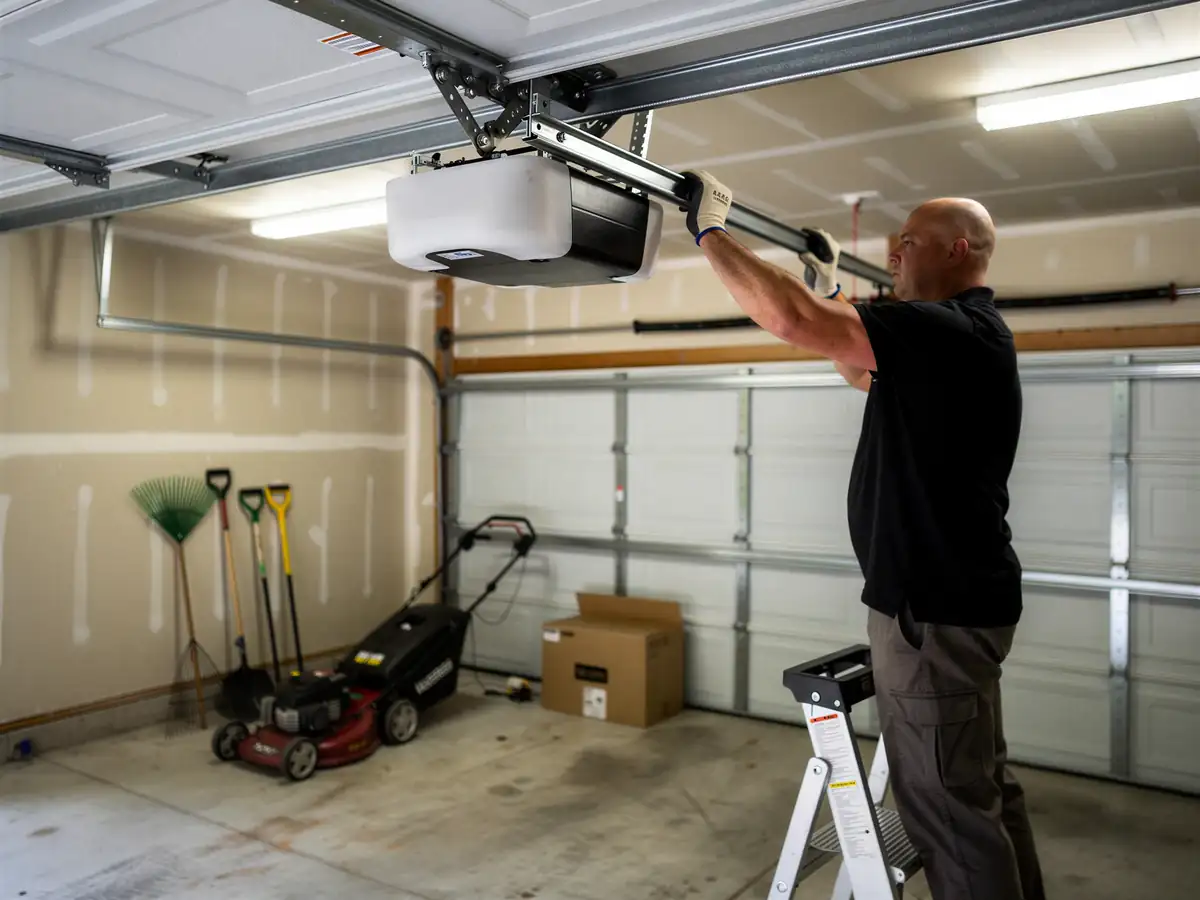
A chain-drive unit from the late 80s or early 90s is past the point where parts are worth sourcing, and replacement usually costs less over time than chasing failures on a motor that old.
Can You Do This Yourself
Rollers, hinges, weatherstripping, the sensor eyes at the bottom of the track - those are reasonable DIY jobs if you're comfortable with a ladder and a screwdriver. None of that requires us.
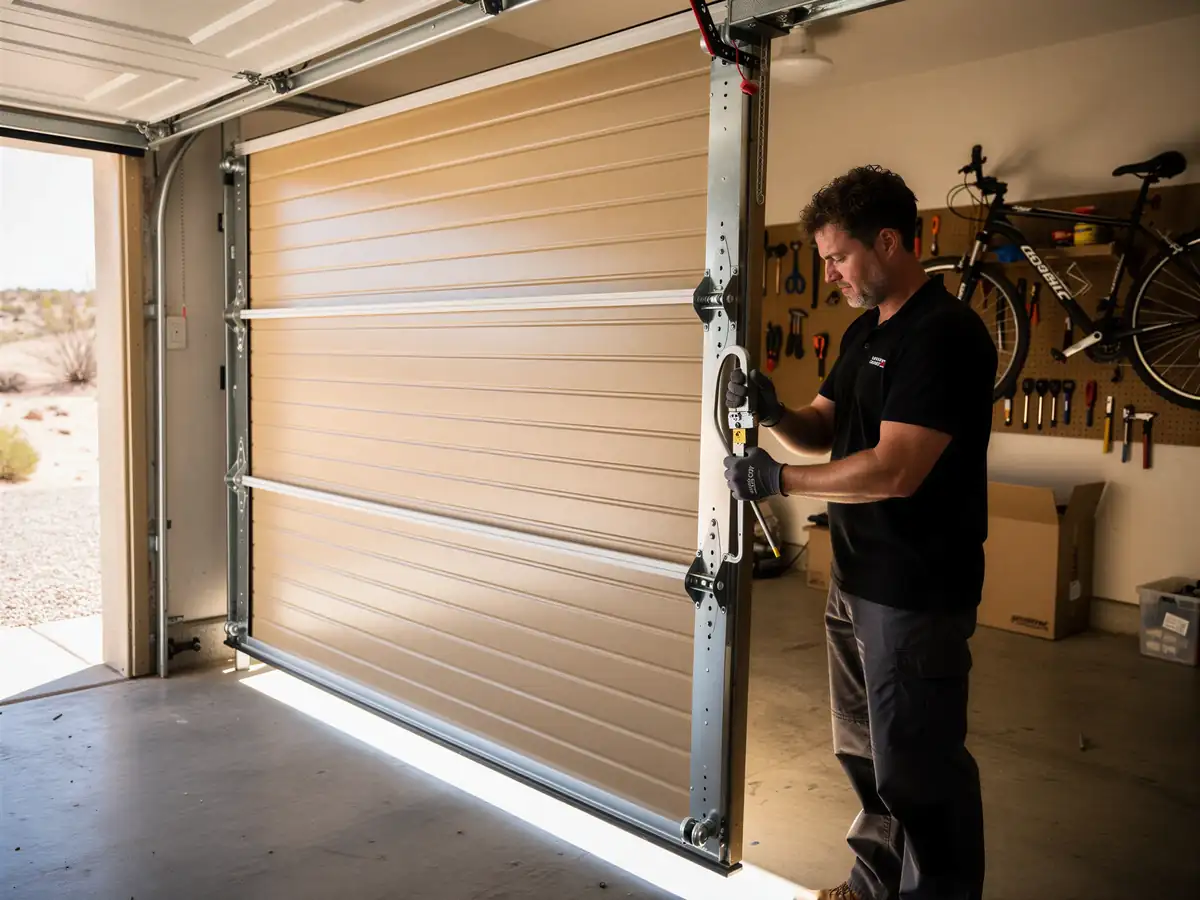
Springs are where we draw the line, and we'll say it plainly rather than soften it: a torsion or extension spring under tension can break bones or worse if you don't know how to wind it down first. That's true on any door, but it matters more here because so many Palmetto doors still run the older extension-spring setup, which has its own failure pattern and its own safety-cable check that a lot of online tutorials skip entirely.
The other place we'd tell you to call rather than tackle it yourself: if your opener is original to a 1989 build and it's grinding, humming, or tripping the breaker, that's electrical and mechanical wear talking, not something a lubricant spray fixes. Given the income profile in this part of the service area, we try to be straight about whether a repair is worth the house call or whether replacement is the better use of the money - see our Palmetto page for what that conversation usually covers, or the general service page for what we handle across the wider area.