Why It Happens Here
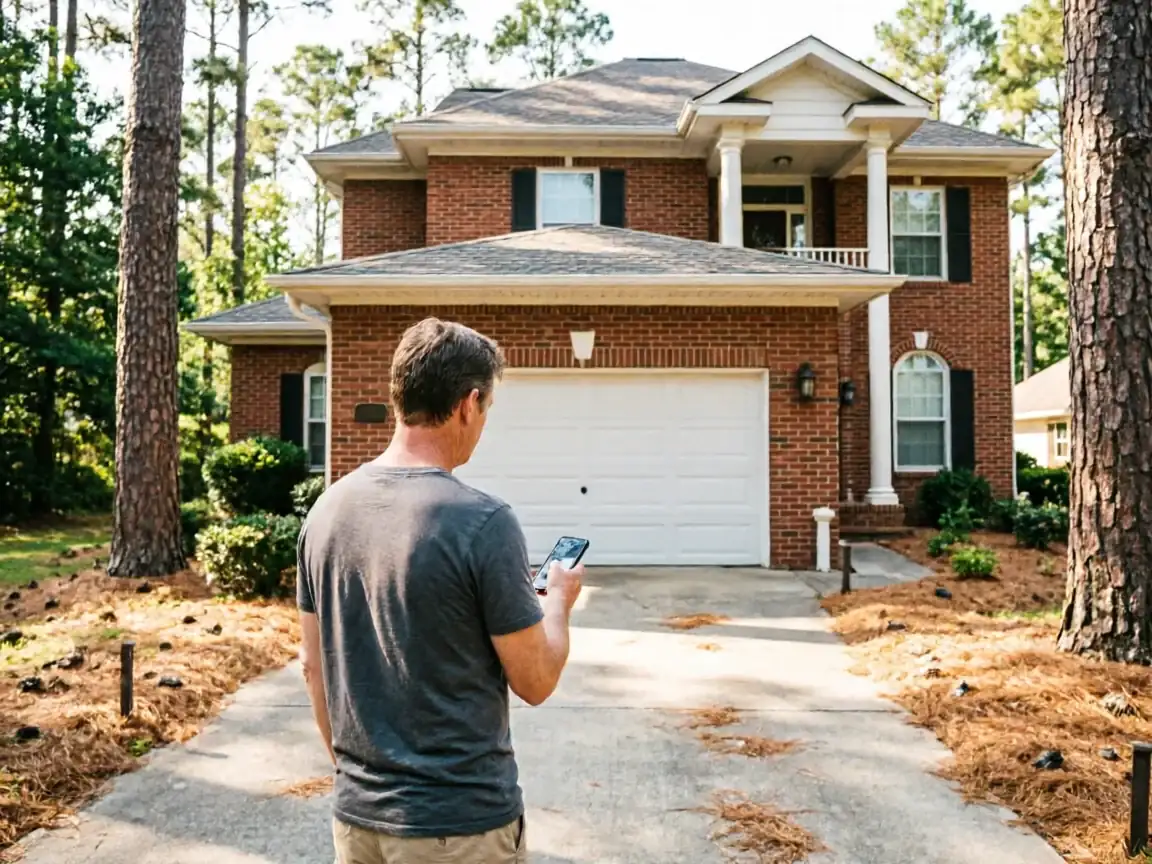
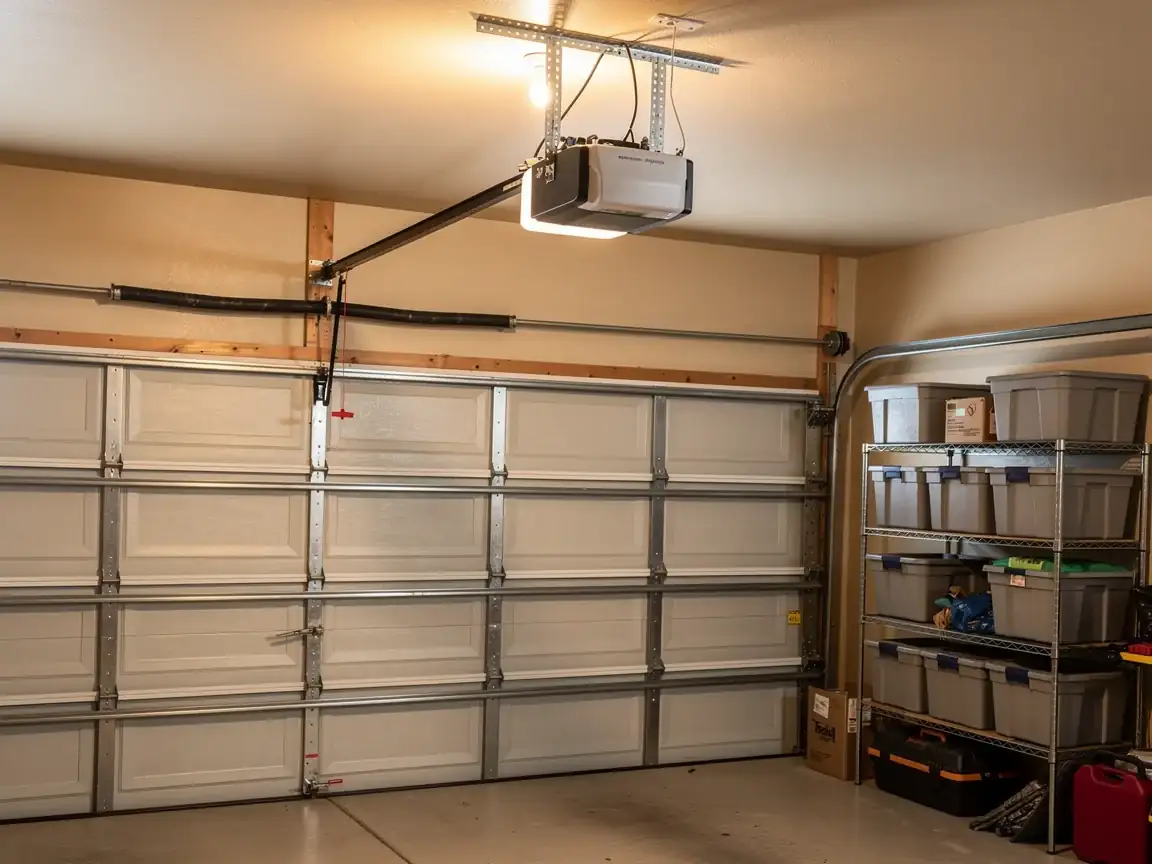
The median home in Palmetto went up around 1989, which puts most garages in that builder-grade window before composite rollers became standard. What went in back then was usually plain steel rollers riding on a bare stem, no bearing, no nylon sleeve, just metal on metal in a steel track. Thirty-some years of that wears a groove into the roller face and into the track itself, so the door starts to chatter or bind a few inches from the top or bottom of travel.
The region sits in a cold-moderate climate band, which means grease on those stems thickens up in winter and dries out in summer, speeding up the same wear. With roughly 1,906 households in Palmetto and a median income near $54,745, a lot of these doors get run hard for years before anyone calls about the noise, which lets a worn roller chew into the track lip before you notice it's doing damage beyond itself.
We see this pattern a lot in houses from that build era across the wider area, and Palmetto's stock lines up almost exactly with it. It's not a defect, it's just what thirty years of steel-on-steel does.
How Long You Are Without the Door
Newnan Garage Door Pros works out of Newnan, about 12 miles from Palmetto, so there's no local branch sitting around the corner. That distance gets built into the visit, not worked around on the fly. Rollers are a small part and a common one, so the truck usually carries steel and nylon replacements for the sizes that match 1980s and 90s builder hardware, which covers most of what's installed in this part of town.
For a straightforward roller swap, the door is rarely down for more than the single visit. The time sink isn't the repair itself, it's figuring out before the truck leaves Newnan whether it's really just rollers or whether the track took enough damage from the worn rollers that it needs straightening or replacing too. That's the one thing we'd rather confirm with a photo or a quick description over the phone than guess at and show up short a part.
What the Fix Involves
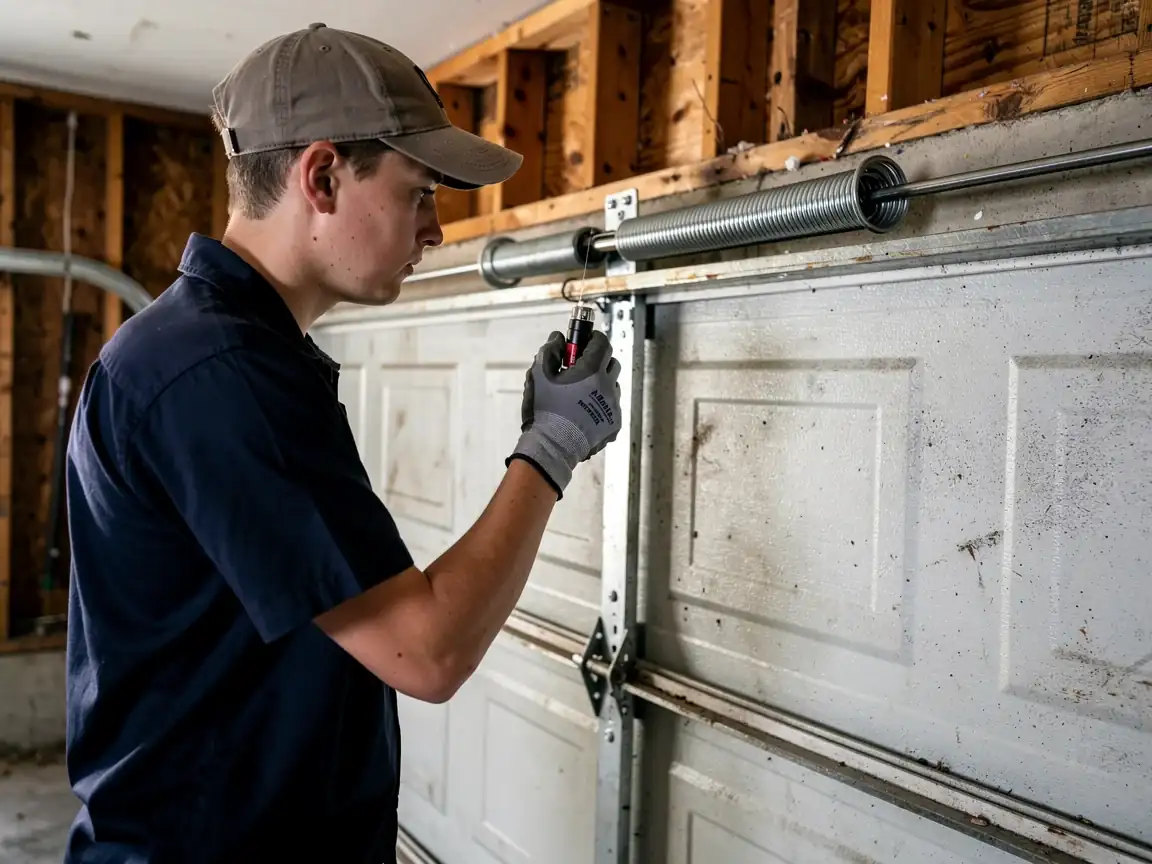
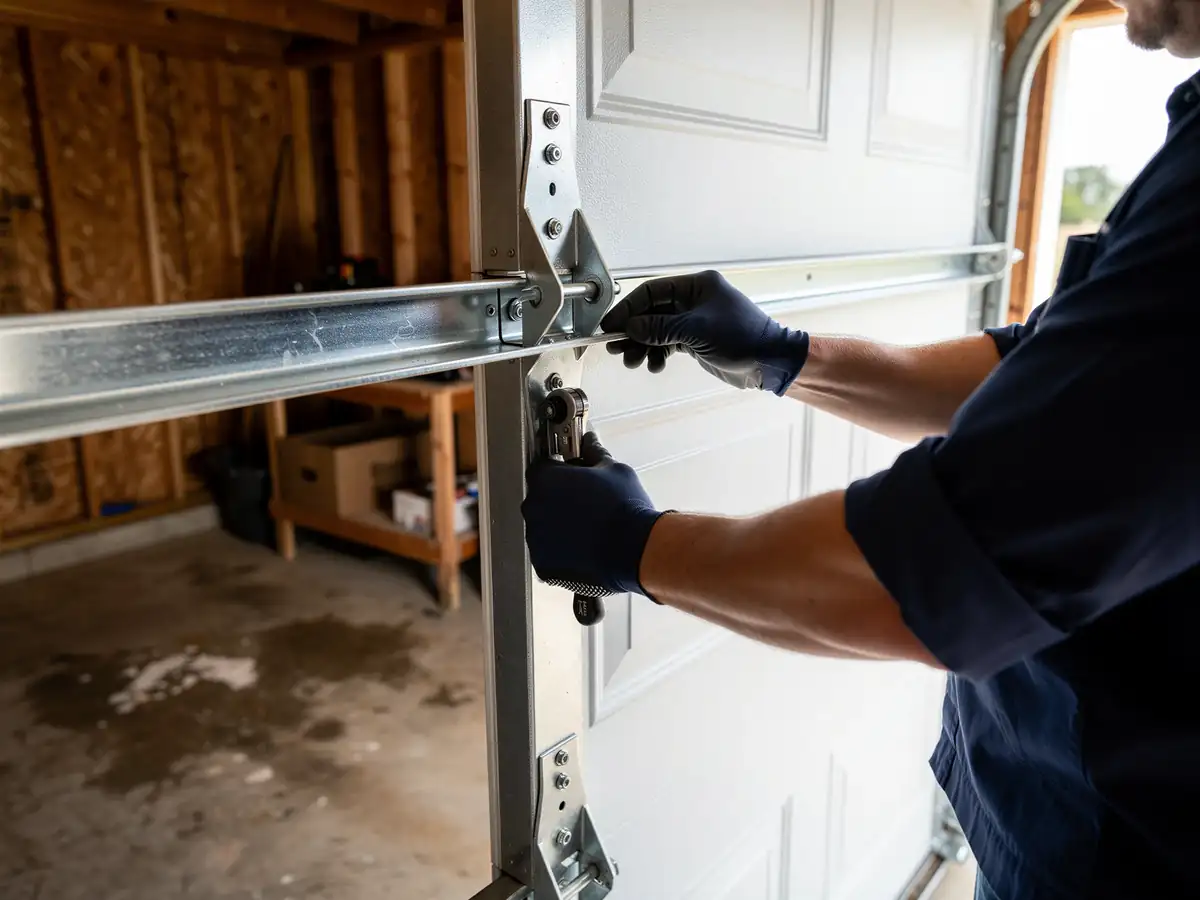
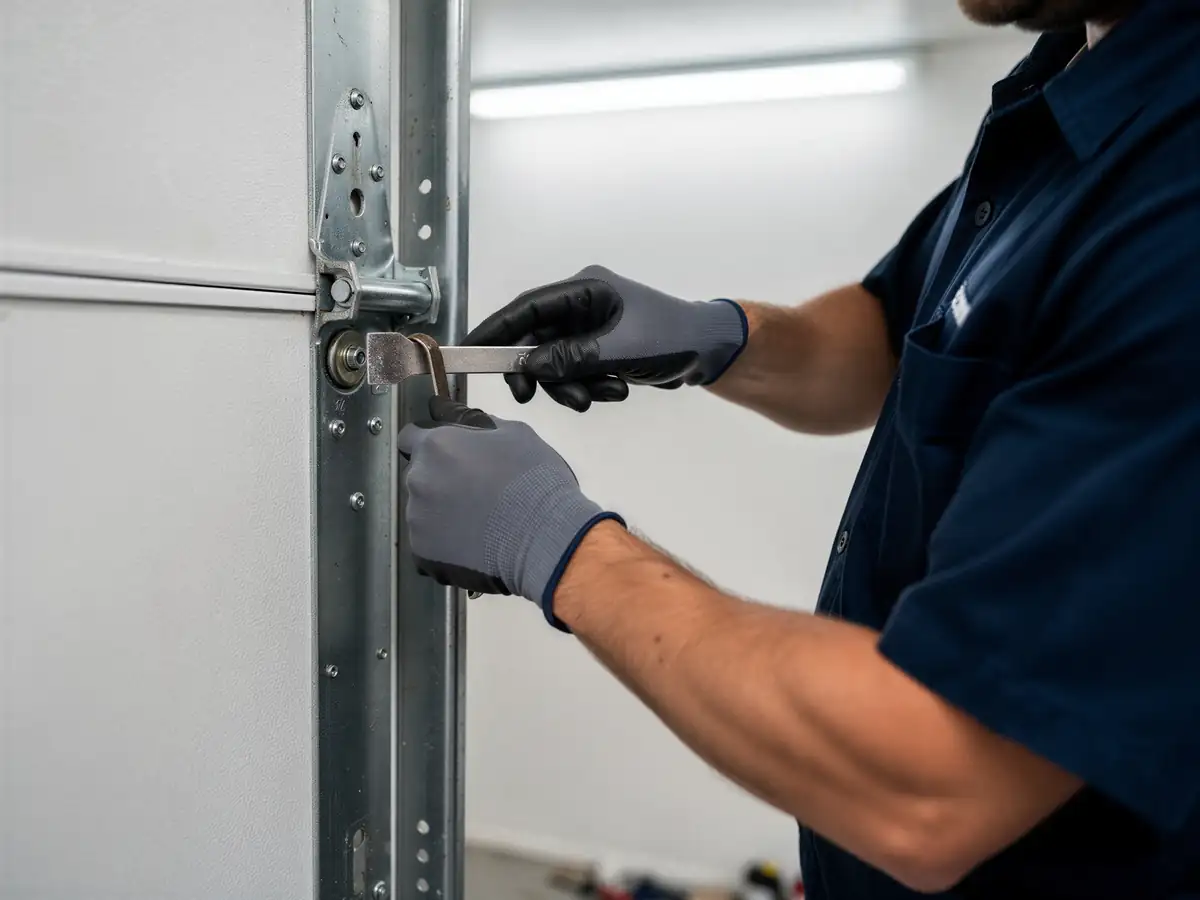
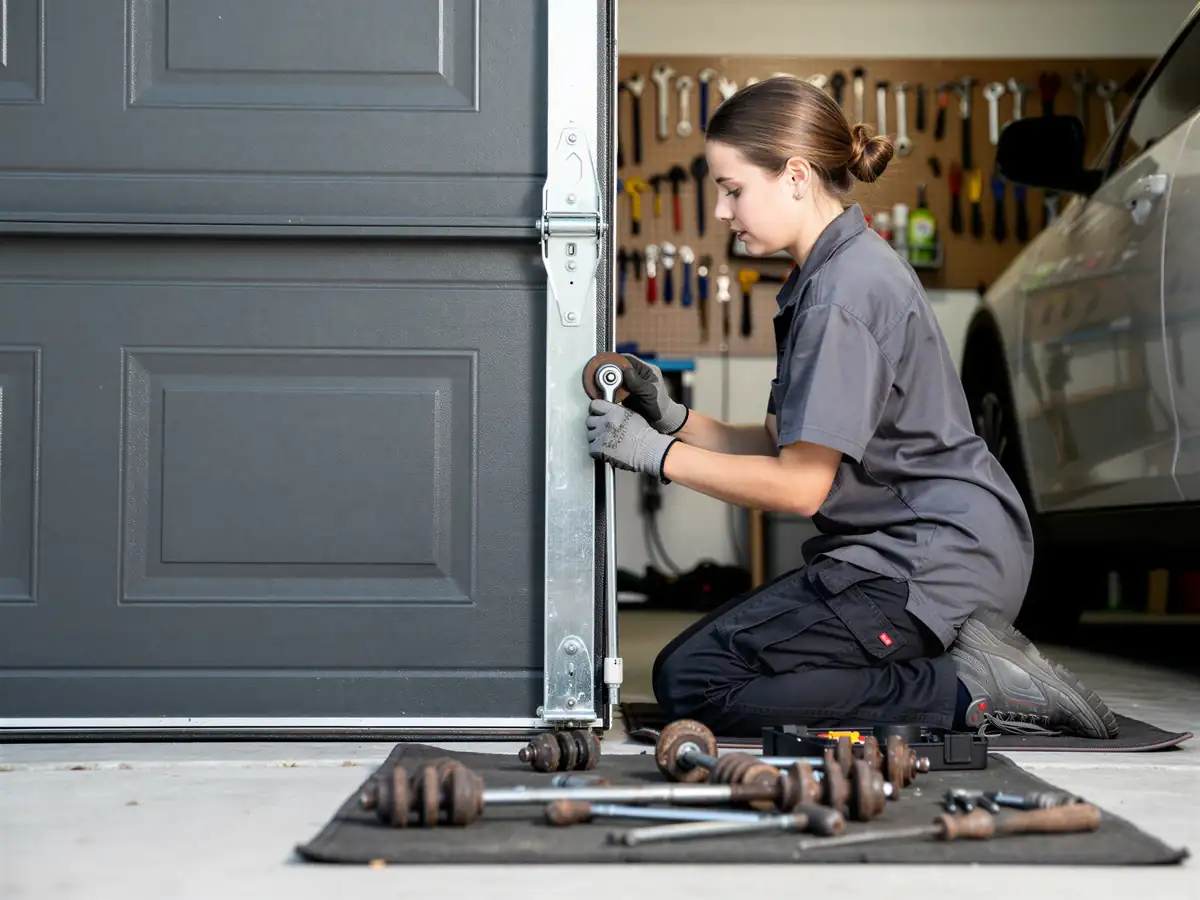
Replacing rollers means pulling the door's travel, removing the old roller and bracket hardware one hinge at a time
And setting new rollers into the track without letting the door come off its guides. On a double door with the original steel rollers from the late 80s or 90s, we usually swap to either sealed steel ball-bearing rollers or nylon rollers, depending on noise preference and how much the track itself has worn.
If the track has a groove worn into it from years of bare-stem steel rollers
Rollers alone won't fix the chatter. That section of track needs straightening or replacing, and we'll say so rather than install new rollers into a track that's going to chew through them in another year. Lubrication gets redone on the new hardware at the end, since the cold-moderate swings here are part of what wore the old ones out in the first place.
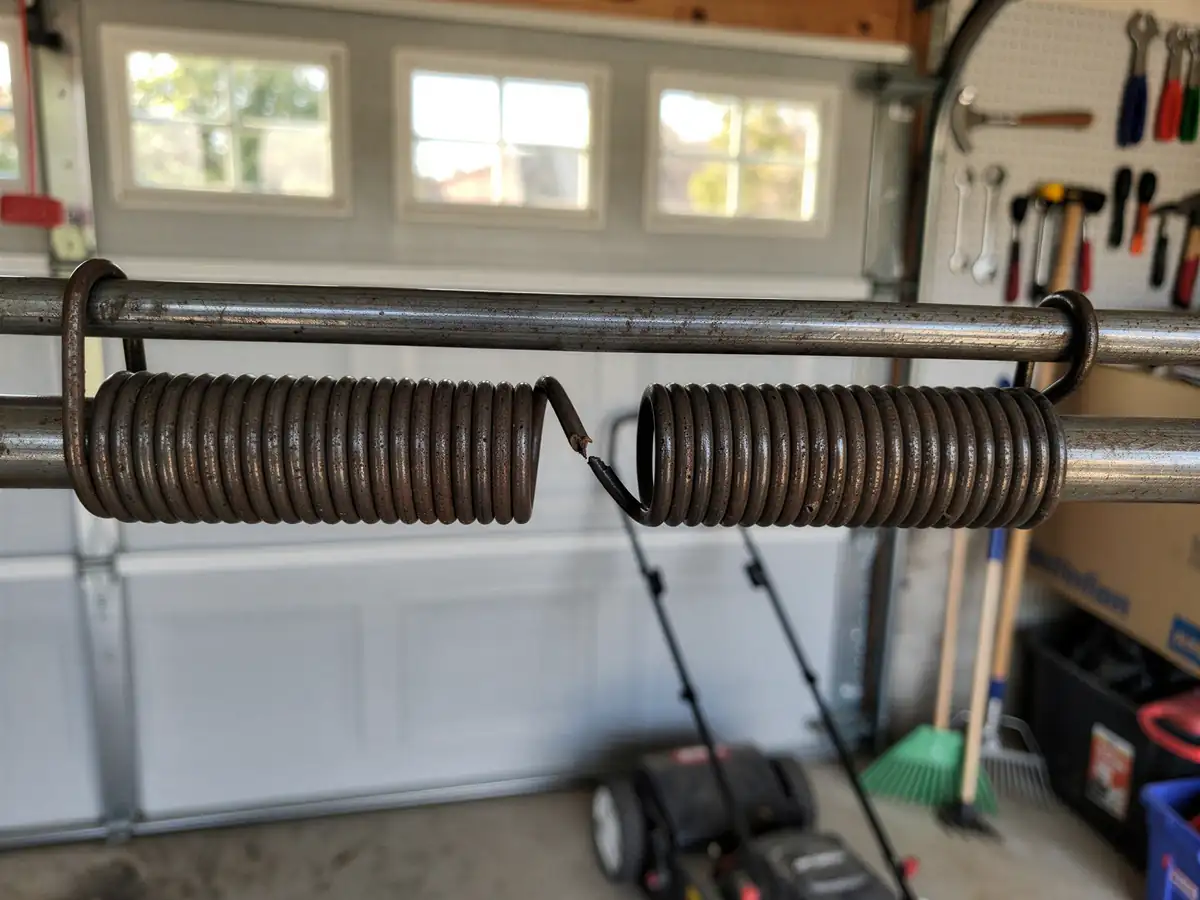
We don't touch the torsion spring as part of a roller job unless it's already failing
Mixing jobs adds risk without adding value for a repair this size.
Can You Do This Yourself
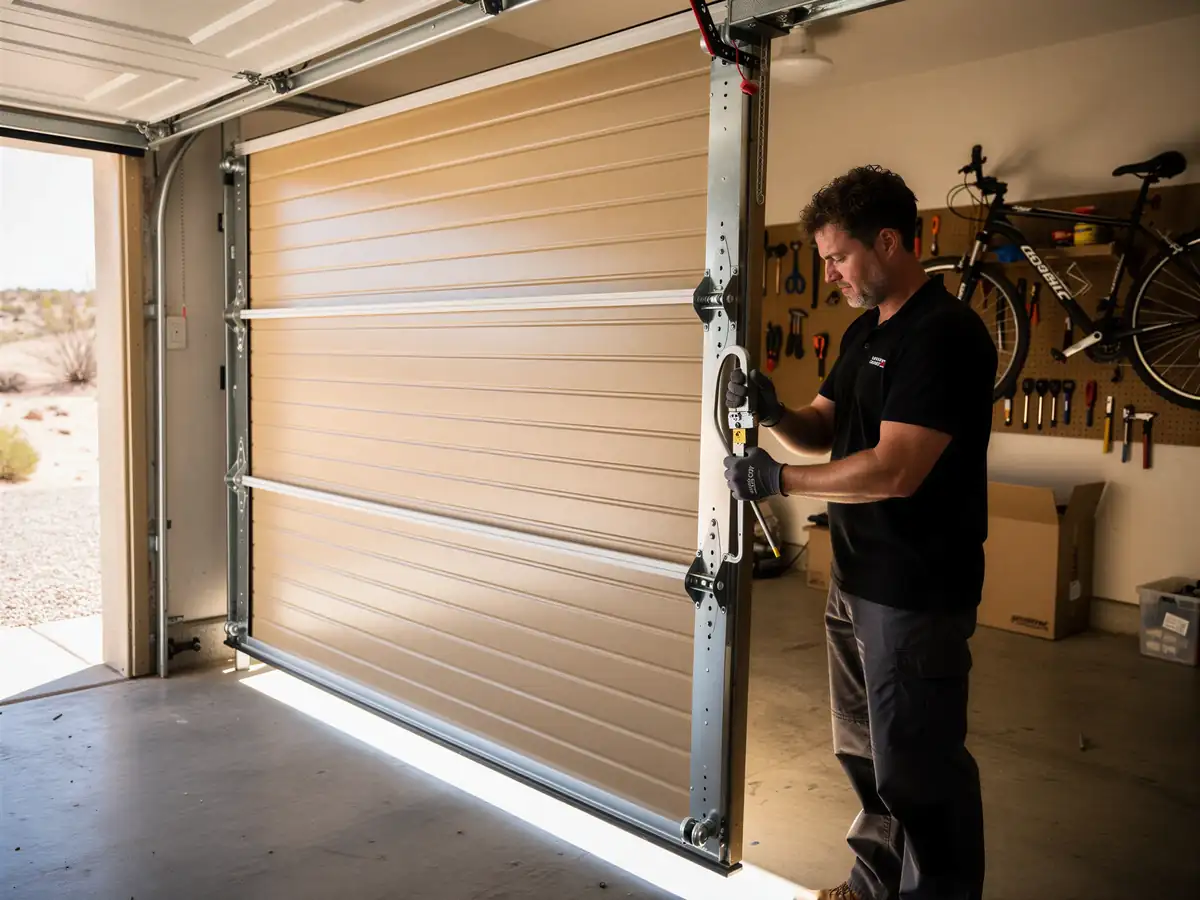
Bottom rollers on a door that's down and the opener disconnected are within reach for someone comfortable with hand tools; you're mostly dealing with hinge bolts and a roller that slides out of its bracket. The rollers near the top of the door, close to the spring and cable system, are a different story. The door is under tension there, and working a roller loose while the cables are live can let a panel shift or drop without warning.
Our honest limit here: we won't walk someone through the top-roller swap over the phone, because the failure mode isn't a scratched door, it's a hand or a face in the way of a moving panel. If you're set on doing the bottom rollers yourself, block the door open with a clamp first, not just the opener's hold, since bare-stem steel rollers can slip out of a worn track faster than you'd expect.