Why It Happens Here
Palmetto sits twelve miles out from our shop in Newnan, and that drive shapes how we handle a spring call here. We don't stock a van in Palmetto, so when you call, we're loading the truck based on what the job is likely to need before we ever turn onto the road - which means knowing the housing stock here matters as much as knowing the fault.
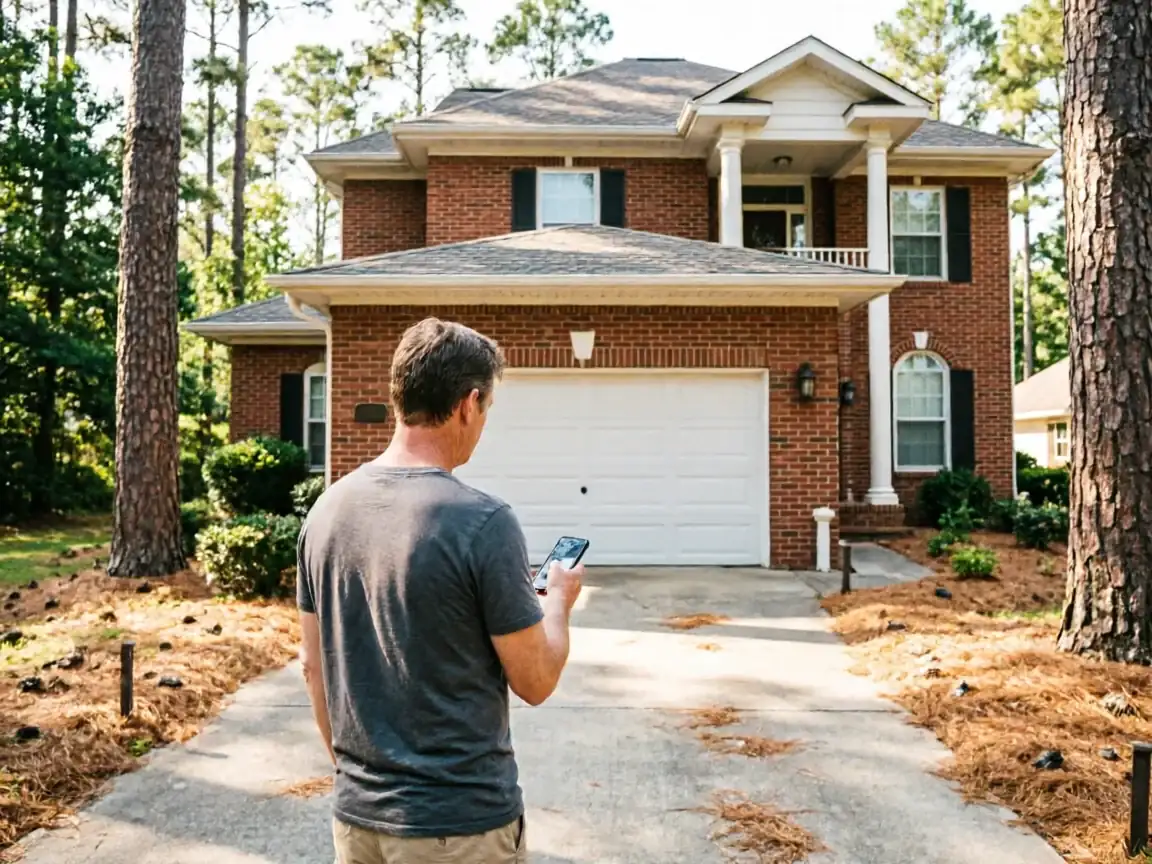
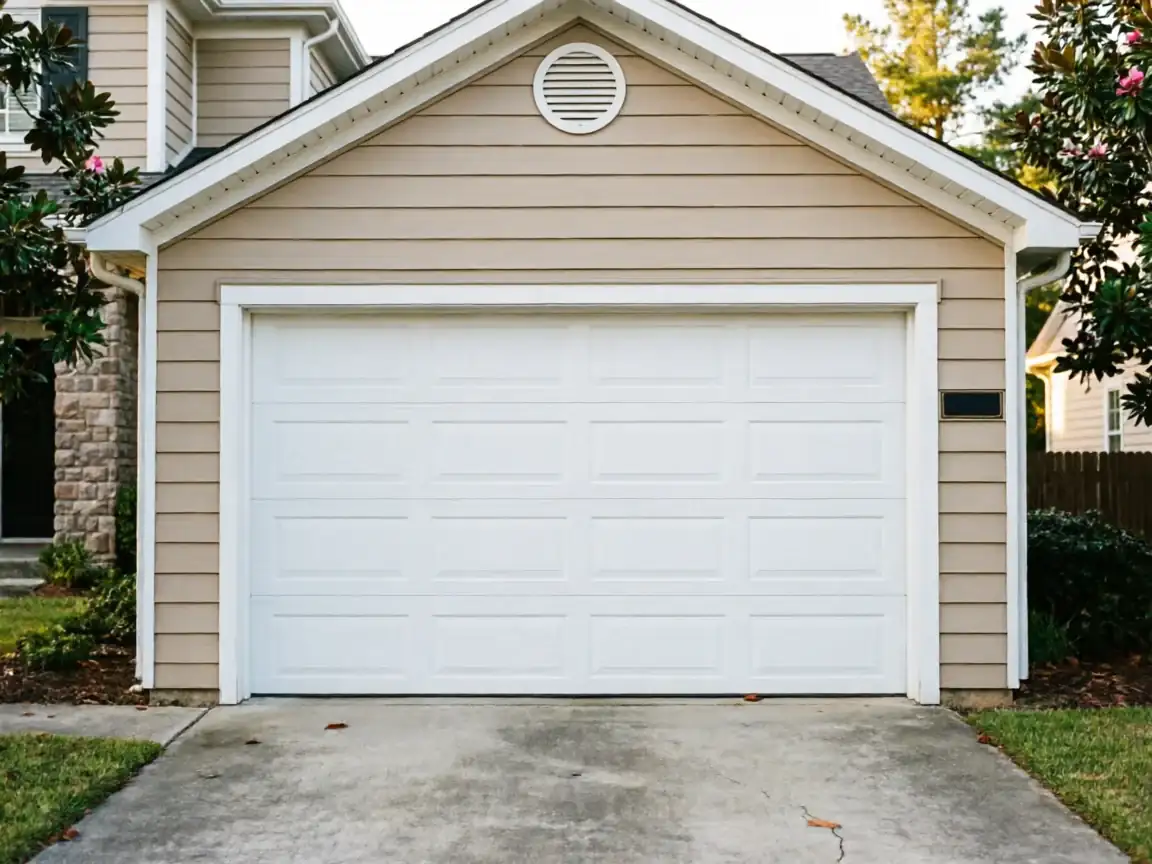
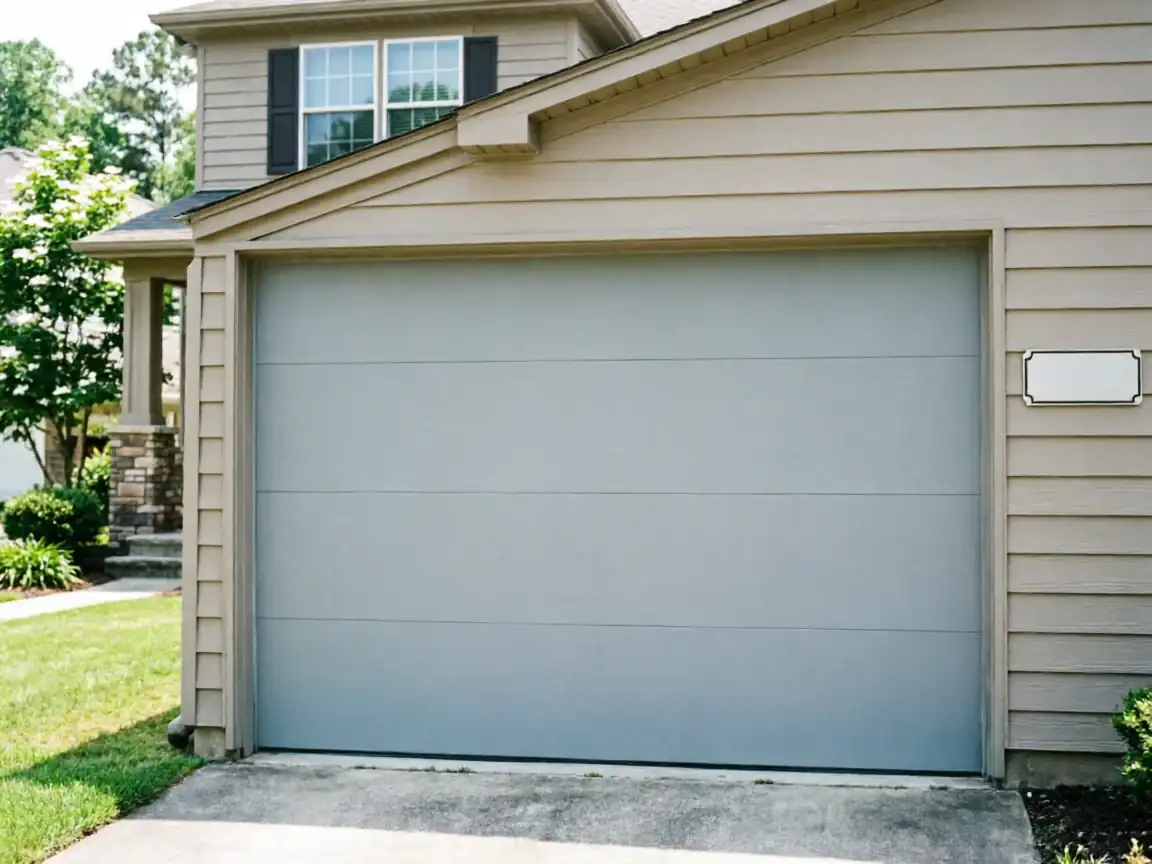
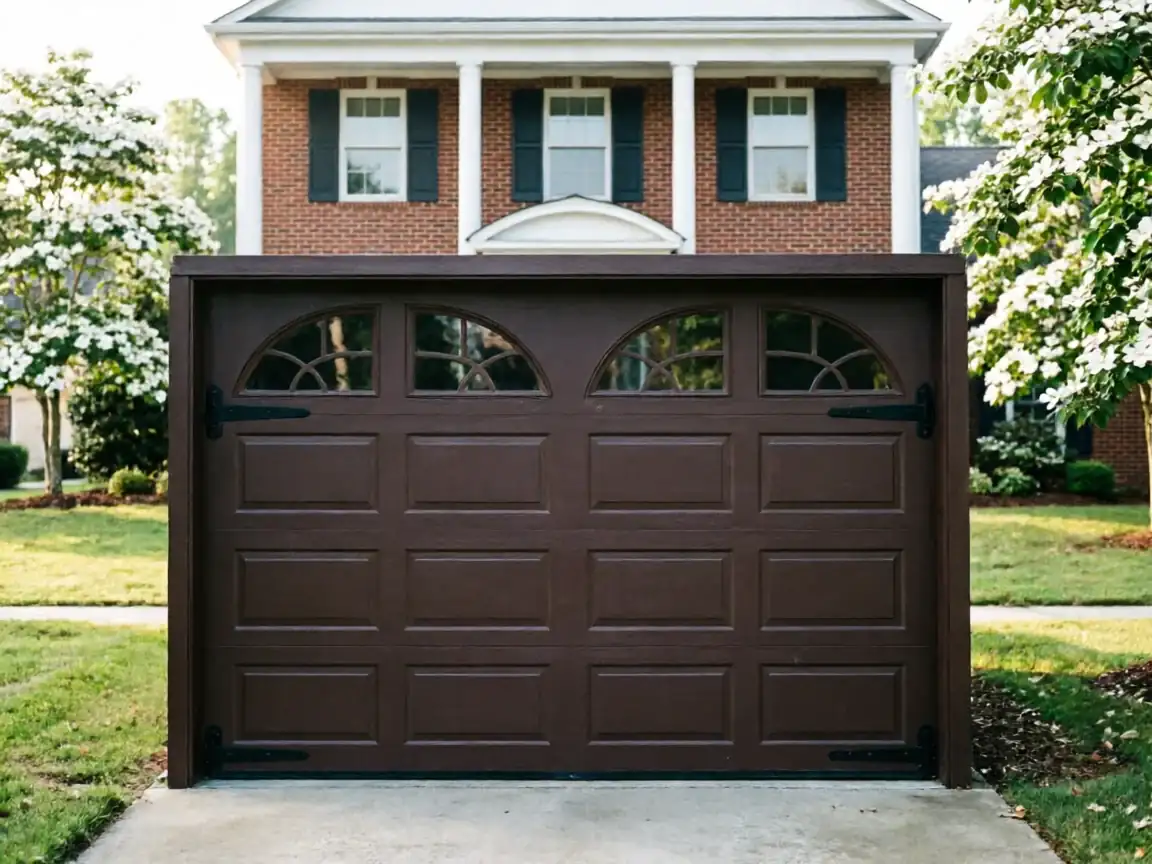
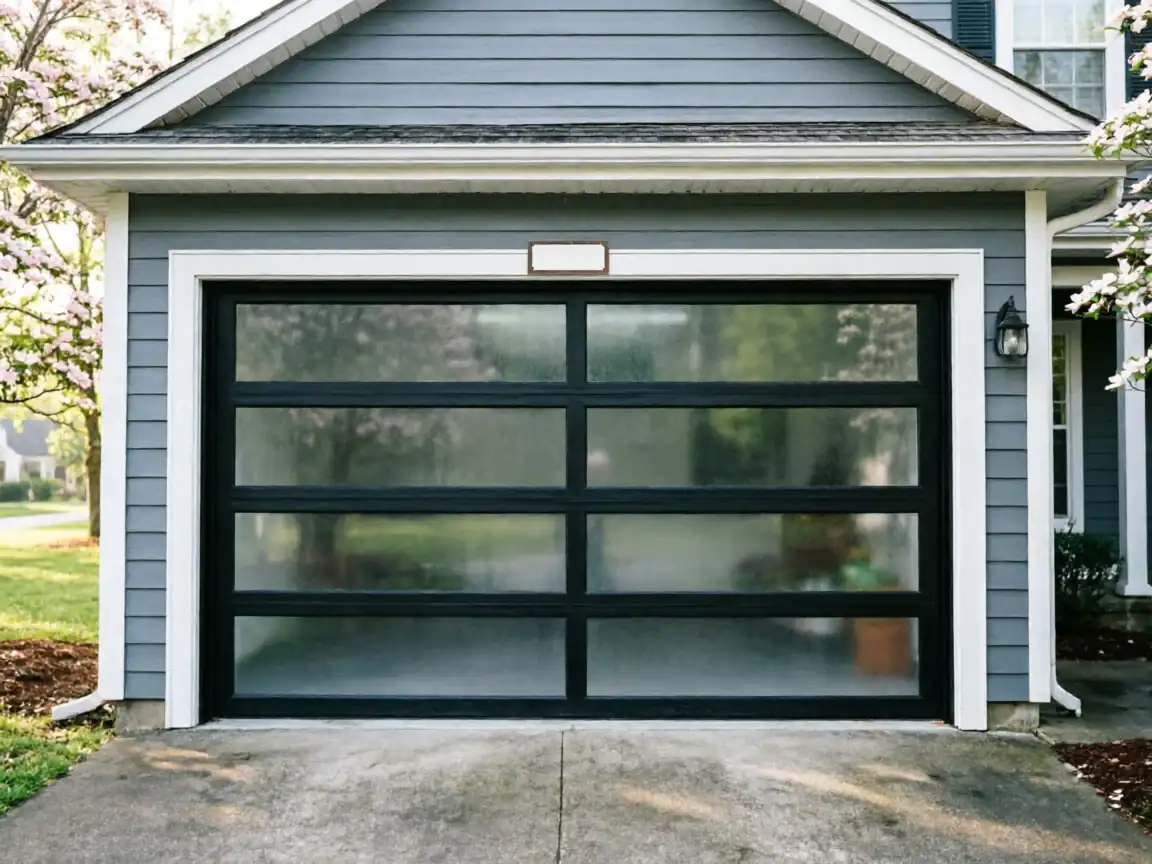
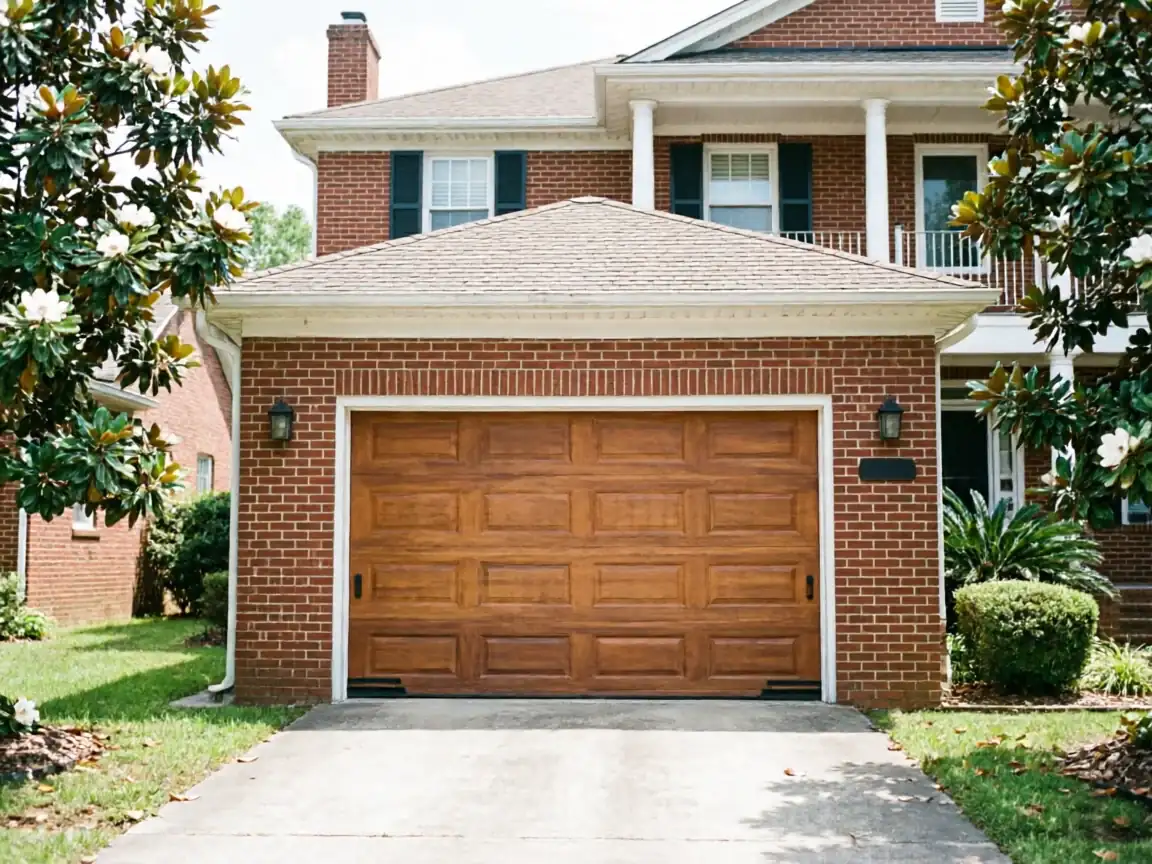
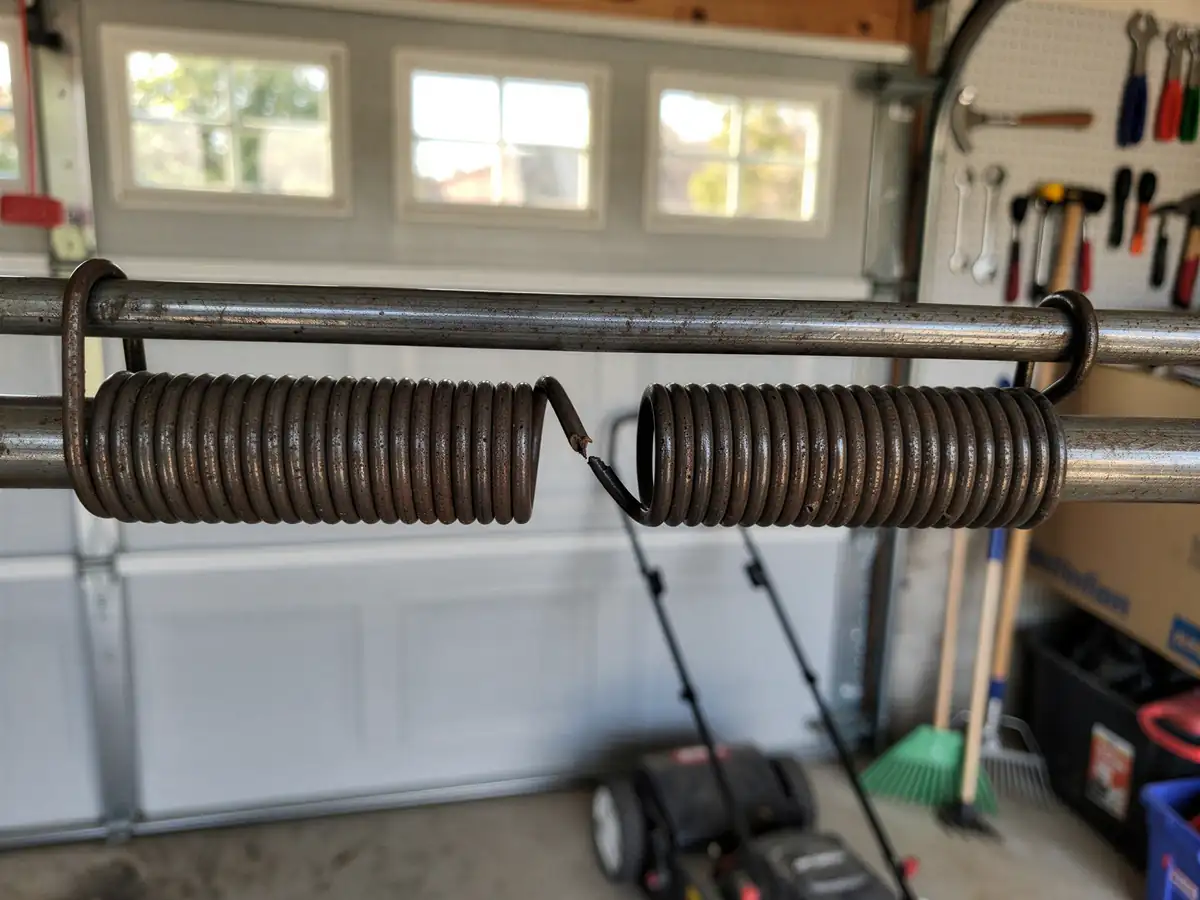
Most houses in Palmetto date to around 1989, putting the neighborhood squarely in the same build wave as a lot of the wider service area, where homes went up between 1964 and 2005. A door from that era usually carries a single torsion spring rated for a heavier, older-style steel panel, wound tighter than what you'd find on anything built in the last decade. That spring does more cycles of work per opening, and after fifteen to twenty years of Georgia's cold-moderate winters and summer heat swings, the steel fatigues and lets go - usually on a morning when the temperature just dropped.
We see it most on doors that still have their original hardware. Nobody's touched the spring since the house was built, because nobody thinks about a spring until it snaps.
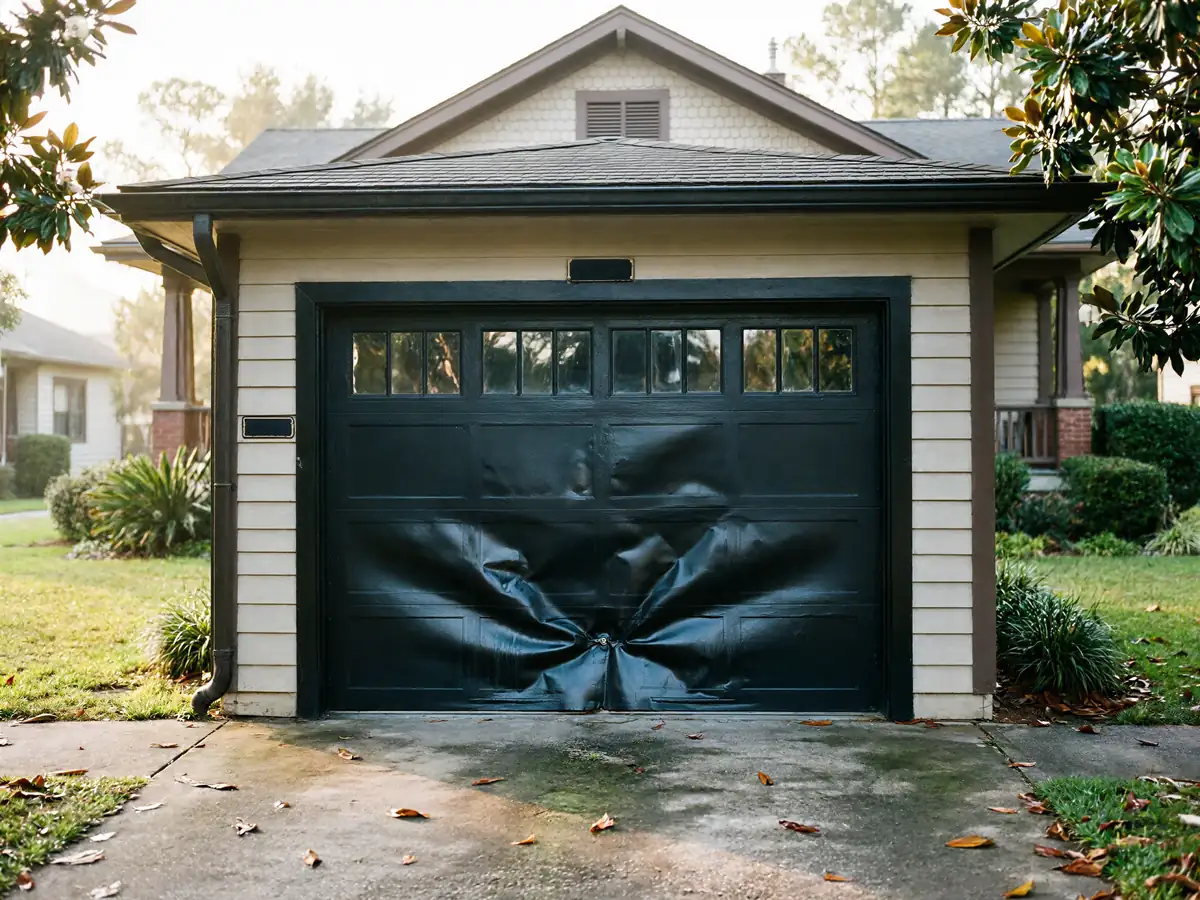
How Long You Are Without the Door
Because we're coming from Newnan, a Palmetto call isn't a five-minute response - it's a real drive, and that's worth being upfront about. We don't quote a same-hour window for addresses this far out, and we'd rather tell you that now than have you waiting on something we didn't promise.
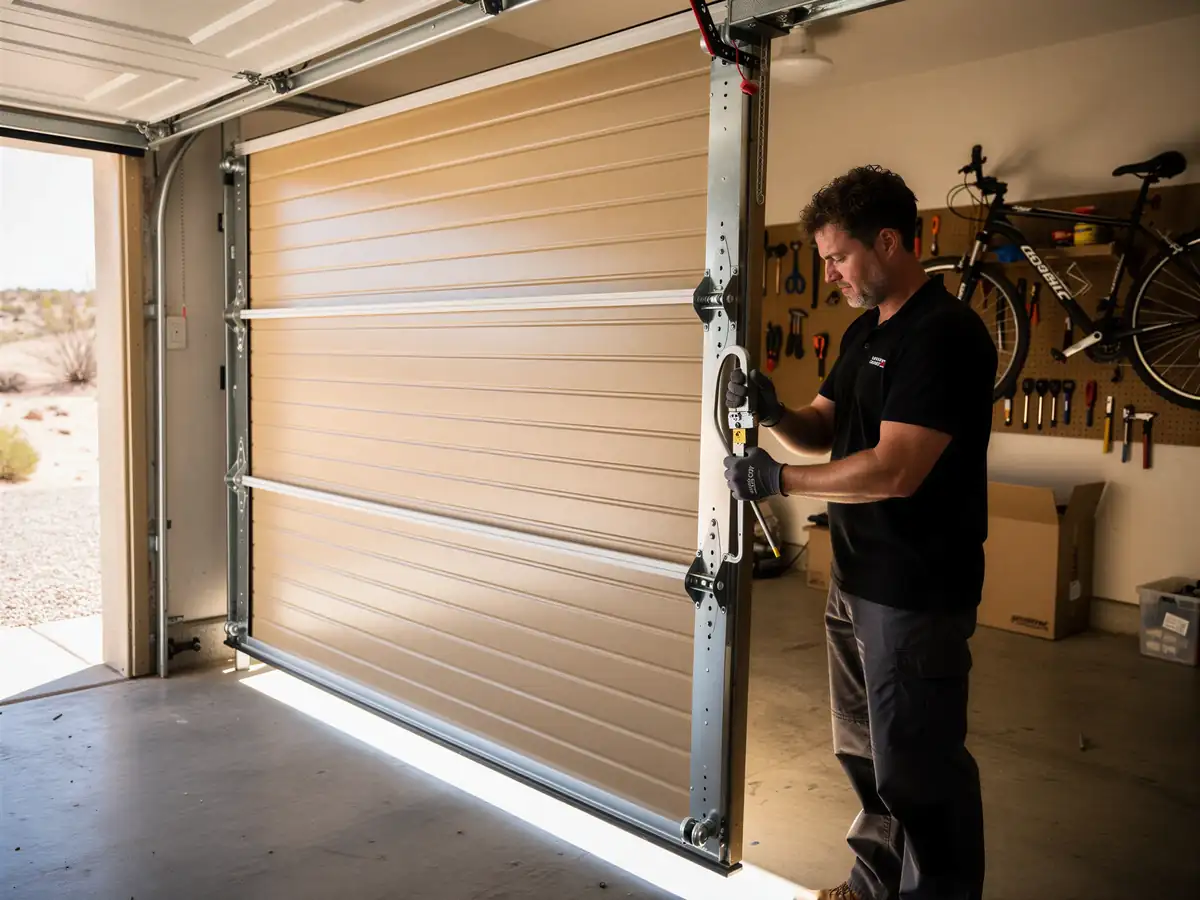
What we can tell you: once we're on site, a standard torsion spring replacement on a single-car or double-car residential door is a same-visit fix. We bring common spring sizes for the 1980s-and-90s door era that makes up most of Palmetto's stock, so the repair itself doesn't usually stall waiting on a part. The variable is the trip out and back, not the wrench time once we're there.
What the Fix Involves
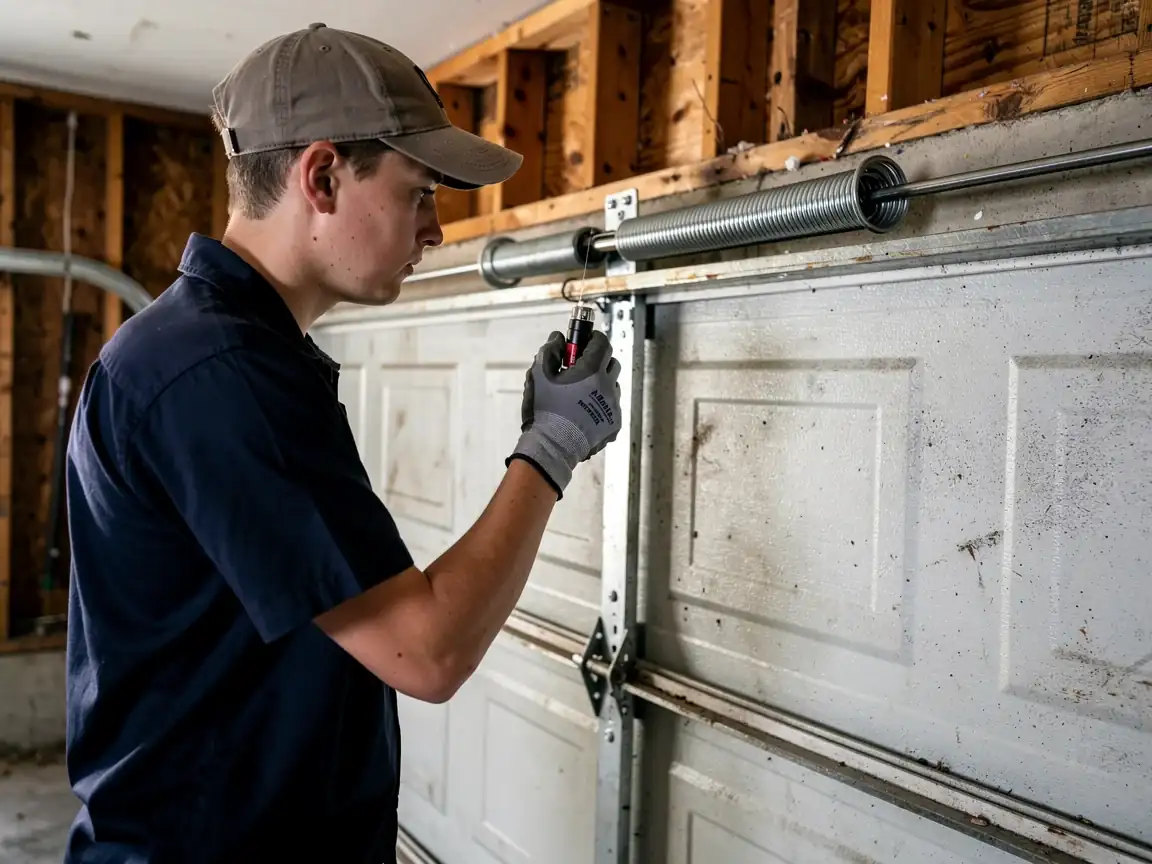
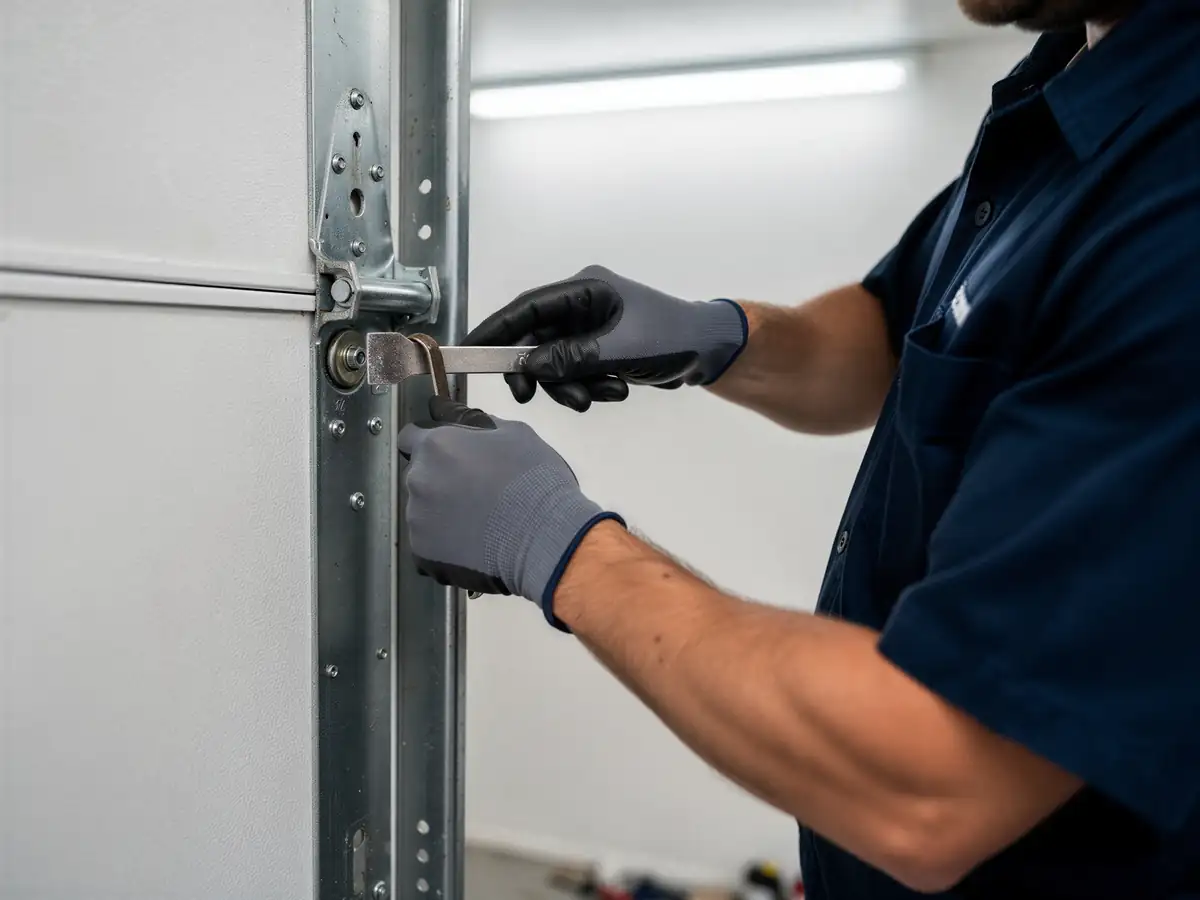
A broken torsion spring gets replaced, not patched
There's no safe way to repair a cracked or snapped spring, only to swap it for one rated to the door's weight and cycle count. On the older, heavier panel doors common in Palmetto, that rating matters more than it does on a lighter modern door, because an undersized spring will burn out again in a year or two.
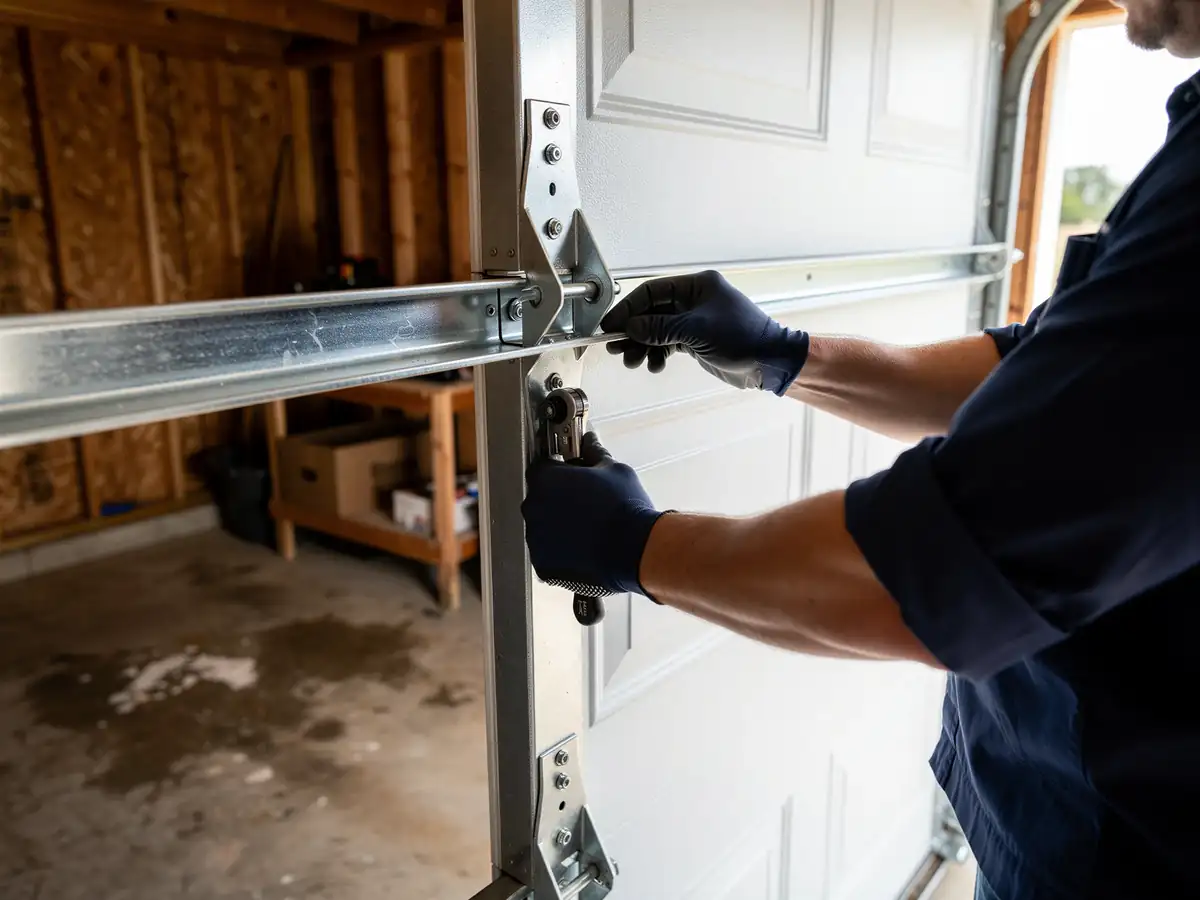
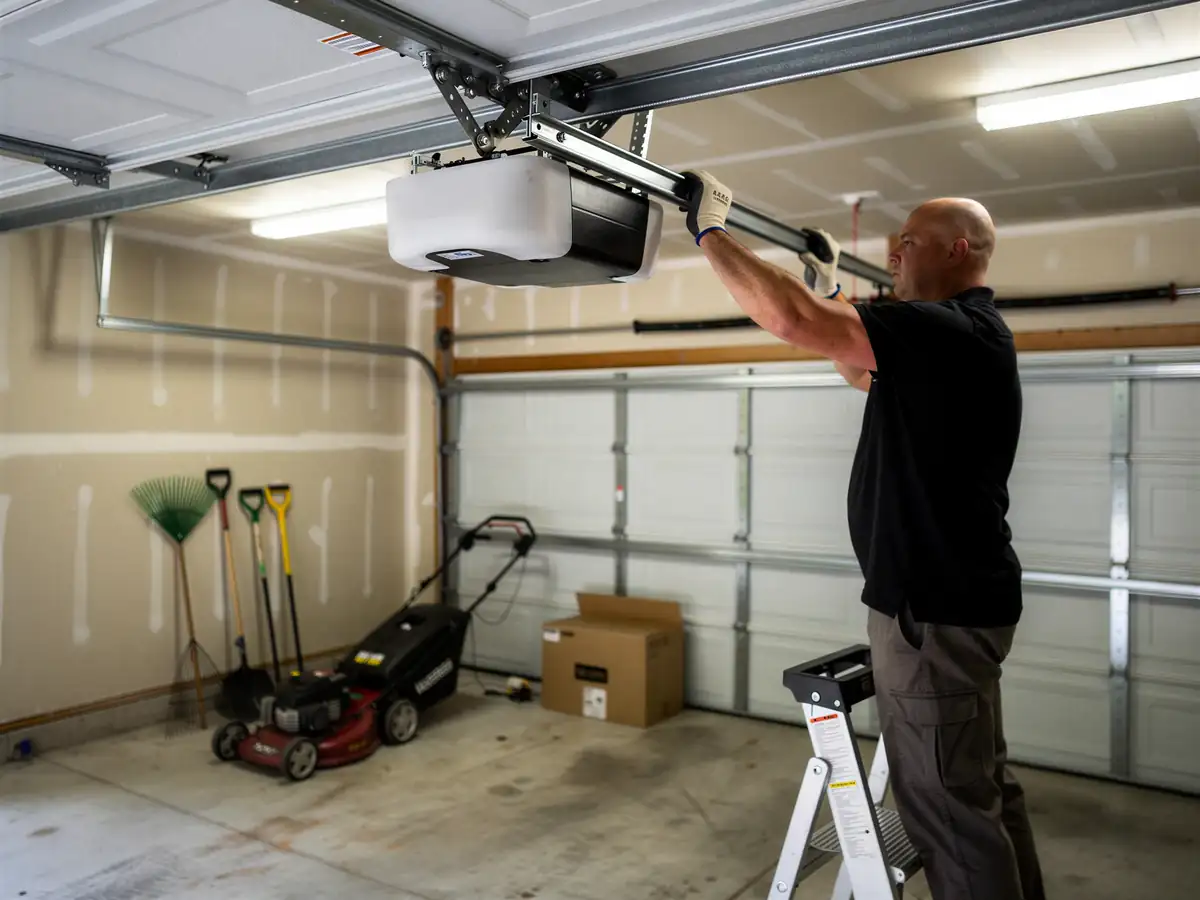
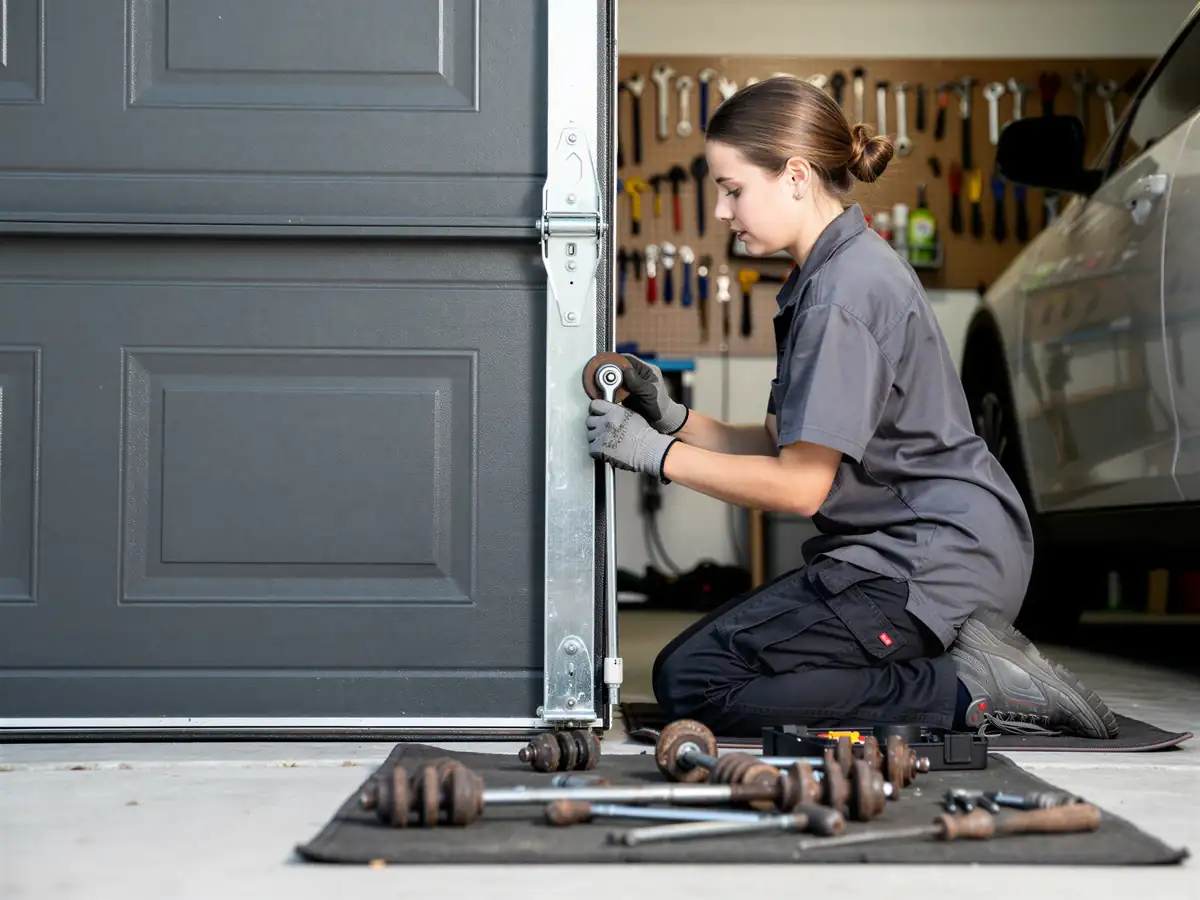
The job includes checking the torsion tube, the cable drums, and the bearing plates on either end
Since a spring failure on a door this age often means the hardware around it has also been under strain for two decades. We'll also look at the track alignment and the rollers while the door is unloaded - it's the easiest time to catch a bent track before it turns into its own service call.
We size springs for door weight, not just door width
Which is why we ask about panel material and insulation before quoting a number.
Can You Do This Yourself
We'll say it plainly: don't. A wound torsion spring holds enough stored force to break a hand or worse if the winding bars slip, and the tools for doing it safely aren't something most homeowners keep in the garage. This is the one repair on a garage door where we'd rather lose the job to caution than see someone get hurt trying to save the trip cost.
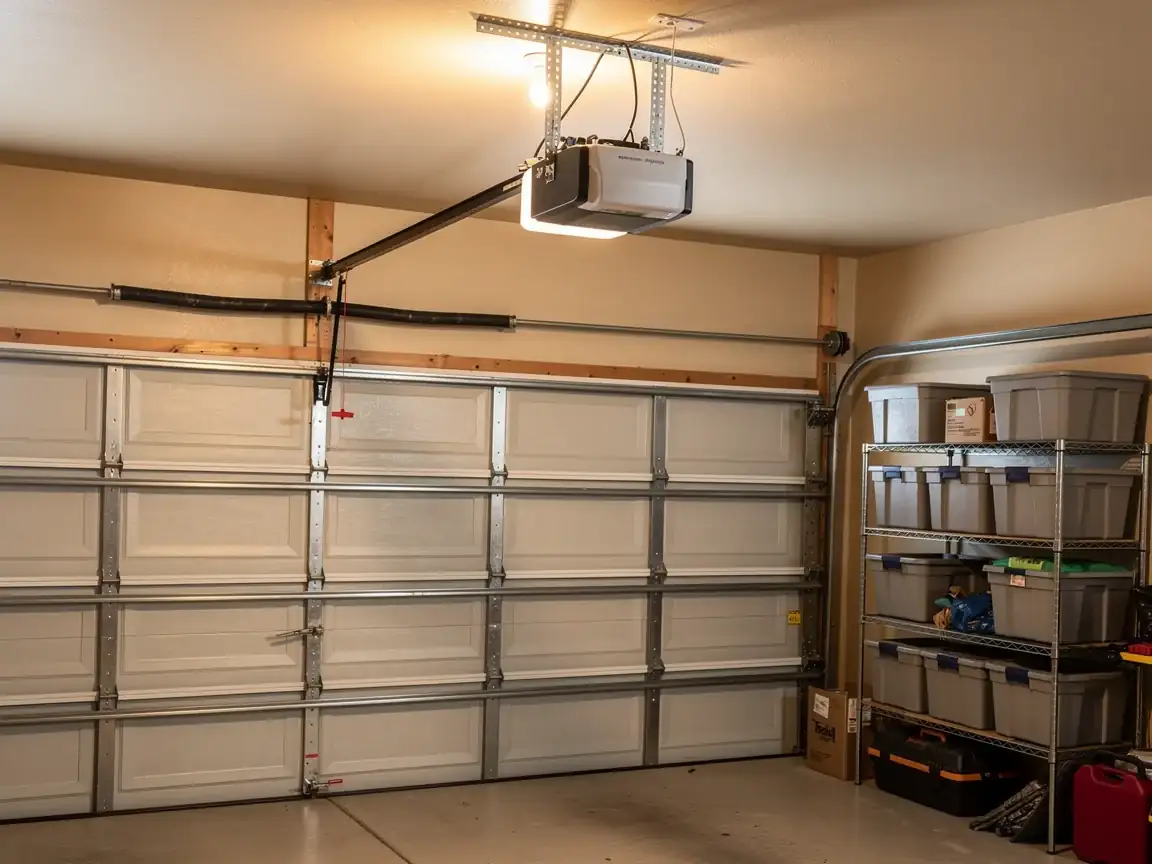
Where a homeowner can help themselves: knowing which spring type you have before you call. If it's mounted horizontally above the door, that's a torsion spring and it's the one we're talking about here. If you see two long springs running along the tracks on either side, that's an extension spring setup - a different job with different parts. Telling us which one you've got on the phone saves time once we're on the drive out.