Why It Happens Here
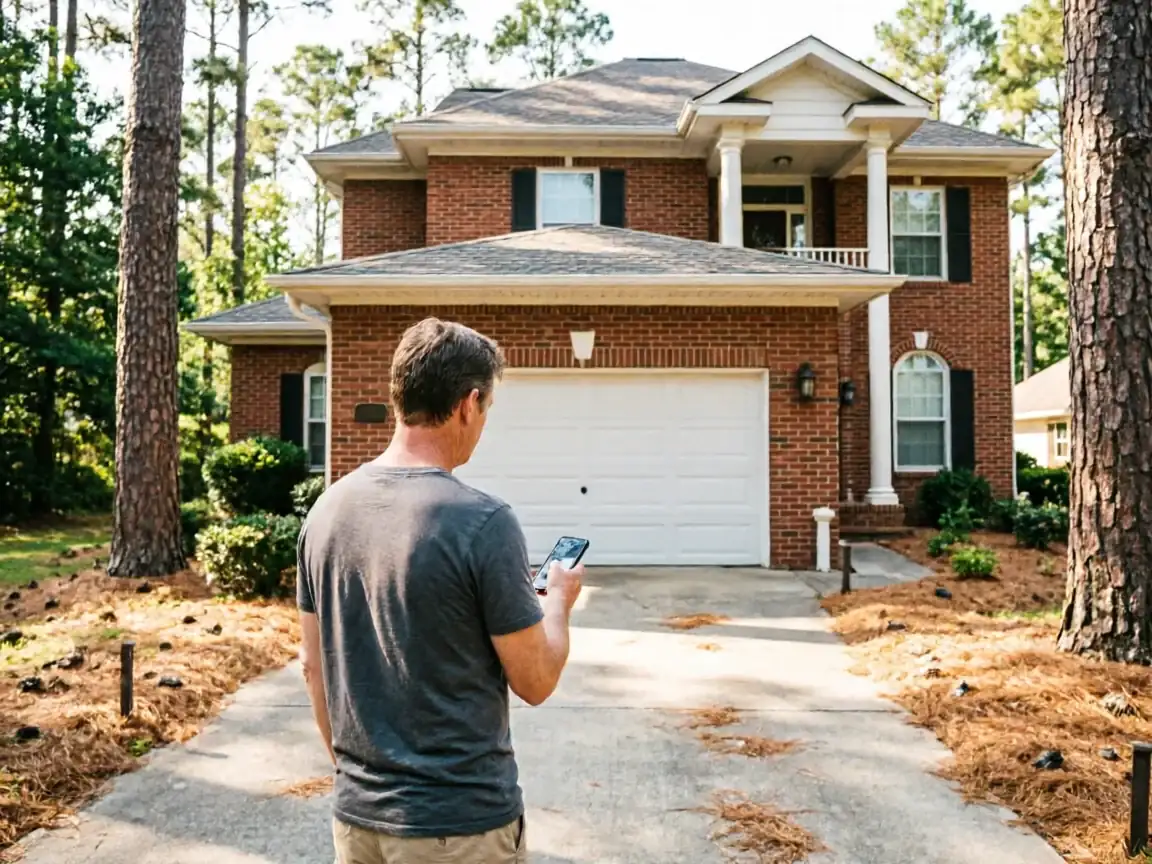
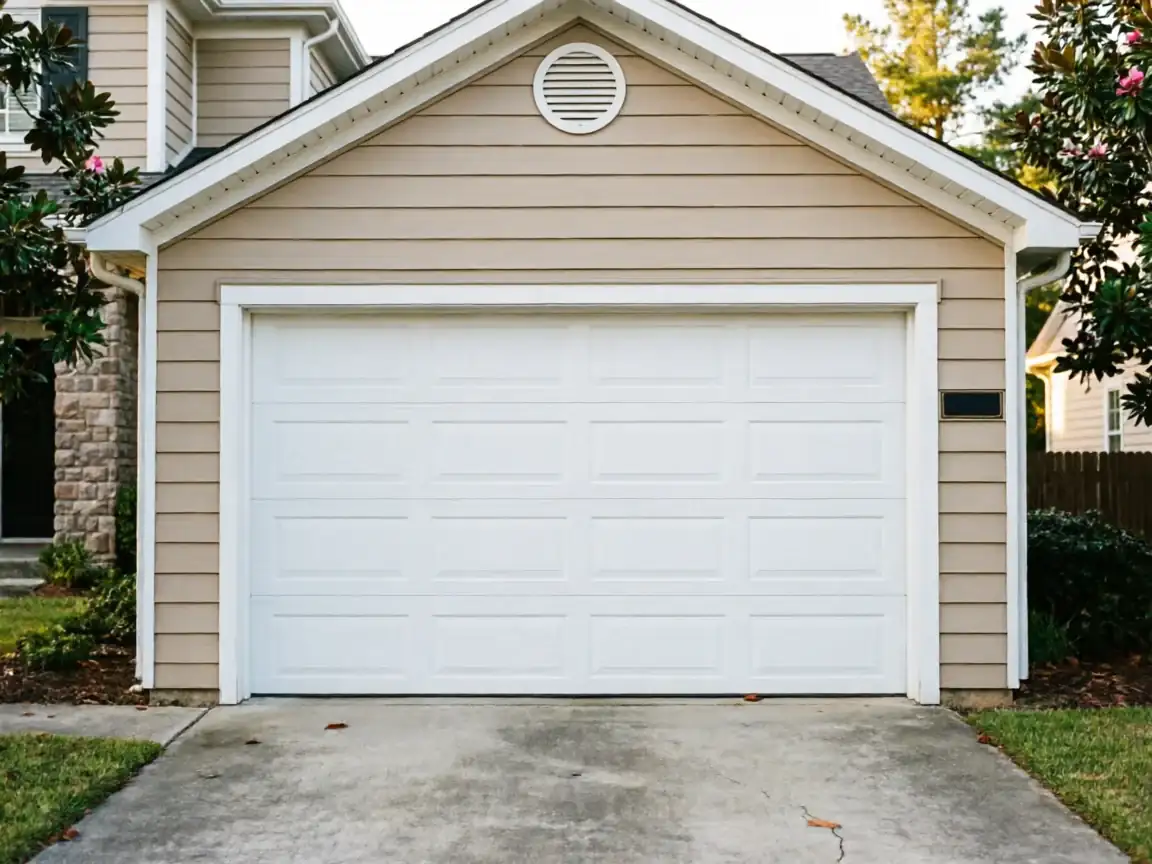
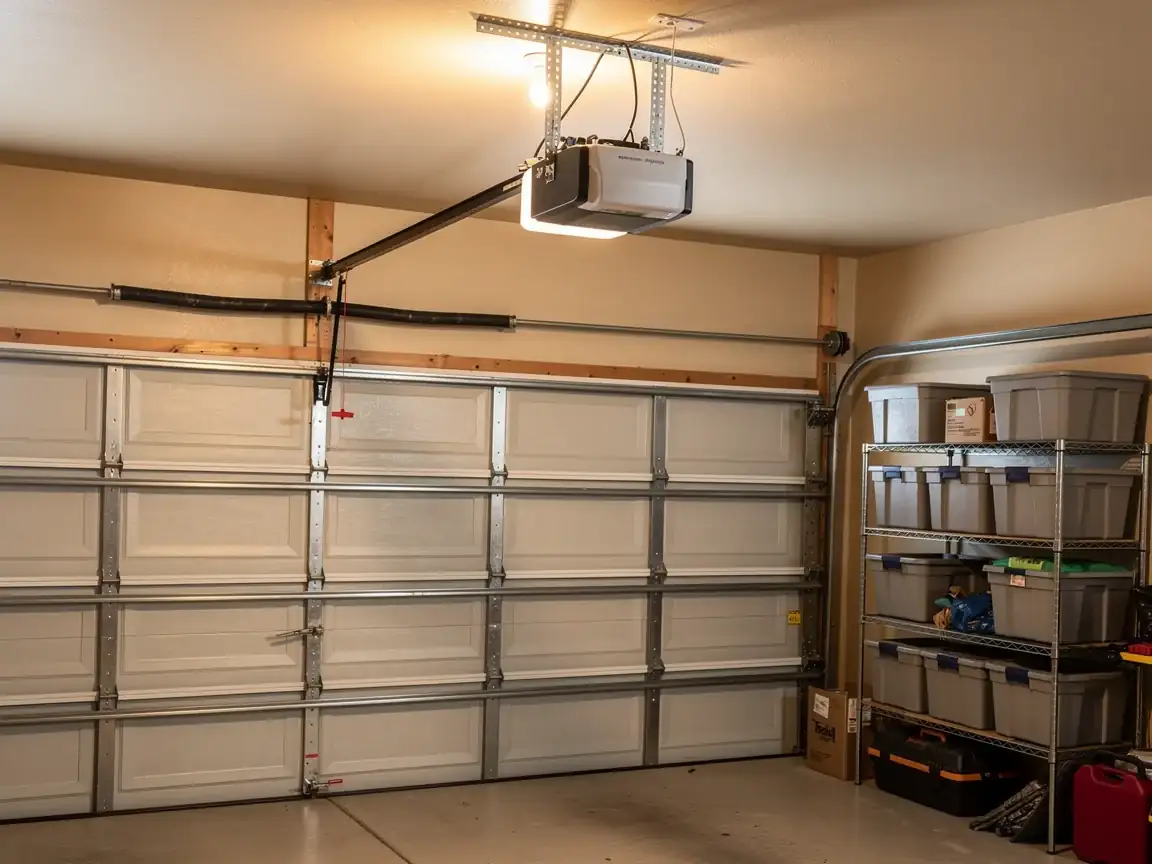
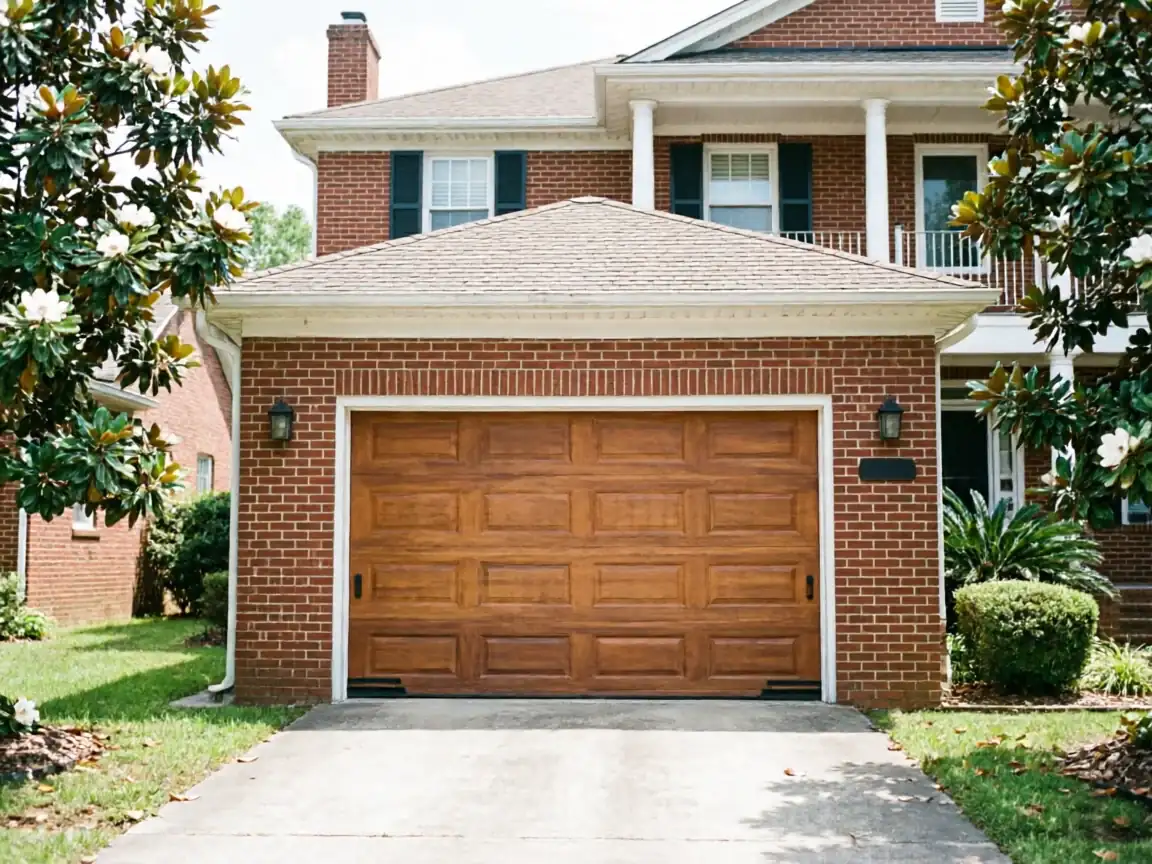
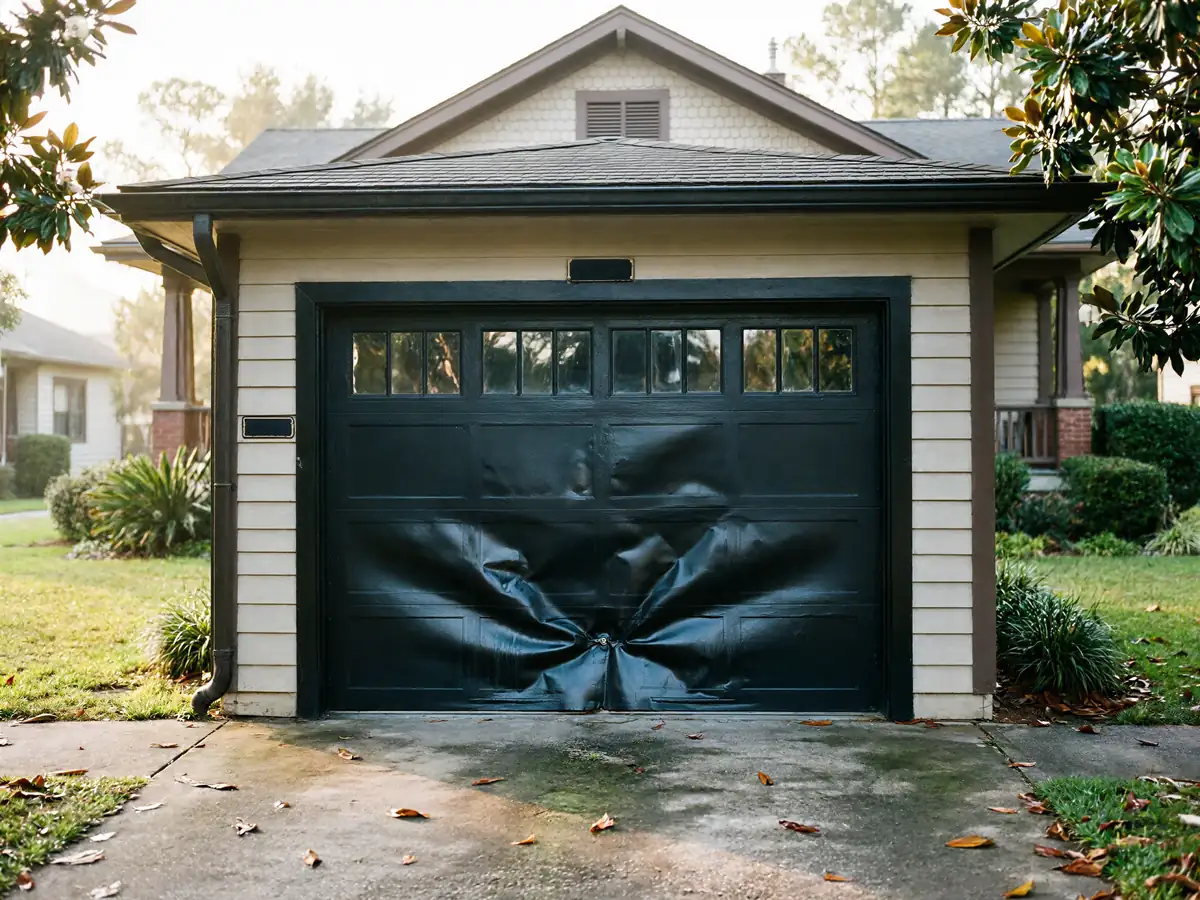
Most houses in Palmetto went up around 1989, which puts the garage doors on them squarely in the steel sectional era - raised-panel, 16x7 double or 9x7 single, hung on galvanized track with a torsion spring overhead instead of the older side-mount setups you'd find on an older street. That steel is good for twenty, thirty years of service, but it's thin-gauge by today's standard, and it dents. A trailer hitch backing in wrong, a basketball, a kid's bike leaned against it in a hurry - the panel folds inward at the dent and stays that way, because 1980s steel doesn't spring back like the thicker stock used now.
Cold-moderate winters add a second failure path. The panel seams and the foam-core bond between skins take on moisture in freeze-thaw cycles, and after enough winters the bottom panel starts to bow or the paint lifts along the seam before the steel itself gives out. On a 1,906-household town like Palmetto, we see this pattern a lot on doors that haven't been touched since they were installed - nobody re-paints a garage door, so nobody notices the seam is going until the panel itself is visibly bent or the bottom corner has pulled away from the roller bracket.
How Long You Are Without the Door
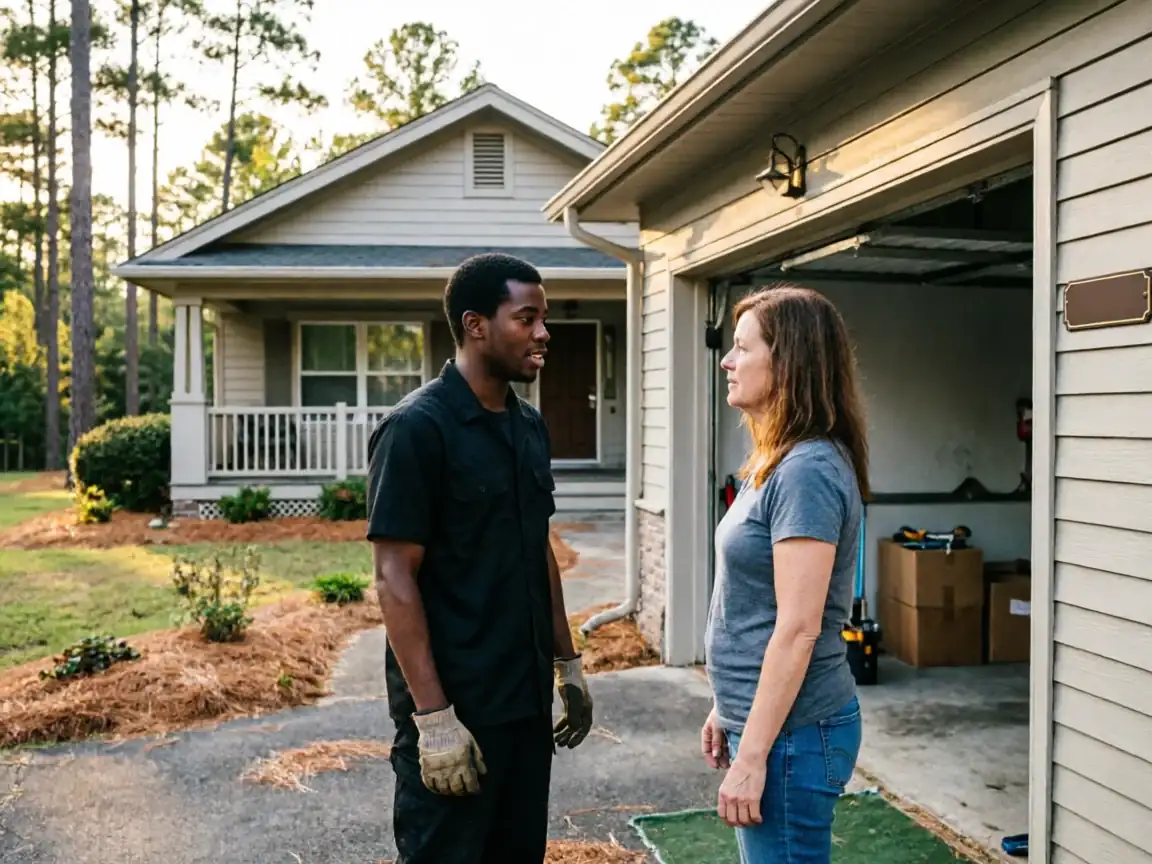
We run out of Newnan, and Palmetto is a 12-mile drive, so the job gets scheduled, not walked to. That means the practical question isn't how fast someone shows up - it's whether the panel is in stock for your door's brand and color, or whether it has to be ordered.
A single damaged panel on a common white or almond door, matched by section size, is usually a same-visit swap once we're on site with the right part. A custom color, a discontinued profile, or a double door where we need two matching sections to keep the color consistent takes longer, because that part isn't sitting on the truck - it's ordered first. If your door is old enough that the manufacturer no longer makes a matching panel at all, we'll tell you that up front rather than have you wait on a part that isn't coming.
What the Fix Involves
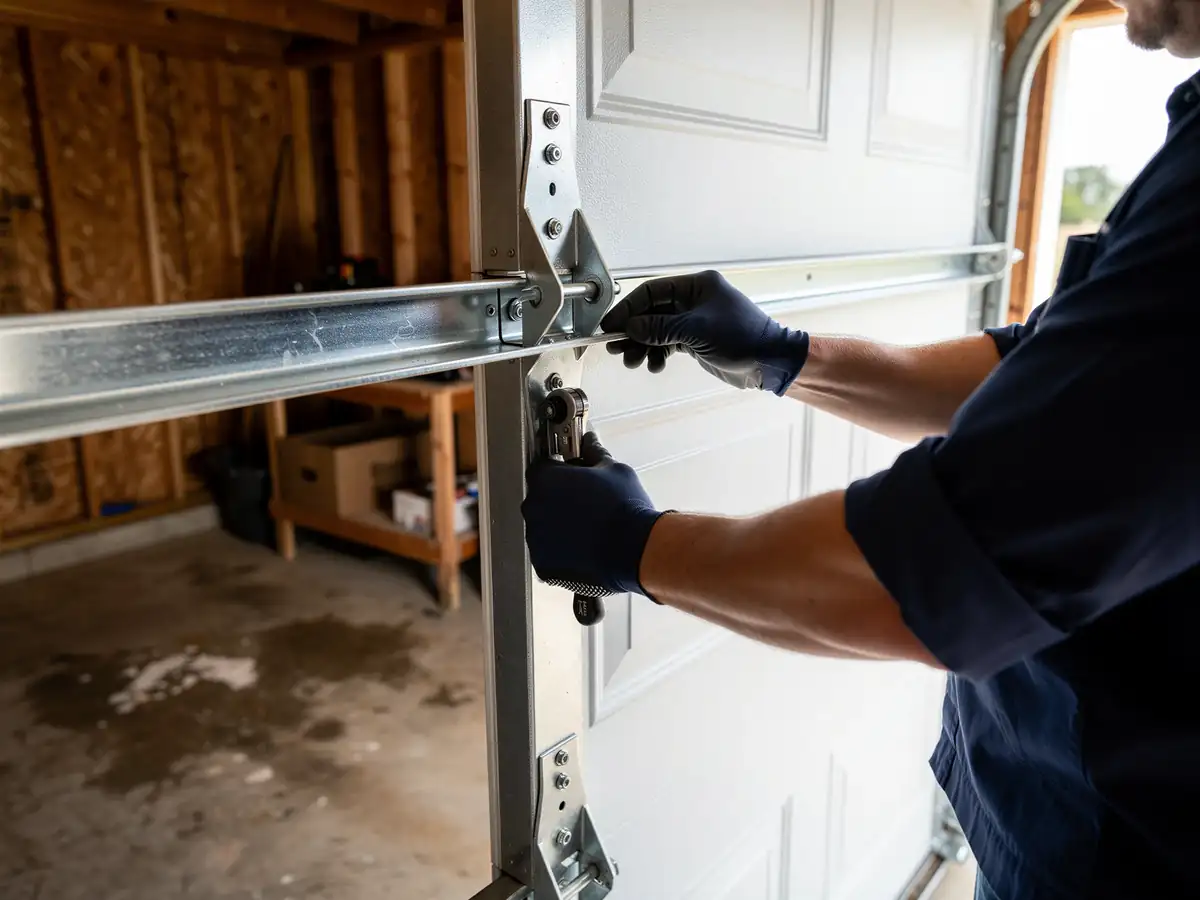
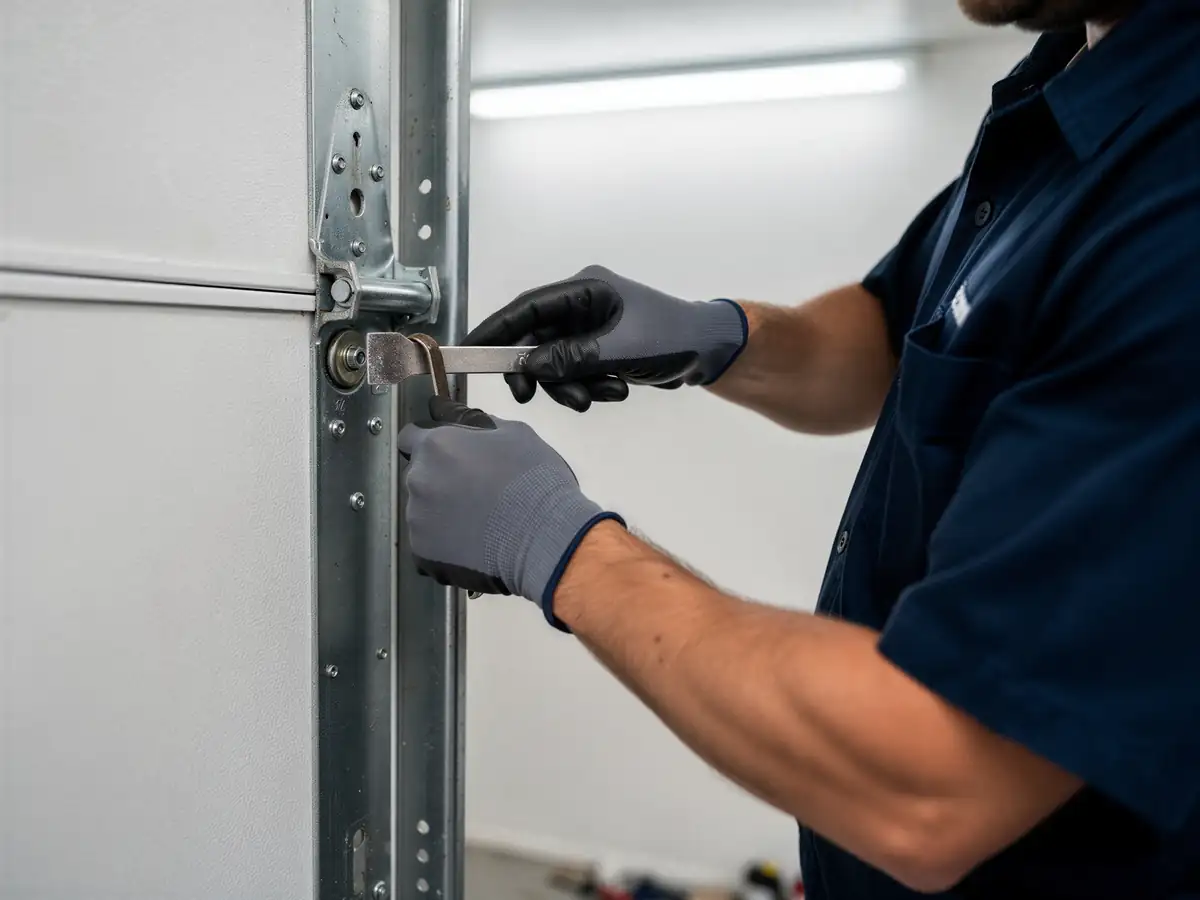
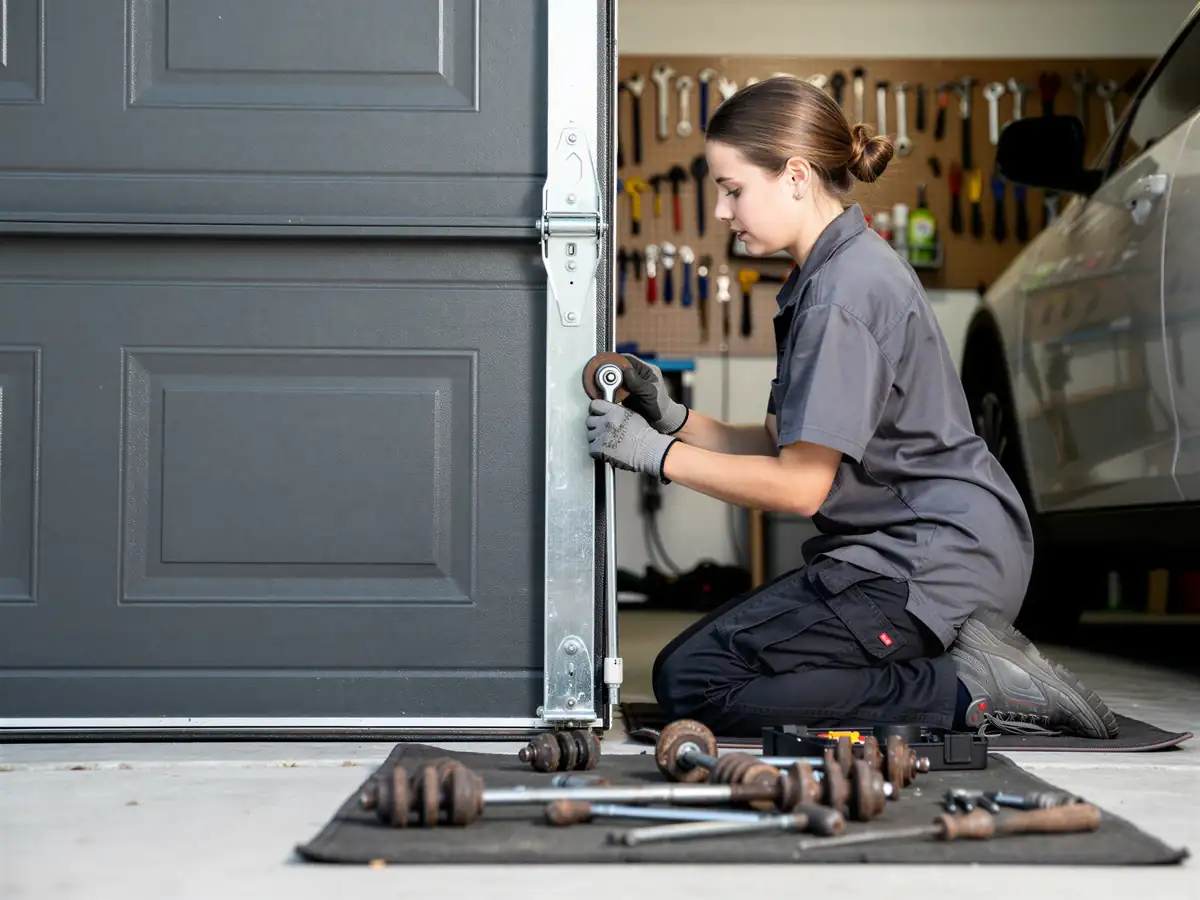
We pull the damaged section without disturbing the rest of the door if the track and rollers on that section are still true
That means disconnecting the end hinges, lifting the section out, and bolting the replacement in using the same hinge and roller hardware if it's not bent - reusing hardware that's still square saves you money over a full hardware swap.
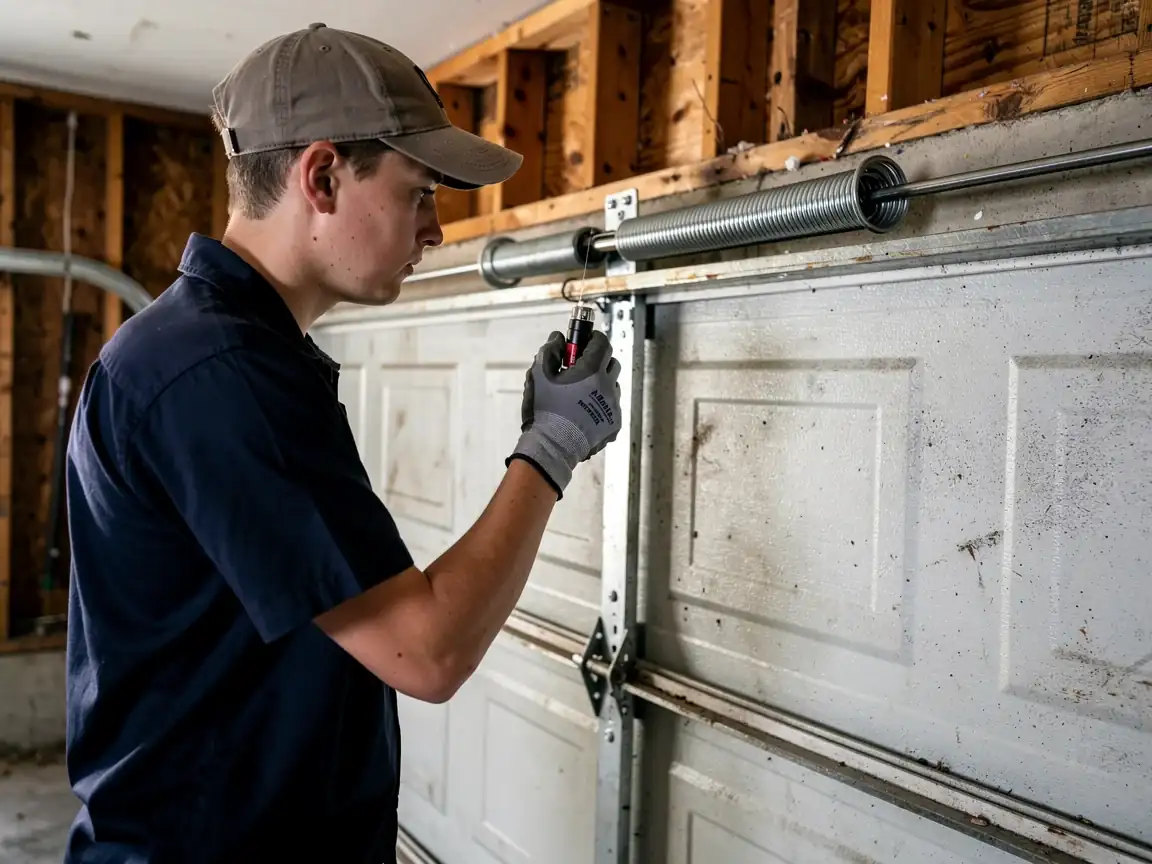
If the dent is on a bottom panel, we check the bottom bracket and cable attachment too
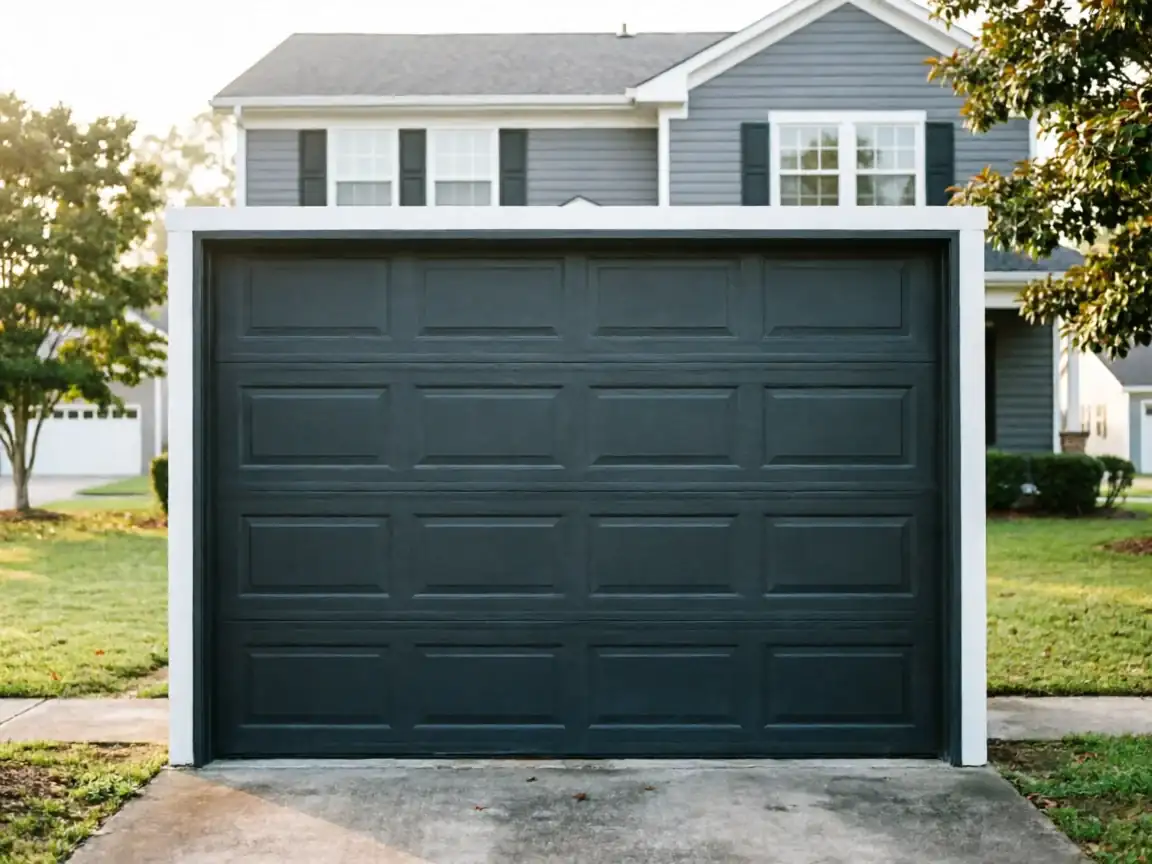
Since that's the point that takes the most stress and is the first thing to bend along with the steel. On a double-car door, color and panel profile matching matters more, because a mismatched section on a 16-foot-wide door reads immediately from the street - we'll confirm the exact panel design before ordering rather than guess from a photo.
We don't repaint full doors to blend a new panel into sun-faded steel
A panel replaced today will be a shade brighter than panels that have had a few Georgia summers on them, and that's a limitation worth knowing before you commit to a single-panel fix versus a full door.
Can You Do This Yourself
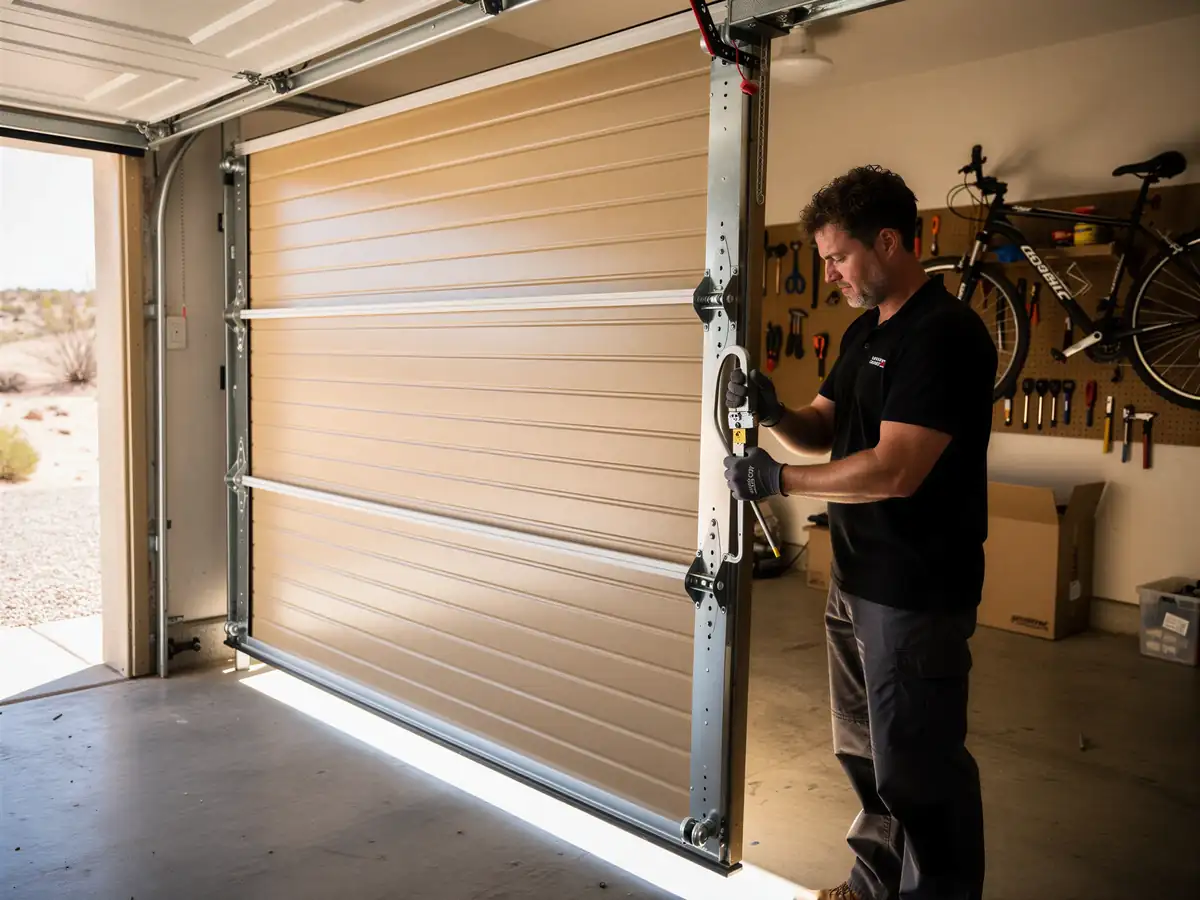
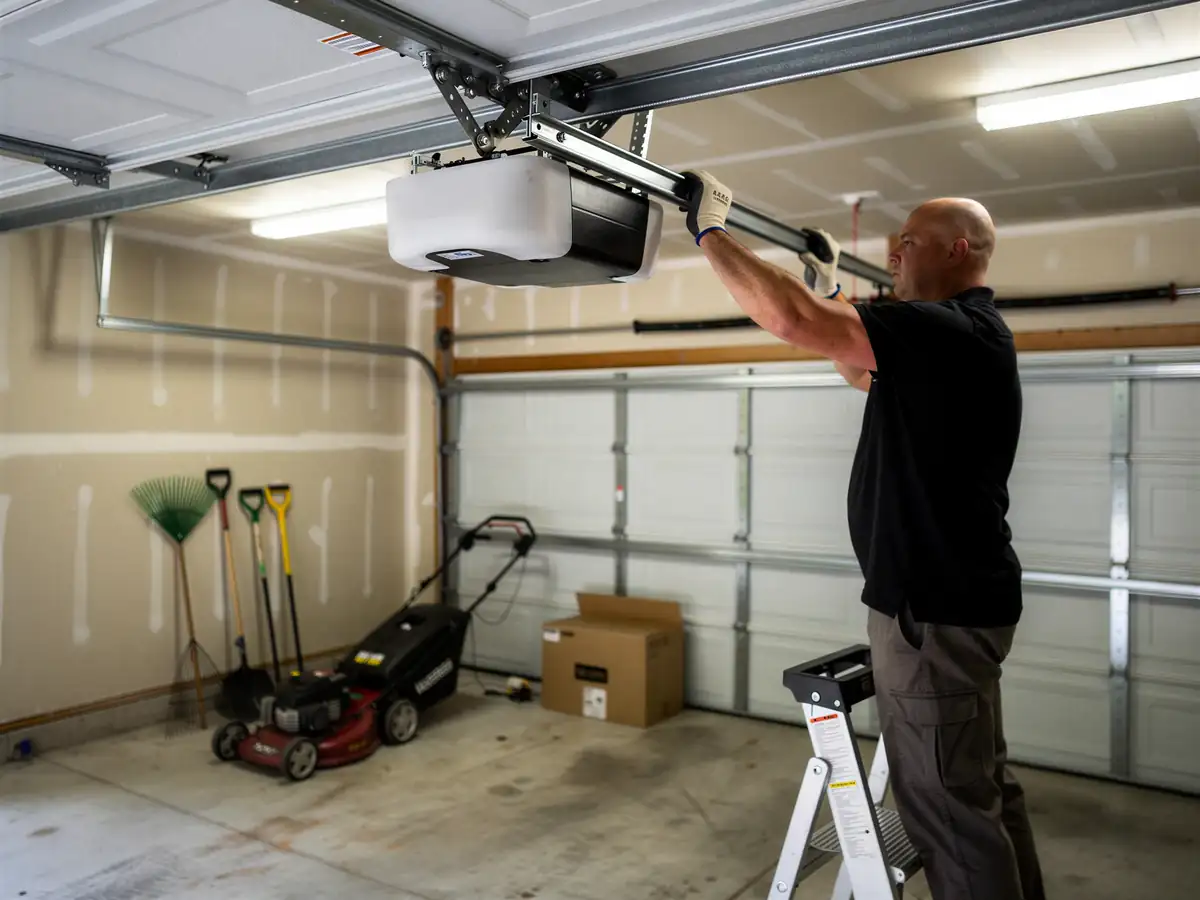
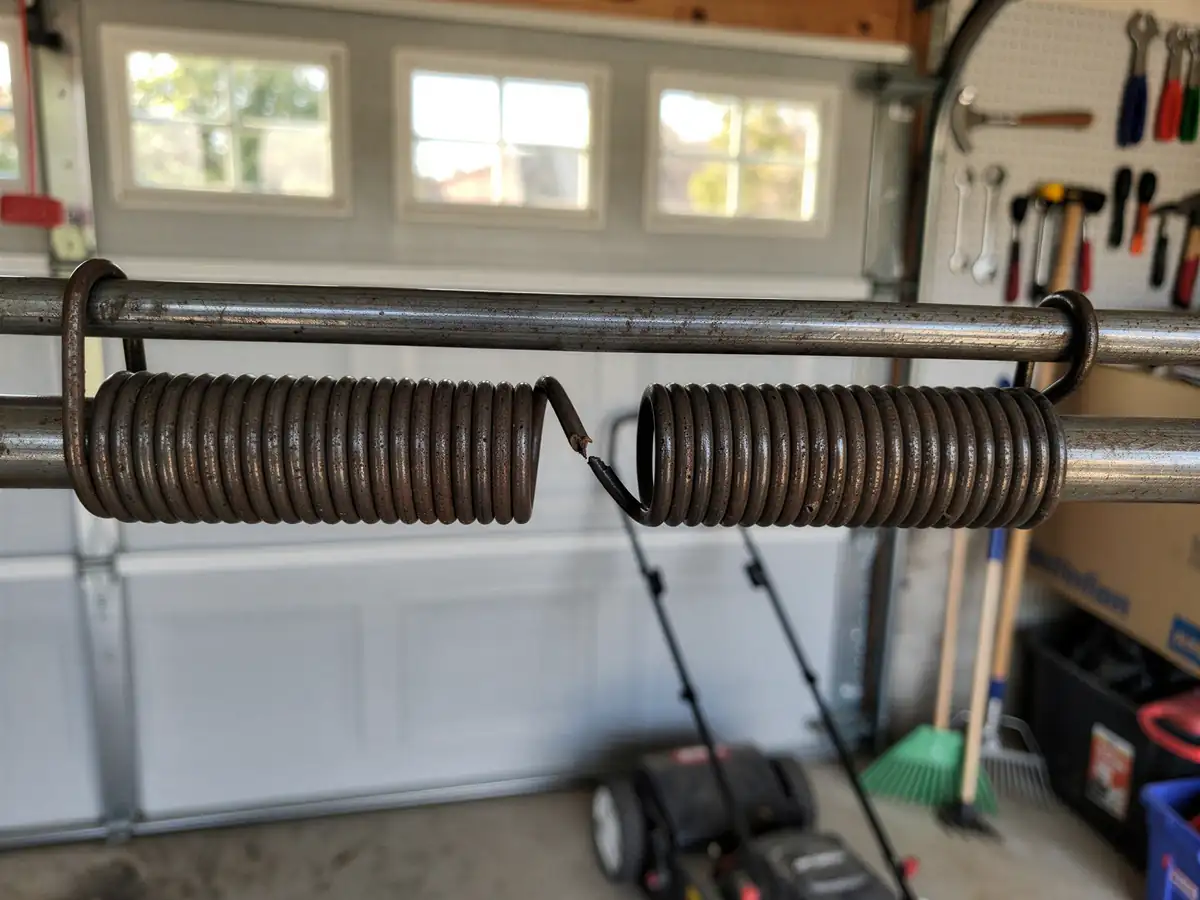
Swapping a single panel on a door that's still on a torsion spring under tension isn't a safe DIY repair - the spring holds the weight of the whole door, and loosening the wrong bolt while sections are detached can let it drop. If the damage is cosmetic only, on the top panel with no window cutout and no cable run through it, a careful homeowner can sometimes unbolt and replace that one section with the door manually propped and the opener disconnected.
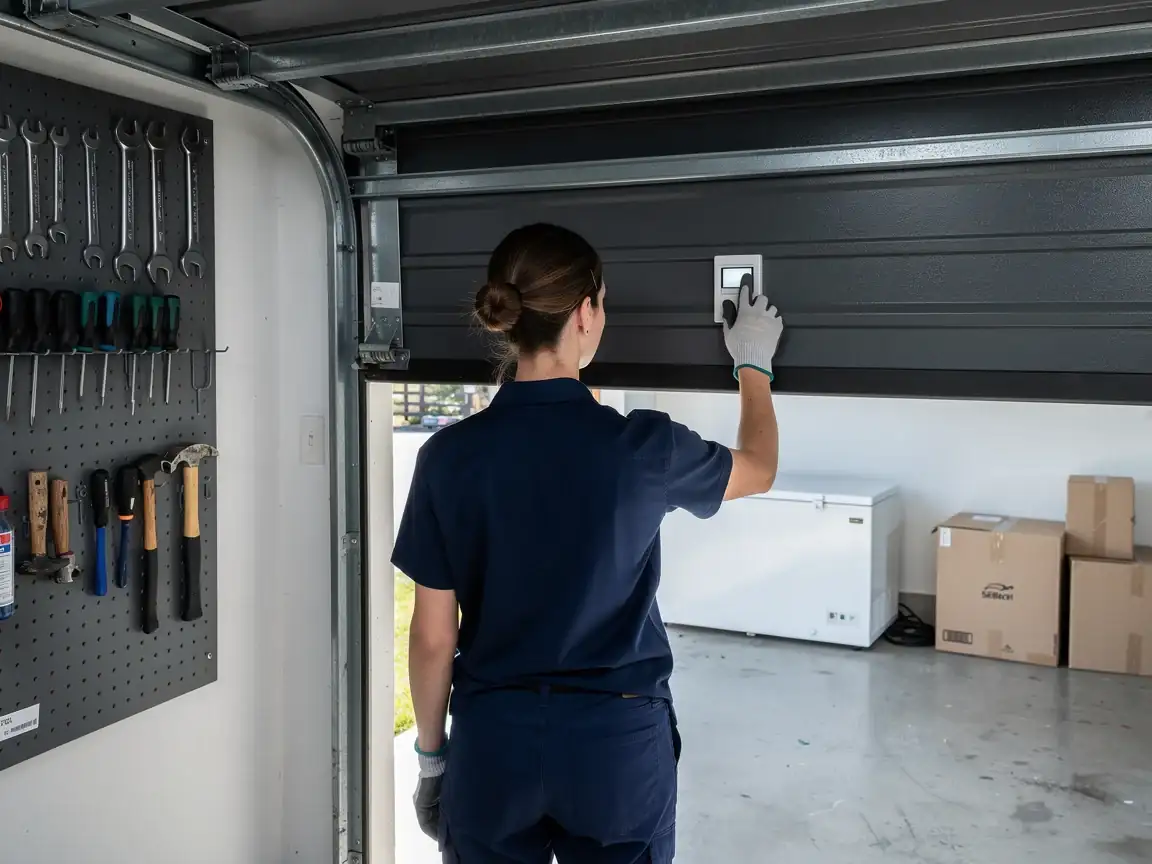
What you can check yourself first: whether the dent affects just the panel skin or has also bent the track or roller stem behind it. Run the door by hand with the opener disengaged - if it binds or doesn't travel smooth past the damaged section, more than the panel is bent, and that's a job for someone who can true the track while the hardware's apart. At $54,745 median household income for Palmetto, we find most owners here go for the targeted panel fix rather than a full door replacement, as long as the rest of the door's hardware is sound.