Can You Do This Yourself
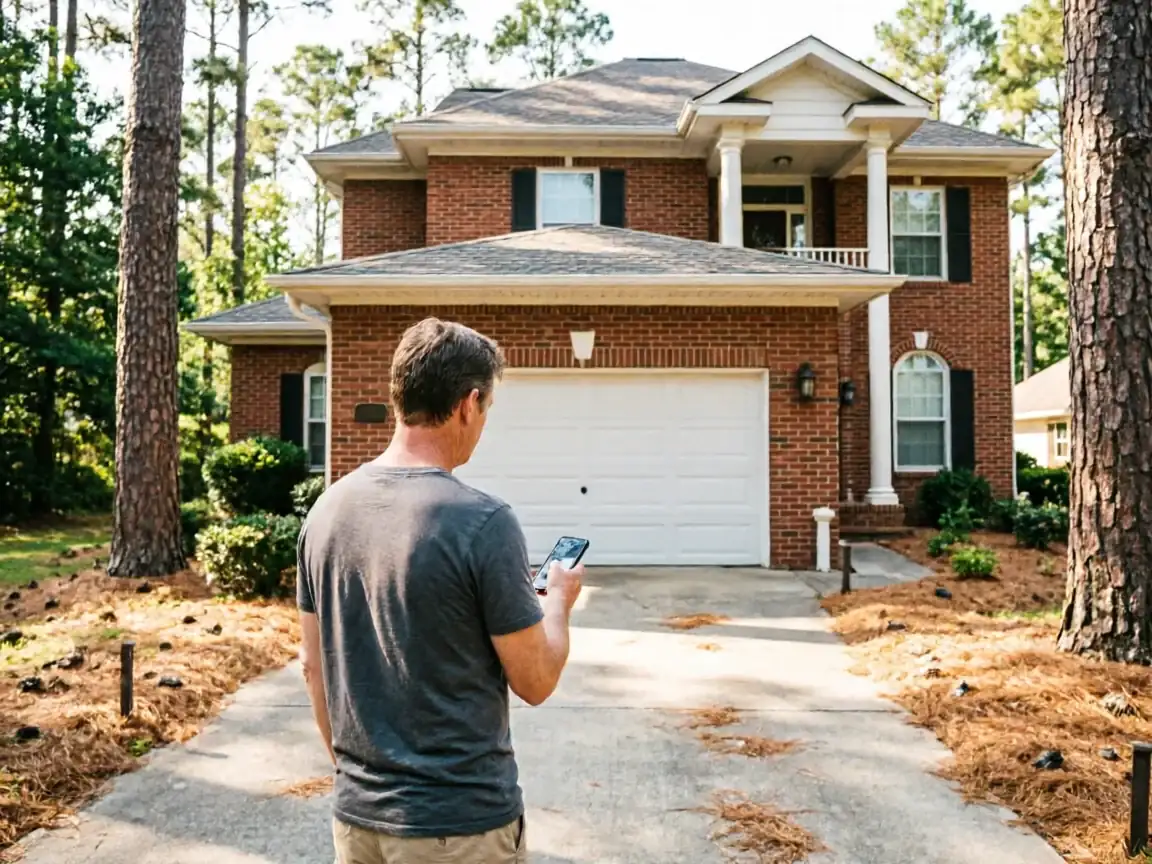
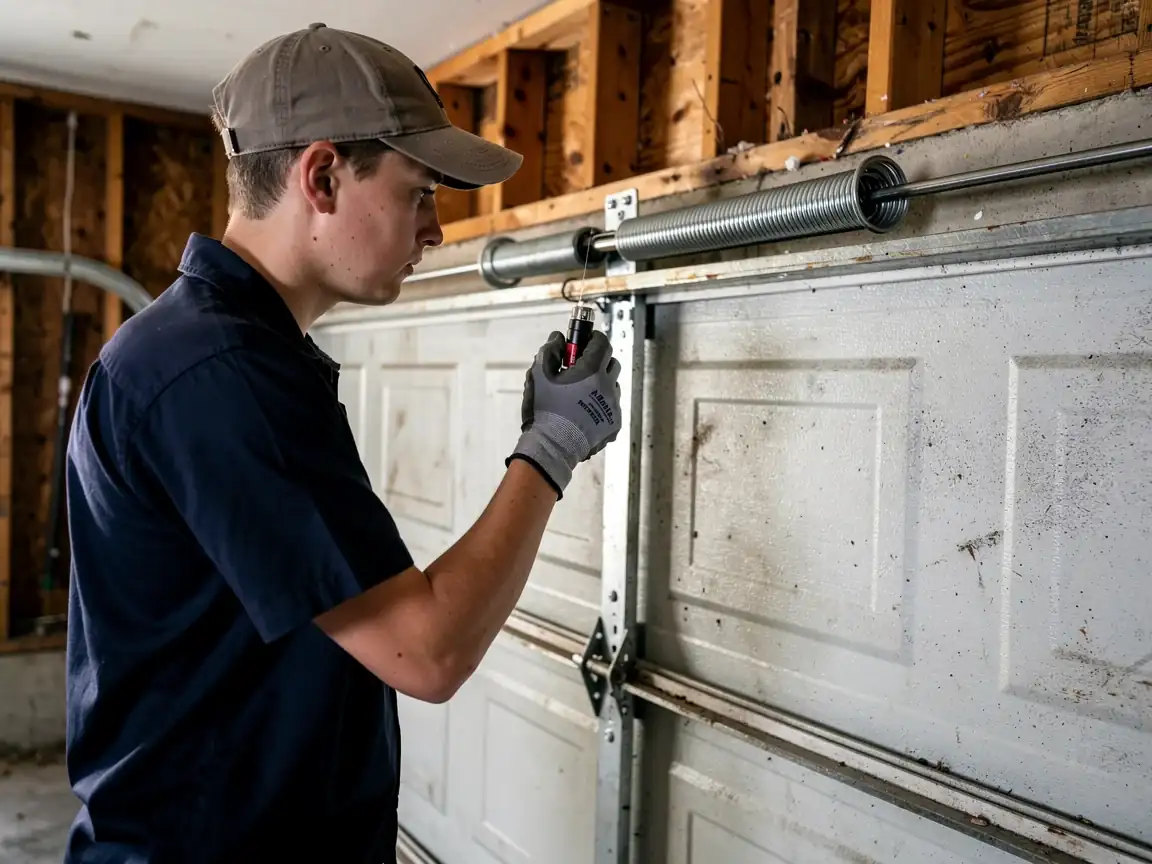
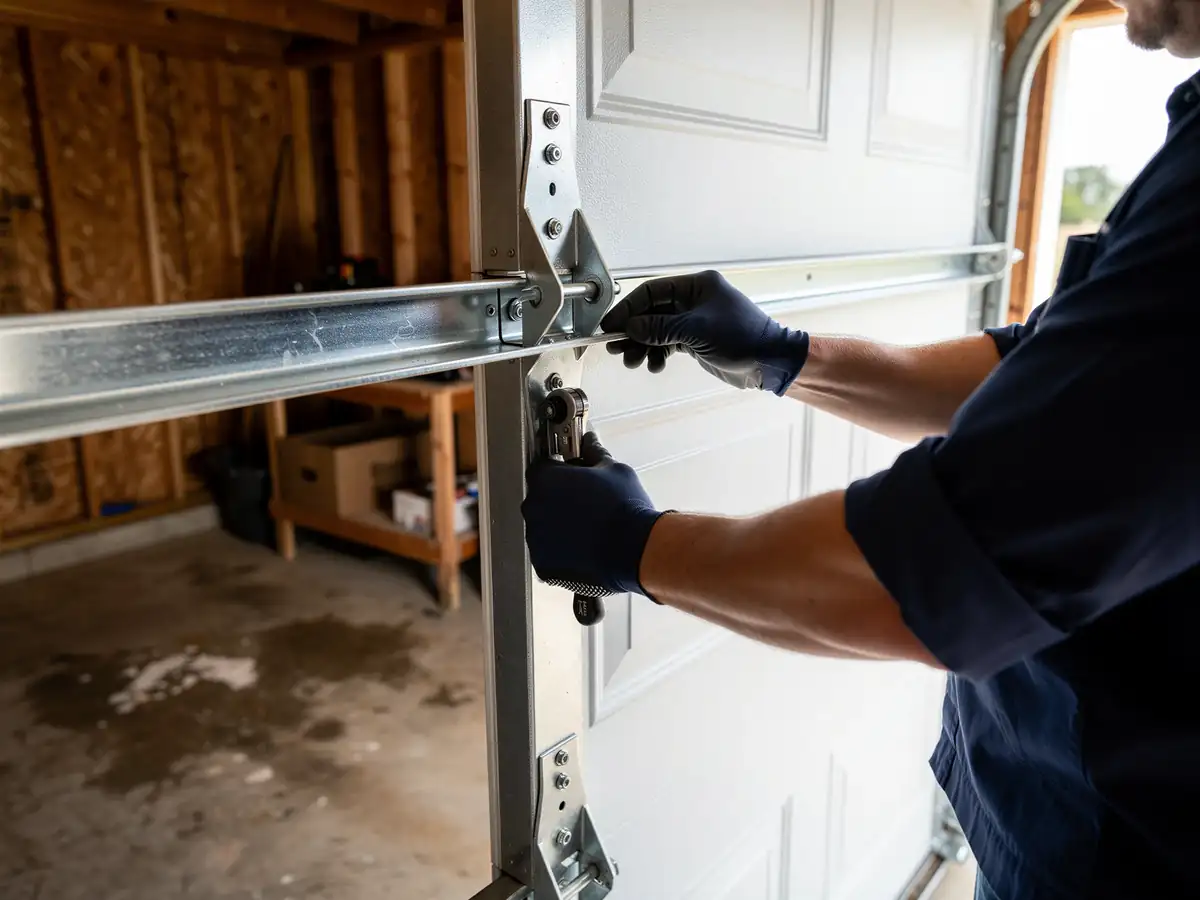
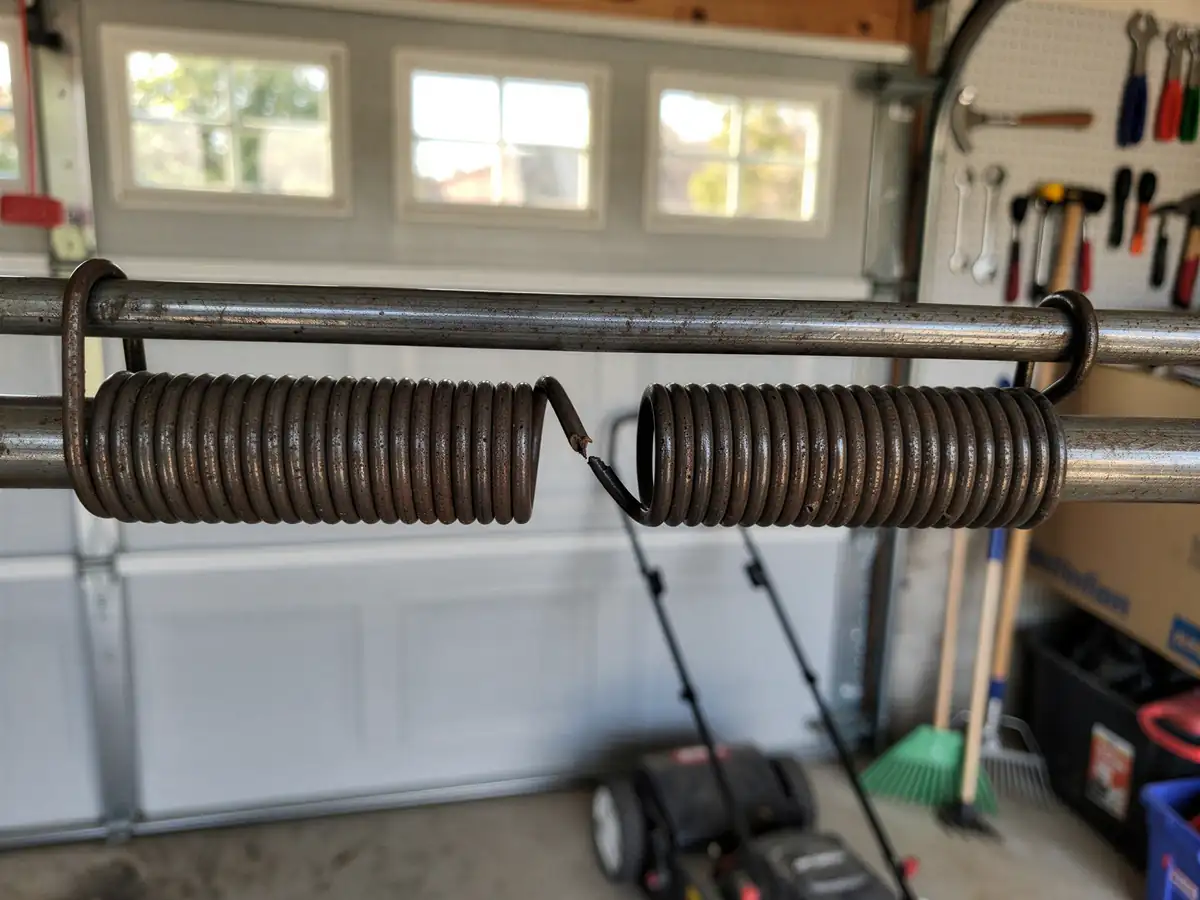
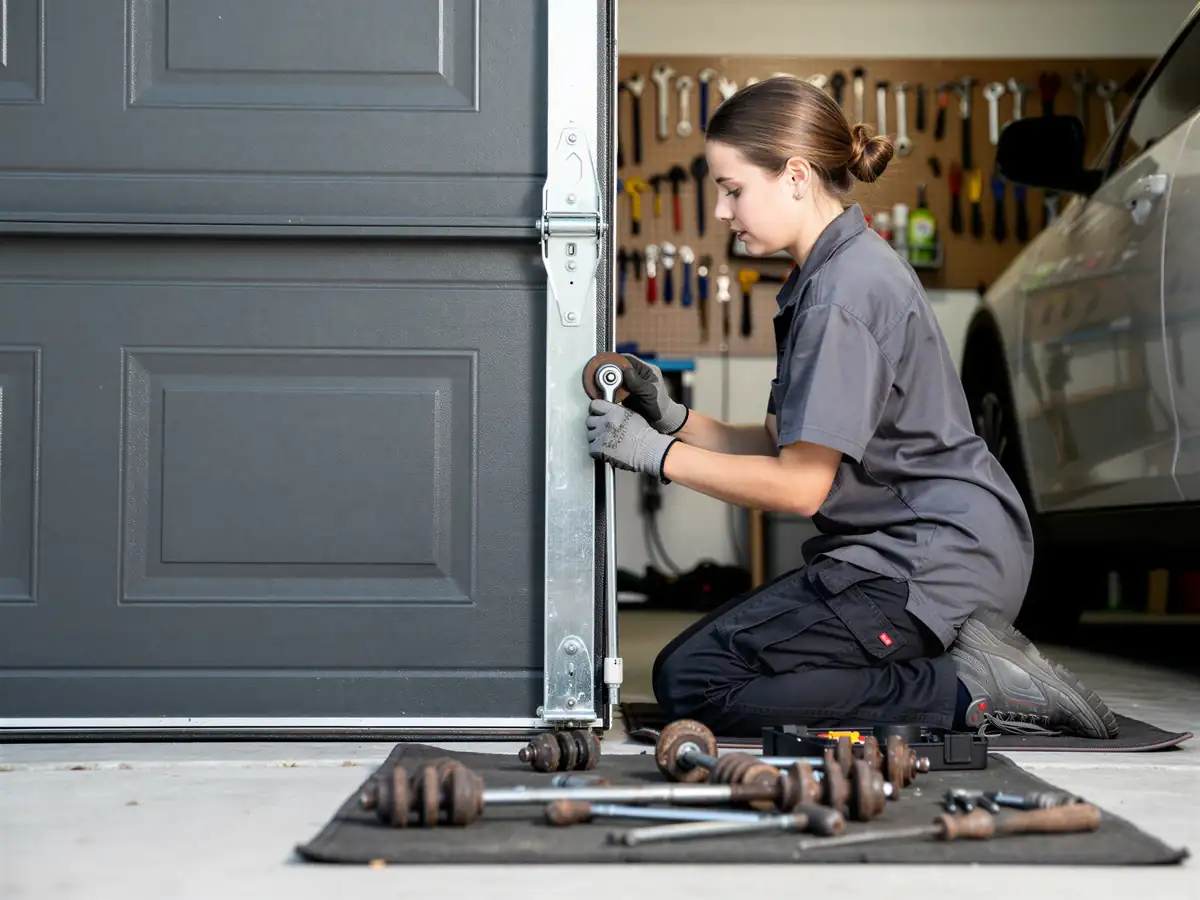
A lot of East Newnan is built on openings framed back in 1964, and that changes the math on doing this one yourself. Swapping a panel on a newer door is one thing. Pulling an old single-car door and setting a new one, with new track and a spring sized correctly for the weight, is a two-person job with real lift equipment involved, and getting the spring tension wrong on a torsion system is how people end up in the ER.
Here's the honest part: if your opening is square and standard-width, a handy homeowner can manage a lot of the prep work themselves - pulling old weatherstripping, clearing the header, checking the slab is level. What we don't recommend doing alone is setting the door itself or winding the spring. With a neighborhood this size, at 201 households, we've seen enough of these 1964-era openings to know where they're out of square before the door ever goes up, and that's not something you catch from a how-to video.
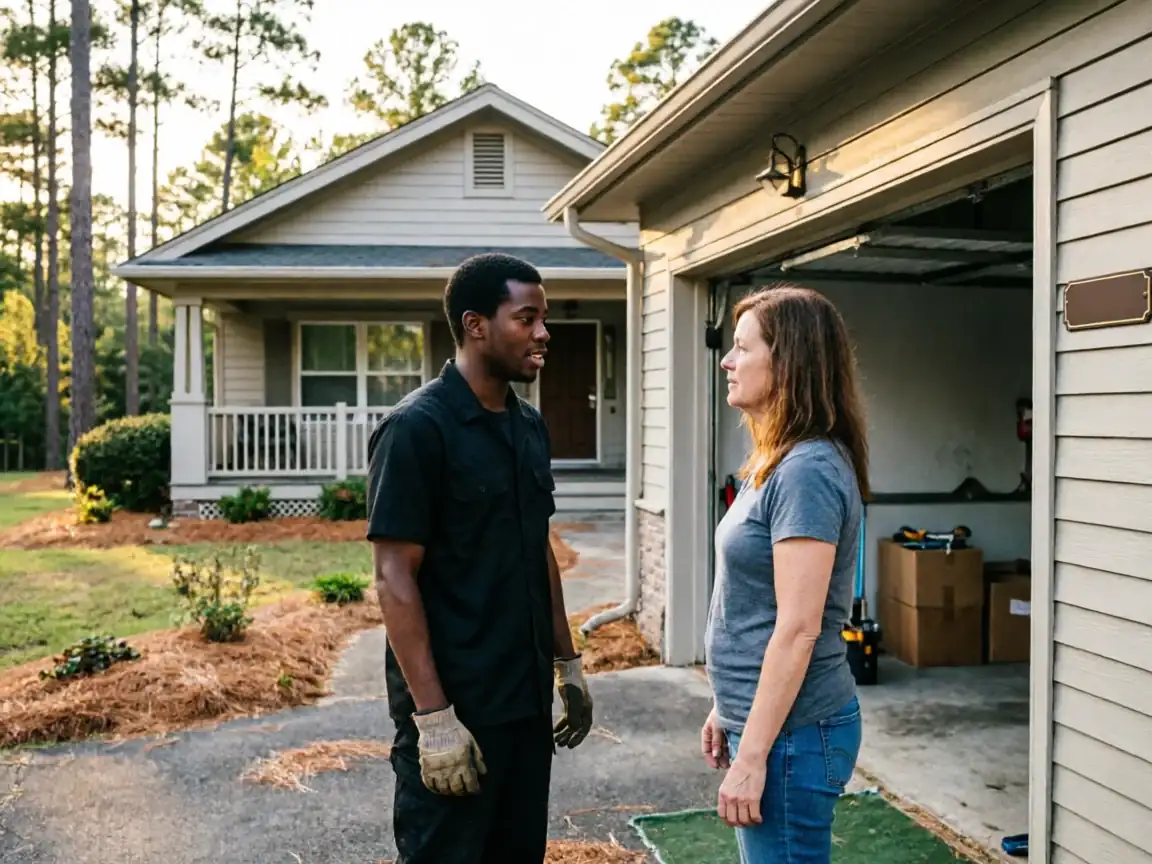
If you want a second opinion before you commit to a DIY route, that's a fair ask and we're happy to give one.
What Is on the Truck
Because East Newnan sits about two miles from our shop in Newnan, a job here doesn't turn into a day lost to the drive - the truck carries what a 1964-to-1990s mix of openings actually needs, not a guess. That means standard steel doors in the width that was common when this area was built, plus the narrower jamb kits that newer stock sizes don't always account for.
Given the cold-moderate climate this part of Georgia sits in, insulated doors with factory-fitted weatherstripping are the base option, not an upsell - winters here are mild compared to the upper Midwest, but a drafty garage still costs you on heating.
With median household income in East Newnan at $41,080, noticeably below the $71,597 median across the wider service area, we keep a mid-range steel line in stock rather than steering everyone toward a premium composite door they don't need. If you want that higher-end door, we can order it. We just don't load the truck assuming you do.
What Can Go Wrong
Sixty years does things to a wood frame
Openings built in 1964 have usually settled some - not enough to notice walking past, but enough that a door squared to today's standard dimensions won't sit right without shimming the jamb first. We find this more often in East Newnan than in parts of the service area built in the 1990s, simply because there's been more time for the house to move.
The other common issue is sizing
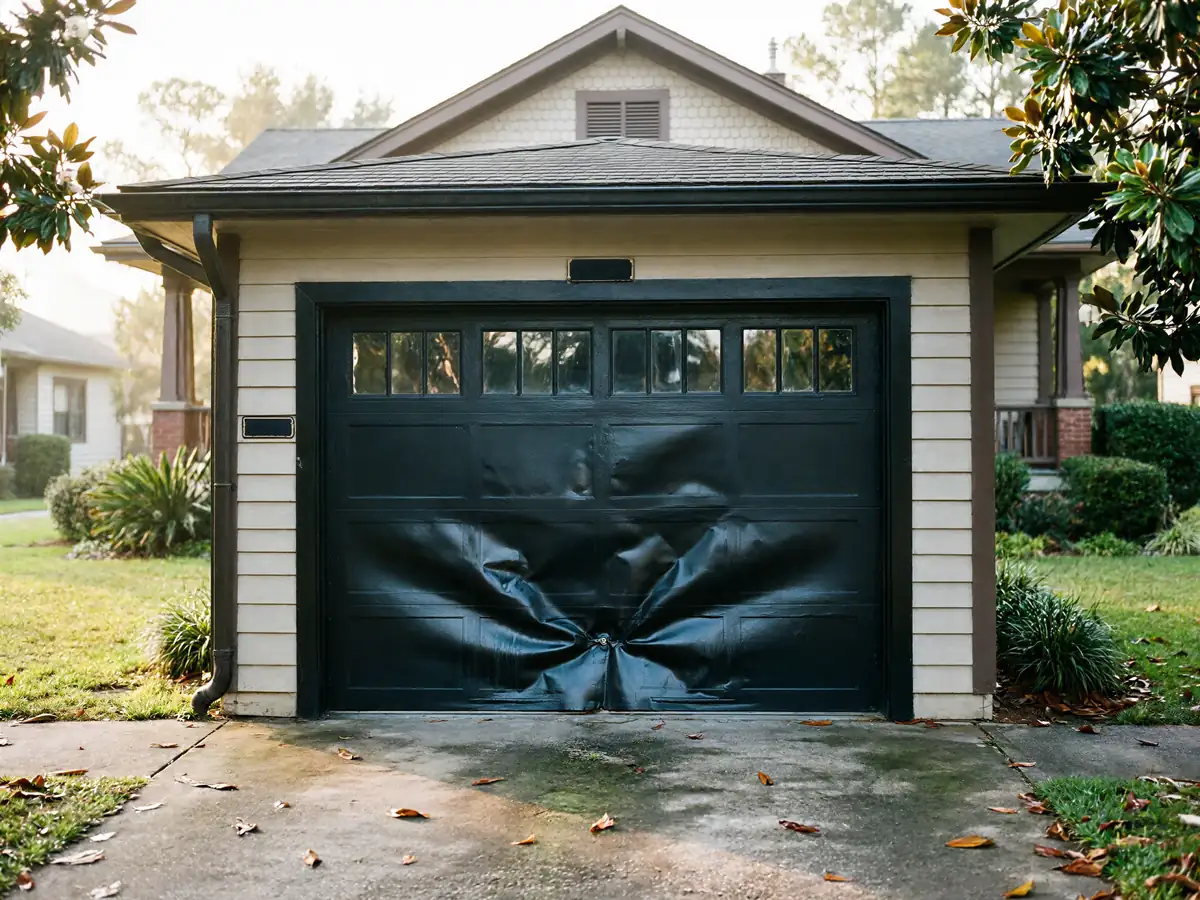
A lot of the original single-car doors here were cut to openings that don't match what's sold off the shelf now, so a straight swap sometimes leaves a gap at the header or the sides that has to be framed in rather than just caulked over.
We won't pretend every job is simple
If the framing's moved enough, the honest fix is adjusting the jamb before the new door goes in, which adds time and cost most online installation quotes never mention.
What the Fix Involves
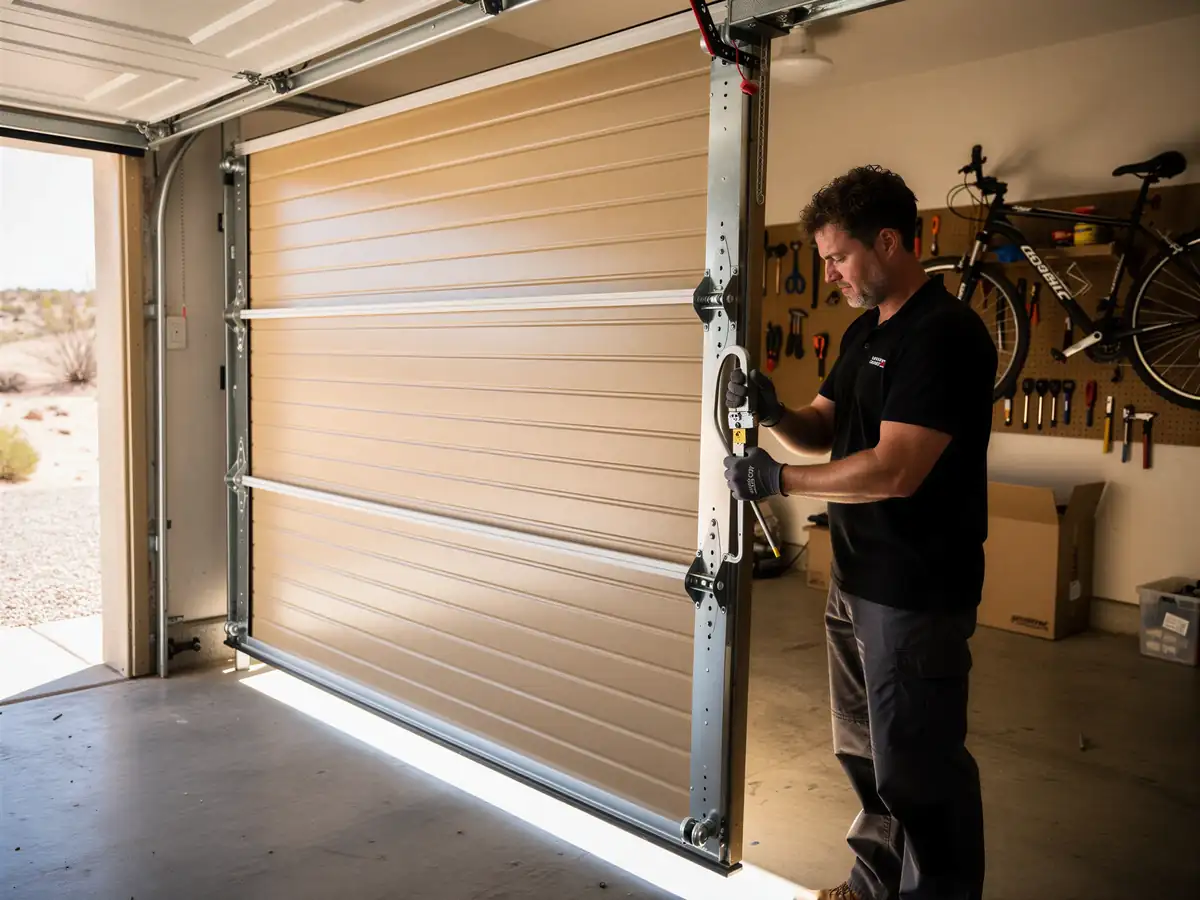
We start by measuring the actual opening, not assuming it matches a catalog size - given how much of East Newnan dates to 1964, this step catches problems before they become a return trip. If the jamb's out of square, that gets corrected first; setting a new door into a crooked frame just moves the problem down the road.
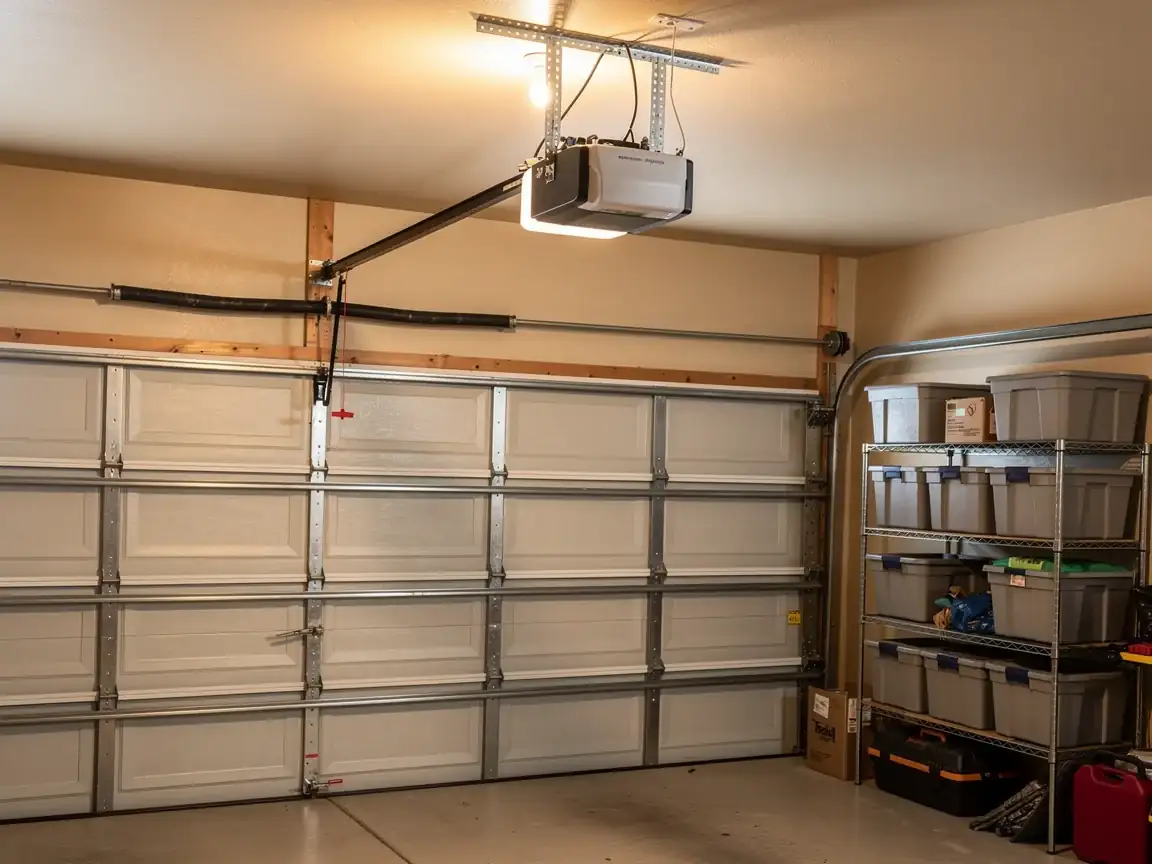
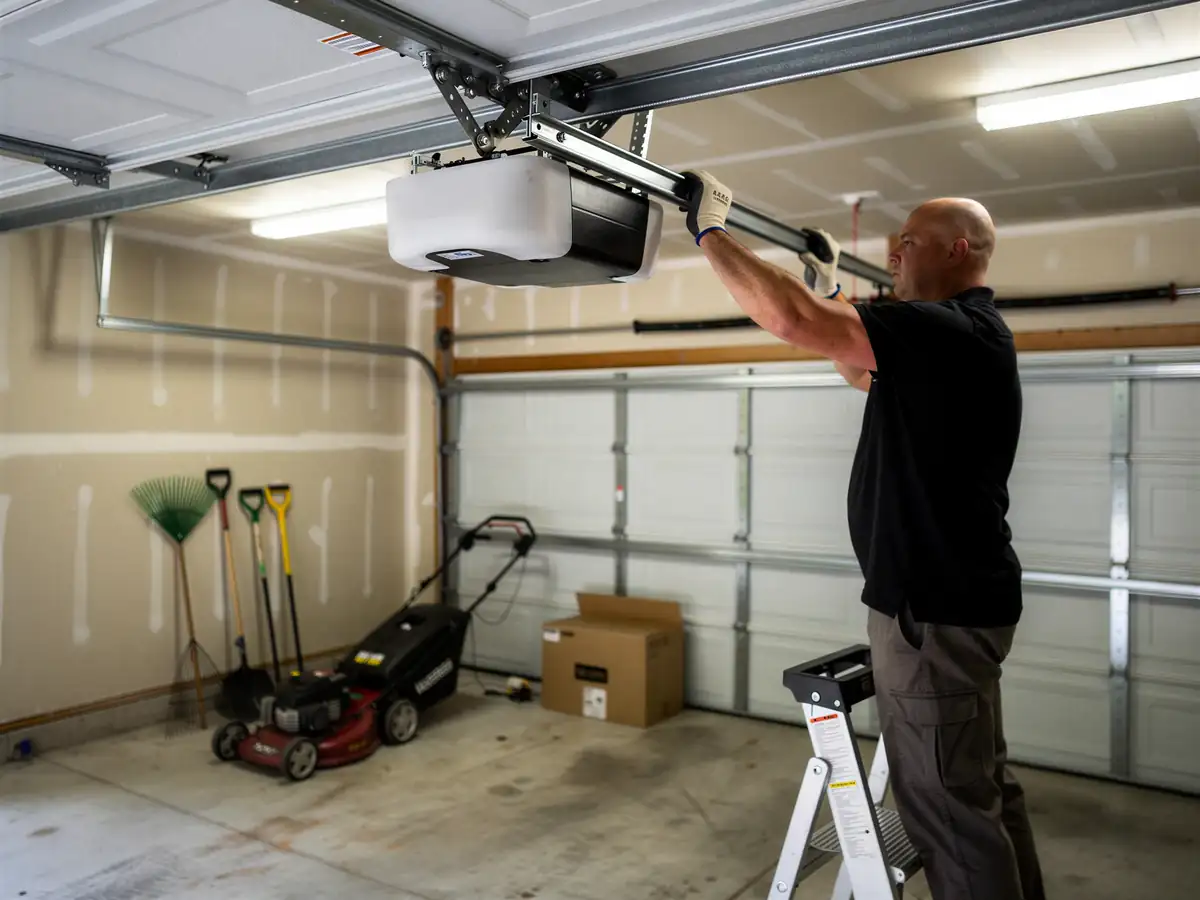
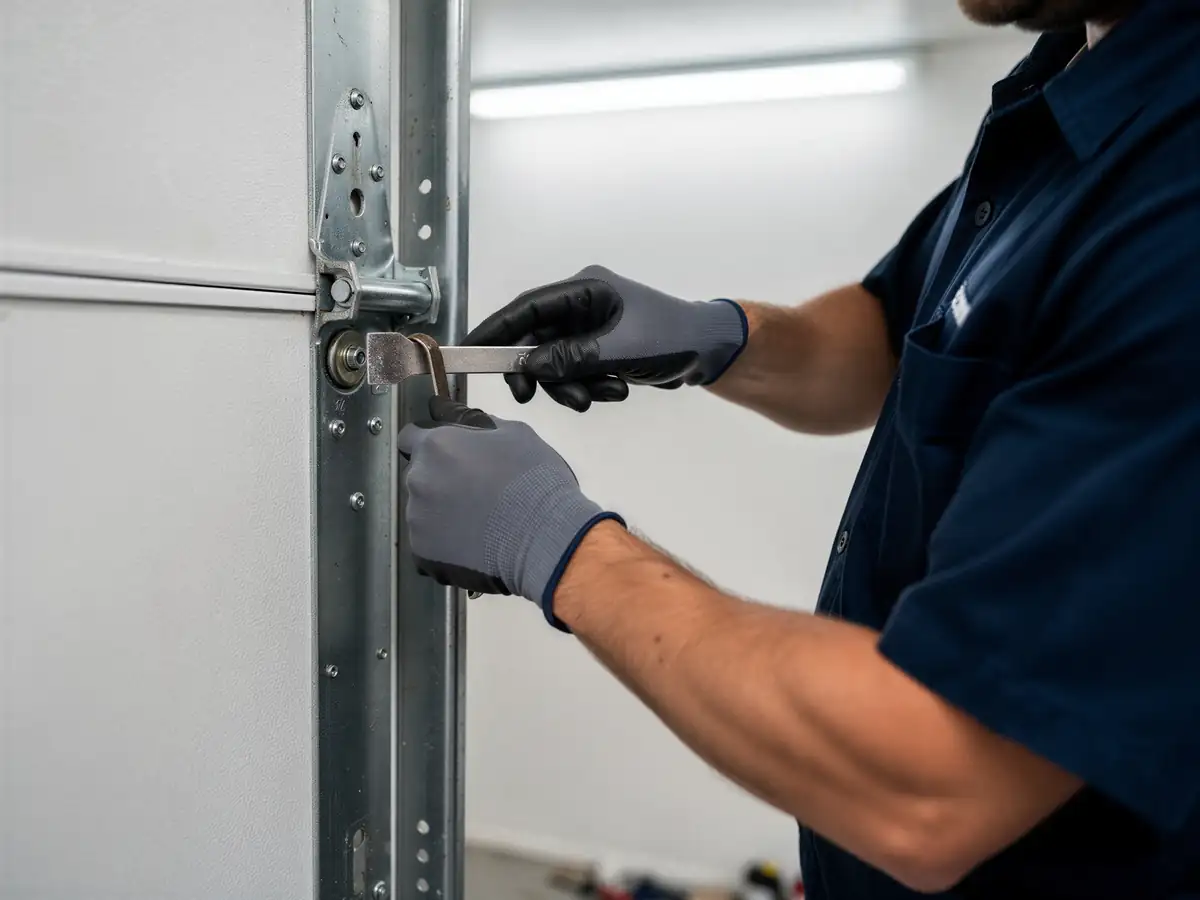
From there it's new track set to the door's travel, a spring sized to the door's actual weight rather than a generic chart number, and weatherstripping fitted to the opening as it exists now, not as it existed in 1964. If you're adding an opener at the same time, that gets wired and set to match the new door's travel distance.
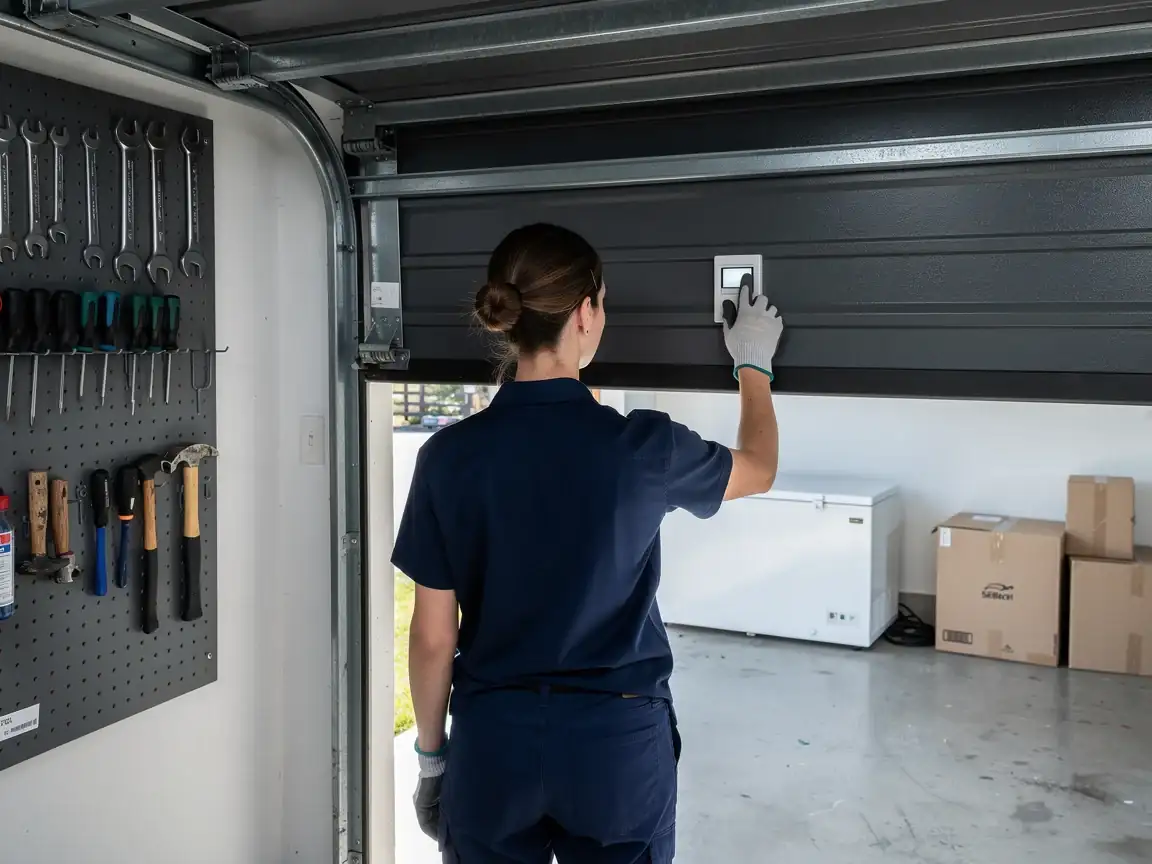
Last step is a full open-and-close cycle test under load, checking balance by hand with the opener disconnected. A door that's out of balance will wear the opener down early no matter how good the opener is.