Can You Do This Yourself
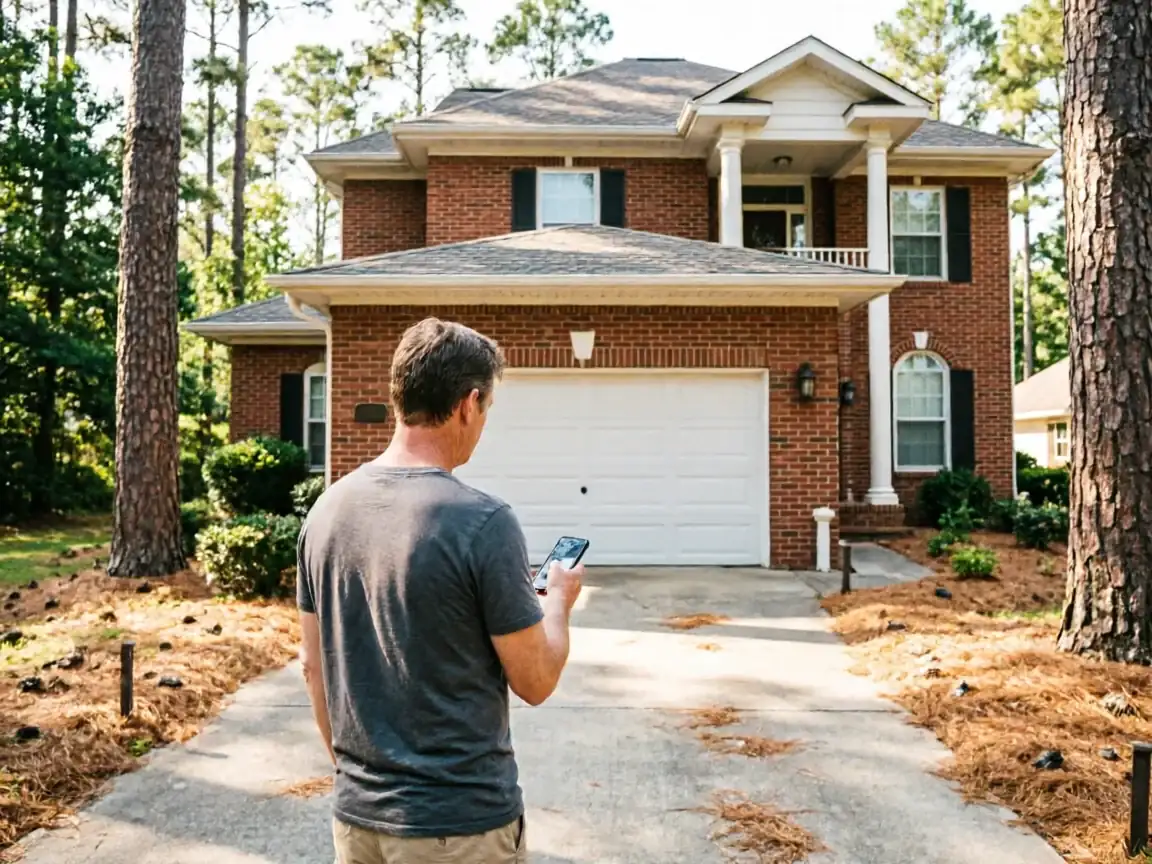
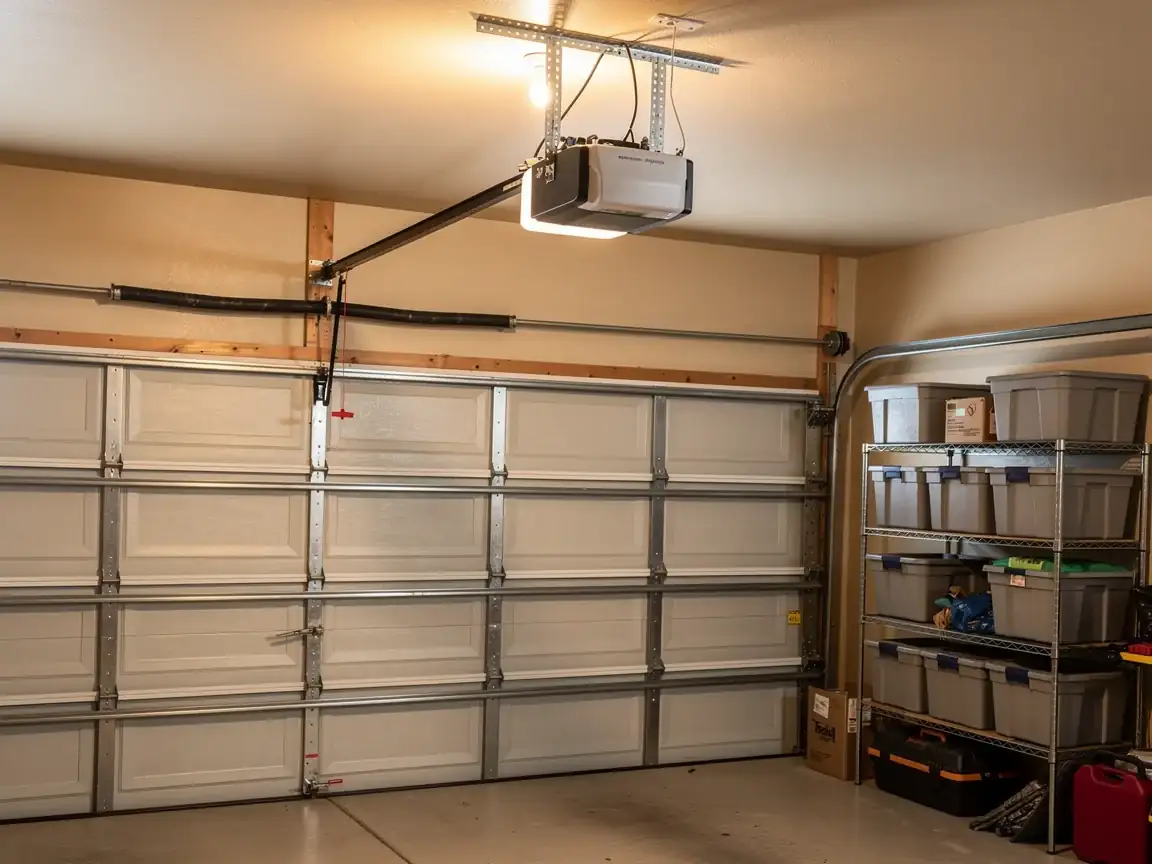
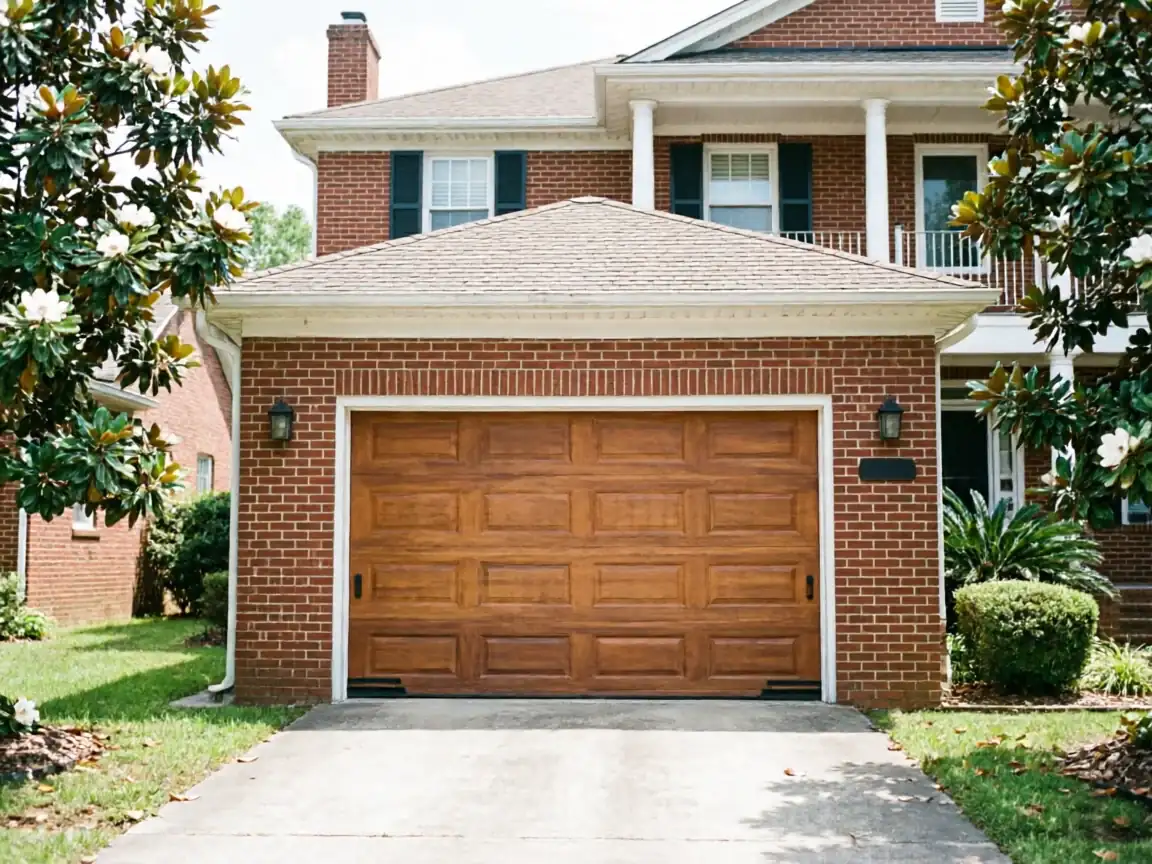
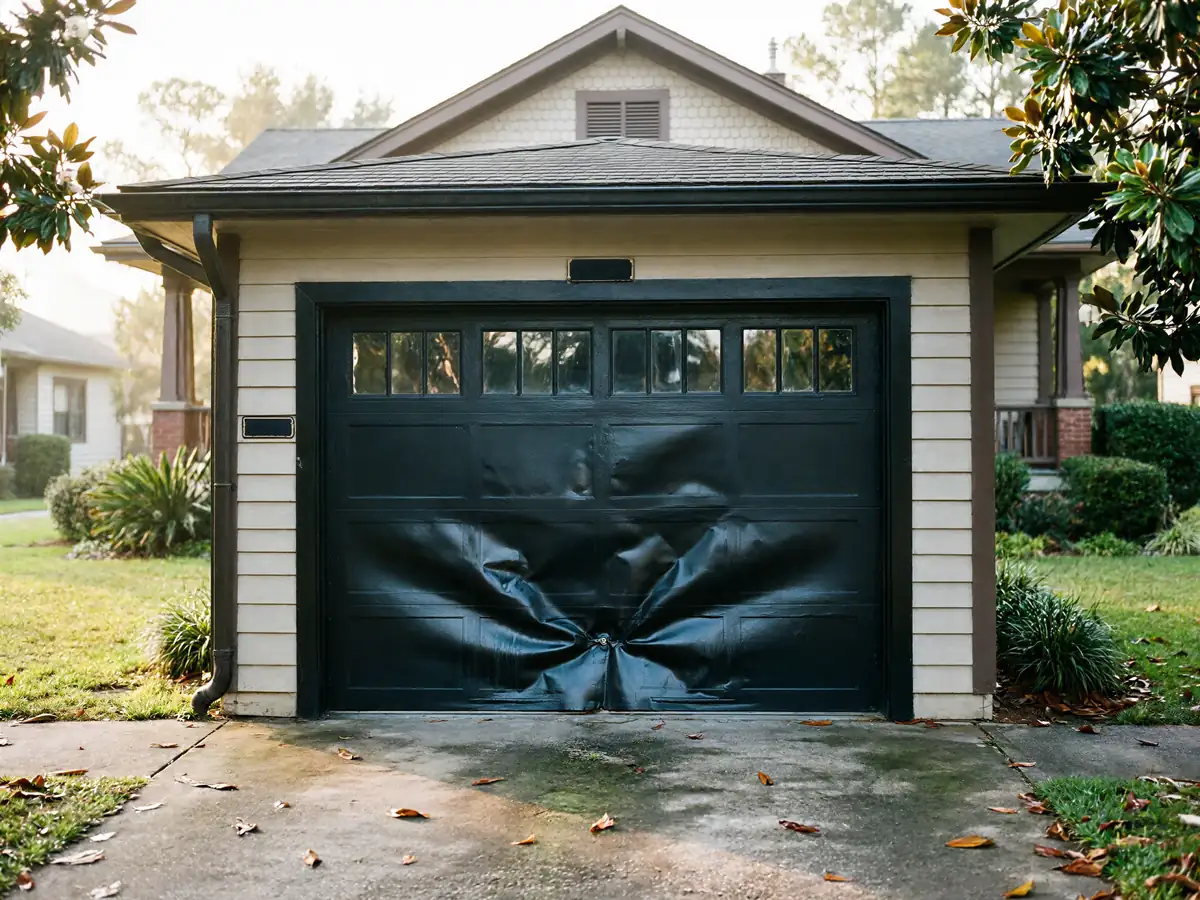
Swapping a roller sounds like a weekend job, and on a newer door it sometimes is. East Newnan is a different situation. The median year built here is 1964, a full thirty years ahead of the 1994 median across the wider service area, which means a lot of these doors are still running on the track and hardware that came with the house. Steel rollers from that era ride in stamped brackets that don't match what's sold at a hardware store today, and the bolt pattern is often not the one in a modern kit.
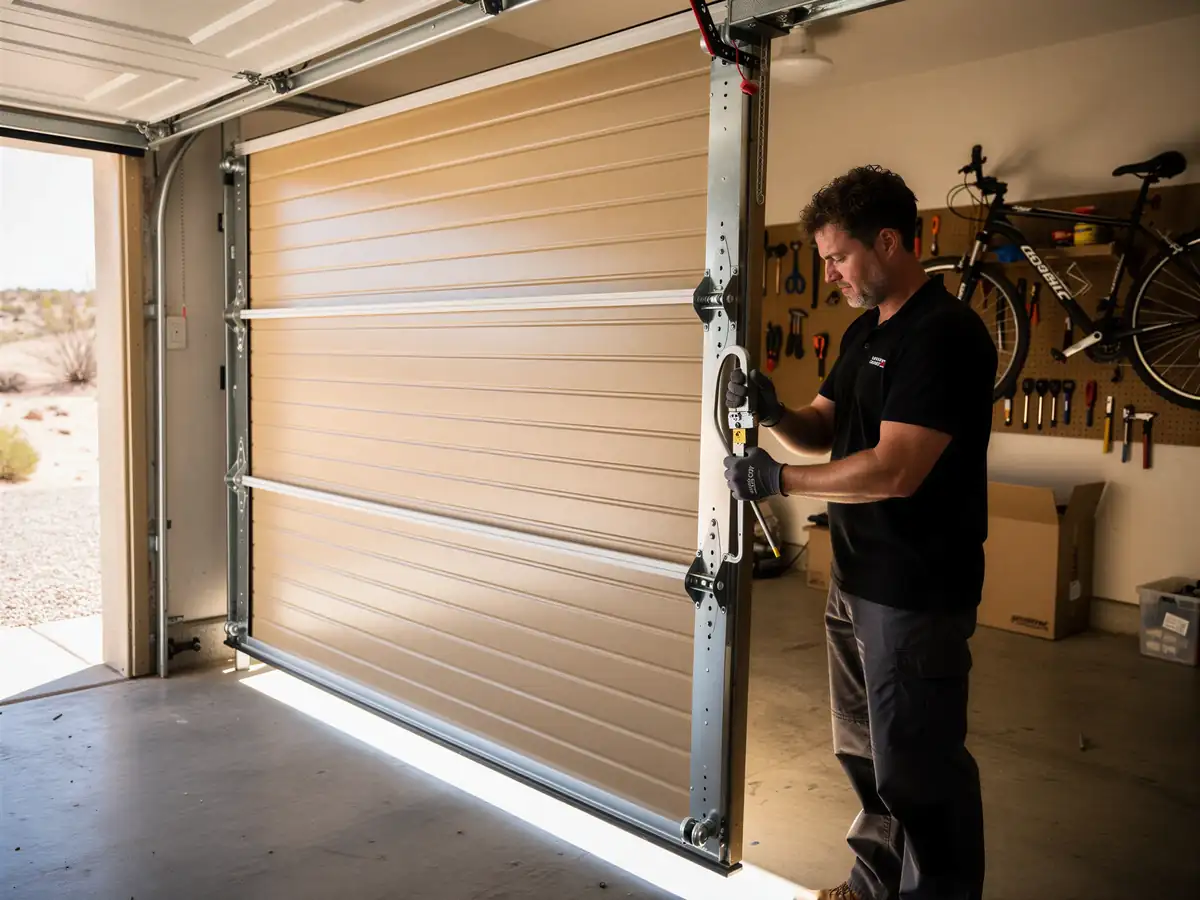
If you pull a roller and the bracket crumbles or the track is bowed from forty years of that roller grinding instead of rolling, you've turned a ten-minute swap into a project with the door off its track. We'd rather you call before you're mid-job with a door hanging at an angle than after.
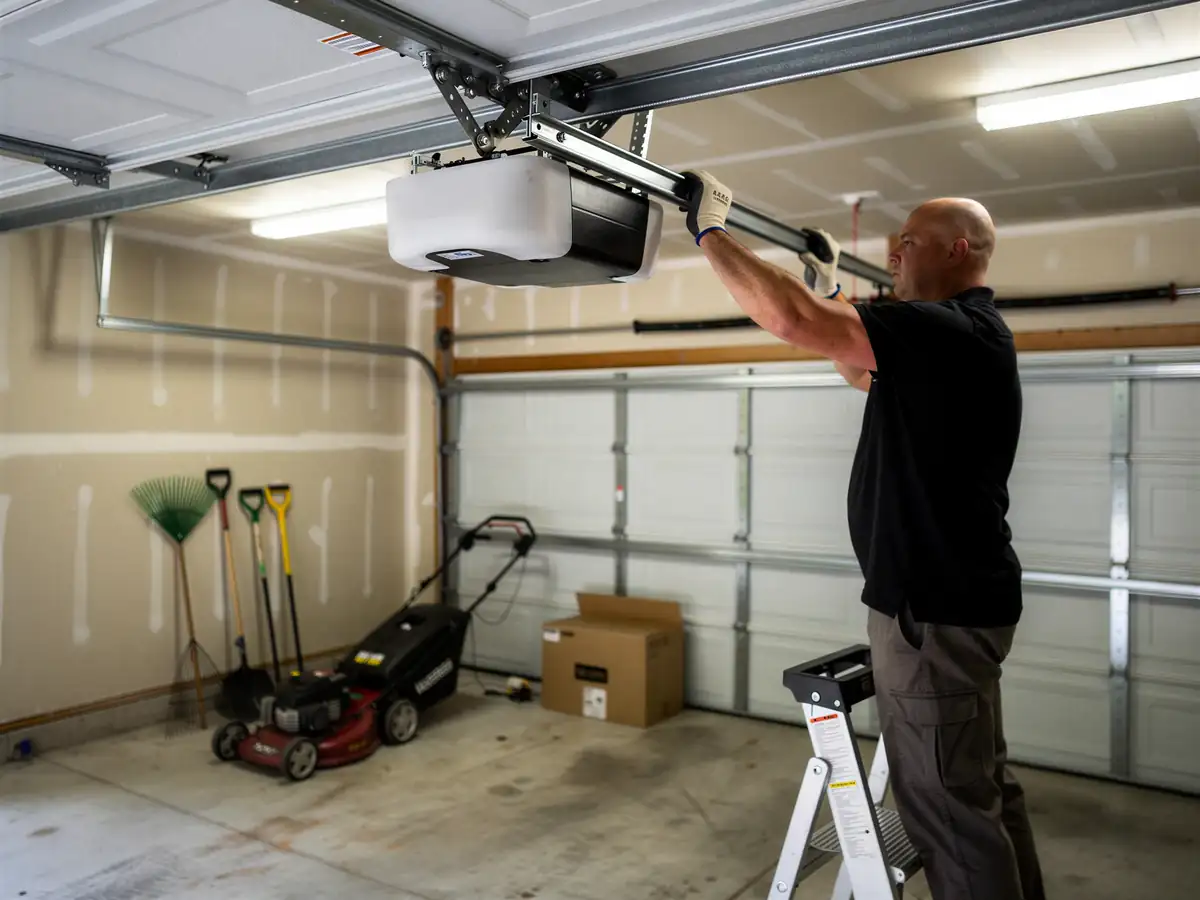
The honest limit: if your rollers look original and your opener is newer, someone's replaced the door or the opener separately at some point, and we can't tell you which parts match until we're looking at it in person. We don't guess hardware over the phone.
What Is on the Truck
We carry both nylon and steel rollers, sized to fit the older stamped-steel track common on houses built around 1964 as well as the rolled track on newer installs. In this climate band - cold enough that lubricant and bearing grease stiffen in winter - we lean toward sealed nylon rollers for most jobs here, since they don't need the same re-lubrication schedule steel rollers do and they run quieter on track that's already slightly out of true.
We also carry replacement brackets, because on a door this age the bracket is as likely to be the failure point as the roller itself. A worn roller that's been grinding against a bent bracket for years usually takes the bracket with it. Showing up with only rollers and no brackets means a second trip, so we don't.
What Can Go Wrong
On a door running original 1964-era hardware
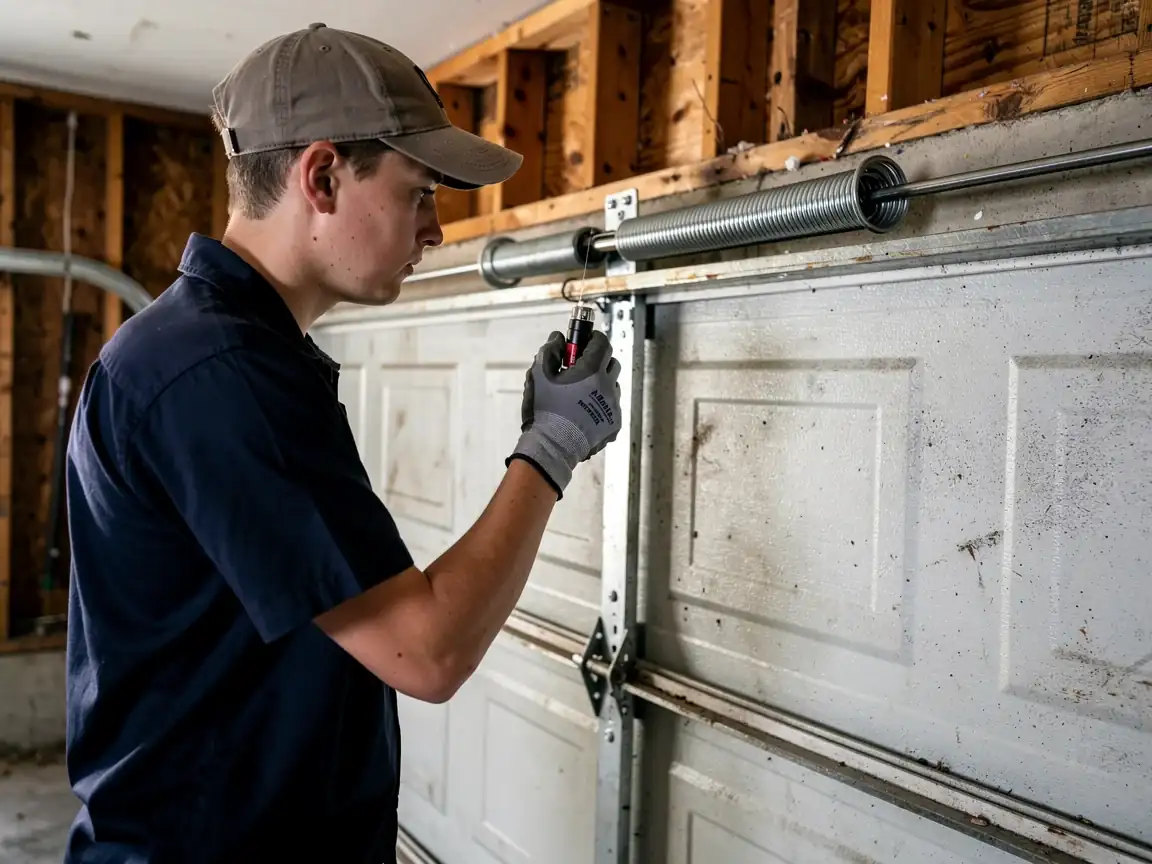
The most common failure is a roller stem that's worn thin enough to let the roller wobble in the bracket, which then chews up the track edge over months until the door starts binding on the way up. By the time a homeowner notices the noise, the track is often grooved, not just the roller worn.
The second pattern we see in this part of the service area is rust pitting on steel rollers from houses with the original hardware never replaced
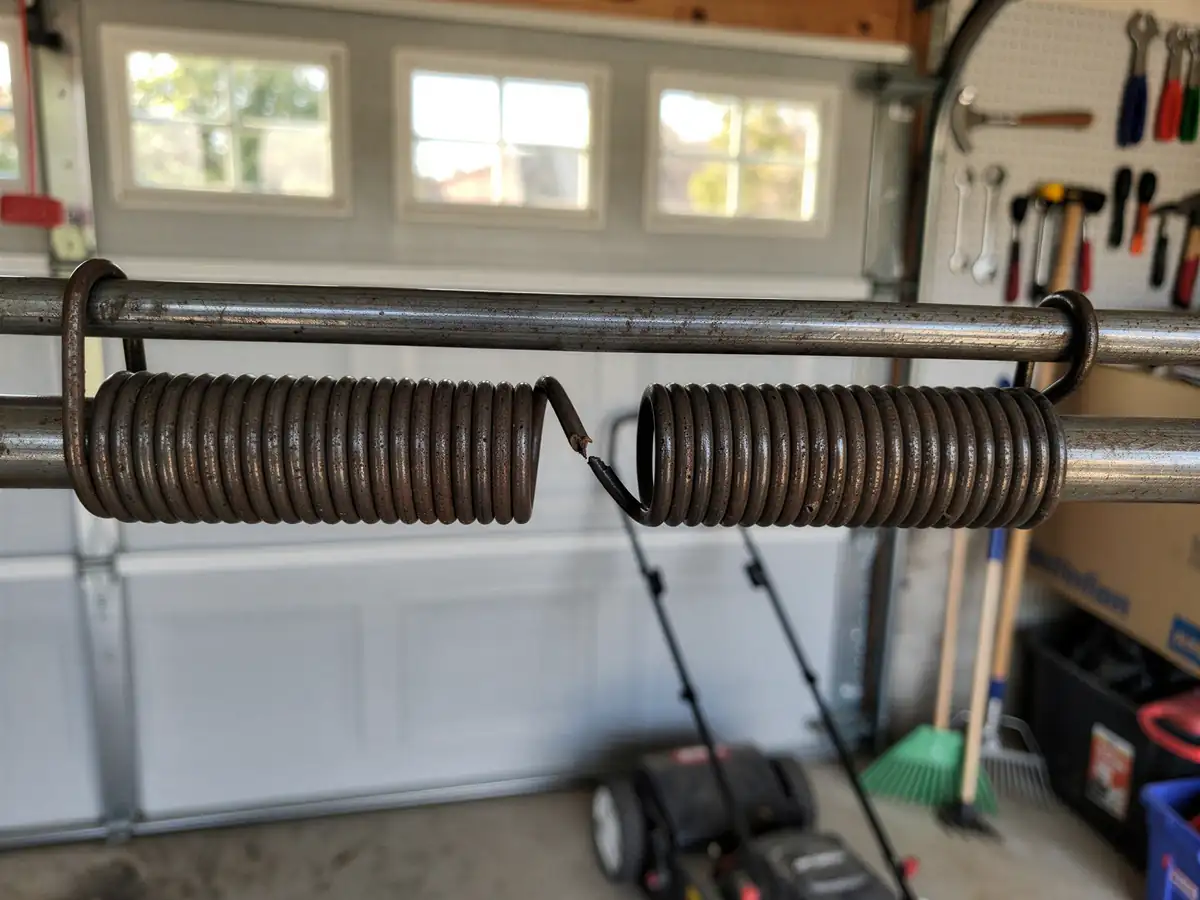
Pitted rollers don't roll smooth, they catch, and a catching roller puts uneven load on the cable above it. That's a spring and cable problem waiting to start as a roller problem.
We don't push full track replacement on every call
If the track is grooved but straight, we can often true it up around the new rollers. If it's bent, that's a different job and we'll say so rather than sell a roller swap that won't fix the real noise.
What the Fix Involves
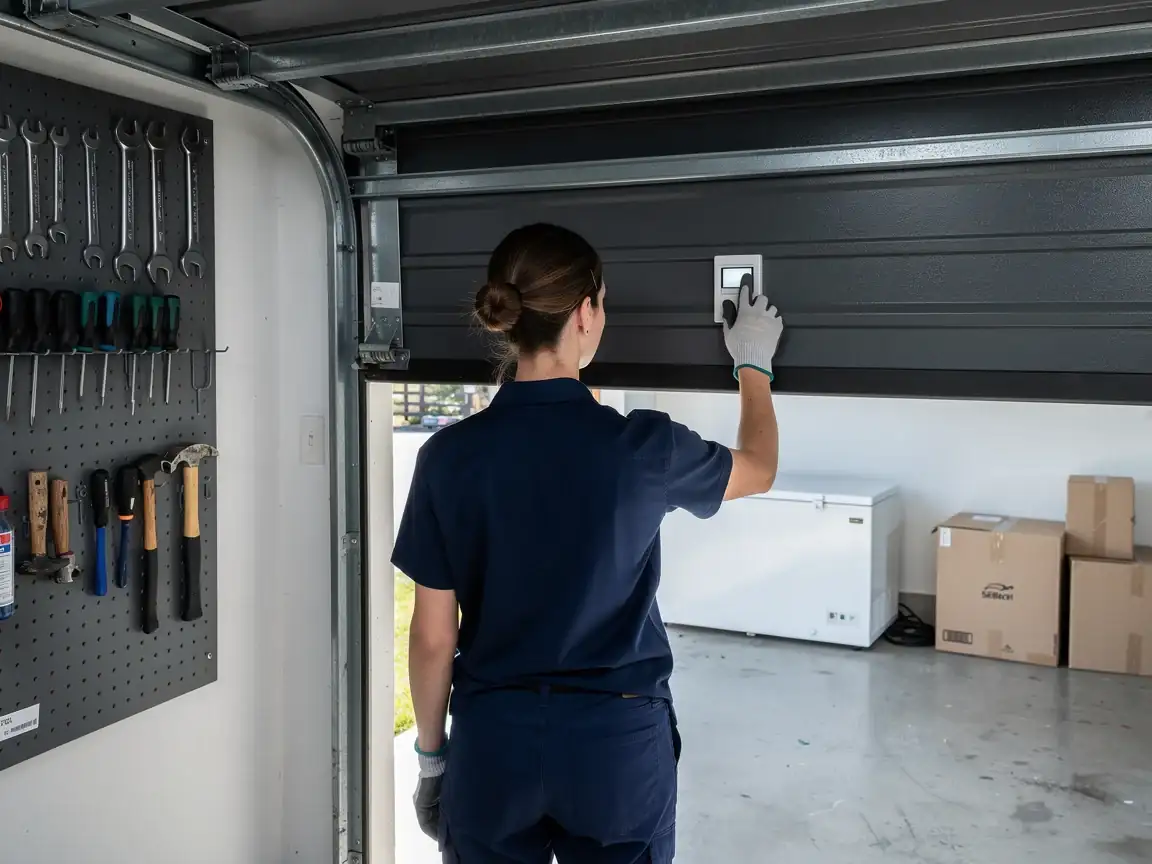
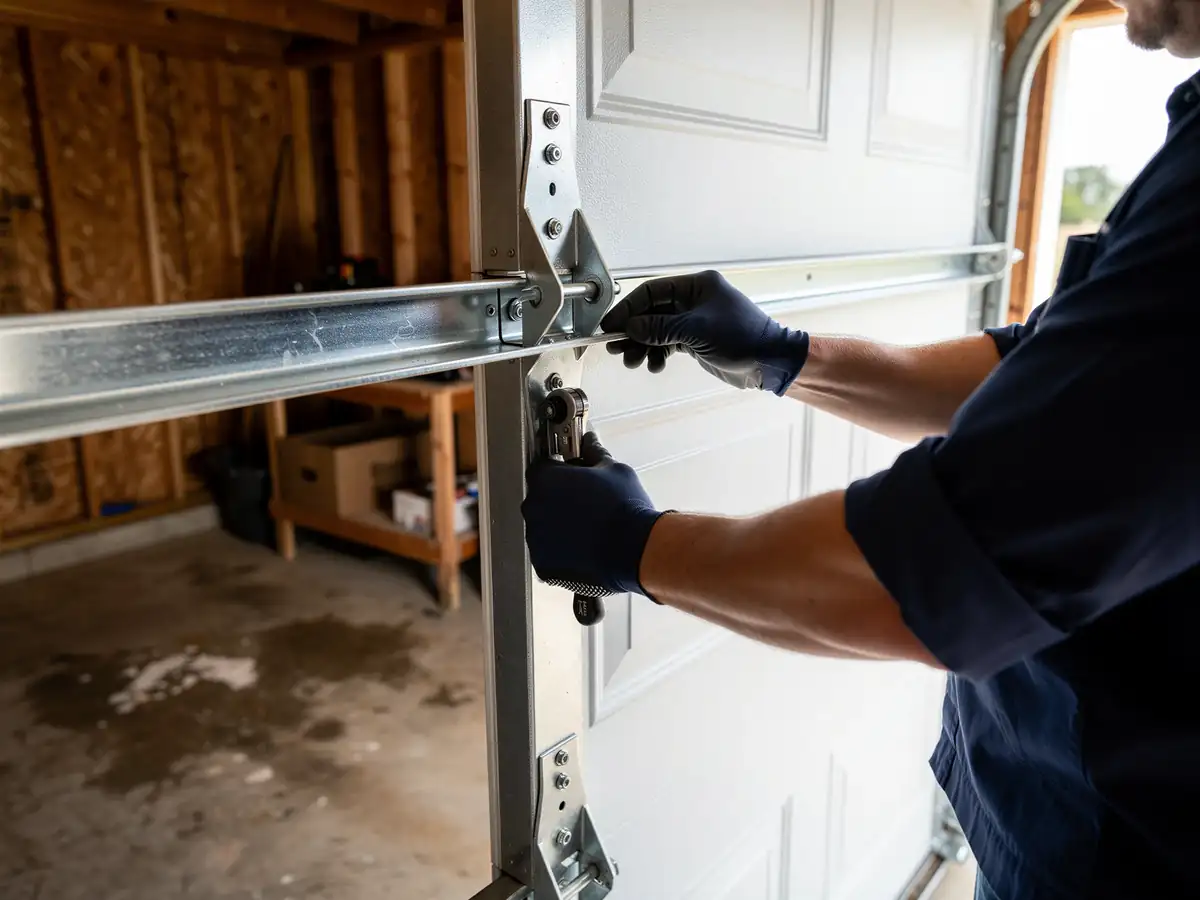
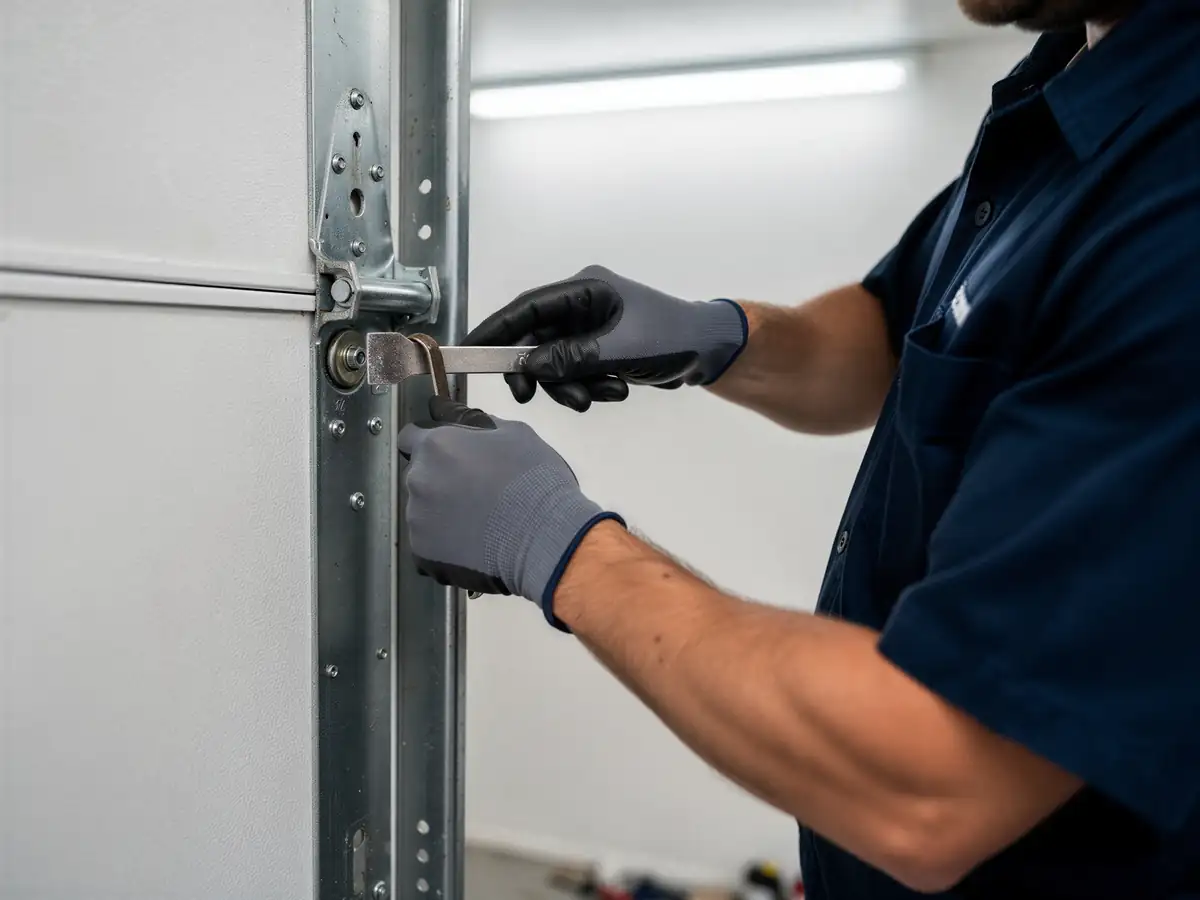
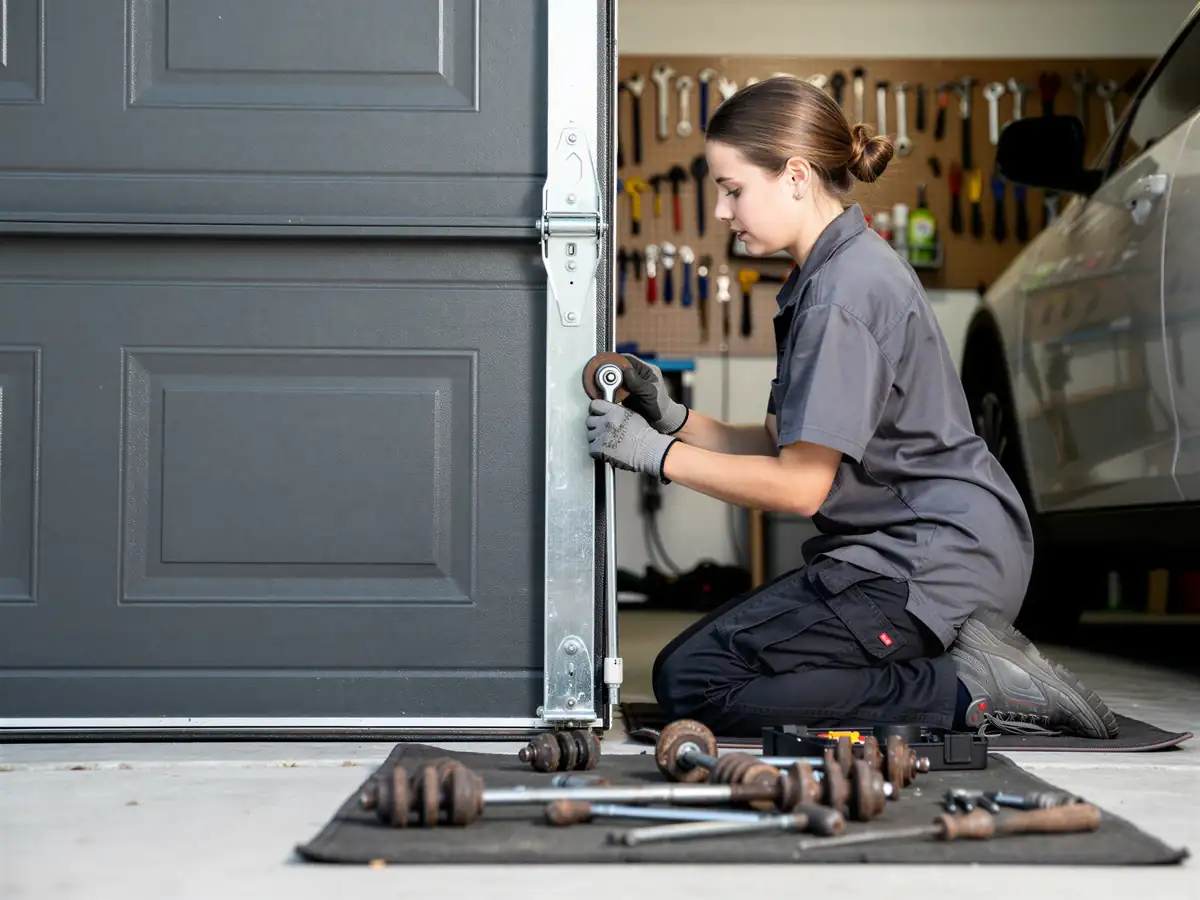
We start by rolling the door through a full cycle to watch which rollers are binding and which brackets are loose, since on older hardware the two problems usually travel together. Then we release spring tension, pull the bottom brackets, and work rollers out one section at a time so the door stays supported on the track the whole time.
Each old roller and worn bracket gets checked against the track it's been riding in - on a lot of East Newnan's older doors that means matching a bracket pattern that isn't the current standard size. We swap in nylon rollers sized for that track, reset bracket bolts to spec, and run the door through a dozen cycles checking for the grinding or catch that brought us out in the first place. If the track itself is grooved beyond what a roller swap will solve, we'll tell you that before we close it up, not after.