Can You Do This Yourself
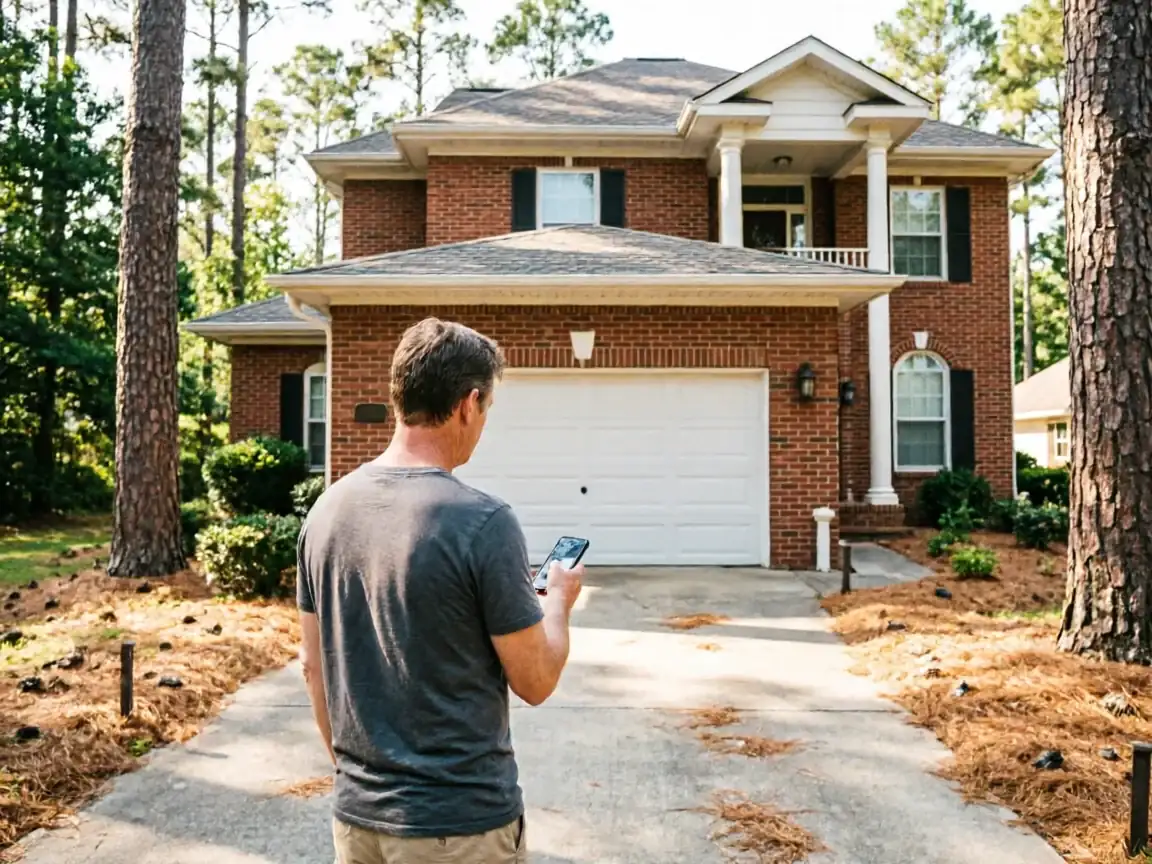
At $41,080, the median household income in East Newnan sits well below the $71,597 median across the rest of the service area, which changes the math on whether an opener is worth fixing or replacing. When money is tighter, a $20 part you can swap yourself matters more than it does elsewhere, and some of it genuinely is DIY: a dead remote battery, a misaligned photo-eye sensor knocked out of position, a logic board that just needs the wall button reseated. Those cost nothing but patience.
What isn't DIY is anything involving the drive gear, the circuit board itself, or travel limits on an opener built before today's safety-reversal standards. Houses here have a median build year of 1964, the oldest end of the 1964-2005 range across the twelve areas Newnan Garage Door Pros covers, and an opener that age may not have the auto-reverse safety feature required on newer units. If you're not sure your opener reverses when it hits resistance, that's not a tinkering job - that's a call. Guessing wrong on a 50-pound door moving on a motor is how people get hurt.
What Is on the Truck
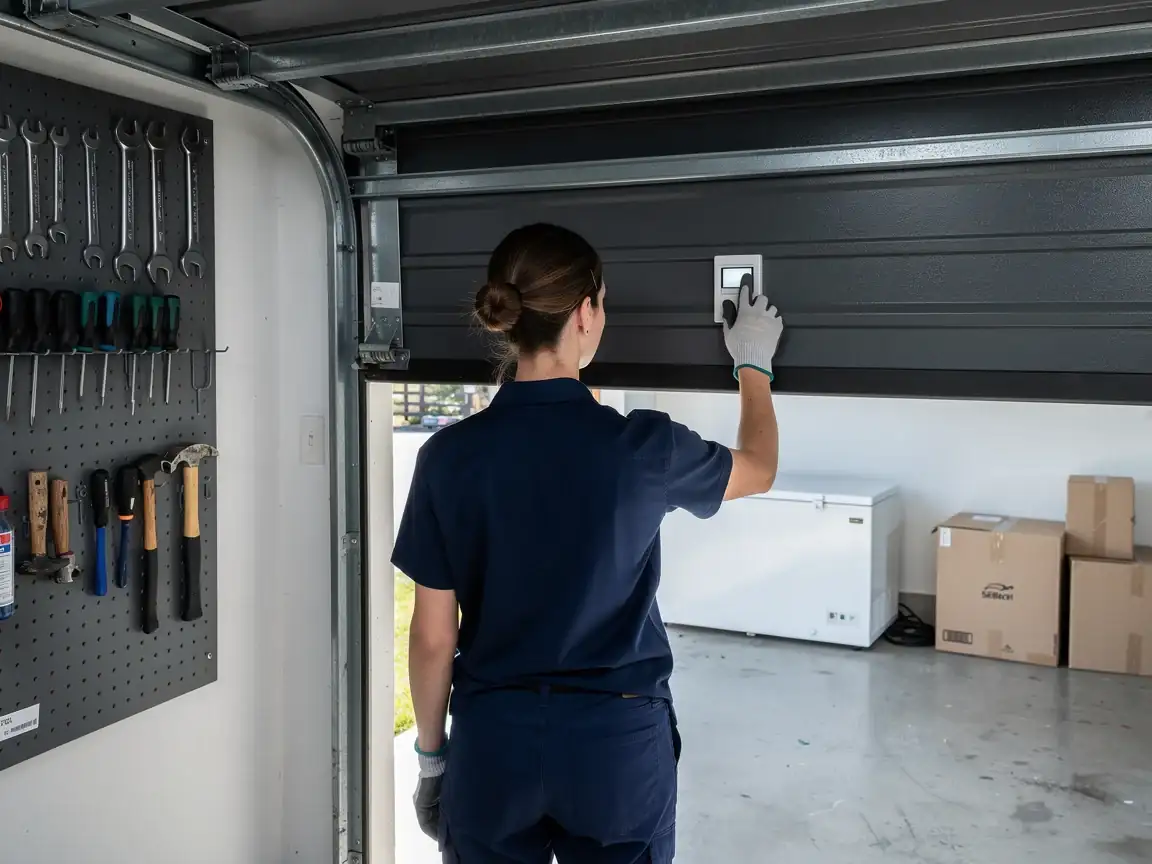
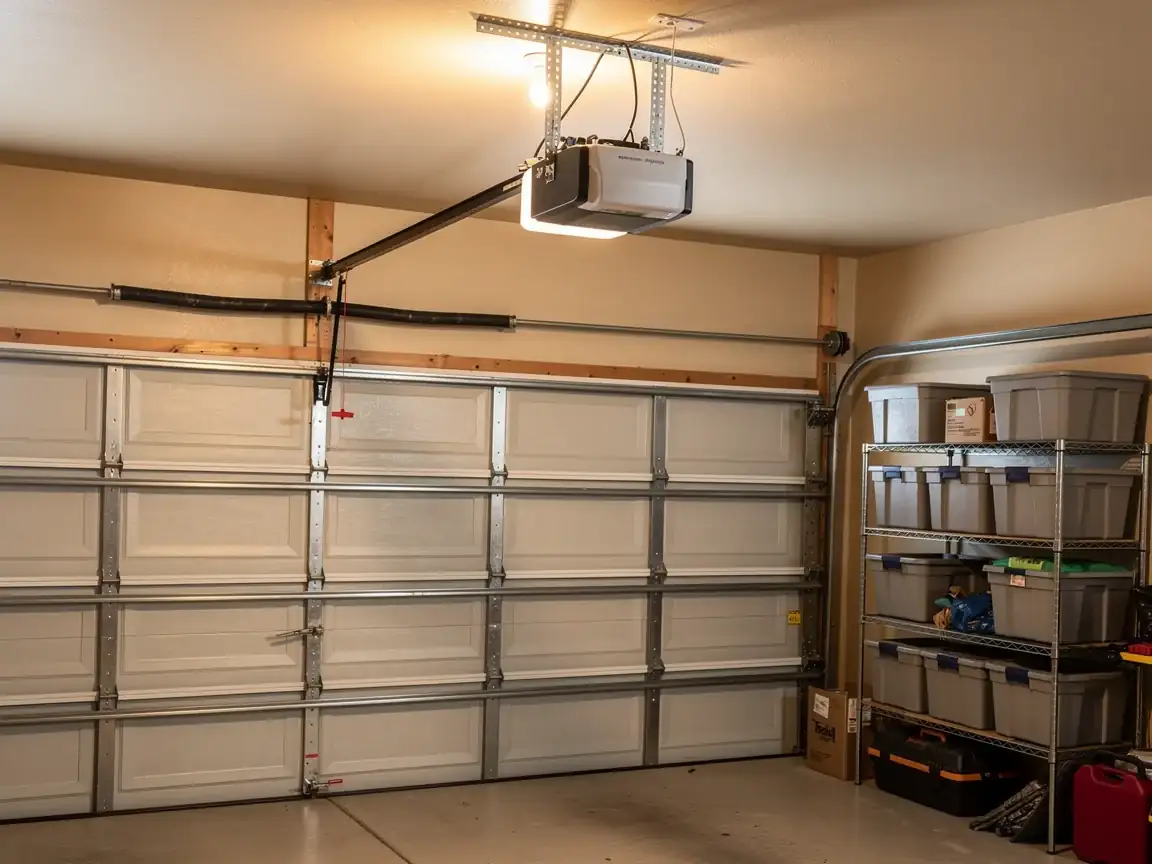
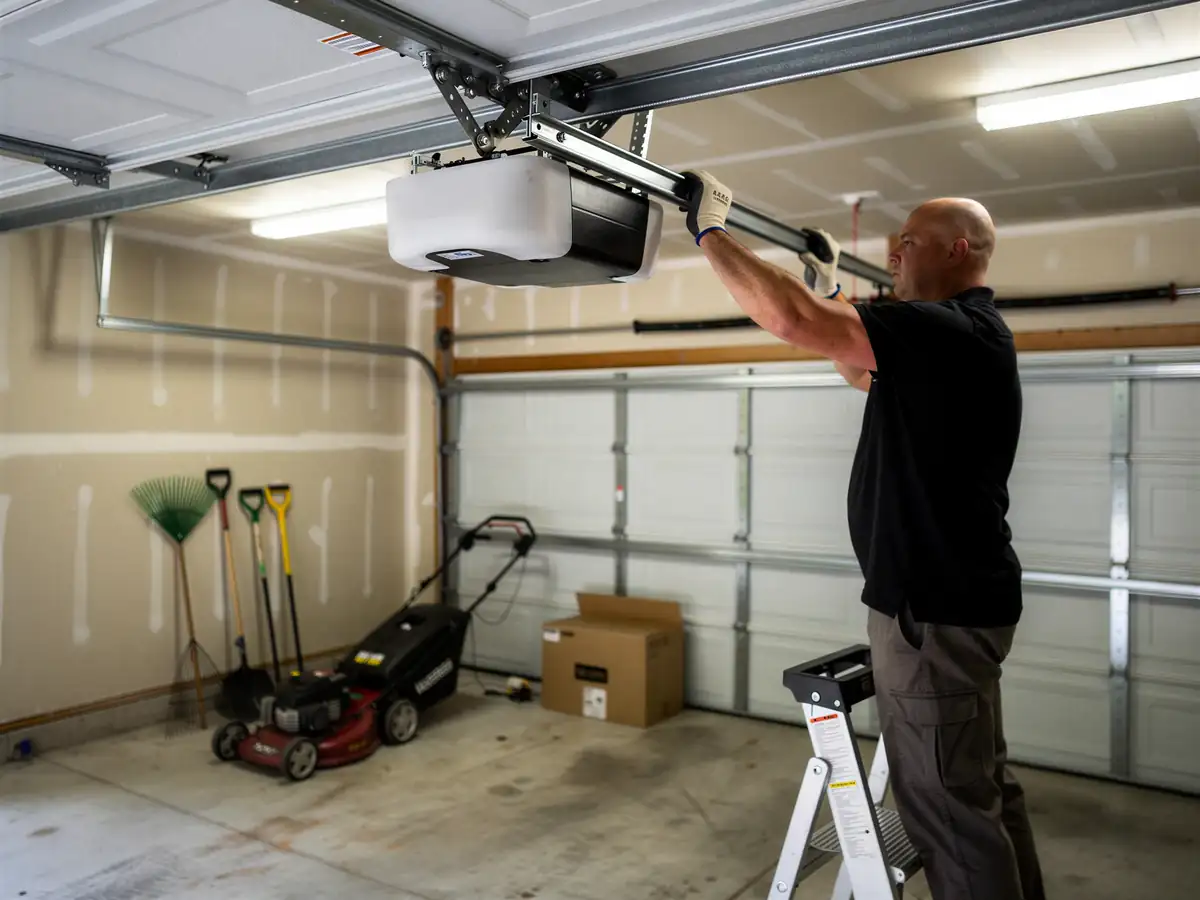
The truck carries logic boards, drive gears, belt and chain sections, and travel/force modules sized for the chain-drive and early screw-drive openers that are common on houses built around 1964 - the kind of hardware a parts counter stops stocking once a model is a few decades out of production. With only 201 households in East Newnan, it's a small pocket two miles out from Newnan, and the openers here skew older than what you'd find on a street of 1990s-built houses elsewhere in the territory.
We also carry safety-sensor pairs and new wall consoles, since those get swapped out as a matter of course when we're already inside an older unit. What we don't carry is a shelf of parts for openers made overseas under a dozen defunct brand names from the 1960s - if your unit is one of those, replacement beats a parts hunt, and we'll say so instead of running up a bill chasing a part that doesn't exist anymore.
What Can Go Wrong
That means a good share of garage openers here are pushing toward the original chain-drive units installed when the oldest houses in the twelve-area service territory went up, and chain drives that old wear in predictable ways: stretched chain links, worn drive gears that strip their teeth, and capacitors on the motor that give out after enough summers and winters
The climate here runs cold-moderate, not the deep-freeze swings of further north, but winter mornings still stiffen grease in an old gearbox enough that the motor strains to get the door moving, which is often the first sign a gear is about to go.
On these older units, the travel limit switches also drift over time
So the door either stops short of the floor or keeps grinding after it should've stopped. Left alone, that grinding is what finally kills the gear.
What the Fix Involves
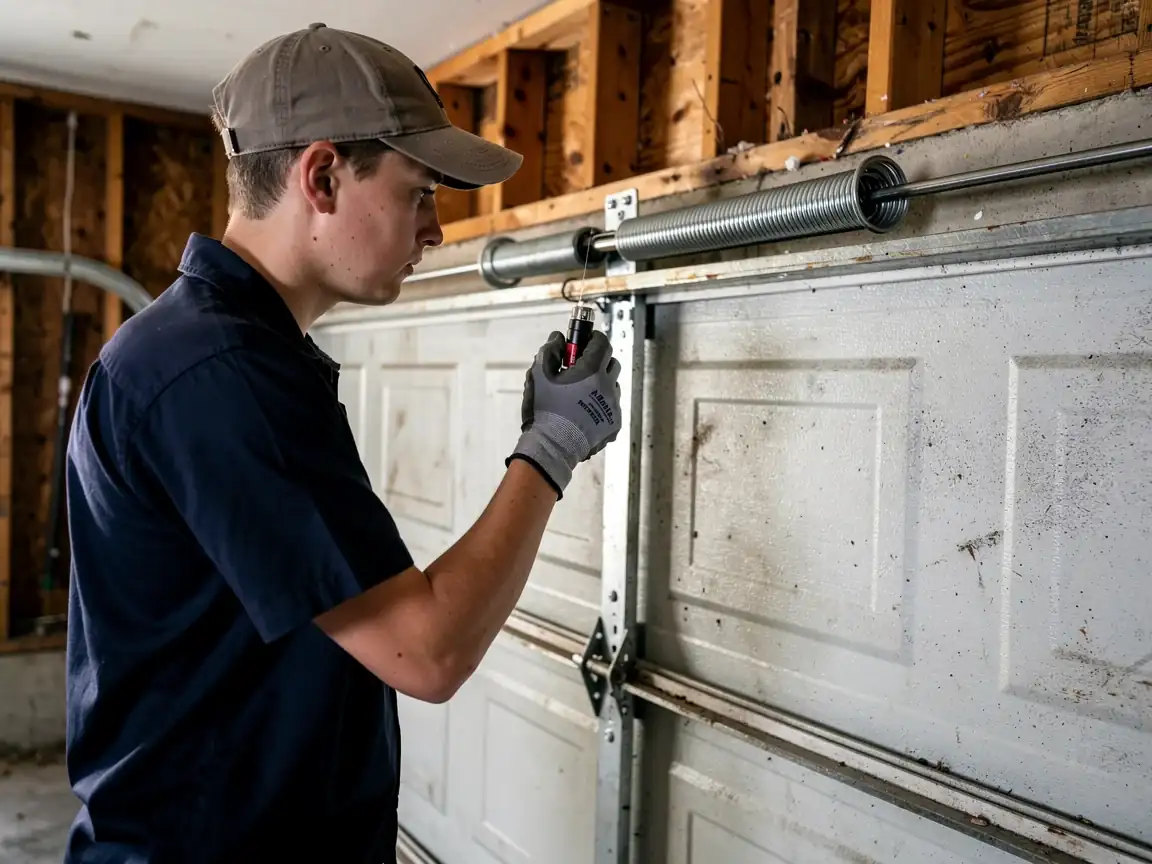
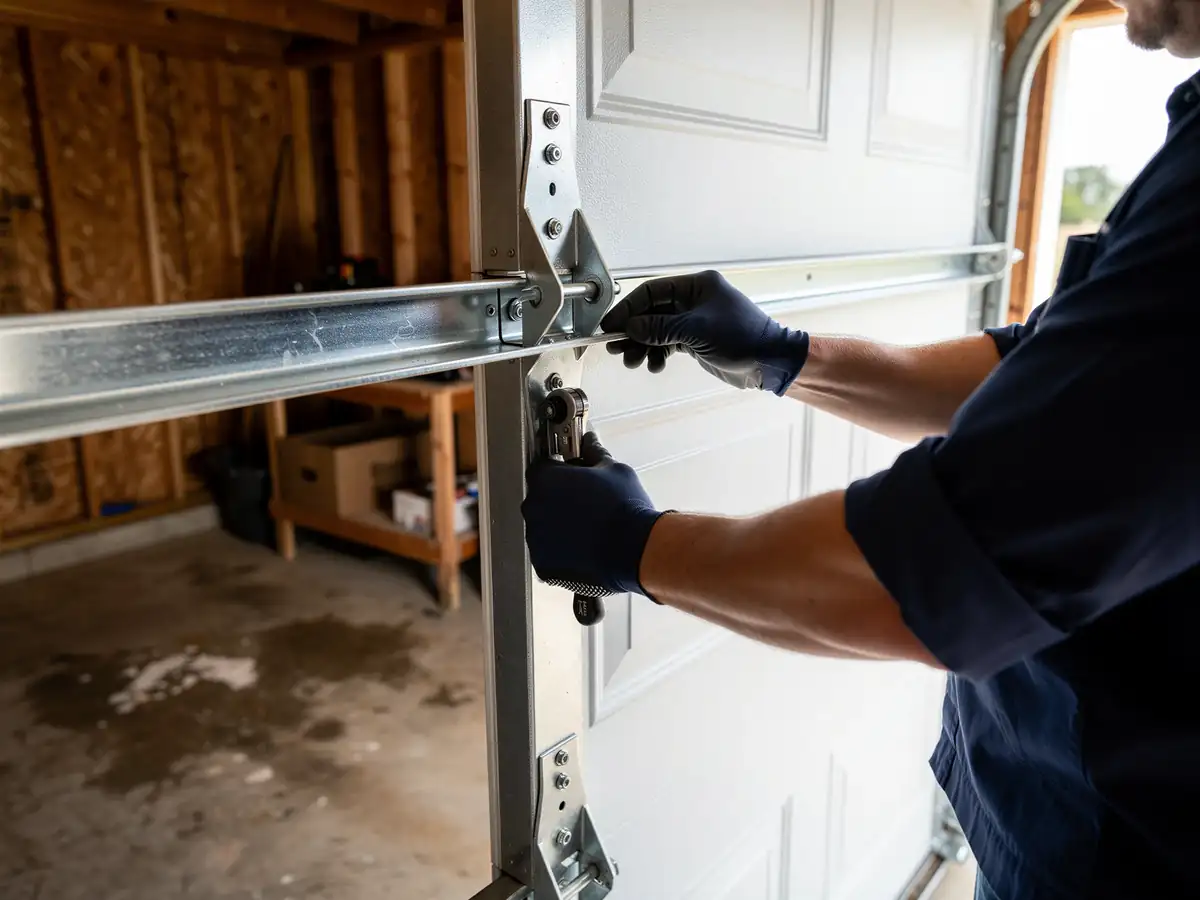
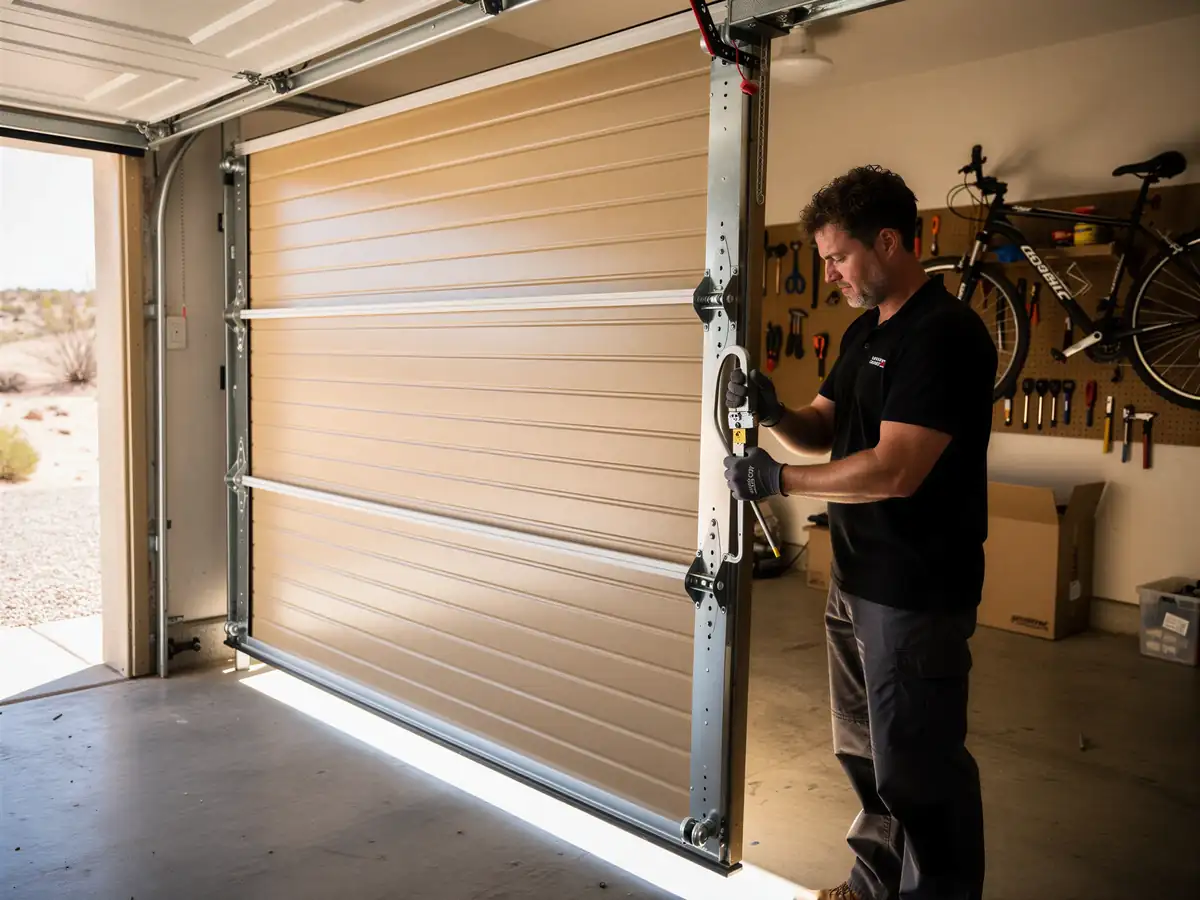
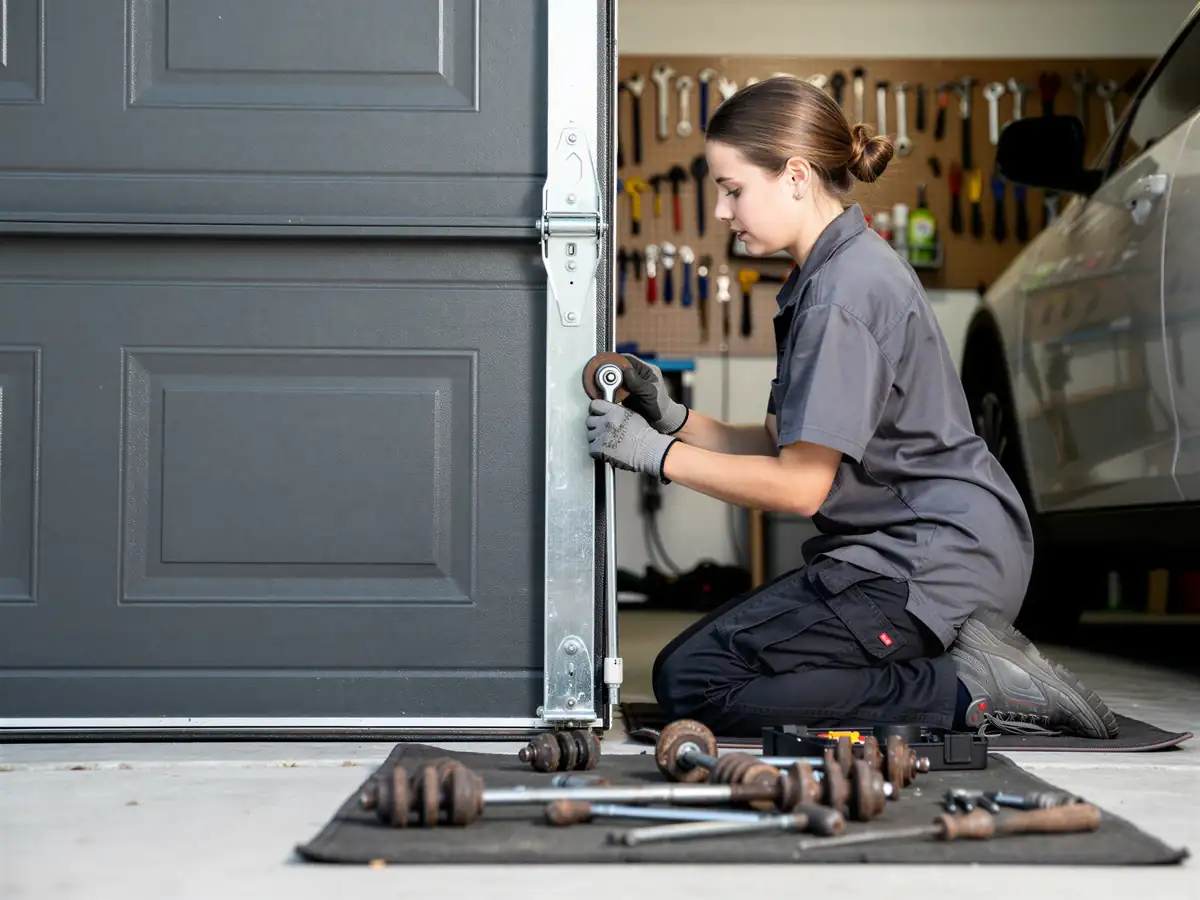
Most calls here start with the same diagnostic: run the opener through a full cycle, listen for where the motor strains, check the force setting against the travel limits, and pull the cover to look at gear wear directly rather than guess. On a unit from the 1964-2005 housing stock, a stripped drive gear or worn chain is usually a straight swap, done the same visit, since those parts travel on the truck.
Where it gets more involved is a dead logic board on a genuinely old chain-drive opener - sourcing a board for a 1960s-era motor isn't always possible, and at that point the honest answer is a new opener rather than a repair bill chasing discontinued parts. We'll tell you which situation you're in before any work starts, not after.