Can You Do This Yourself
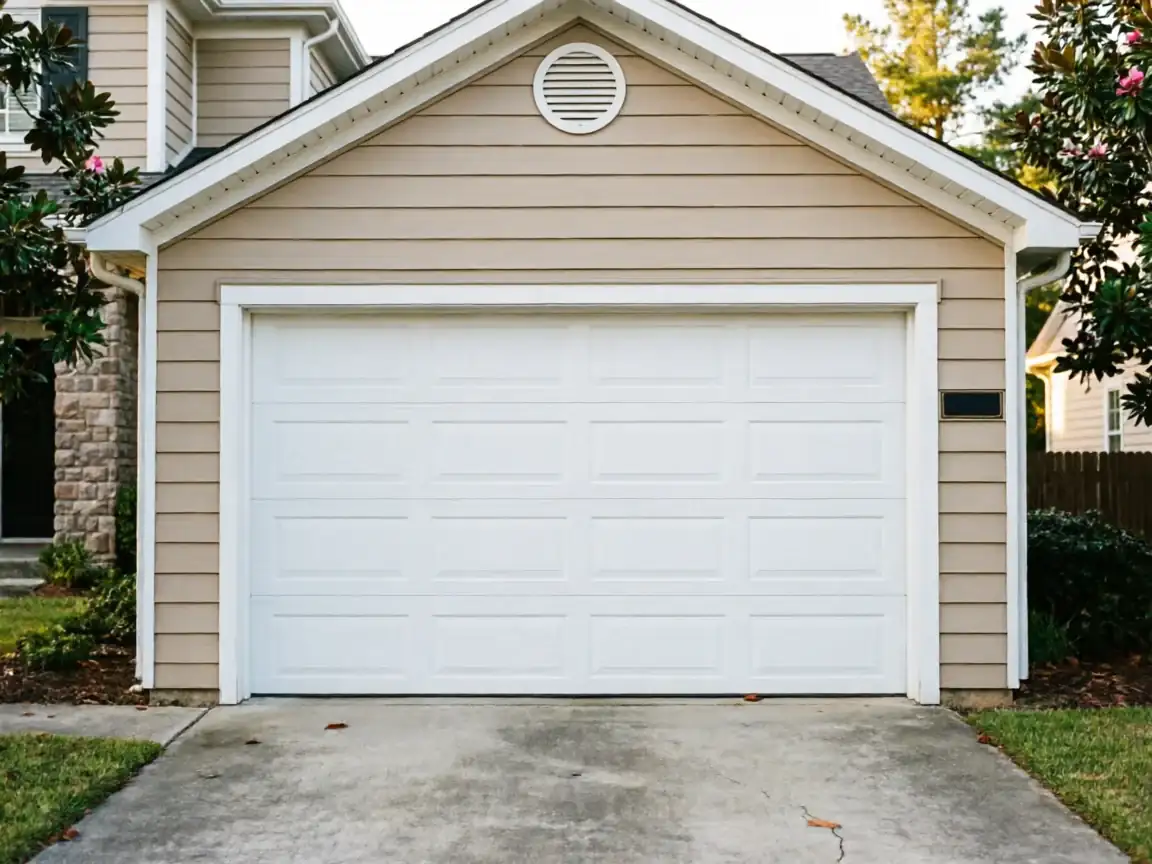
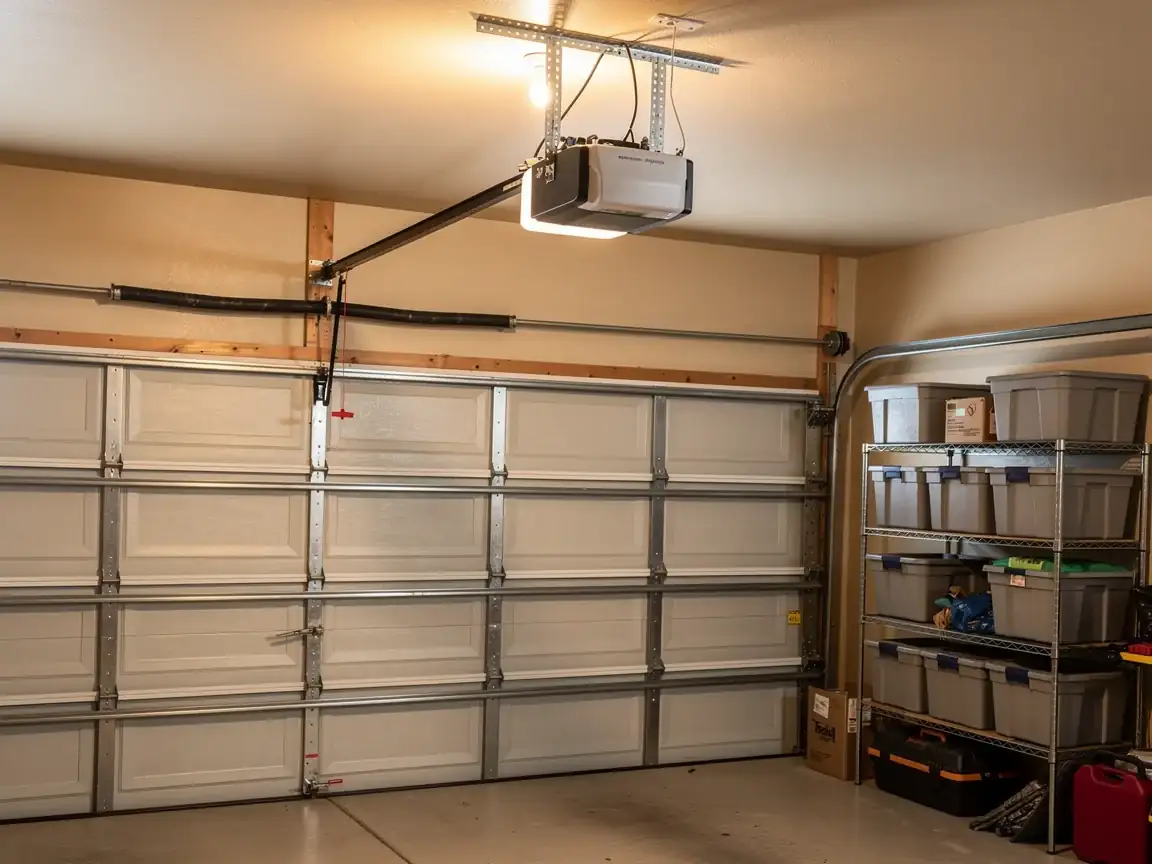
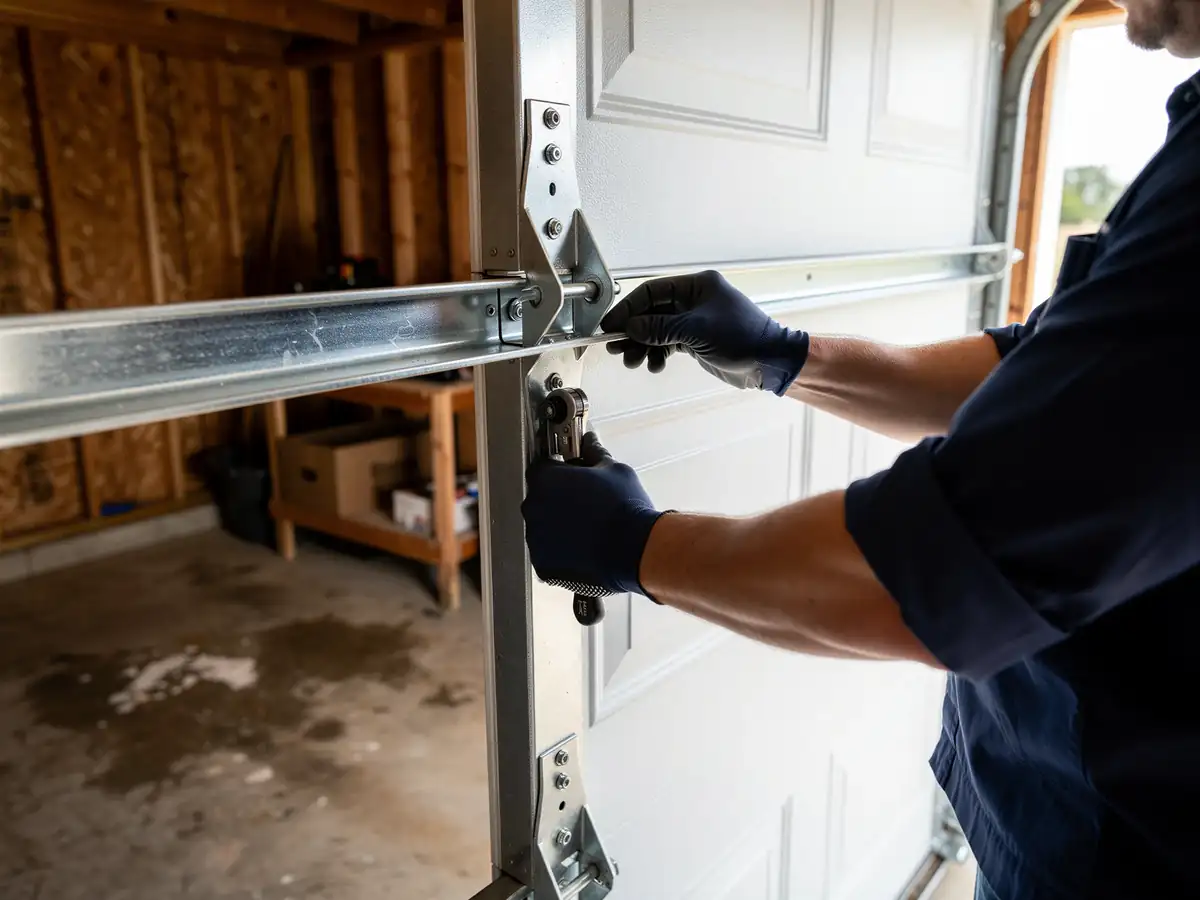
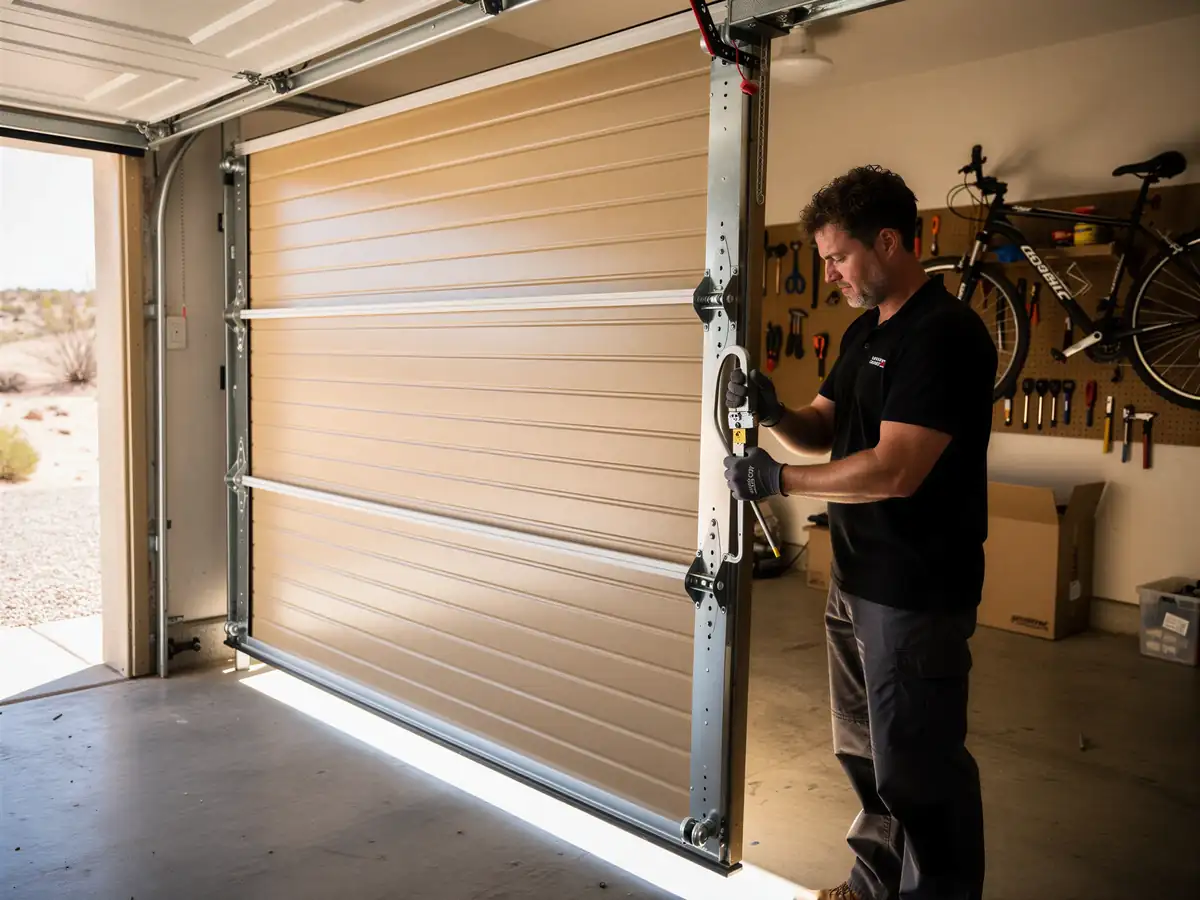
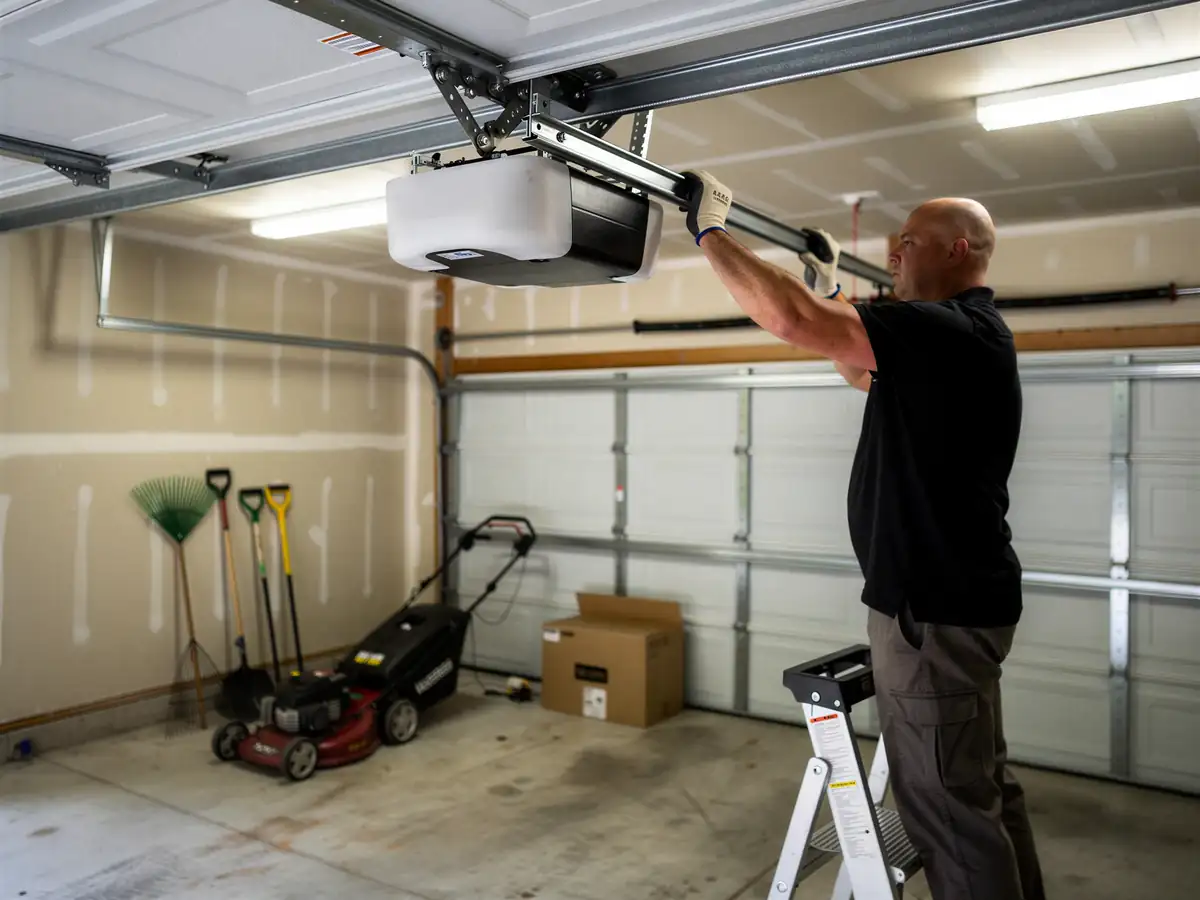
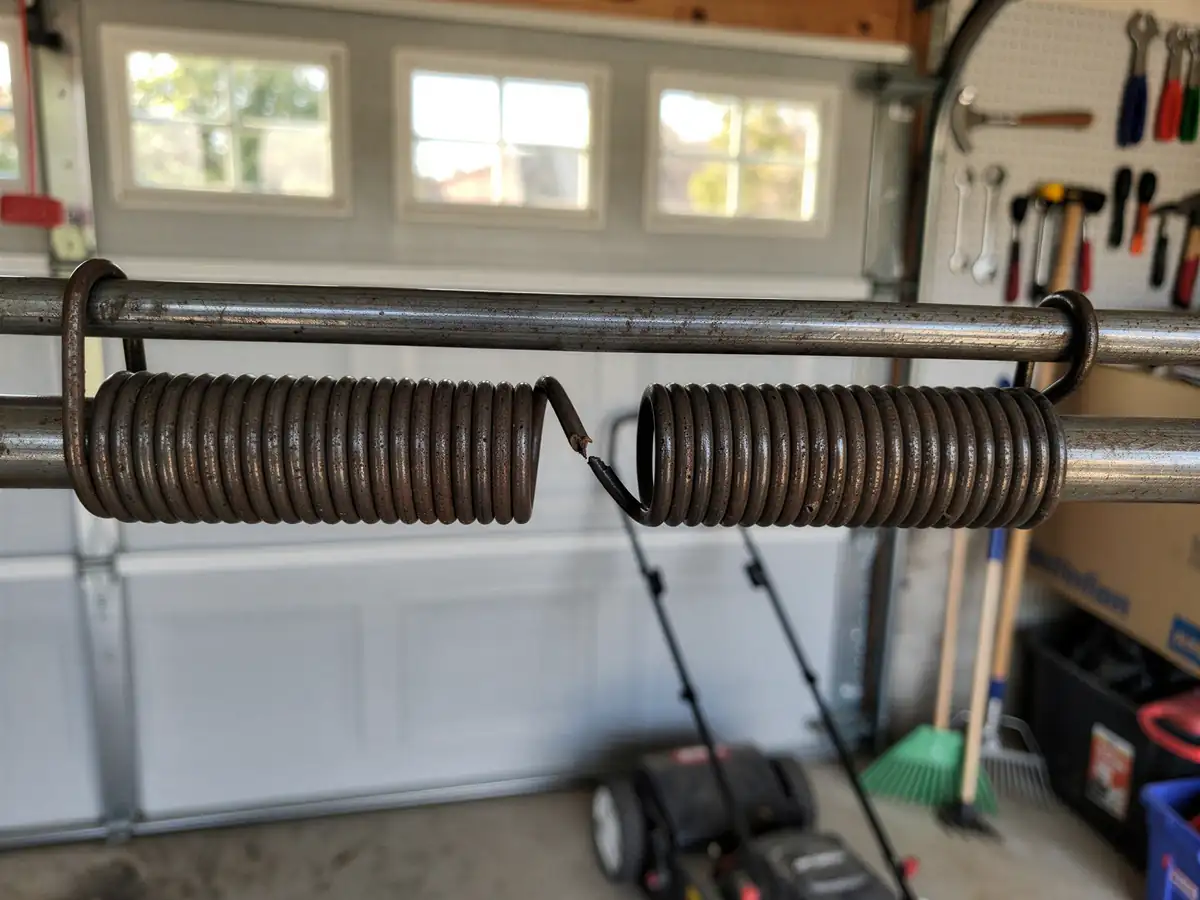
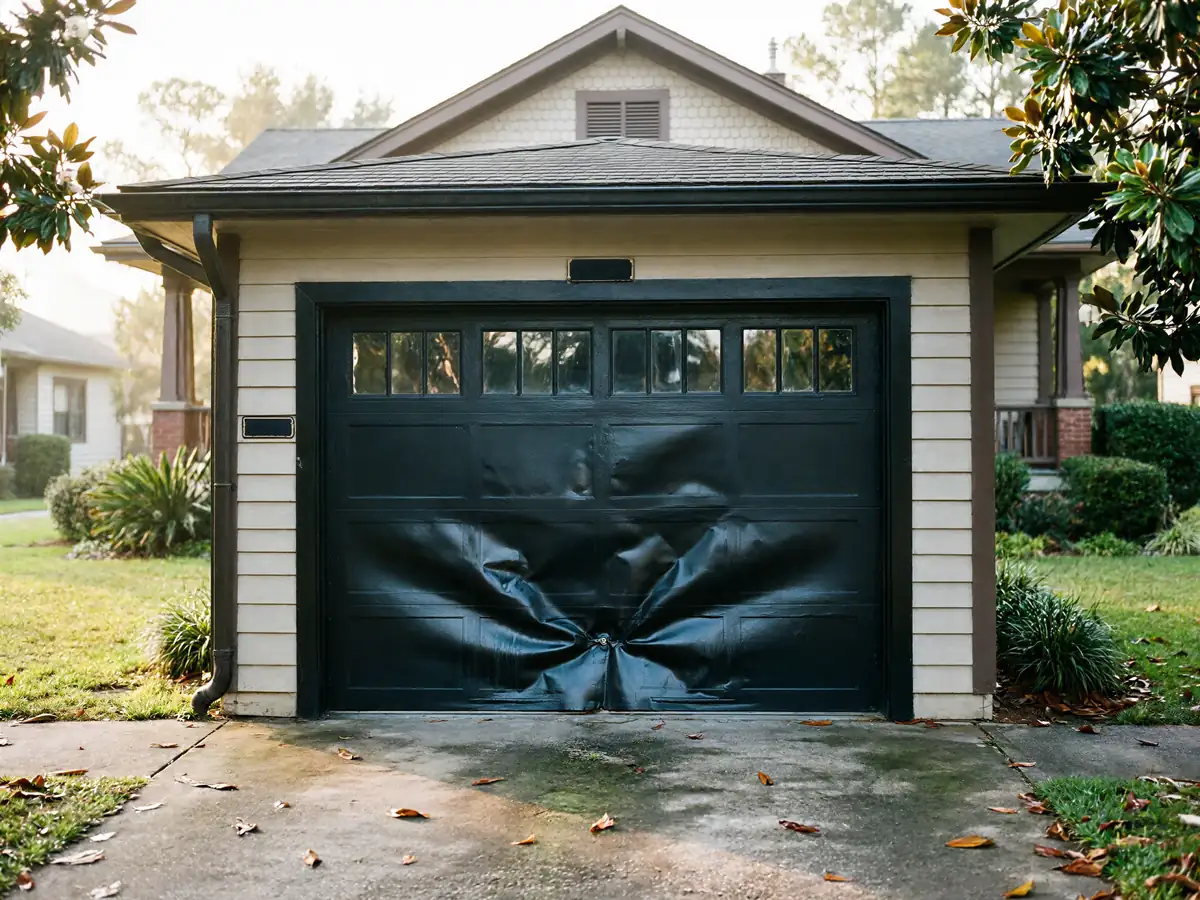
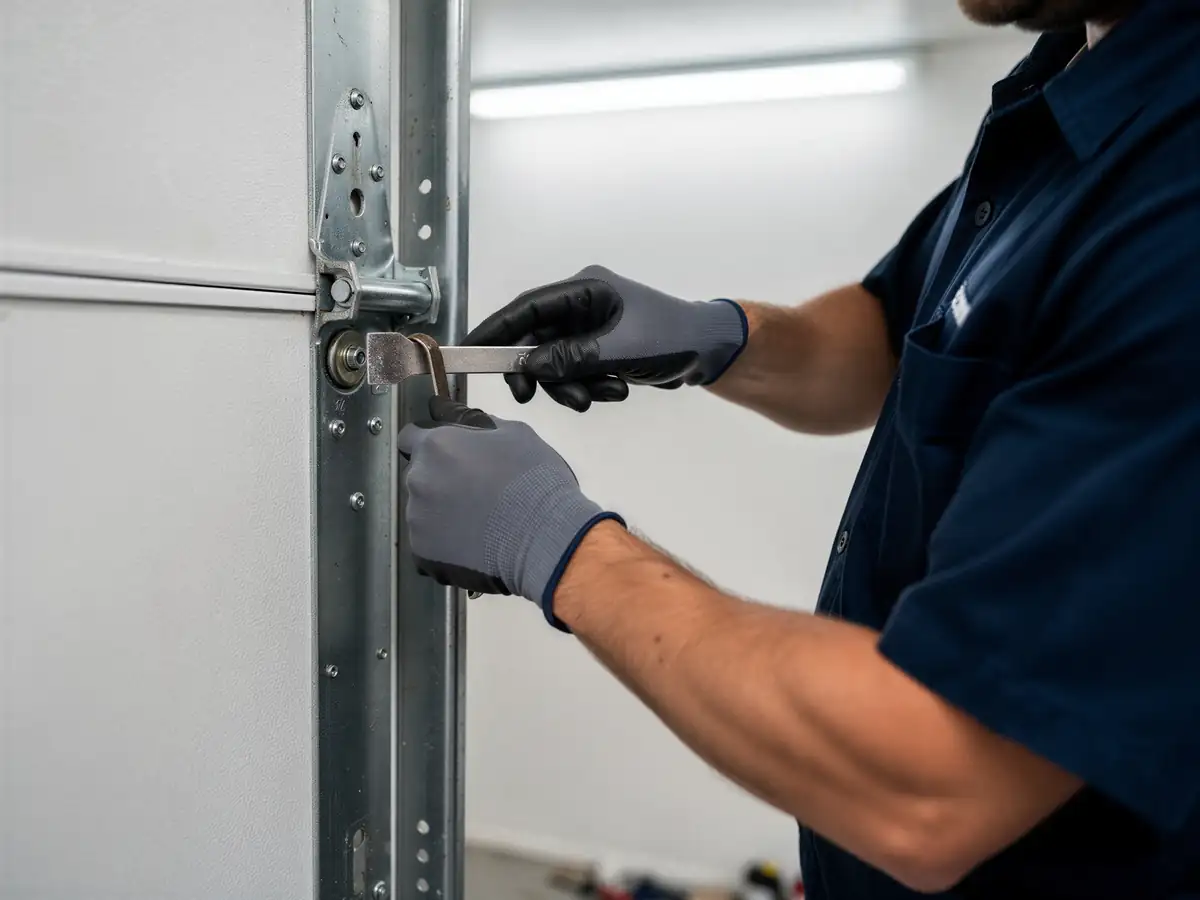
East Newnan is a small pocket, something like 201 households, which means we're not working off a dozen door models here the way you might across the wider service area. A lot of these houses were built right around 1964, the early edge of the 1964-2005 range you see across the rest of the territory, and that means original tracks and original hangers on quite a few garages that have never been touched. If a door has jumped the track, you can sometimes see the problem: a roller sitting outside the rail, a bent section of track, a cable that's come off the drum. What you can't always see is why. On hardware this old, the track brackets are frequently the original sheet metal, softened by five-plus decades of use, and forcing the door back onto the track by hand can tear the bracket loose from the jamb or snap a roller stem. If the door moves freely by hand with the opener disconnected and nothing looks bent, you can sometimes walk it back onto the track yourself. If there's any resistance, stop - that resistance is usually a spring or cable problem wearing an off-track disguise.
What Is on the Truck
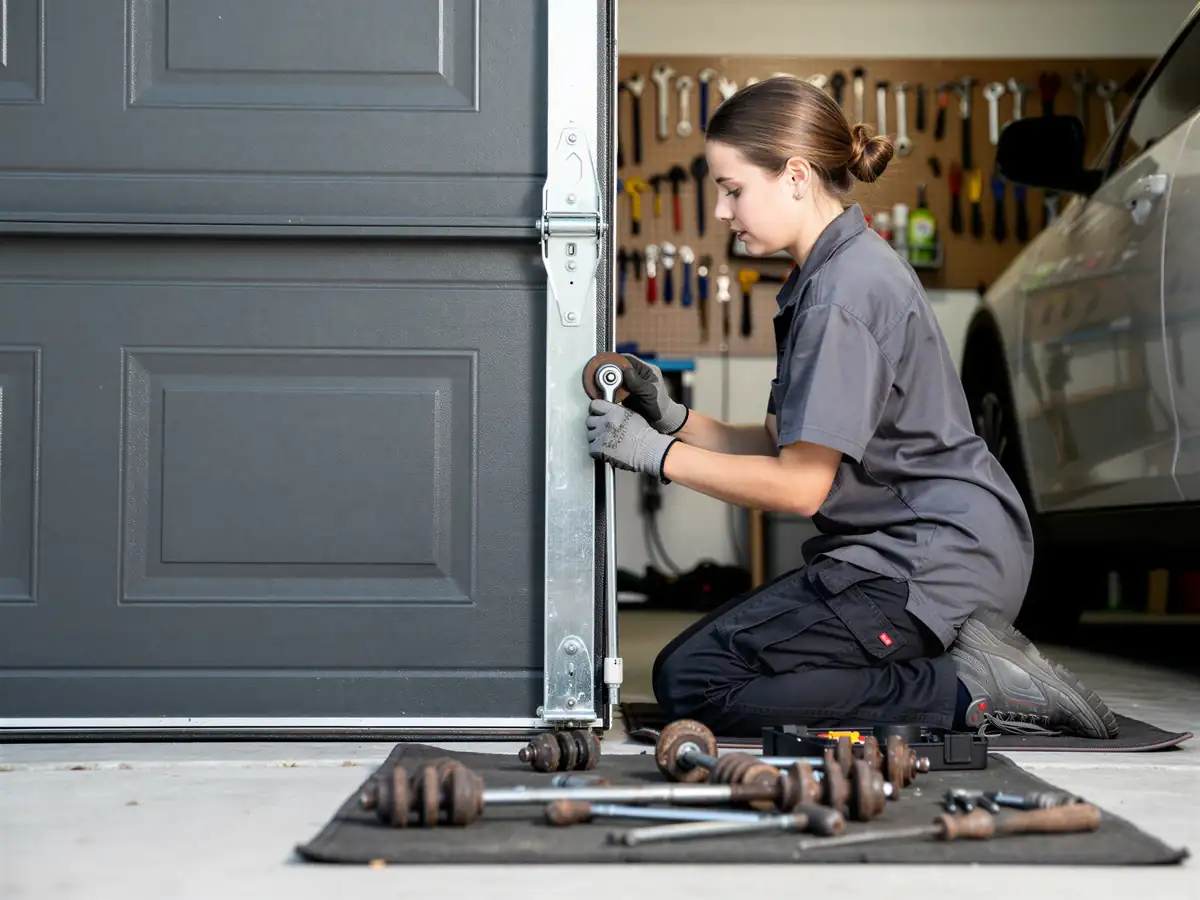
For a call out to East Newnan, two miles from our Newnan base, we load for 1960s-era track hardware specifically - original-width rail sections, older-style roller brackets, and the lag hardware that era used instead of the newer self-tapping screws. We also carry a stock of standard rollers and track in current sizes, since not every house here was built in 1964; the broader area runs 1964 through 2005, so a repair crew might hit a house from either end of that span in the same afternoon. What we don't carry on every truck is a replacement for every obsolete bracket casting from that period - some of those were sold in regional lots decades ago and nobody machines them anymore. When we hit one of those, the honest fix is usually a new bracket plate rather than a search for an exact match, and we'll tell you that on site rather than quote a part we can't get.
What the Fix Involves
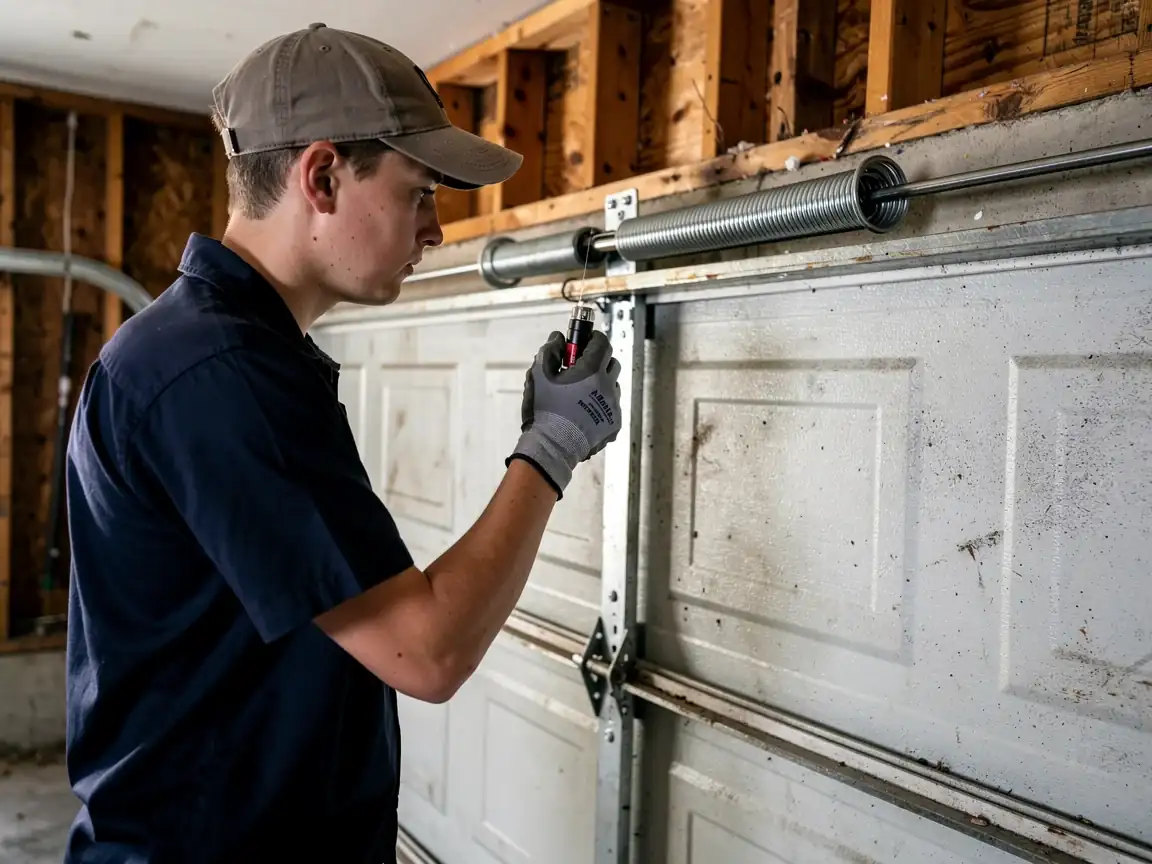
We start by taking the door off the opener and running it by hand to find exactly where it's binding, then check the track for plumb against the jamb - on 1964-era construction that check matters more than on anything built since, because the framing itself has had decades to settle. If the track is straight, it's usually a roller or bracket swap and a re-hang, done in one visit. If the track's bent or the brackets have pulled loose from a softened jamb, that section gets replaced rather than straightened; straightened track on old hardware rarely holds. Given East Newnan's lower median income relative to the broader service area, we'll always price the repair against the alternative - on a door with original 1964 track and worn brackets, sometimes a full track replacement costs less over time than patching a system that'll keep drifting. We'll lay out both options before doing the work, not after.