Can You Do This Yourself
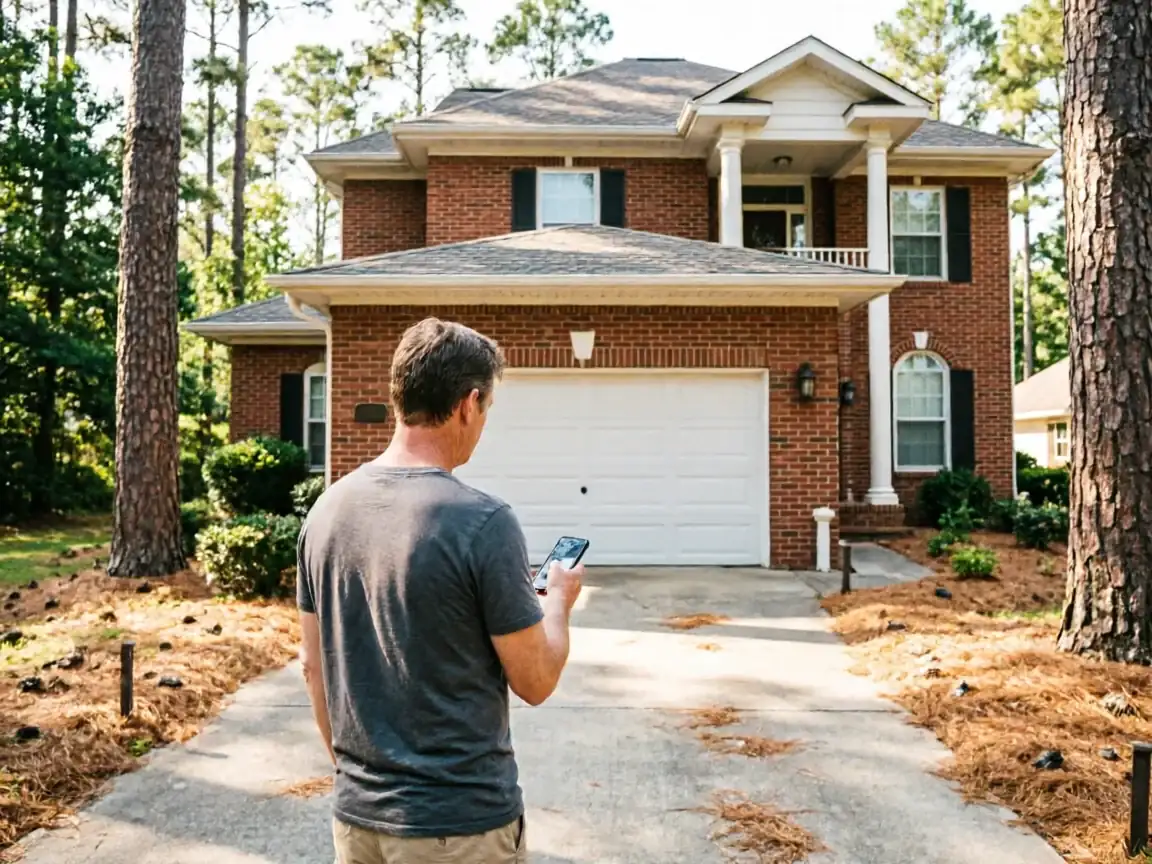
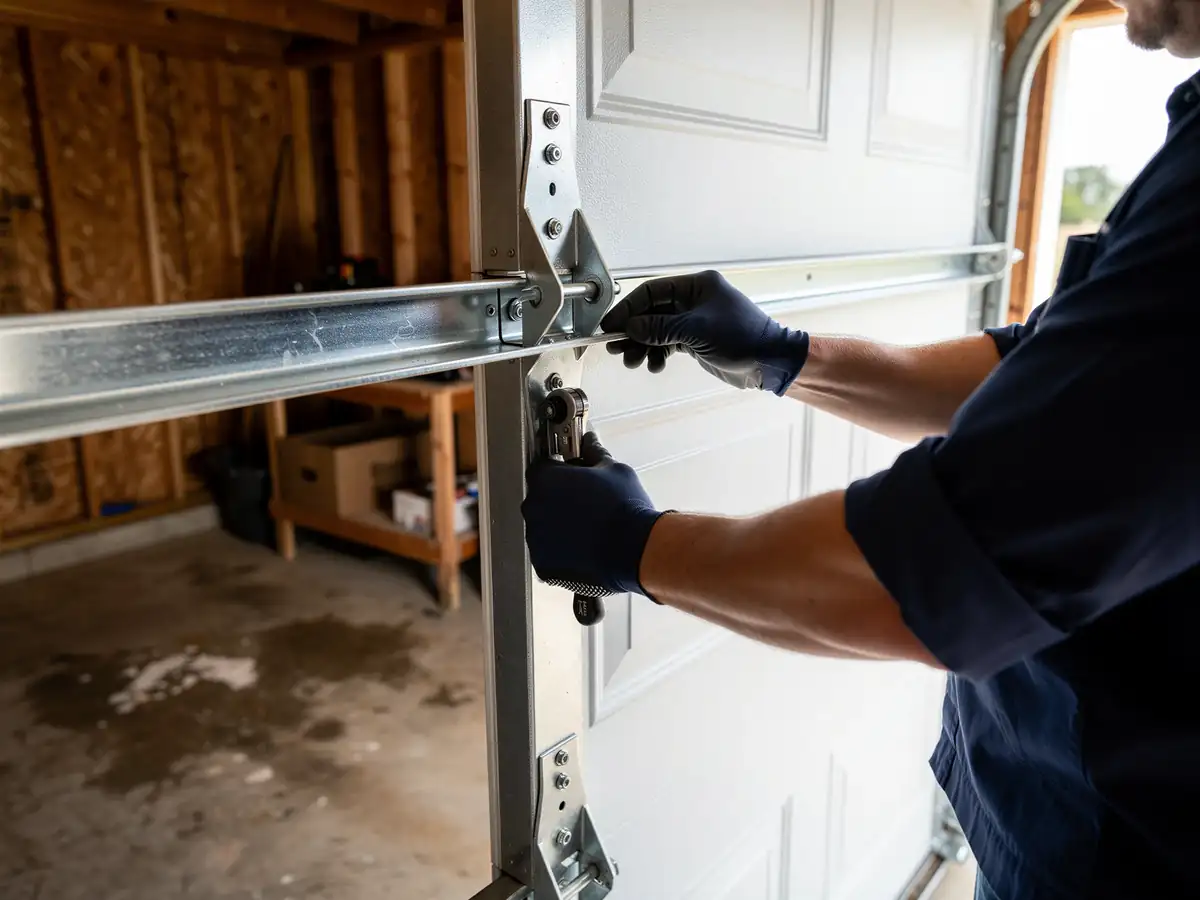
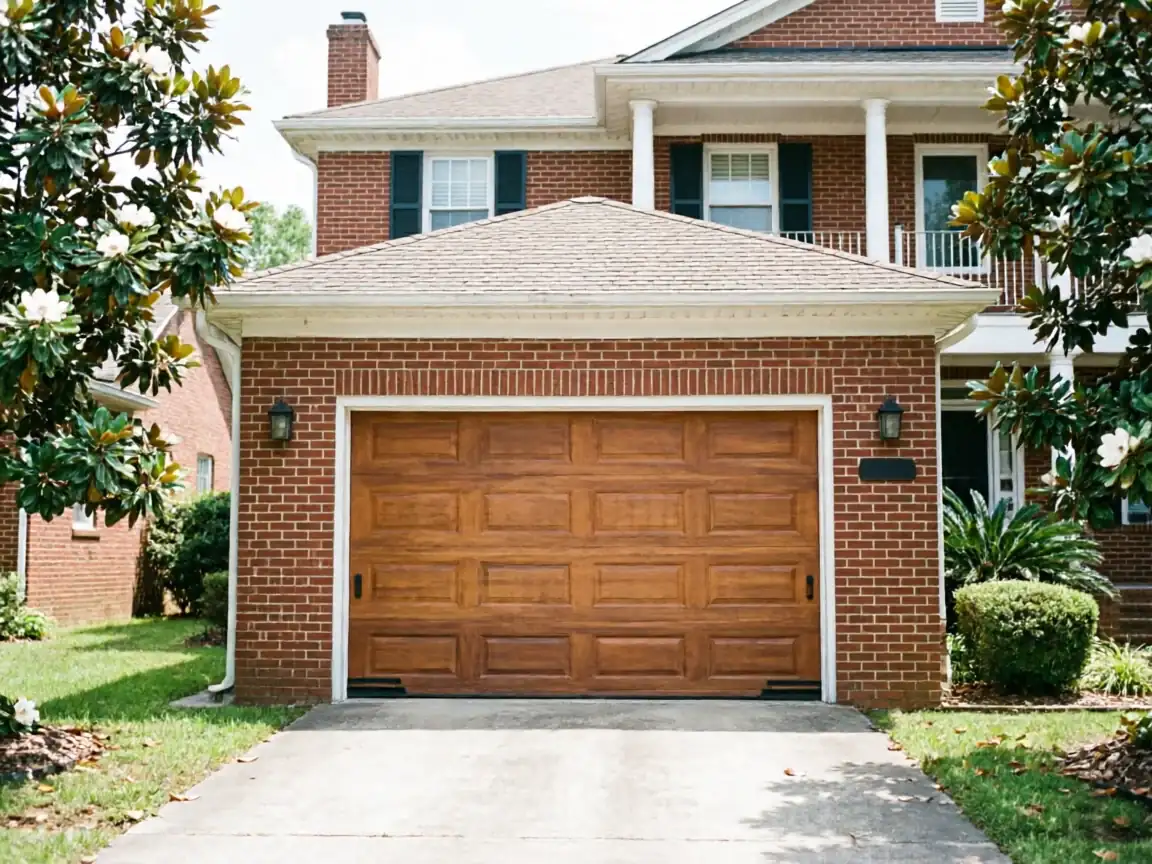
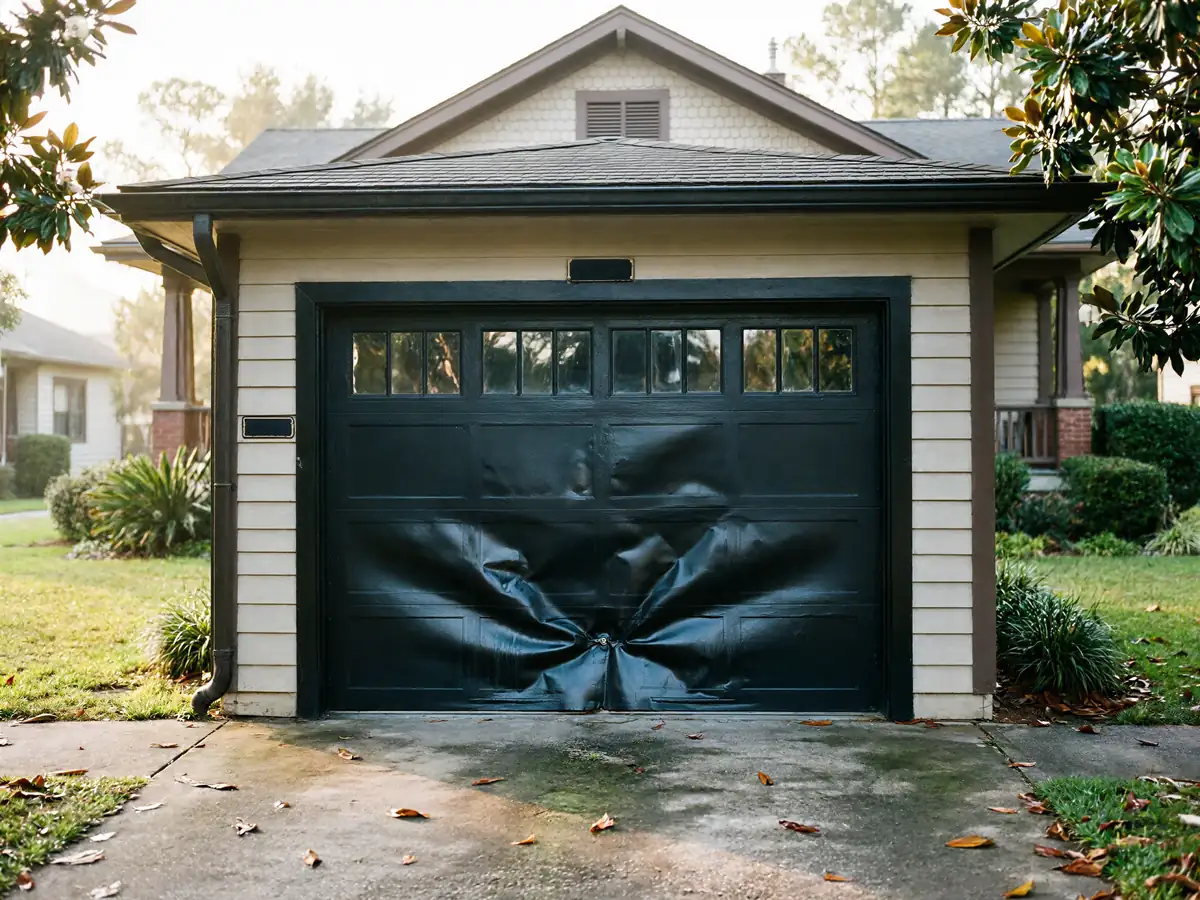
East Newnan's homes carry a median build year of 1964, a good three decades ahead of the 1994 median across the wider Newnan service area. That gap matters more than most homeowners think. A dented or cracked panel on a door from that era is often a steel or early aluminum section with a profile that newer retail panels don't match. You can pull the bolts and swap a panel yourself if the door is a common modern size and the replacement panel comes from the same manufacturer line. What trips people up here is matching an old panel to current stock - the groove spacing, the hinge punch pattern, even the steel gauge can be off on a 1960s door. If you're not sure your door is original or already replaced, that's the first thing to check before you order a panel, not after. We're not going to tell you this is always a job for a pro, because sometimes it isn't. But East Newnan's older stock raises the odds that a DIY panel order ends up as the wrong part sitting in your garage.
What Is on the Truck
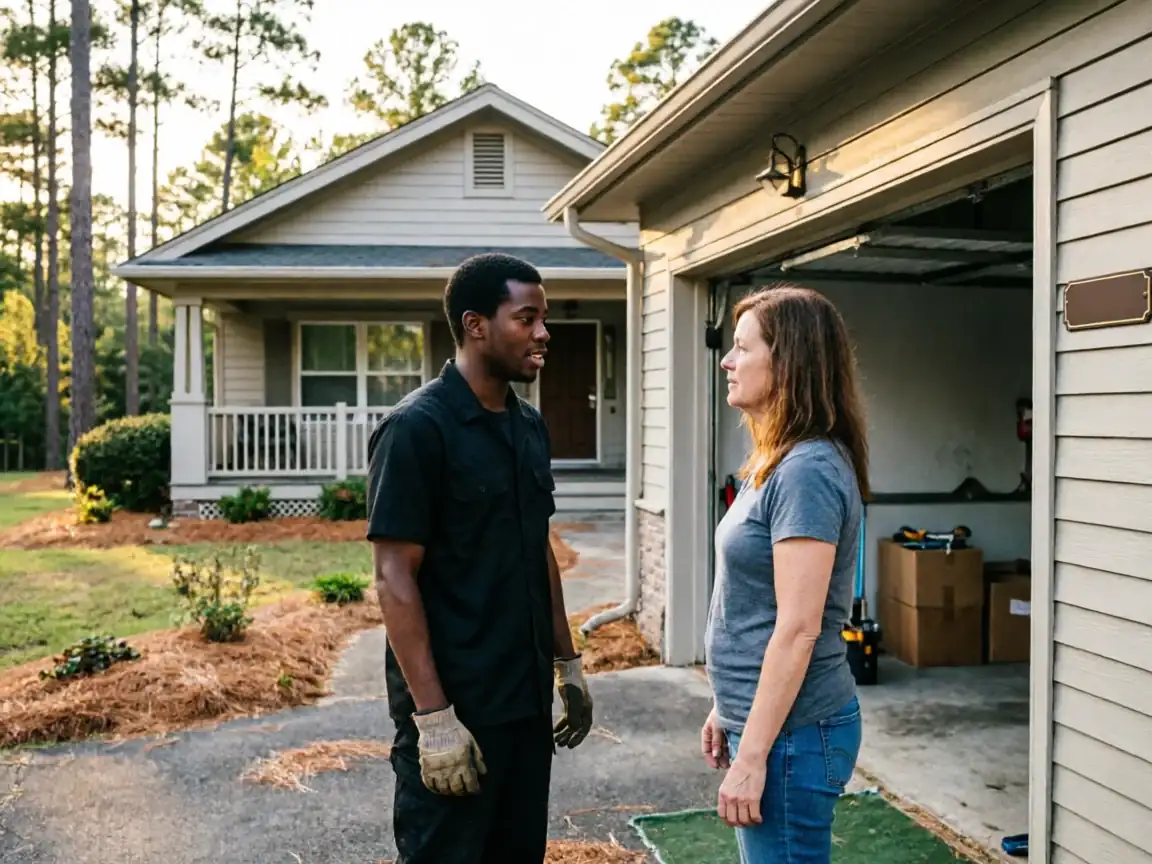
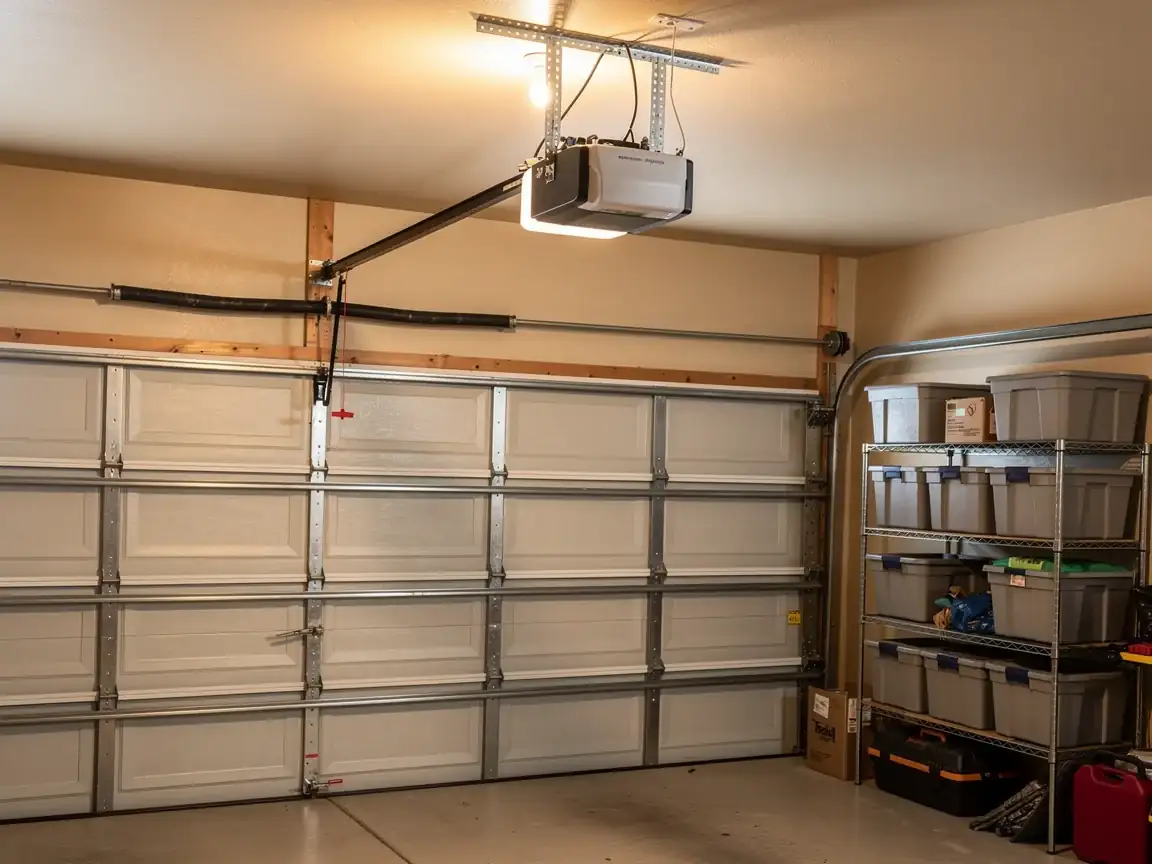
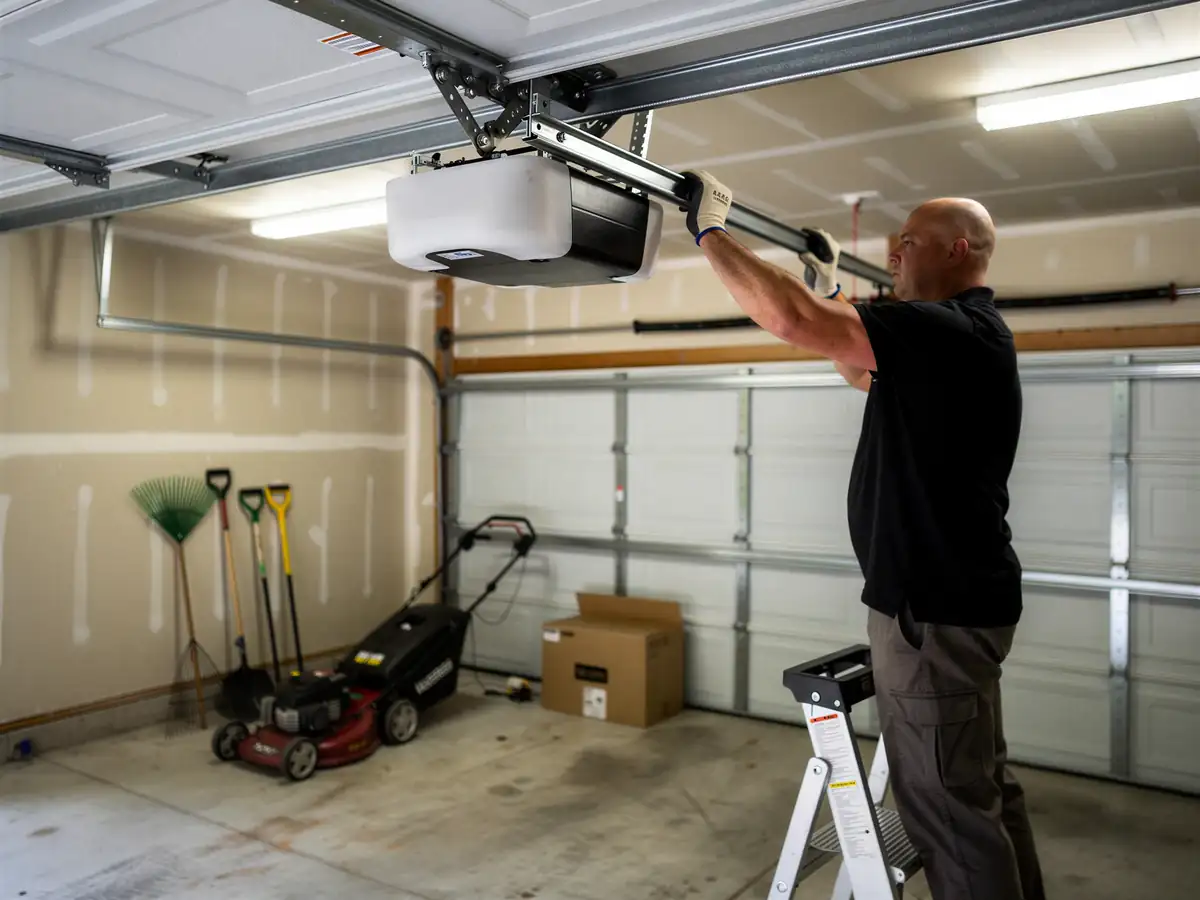
We come out of Newnan, about 2 miles from most East Newnan addresses, so there's no separate branch stock for this area - the truck carries the same panel inventory either way. For a neighborhood with houses built well before the service area's 1994 median, that means we carry a wider range of panel widths and older hardware styles than you'd need for a 1990s-stock subdivision. Common sectional panel sizes cover most calls, but on an older door we're also checking hinge spacing and track width before cutting a new panel to fit, because factory tolerances shifted over the decades. We stock the fasteners, end caps, and strut reinforcement that a panel swap needs, along with matching paint or primer when the rest of the door has faded unevenly. What we don't carry on the truck is a full custom panel built to an obsolete profile - that's a special order, and we'll tell you up front if your door needs one.
What the Fix Involves
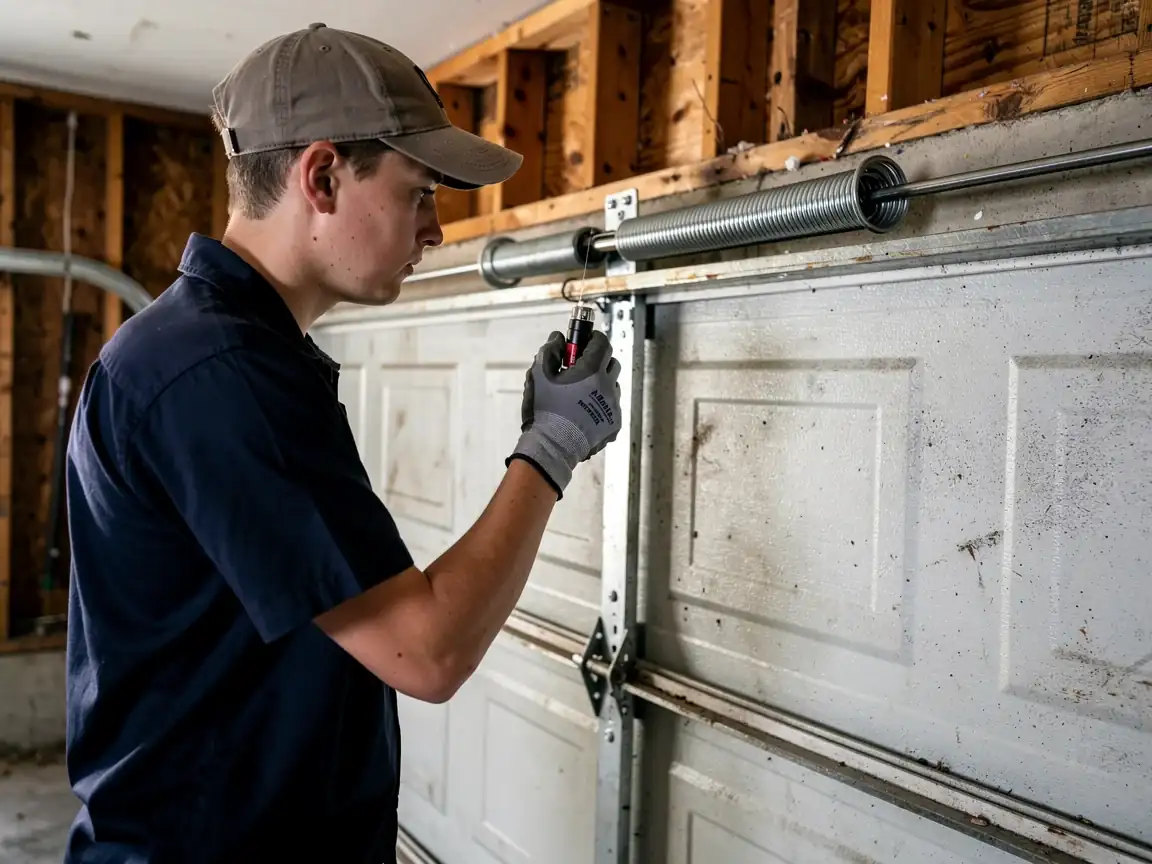
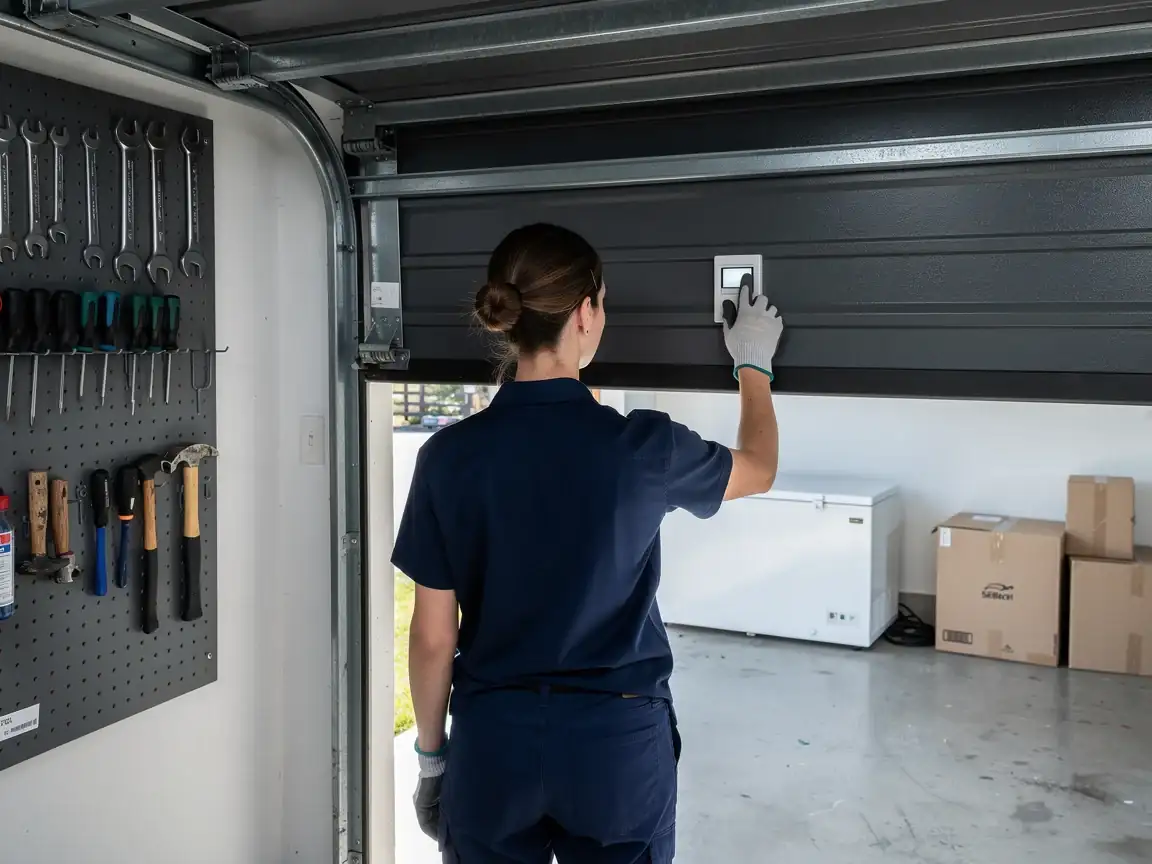
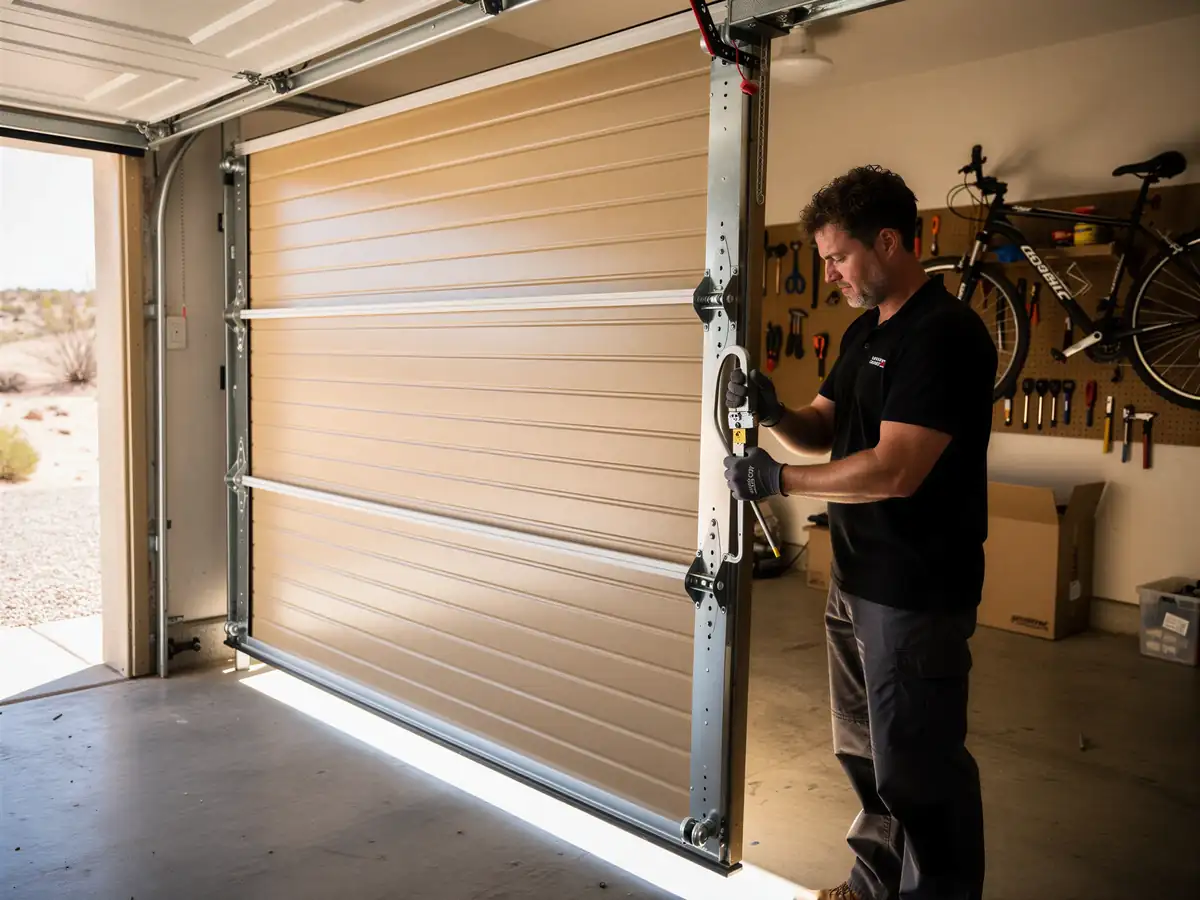
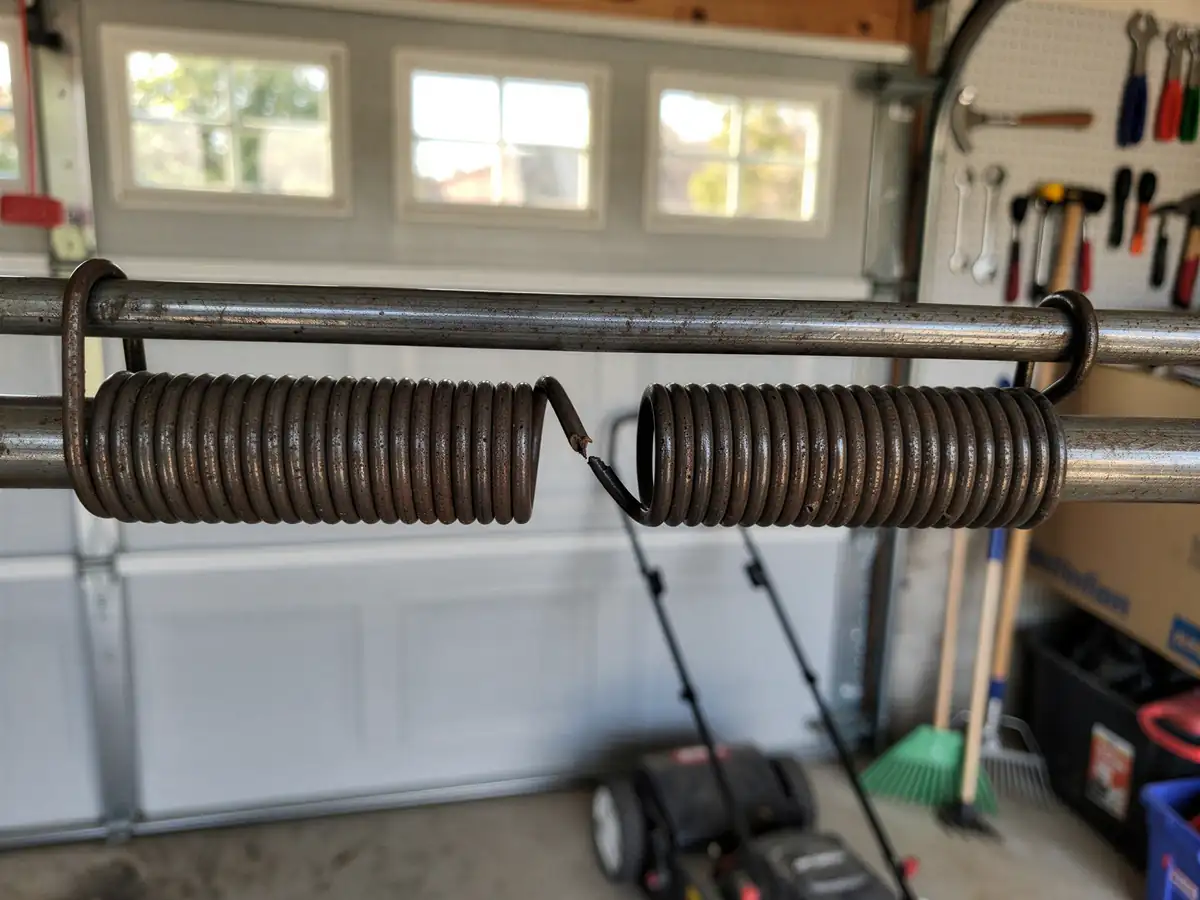
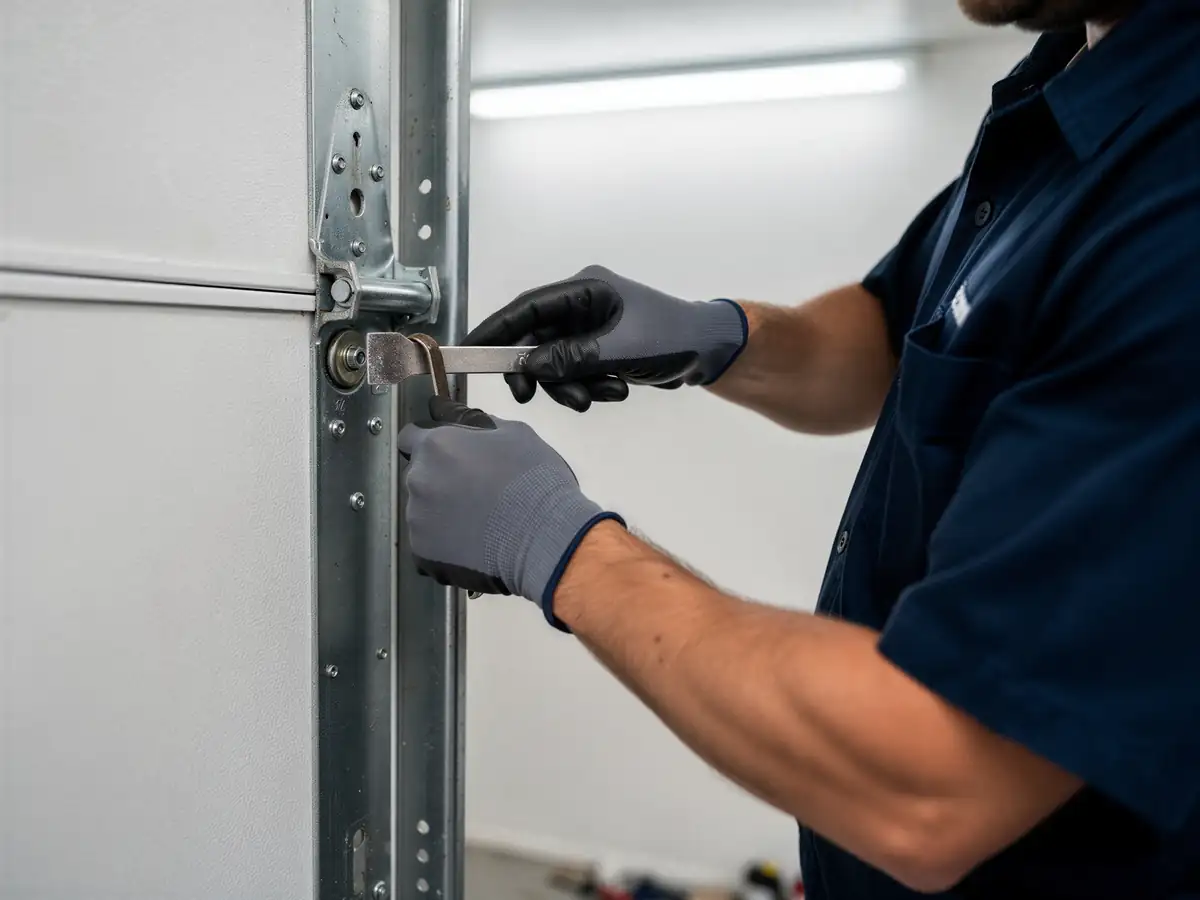
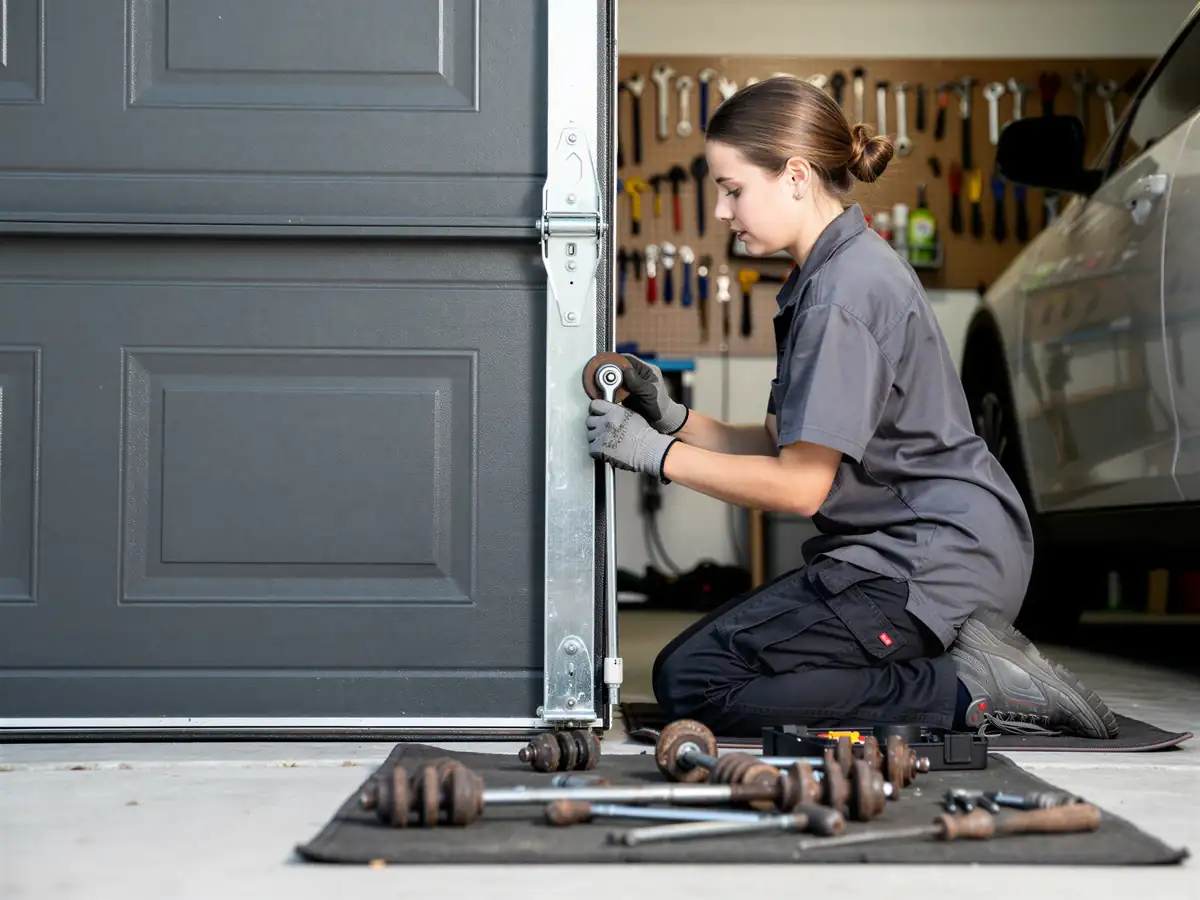
The job starts with pulling the damaged panel's hinges and disconnecting it from the adjoining sections without dropping the whole door out of track - on an older East Newnan door that means checking whether the track itself has shifted, since houses from the 1960s often have the original rail. We match the panel width, hinge pattern, and color as closely as the hardware allows; exact color match on a decades-old door isn't always possible, which is the kind of thing we'd rather tell you before the invoice than after. Once the new panel is set, we re-square the section against its neighbors, re-hang the hinges, and run the door through a full open-close cycle checking for binding at the new seam. If the spring system is original to a door this old, we check tension while we're in there, because a panel swap under the wrong spring load just creates the next service call. The area's median household income runs below the wider service area's $71,597, which is part of why we price the panel swap itself rather than pushing a full door replacement when the rest of the door is sound.