What the Fix Involves
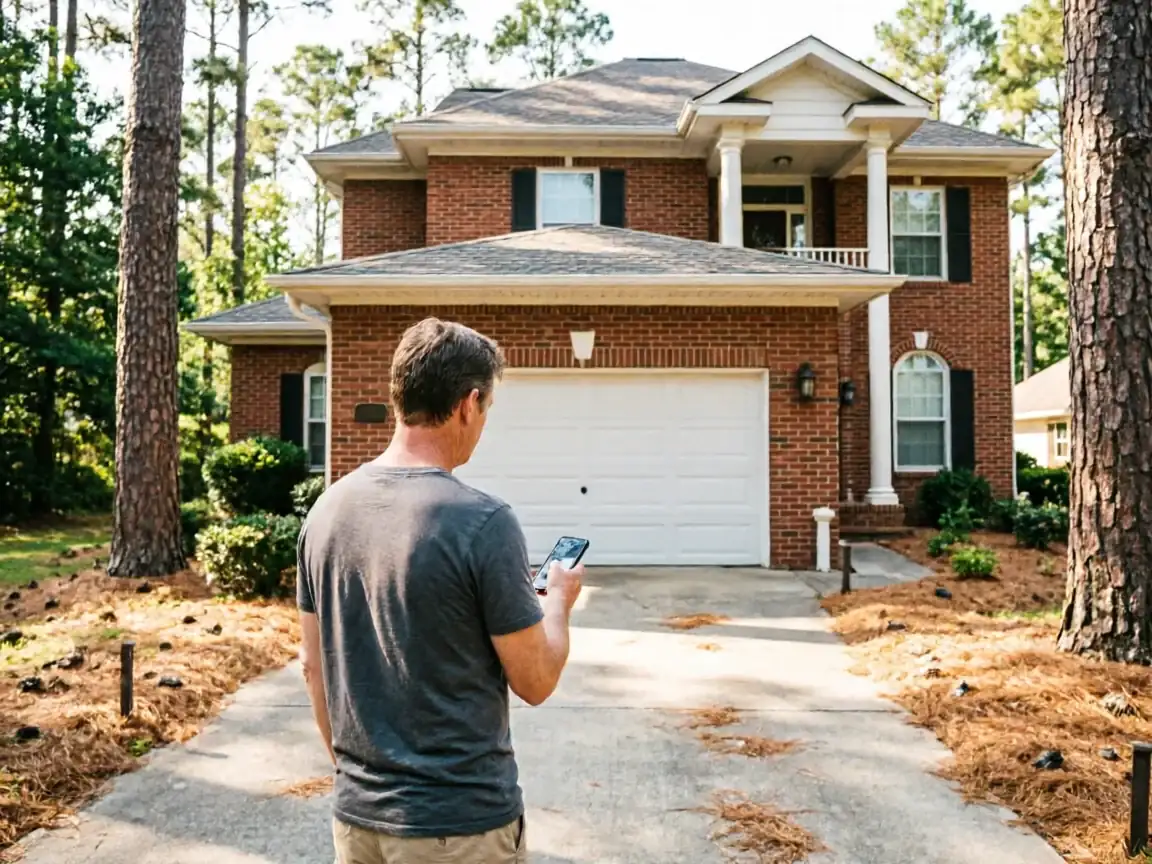
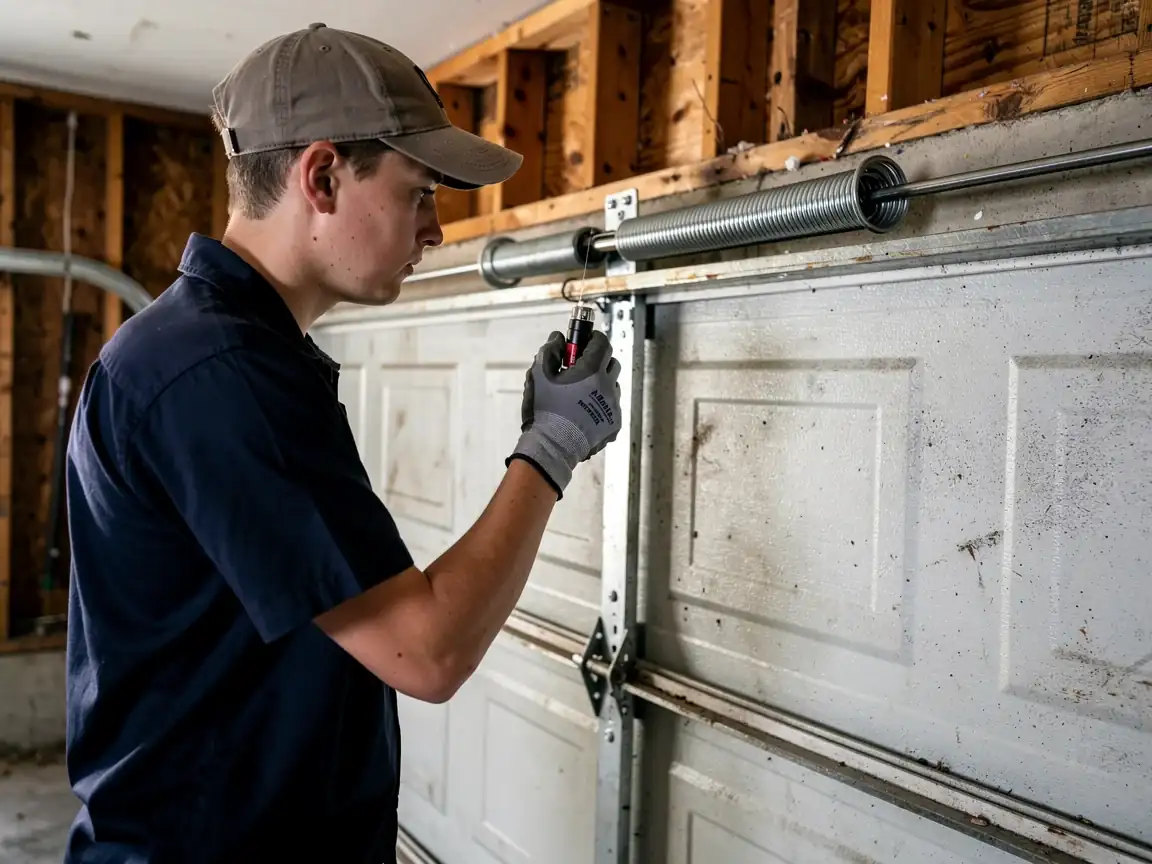
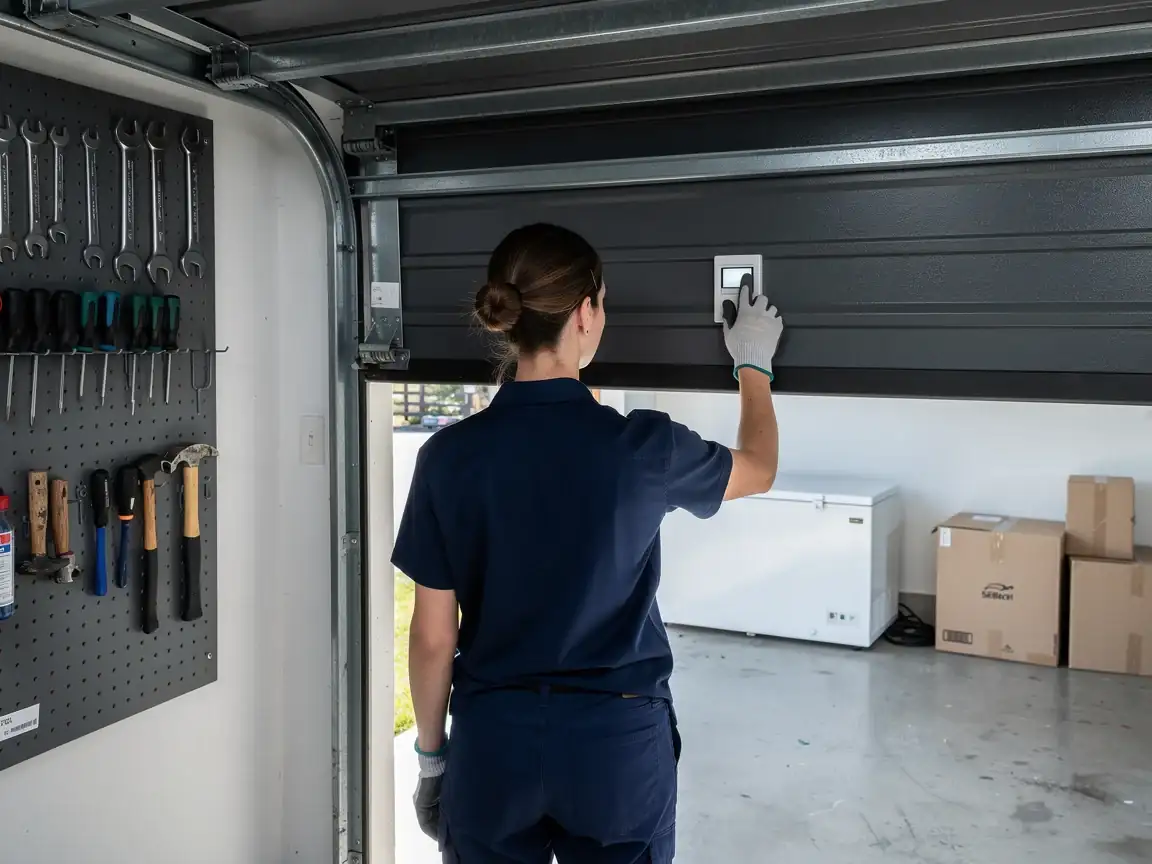
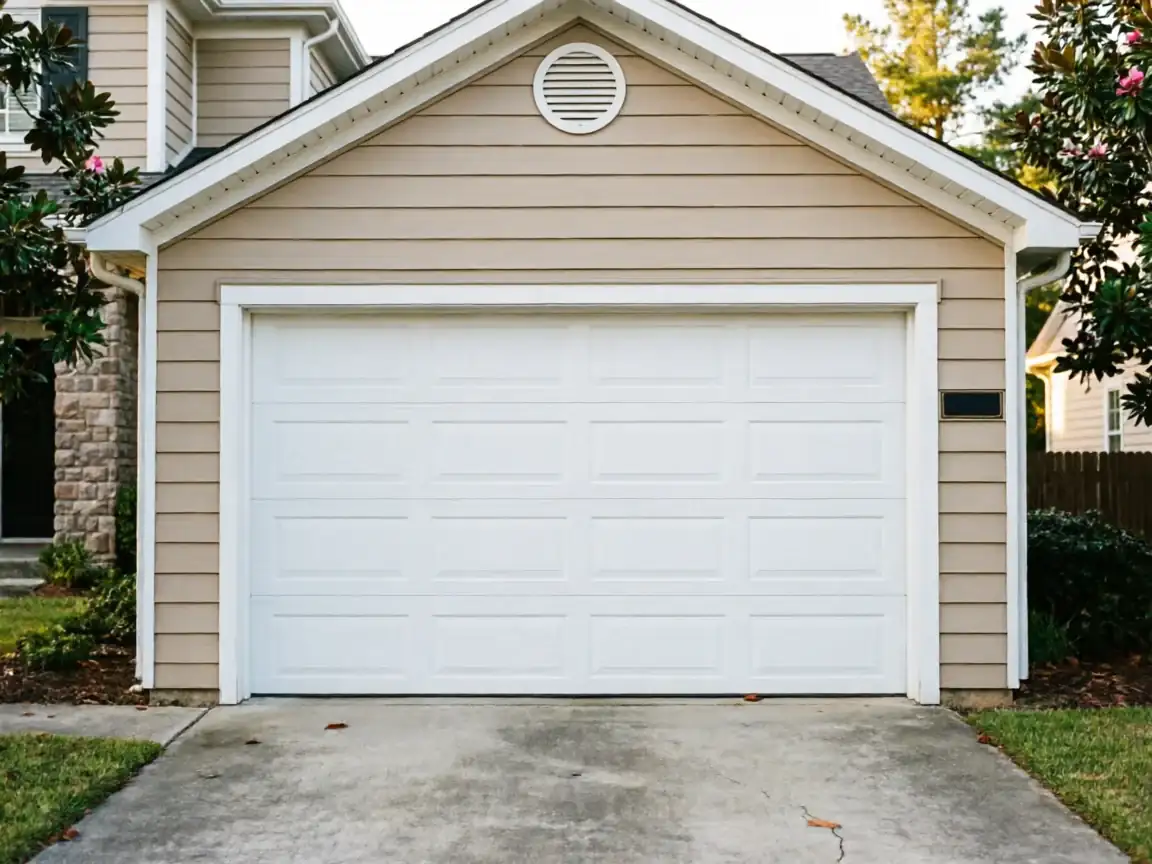
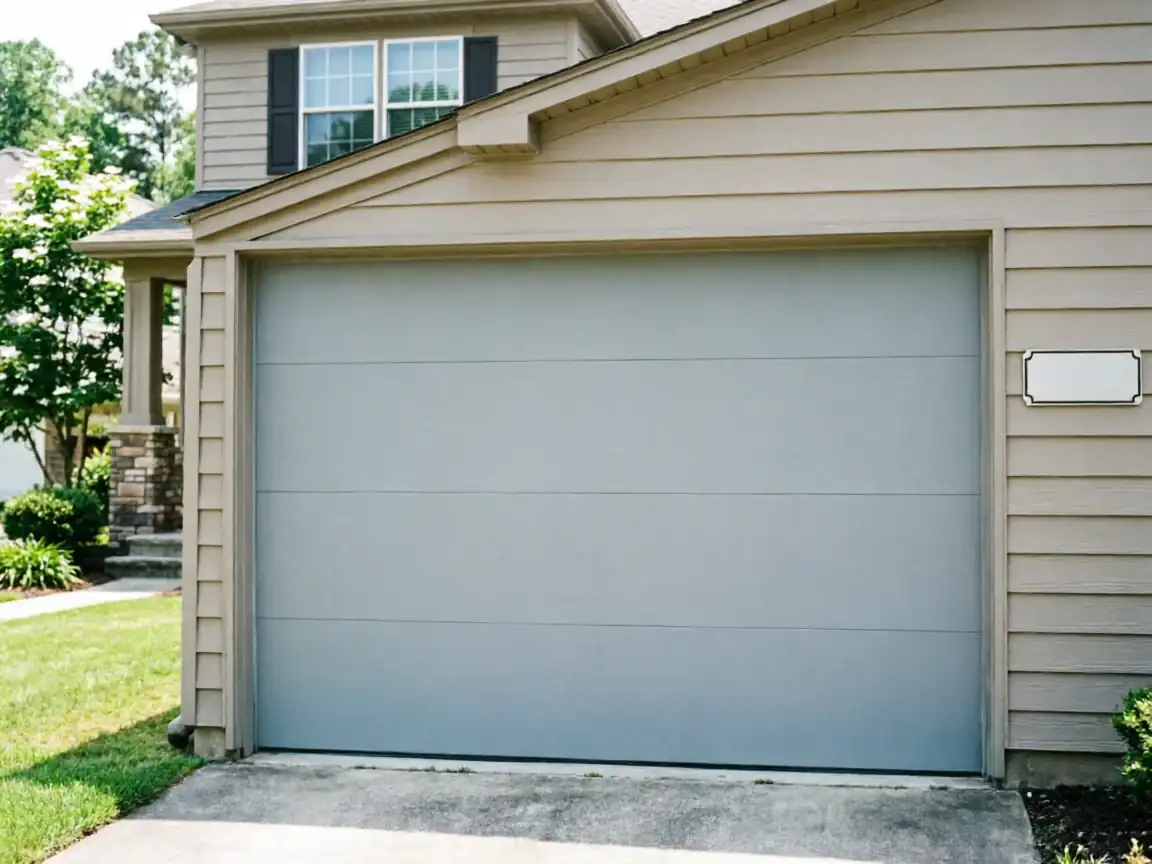
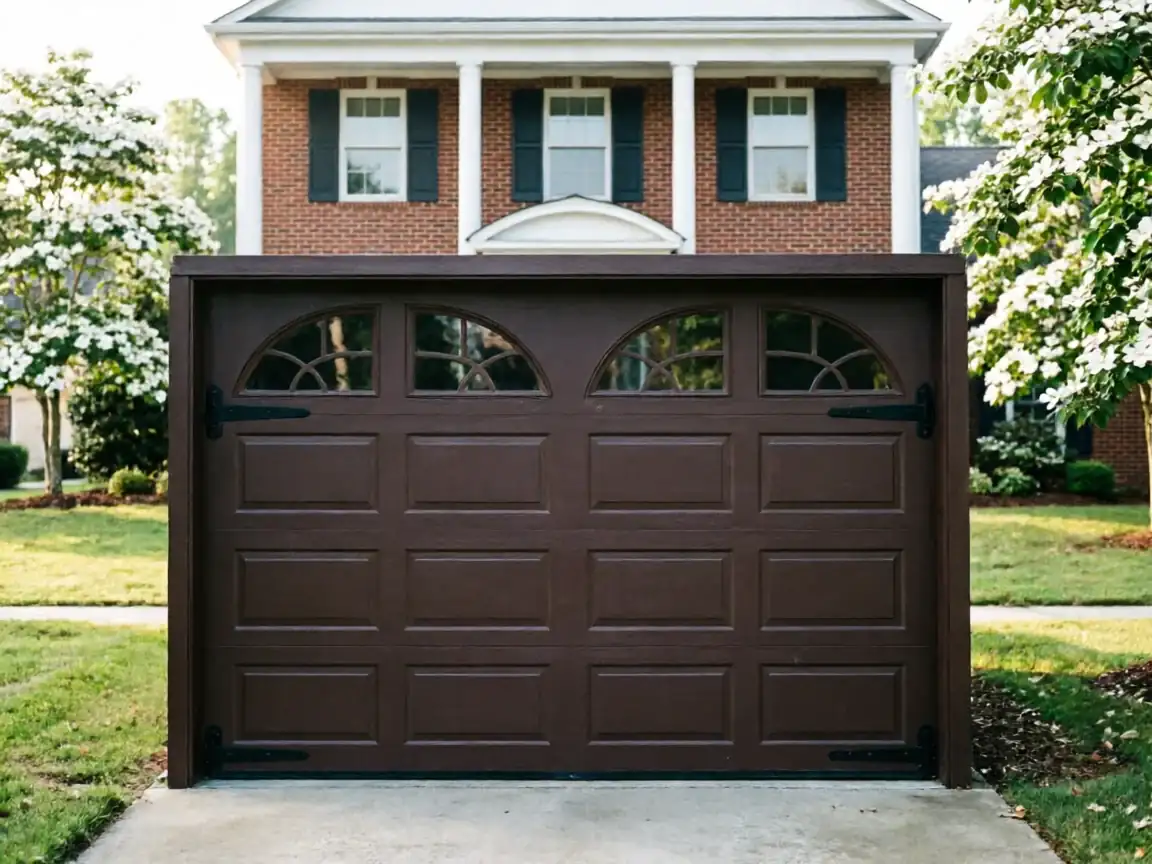
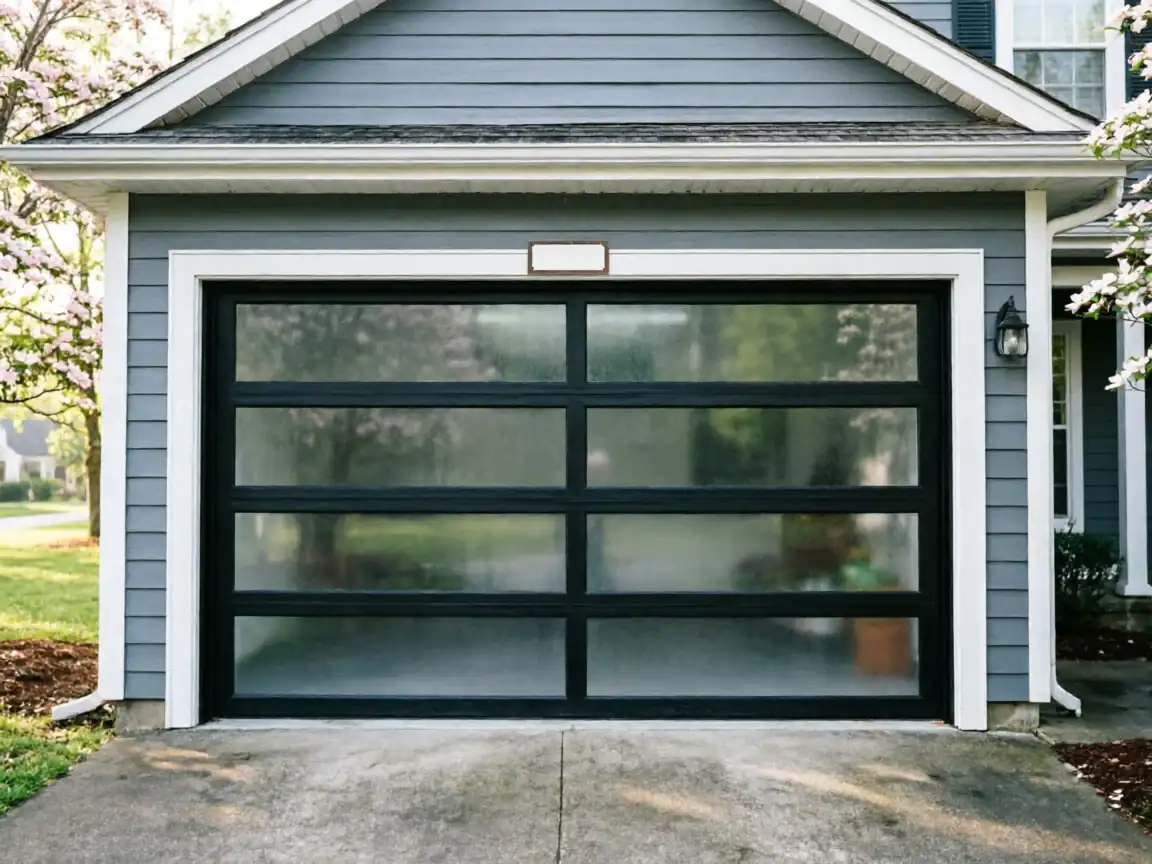
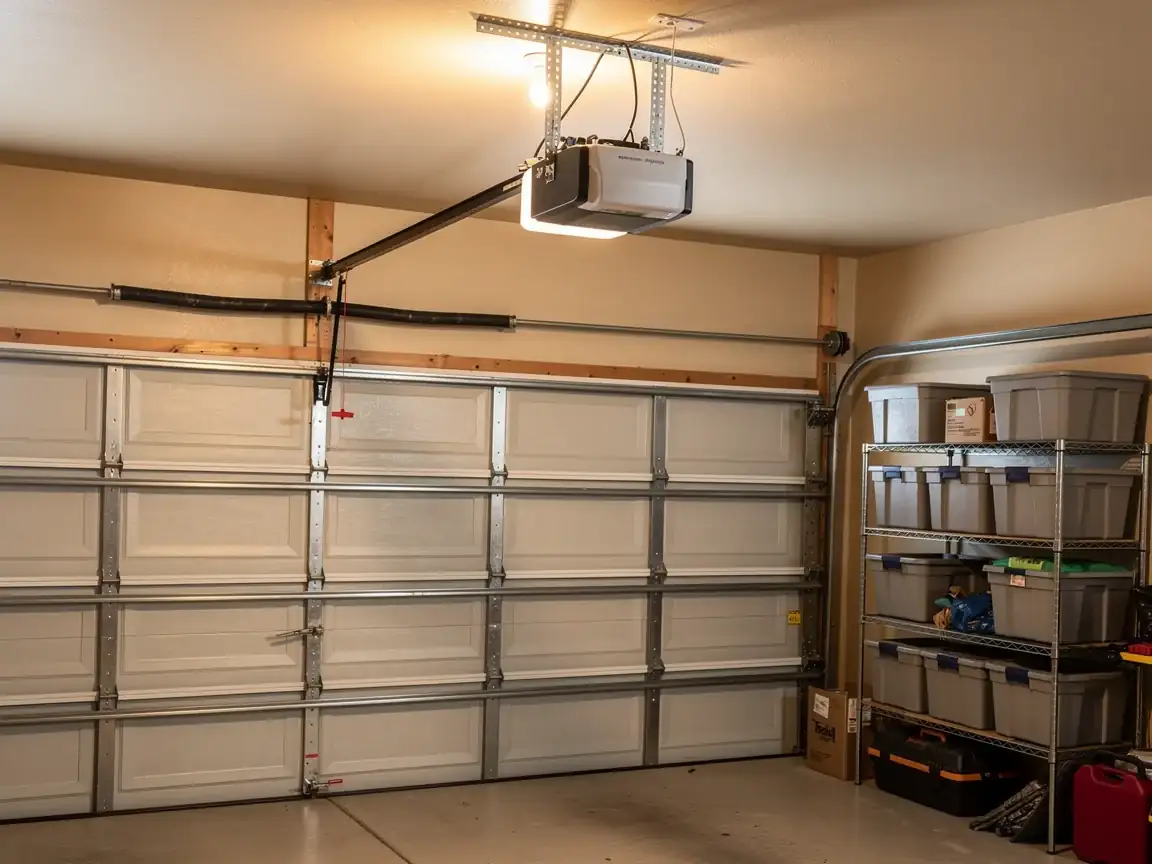
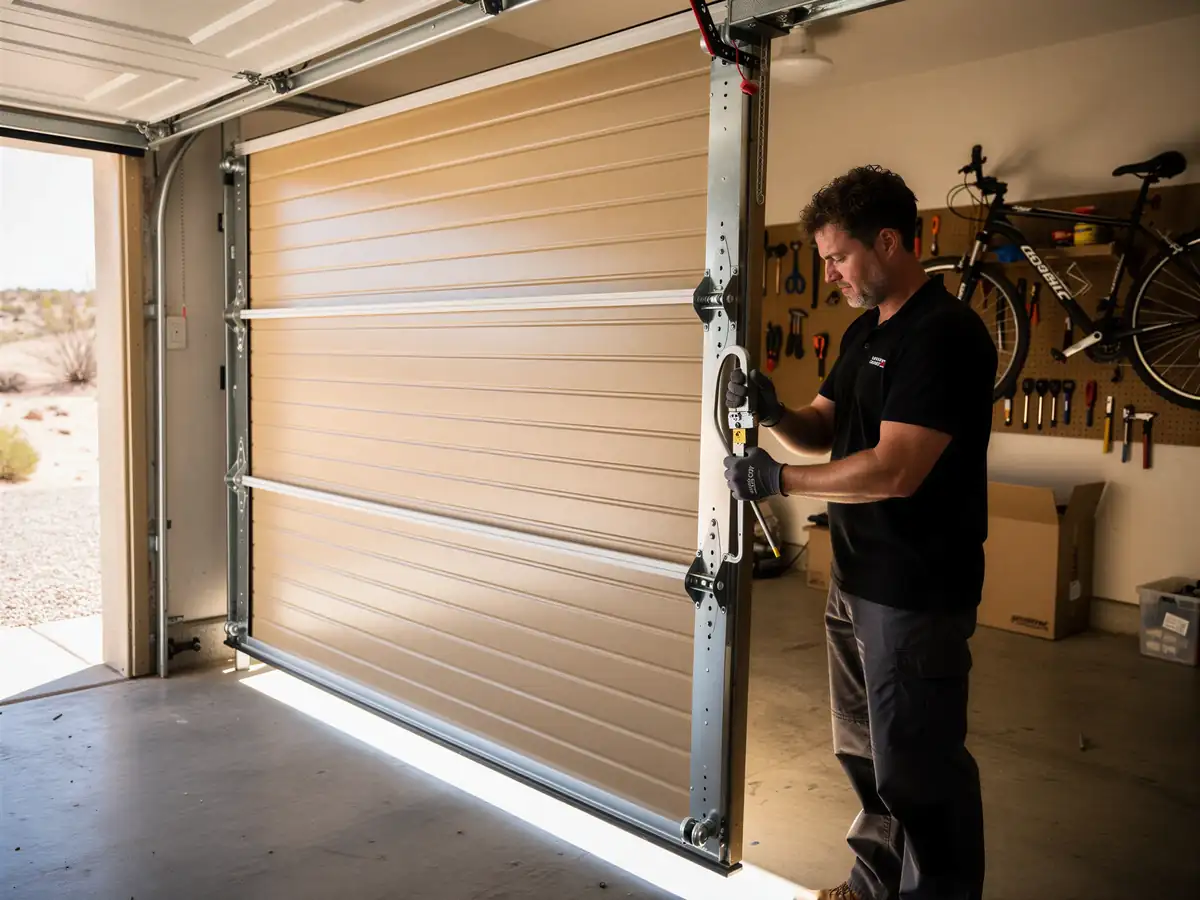
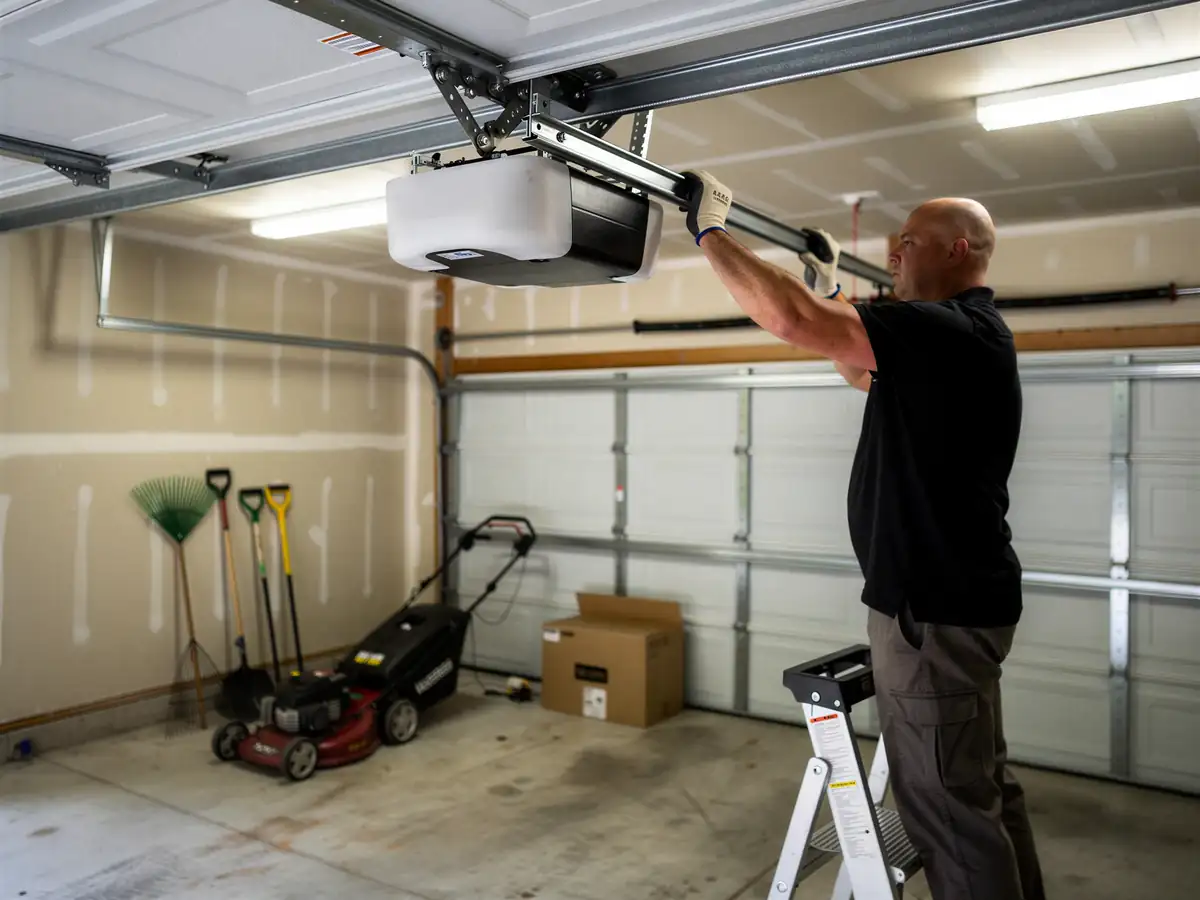
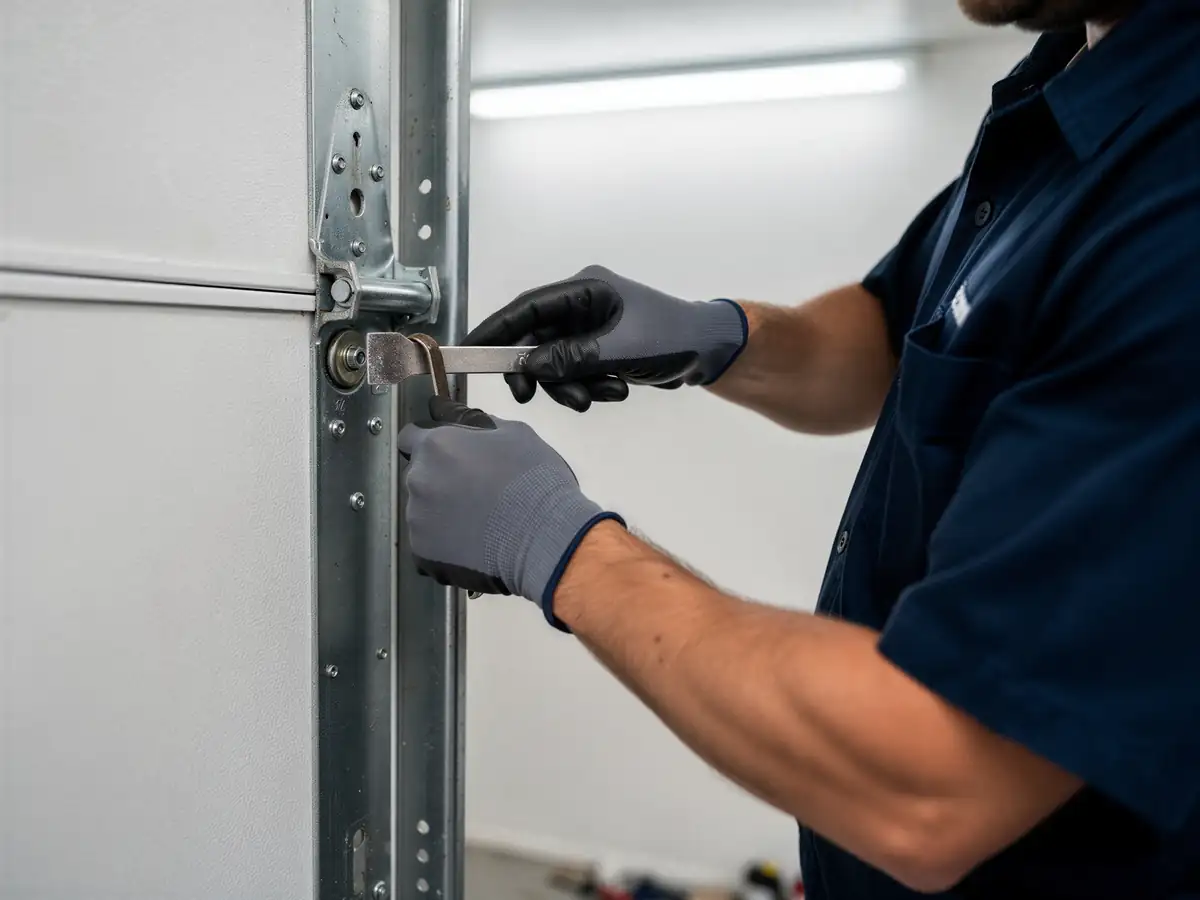
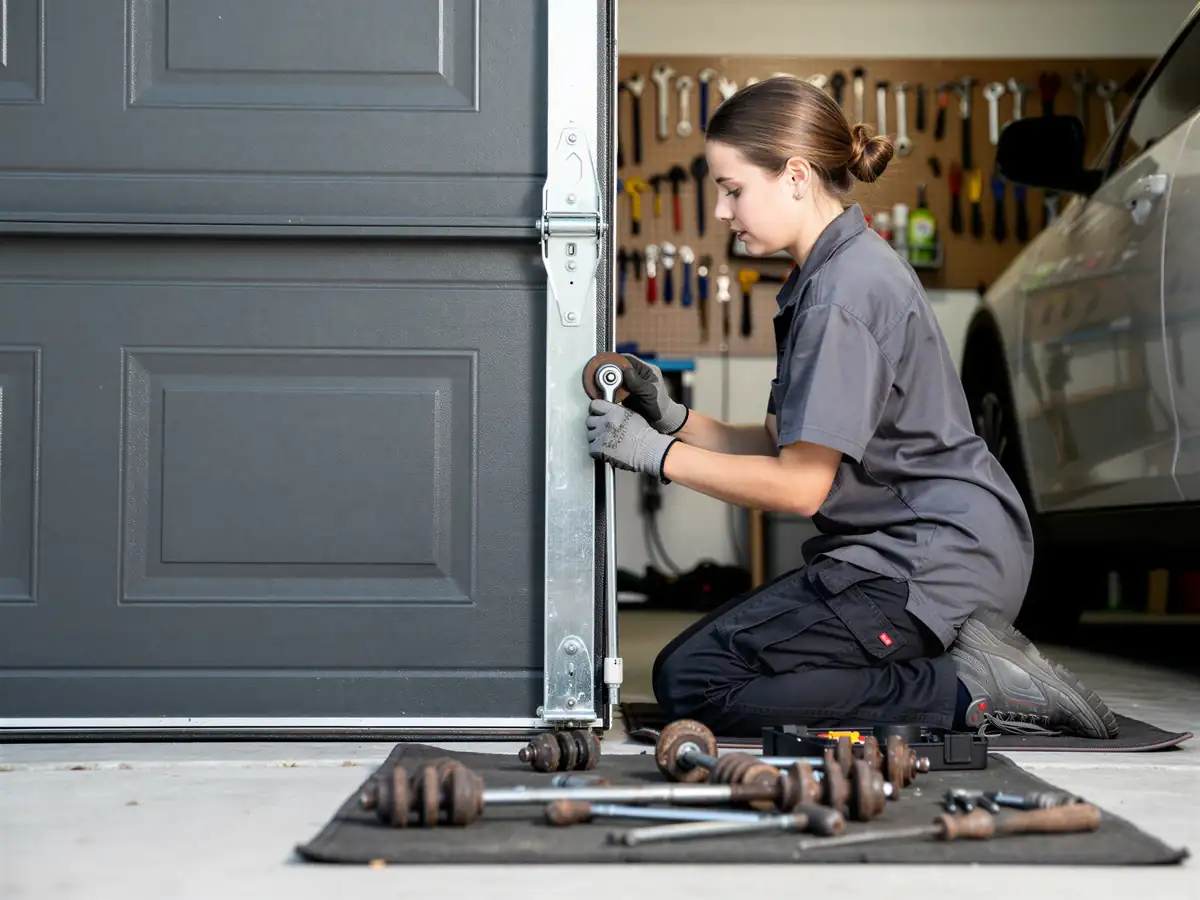
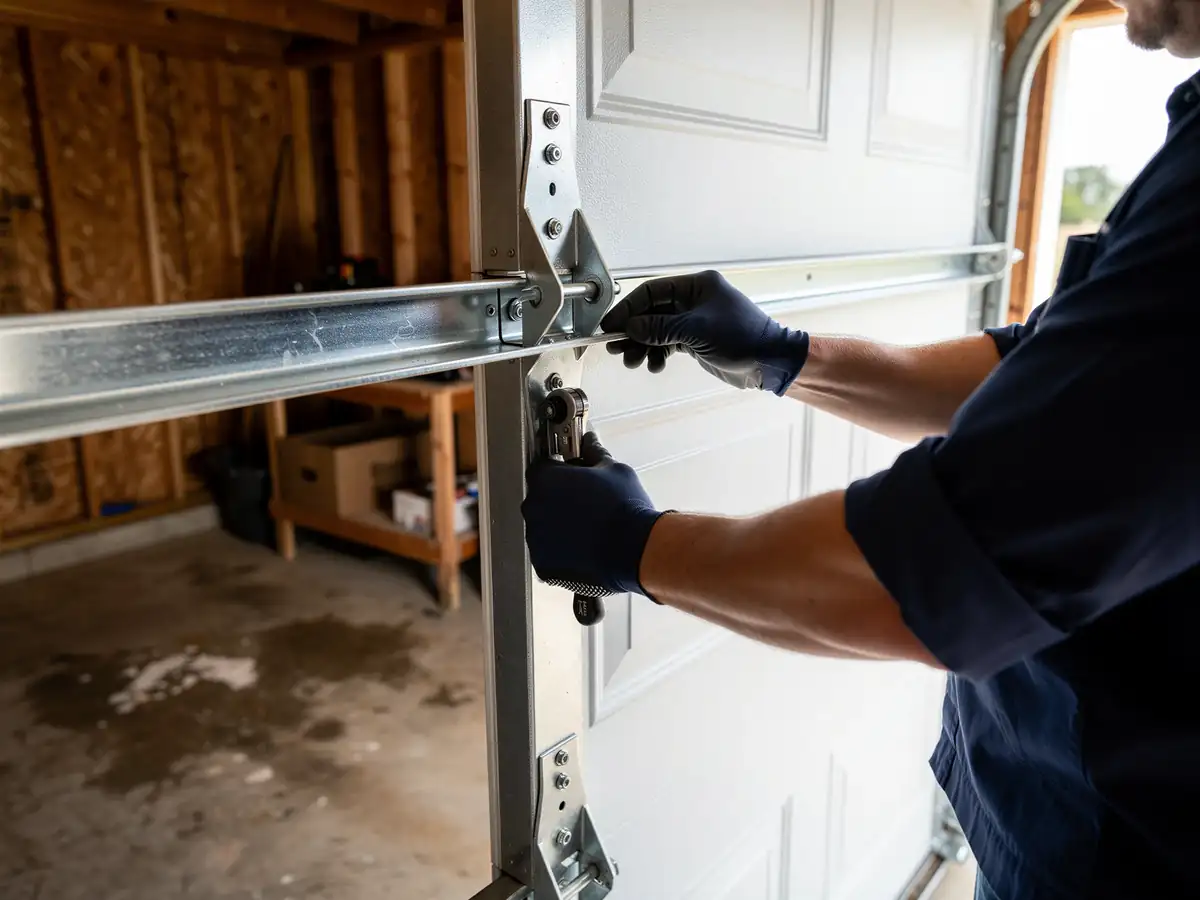
Most houses in Fairburn went up around 2004, which means the door and opener on your house are the originals from that build wave - steel sectional panels, torsion springs rated for a standard 7-foot door, and a chain or belt-drive opener with the photo-eye safety sensors that became standard after the early '90s. Twenty years in, that's the hardware reaching the end of its first life cycle, not needing a full teardown. The fix is usually targeted: a torsion spring that's lost tension and won't lift the door past waist height, a logic board in the opener that's stopped talking to the remote, or a travel limit that's drifted so the door reverses before it seats on the floor. We diagnose at the door, not over the phone, because a spring problem and a sensor problem can look identical from the kitchen - the door just stops. If the opener motor itself has burned out rather than just the board, replacement usually makes more sense than a repair, and we'll tell you that straight instead of billing for a patch that won't hold.
Why It Happens Here
A door built around 2004 sits right at the point where torsion springs rated for roughly 10,000 cycles start giving out, and a garage door cycles once or twice a day for two decades - that math catches up with a lot of Fairburn houses at once. The service area runs a cold-moderate climate band, which means steel springs and cables see enough temperature swing through the year to fatigue faster than they would somewhere with a flatter weather pattern, even without coastal humidity in the mix. Fairburn's household income runs higher than the wider Newnan service area's median - $89,276 against $71,597 - which in practice means more owners opt for opener replacement over a patch repair when the board starts acting up, and more double-door setups with two openers instead of one. We don't treat every call the same: a 2004-built door with a tired spring is a different job from a board failure on a Wi-Fi-enabled opener, and we price and schedule around which one you've actually got.
What Can Go Wrong
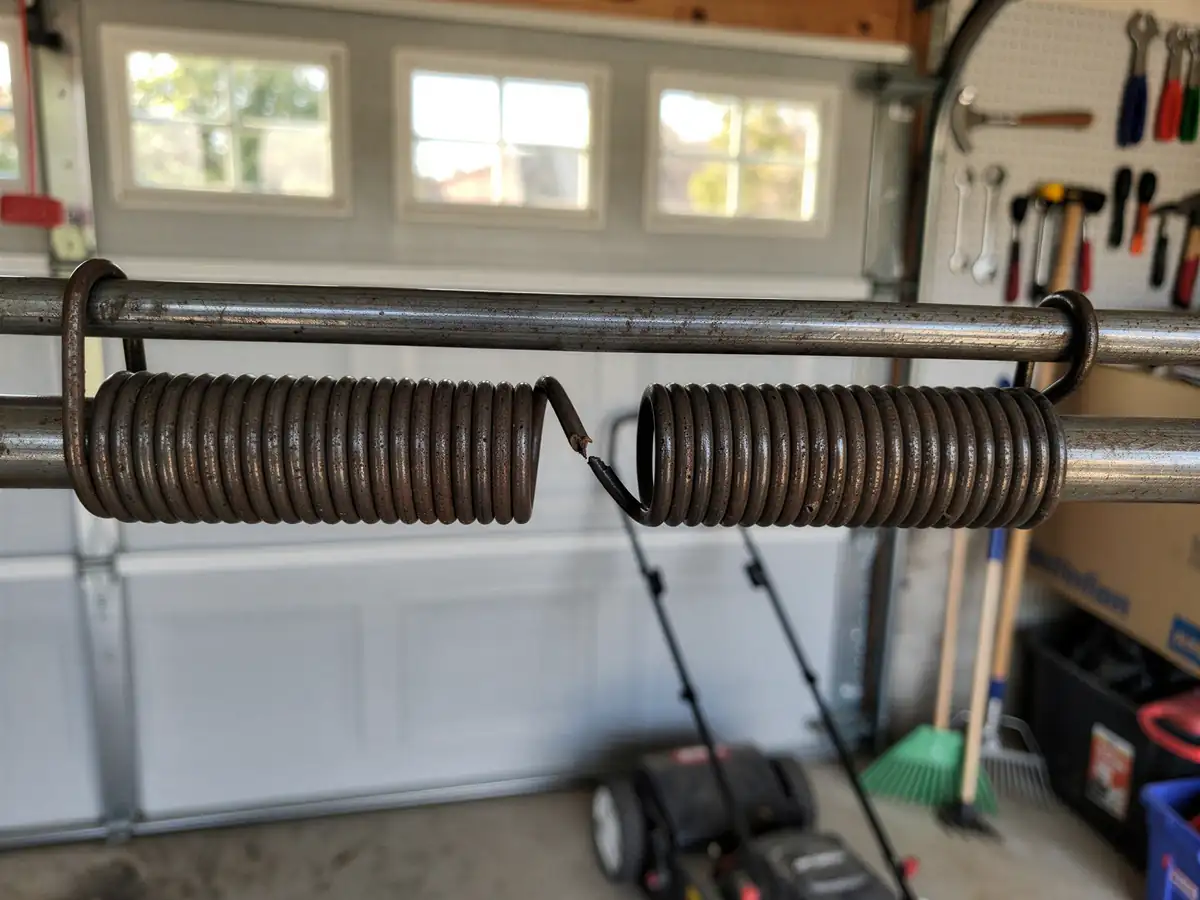
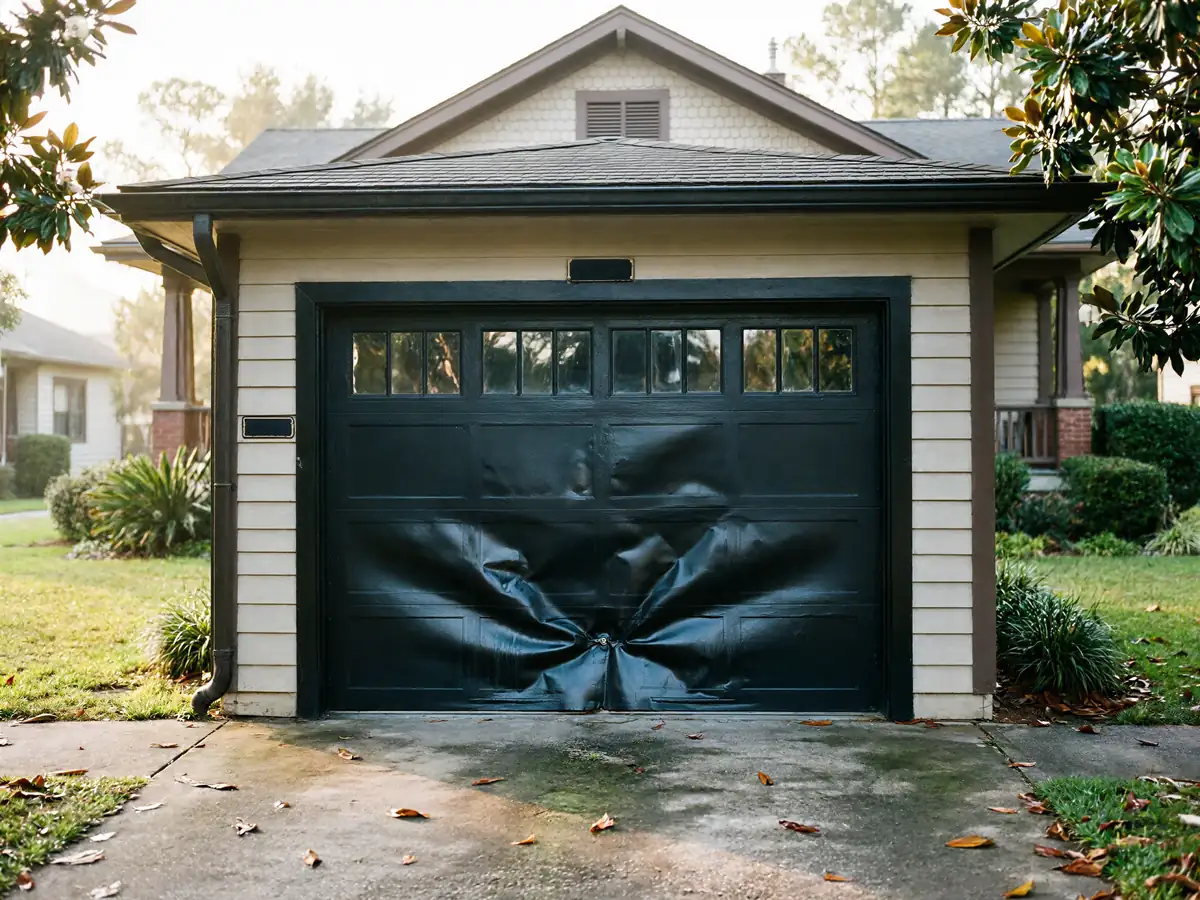
The most common failure on a house this age is a torsion spring that snaps rather than just loses tension - it happens with a loud bang, usually when the door's partway open, and it means the door won't move under power until the spring's replaced. Close behind that is opener board failure: the motor runs but the door won't respond to the remote or the wall button, or it reverses immediately after it starts closing. Less common but real: the galvanized cable fraying where it wraps the drum, which if left alone can let one side of the door drop unevenly and bind in the tracks. None of these are safe to force past - a door that's fighting a bad spring or a frayed cable can come down fast once it lets go, and that's a repair call, not a DIY afternoon.