What the Fix Involves
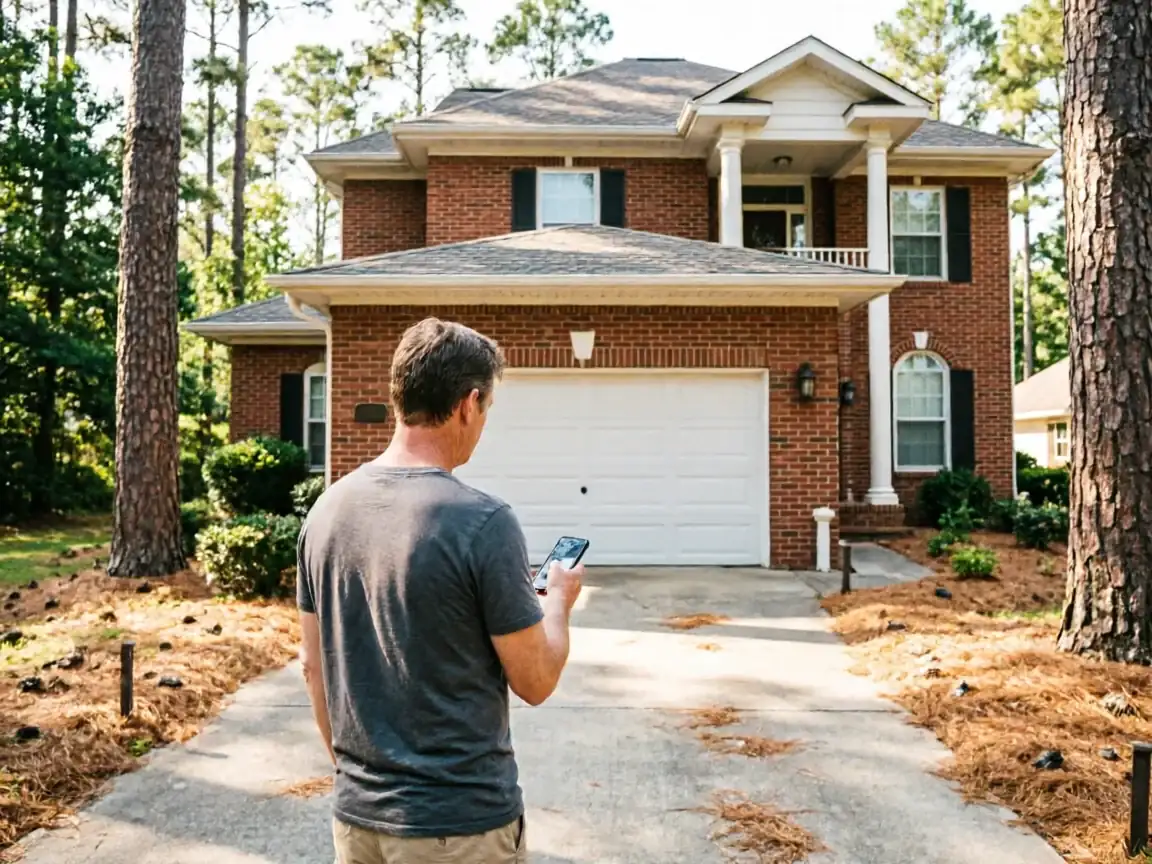
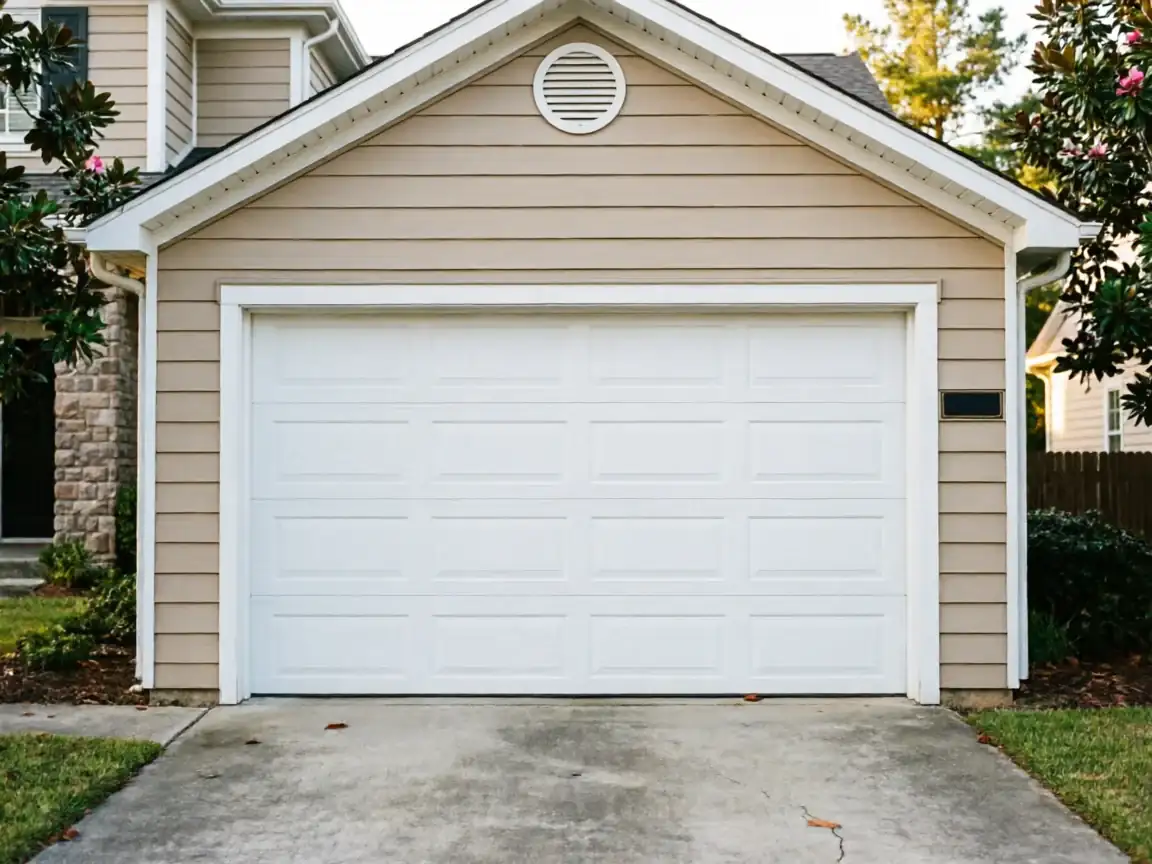
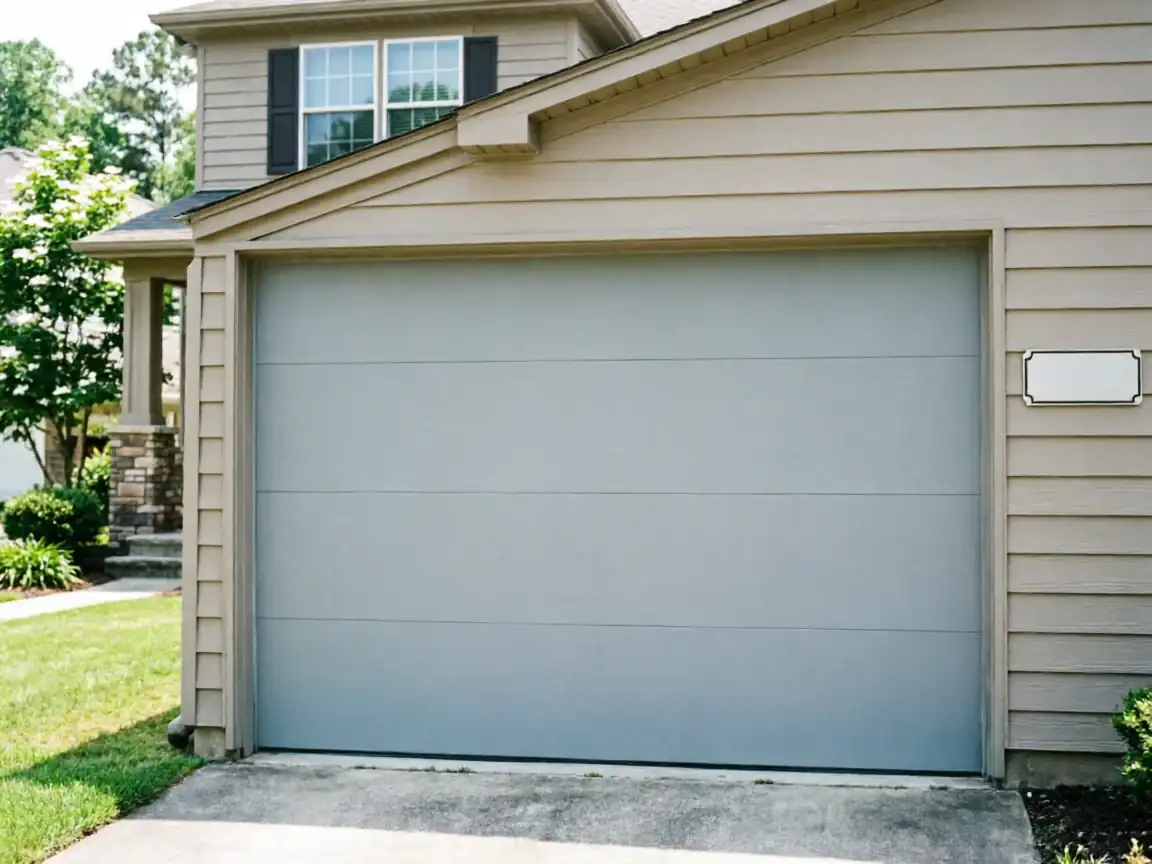
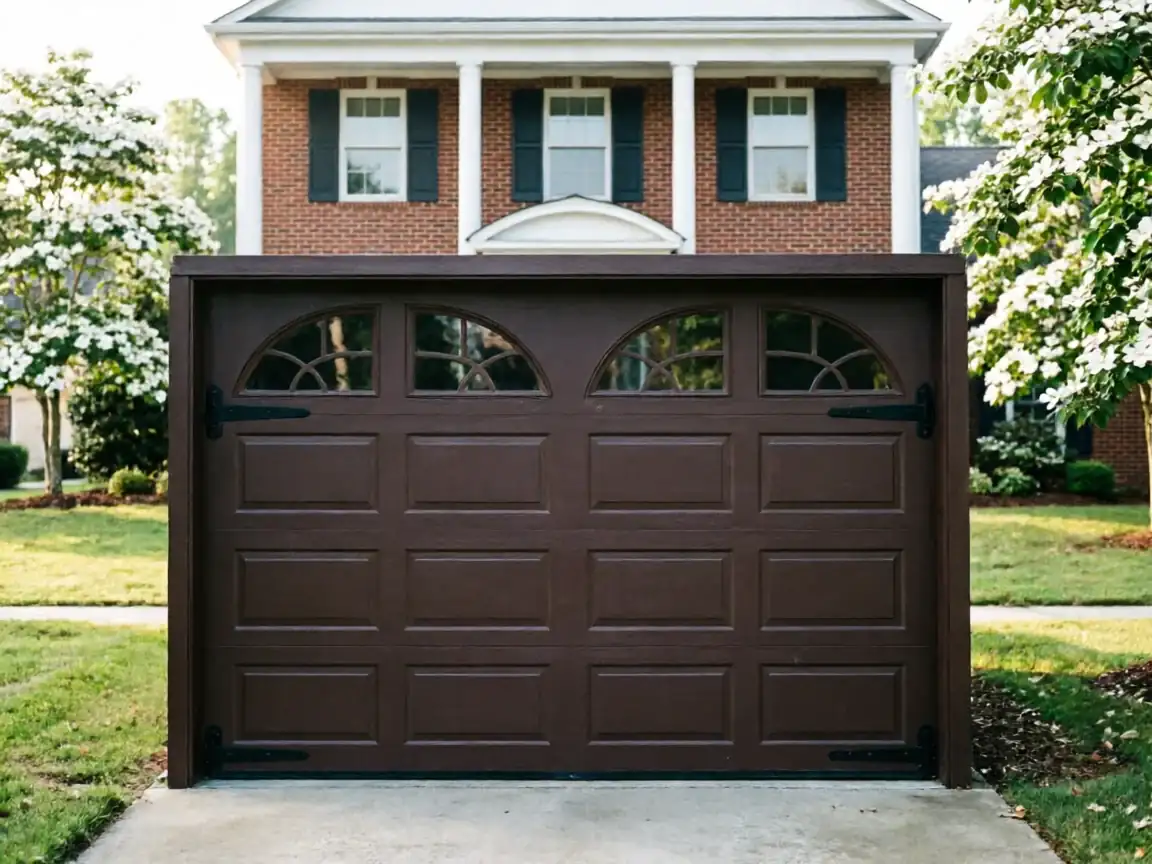
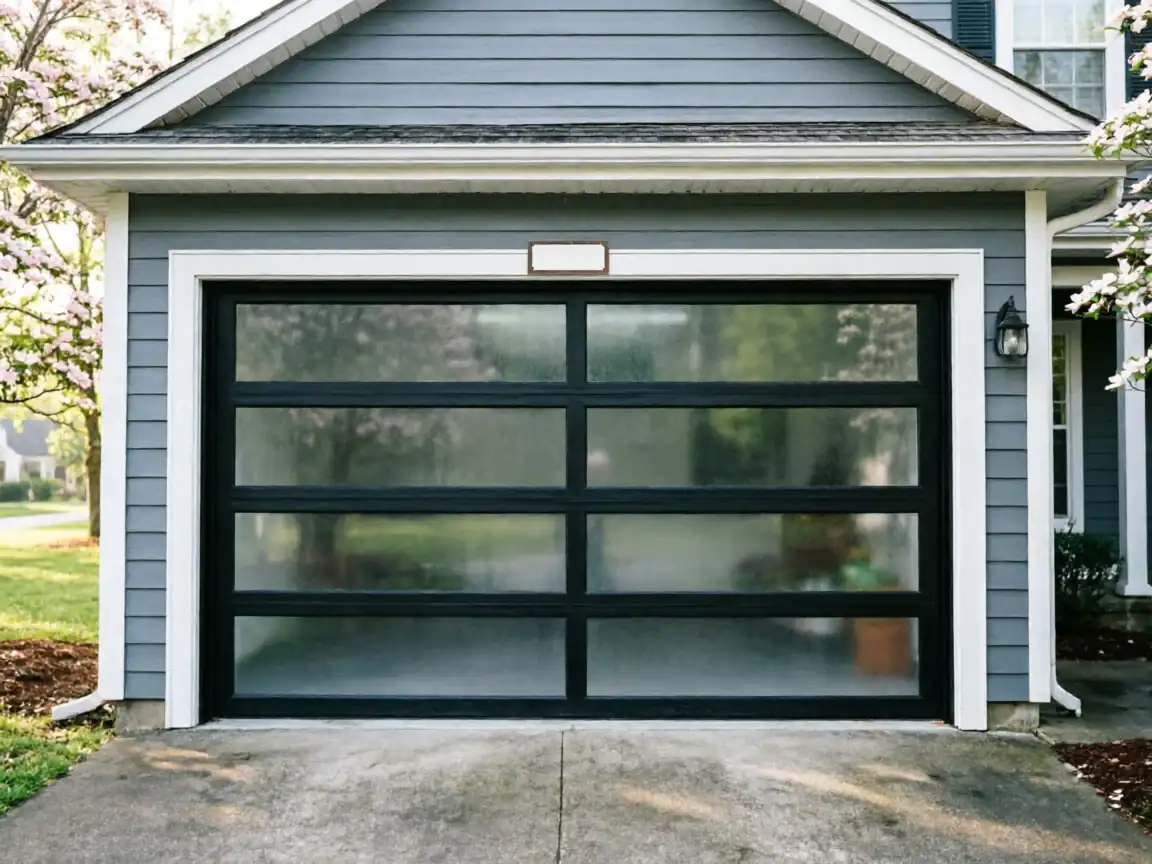
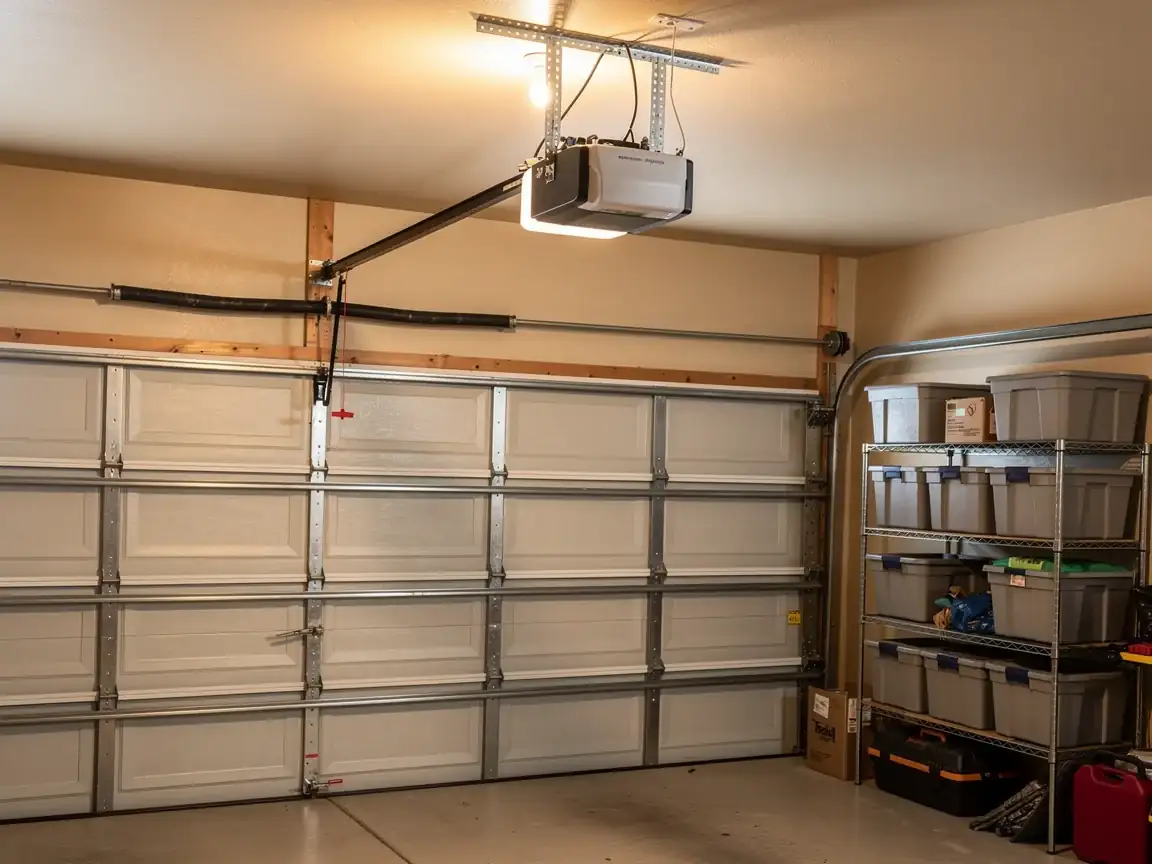
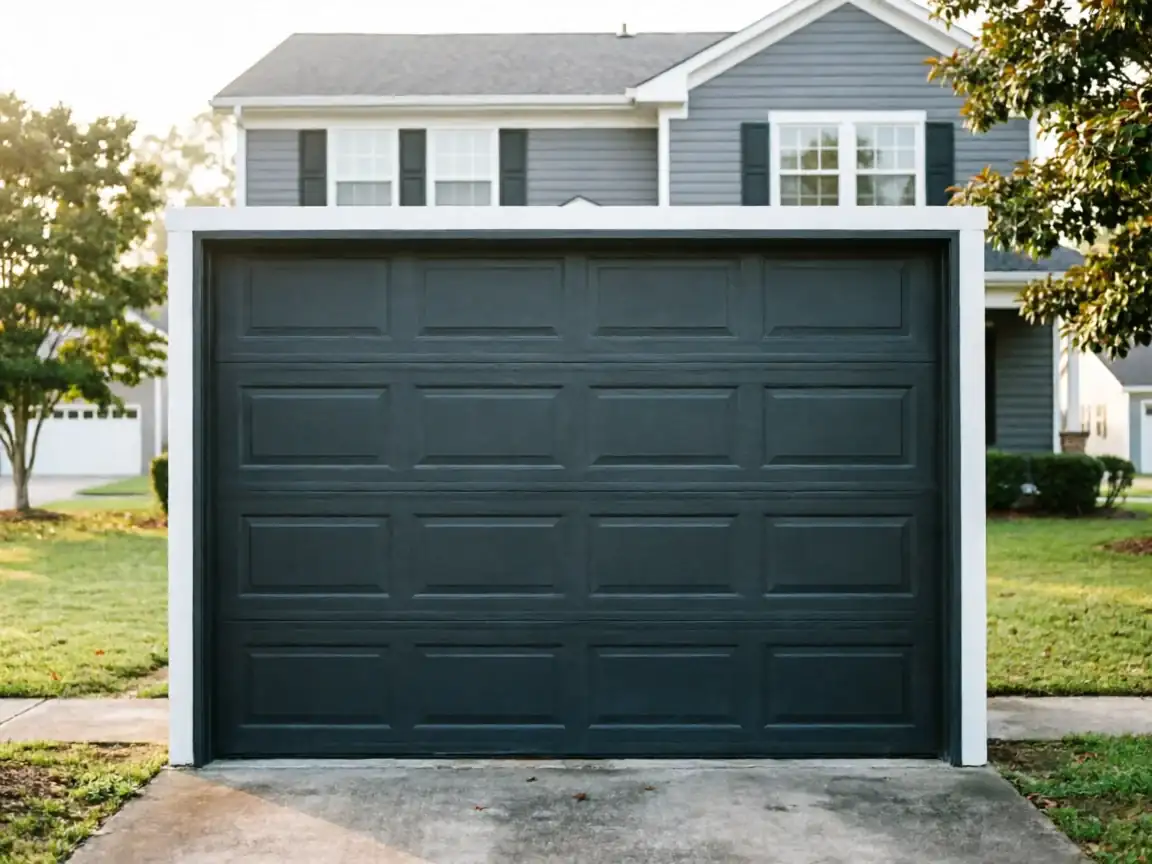
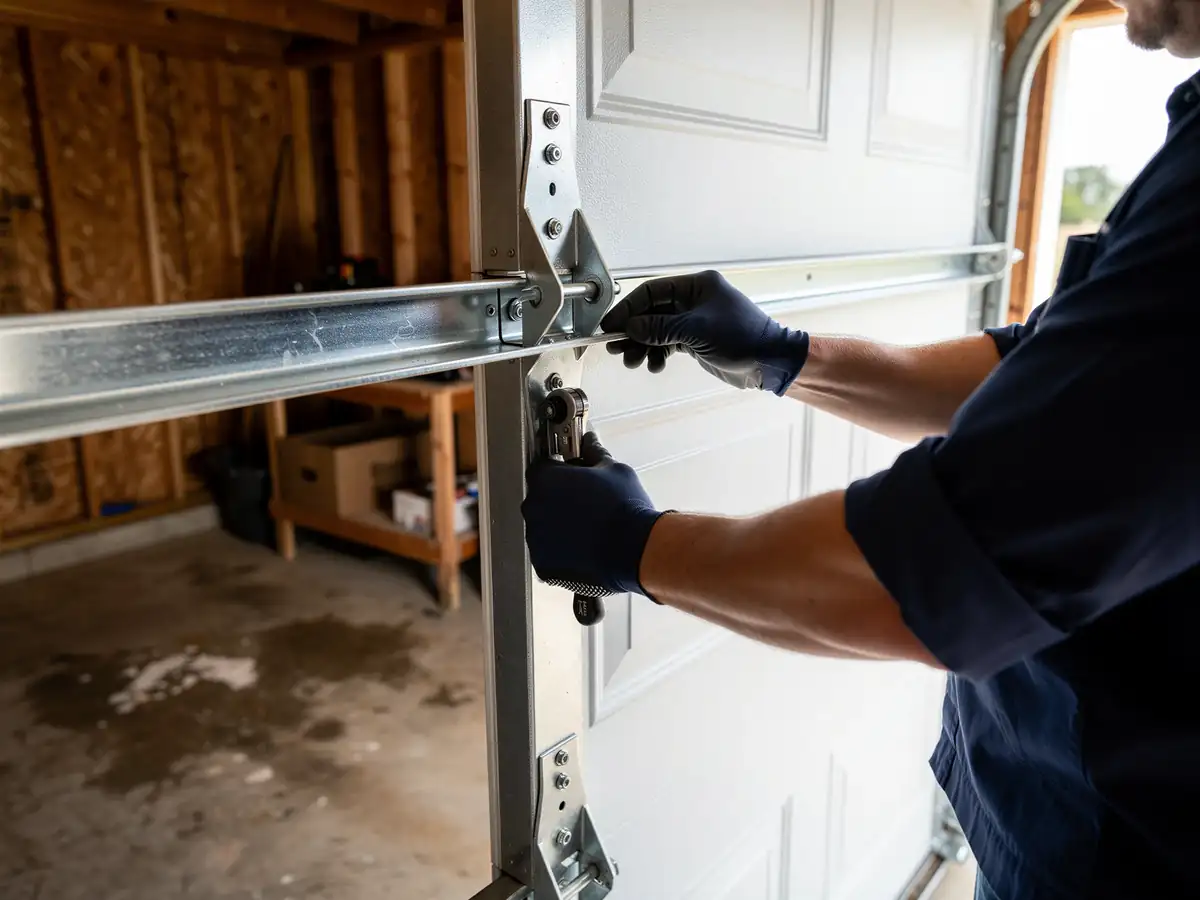
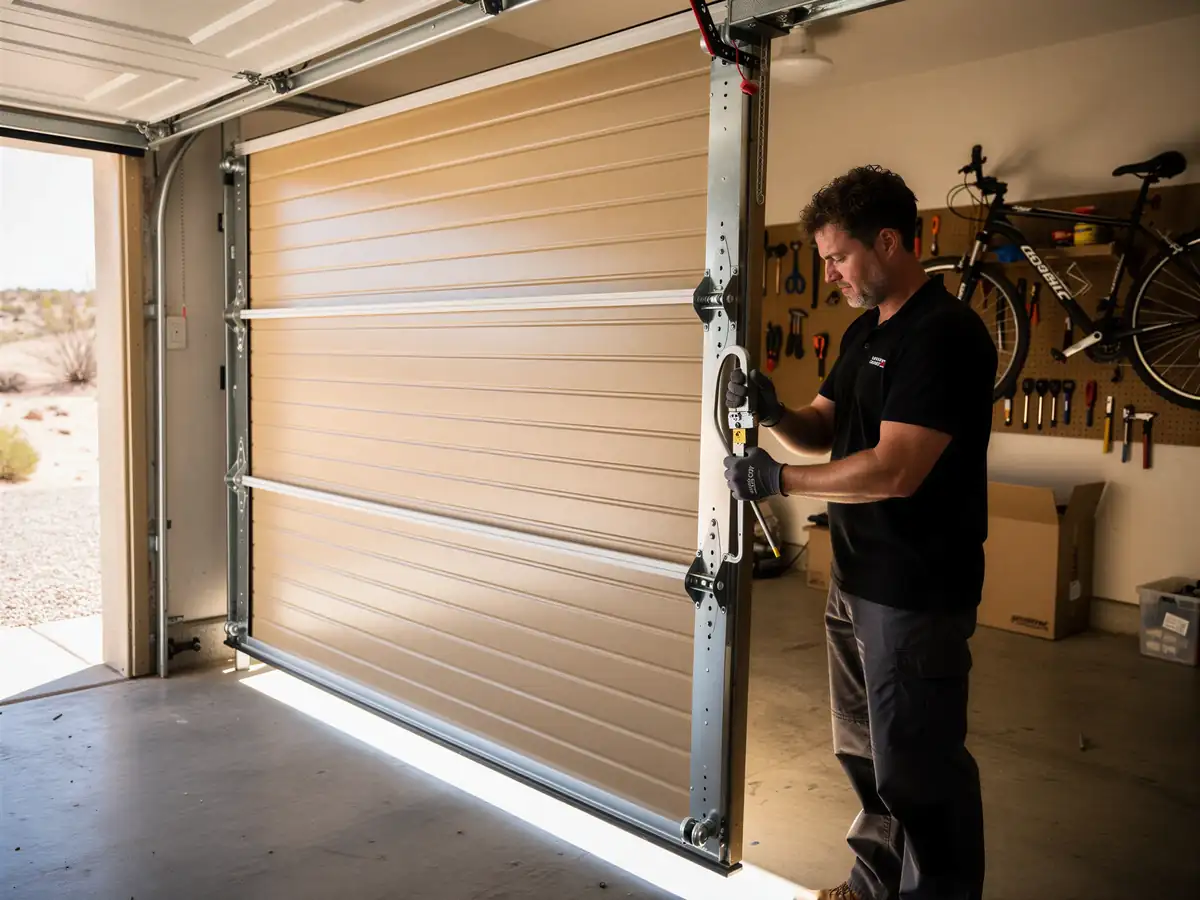
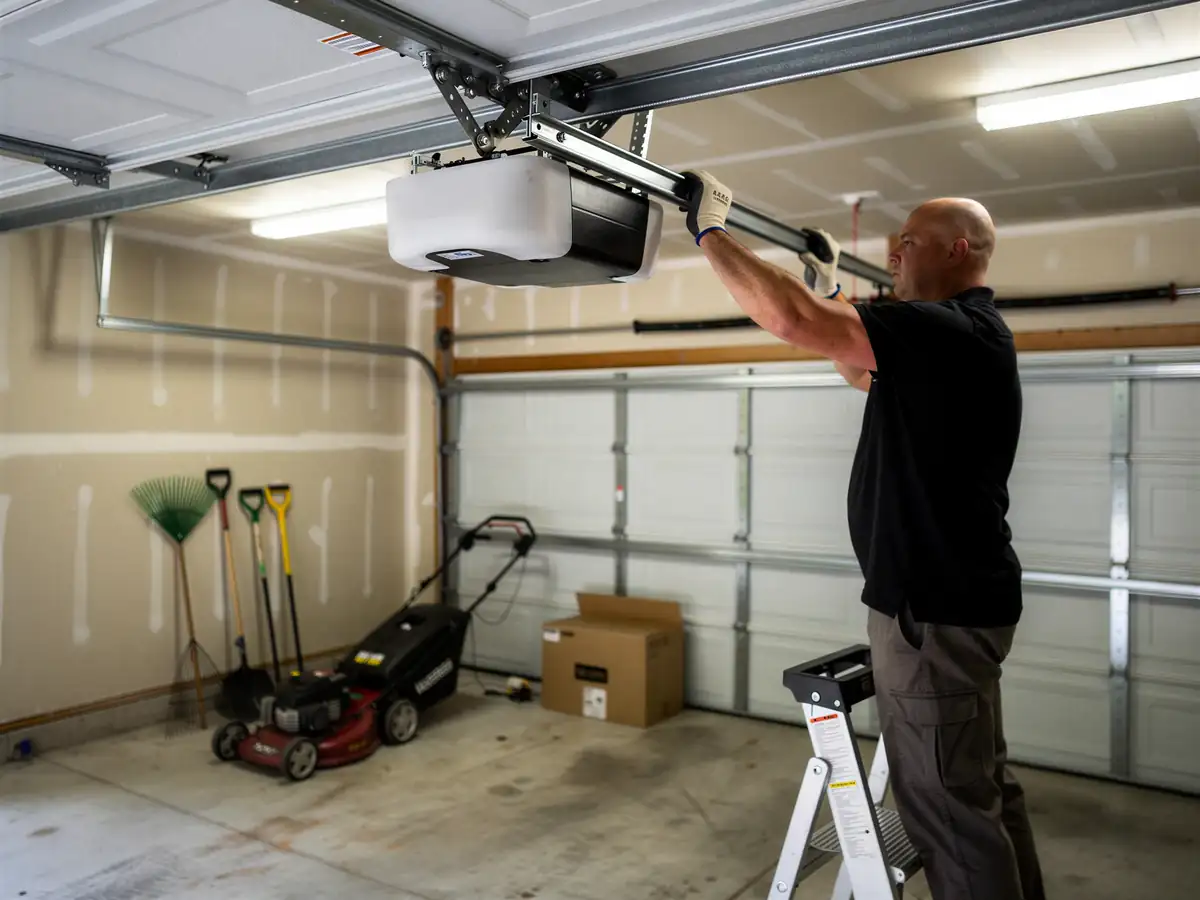
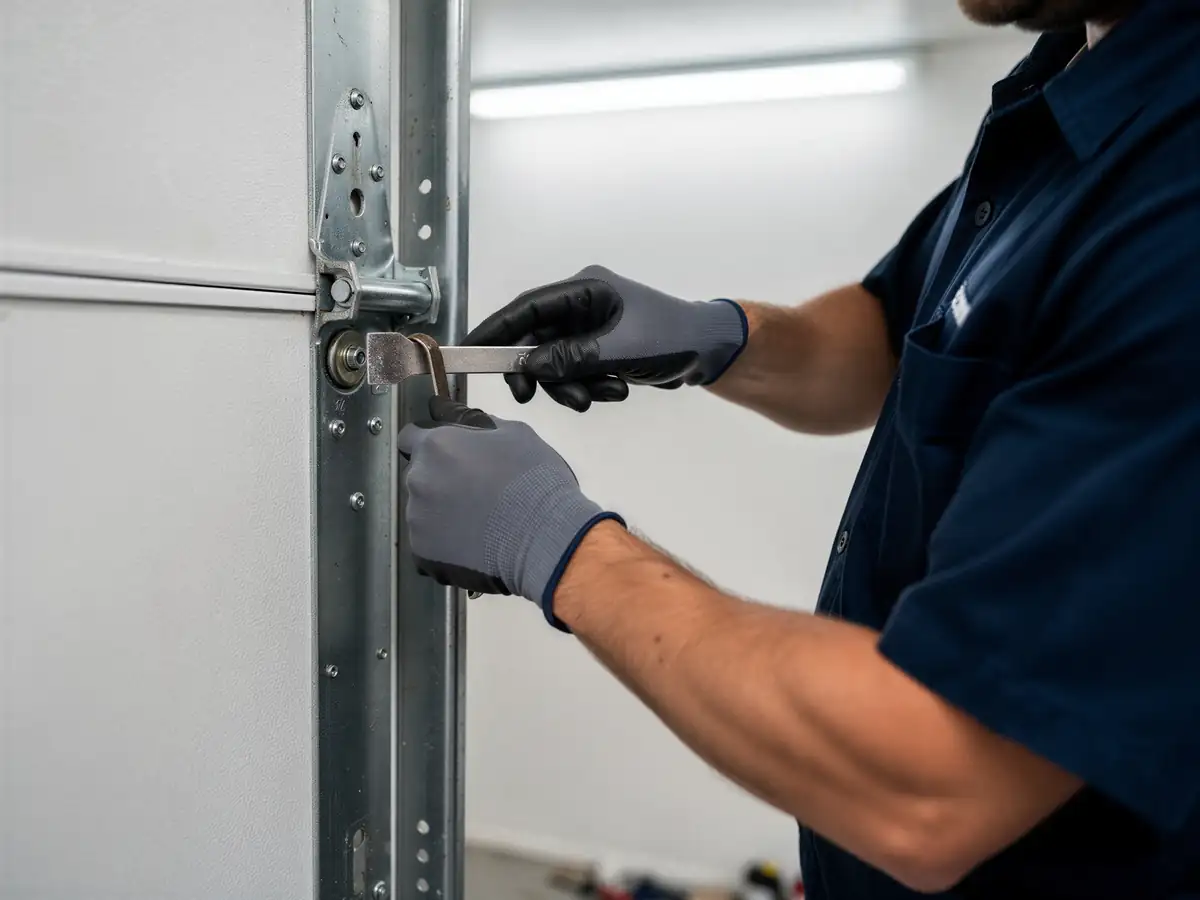
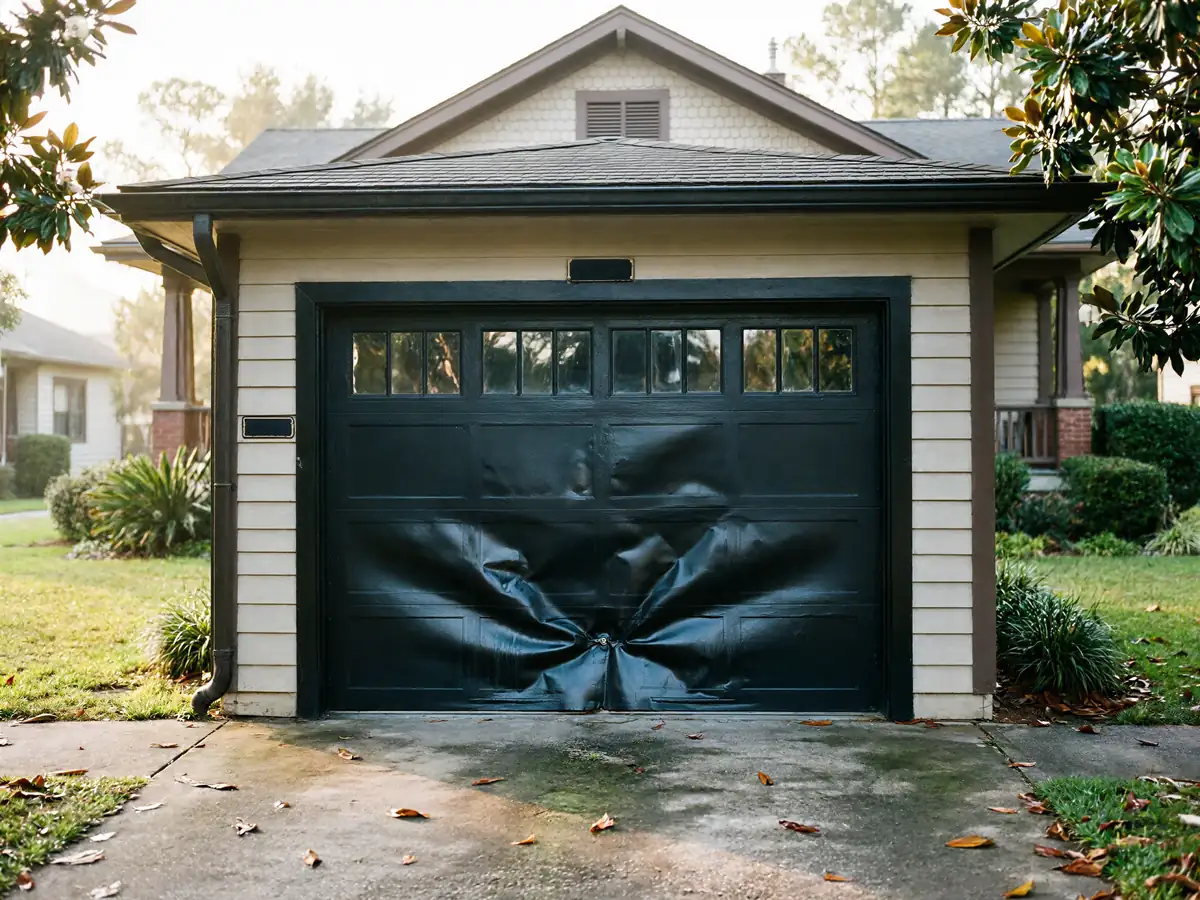
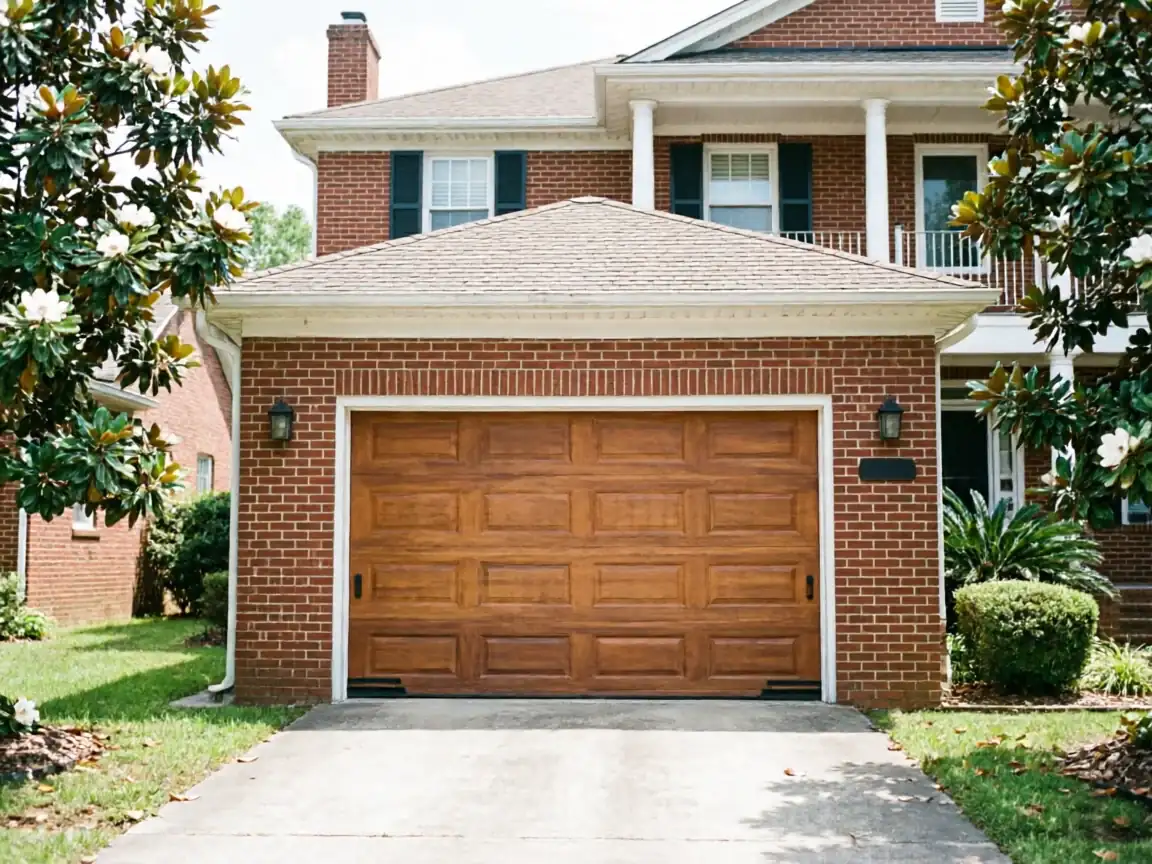
The run out to Fairburn is 16 miles from our shop in Newnan, which puts it on the far edge of what we cover in a single trip. That drive changes how a call here actually works: we load for the job before we leave, because doubling back for a part costs an hour we'd rather spend turning a wrench. Most of what we see in Fairburn is different from what we see closer to home. Homes here were built around 2004 on median, a good ten years newer than the typical house back in Newnan, so the hardware is newer too. That means factory steel sectional doors, torsion springs rated for a known cycle count, and openers with rolling-code boards rather than the dial-set units from the 80s. The fix usually involves swapping a part that's reaching the end of a predictable lifespan, not chasing down something improvised by a prior owner. We bring the job sheet with torsion spring wire sizes and drum numbers already worked out from the door's age bracket, because guessing on a 16-mile trip wastes the visit.
Why It Happens Here
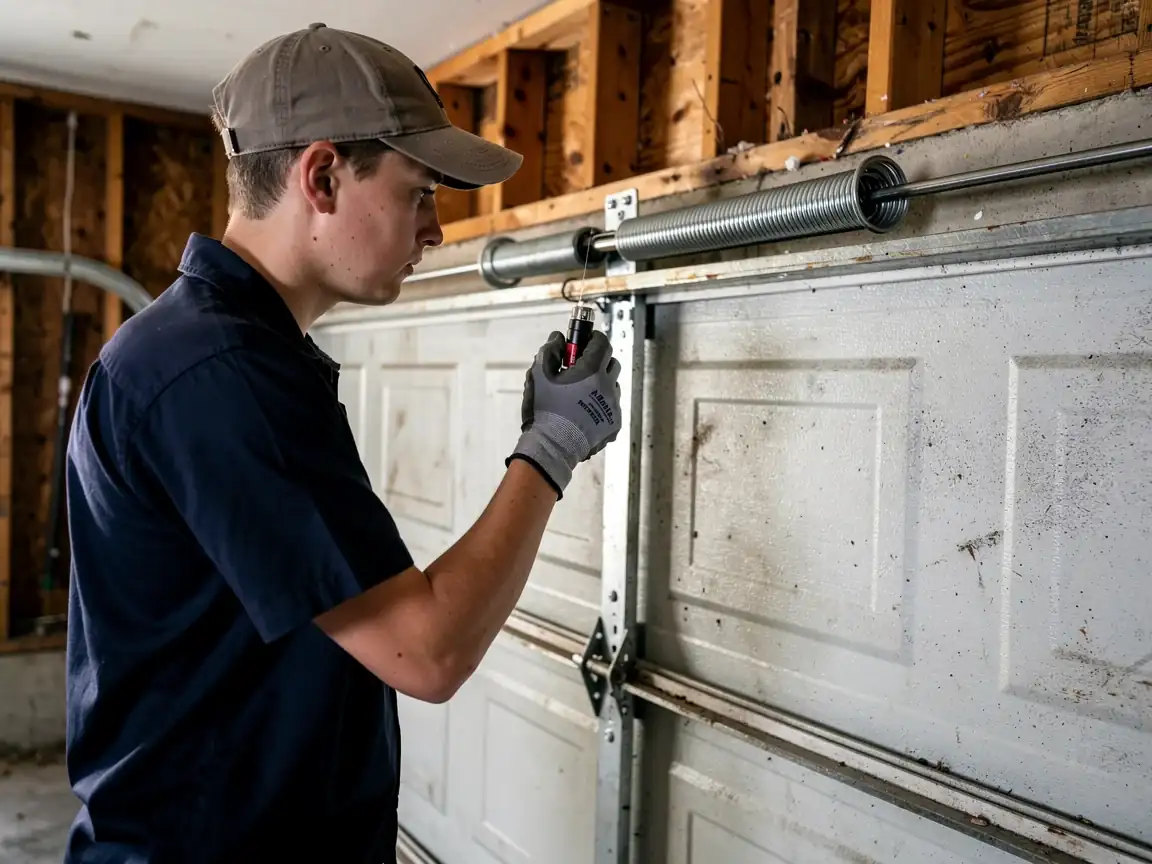
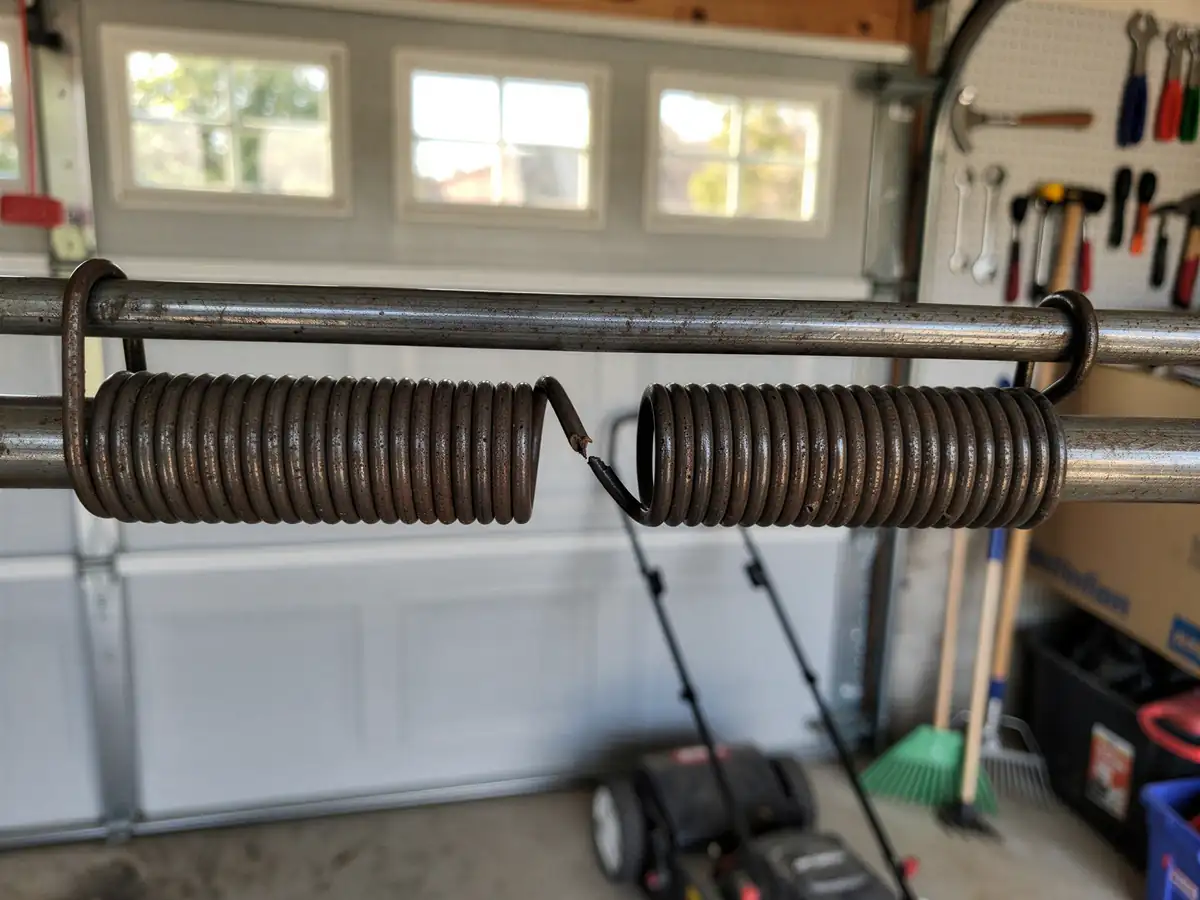
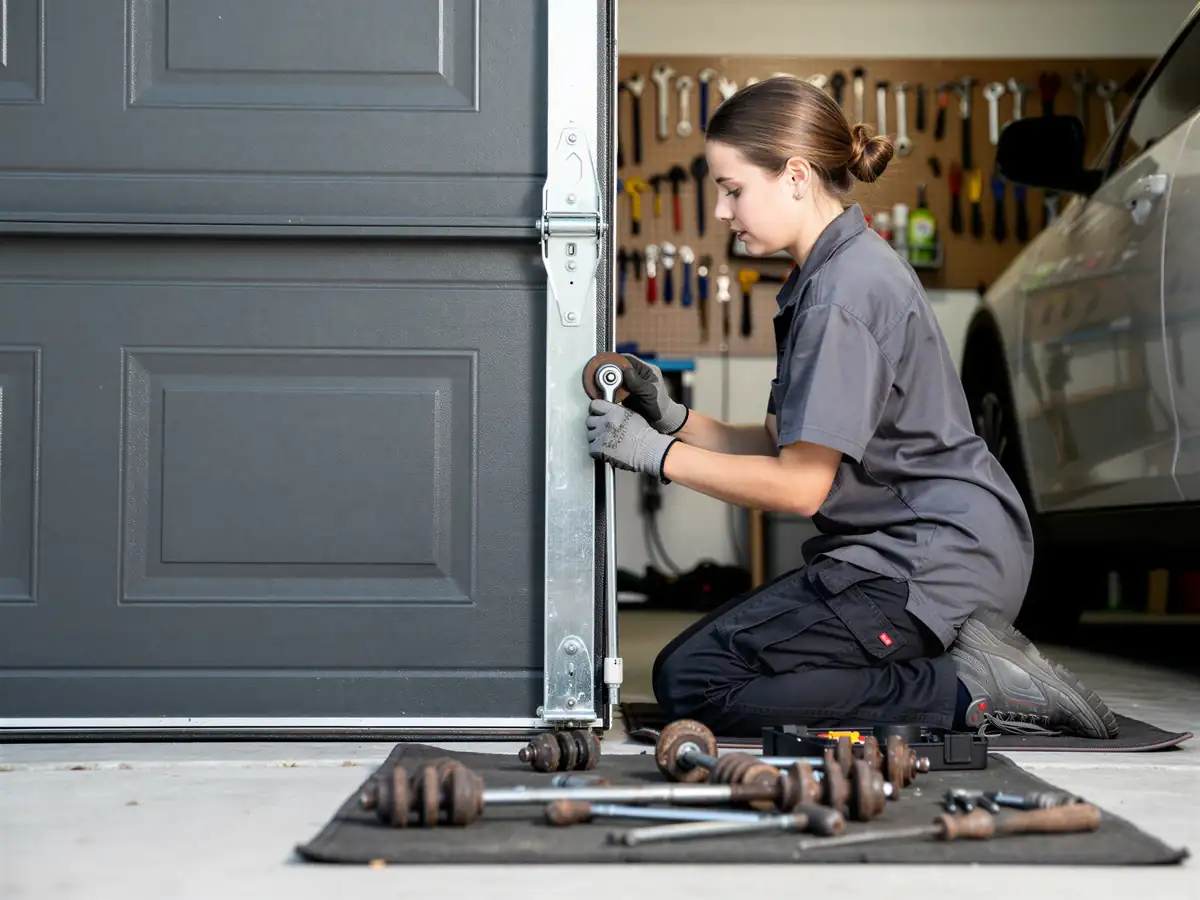
A torsion spring is rated for a cycle count, and most residential springs are good for somewhere between 10,000 and 15,000 cycles before they fatigue and snap. Houses built in 2004 are now old enough that their original springs are hitting that number, which is exactly the failure window we're seeing show up on Fairburn calls. It isn't age in the sense of a door falling apart - it's a spring doing exactly what it was built to do, for exactly as long as it was built to do it, and then stopping. The winter cold here (this area sits in a moderate-cold climate band) adds stress to steel that's already near the end of its rated life, which is why failures cluster in the colder months. Compare that to the areas we cover where houses went up decades earlier - there, the common call is a worn-out jackshaft opener or a bent track from a door nobody's adjusted since Reagan. In Fairburn it's closer to scheduled maintenance that got skipped. The upside: because the stock is newer and more uniform, we're not hunting down an obsolete part. The downside is lead time if a specific spring size isn't something we're carrying that day.
What Can Go Wrong
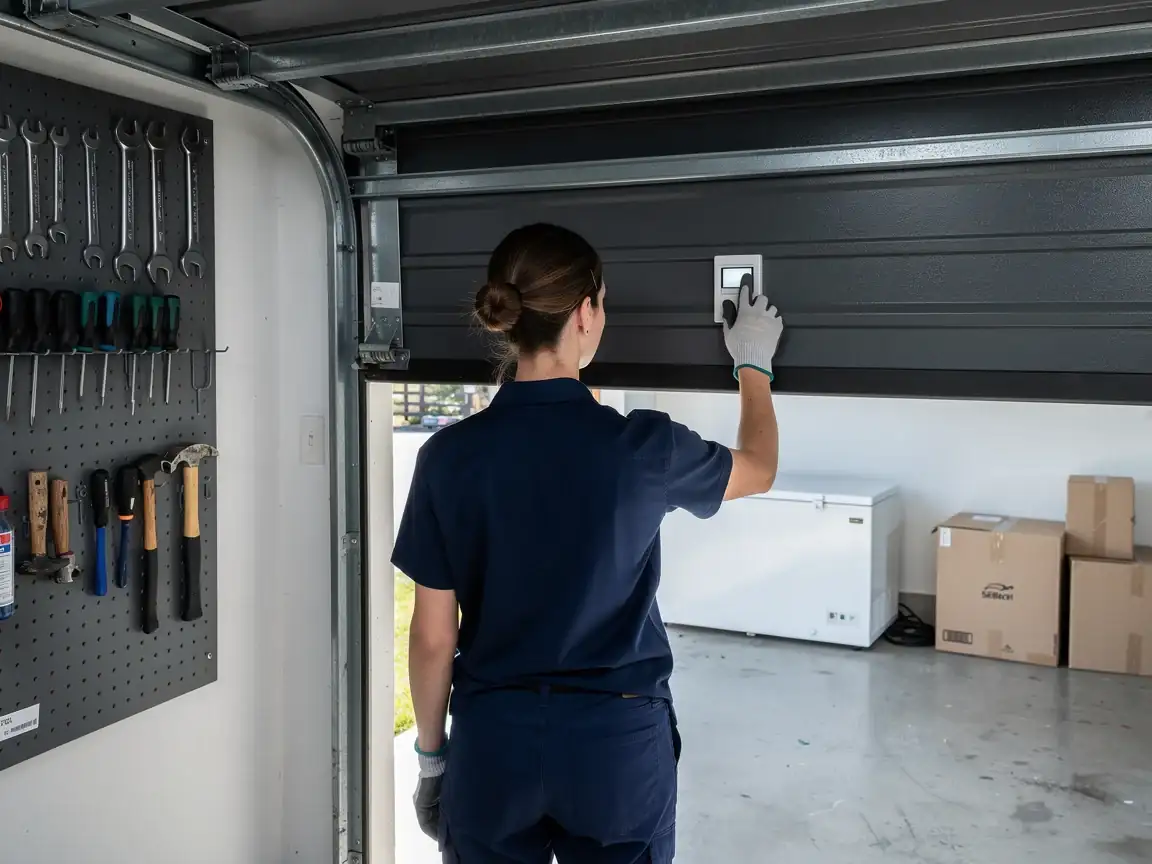
The most common failure on a Fairburn call is a torsion spring that's reached its cycle limit and let go, usually without warning, usually with the door stuck halfway. Close behind that is an opener logic board that's started skipping signals - not broken outright, just unreliable, which is its own kind of annoying because it's hard to diagnose over the phone. We also see cable fraying on the drum side, especially on doors that get used multiple times a day, which is common in a household with more than one vehicle. One honest limitation: if a door's track or opening is custom-sized rather than a standard builder spec, we may not have that spring on the truck, and the trip becomes a diagnosis-and-order visit rather than a same-day fix. That's rare in a neighborhood this uniform in build year, but it happens, and we'd rather tell you that up front than have you wait on us to improvise.