What the Fix Involves
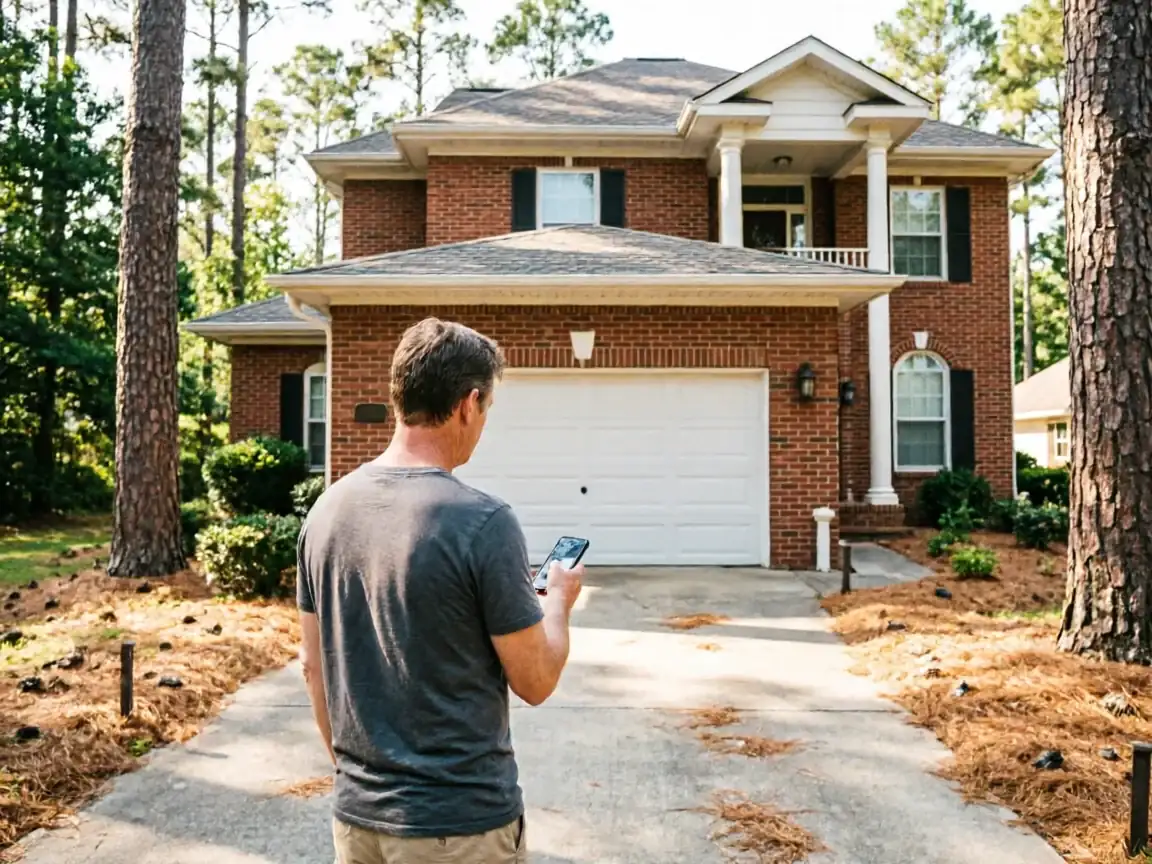
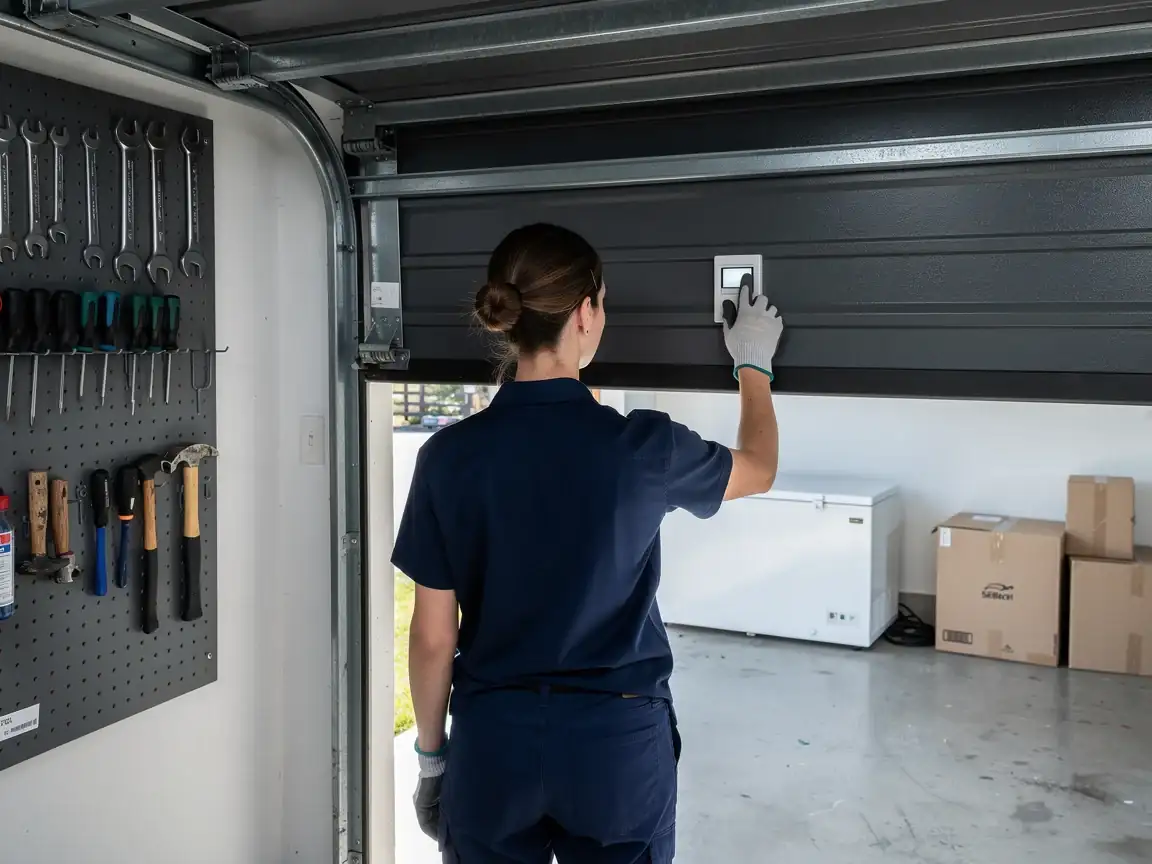
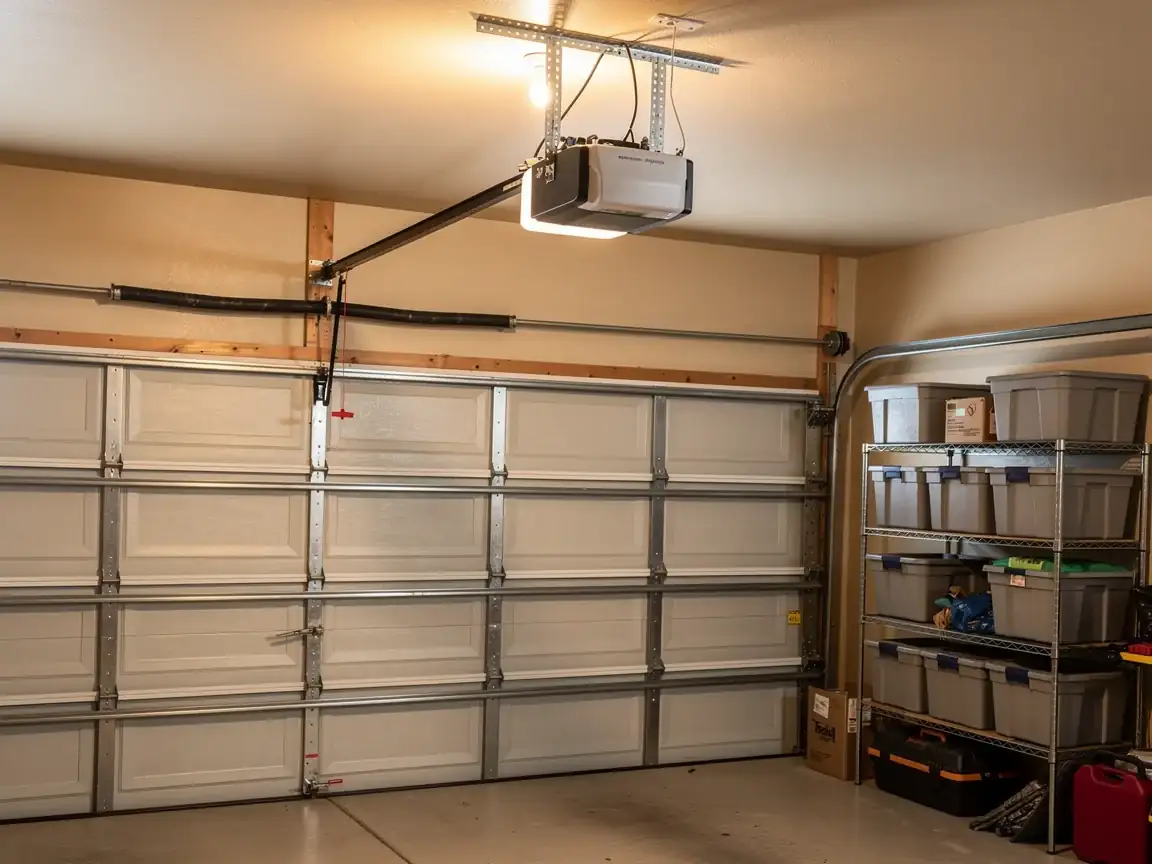
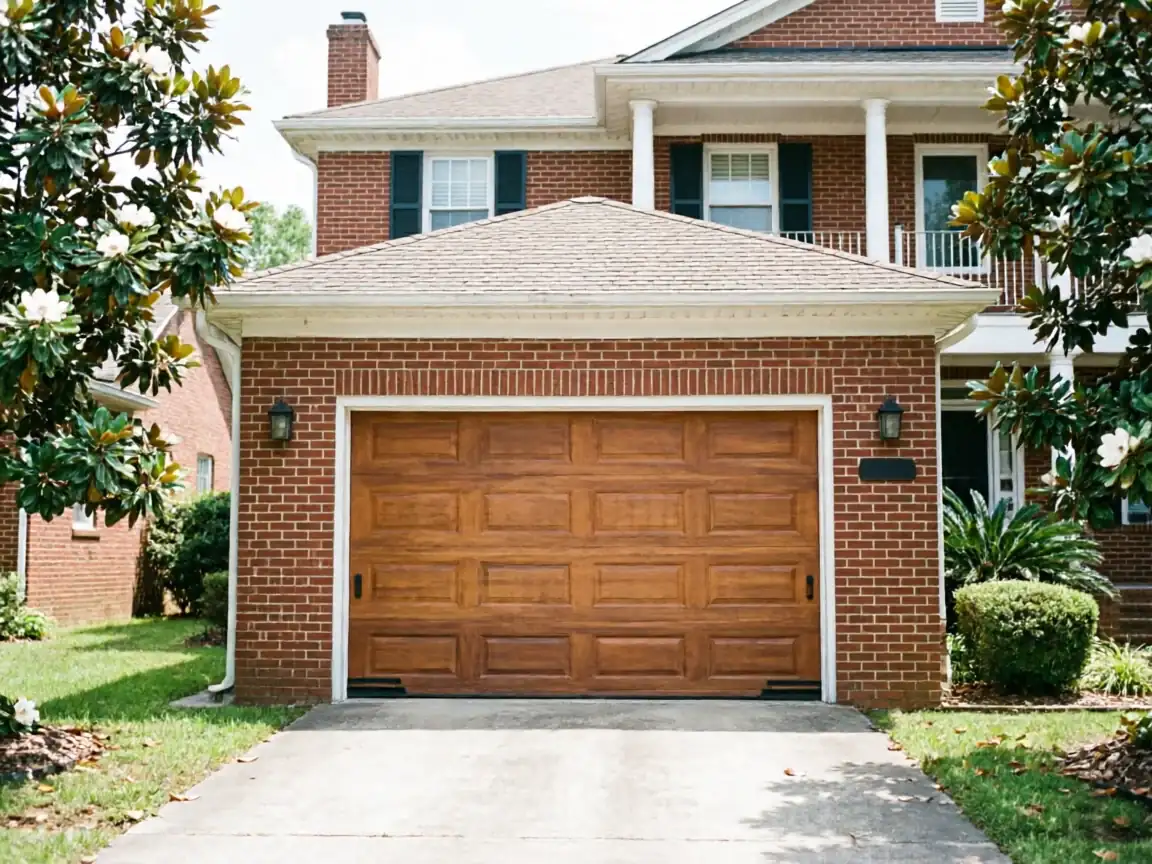
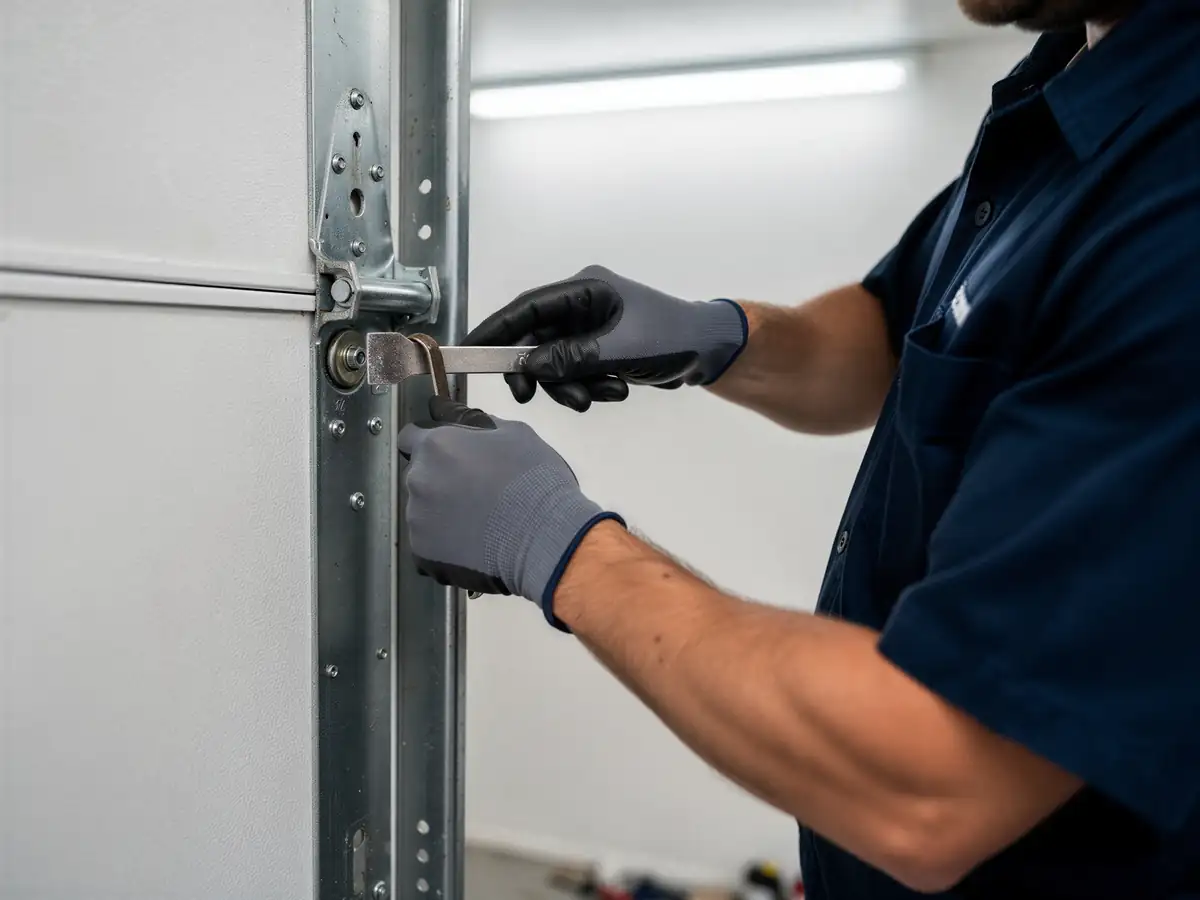
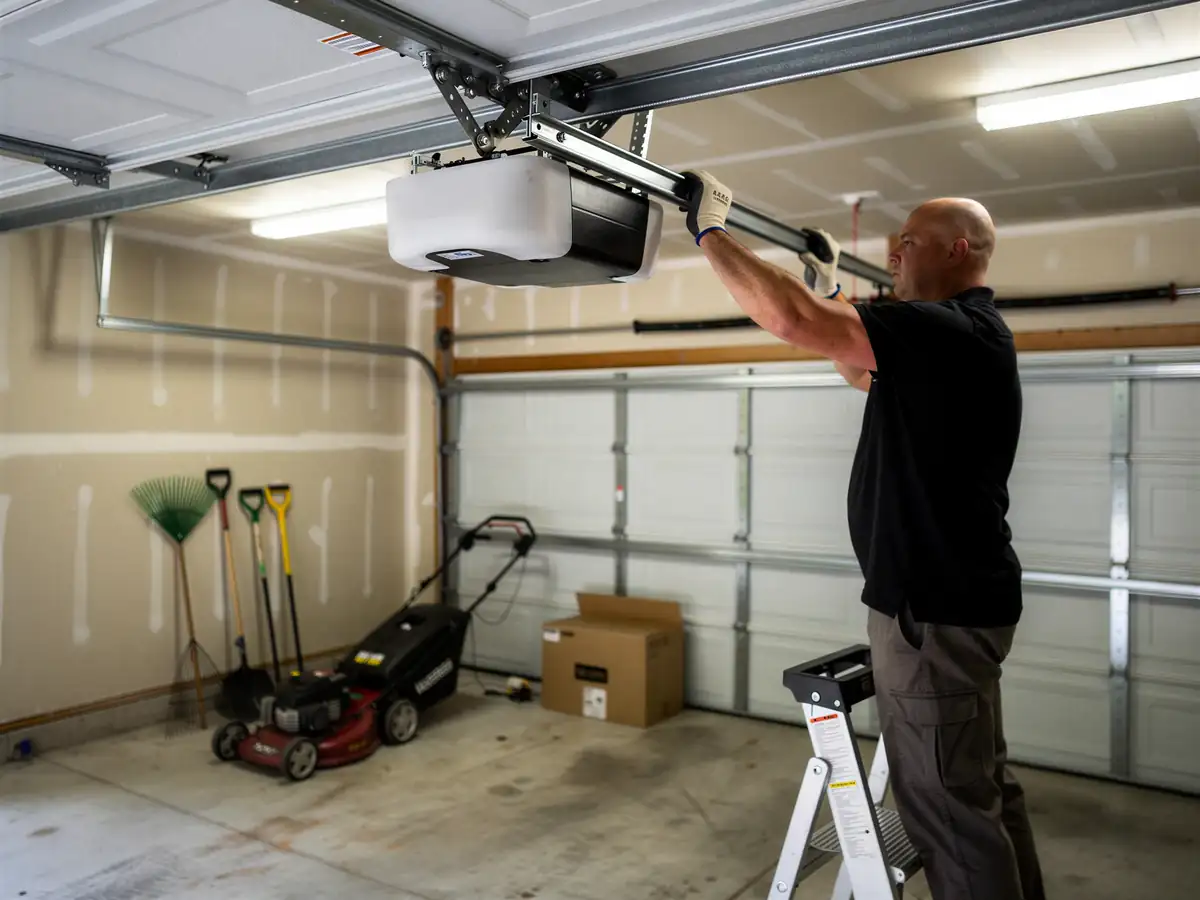
Fairburn sits about 16 miles from our shop in Newnan, and the houses we get called to out here skew newer than what we see closer to home. Across the wider service area, median build year lands around 1994, with houses going up anywhere from 1964 to 2005. Fairburn's own stock centers closer to 2004 - a full decade younger. That decade matters for an opener call. A house built in 2004 almost certainly came with a chain or belt-drive opener with a circuit board, a safety-reversal sensor pair, and a wall console wired for it, not a bare pull-cord unit from the 1970s. When we show up, the fix usually starts with the logic board or the sensor alignment, not with rewiring knob-and-tube or replacing a rail nobody makes parts for anymore. We check the drive gear, test the force and travel limits, swap the capacitor or board if that's the failure, and realign sensors that have drifted out of true - a common cause of a door that reverses for no visible reason. We bring the diagnostic tools needed to tell a dying board from a bad sensor from a worn gear, because on a 2004-era opener those three failures look identical from the garage floor.
Why It Happens Here
Newer construction doesn't mean trouble-free, it means a different set of trouble spots. Opener units installed when a lot of Fairburn's housing went up in the early 2000s are now past 20 years old, which is the age range where circuit boards, capacitors, and drive gears start to go regardless of how well the door itself has held up. The climate band here is cold-moderate, so we don't deal with the extreme heat-cycling that wrecks electronics in the Deep South, but winter cold snaps still stiffen grease in the drive mechanism and can make a marginal capacitor fail on the first cold start of the season. Household income in Fairburn runs higher than the service-area median of $71,597, and homeowners here are more likely to have had a smart or Wi-Fi-enabled opener installed at some point - which adds a layer of app pairing and firmware quirks on top of the mechanical repair. We don't push a full opener swap just because the logic board has a fault code; if the motor and gear are sound, a board or sensor fix is usually the right call. See our full rundown of garage door service in the area at /fairburn-garage-doors/.
What Can Go Wrong
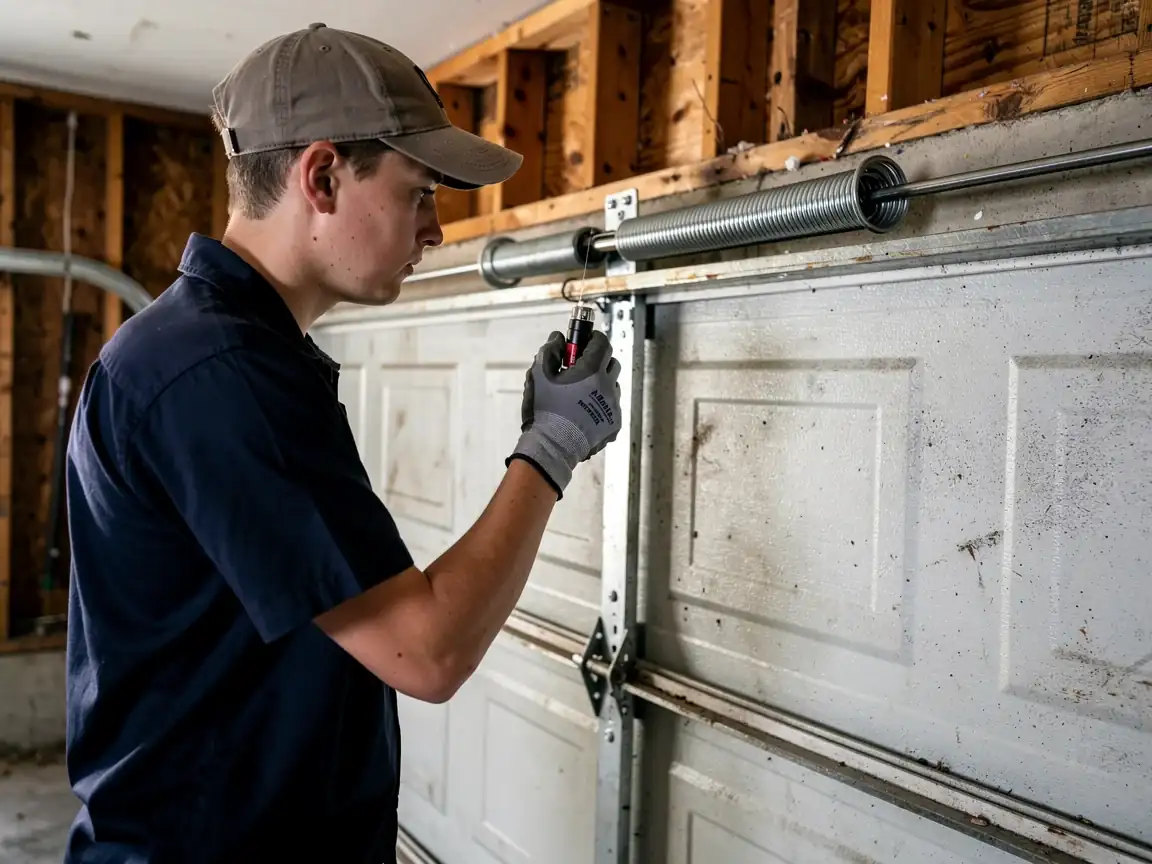
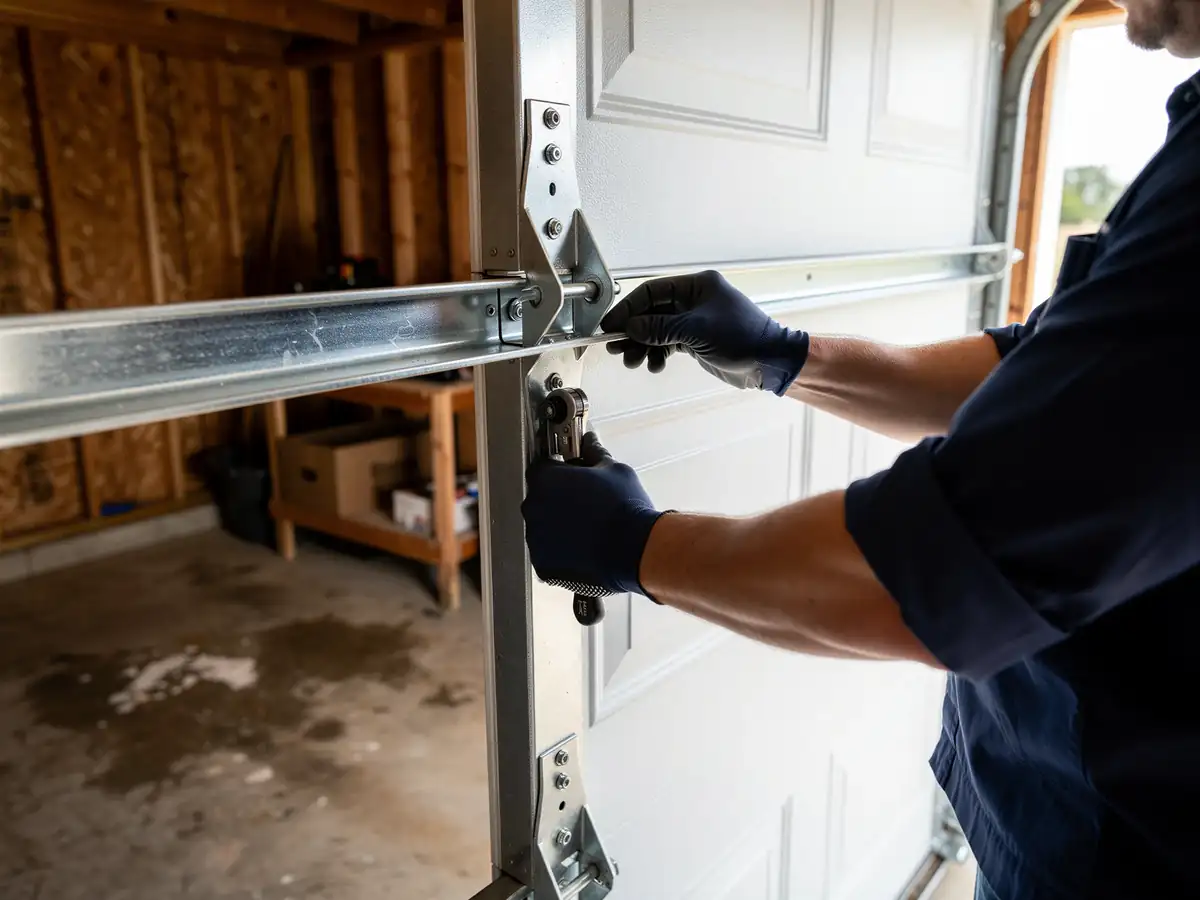
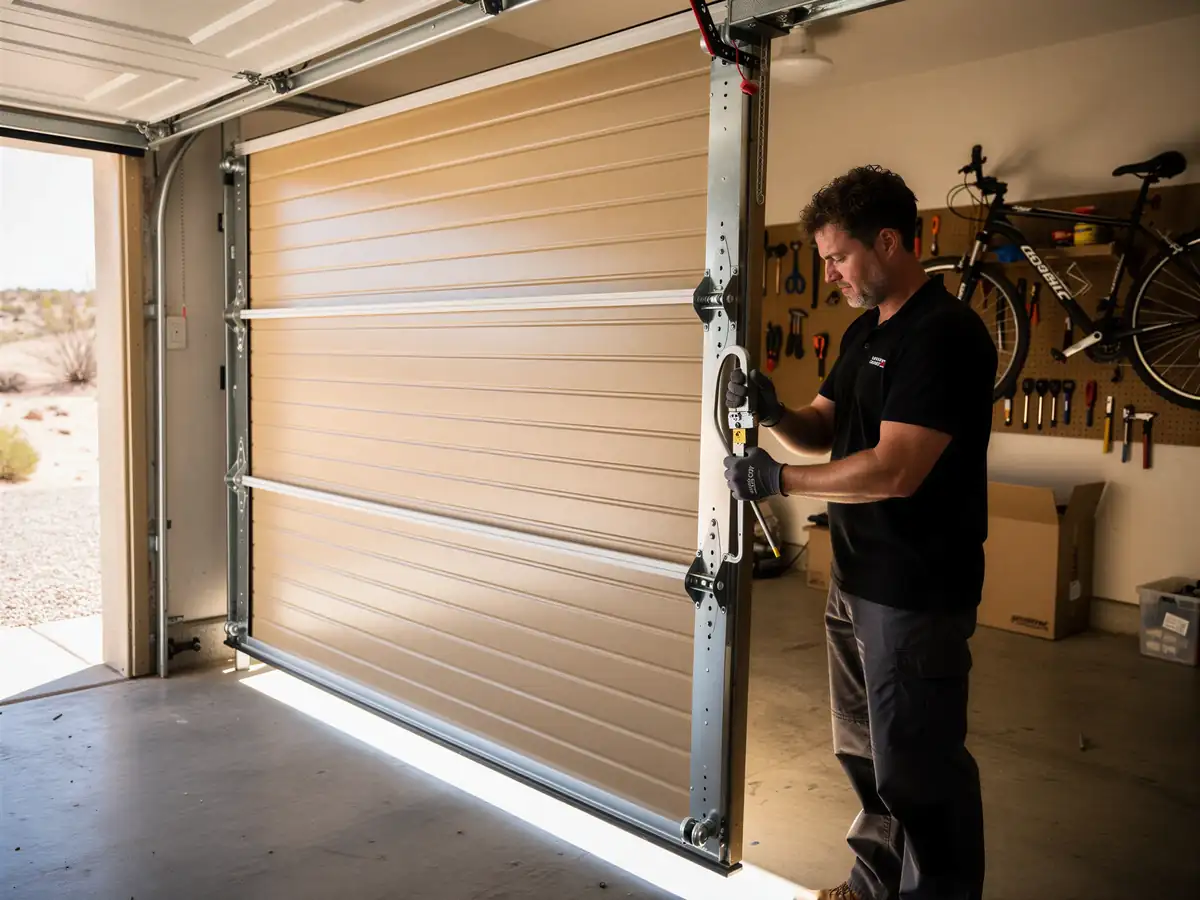
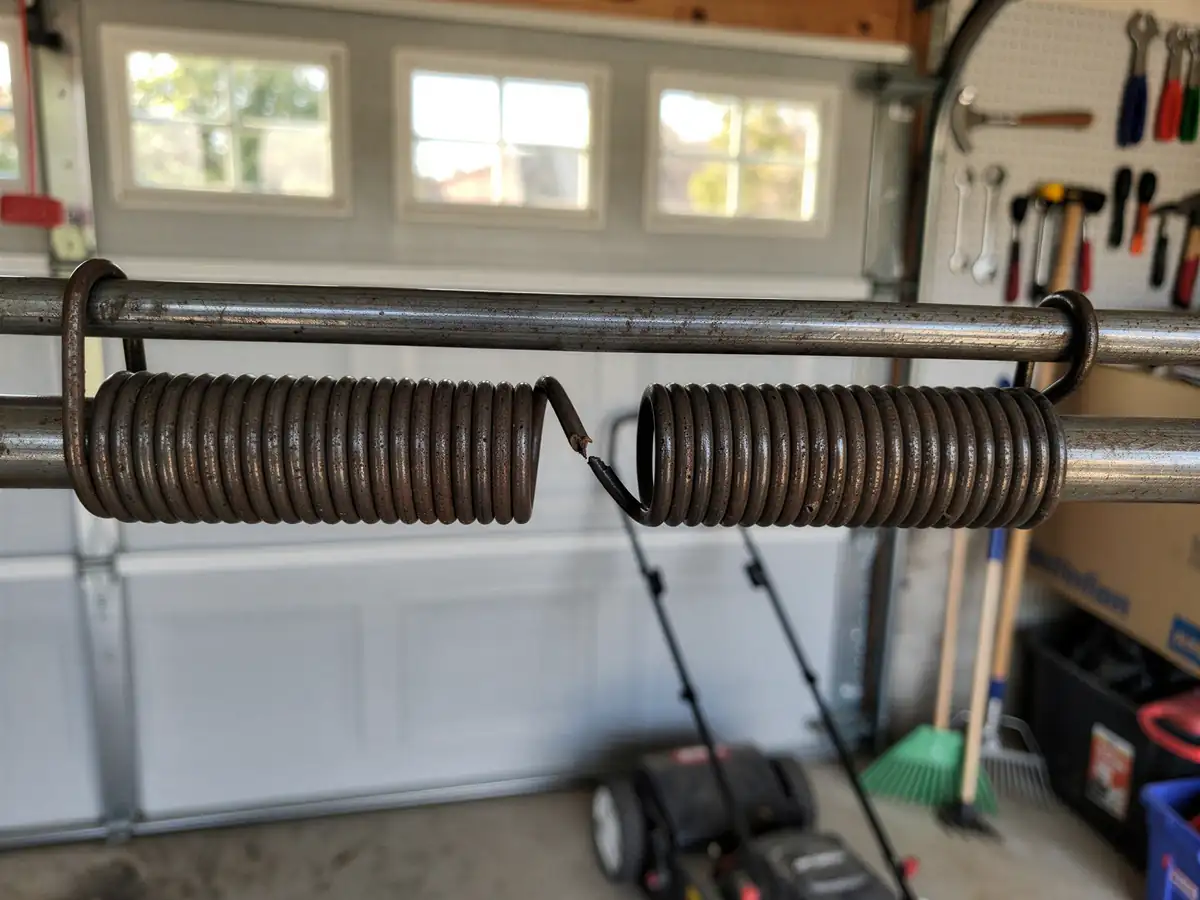
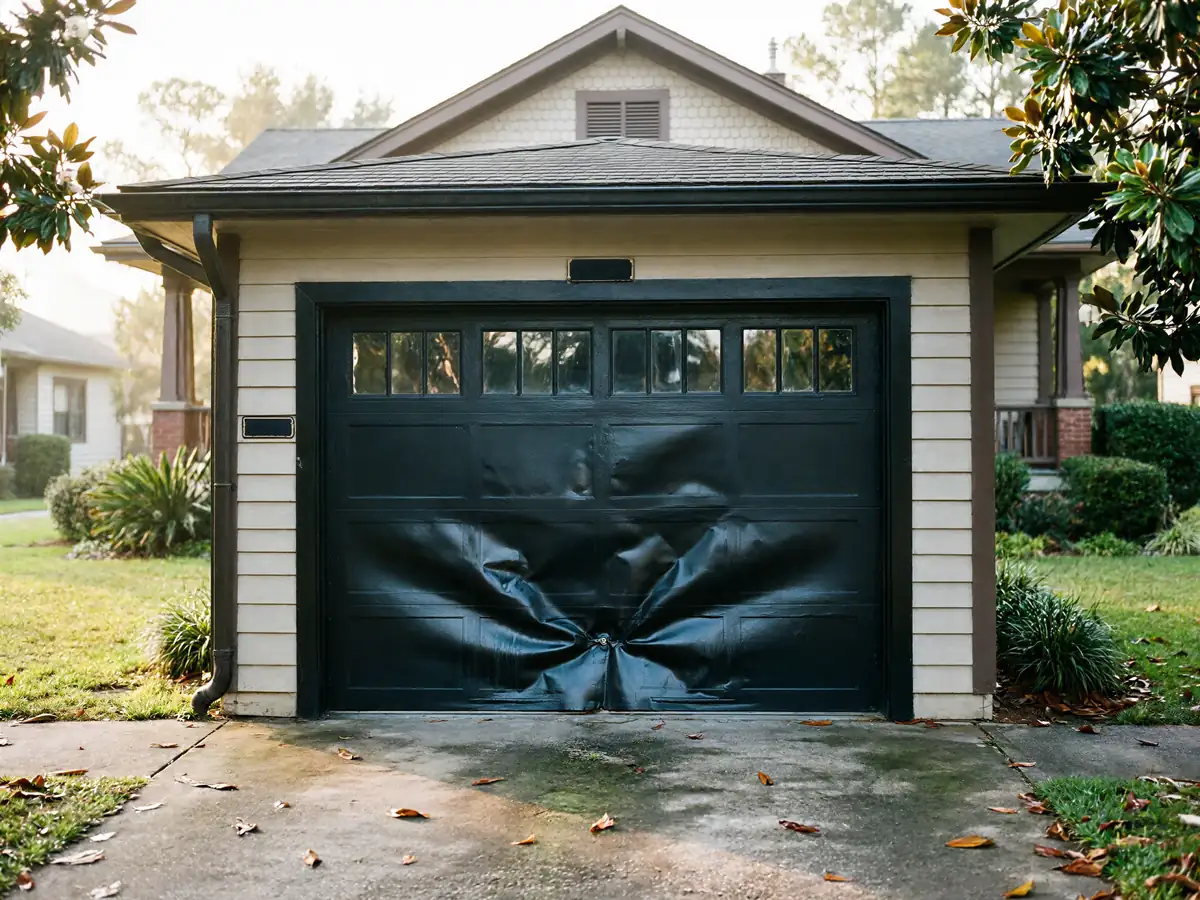
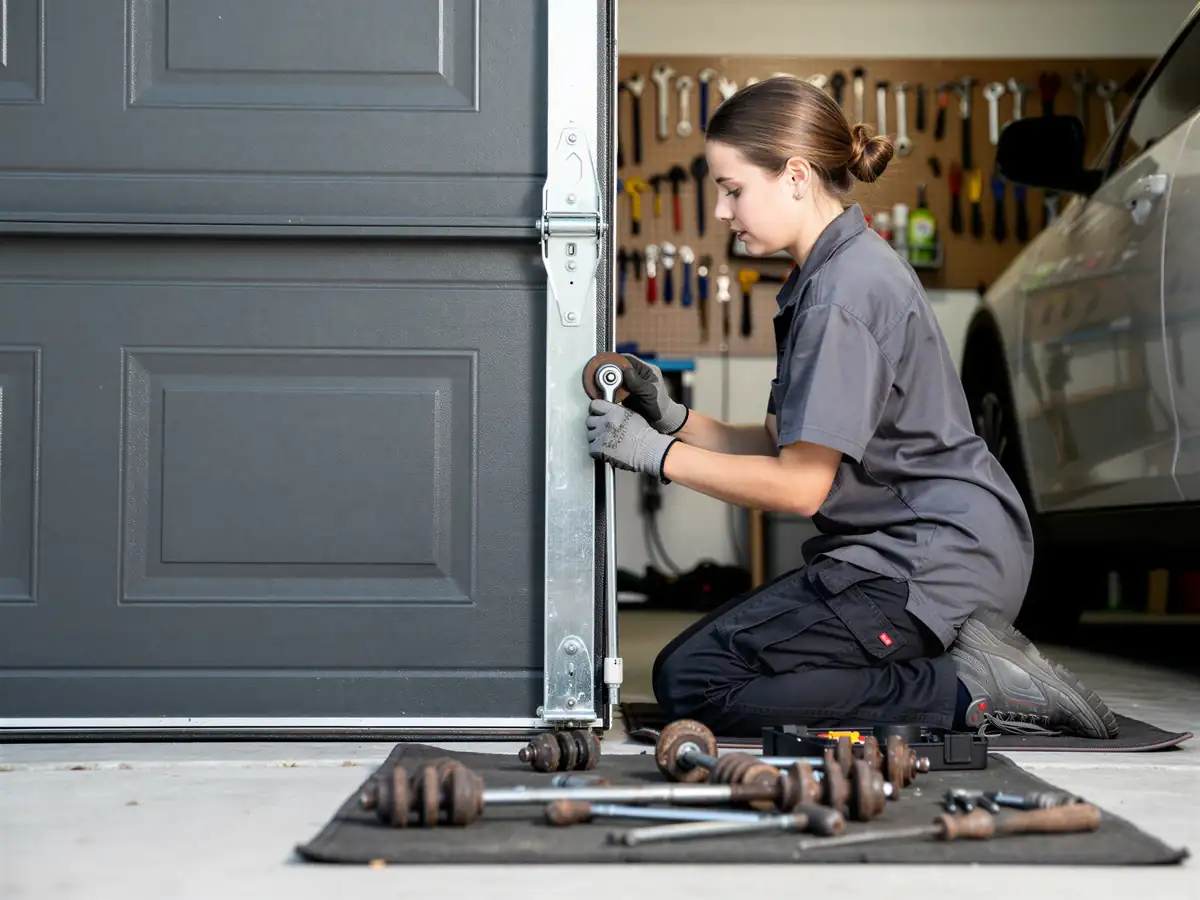
The most common misdiagnosis on a house this age is blaming the opener for a problem that's actually the door. An opener built in the early-to-mid 2000s is designed to work against a specific amount of resistance; if the torsion spring has weakened or a roller has seized, the opener strains, trips its force sensor, and looks like it's failing when the motor and board are fine. We check door balance before we touch the opener for exactly this reason. On the opener side itself, the real risk with a 20-year-old unit is a board failure that takes out the sensor circuit at the same time, which can make a straightforward sensor realignment turn into a board replacement mid-job. We tell homeowners up front when a repair isn't worth it - if the motor has burned out and the unit is at the end of its practical life, patching it with a used board is a short-term fix, and replacement is the honest answer. Details on opener work across our full Newnan coverage area, including parts availability and what else we handle, are at /garage-door-opener-repair-newnan-ga.