What the Fix Involves
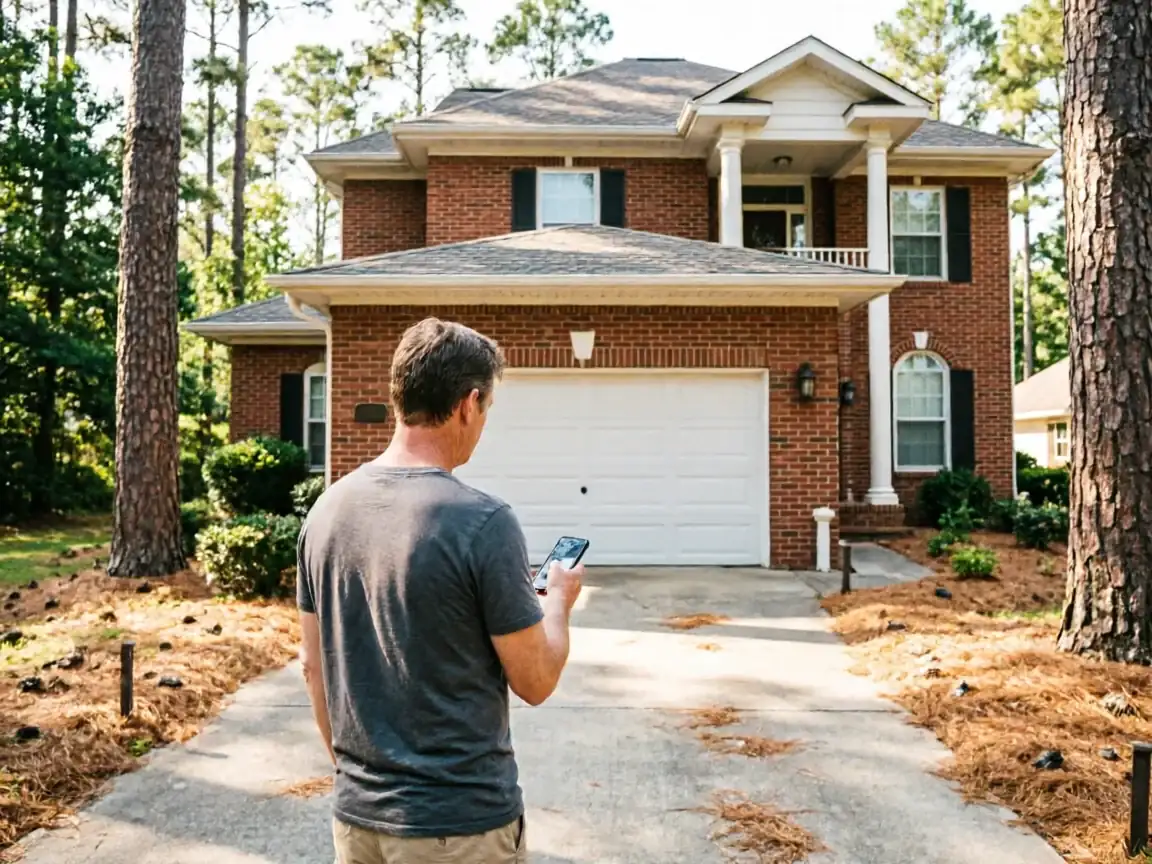
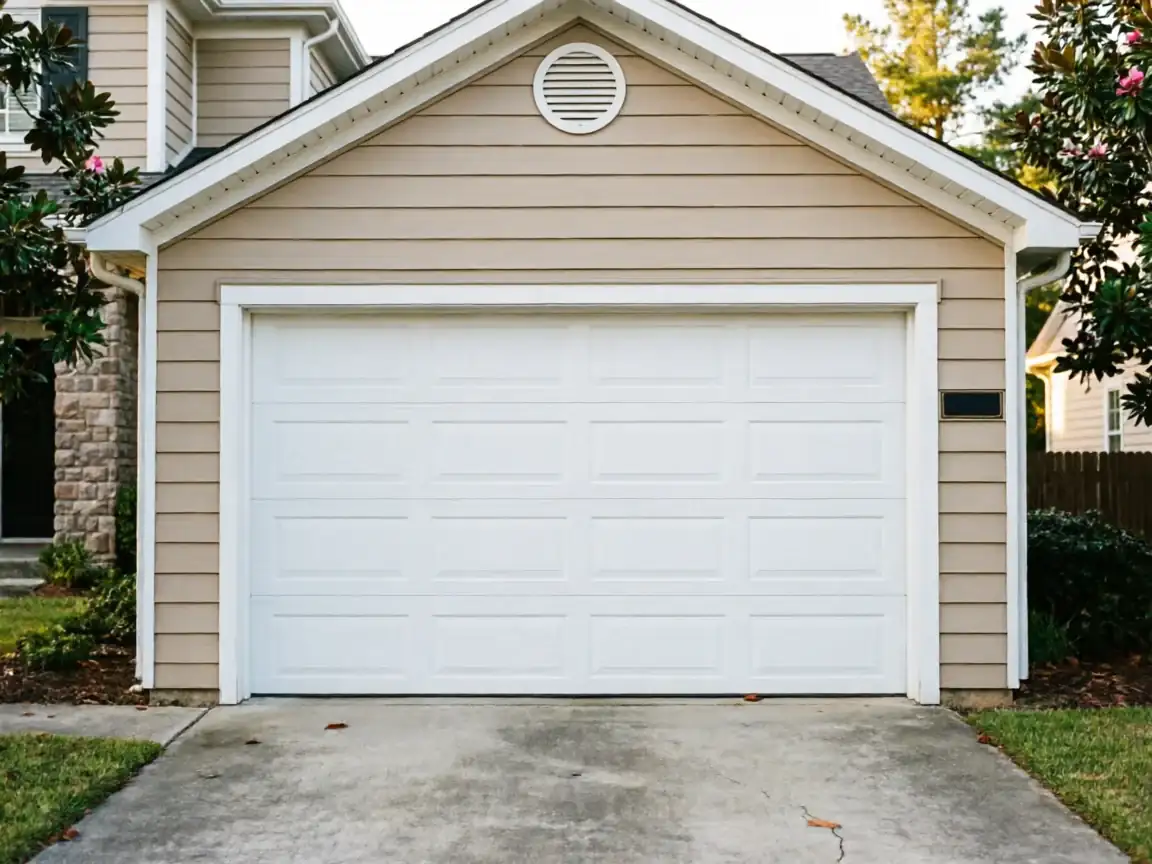
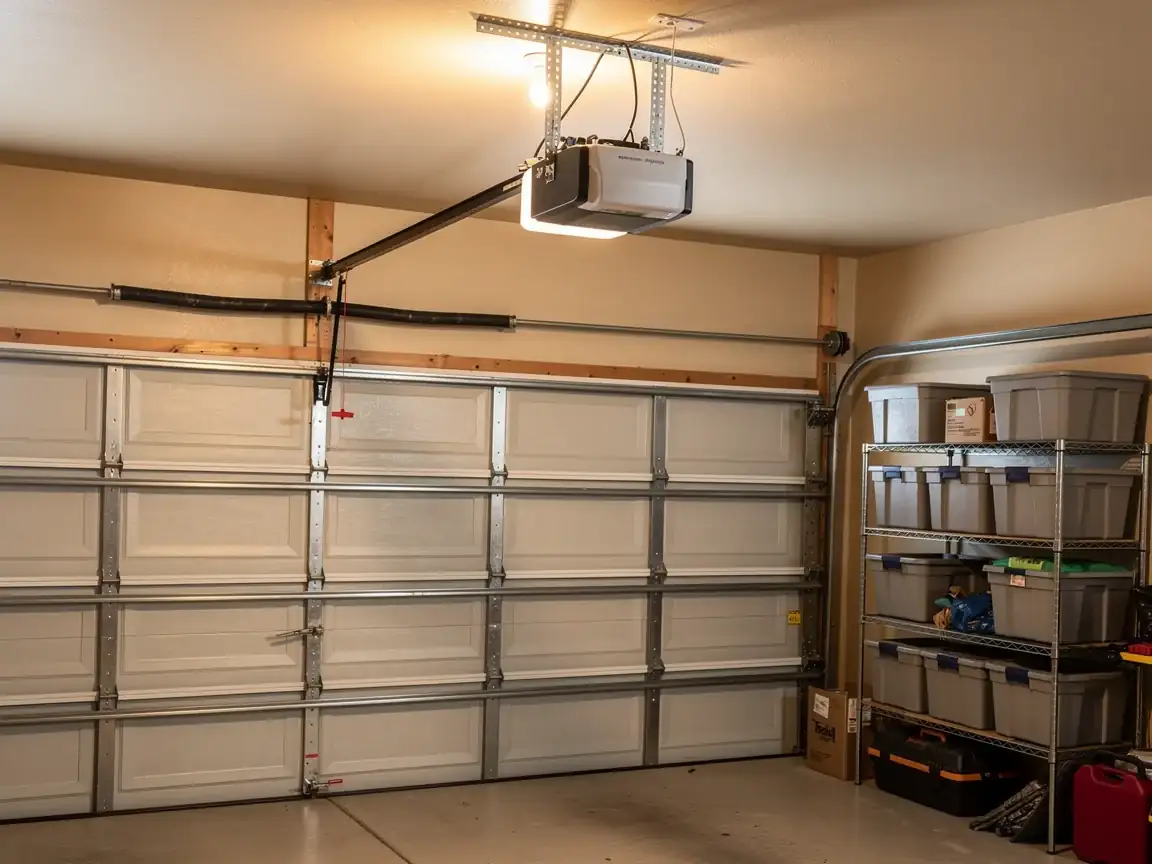
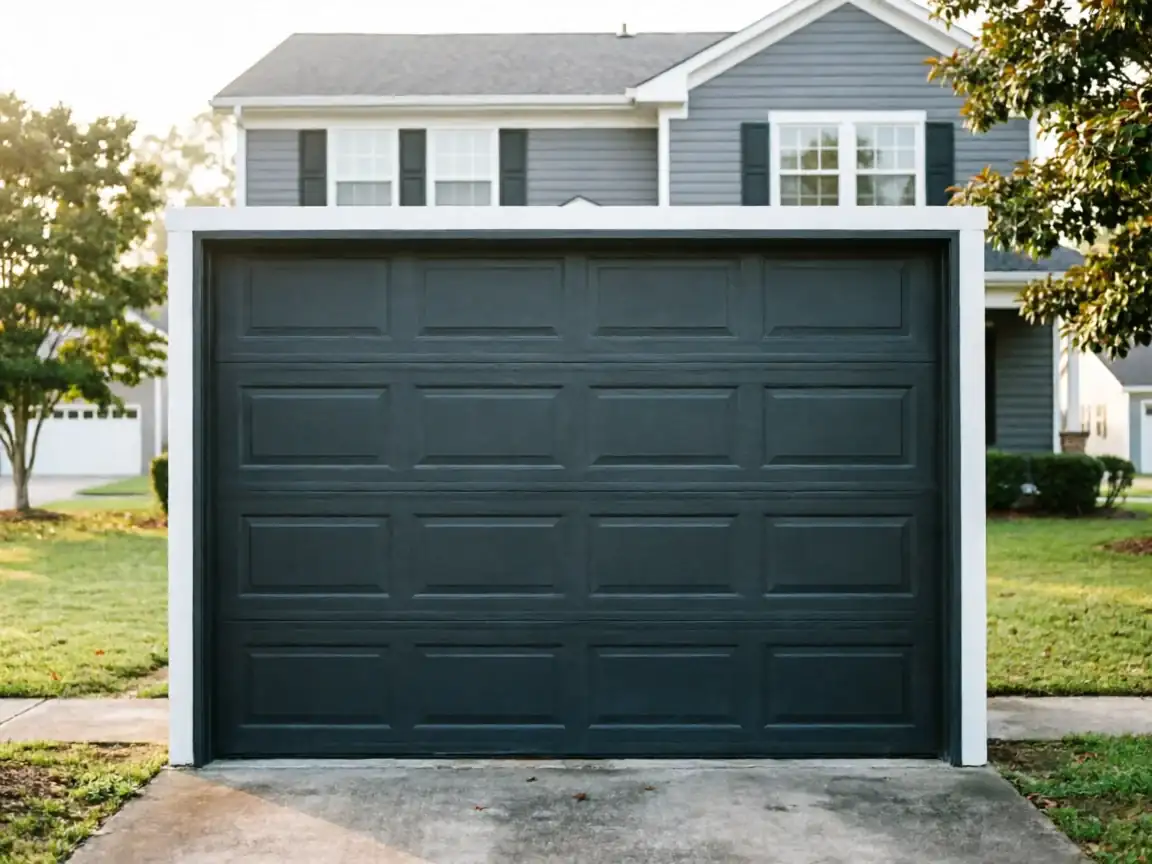
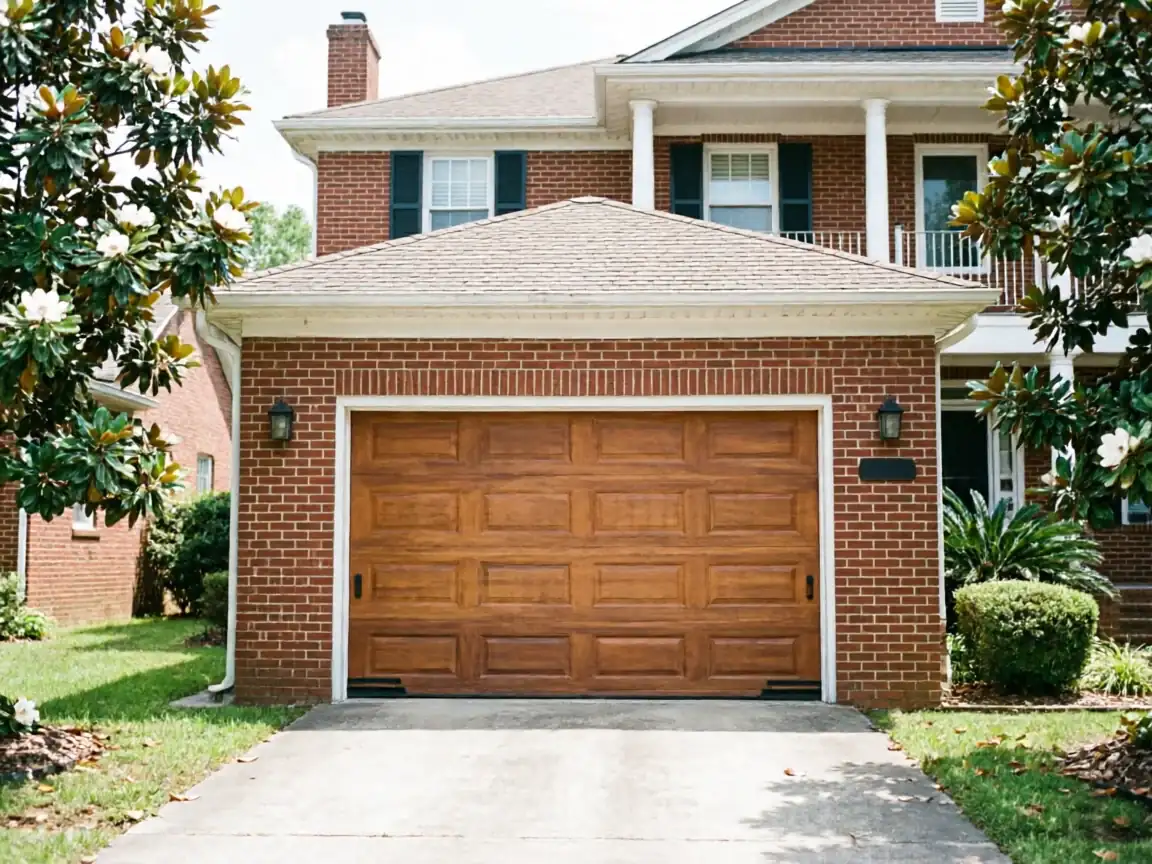
Most of the garage doors we see in Fairburn went up around 2004, which puts this part of the service area at the newer end of the 1964-2005 build range we work across. That matters for panel replacement because these aren't the heavy one-piece or early steel doors you find in older sections of the territory. They're builder-grade steel sectional doors, usually 24- or 25-gauge, with a foam core and an embossed raised-panel face meant to look like carriage house wood from the street.
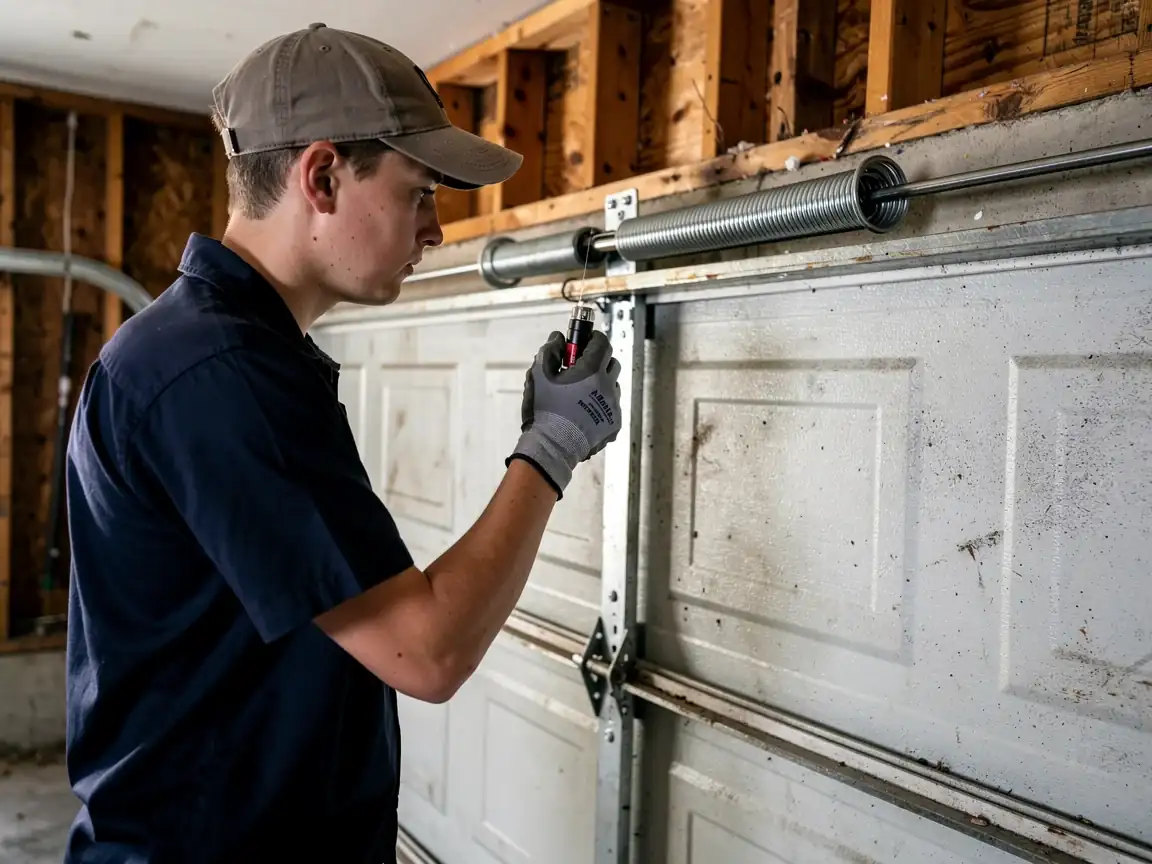
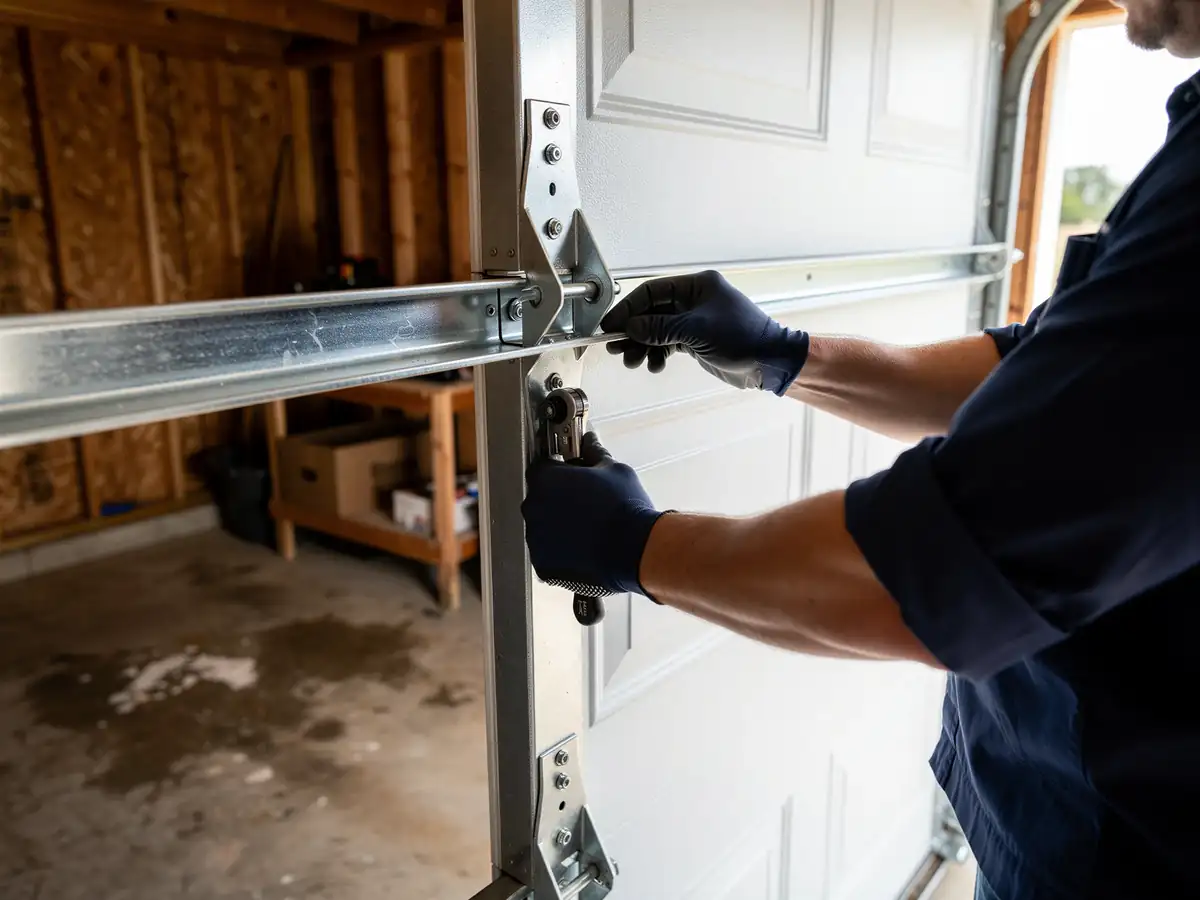
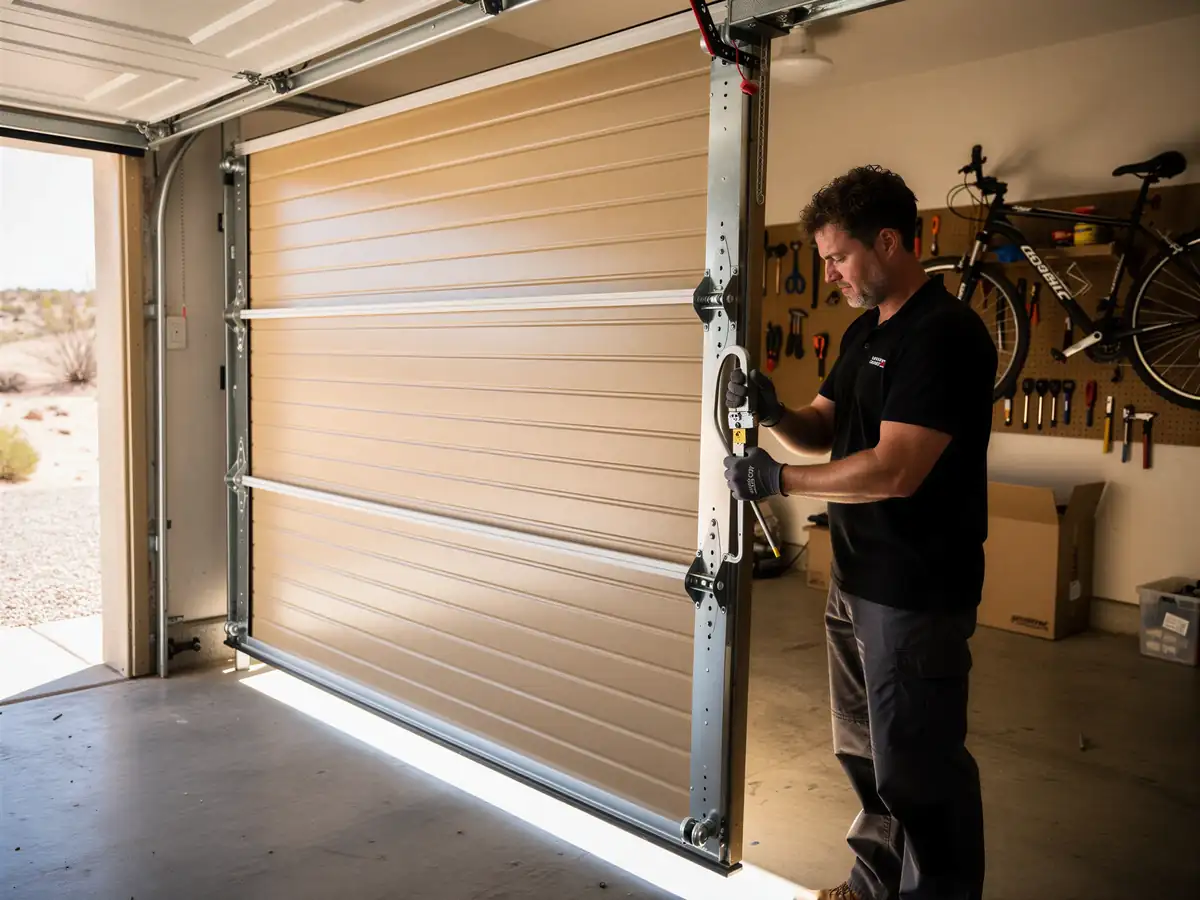
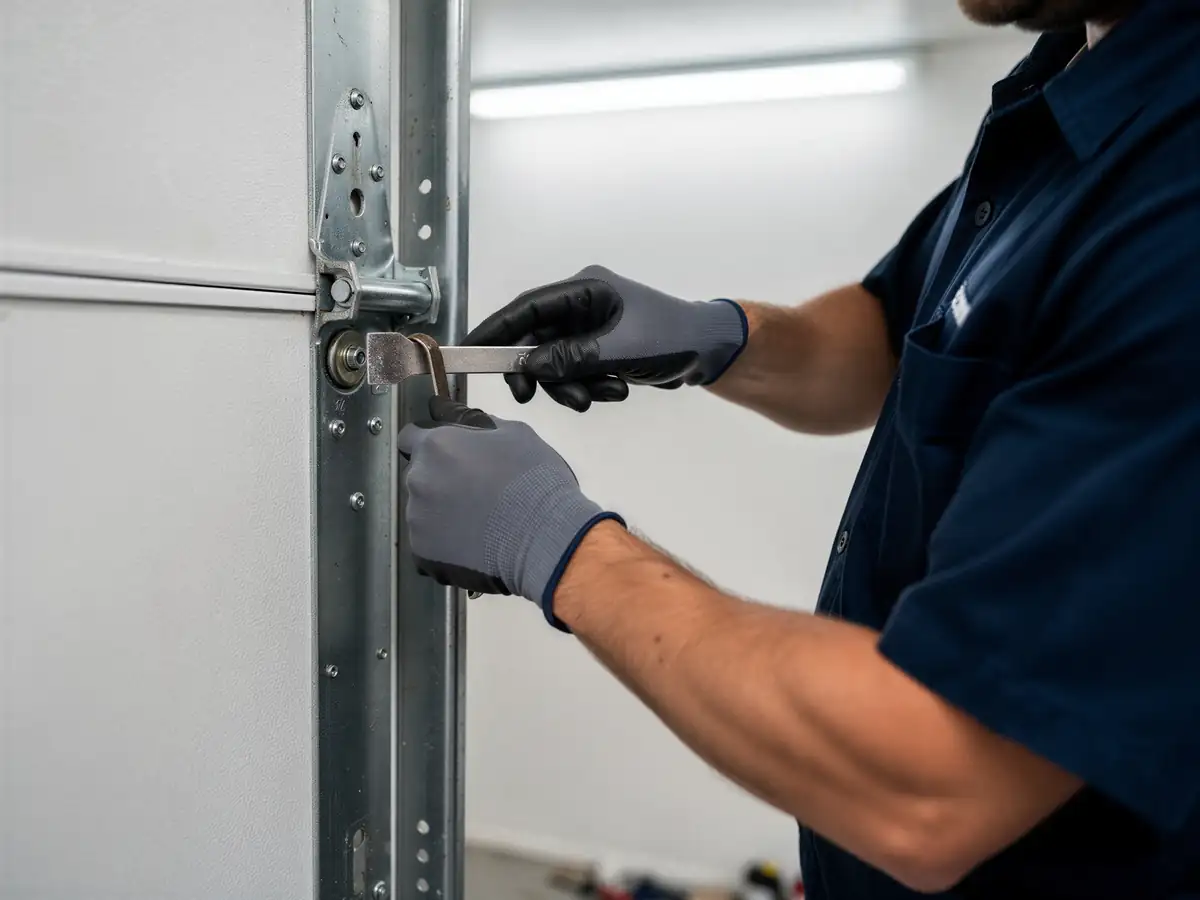
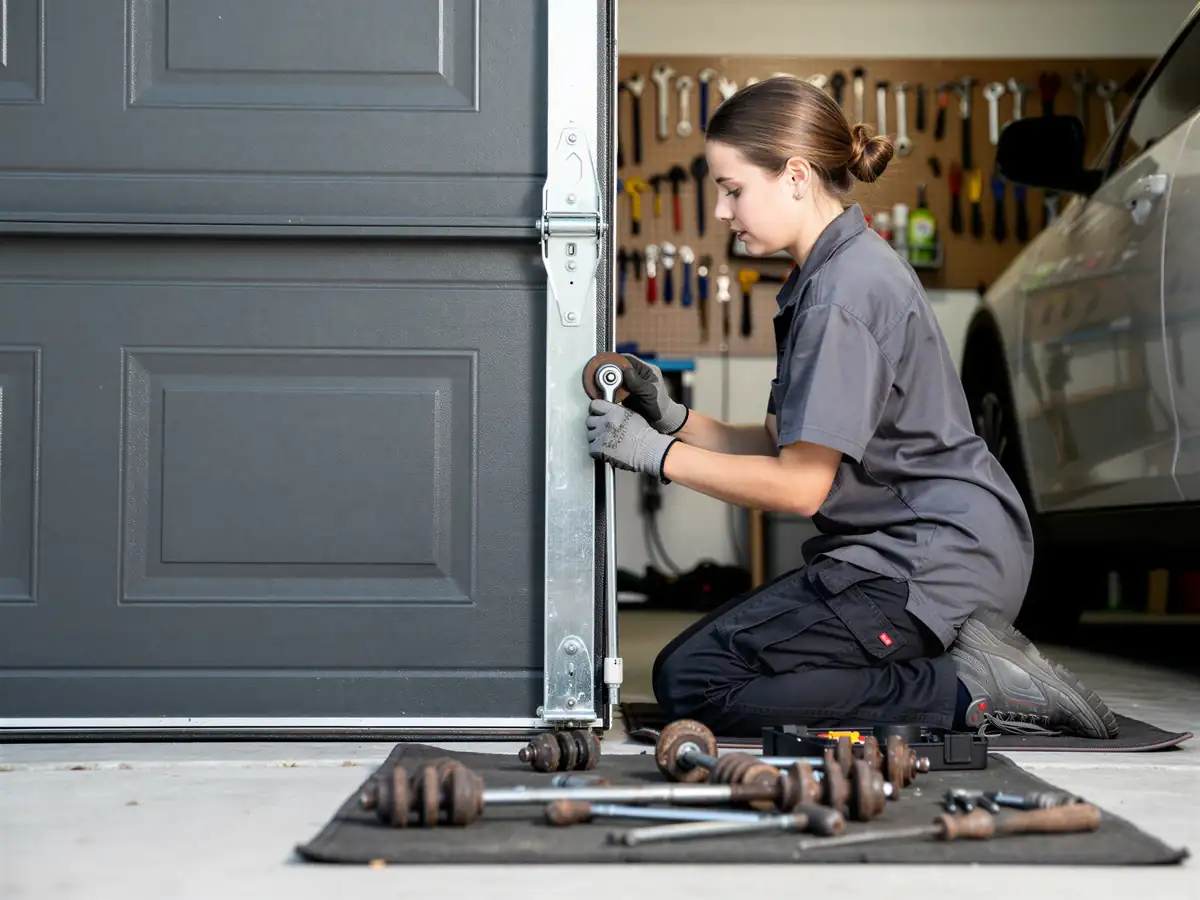
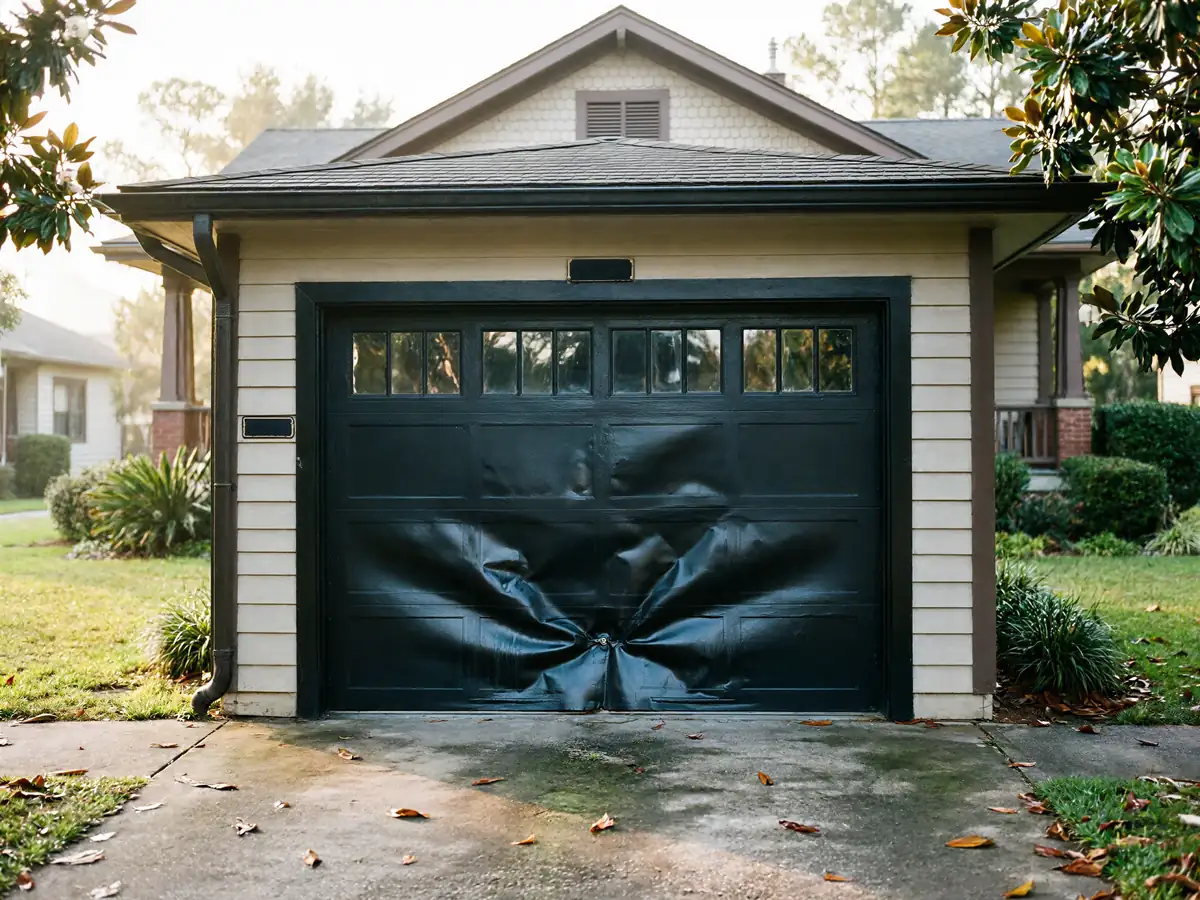
The fix itself is straightforward on paper: unbolt the damaged section, swap it for a matching one, rehang and re-tension. The work gets harder when the exact panel profile from a 2004 build run isn't made anymore. We pull the door's brand and model off the hinge stickers or end stile first, because that tells us whether we're ordering a true match, a close equivalent, or looking at a full door swap instead. A single bent or caved panel on an otherwise sound door doesn't need a new door - but we won't pretend a mismatched panel will look right next to twenty-year-old baked-on paint either.
Why It Happens Here
Fairburn sits about 16 miles from our Newnan shop, and the houses out this way tend to run newer than the service area average - median income here runs higher too, around $89,276 against the broader area's $71,597, which tracks with the kind of production-built subdivisions that went up through the late 1990s and early 2000s. Those subdivisions used a narrower range of door brands and styles than the mixed older stock closer to Newnan, which helps on sourcing but doesn't eliminate the problem.
The damage pattern here is mostly impact, not age. A trailer hitch, a basketball, a car bumper that caught the bottom section wrong - at twenty years old the steel's thin enough that one solid hit caves a panel rather than just denting it. We also see cracked or yellowed panel sections from UV exposure on south-facing doors, since the cold-moderate climate here still puts doors through real freeze-thaw cycles that stress foam-core panels at the seams over two decades.
What Is on the Truck
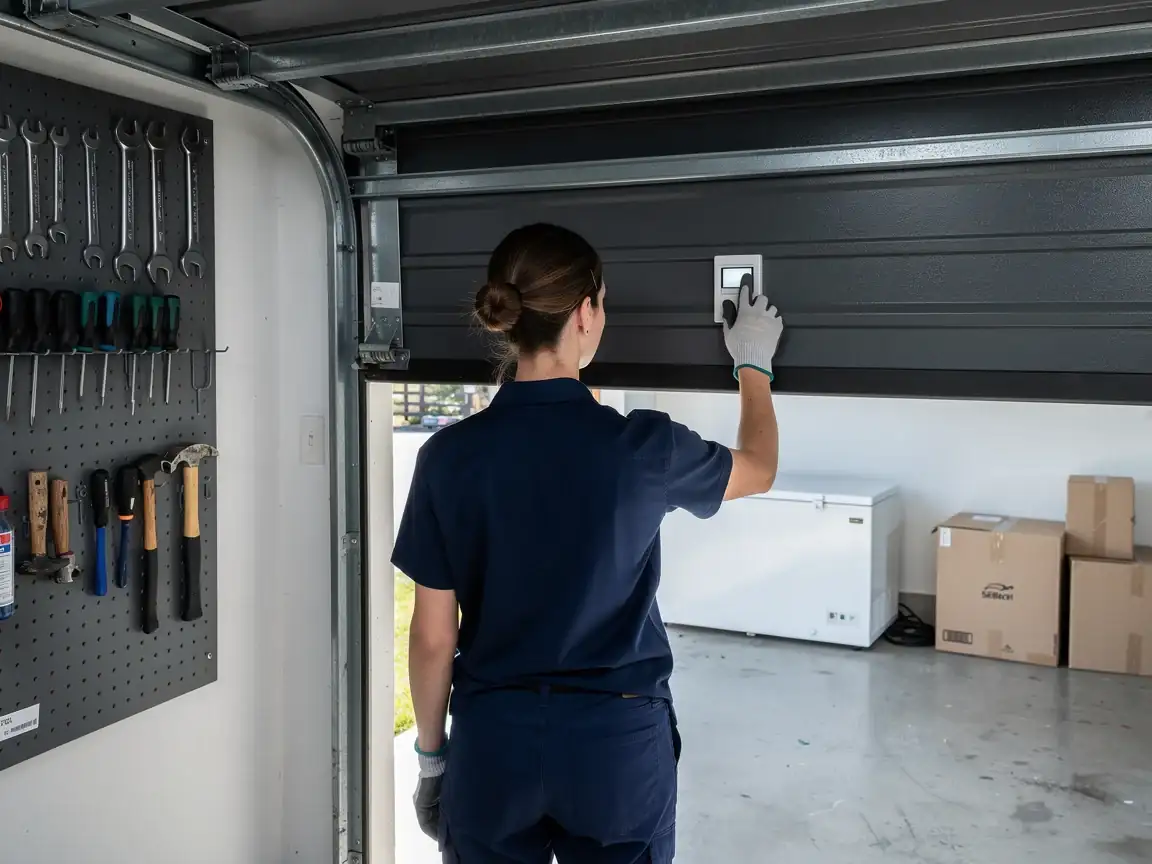
We carry a run of common steel panel sections and end caps that cover the door brands most often used in early-2000s Georgia subdivision builds, plus the fasteners, hinges, and rollers that usually need replacing alongside a damaged panel section
Matching the exact embossed pattern and color from a 2004 production run is the part we can't fully stock - paint batches and panel tooling change over twenty years, and we won't claim a shelf match we don't have.
What we do carry is the ability to measure and order the closest available match
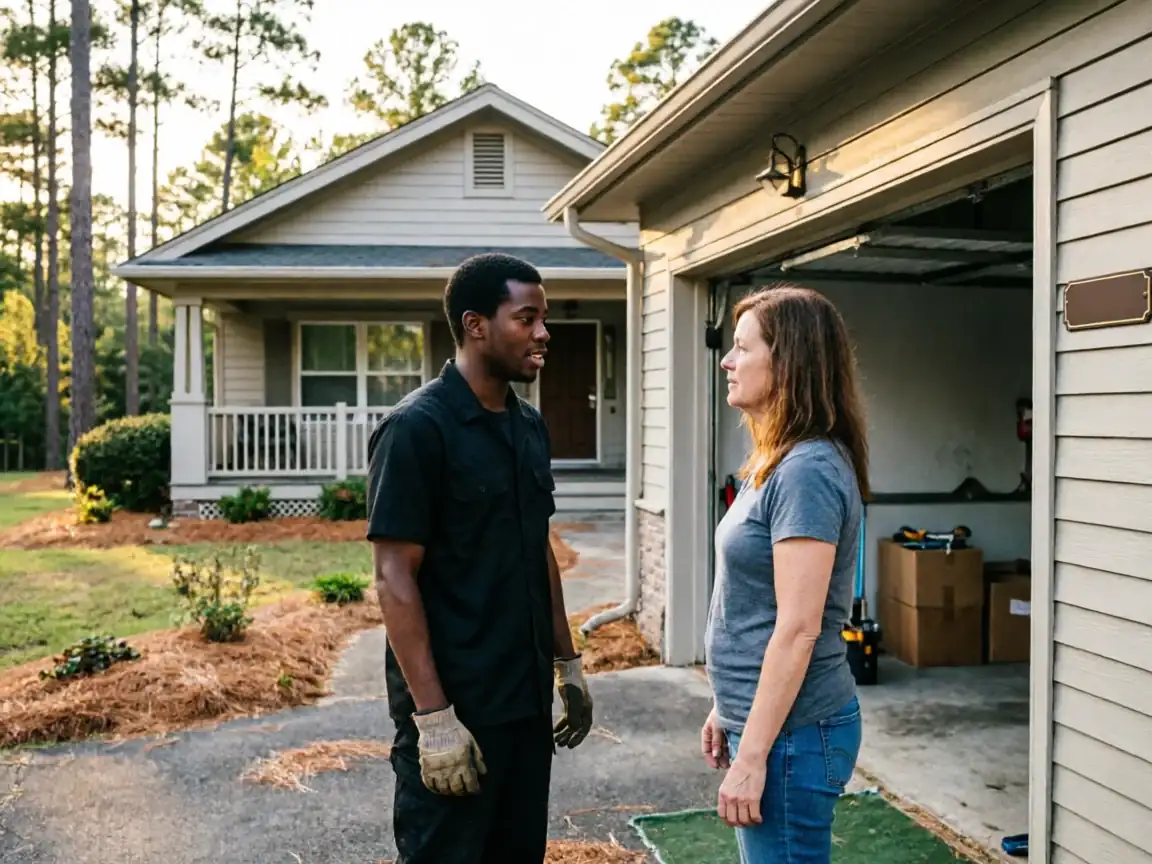
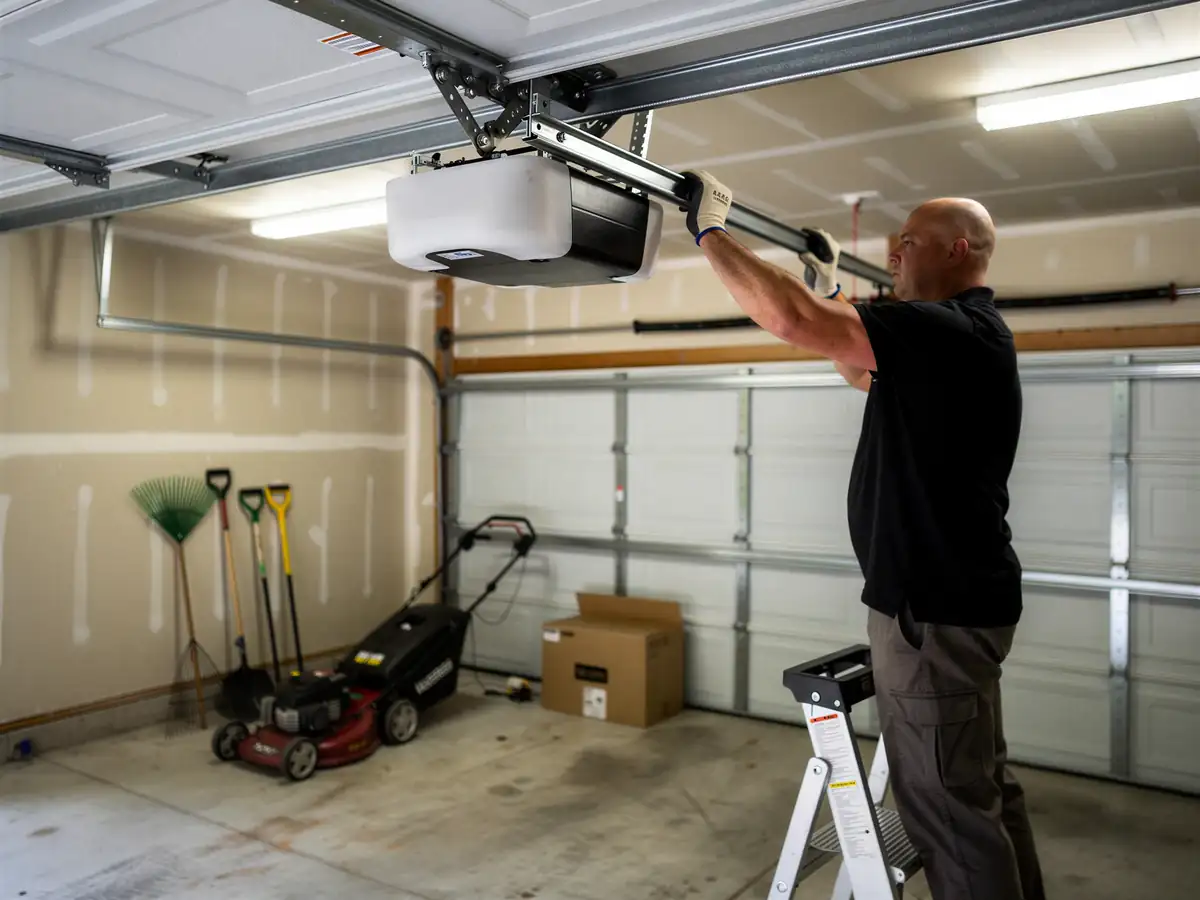
And the tools to blend a replacement section so it rides true on the existing track and springs rather than fighting them. If your door uses hardware or a panel width that's gone out of production entirely, we'll tell you that on site, before any work starts, so you're deciding with real information instead of guessing.
What Can Go Wrong
The most common surprise on a 2004-era door is panel availability. If your exact model was discontinued, you're choosing between a visibly different replacement panel, a full door replacement, or living with the mismatch on a side nobody sees from the street. We'll give you the honest read on which makes sense for your situation rather than pushing the most expensive option.
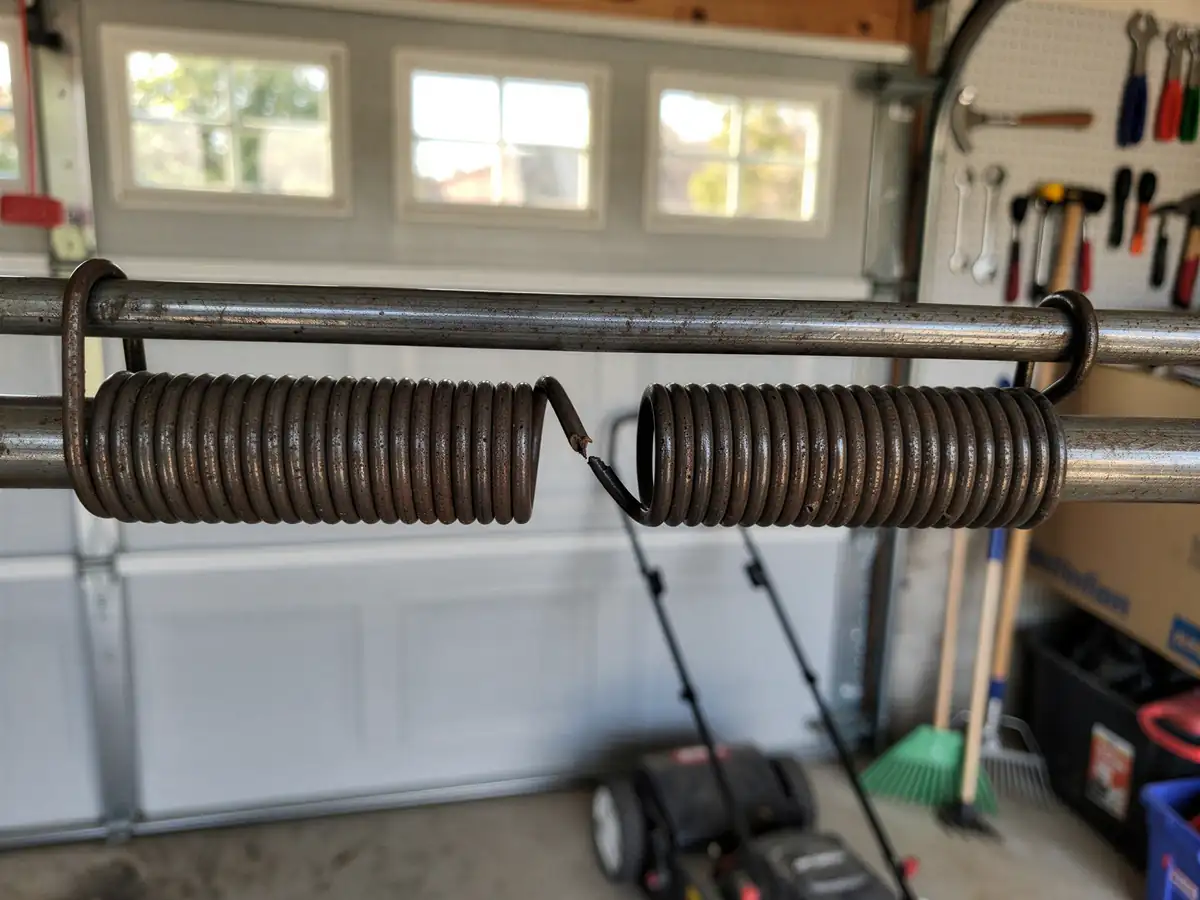
The second issue is hidden damage. A caved panel section often means the track behind it is bent too, or a roller's been forced out of its channel - swapping the panel without checking that leaves you back on the phone in a month. And on doors this age, springs are frequently close to the end of their cycle count even if they haven't failed yet; replacing a panel on a door whose spring lets go next winter isn't a great use of your money, so we'll flag that if we see it during the job.