What the Fix Involves
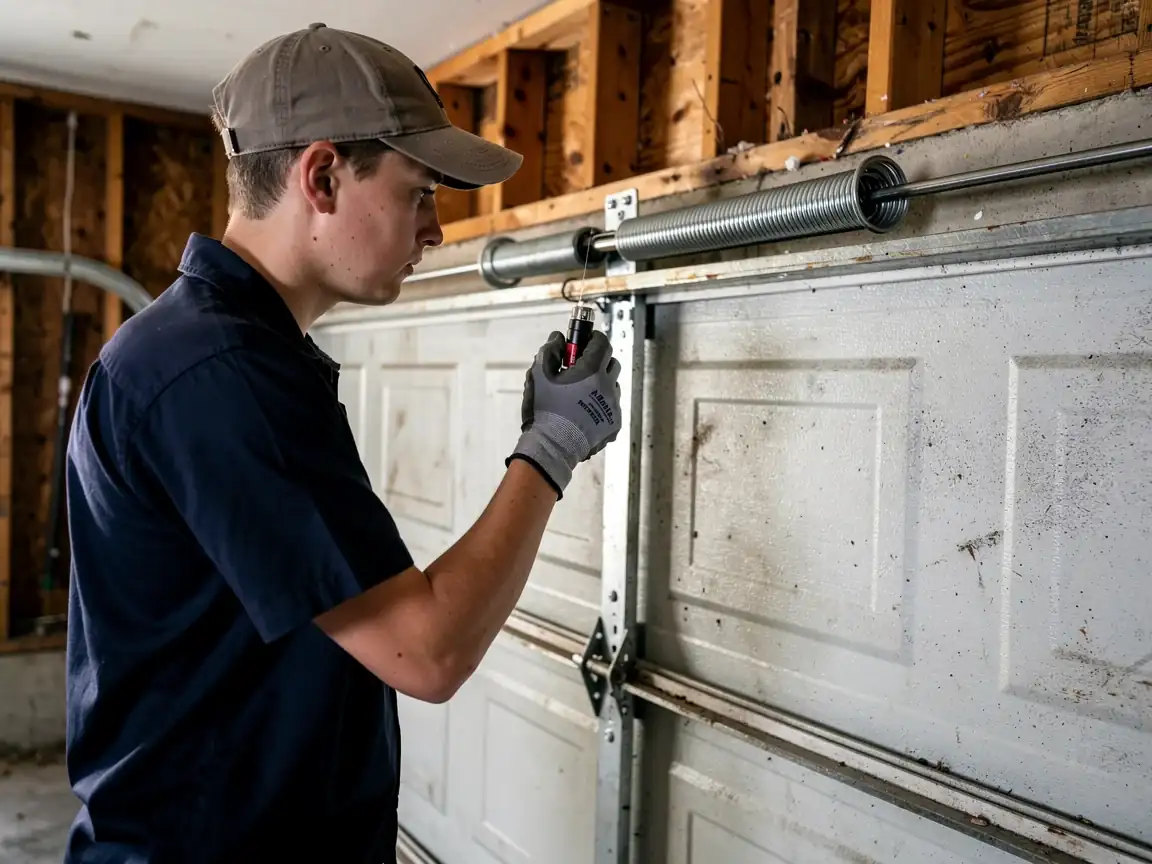
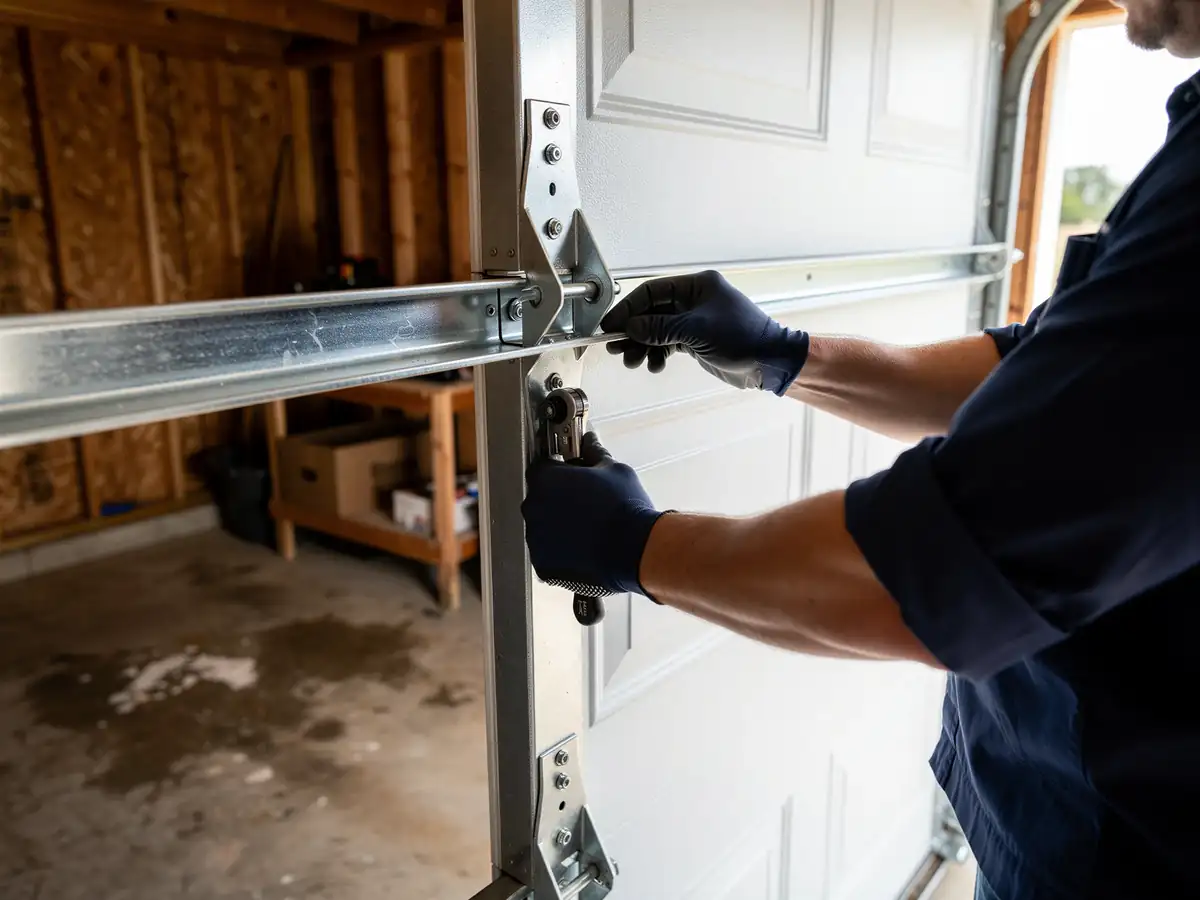
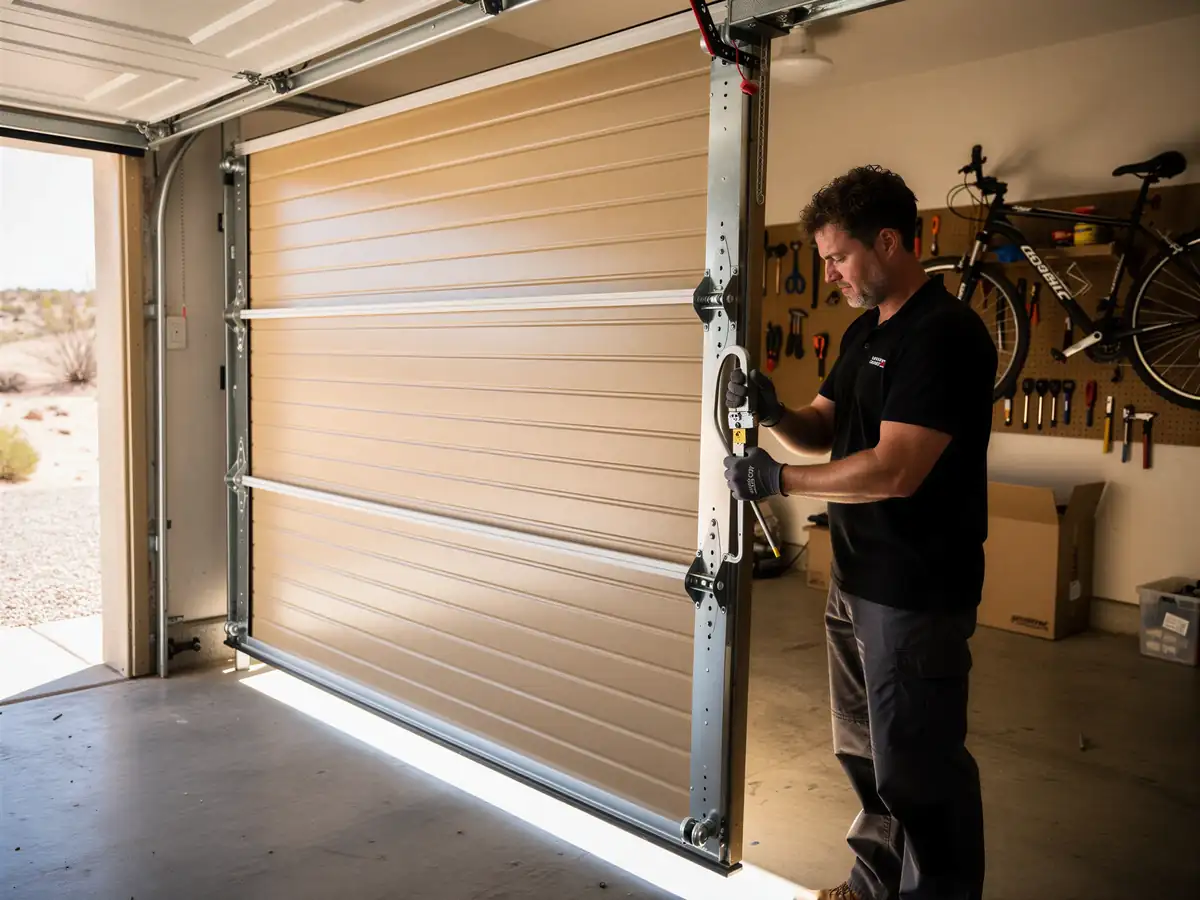
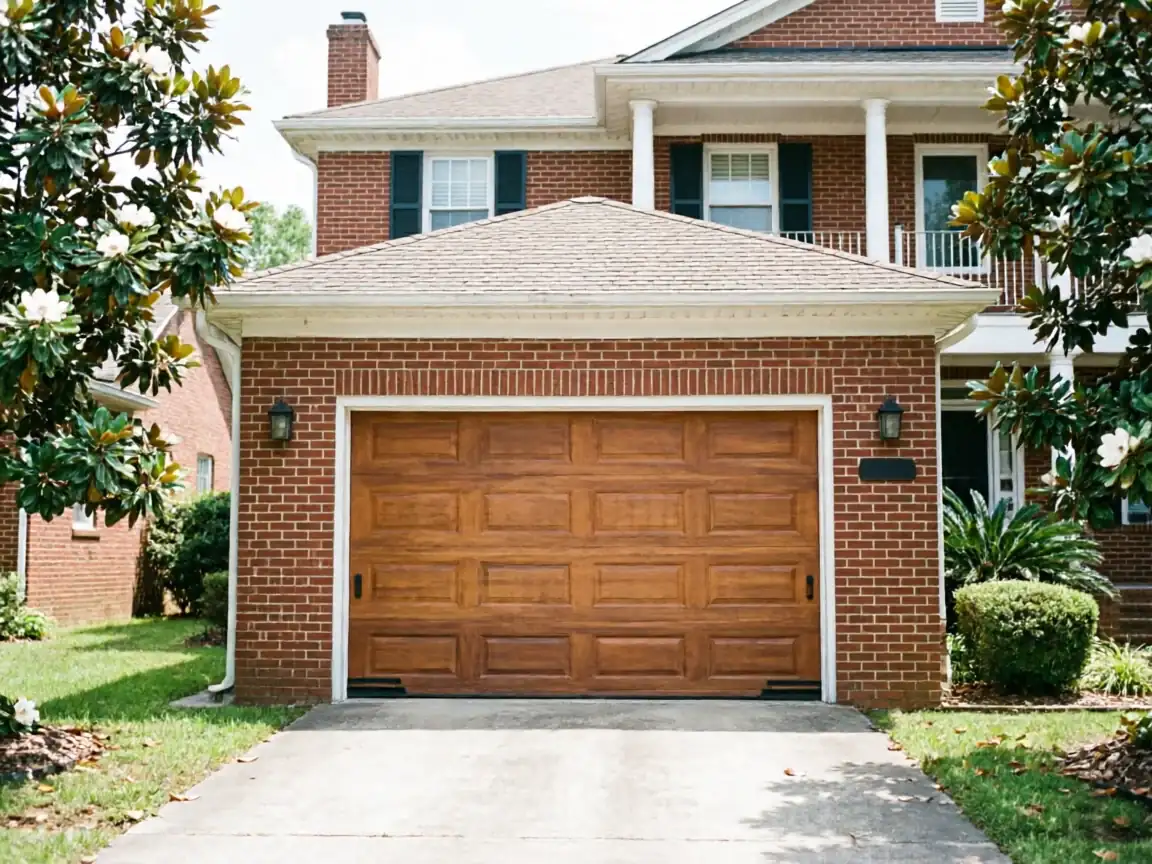
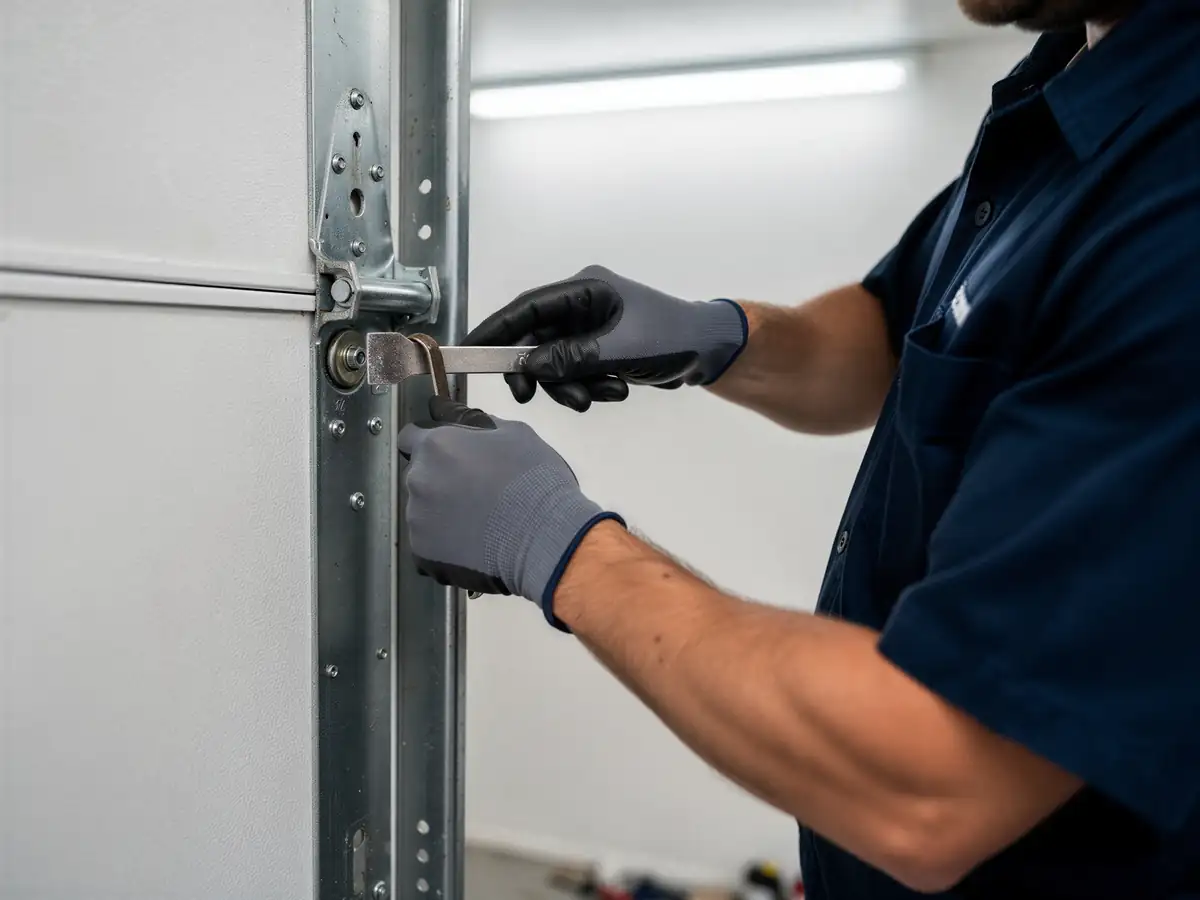
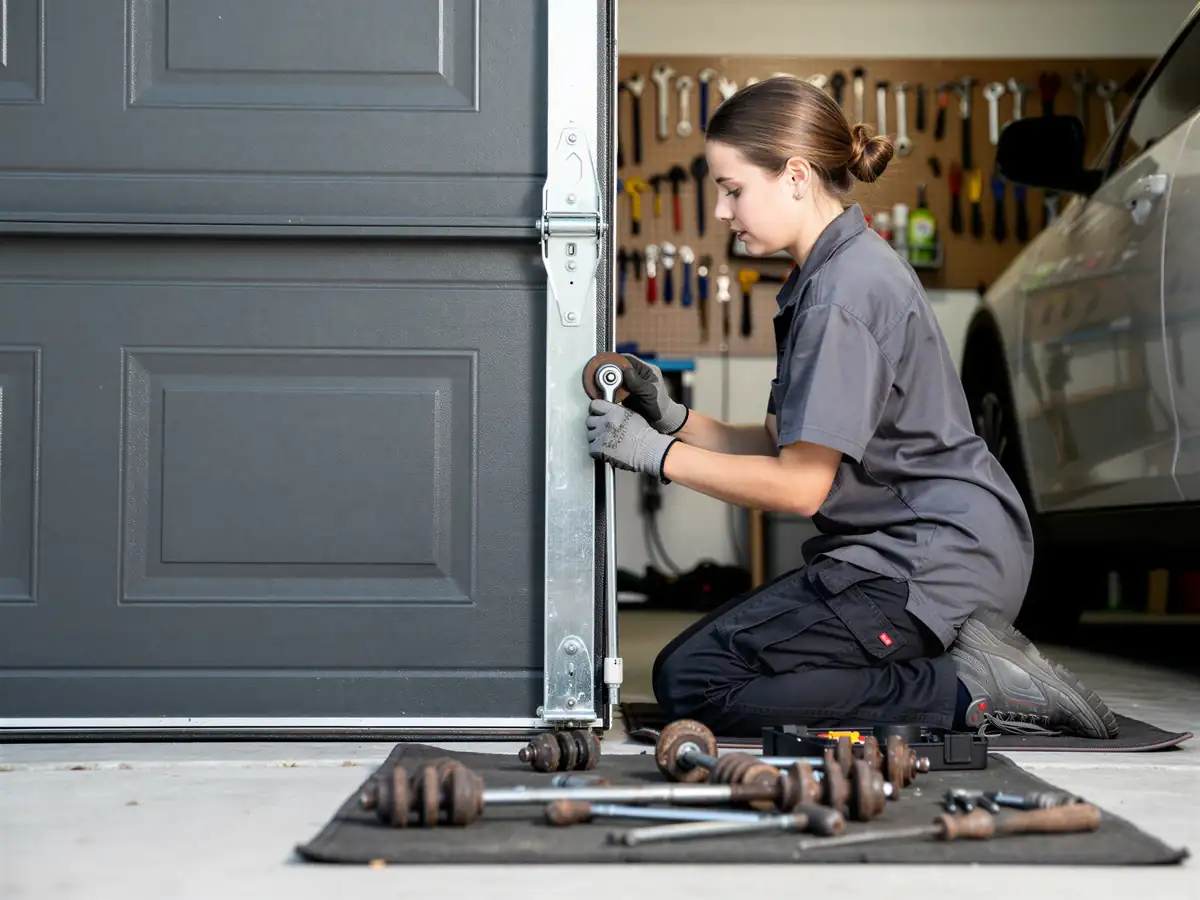
Most houses in Fairburn went up around 2004, which puts the bulk of the stock a full decade newer than the typical build year across the rest of our service area. That matters for one reason: a door installed in 2004 is now old enough that its original rollers - the factory-grade steel or cheap plastic wheels that came with the builder-grade opener package - are at or past the end of their service life, and a lot of them have never been touched. We pull the old rollers, check the track alignment they've been riding in for twenty years, and set new rollers sized to the track gauge on the door. If the track itself has worn a groove or bent at the mounting brackets from years of a rough roller dragging through it, we true it up or replace the damaged section before the new rollers go in. Swapping rollers without checking the track is how you get a quiet fix that fails again in six months.
Why It Happens Here
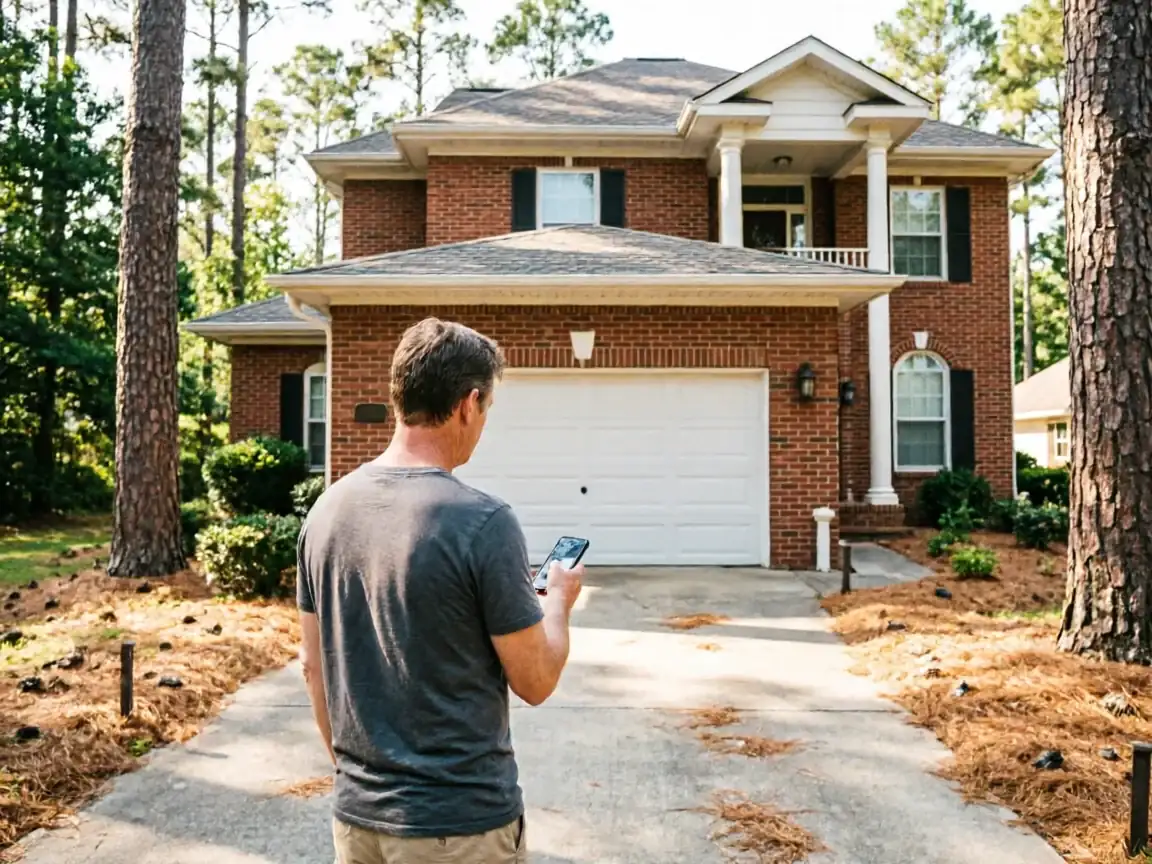
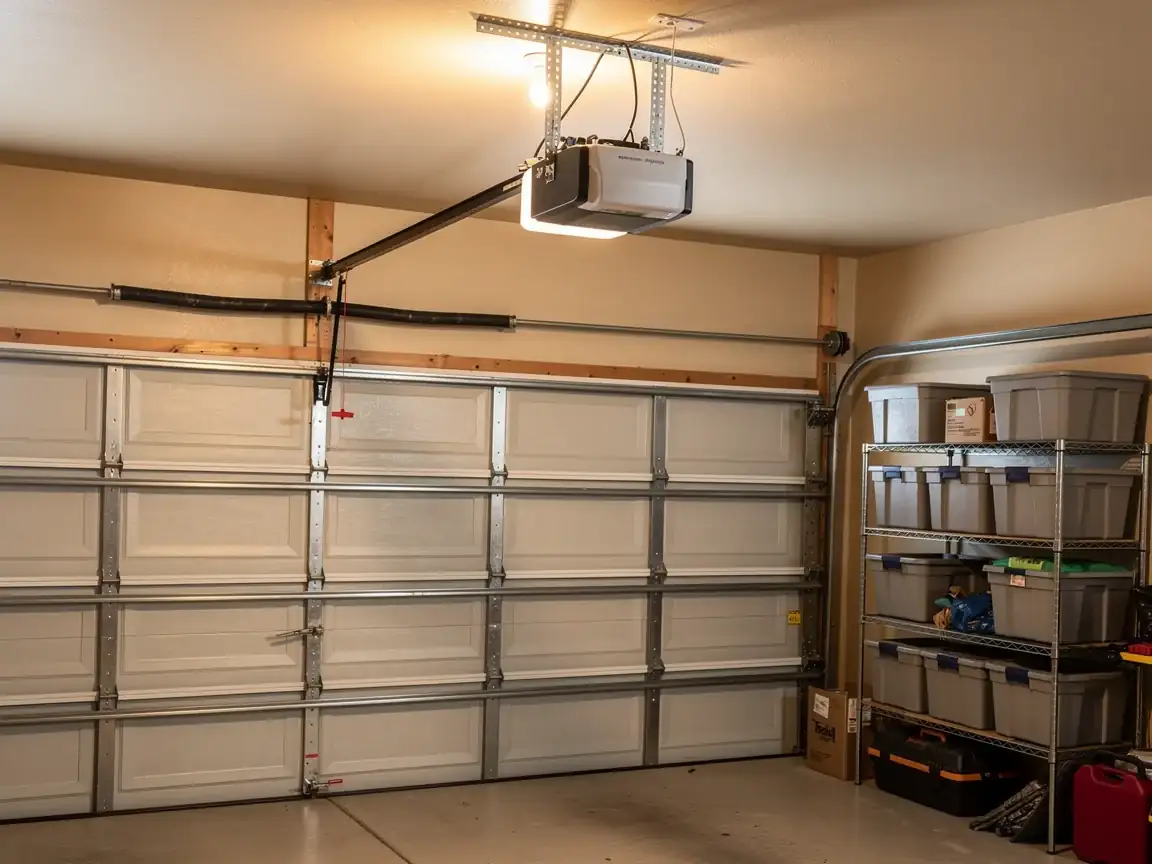
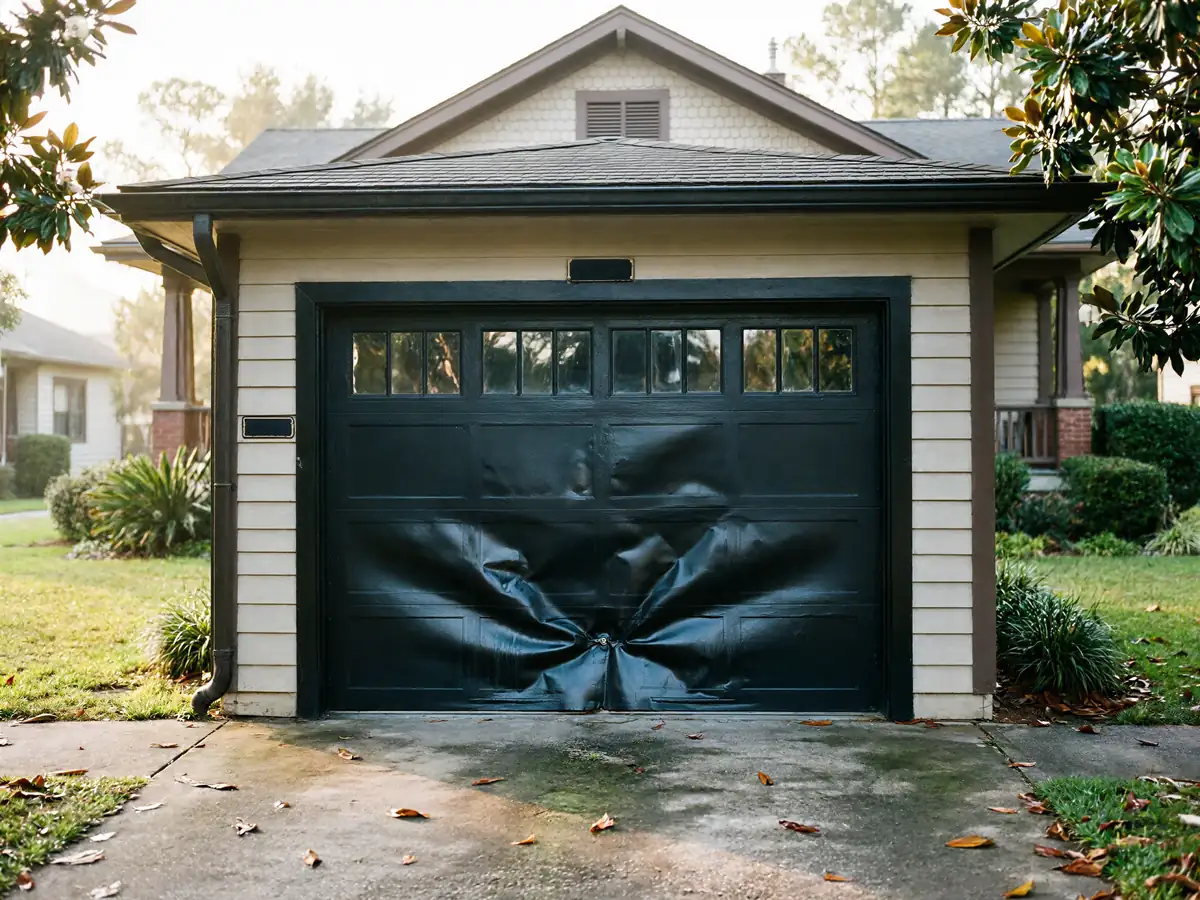
Fairburn sits about 16 miles out from Newnan, and the housing here is newer than much of the wider area - most of this suburb was built close to the early 2000s rather than the 1980s and 90s that dominate elsewhere in our coverage. Newer construction still means original hardware, because a roller doesn't announce its age the way a cracked panel does. It just gets louder, then stiffer, then one day it jumps the track. The climate band here is cold-moderate, which doesn't bring the extreme freeze-thaw cycling that cracks cheap plastic rollers outright, but it does mean enough seasonal temperature swing that nylon rollers without sealed bearings stiffen up in winter and bind on the way down. A door that's stuck or grinding on a cold morning in a 2004-built Fairburn garage is almost always rollers, not the opener.
What Can Go Wrong
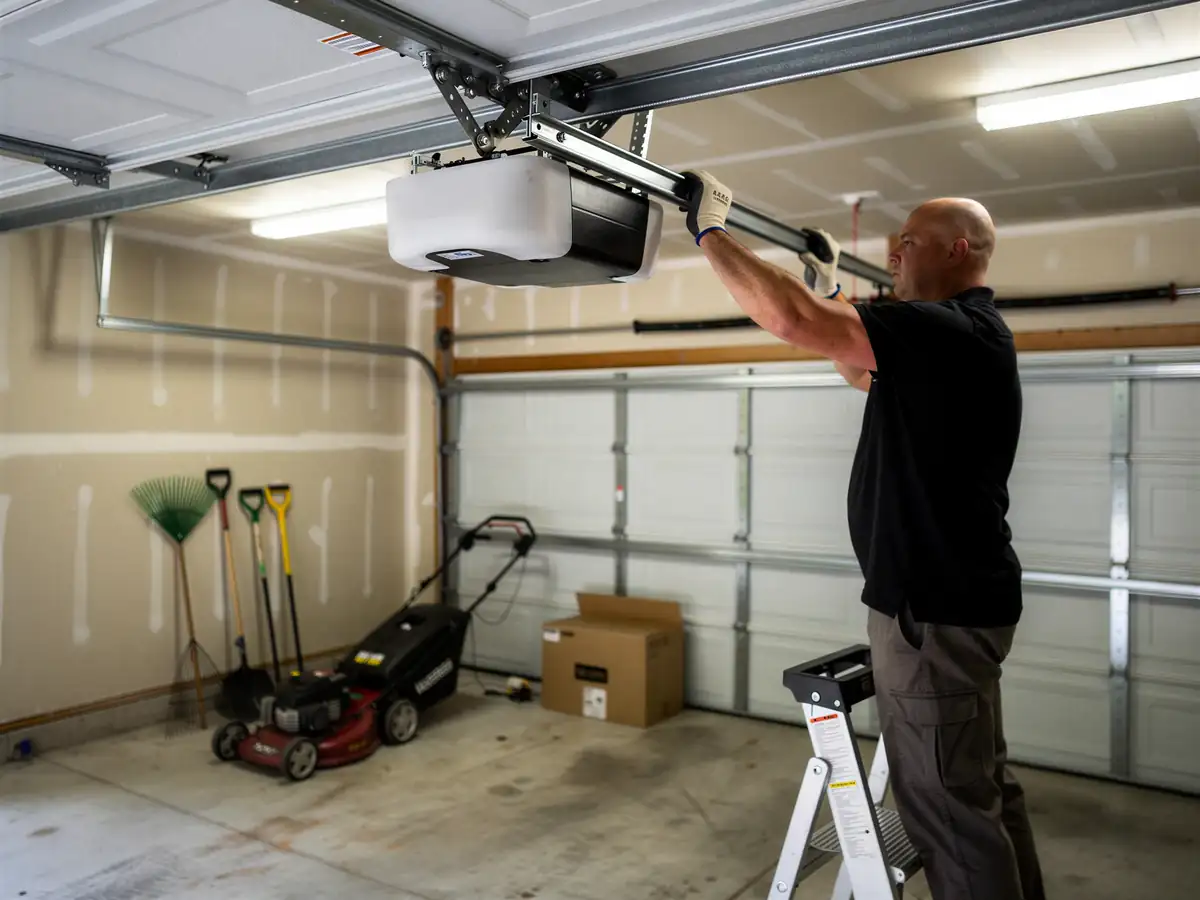
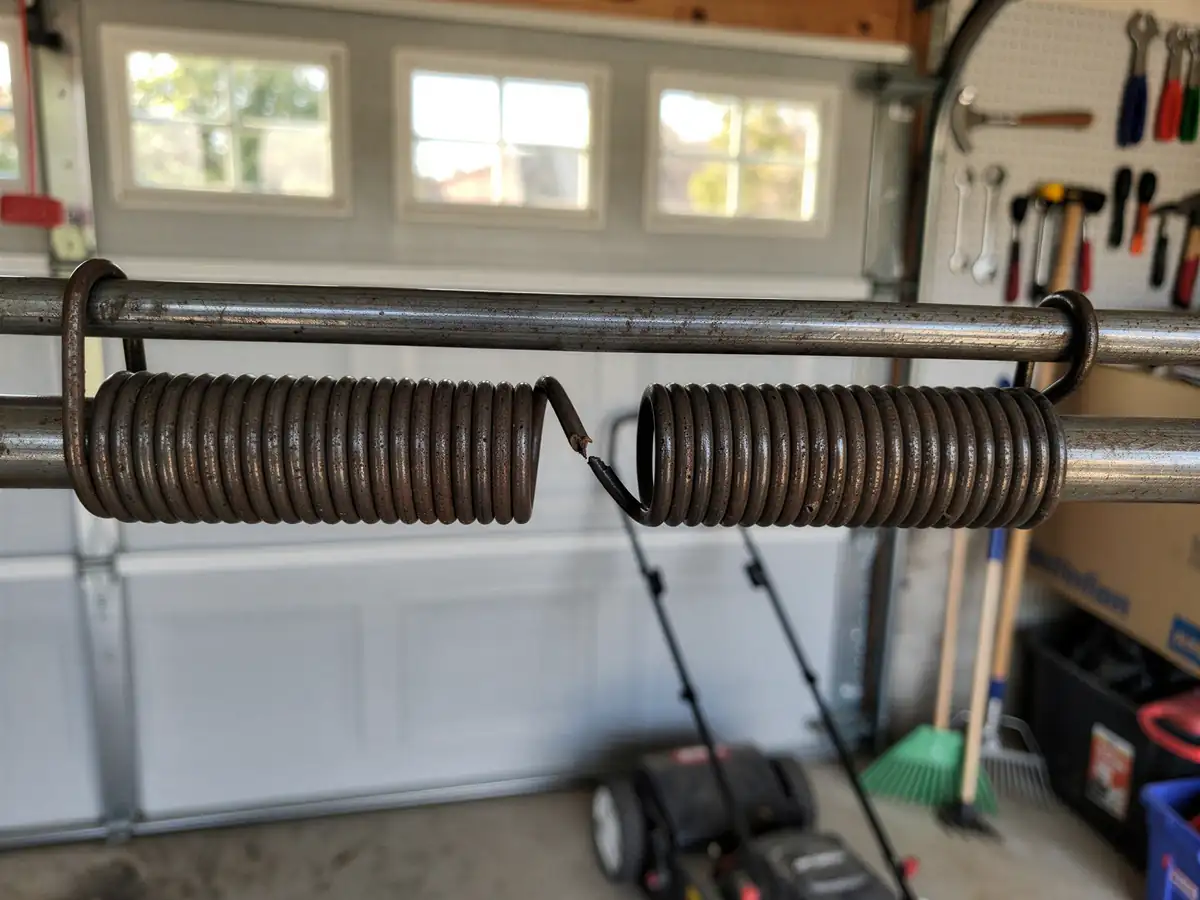
The most common mistake we see from a DIY roller swap is putting new rollers into a track that's already bent or narrowed from the old roller grinding through it - the new roller lasts a few weeks and fails the same way. The other issue specific to original 2004-era hardware is that the bottom brackets holding the lowest roller can be rusted or stripped after two decades, and pulling the roller without supporting that bracket can let the cable slip under spring tension. That's a cable and spring problem layered on top of a roller job, and it's not a five-minute fix anymore. If the track is badly warped or the opener's travel limits are already off because of it, replacing rollers alone won't quiet the door - at that point we'll tell you plainly if a new section of track, or in some cases a new door, makes more sense than chasing the symptom.